TorontoOntario · 36 tours
 Niagara FallsOntario · 25 tours
 New York CityNew York · 30 tours
 Las VegasNevada · 8 tours
 San FranciscoCalifornia · 16 tours
 VancouverBritish Columbia · 17 tours
 DubaiUAE · 54 tours
 Abu DhabiUAE · 5 tours
 Buenos AiresArgentina · 23 tours
 AthensGreece · 31 tours
 AucklandNew Zealand · 38 tours
 CancunMexico · 54 tours
No destinations match “”. Try searching all tours instead — that search understands full questions, not just place names.
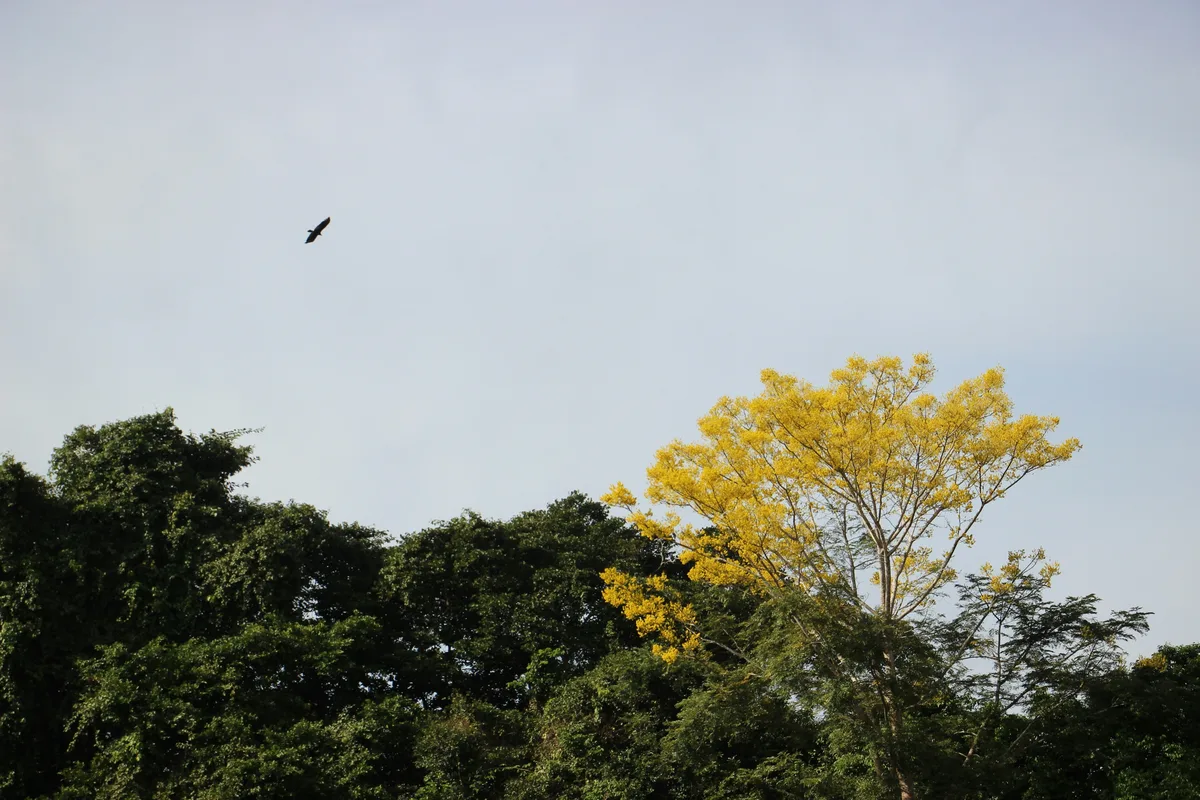
Colombia's southern tip drops into the Amazon basin at Leticia, a river port town used as the gateway for jungle lodges, canopy walks, and boat trips along the Amazon River itself.
Visitor guide
Leticia is Colombia's southernmost city and a major river port on the Amazon, in the department of Amazonas. It sits where the borders of Colombia, Brazil and Peru meet, in a tri-border area known as Tres Fronteras, and serves as the gateway for visitors to the Colombian Amazon.
According to Wikipedia, Leticia lies on the left bank of the Amazon at about 96 metres above sea level, with a population of roughly 33,500 and an average temperature around 27 degrees Celsius. It is adjacent to the larger Brazilian city of Tabatinga, and together with the Peruvian town of Santa Rosa de Yavari the urban area has more than 120,000 residents along the river. The settlement was founded in 1867 by the Peruvian captain Benigno Bustamante. One legend says the name came from a Colombian soldier's love for an Indigenous woman called Leticia, though Peruvian records suggest it honoured a woman from Iquitos, so the naming story is uncertain.
The Leticia area was the subject of a border dispute that led to the Colombia-Peru War of 1932 to 1933. The League of Nations awarded the territory to Colombia in 1934. Today the city's economy rests mainly on tourism, agriculture and the long-standing trade in tropical fish for aquariums.
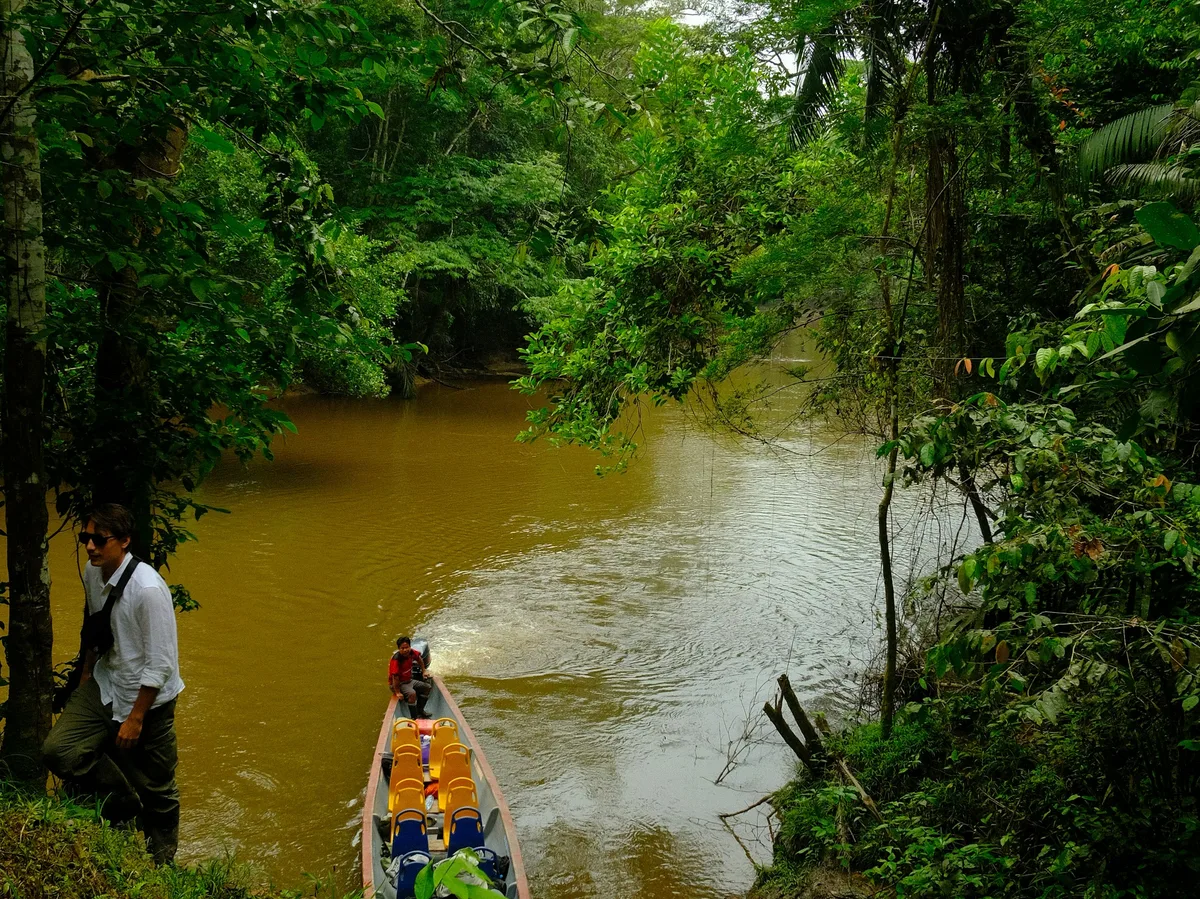
The Amazon at Leticia is a broad, slow brown river, flooded forest in the wet season and drier banks in the dry months. The climate is tropical rainforest, with warm temperatures all year and rainfall consistently above 150 millimetres a month. Wikipedia reports remarkable biodiversity, including 96 frog species recorded in a survey of forest north of Leticia, with the true total possibly higher.
Nearby Amacayacu National Natural Park covers roughly 2,700 square kilometres (about 267,000 hectares) of jungle along the Amazon, much of it flooded each year. Its name is said to mean river of the hammocks in Quechua, and the Ticuna people live within part of the park. Visitors travel upriver by boat from Leticia. Activities mentioned in published accounts include river trips to Isla de los Micos, known for monkeys, to islands where giant Victoria regia water lilies grow, and to Lake Tarapoto, where pink river dolphins are seen.
The region is home to several Indigenous peoples, including the Witoto, Inga, Tucano, Ticuna and Nukak. Most of Leticia's present population has migrated from elsewhere in Colombia, especially Bogota, Medellin and Tolima, and the local cuisine reflects Brazilian and Peruvian influences along with river fish staples. Many people cross freely between Leticia and Tabatinga in everyday life.
The Colombian Amazon is reached by air from the interior and then by boat. It is hot, humid and insect-heavy, so long sleeves, repellent and sun protection are advised. Because most excursions rely on river travel and local guides, a private tour operator can arrange the logistics while the specific activities and timings depend on the season and the water level.
See every tour and attraction we cover in Colombia.