TorontoOntario · 36 tours
 Niagara FallsOntario · 25 tours
 New York CityNew York · 30 tours
 Las VegasNevada · 8 tours
 San FranciscoCalifornia · 16 tours
 VancouverBritish Columbia · 17 tours
 DubaiUAE · 54 tours
 Abu DhabiUAE · 5 tours
 Buenos AiresArgentina · 23 tours
 AthensGreece · 31 tours
 AucklandNew Zealand · 38 tours
 CancunMexico · 54 tours
No destinations match “”. Try searching all tours instead — that search understands full questions, not just place names.
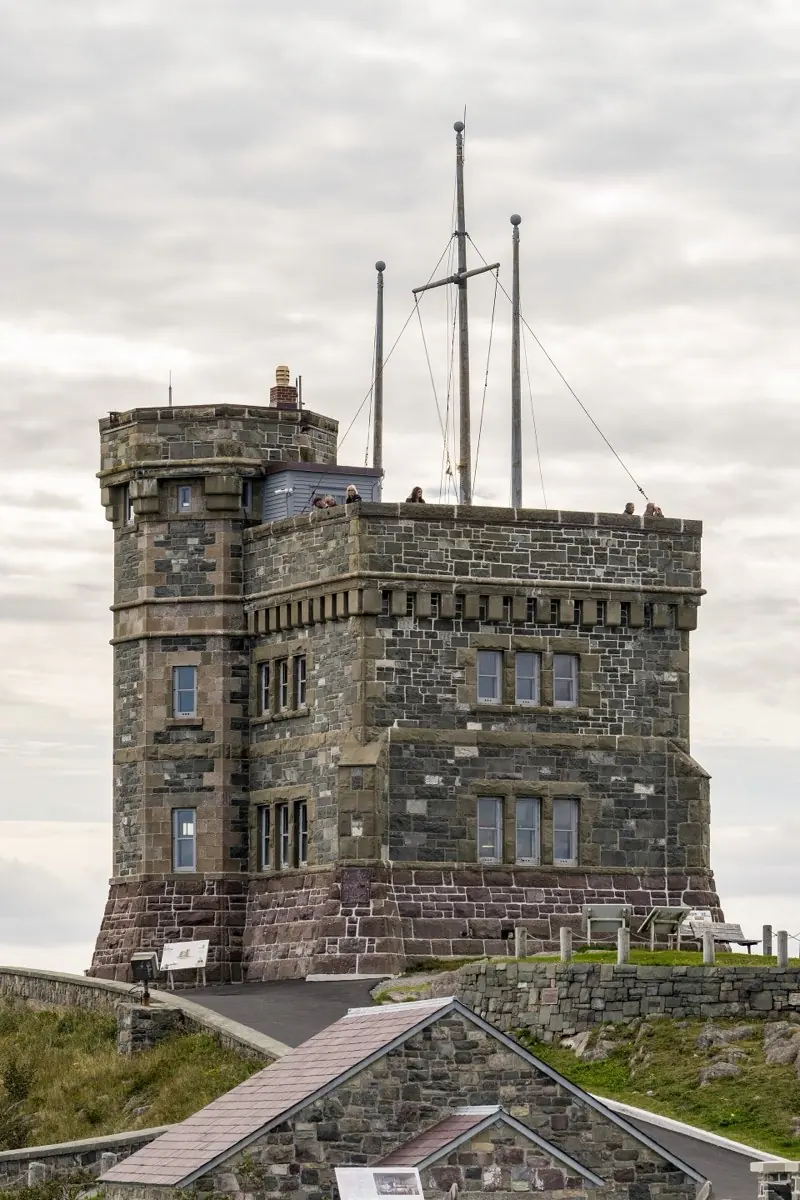
The site of Marconi's first transatlantic wireless signal in 1901, with sweeping harbour views.
Visitor guide
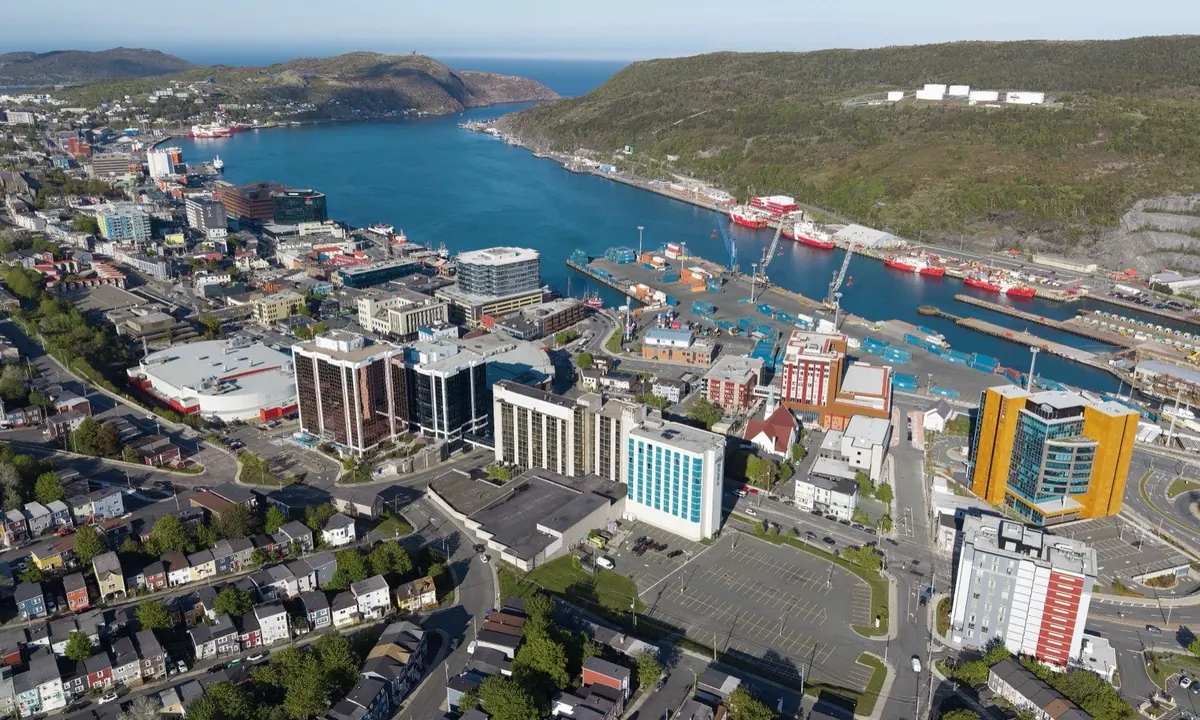
Signal Hill rises above The Narrows, the only entrance to St. John's harbour, and has served as the city's lookout, fortress and communications post for centuries. Its summit is topped by Cabot Tower, and the hill is a National Historic Site of Canada. Few places in Newfoundland pack so much military and scientific history into one walkable headland.
Because the Narrows is a single, easily watched channel, defences on and around the hill date back to the 1640s according to Parks Canada, and the high ground was used for signalling ships and the town below. Wikipedia describes land-to-sea flag signalling here from the 17th century until 1960, while Parks Canada dates its military signalling emphasis to roughly 1704 to 1870, so the exact start of the practice depends on how you count. Sources also differ on how the name arose: the long-told local explanation is the signal flags that announced approaching vessels, while Wikipedia credits Lt. Col. William Amherst with renaming 'The Lookout' as Signal Hill after 1762.
The hill gave its name to the last major battle of the Seven Years' War (the French and Indian War) in North America. The French had taken St. John's in June 1762. A British force under Lt. Col. William Amherst landed at Torbay in mid-September and, on 15 September 1762, climbed the hill at dawn and surprised the French defenders in a short fight. The wounded French commander Guillaume de Bellecombe and the survivors retreated to Fort William, and the French garrison surrendered about three days later. Wikipedia puts the British force at roughly 1,559 men against about 800 French; treat these as approximate.
The hill was fortified again in the late 1700s and remained manned through the Napoleonic Wars and the American Civil War era. The Queen's Battery Barracks has been restored to its 1862 appearance. Cabot Tower was begun in 1897 to mark Queen Victoria's Diamond Jubilee and the 400th anniversary of John Cabot's 1497 landfall in Newfoundland, and it opened in 1900 (sources differ slightly on the finishing date). It continued as a flag-signalling station, and later hosted amateur radio. Wikipedia notes that during the Second World War, anti-aircraft guns and two 8-inch railway guns were placed on the hill, with the railway guns moved to Red Cliff around 1943.
On 12 December 1901, Guglielmo Marconi reported receiving the Morse letter 'S' sent from Poldhu, Cornwall, using a kite-supported antenna. According to Wikipedia, the reception took place in a former fever and diphtheria hospital on the hill, which was later destroyed by fire, rather than inside Cabot Tower itself. It is widely cited as the first transatlantic wireless signal, though the claim has long been debated by historians because the signal was faint and relied on Marconi's own listening. Parks Canada designated the site a National Historic Site in 1951 for its military and communications significance.
Parks Canada interprets the site with a visitor centre, Cabot Tower, the Queen's Battery and a demonstration cannon firing; its pages mention a noon-day gun, so check with Parks Canada for current programs. Several trails start here. The North Head Trail follows the harbour edge, a steep path descends from Ladies' Lookout (the hill's high point at about 167 m) toward the Burma Road trail, built by American servicemen in the Second World War, which leads down to Cuckold's Cove near Quidi Vidi. Signal Hill Tattoo, a costumed military display with reenactors in Royal Newfoundland Regiment uniforms, has been a summer feature, but confirm the schedule before you plan around it.
See every tour and attraction we cover in St. John's.