TorontoOntario · 36 tours
 Niagara FallsOntario · 25 tours
 New York CityNew York · 30 tours
 Las VegasNevada · 8 tours
 San FranciscoCalifornia · 16 tours
 VancouverBritish Columbia · 17 tours
 DubaiUAE · 54 tours
 Abu DhabiUAE · 5 tours
 Buenos AiresArgentina · 23 tours
 AthensGreece · 31 tours
 AucklandNew Zealand · 38 tours
 CancunMexico · 54 tours
No destinations match “”. Try searching all tours instead — that search understands full questions, not just place names.
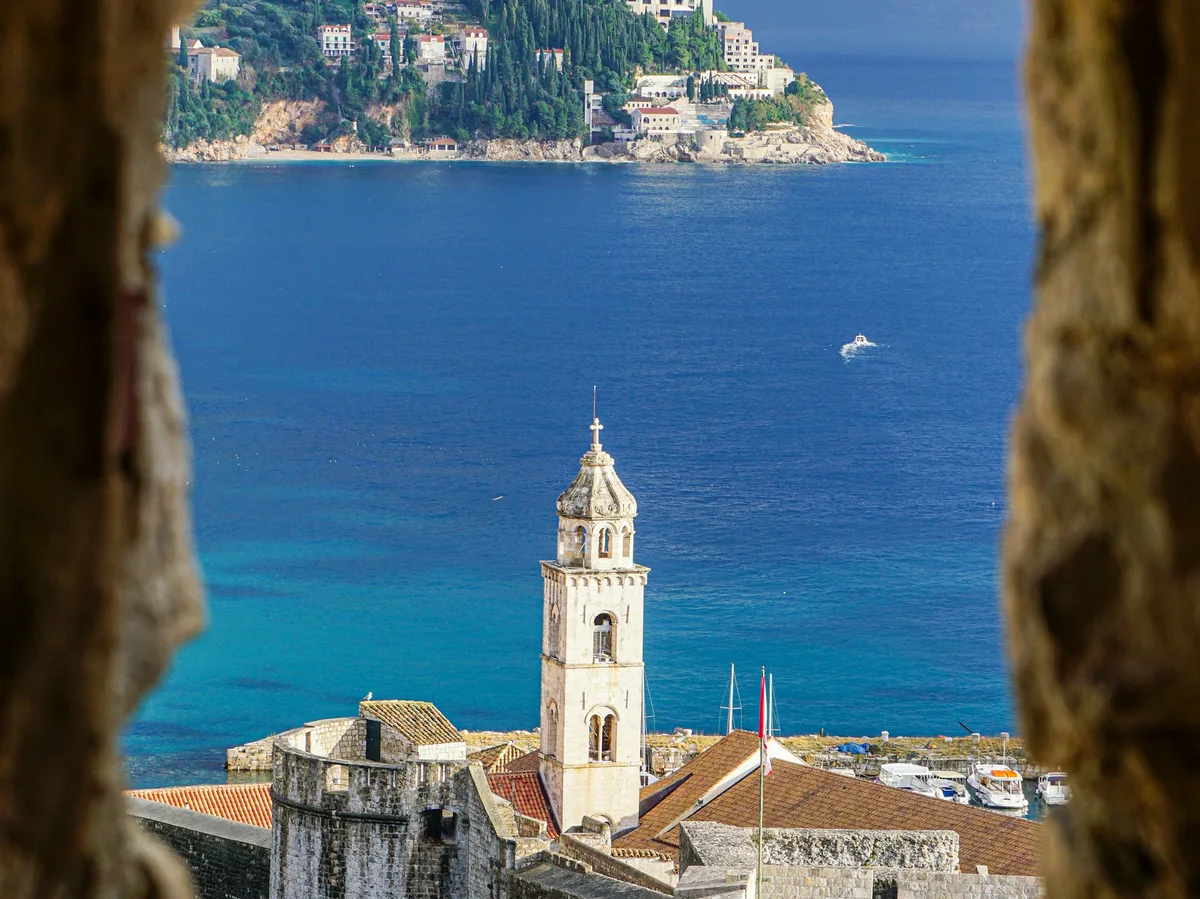
A UNESCO World Heritage walled city on the Adriatic, famous for its marble streets, baroque churches and the mile-long ramparts that circle the entire Old Town.
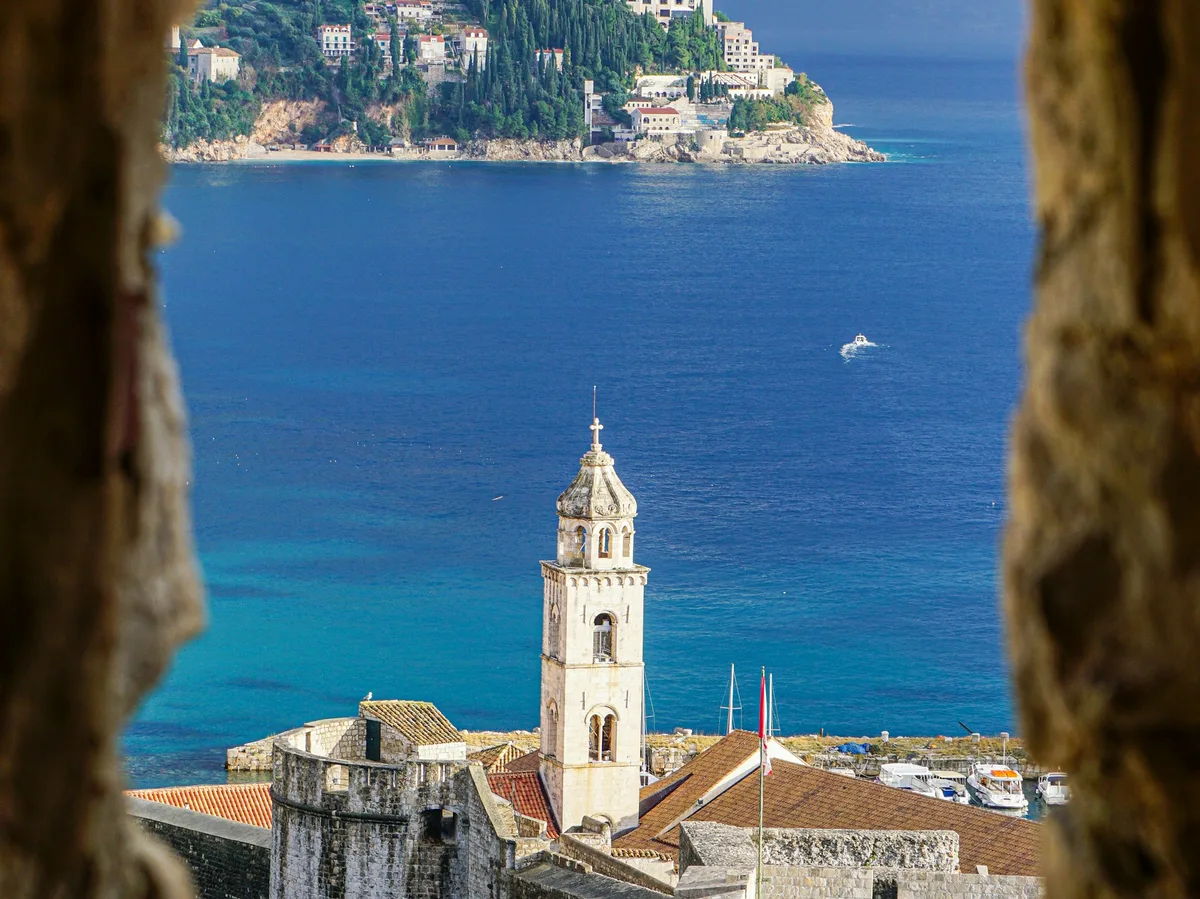 Multi-Day Tours Popular Pick
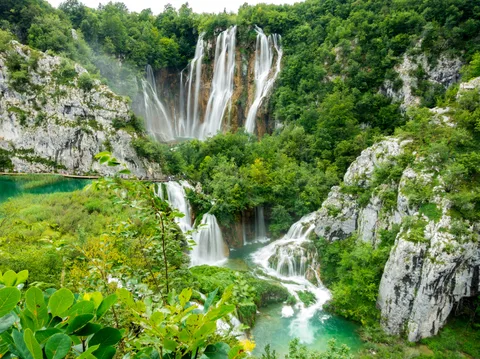
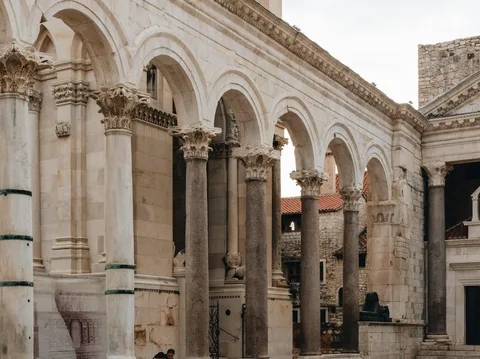
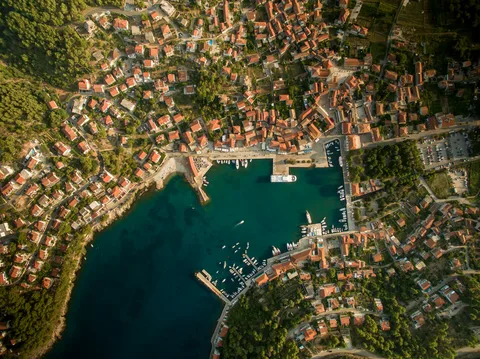
An 8-day introduction to Croatia's best-known sights, from Zagreb's cafe-lined old town to the Plitvice Lakes, Split's Roman ruins, Hvar's harbour, and the walled city of Dubrovnik.
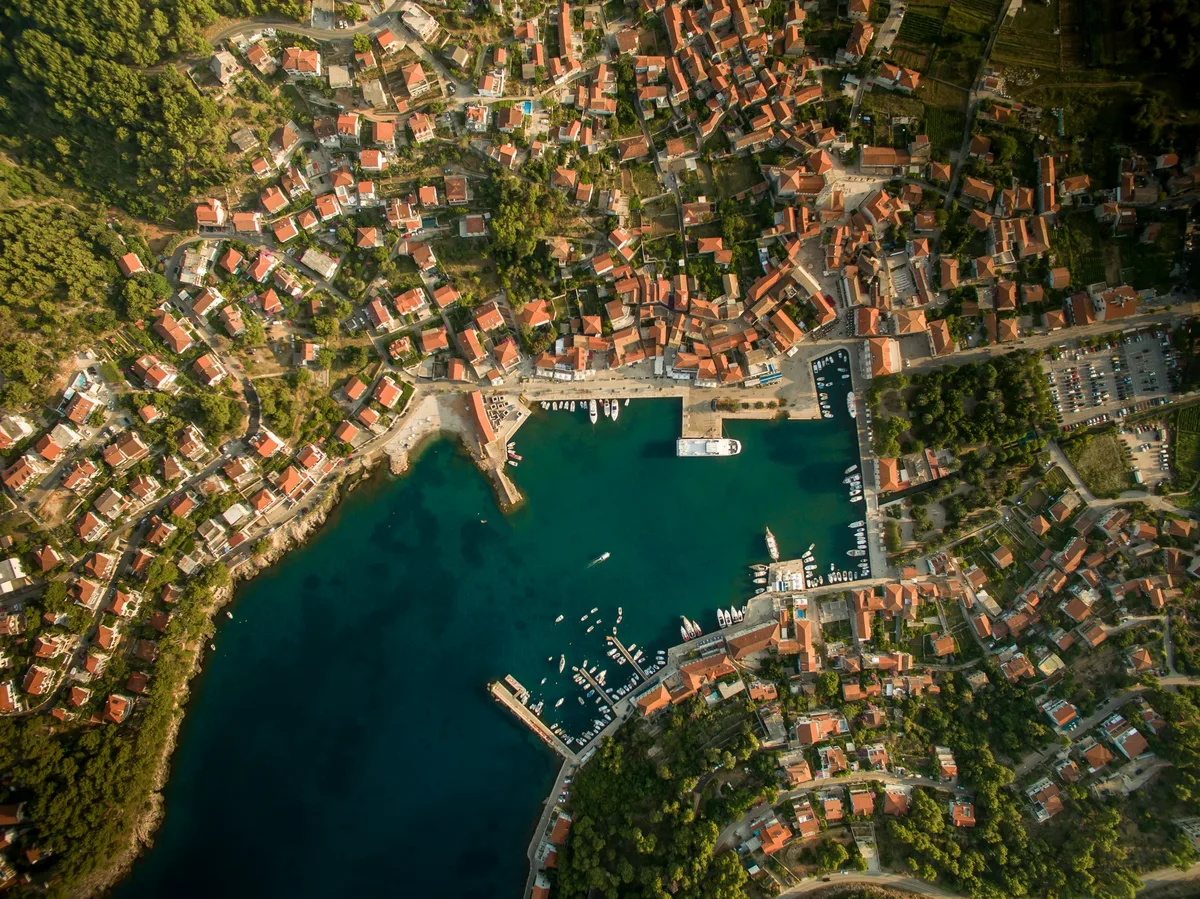 Multi-Day Tours
A leisurely 10-day journey down the Dalmatian coast, from Split and the Plitvice Lakes through Hvar, Korčula and the Elafiti Islands to Dubrovnik.
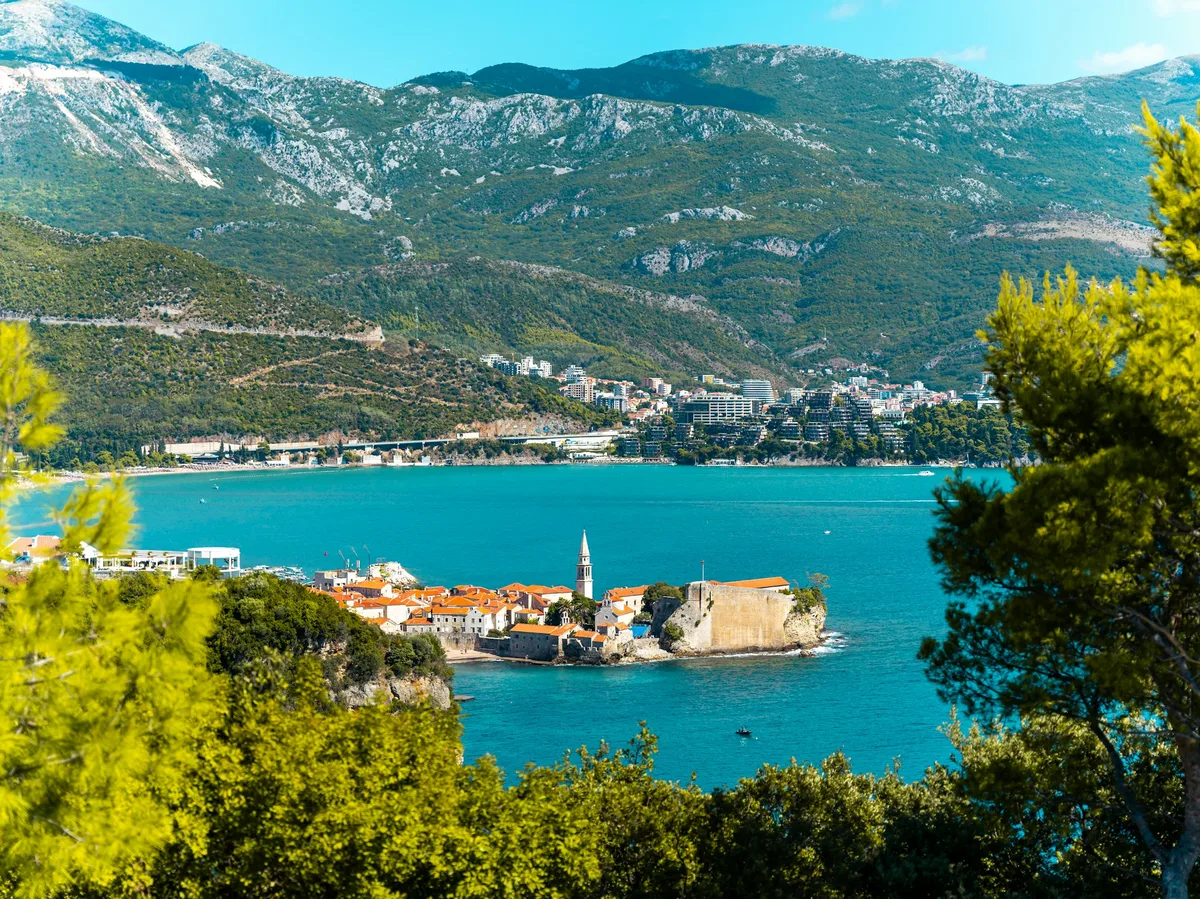 Multi-Day Tours
An 8-day journey that starts in Dubrovnik's Old Town, crosses briefly into Bosnia & Herzegovina for Trebinje, then continues along the Bay of Kotor to Perast, Kotor and Budva in Montenegro.
Visitor guide
Dubrovnik Old Town is the walled historic core of the Croatian city of Dubrovnik, on the Adriatic coast of southern Dalmatia. It is a UNESCO World Heritage Site, inscribed in 1979, and is known for its limestone streets, its Baroque and Gothic buildings and the stone ramparts that enclose it.
Dubrovnik is thought to date from around the 7th century. According to the 10th-century writer Constantine Porphyrogenitus, refugees from the nearby Roman town of Epidaurum founded it after Slavic incursions. Excavations in 2007 uncovered an 8th-century Byzantine basilica and parts of early city walls. The city later came under Venetian rule from 1205 to 1358, and after the Peace of Zadar in 1358 it governed itself as the Republic of Ragusa, paying tribute to the Ottoman Empire for a period, until Napoleon's marshal abolished the republic in 1808.
The republic reached its height in the 15th and 16th centuries, when its maritime trade rivalled that of Venice. Wikipedia records a string of civic firsts for the period, including a medical service in 1301, a pharmacy in 1317, quarantine regulations in 1377 (the surviving Lazareti complex dates from the 17th century), and a ban on the slave trade in 1418. In 1438 the Neapolitan engineer Onofrio della Cava built a long aqueduct that fed public fountains, among them the larger fountain that still bears his name near the Pile Gate.
The ramparts are about 1,940 metres long, form an almost unbroken circuit around the Old Town and reach roughly 25 metres at their highest. Most were built between the 13th and 17th centuries, and their present form follows a plan adopted after a fire in 1296. The landward walls are four to six metres thick, and the defences included three round and fourteen quadrangular towers, five bastions and a dry moat.
Several fortresses anchor the circuit. Minceta Tower, begun in 1463, is the northern landmark and a symbol of the city's defiance. Fort Bokar guards the western approach by the Pile Gate, whose stone bridge dates to 1471 and whose arch is topped by a statue of Saint Blaise, the city's patron saint. Revelin Fortress protects the eastern Ploce Gate, while St Lawrence Fortress, known as Lovrijenac, stands on a cliff outside the western walls and has long served as a stage for open-air theatre.
The main thoroughfare, the Stradun, runs through the centre of the Old Town and is paved in polished limestone. Around it and in the lanes that climb on either side stand buildings from the Republic's era, including the Rector's Palace, the Sponza Palace and Dubrovnik Cathedral. The Old Town is covered by UNESCO under criteria i, iii and iv, recognising its outstanding architecture, its testimony to a vanished civilisation and its exceptional urban ensemble.
A great earthquake in 1667 killed thousands and flattened most public buildings, and the city was rebuilt largely in a Baroque idiom. Saint Blaise remains the focus of the city's main festival, celebrated around 3 February each year.
During the Croatian War of Independence, Yugoslav People's Army forces besieged Dubrovnik for about seven months from October 1991. According to a UNESCO-linked survey cited on Wikipedia, 563 of the 824 buildings in the Old Town were struck by projectiles, though the old walls held up better than many later structures. Reconstruction followed UNESCO guidance and aimed to use original materials and styles, and was largely complete between 1995 and 1999. The Old City was removed from the List of World Heritage in Danger in 1998.
Dubrovnik Old Town is compact and largely pedestrian, with steep stepped lanes off the main street, so comfortable shoes matter. It has also appeared as a filming location for productions such as Game of Thrones and Star Wars: The Last Jedi. A private guided visit with a driver can help you make sense of the layers of history and handle the hill transfers to and from the Old Town gates.
See every tour and attraction we cover in Croatia.