TorontoOntario · 36 tours
 Niagara FallsOntario · 25 tours
 New York CityNew York · 30 tours
 Las VegasNevada · 8 tours
 San FranciscoCalifornia · 16 tours
 VancouverBritish Columbia · 17 tours
 DubaiUAE · 54 tours
 Abu DhabiUAE · 5 tours
 Buenos AiresArgentina · 23 tours
 AthensGreece · 31 tours
 AucklandNew Zealand · 38 tours
 CancunMexico · 54 tours
No destinations match “”. Try searching all tours instead — that search understands full questions, not just place names.
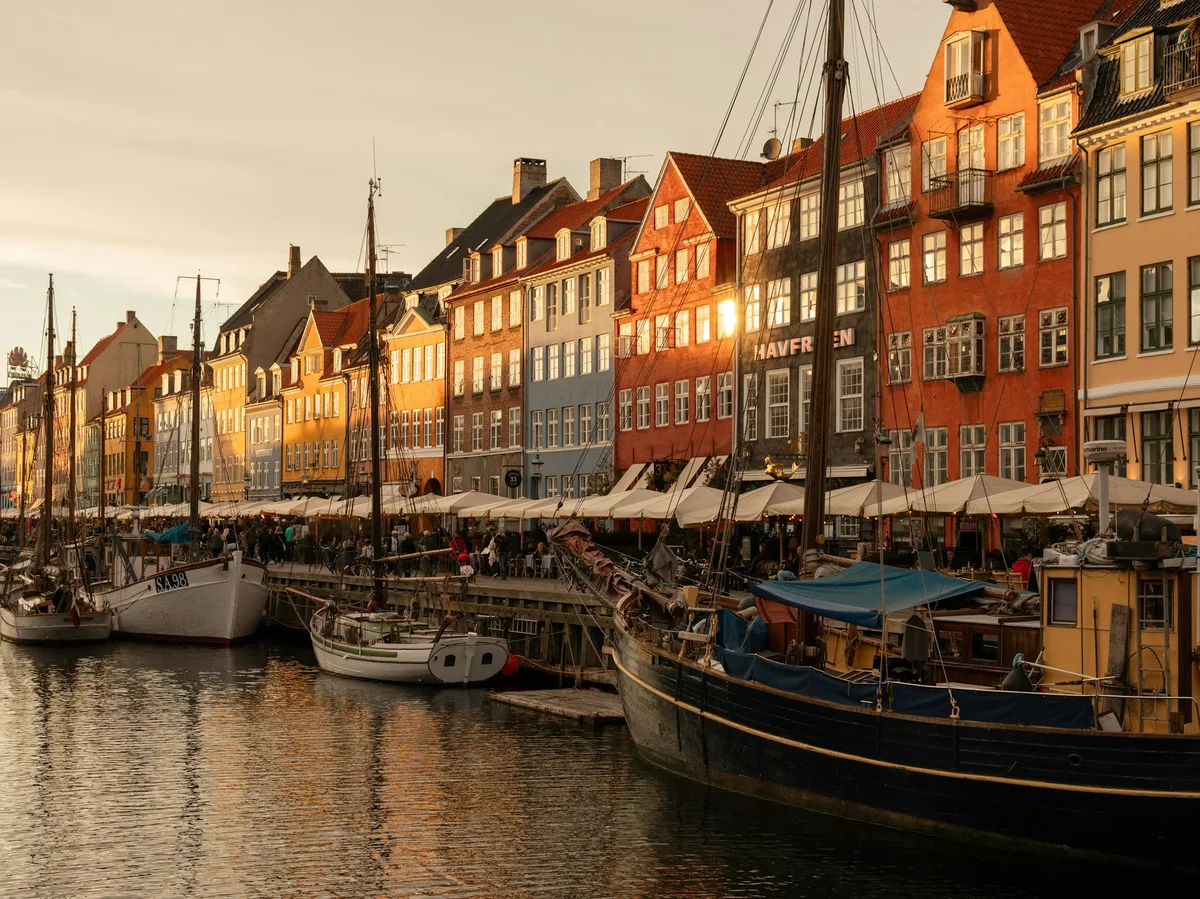
A 17th-century waterfront canal lined with brightly colored townhouses, historic ships, and cafés — one of Copenhagen's most photographed spots.
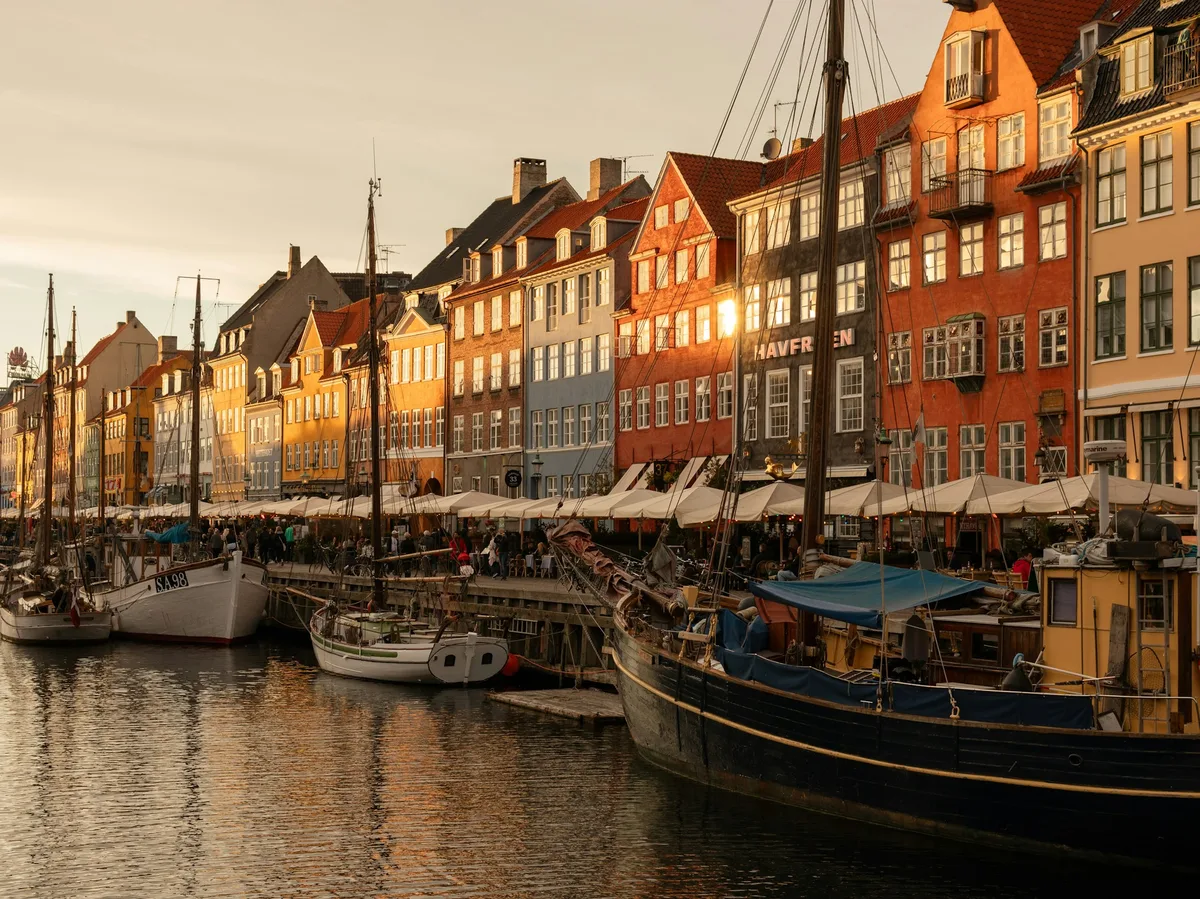 Multi-Day Tours Popular Pick
A 7-day private tour of Denmark's two great cities — Copenhagen's canals and Tivoli Gardens, Aarhus's food scene, and a walk to the medieval ruins of Kalø Castle.
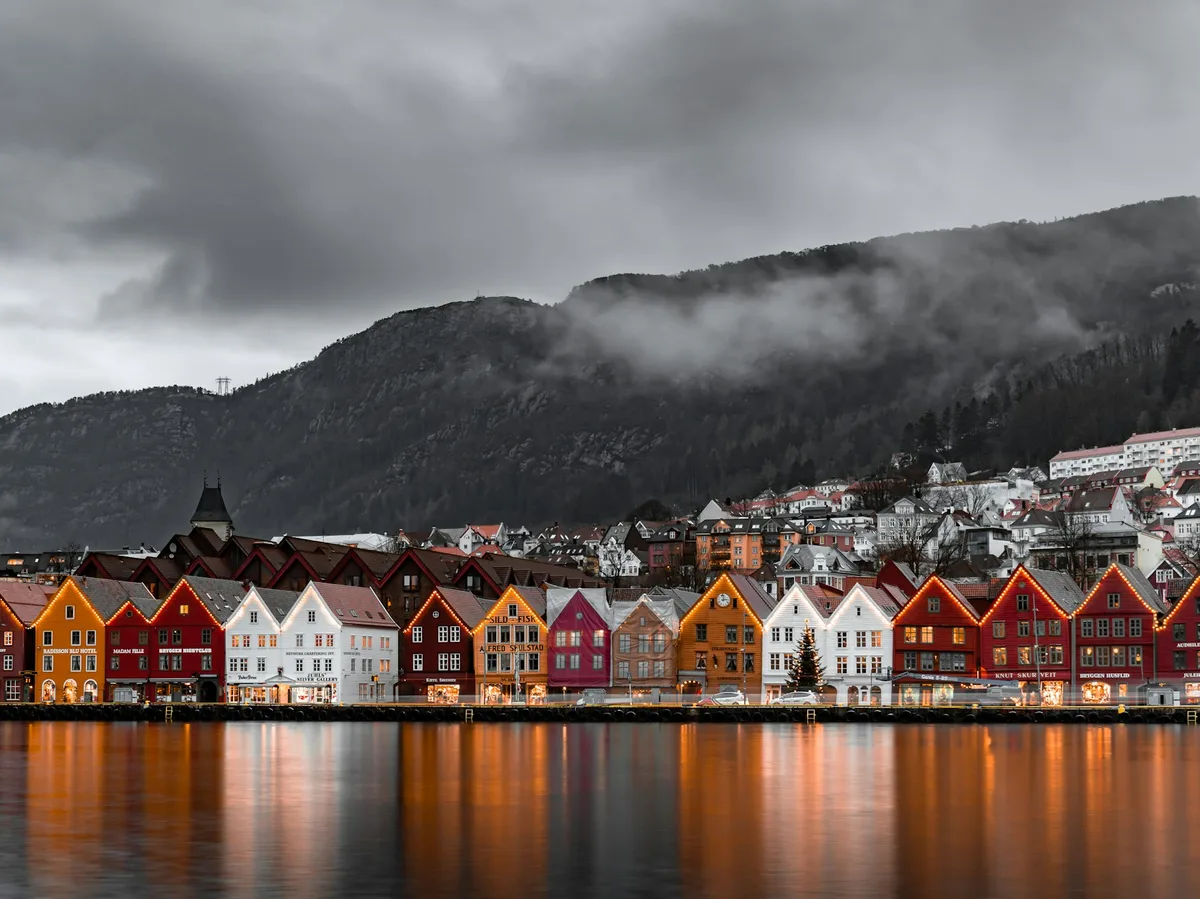 Multi-Day Tours
A 14-day private circuit through Sweden, Denmark, and Norway — Stockholm's Viking history, Copenhagen by bike, an overnight cruise to Oslo, and the fjords of the Norway in a Nutshell route ending in Bergen.
Visitor guide
Nyhavn, meaning New Harbour, is a 17th-century waterfront canal and entertainment district in central Copenhagen, Denmark. Lined with brightly coloured townhouses, historic wooden ships and restaurants, it runs from Kongens Nytorv to the Inner Harbour and is one of the city's most recognisable sights.
Nyhavn was built under King Christian V between 1670 and 1675, though the page's categories give 1673. Wikipedia says the canal was dug by Danish soldiers and Swedish prisoners of war from the Dano-Swedish war of 1658 to 1660. It served as a sea gateway to the old inner city at Kongens Nytorv, where ships unloaded cargo and fishermen sold their catch. The canal itself is about 450 metres long.
For much of its early history the area was known for beer, sailors and rough nightlife. As larger ocean-going ships took over the port, and small-vessel freight shifted to road transport after the Second World War, the canal was left largely empty of working ships. In 1980 the quay was pedestrianised, having previously been used for parking, and architects Jan Gehl and Lars Gemzoe have described it as functioning like a public square.
The northern side of the canal is lined with narrow townhouses of wood, brick and plaster painted in strong colours. The oldest, at No. 9, dates from 1681. The southern side has grander mansions, including Charlottenborg Palace at the corner of Kongens Nytorv. The area is also remembered for Hans Christian Andersen, who lived in Nyhavn for around 18 years at several addresses, including No. 67 from 1845 to 1864, where a memorial plaque now stands, and No. 18 from 1871 to 1875.
The inner part of the canal was established as a heritage harbour in 1977. The south side holds museum ships owned by the National Museum of Denmark, while the north side holds privately owned wooden ships maintained by the Nyhavn Society. Notable vessels listed on Wikipedia include the lightvessel Gedser Rev, built in Odense in 1895 and in service until 1972, the galleass Anna Moller of 1906 and the schooner Mira, built in Faaborg in 1898 and used for many years to carry chalk.
At the end of Nyhavn stands the Memorial Anchor, unveiled in 1951 to honour more than 1,700 Danish seamen who died in the Second World War. The anchor itself dates from 1872 and came from the frigate Fyn. A ceremony is held there each year on 5 May, Denmark's Liberation Day. Beyond the canal, the Inner Harbour Bridge opened in 2016 as a pedestrian and cycle link to Christianshavn. Nyhavn has appeared in films including Alfred Hitchcock's Torn Curtain of 1966 and The Danish Girl of 2015.
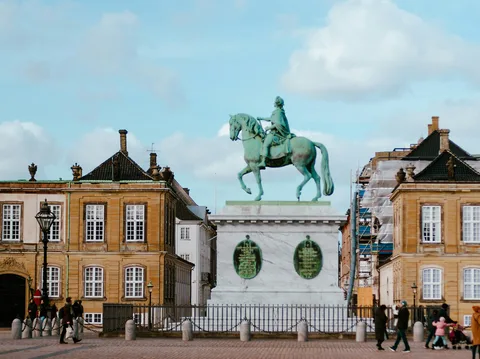
Nyhavn is easy to reach on foot from central Copenhagen. A private guided visit with a driver can combine Nyhavn with nearby sights such as Amalienborg.
See every tour and attraction we cover in Denmark.