TorontoOntario · 36 tours
 Niagara FallsOntario · 25 tours
 New York CityNew York · 30 tours
 Las VegasNevada · 8 tours
 San FranciscoCalifornia · 16 tours
 VancouverBritish Columbia · 17 tours
 DubaiUAE · 54 tours
 Abu DhabiUAE · 5 tours
 Buenos AiresArgentina · 23 tours
 AthensGreece · 31 tours
 AucklandNew Zealand · 38 tours
 CancunMexico · 54 tours
No destinations match “”. Try searching all tours instead — that search understands full questions, not just place names.
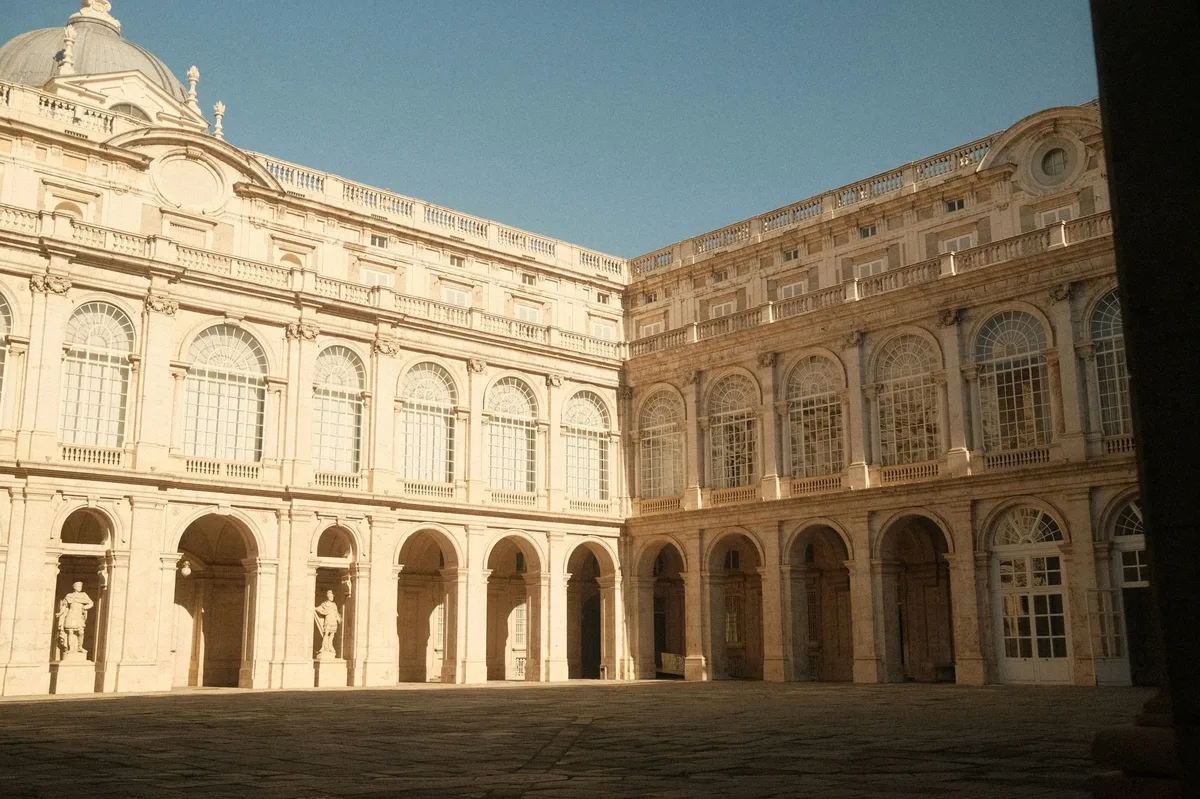
The former royal residence and ceremonial heart of Bangkok, a walled complex of gilded halls and Wat Phra Kaew, the Temple of the Emerald Buddha.
Visitor guide
The Grand Palace is a walled complex of halls, courtyards and temple buildings on Rattanakosin Island beside the Chao Phraya River in Bangkok, Thailand. It served for generations as the royal residence and seat of government, and it still hosts royal ceremonies and state functions. Within its walls stands the chapel of the Emerald Buddha, Wat Phra Kaew, the most revered Buddhist image in the country.
According to Wikipedia, construction began on 6 May 1782 under King Phutthayotfa Chulalok, known as Rama I, the founder of the Chakri dynasty, after he moved the capital from Thonburi across the river to Bangkok. The first buildings were made of wood and surrounded by a log palisade, reflecting limited funds and materials. The king took up residence in June 1782, and a fuller traditional coronation followed in 1785. Many bricks used for the walls and buildings were reportedly salvaged from the ruined palaces of Ayutthaya, and the layout echoed the royal palace of that earlier capital.
Later kings kept adding to the site. Rama II extended the grounds southward to the walls of neighbouring Wat Pho, bringing the area to roughly 218,400 square metres, and Rama V, King Chulalongkorn, commissioned many new buildings. The royal family gradually moved to other residences such as Dusit Palace, and by 1925 the move was complete. After the 1932 revolution ended absolute monarchy, government offices left the palace as well.
The complex is roughly rectangular and divided into several courts. The Outer Court historically held government offices, stables and an arsenal; the Middle Court contains the principal state and residential halls; and the Inner Court was reserved for women of the royal household. The whitewashed, crenellated walls and guard posts were designed to mirror the walls of Bangkok itself, so the palace was conceived as a city within a city.
The architecture is deliberately eclectic because it accumulated over more than two centuries. Most buildings follow classical Thai style, with tiered green and orange tiled roofs, gilded spires, glass mosaic and murals drawn from Buddhist and Hindu mythology. The Chakri Maha Prasat, completed in 1882 with European architects, combines a Western lower storey with traditional Thai roofs and spires, and is recorded as the first building in Thailand to have electricity installed. The Phra Maha Monthien group includes halls used for audiences and coronations, such as Phaisan Thaksin, where the Octagonal Throne stands.
The Temple of the Emerald Buddha, formally Wat Phra Si Rattana Satsadaram, was built in 1783 in the northeast of the complex. Although it is commonly called a temple, it is technically a royal chapel because it has no living quarters for monks. It follows the design traditions of royal chapels at Sukhothai and Ayutthaya and is enclosed by walled cloisters with seven gates. The Emerald Buddha it houses is a small, richly adorned image that is ceremonially dressed for the seasons by the king.
The Thai king now resides at Dusit Palace, but the Grand Palace remains a working royal site where offices operate and annual ceremonies and state functions are held. Parts of the grounds are open to the public as a museum, and Wikipedia reports that it receives more than eight million visitors a year. A strict dress code applies, with covered shoulders and legs expected.
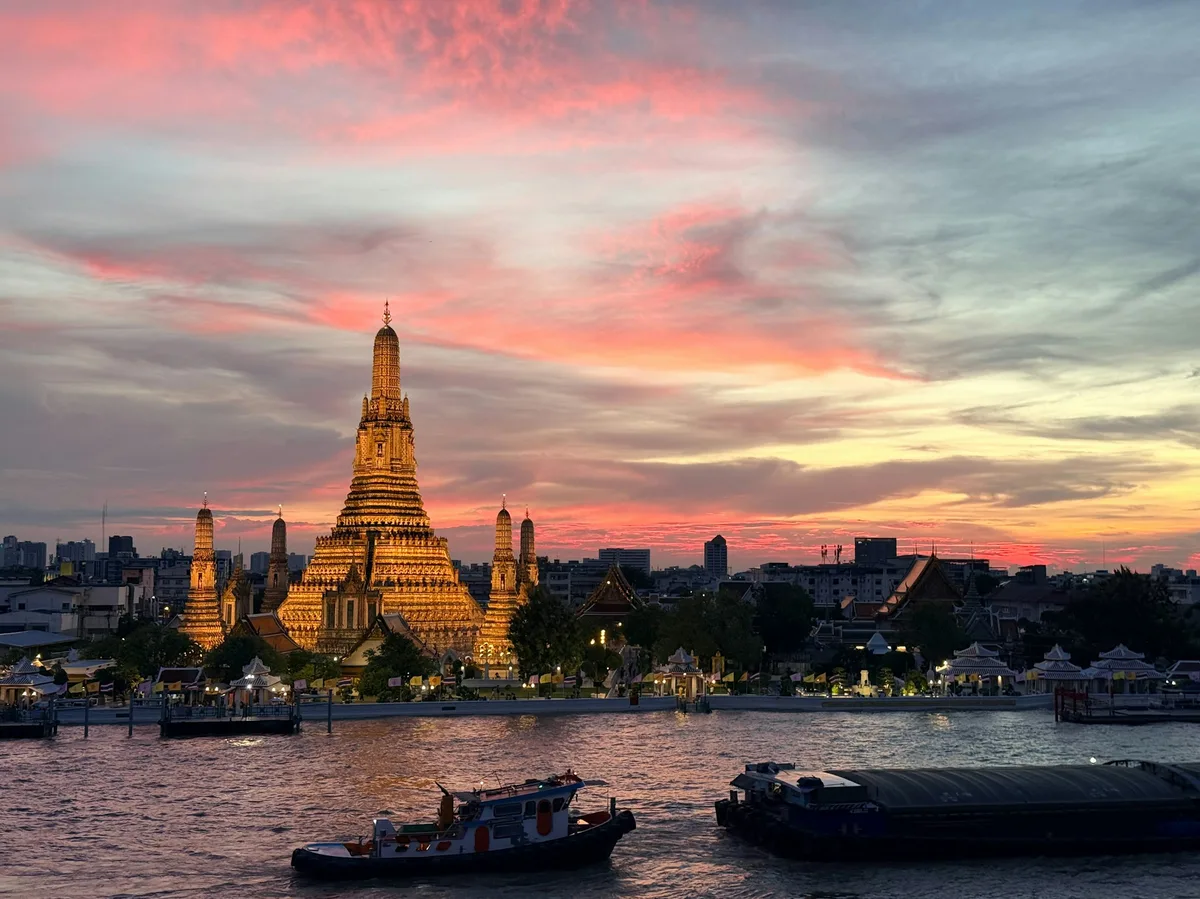
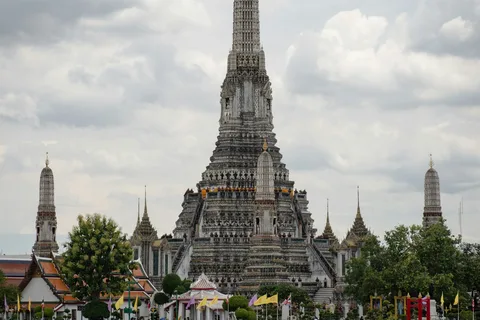
Because the complex is large, layered and rich in symbolism, many travellers find that a knowledgeable guide makes the site easier to read. A private guided visit with a dedicated vehicle and driver suits those who prefer to explore at their own pace and to combine the palace with nearby Wat Pho and Wat Arun.
See every tour and attraction we cover in Thailand.