TorontoOntario · 36 tours
 Niagara FallsOntario · 25 tours
 New York CityNew York · 30 tours
 Las VegasNevada · 8 tours
 San FranciscoCalifornia · 16 tours
 VancouverBritish Columbia · 17 tours
 DubaiUAE · 54 tours
 Abu DhabiUAE · 5 tours
 Buenos AiresArgentina · 23 tours
 AthensGreece · 31 tours
 AucklandNew Zealand · 38 tours
 CancunMexico · 54 tours
No destinations match “”. Try searching all tours instead — that search understands full questions, not just place names.
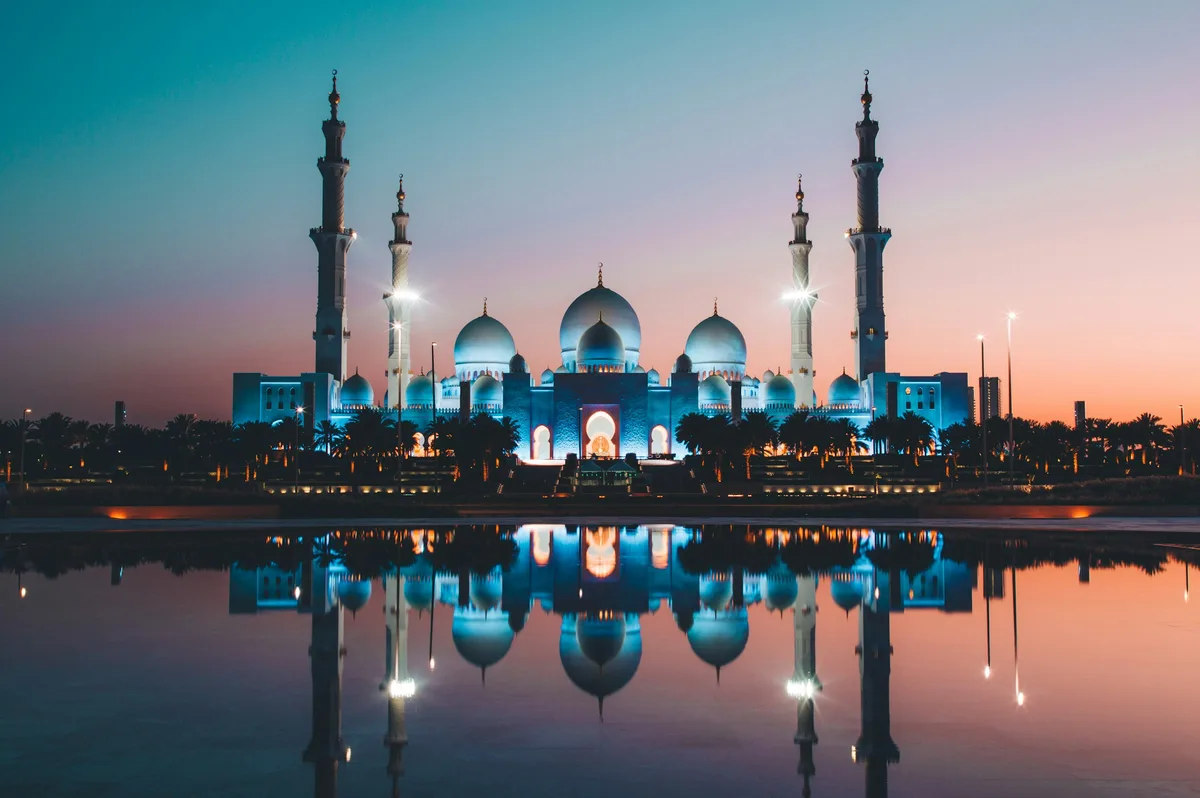
One of the world's largest mosques, with white marble domes, gold-trimmed minarets, and the world's largest hand-knotted carpet inside — open to visitors of all faiths.
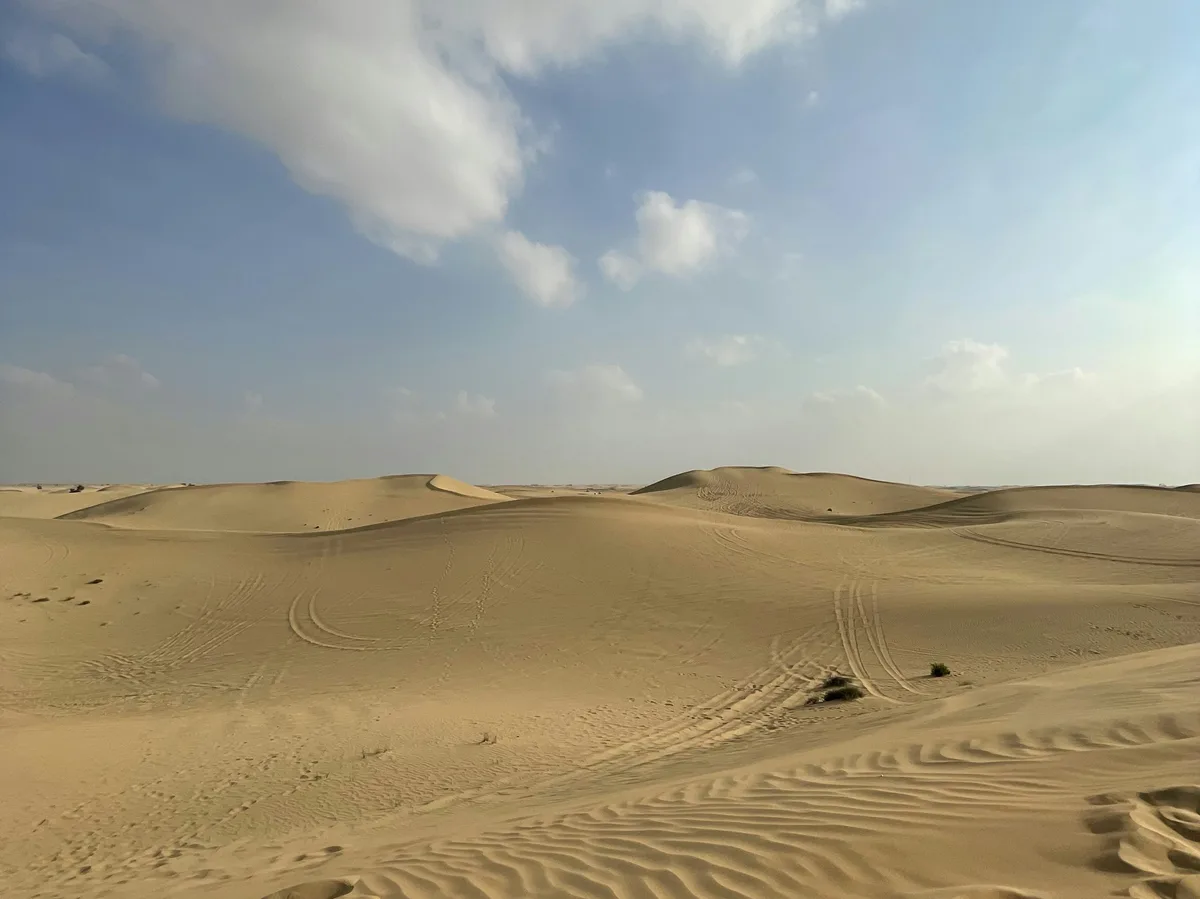 Private Tours
A private 4x4 desert tour from Abu Dhabi — dune bashing, a camel ride, and sandboarding, with private transport throughout.
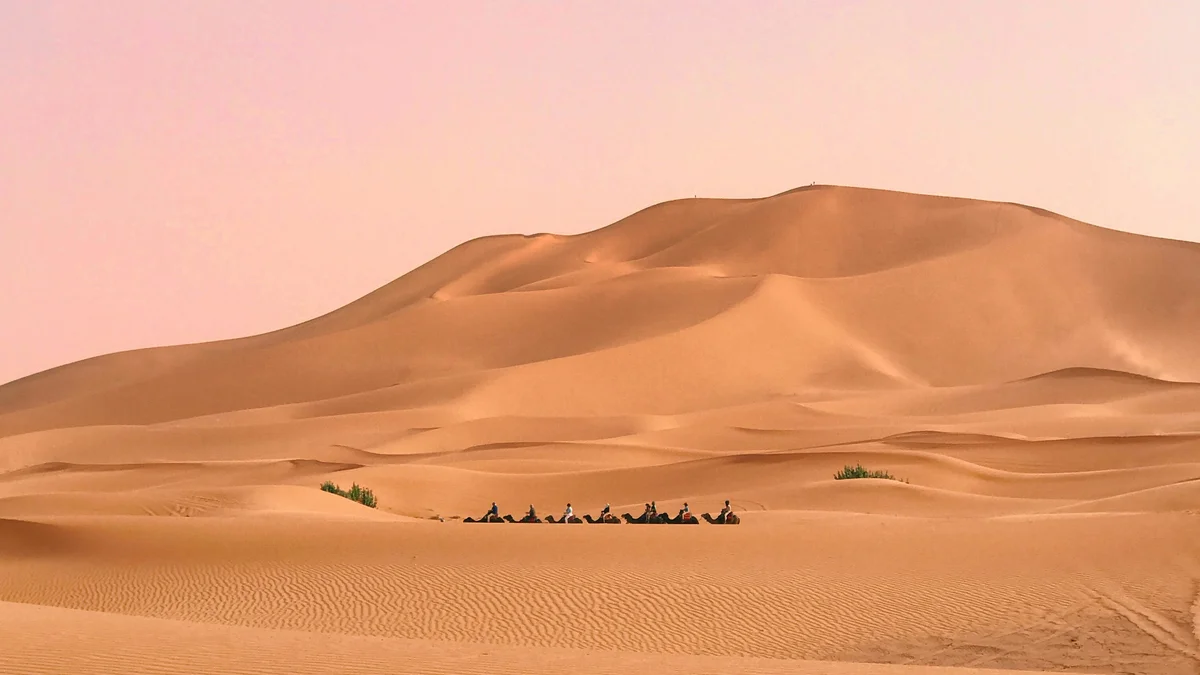 Private Tours
A private desert safari built specifically for cruise passengers — pickup directly from the Abu Dhabi Cruise Terminal, timed to have you back before your ship departs.
Visitor guide
The Sheikh Zayed Grand Mosque is a large mosque in Abu Dhabi, the capital of the United Arab Emirates, named after the country's founding president, Sheikh Zayed bin Sultan Al Nahyan. Built between 1996 and 2007 and opened in 2007, it is known for its white marble, its 82 domes and its large courtyard.
According to Wikipedia, the project was launched by Sheikh Zayed, who wanted a structure that would unite the cultural diversity of the Islamic world with historical and modern values of architecture and art. He died in 2004 and is buried in the mosque's courtyard. The article gives 1994 to 2007 as the construction period, although the infobox lists 1996 as the groundbreaking year, which matches the mosque's official site (construction began on 5 November 1996), and the second construction contract ran from 2004 to 2007. The Syrian architect Yusef Abdelki designed it with three other Syrian designers. The complex measures approximately 290 by 420 metres, covering more than 12 hectares, and its main axis is rotated about 12 degrees south of true west to align with the Kaaba in Mecca.
The design draws on several traditions. Wikipedia cites the Abu al-Abbas al-Mursi Mosque in Alexandria and the Badshahi Mosque in Lahore, which is described as the source of the dome layout and floor plan, along with Persian, Mughal and Indo-Islamic styles; the archways are described as Moorish and the minarets as classically Arab. Italian contractors Impregilo and Rizzani de Eccher led the first phase, with more than 3,000 workers and 38 subcontractors, and a joint venture of ACC and Six Construct completed it under a second contract. Artisans and materials came from many countries, including Syria, India, Italy, Germany, Turkey, Pakistan, Malaysia, Iran, China, the UK, New Zealand and North Macedonia.
The mosque has 82 domes in seven sizes and four minarets, one at each corner of the courtyard. The minaret height is given as 104 metres in the infobox and about 107 metres in the text, so the figure varies between parts of the same source. The structure is clad in white marble, with Sivec marble from North Macedonia on the exterior, Lasa marble from Italy inside and Makrana marble from India in the annexes, inlaid with stones such as lapis lazuli, carnelian, amethyst, abalone shell and mother of pearl.
The courtyard holds a floral marble mosaic of about 17,000 square metres designed by the British artist Kevin Dean, using flowers of the Middle East such as tulips, lilies and irises; Wikipedia describes it as considered the largest example of marble mosaic in the world. Reflecting pools run along the arcades, mirroring the columns. A lighting system by Speirs and Major Associates projects bluish-grey clouds onto the exterior walls that brighten and darken with the phases of the moon.
The mosque's official site gives its capacity as roughly 50,000 to 55,000 worshippers, while Wikipedia gives over 40,000, including more than 7,000 in the main prayer hall and 1,500 in each of two smaller halls. Wikipedia says the main hall contains a carpet often considered the world's largest, made by Iran's Carpet Company from a design by Ali Khaliqi. The mosque's official site gives its area as about 5,400 square metres (Wikipedia gives 5,627), with a weight of about 35 tonnes and about two years to make. Seven chandeliers imported from Munich contain millions of Swarovski crystals, and the largest is about 10 metres in diameter and 15 metres tall. The 96 columns in the hall are clad with marble and inlaid with mother of pearl, and the qibla wall carries the 99 names of God in Kufic calligraphy by Mohammed Mandi Al Tamimi, with three calligraphy styles used throughout the mosque. A library in the northeast minaret holds books on Islamic sciences, civilisation, calligraphy and the arts.
The mosque is an active place of worship, so modest dress and respectful behaviour are expected, and access can vary around prayer times and holidays. A private guided visit with a driver can help with timing and with understanding the architecture.
See every tour and attraction we cover in Abu Dhabi.