TorontoOntario · 36 tours
 Niagara FallsOntario · 25 tours
 New York CityNew York · 30 tours
 Las VegasNevada · 8 tours
 San FranciscoCalifornia · 16 tours
 VancouverBritish Columbia · 17 tours
 DubaiUAE · 54 tours
 Abu DhabiUAE · 5 tours
 Buenos AiresArgentina · 23 tours
 AthensGreece · 31 tours
 AucklandNew Zealand · 38 tours
 CancunMexico · 54 tours
No destinations match “”. Try searching all tours instead — that search understands full questions, not just place names.
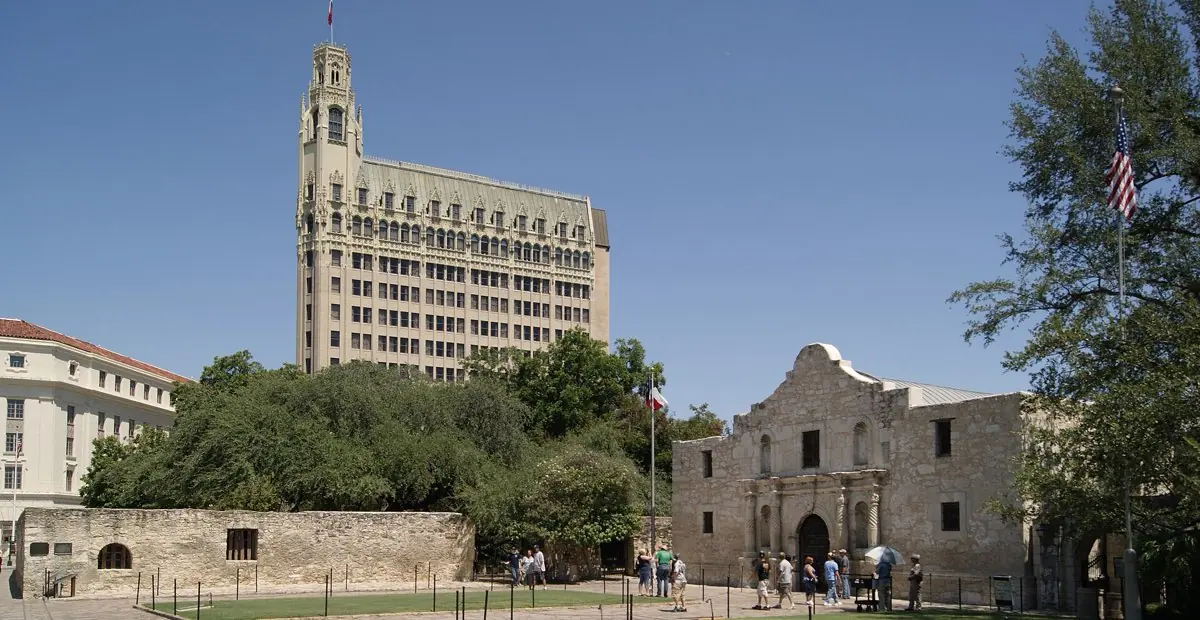
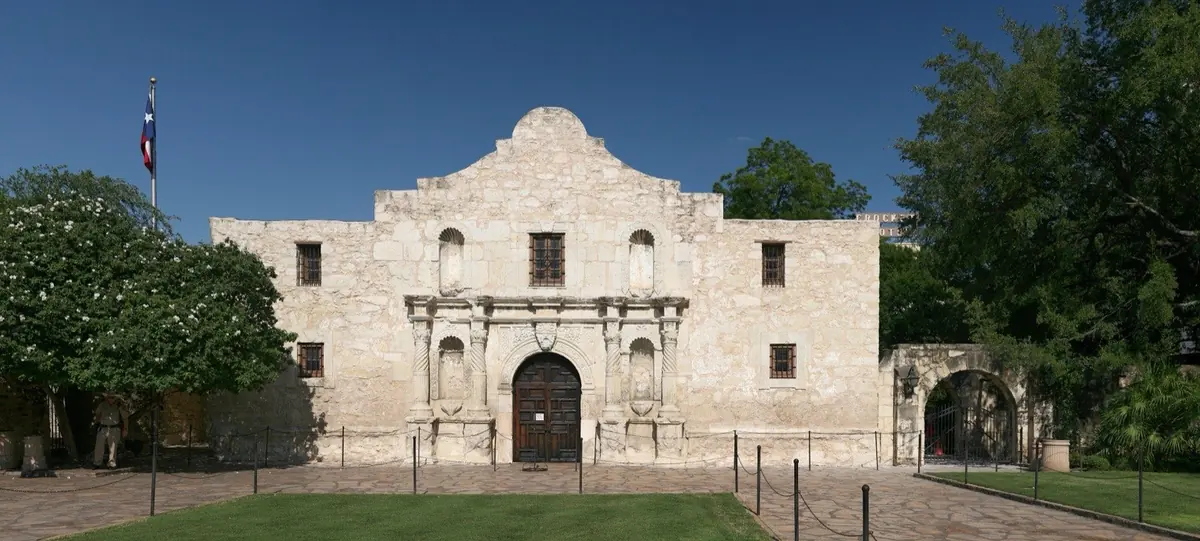
The 1836 mission-turned-fort where Texan defenders made their stand during the Texas Revolution.
Visitor guide
The Alamo in downtown San Antonio began as Misión San Antonio de Valero, founded in 1718, and is best known for the 13-day siege that ended on March 6, 1836. It is a National Historic Landmark and part of the San Antonio Missions World Heritage Site. The old church, called the Shrine of Texas Liberty, is the site's best-known building.
Mission San Antonio de Valero was established on May 1, 1718, by Fray Antonio de Olivares. It first stood near the headwaters of the San Antonio River, moved within a year, and relocated to its present site in 1724 after a hurricane destroyed its structures. The chapel's cornerstone was laid on May 8, 1744, but the structure collapsed in the 1750s; reconstruction begun in 1758 was never completed. The mission was secularized in 1793.
In 1803 a Spanish cavalry unit, the Second Flying Company of San Carlos de Parras, occupied the site. The name Alamo probably comes from the Spanish word for cottonwood, álamo. In 1805 the Alamo hosted what the Texas State Historical Association calls the first hospital in San Antonio and Texas. General Martín Perfecto de Cos surrendered the Alamo to Texan forces in December 1835.
On February 23, 1836, General Antonio López de Santa Anna's army besieged the garrison commanded by Lt. Col. William B. Travis. James Bowie and Davy Crockett were among the defenders; Bowie fell ill, leaving Travis in sole command. On February 24, Travis wrote his appeal to the people of Texas and all Americans. About 32 men from Gonzales reached the garrison on March 1, according to the Alamo's own history. Before dawn on March 6, Mexican columns attacked from several sides, and, according to the Alamo's own history, the fighting lasted roughly 90 minutes. All combatant Texans died.
Sources disagree on casualties. Most historians estimate 400 to 600 Mexican soldiers killed or wounded, and eyewitness counts of Texian dead run from 182 to 257. The popular story of Travis drawing a line in the sand has no primary-source support, and historians disagree about how Crockett and Bowie died. At San Jacinto on April 21, 1836, many Texian soldiers reportedly shouted "Remember the Alamo."
The U.S. Army used the site as a quartermaster depot from the late 1840s (the NPS says the Church leased the property to the federal government in 1848), and Confederate forces held it during the Civil War. The Catholic Church sold the chapel to the State of Texas in 1883. The Daughters of the Republic of Texas became its custodian in 1905, and the Alamo Cenotaph was dedicated in November 1940. The Texas General Land Office took over custody under a 2011 law, and the Alamo is operated by Alamo Trust, Inc. for the State of Texas.
The Alamo became a National Historic Landmark in 1960, was listed on the National Register of Historic Places in 1966, and became part of the San Antonio Missions UNESCO World Heritage Site on July 5, 2015. On site are the Alamo Church, the Alamo Plaza and grounds, and an exhibit at the Ralston Family Collections Center that includes the Phil Collins Collection.
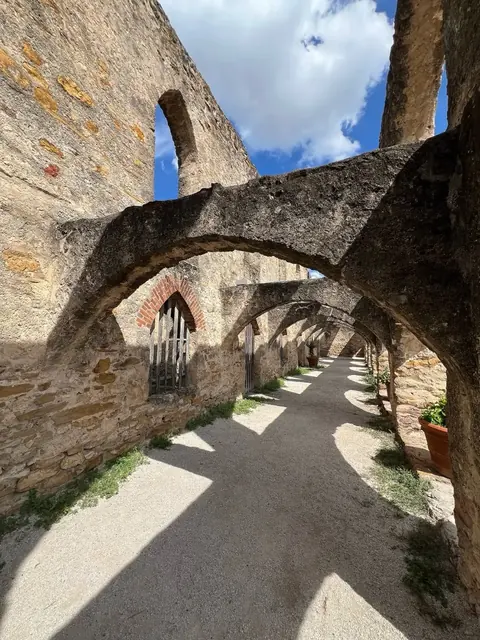
For a Voyzo private tour, a driver can take you directly to the downtown site, and you can ask to pair it with the other San Antonio missions in the World Heritage listing. Check the Alamo's own site for current hours, tickets and access.
See every tour and attraction we cover in San Antonio.