TorontoOntario · 36 tours
 Niagara FallsOntario · 25 tours
 New York CityNew York · 30 tours
 Las VegasNevada · 8 tours
 San FranciscoCalifornia · 16 tours
 VancouverBritish Columbia · 17 tours
 DubaiUAE · 54 tours
 Abu DhabiUAE · 5 tours
 Buenos AiresArgentina · 23 tours
 AthensGreece · 31 tours
 AucklandNew Zealand · 38 tours
 CancunMexico · 54 tours
No destinations match “”. Try searching all tours instead — that search understands full questions, not just place names.
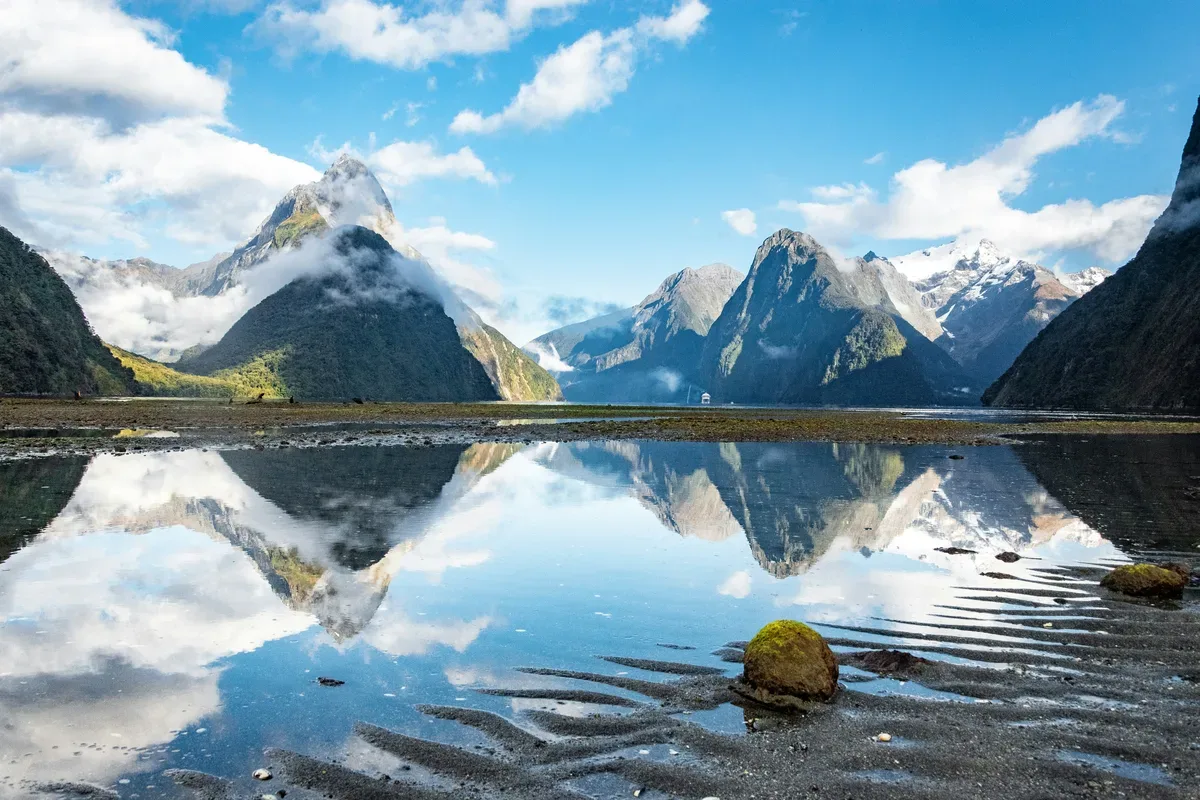
A dramatic fiord of sheer cliffs, waterfalls, and resident fur seals and dolphins in Fiordland National Park, best seen by cruise or scenic flight.
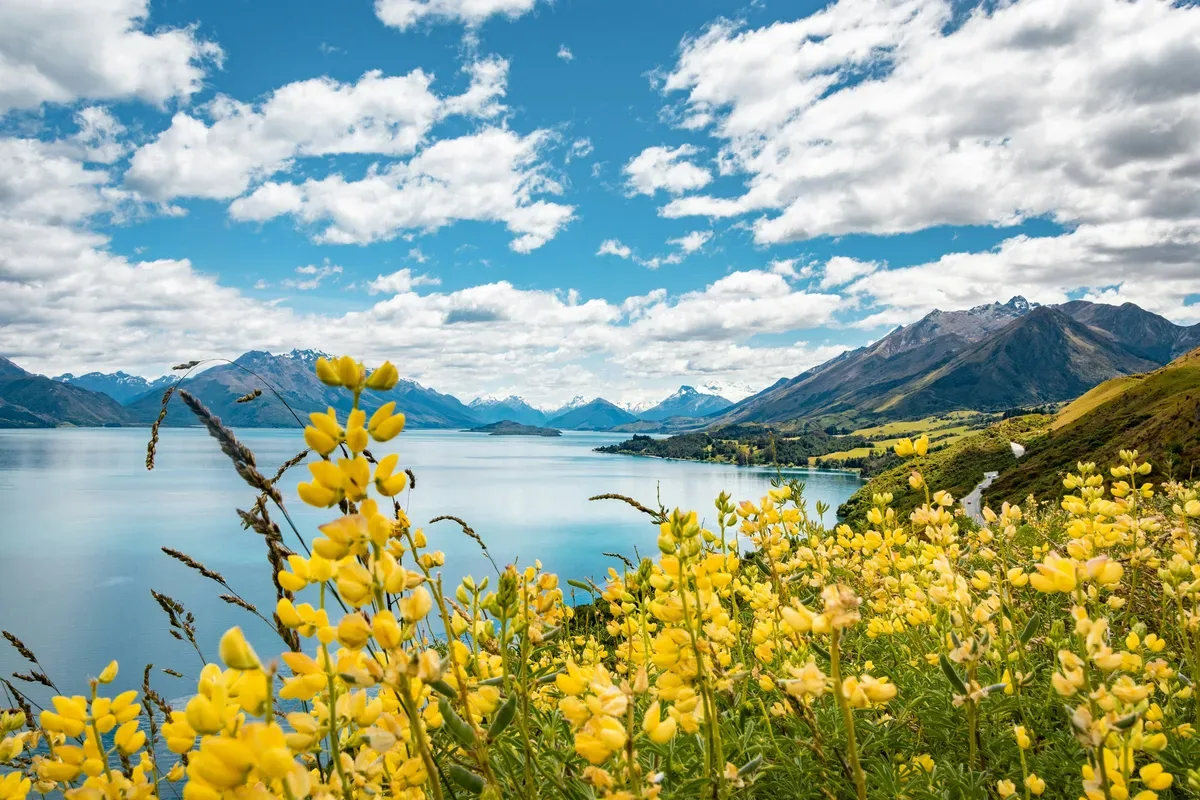 Multi-Day Tours
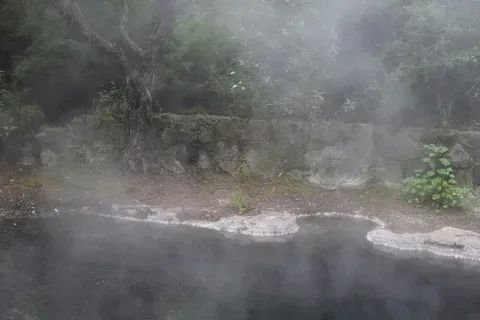
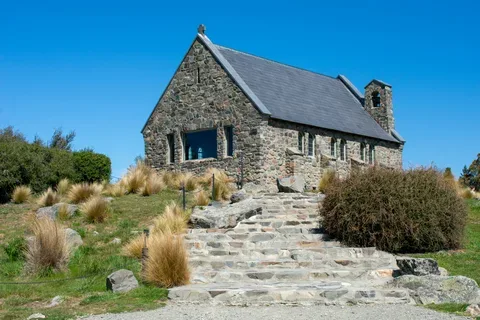
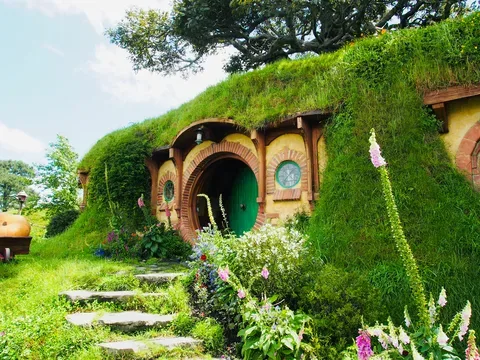
An 11-day winter honeymoon from Queenstown's fjords and hot pools through Central Otago's gold-rush villages, Lake Tekapo's stargazing, and Rotorua's geothermal spas, to Auckland via Hobbiton.
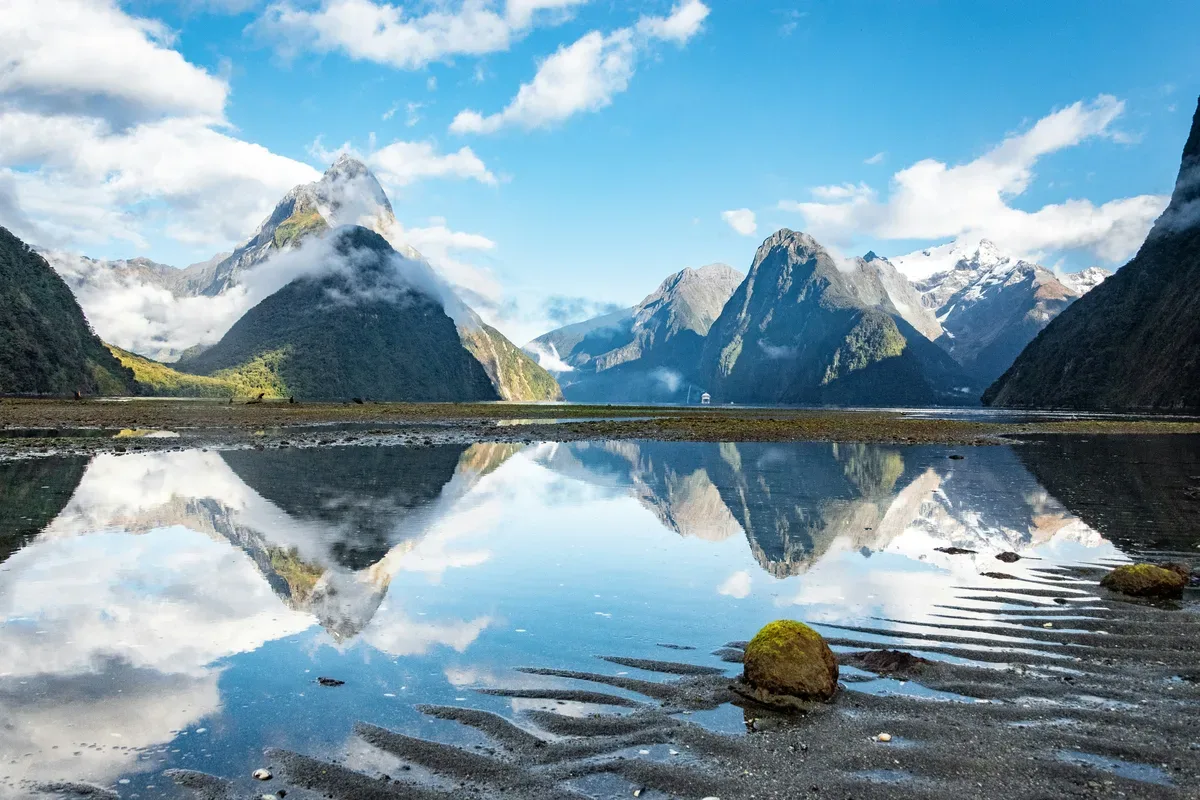 Multi-Day Tours
A 16-day South Island route from Christchurch's Akaroa and Kaikoura's whale-watching, to Abel Tasman's beaches, the glaciers of the West Coast, Milford Sound, and the mountain towns of Wanaka and Queenstown.
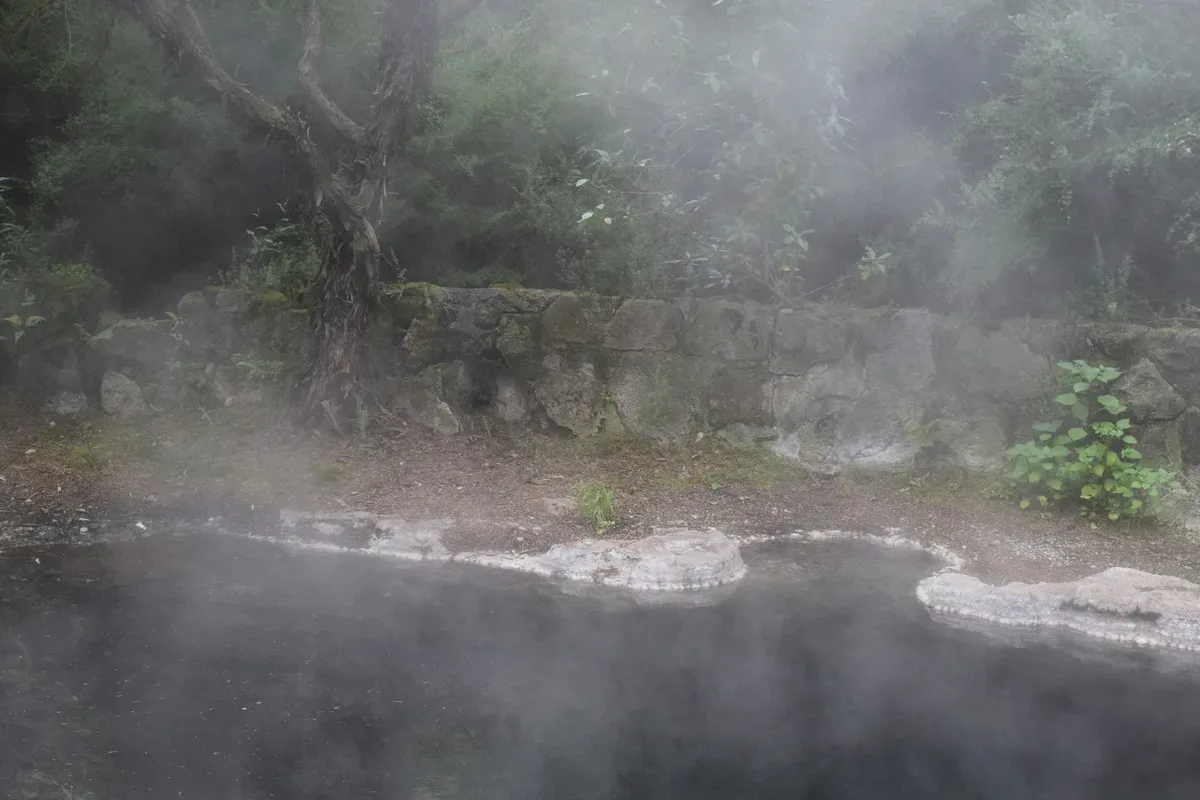 Multi-Day Tours
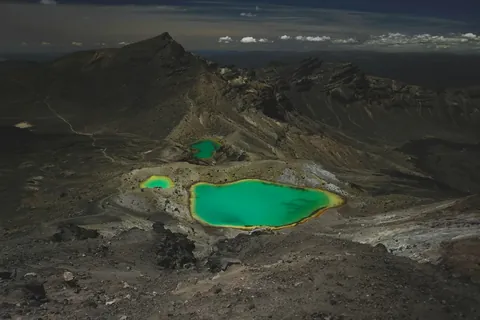
A 15-day route across both islands — Auckland, Rotorua's geothermal fields, Tongariro's volcanoes, and Wellington on the North Island; Queenstown, Milford Sound, Wanaka, and Mount Cook on the South.
 Multi-Day Tours
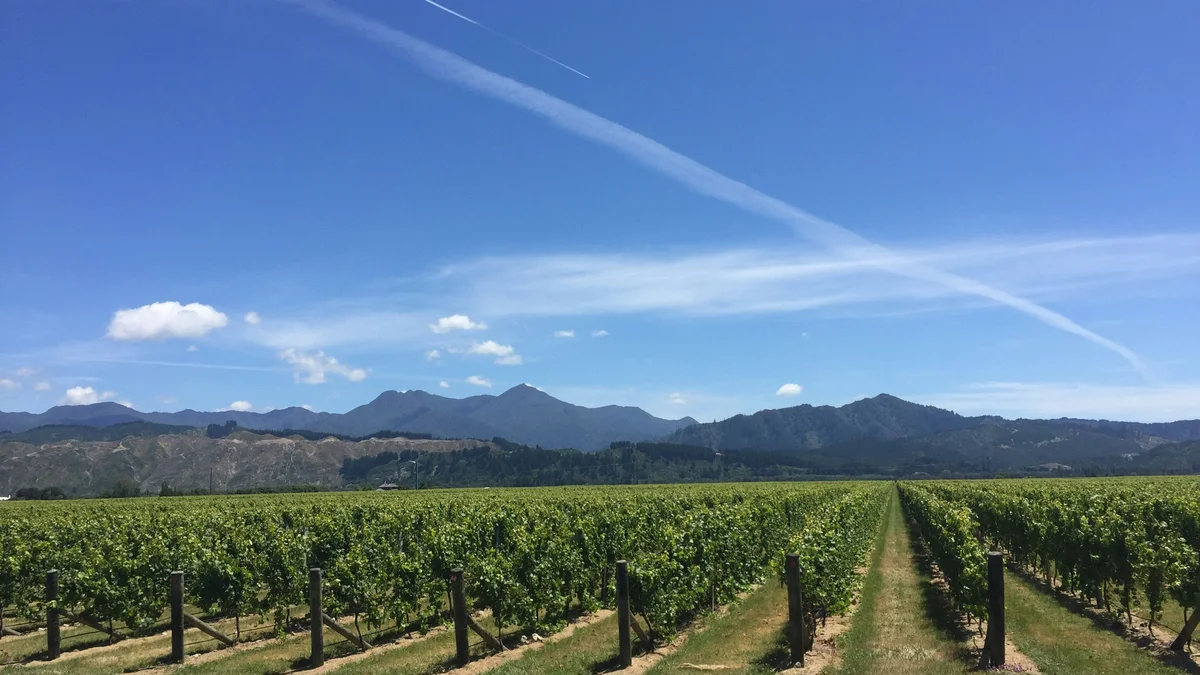
A 21-day food-and-wine road trip from Auckland and Waiheke Island's vineyards, through Hawke's Bay and Martinborough's wine country, Marlborough Sounds' seafood, and the Southern Alps to Queenstown's Gibbston Valley.
 Multi-Day Tours
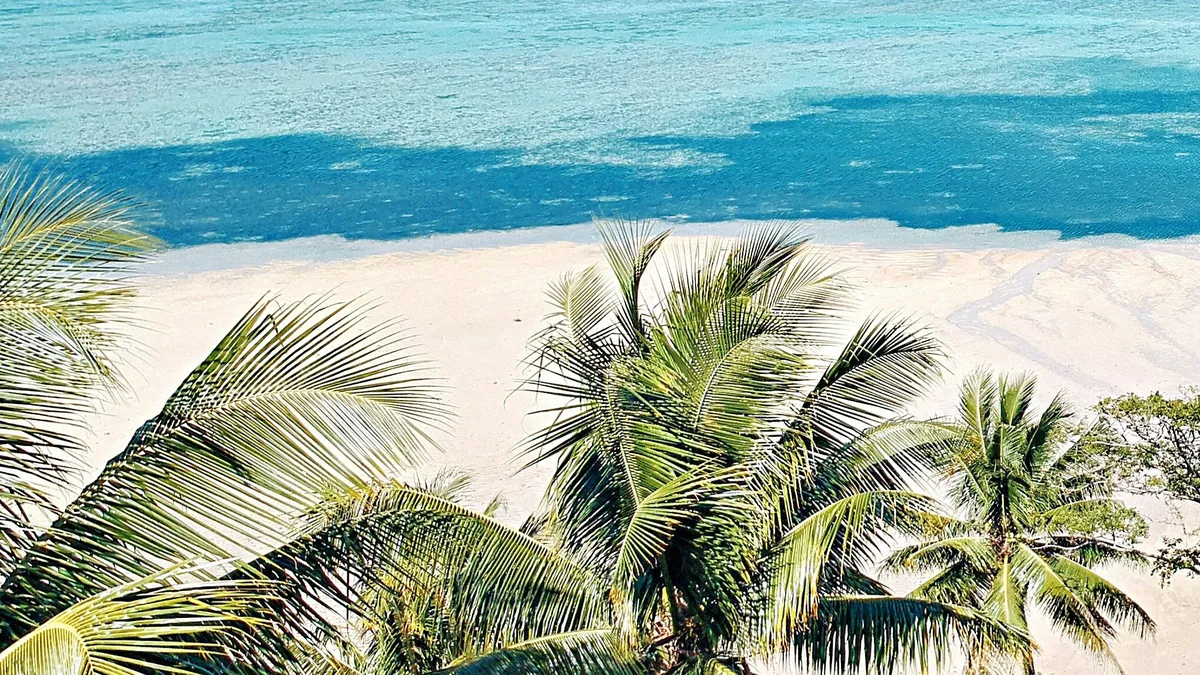
An 18-day trip combining a 13-night New Zealand road trip — geothermal Rotorua, wine-country cycling, Mount Cook's glaciers, and Milford Sound — with a 4-night island escape on Fiji's Castaway Island.
 Multi-Day Tours
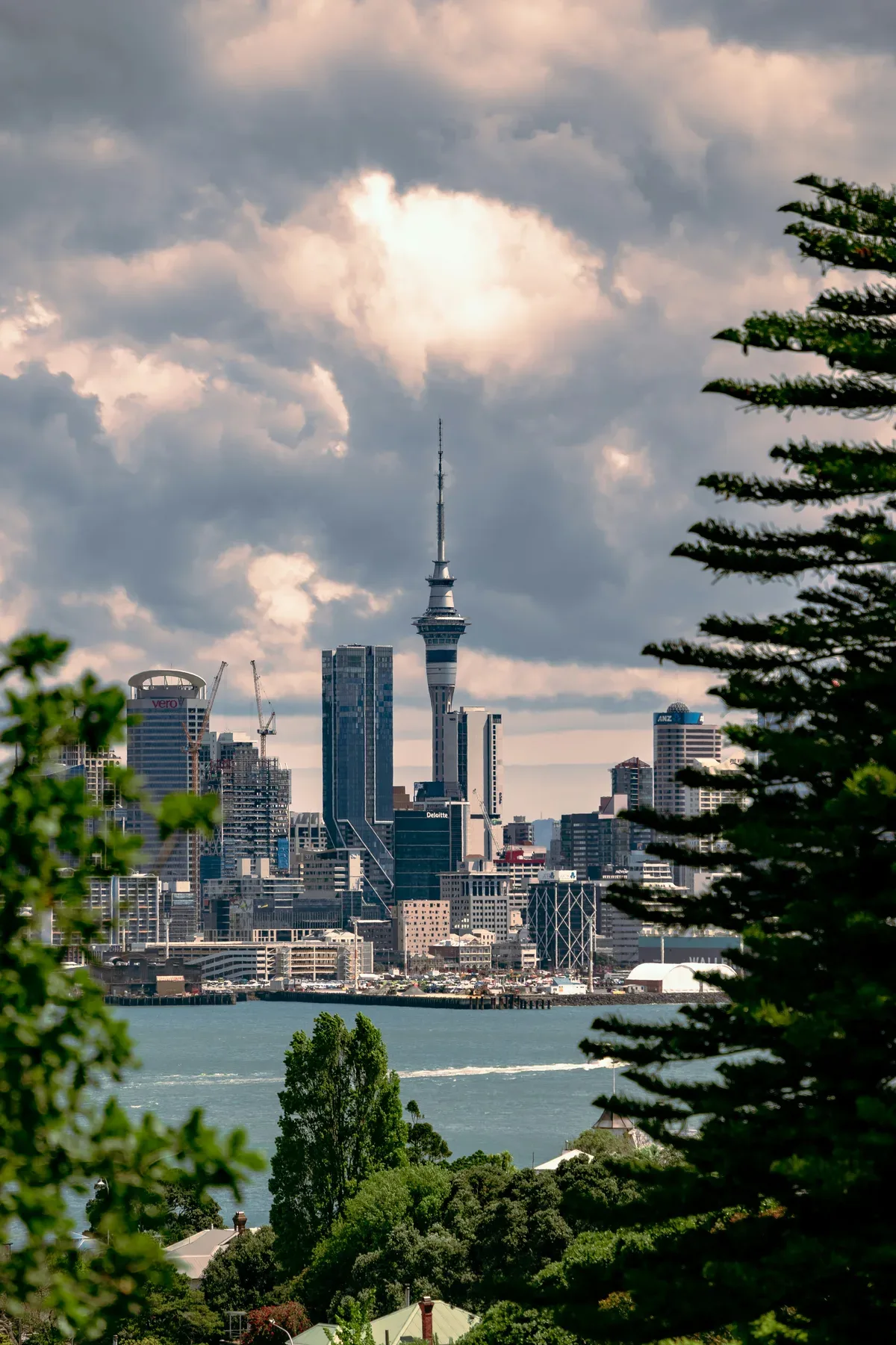
A 15-day route built around New Zealand's most scenic courses — Te Arai Links, Kinloch, and Cape Kidnappers on the North Island, Terrace Downs, Jack's Point, and Millbrook on the South — alongside geothermal Taupo, Lake Tekapo, and Milford Sound.
Visitor guide
Milford Sound, known in Maori as Piopiotahi, is a fiord on the southwest coast of New Zealand's South Island, set within Fiordland National Park. Sheer rock walls, permanent waterfalls and a rainforest-clad shoreline make it one of the country's best-known landscapes, and it forms part of the Te Wahipounamu World Heritage area.
The fiord runs roughly 15 km inland from the Tasman Sea, with its mouth at Dale Point. According to Wikipedia, rock walls rise 1,200 metres or more on either side, and the fiord was shaped by glaciation over a very long span of time. The most recognisable summit is Mitre Peak, which rises about 1,692 metres above the water, while The Elephant and The Lion stand nearby among the surrounding peaks.
Two waterfalls flow all year, Lady Bowen Falls and Stirling Falls, the latter given as about 151 metres tall and named after Frederick Stirling, captain of HMS Clio. After heavy rain, many temporary waterfalls appear on the cliffs and can last a few days once the rain has stopped.
Milford Sound is considered the wettest inhabited place in New Zealand and among the wettest in the world. Wikipedia gives a mean annual rainfall of around 6,400 to 6,500 millimetres, with the two figures in the article differing slightly, and falls of up to 250 millimetres in 24 hours are recorded. The saturated forest clinging to the steep walls occasionally slides away in tree avalanches, and the regrowth scars are visible along the shoreline.
A distinctive layer of tannin-stained freshwater floats on top of the sea water and filters out sunlight. This allows black coral to grow as shallow as about 10 metres, far closer to the surface than is usual, which is part of why the area is protected as the Piopiotahi Marine Reserve.
In 1998, under a Treaty of Waitangi settlement with Ngai Tahu, the fiord was officially named Milford Sound / Piopiotahi. The Maori name refers to the piopio, a now-extinct thrush-like bird. In the legend, after Maui died while seeking immortality for humankind, a single piopio flew to the fiord in mourning. The European name goes back to the sealer John Grono, who is said to have named it Milford Haven after his Welsh birthplace; John Lort Stokes later shortened it. Wikipedia gives both about 1812 and 1823 for the naming, so the date is uncertain.
Early European captains, including James Cook, largely bypassed the sound because its narrow entrance seemed to lead nowhere. Maori, by contrast, knew the fiord well, including its tides and fishing, and used a pounamu (greenstone) outcrop at Anita Bay for tools.
The sound is home to fur seals and the southernmost wild population of bottlenose dolphins, and Fiordland penguins breed in the area. Humpback and southern right whales are increasingly reported as their populations recover, and BirdLife International lists the sound as an Important Bird Area. An underwater observatory in Harrison's Cove allows visitors to see marine life at about 10 metres depth.
Milford Sound is about 121 km from Te Anau and roughly 291 km from Queenstown by road, a drive of around four hours from Queenstown. The route follows State Highway 94, the Milford Road, through mountain scenery and the 1.2 km Homer Tunnel; the road is prone to avalanches and closures in winter. Most visitors see the sound on boat cruises lasting one to two hours from the visitor terminal, while scenic flights and helicopter tours operate from Milford Sound Airport. Because accommodation at the sound itself is limited, most people stay in Te Anau or Queenstown, which makes a private guided journey with a driver a practical way to cover the long road without handling the mountain driving yourself.
See every tour and attraction we cover in New Zealand.