TorontoOntario · 36 tours
 Niagara FallsOntario · 25 tours
 New York CityNew York · 30 tours
 Las VegasNevada · 8 tours
 San FranciscoCalifornia · 16 tours
 VancouverBritish Columbia · 17 tours
 DubaiUAE · 54 tours
 Abu DhabiUAE · 5 tours
 Buenos AiresArgentina · 23 tours
 AthensGreece · 31 tours
 AucklandNew Zealand · 38 tours
 CancunMexico · 54 tours
No destinations match “”. Try searching all tours instead — that search understands full questions, not just place names.
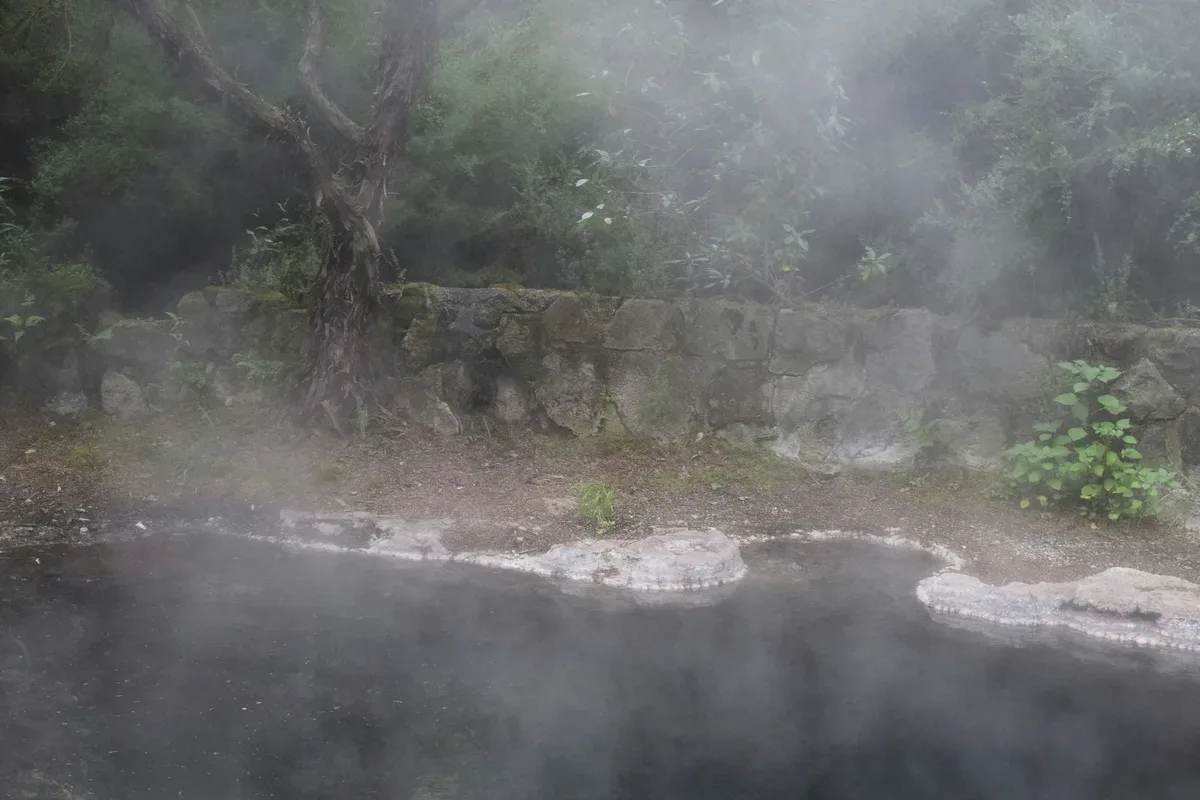
A landscape of bubbling mud pools, geysers, and hot springs shaped by geothermal activity, and the center of Maori culture in New Zealand.
 Multi-Day Tours
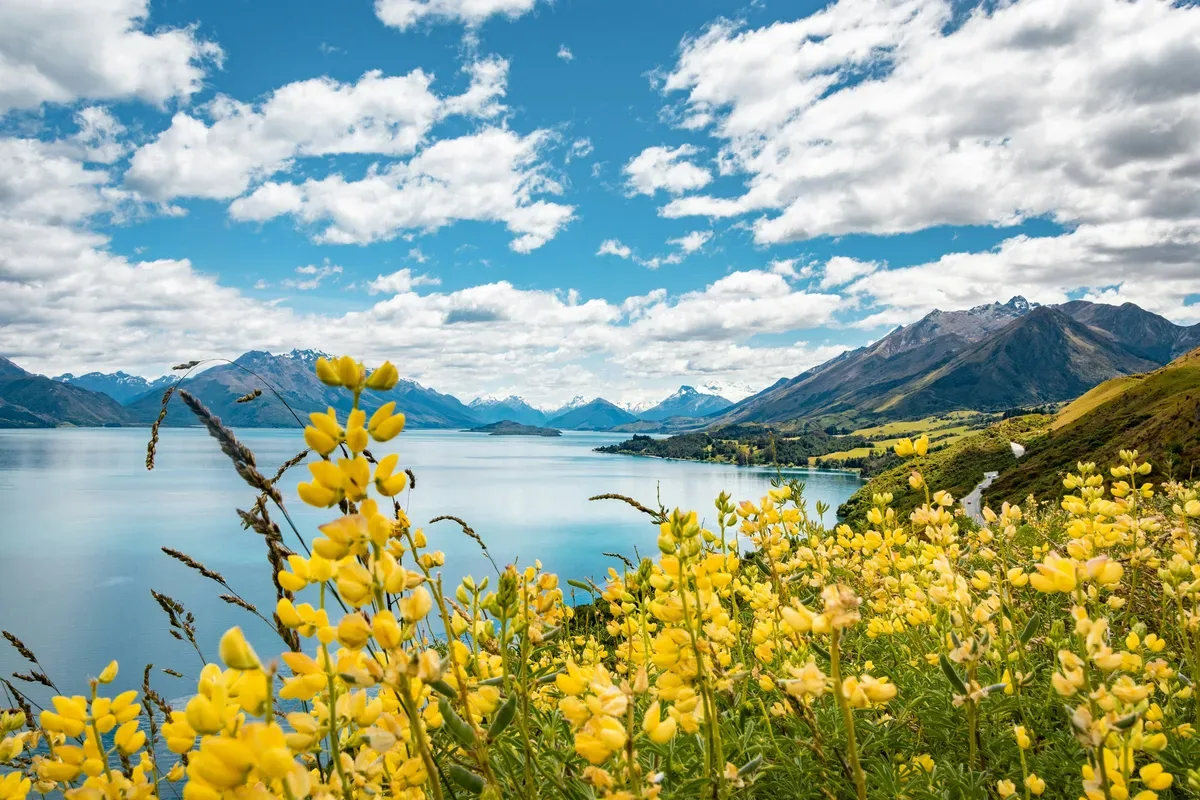
An 11-day winter honeymoon from Queenstown's fjords and hot pools through Central Otago's gold-rush villages, Lake Tekapo's stargazing, and Rotorua's geothermal spas, to Auckland via Hobbiton.
 Multi-Day Tours
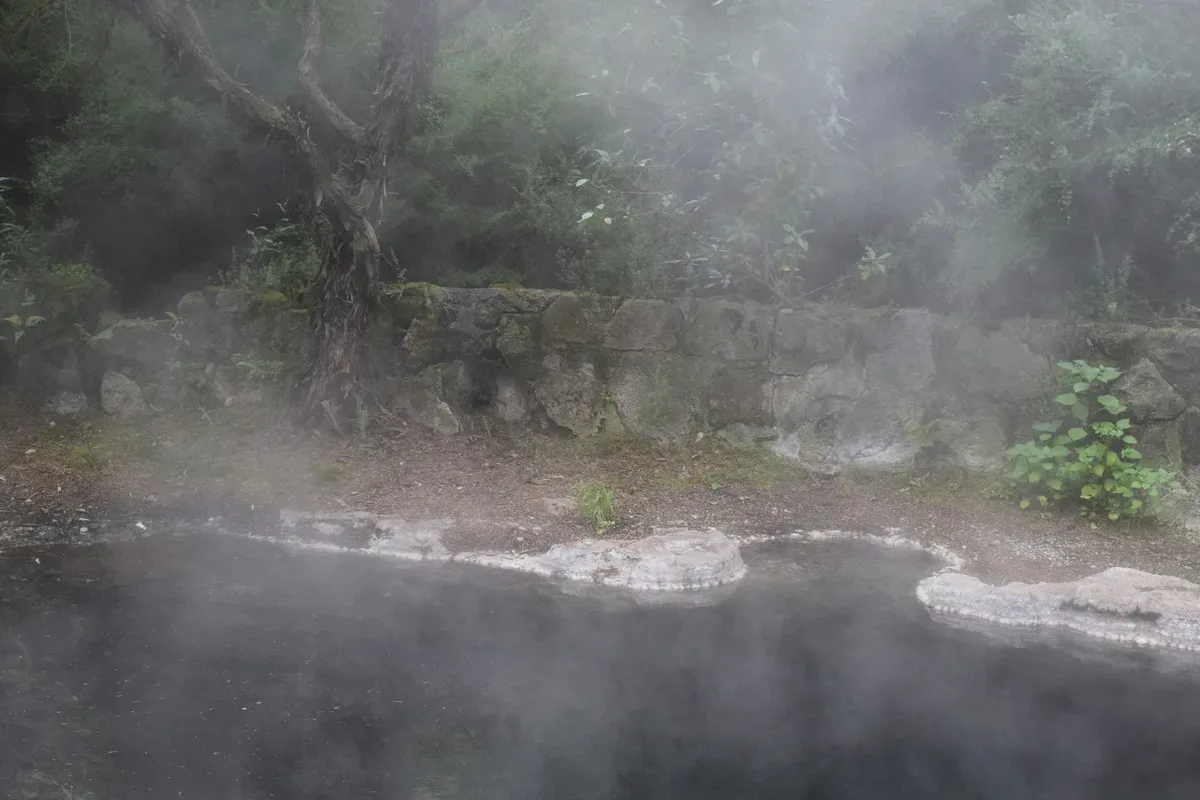
A 15-day route across both islands — Auckland, Rotorua's geothermal fields, Tongariro's volcanoes, and Wellington on the North Island; Queenstown, Milford Sound, Wanaka, and Mount Cook on the South.
 Multi-Day Tours
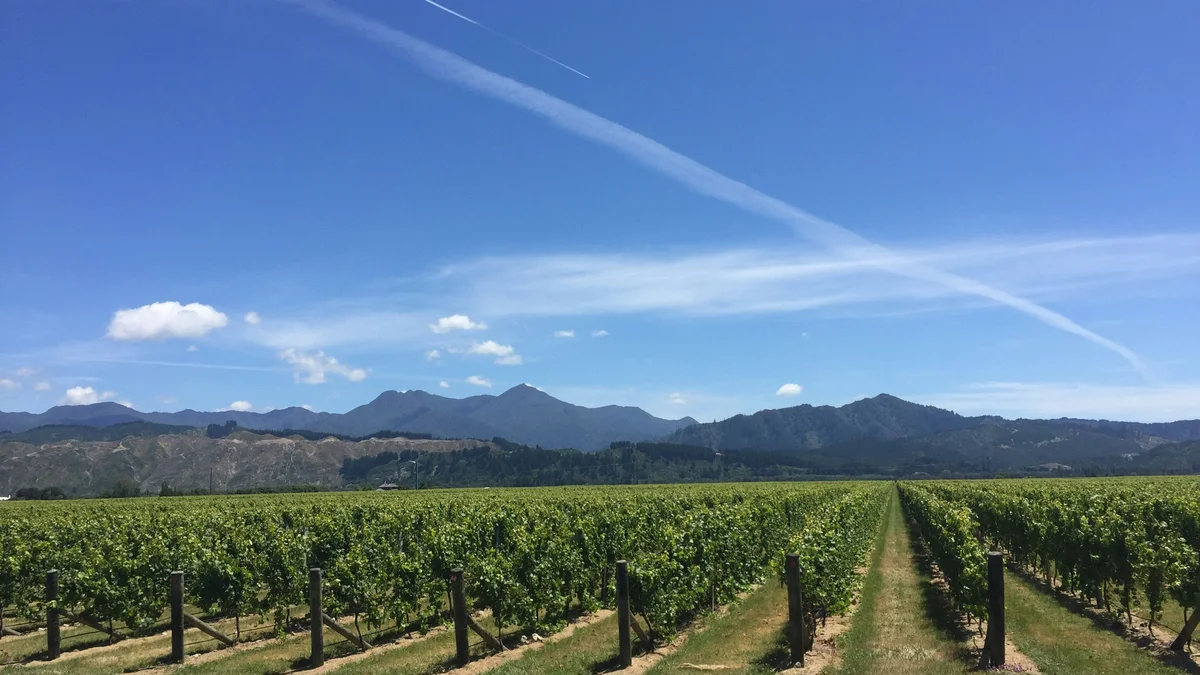
A 21-day food-and-wine road trip from Auckland and Waiheke Island's vineyards, through Hawke's Bay and Martinborough's wine country, Marlborough Sounds' seafood, and the Southern Alps to Queenstown's Gibbston Valley.
 Multi-Day Tours
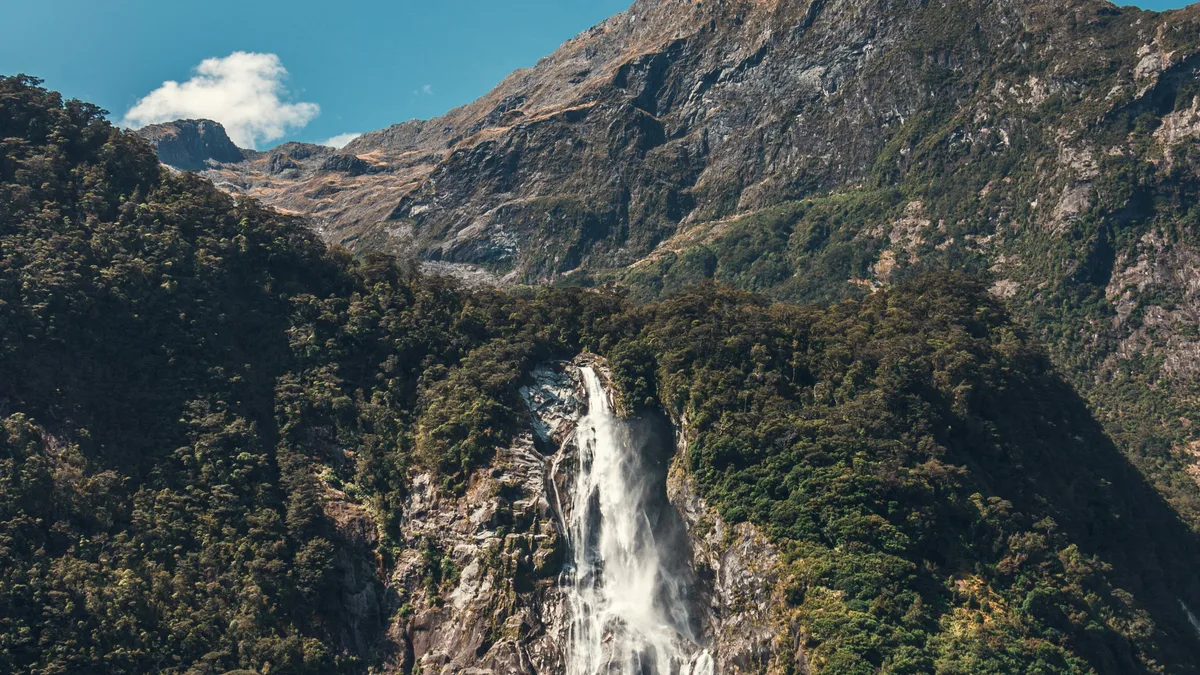
A 14-day route blending self-drive and small-group excursions — Fiordland cruising and an overnight aboard a Doubtful Sound boat, backcountry 4WD touring, Rotorua's Maori culture, and Auckland's Waiheke wine island.
 Multi-Day Tours
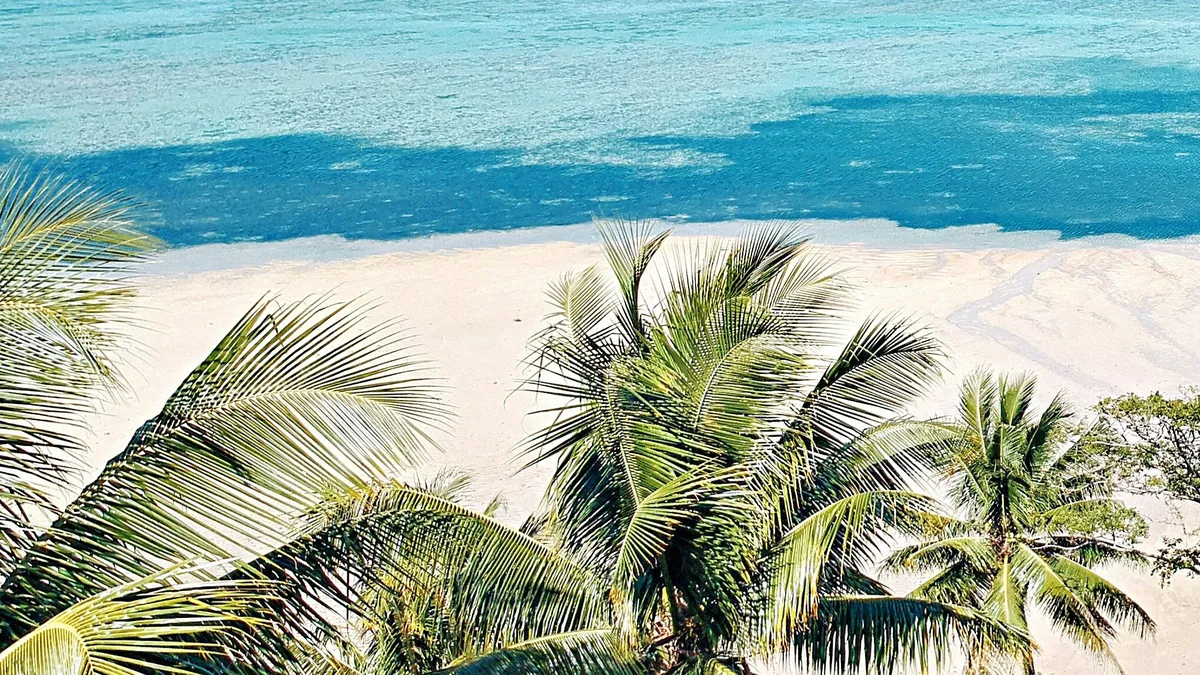
An 18-day trip combining a 13-night New Zealand road trip — geothermal Rotorua, wine-country cycling, Mount Cook's glaciers, and Milford Sound — with a 4-night island escape on Fiji's Castaway Island.
 Multi-Day Tours
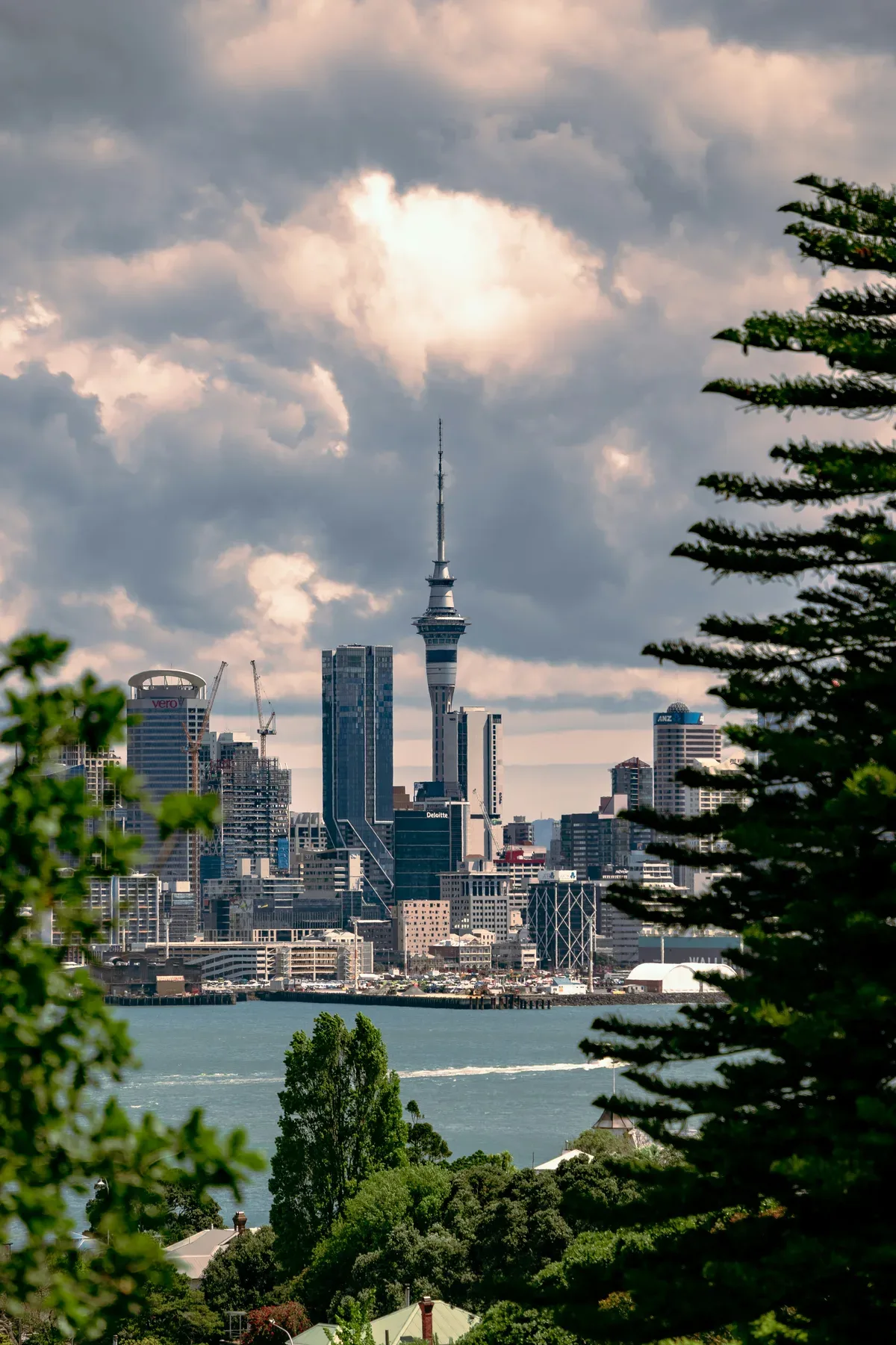
A 15-day route built around New Zealand's most scenic courses — Te Arai Links, Kinloch, and Cape Kidnappers on the North Island, Terrace Downs, Jack's Point, and Millbrook on the South — alongside geothermal Taupo, Lake Tekapo, and Milford Sound.
Visitor guide
Rotorua is a city on the southern shore of Lake Rotorua in New Zealand's Bay of Plenty region, set inside a volcanic caldera and famous for geysers, hot mud pools and hot springs. It is also a centre of Te Arawa Maori culture, and its geothermal fields, including Whakarewarewa and the Waimangu Volcanic Rift Valley, have drawn visitors since the nineteenth century.
According to Wikipedia, Rotorua lies within the Rotorua Caldera, formed in a major volcanic eruption about 240,000 years ago, and this caldera is the source of the region's geothermal activity. The city's nickname, Sulphur City, refers to the hydrogen sulphide that gives parts of it a rotten-egg smell. The Maori name Te Rotorua-nui-a-Kahumatamomoe is traditionally linked to the chief Ihenga, who named the lake after his uncle, Kahumatamomoe. Te Arawa Maori settled the area in the 14th century, and Te Arawa tradition holds that the thermal springs arose when the ancestral tohunga Ngatoro-i-rangi asked the gods to send fire-bearing spirits from Hawaiki.
Whakarewarewa, often shortened to Whaka, is the geothermal valley at the southern end of the city. Wikipedia describes about 500 pools, mostly alkaline chloride hot springs, and at least 65 geyser vents, each with its own name, of which seven are currently active. Pohutu Geyser erupts roughly hourly and can reach up to 30 metres, while the neighbouring Prince of Wales Feathers Geyser, also called Te Tohu, forms a column of around 9 metres and usually plays before Pohutu does.
The valley was the site of the Maori fortress Te Puia, first occupied around 1325 and known as an impenetrable stronghold. Maori have lived here since, using the heat for warmth and cooking. Today Te Puia, covering about 70 hectares, is also home to the New Zealand Maori Arts and Crafts Institute, with national schools of wood carving, weaving, and stone and bone carving.
South-east of the city, the Waimangu Volcanic Rift Valley formed during the eruption of Mount Tarawera on 10 June 1886, which Wikipedia describes as the largest in New Zealand in about 700 years. It opened a rift 17 kilometres long in a single day and buried the surroundings under mud and ash. The valley's name is a Maori term meaning black water. It holds Frying Pan Lake, described as the largest hot spring in the world, and Inferno Crater Lake, a pale blue and highly acidic lake, and plants and birds have since recolonised the area naturally.
The same eruption destroyed the Pink and White Terraces, which had drawn visitors, especially from Australia, from the 1880s. Lake Rotomahana now lies where they once were.
Rotorua's tourism grew from the terraces, and the rail connection to Auckland in 1894 accelerated it. In 1880 Ngati Whakue leased land to the Crown under the Fenton Agreement for a spa township, and the Government Gardens still hold the Tudor-style bath house that houses the Rotorua Museum. Other geothermal areas around the city include Tikitere, Kuirau Park in the central city, and the Waikite Valley Thermal Pools.
The area is practical to explore in a day or two with a private driver, which suits sites spread between the city, Whakarewarewa and the rift valley.
See every tour and attraction we cover in New Zealand.