TorontoOntario · 36 tours
 Niagara FallsOntario · 25 tours
 New York CityNew York · 30 tours
 Las VegasNevada · 8 tours
 San FranciscoCalifornia · 16 tours
 VancouverBritish Columbia · 17 tours
 DubaiUAE · 54 tours
 Abu DhabiUAE · 5 tours
 Buenos AiresArgentina · 23 tours
 AthensGreece · 31 tours
 AucklandNew Zealand · 38 tours
 CancunMexico · 54 tours
No destinations match “”. Try searching all tours instead — that search understands full questions, not just place names.
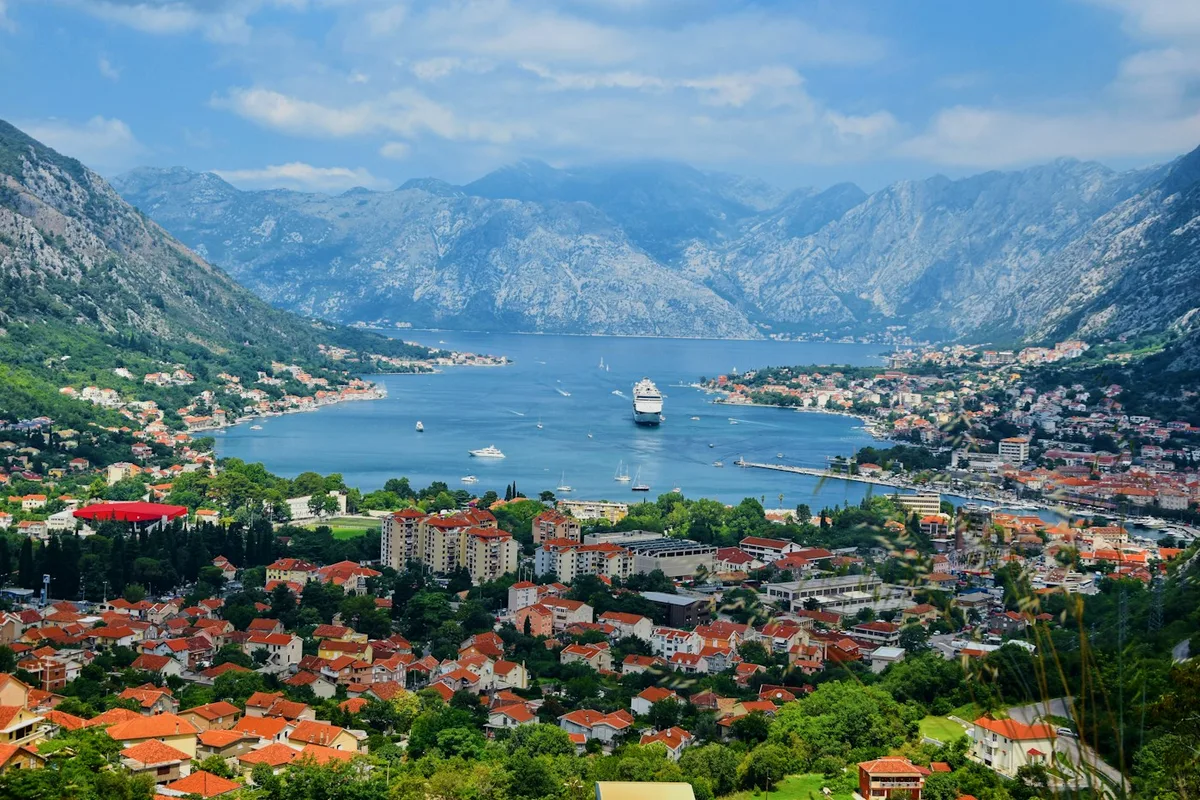
A UNESCO World Heritage walled town on the innermost bend of the Bay of Kotor, with medieval stone streets, St Tryphon's Cathedral, and a fortress wall climbing the mountainside above.
 Multi-Day Tours
An 8-day journey that starts in Dubrovnik's Old Town, crosses briefly into Bosnia & Herzegovina for Trebinje, then continues along the Bay of Kotor to Perast, Kotor and Budva in Montenegro.
 Multi-Day Tours
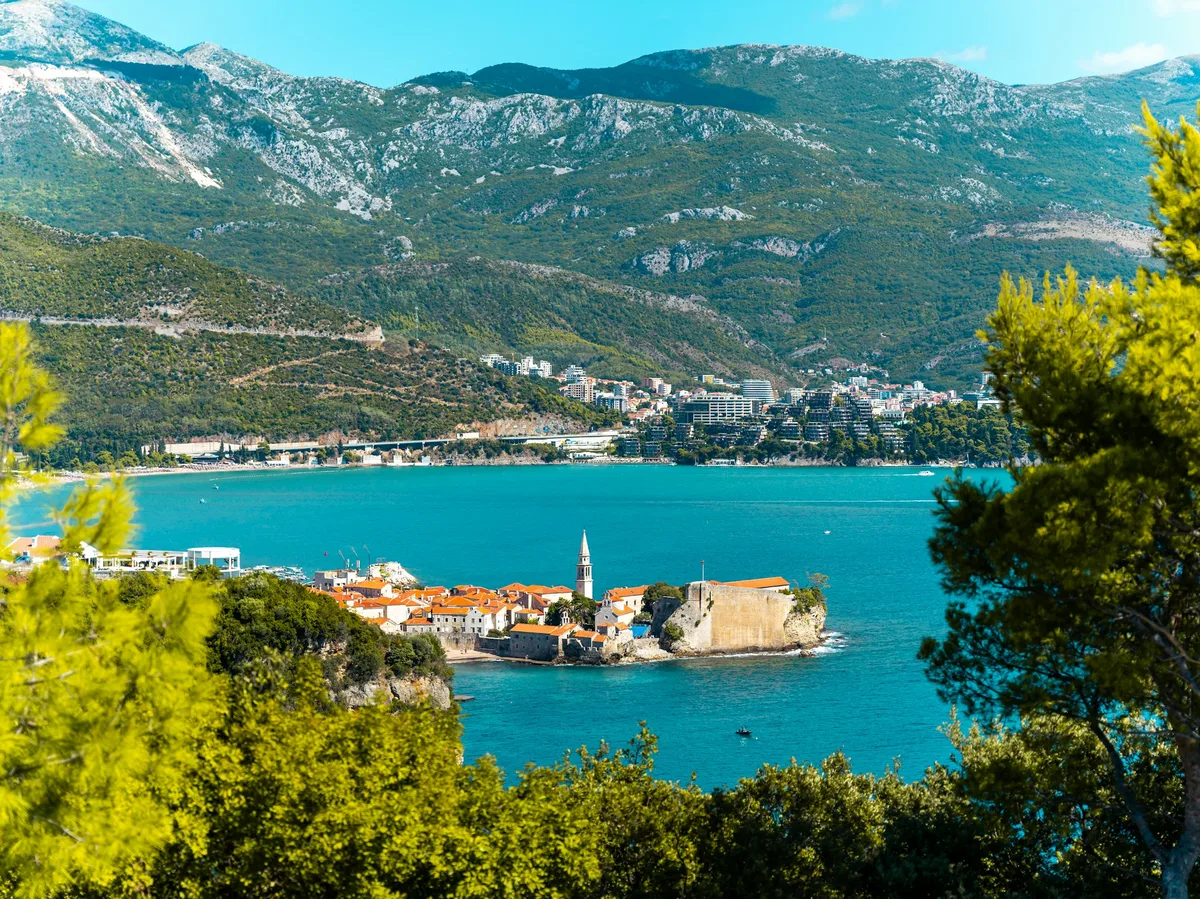
Adapted from a self-drive itinerary — Voyzo runs this route with your own private driver and vehicle instead of a rental car. An 8-day coastal loop from Kotor to Perast, Sveti Stefan, Ulcinj, Lake Skadar and Budva, with old royal Cetinje along the way.
 Multi-Day Tours
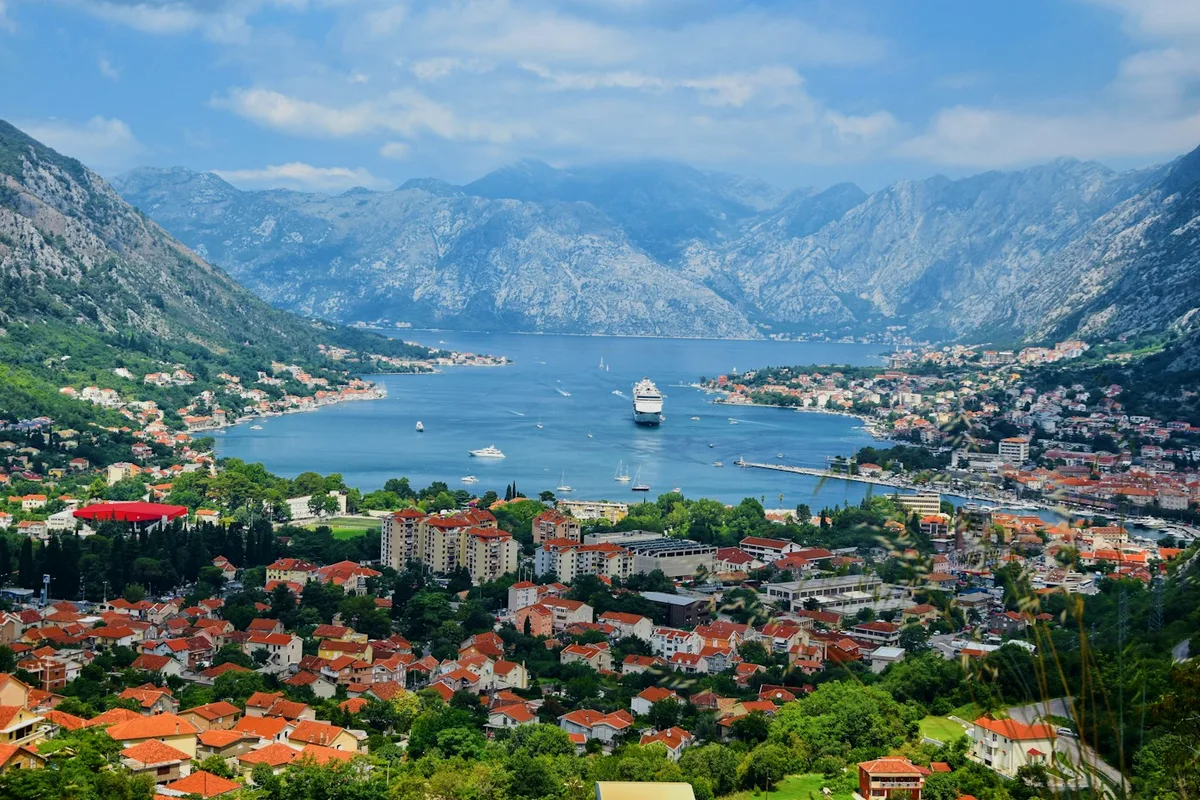
An 8-day private tour pairing Montenegro's national parks with its wine country — Biogradska Gora, three lakes in Durmitor, the Ostrog Monastery carved into a cliff, a Skadar Lake vineyard, and the Bay of Kotor.
 Multi-Day Tours
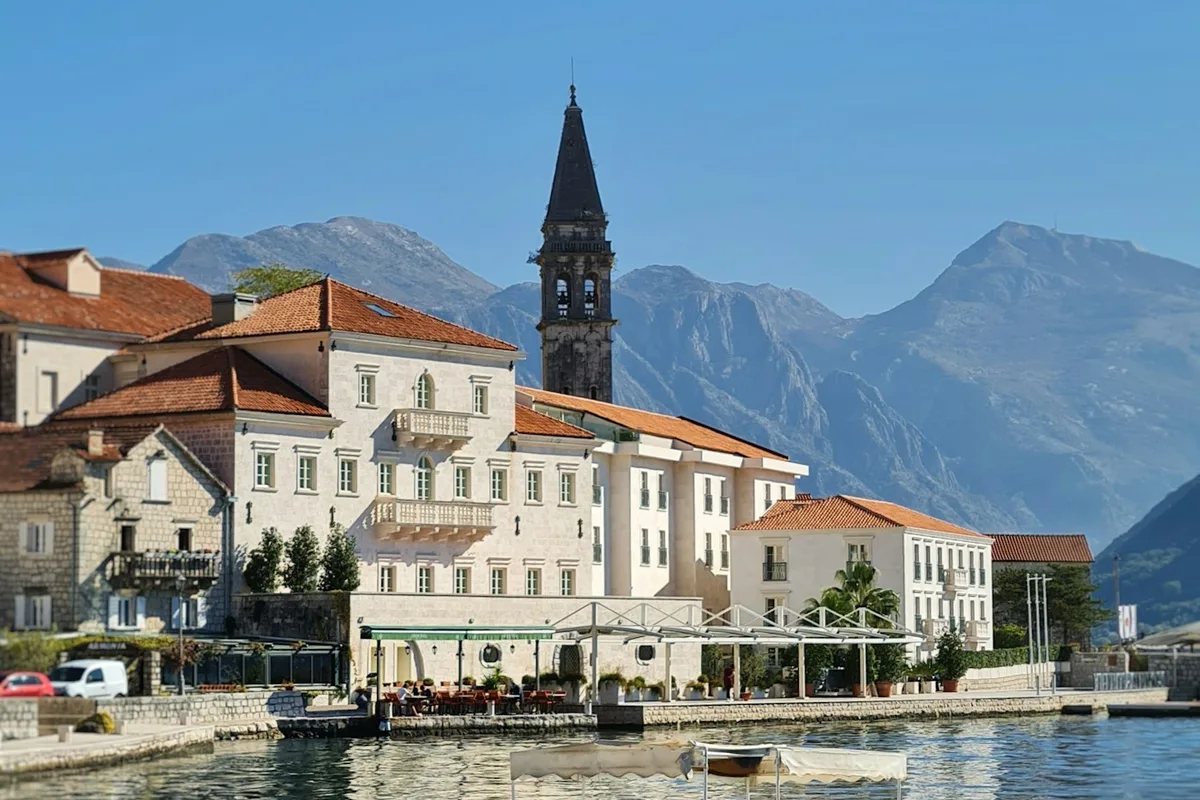
A 5-day luxury coastal stay based at a five-star hotel in Herceg Novi — Budva's Old Town, former royal capital Cetinje, and the Jewels of Boka Bay tour taking in Perast, Our Lady of the Rocks and UNESCO-listed Kotor.
 Multi-Day Tours
An 8-day tour from the Bay of Kotor to the Durmitor mountains — a Kotor Bay boat cruise, a hike to the Lovćen mausoleum, horseback riding near Žabljak, white-water rafting the Tara Canyon, and kayaking Lake Skadar.
Visitor guide
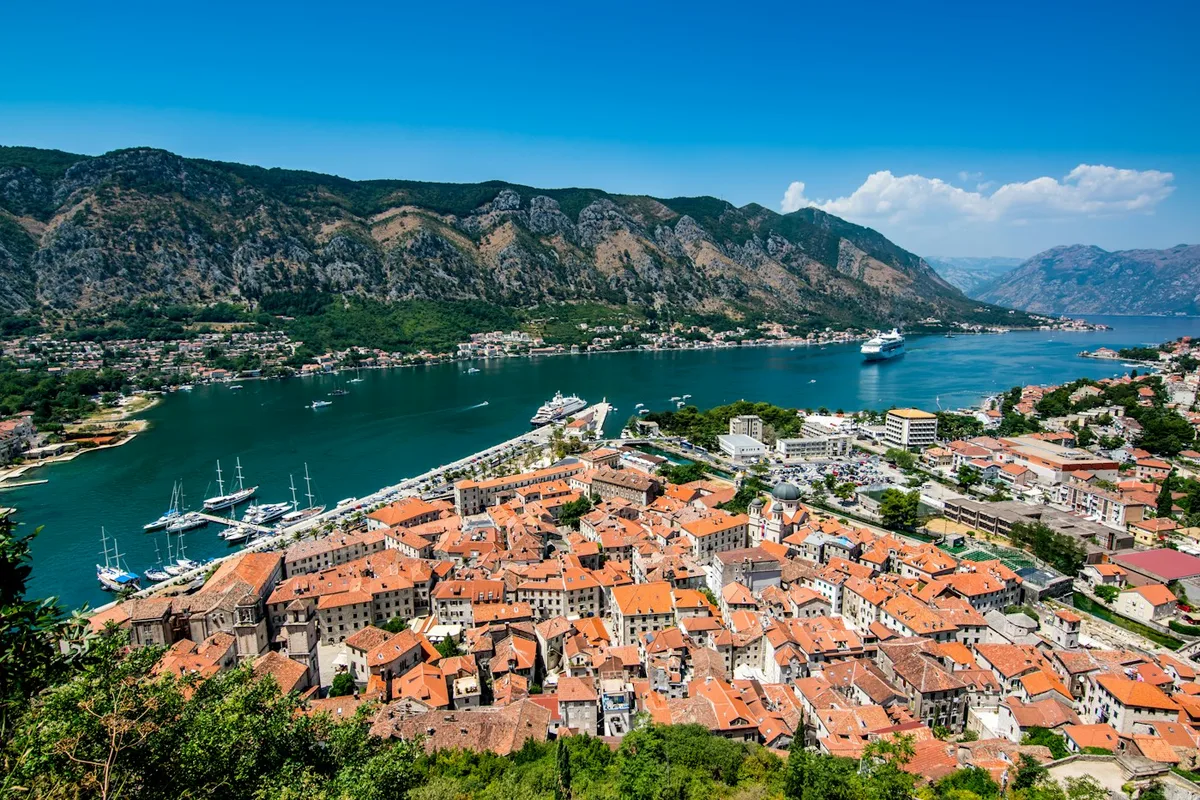
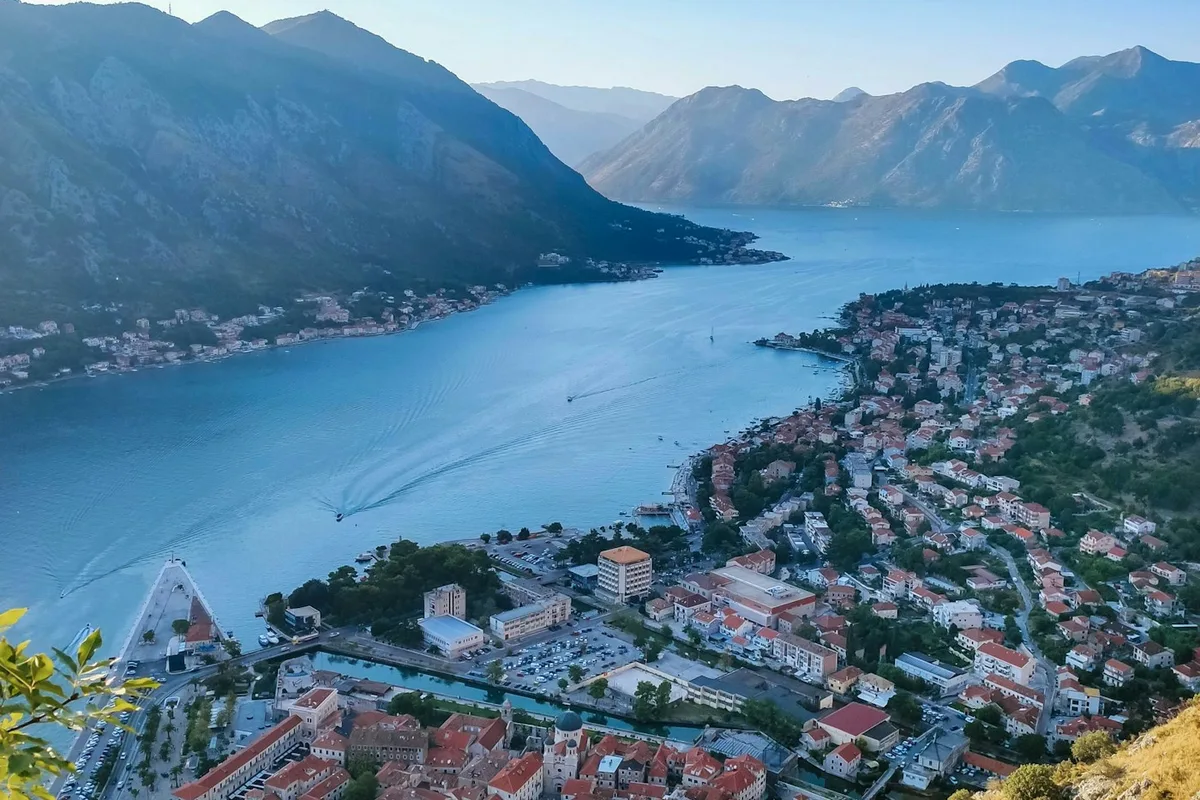
Kotor Old Town is the walled medieval centre of Kotor, a town in a secluded corner of the Bay of Kotor on Montenegro's Adriatic coast. It forms the heart of the UNESCO-listed Natural and Culturo-Historical Region of Kotor, and its fortifications climb the mountainside above the town.
According to Wikipedia, the Bay of Kotor is a ria, a submerged river valley, framed by the limestone massifs of Orjen and Lovcen. Kotor sits at the innermost reach of the bay, and the Old Town is the part within the town's administrative limits, with roughly 1,360 inhabitants. The town's patron saint is Saint Tryphon, and it was historically known by its Italian name, Cattaro.
The settlement was known in Roman times as Acruvium or Ascrivium, and the city is first mentioned in 168 BC. Emperor Justinian built a fortress above the settlement in 535. In the Middle Ages Kotor was an influential Dalmatian city-state whose population was initially Romance-speaking. Stefan Nemanja conquered the city in 1185, and under Nemanjic rule it kept many privileges and republican institutions; in the 14th century its trade rivalled that of Ragusa, now Dubrovnik. The city accepted Venetian suzerainty in 1420.
Venetian rule lasted about four centuries until 1797 and gave the Old Town its characteristic architecture, a major reason for its UNESCO status. The town was besieged by the Ottomans in 1538 and 1657, suffered plague in 1572, and was heavily damaged by earthquakes in 1563 and 1667. It later passed to the Habsburgs, was briefly French, and was a major Austro-Hungarian naval base in the First World War.
St Tryphon's Cathedral in the Old Town dates to 1166. Other notable buildings include the Serbian Orthodox Church of St Nicholas, Arms Square and Cathedral Square. The city walls stretch about 4.5 kilometres above the town and climb the slope behind it. Wikipedia notes that after the socialist revolution a relief of the Yugoslav emblem replaced the Venetian Lion of St Mark above the Old Town entrance.
Kotor is known for its large cat population, which has become a city symbol, and visitors find cat-themed shops, a cat museum and Cats' Square.
The fortifications are the most significant aspect of the UNESCO site. Wikipedia describes the system as city walls with gates and bastions, ramparts climbing Mount St John and the castle of St John, rising more than 260 metres above sea level. Some structures date to Roman and Byzantine times, but most were built under Venetian rule with later Austrian modifications. The walls have an outer circumference of about 4.5 kilometres, thicknesses of 2 to 16 metres and heights of up to 20 metres. The Sea Gate, dated to 1555, is the main entrance from the bay, the River Gate dates to 1540, and the Church of Our Lady of Remedy was built within the ramparts in 1518. An earthquake on 15 April 1979 heavily damaged Kotor, and international efforts helped repair the damage.
The Natural and Culturo-Historical Region of Kotor was inscribed on the UNESCO World Heritage List in 1979 and extended in 2012 and 2015. In 2017 the fortifications were added as part of the Venetian Works of Defence between the 16th and 17th centuries. Summer events include the Summer Carnival and Bokeljska Noc, and the Kotor Festival of Theatre for Children, founded in 1993, is a major regional event. A private guided visit with a driver suits the narrow lanes of the Old Town and the wider bay, including nearby Perast.
See every tour and attraction we cover in Montenegro.