TorontoOntario · 36 tours
 Niagara FallsOntario · 25 tours
 New York CityNew York · 30 tours
 Las VegasNevada · 8 tours
 San FranciscoCalifornia · 16 tours
 VancouverBritish Columbia · 17 tours
 DubaiUAE · 54 tours
 Abu DhabiUAE · 5 tours
 Buenos AiresArgentina · 23 tours
 AthensGreece · 31 tours
 AucklandNew Zealand · 38 tours
 CancunMexico · 54 tours
No destinations match “”. Try searching all tours instead — that search understands full questions, not just place names.
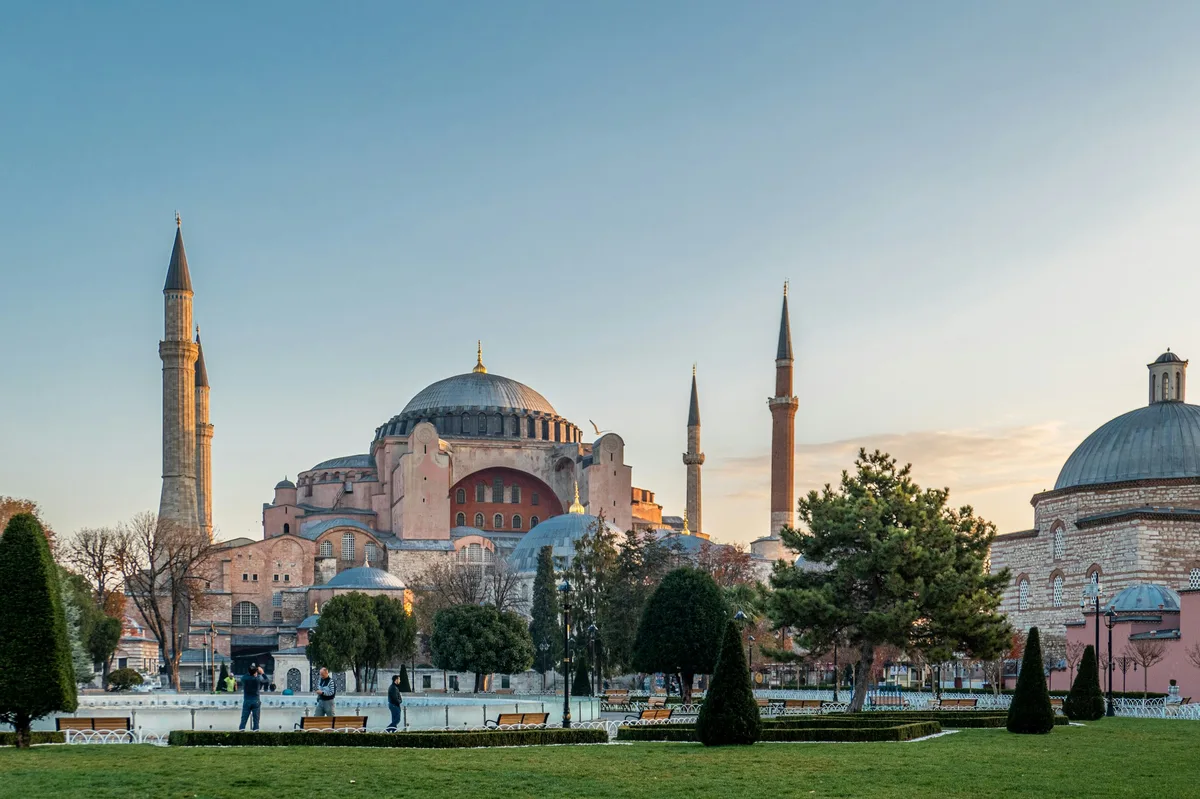
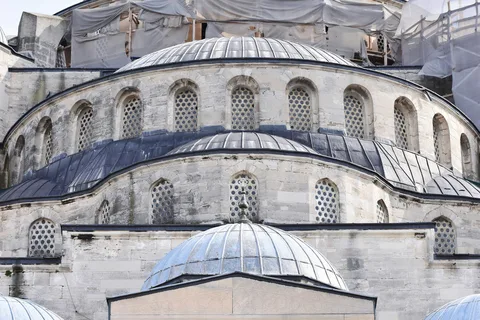
A former Byzantine cathedral and Ottoman mosque, and the world's largest cathedral for many centuries, at the center of Istanbul's old city.
 Multi-Day Tours
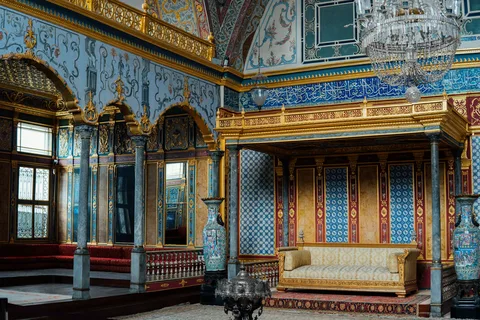
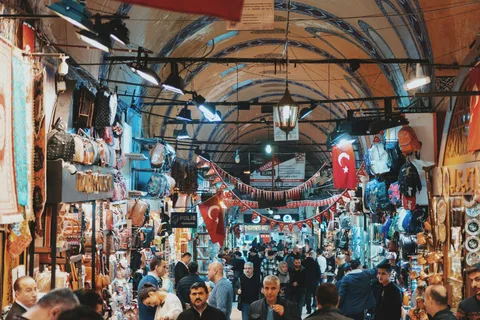
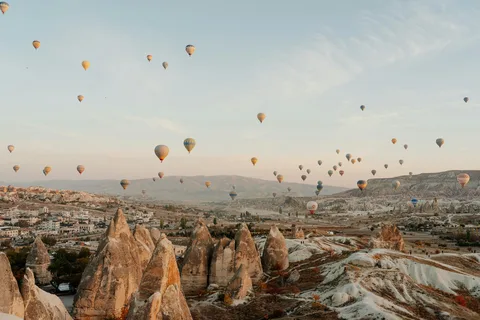
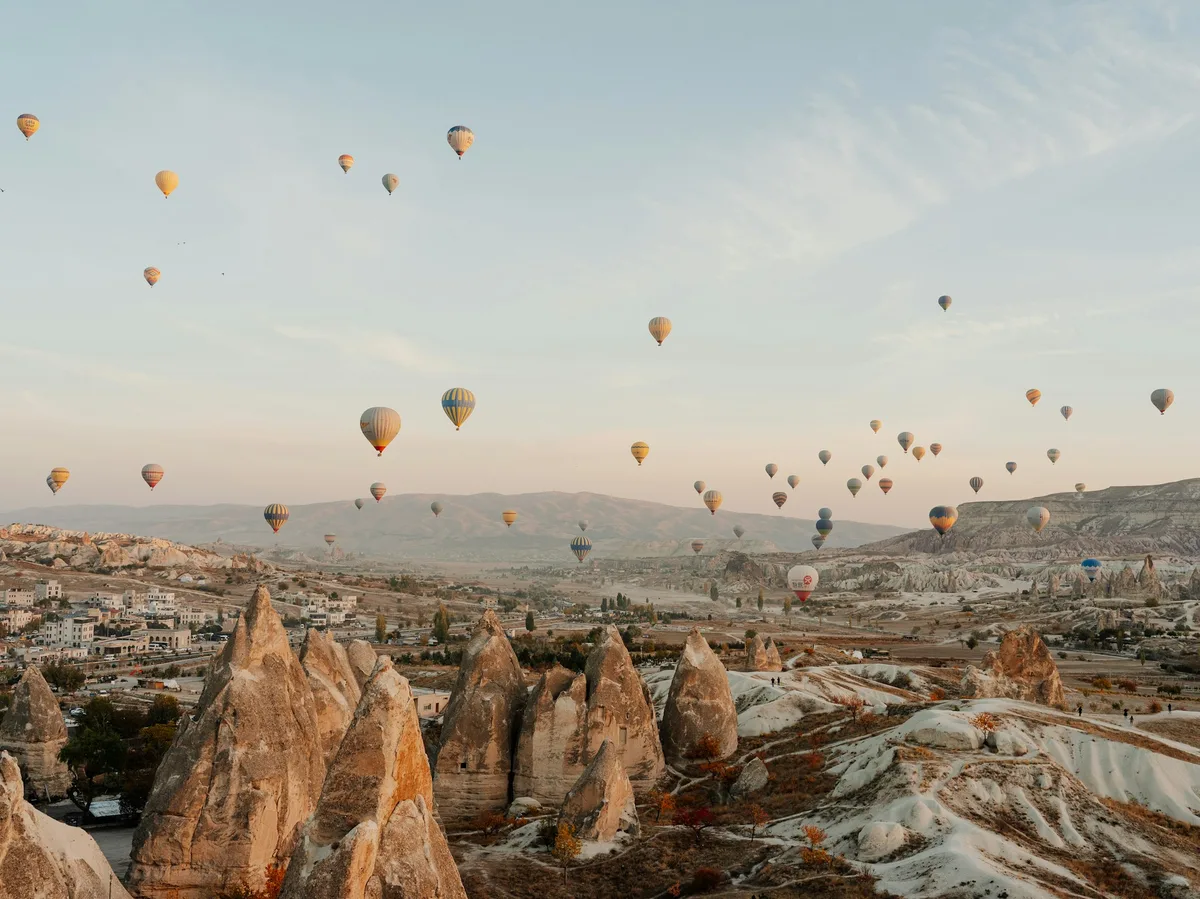
A 10-day private tour through Istanbul's Hagia Sophia, Blue Mosque, and Grand Bazaar, Cappadocia's valleys and underground cities, and Antalya's old town and the thermal terraces at Pamukkale.
 Multi-Day Tours
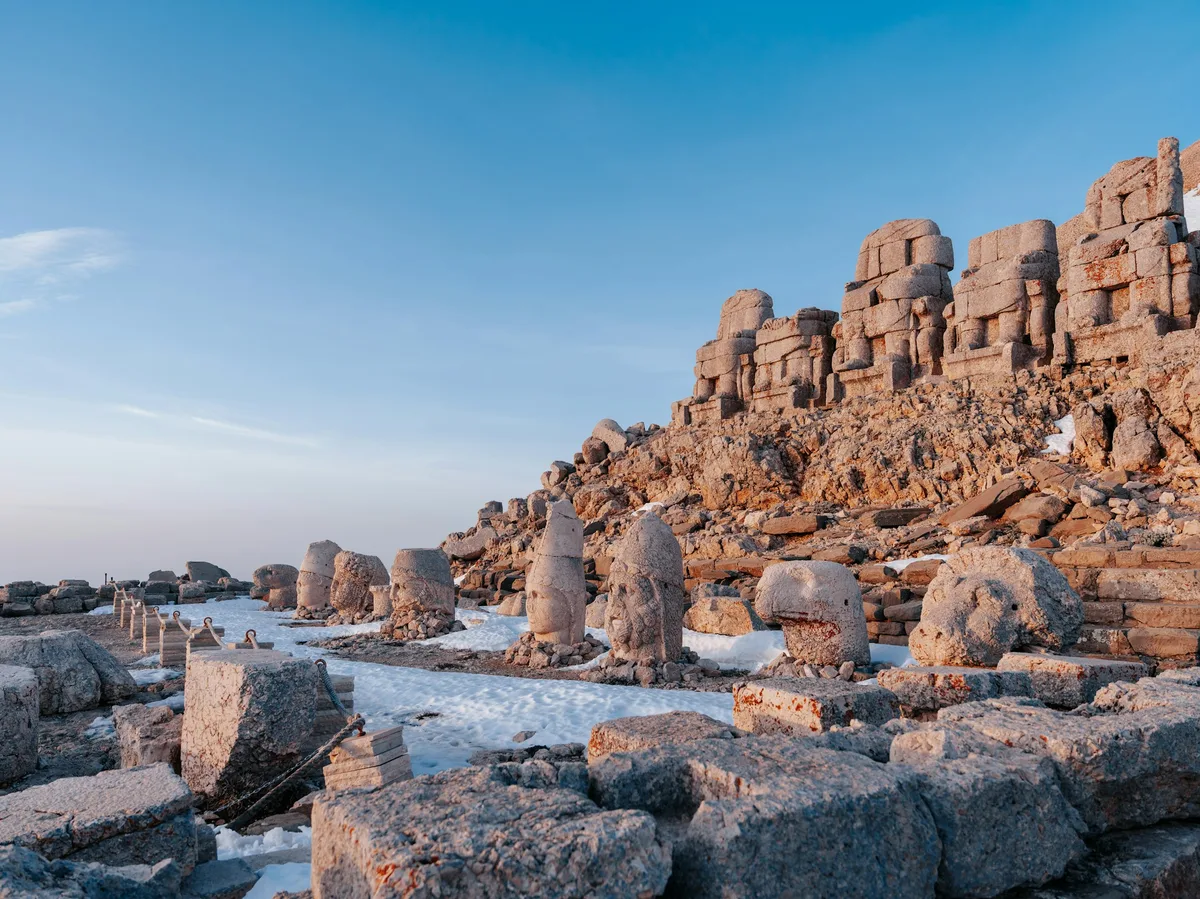
An 8-day route beyond the standard circuit — Istanbul and Cappadocia, then east to Mount Nemrut's mountaintop statues, Adıyaman's countryside, and the ancient monasteries around Mardin.
Visitor guide
Hagia Sophia is a monumental domed building in the old city of Istanbul, Turkey, built as a Christian cathedral in the 6th century under the Byzantine emperor Justinian I. It later became an Ottoman mosque, served as a museum for much of the 20th century, and was reclassified as a mosque in 2020. It is part of the UNESCO-listed Historic Areas of Istanbul.
According to Wikipedia, the first church on the site was consecrated in 360 under Constantius II. A second church, inaugurated in 415 under Theodosius II, was destroyed in the fire of the Nika riots in January 532. Justinian began the present building on 23 February 532, only weeks later, and it was inaugurated on 27 December 537, a little under six years after work began. More than 10,000 people were reportedly employed.
The architects were Anthemius of Tralles, a mathematician, and Isidore of Miletus, a geometer and engineer. Their building was among the first to use a fully pendentive dome, and it was the largest enclosed interior space in the world at the time. Earthquakes in the 550s cracked the main dome, and its eastern semi-dome collapsed in 558. Isidore the Younger rebuilt the vault with lighter materials and raised it by roughly 6 metres, and the reconstruction was dedicated in December 562. The dome's diameter is given as between about 32.7 and 33.5 metres, and the interior height as about 55.6 metres. Wikipedia notes that it remained the world's largest church for more than five hundred years, until the abbey church at Cluny was completed in the 12th century.
The interior was sheathed in coloured marbles, including green marble and purple porphyry, with gold mosaics. Columns and marble were brought from across the Mediterranean, and eight Corinthian columns came from Baalbek.
Hagia Sophia was the seat of the Patriarchate of Constantinople and a central setting for imperial ceremonies. Images were removed during the iconoclasm that began in 726, and decoration was renewed in later centuries. Earthquakes in 869, 989 and 1344 required repairs. During the Fourth Crusade the church was stripped of its gold and silver and became a Latin Catholic cathedral until the Byzantines regained the city in 1261.
After the fall of Constantinople in 1453, Sultan Mehmed II converted the church into a mosque, and minarets were added in the following period. It was the principal mosque of Istanbul until the Sultan Ahmed Mosque was built in the early 17th century. In 1935 it reopened as a museum under the Republic of Turkey, and by 2019 Wikipedia describes it as Turkey's most visited tourist attraction. In 2020 the Council of State annulled the decision that had established the museum, and the site was reclassified as a mosque, a decision that drew both criticism and praise.
Hagia Sophia stands across a square from the Blue Mosque, and the two are commonly visited together. A private guided visit with a dedicated vehicle and driver helps visitors read the layers of Byzantine and Ottoman history. Visitors should expect modest dress, and practical arrangements are confirmed when you request a quote.
See every tour and attraction we cover in Turkey.