TorontoOntario · 36 tours
 Niagara FallsOntario · 25 tours
 New York CityNew York · 30 tours
 Las VegasNevada · 8 tours
 San FranciscoCalifornia · 16 tours
 VancouverBritish Columbia · 17 tours
 DubaiUAE · 54 tours
 Abu DhabiUAE · 5 tours
 Buenos AiresArgentina · 23 tours
 AthensGreece · 31 tours
 AucklandNew Zealand · 38 tours
 CancunMexico · 54 tours
No destinations match “”. Try searching all tours instead — that search understands full questions, not just place names.
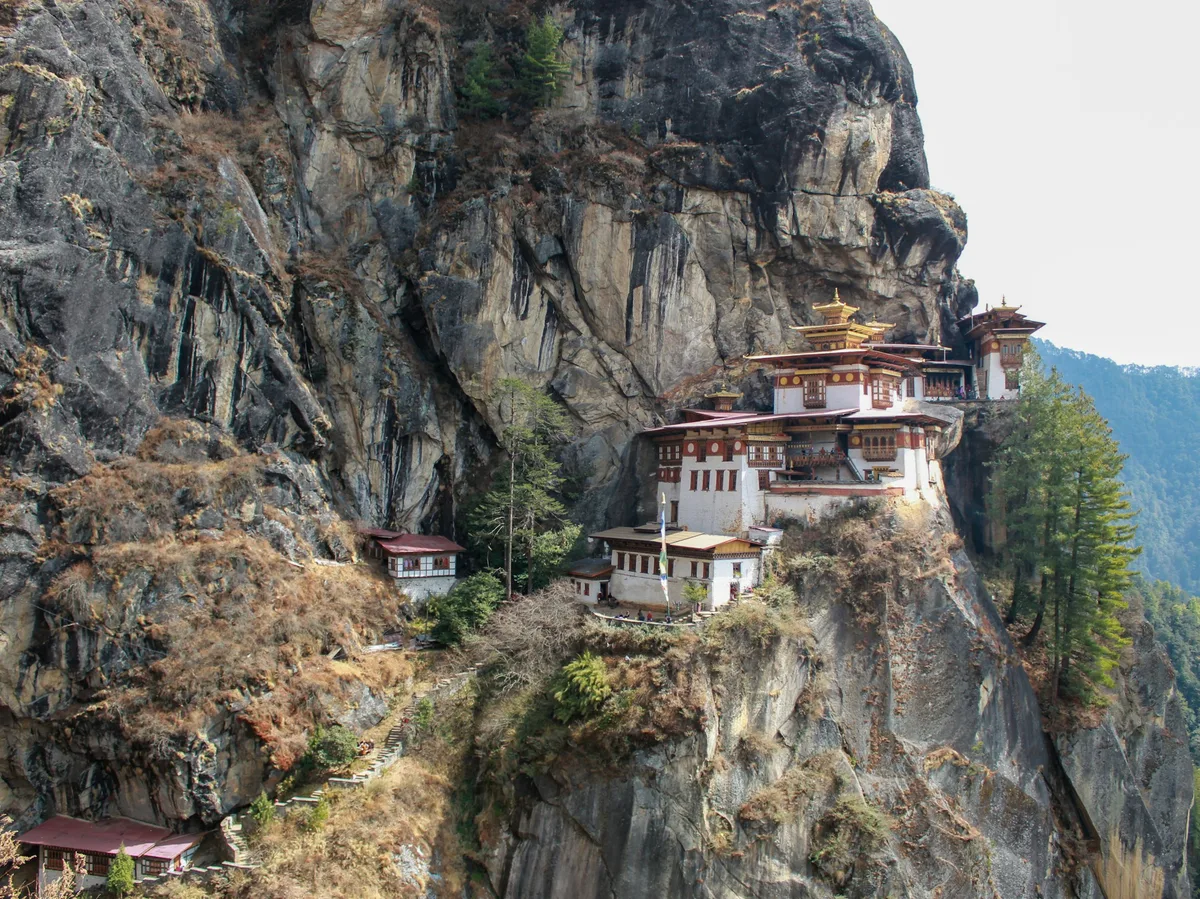
Bhutan's most iconic sight, this sacred monastery clings to a cliff face 900m above the Paro valley, reached by a multi-hour hike and said to mark the spot where Guru Rinpoche flew in on the back of a tigress.
 Multi-Day Tours
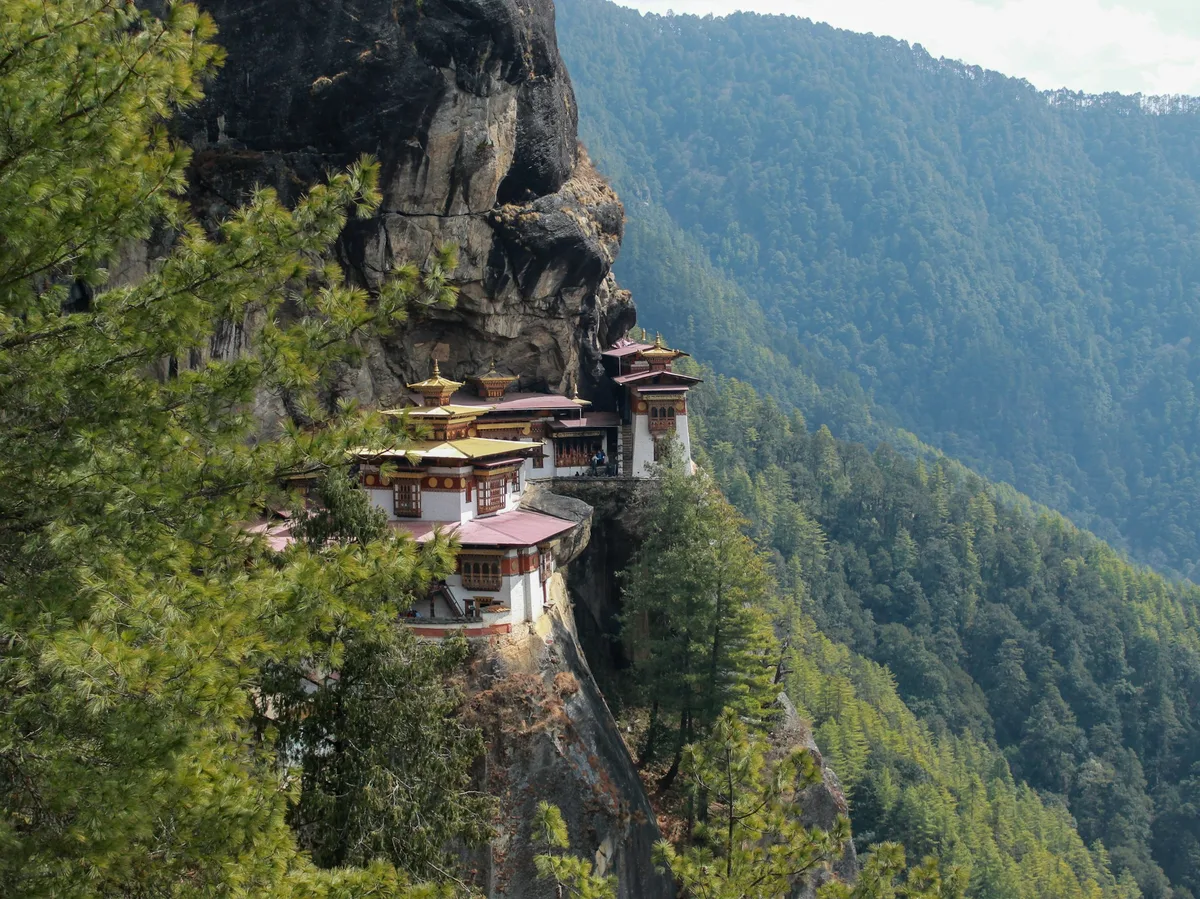
A relaxed, comfort-focused week through Bhutan's classic western circuit — Thimphu, Punakha, Phobjikha, and Paro — with the Tiger's Nest hike as its finale.
 Multi-Day Tours
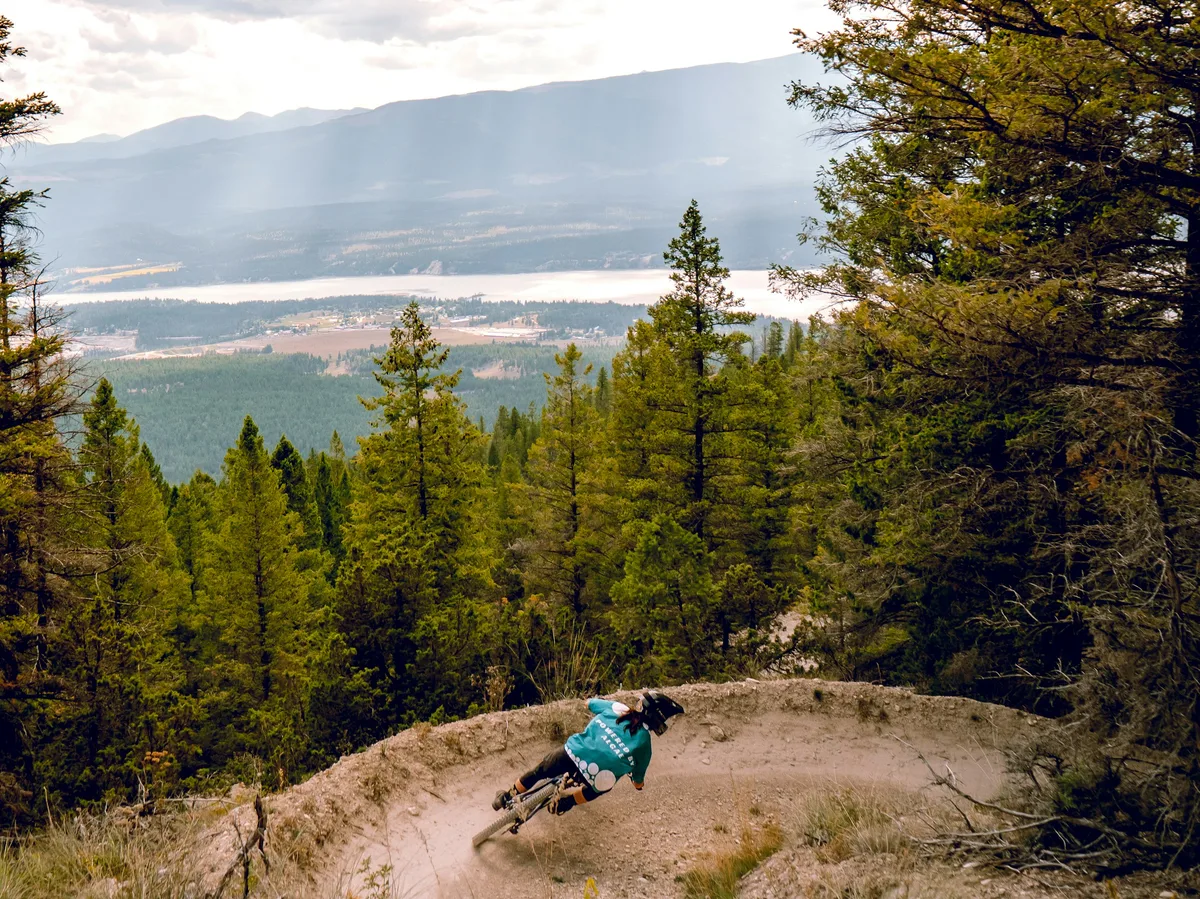
An active 11-day loop through western and central Bhutan, mixing cultural sightseeing in Paro, Thimphu, and Punakha with mountain biking on the famous 'Divine Madman' trail.
 Multi-Day Tours
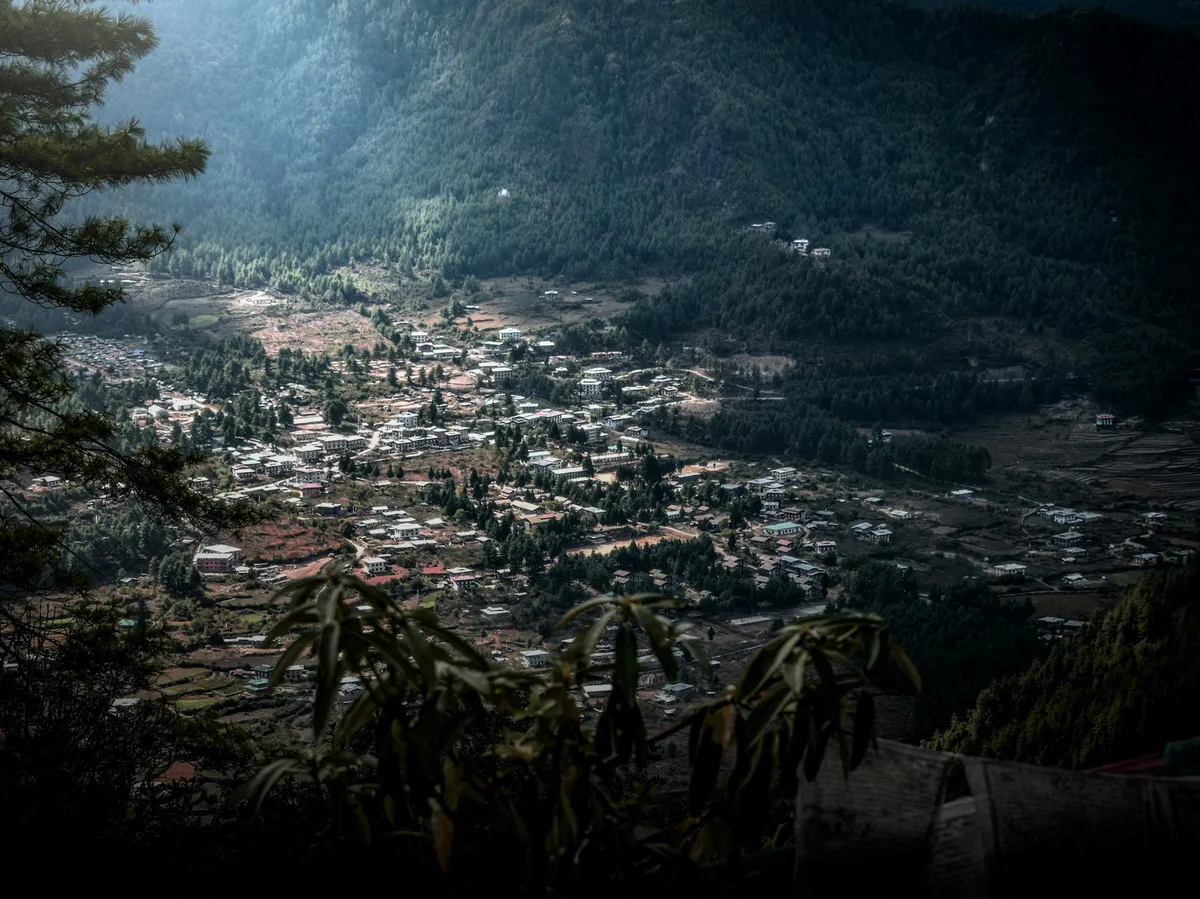
A culture-and-trail itinerary through Paro, Thimphu, Punakha, and Phobjikha, with two real day-hikes — to Dragey Pangtsho Lake and the Tiger's Nest — beyond the usual sightseeing.
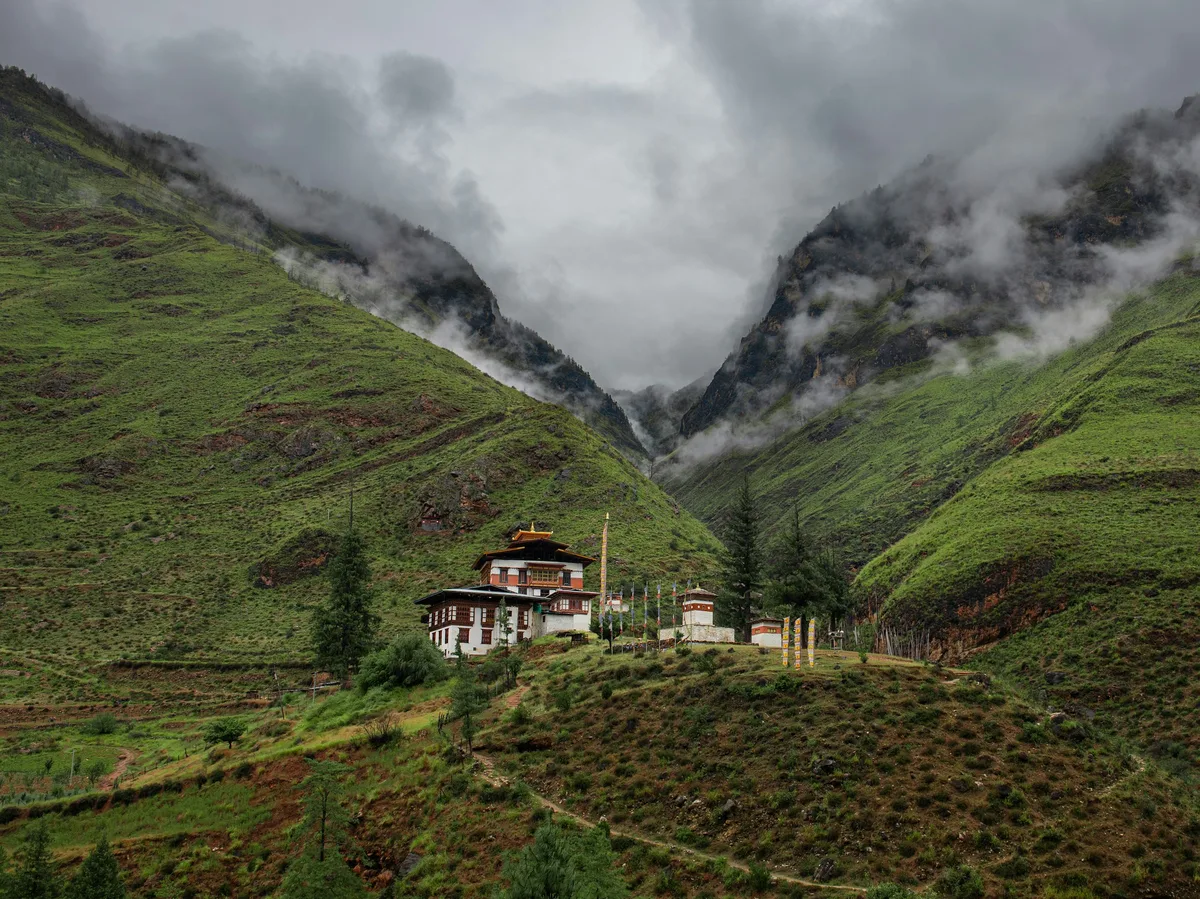 Multi-Day Tours
A polished eight-day circuit through Thimphu, Punakha, Phobjikha, and Paro, with a helicopter ride over the Himalayas and a side trip to the remote Haa Valley.
 Multi-Day Tours
A gentler week through Thimphu, Punakha, and Paro built around Bhutan's hot spring culture, traditional hot stone baths, and a lighter hiking pace.
 Multi-Day Tours Popular Pick
Bhutan's full classic circuit — Thimphu, Trongsa, Bumthang, Phobjikha, Punakha, Paro, and a side trip to Haa Valley — covering the country's major dzongs, monasteries, and valleys.
 Multi-Day Tours
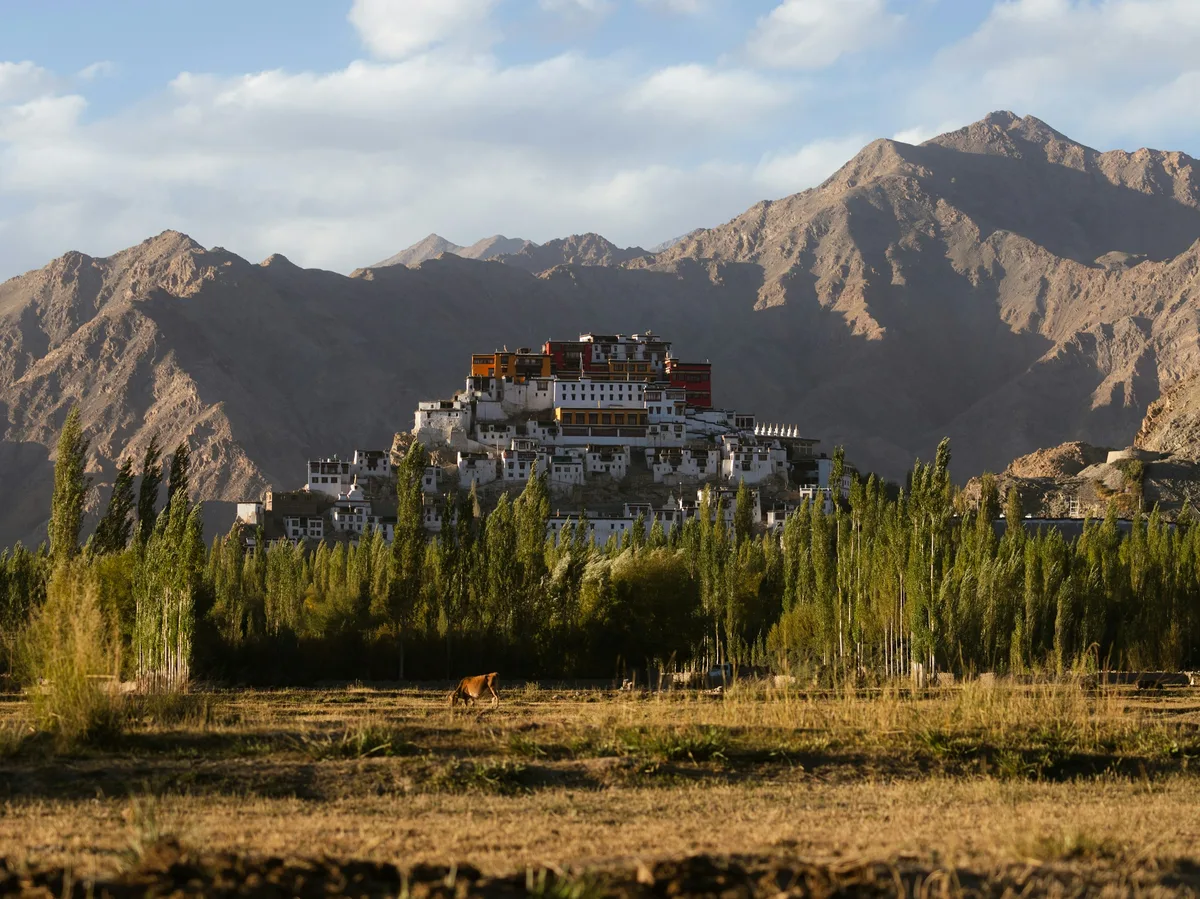
The classic five-day Druk Path trek between Paro and Thimphu — alpine lakes, yak pastures, and mountain viewpoints — bookended by dzong and monastery touring in both cities.
 Multi-Day Tours
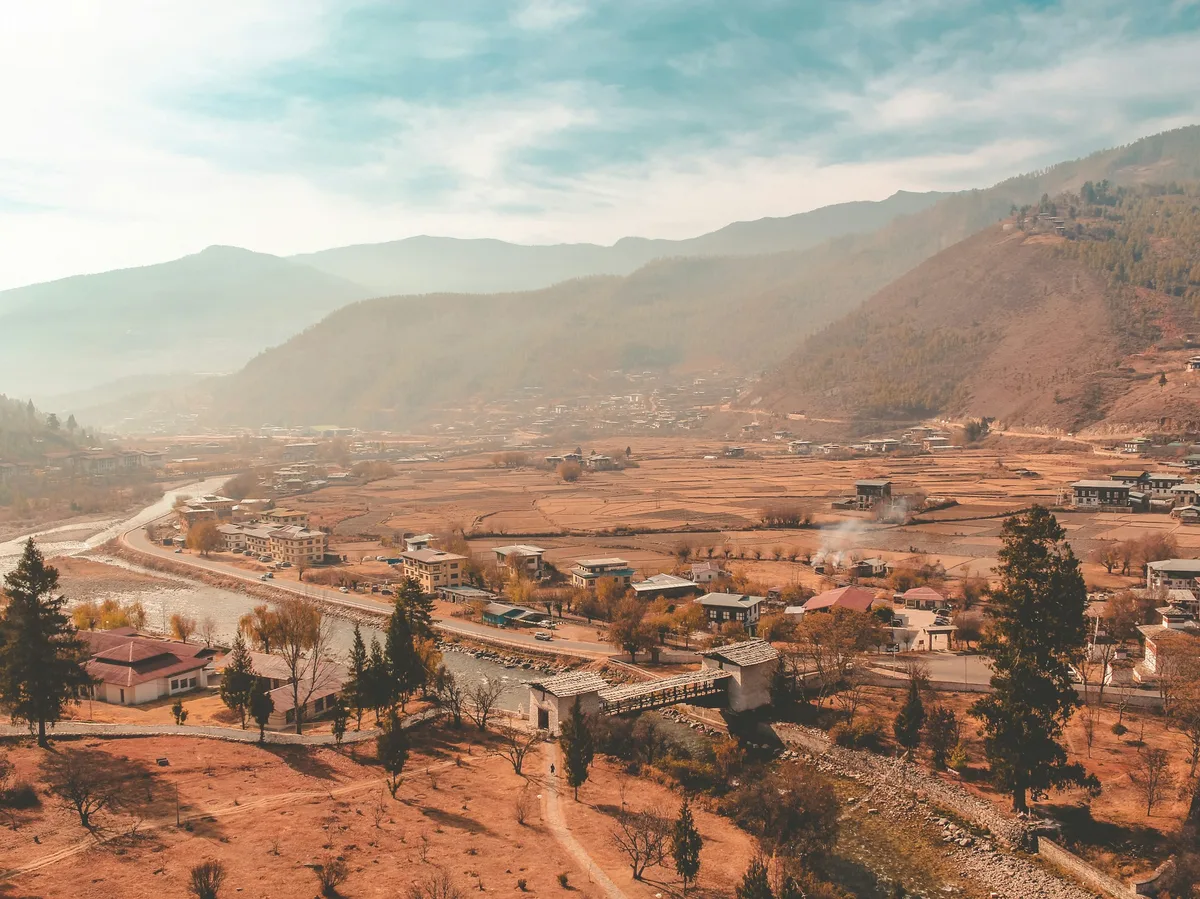
A high-altitude trek into the Dagala range above Thimphu, crossing alpine lakes and a 4,460m pass with Himalayan views, bookended by Paro and Thimphu sightseeing.
 Multi-Day Tours
A demanding high-altitude trek to the base of Mount Jomolhari (7,326m), crossing two passes above 4,700m through Jigme Dorji Wangchuk National Park.
 Multi-Day Tours
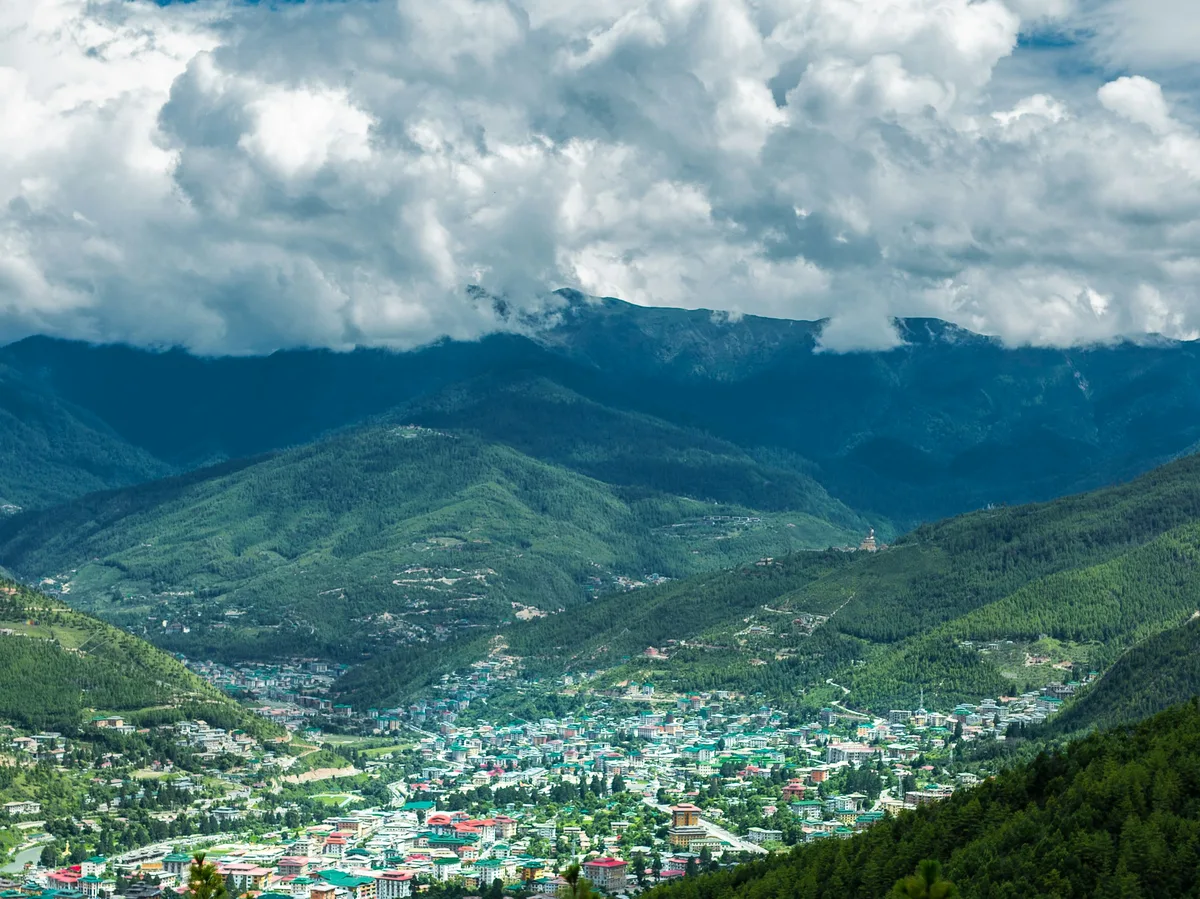
A two-country journey pairing Nepal's temples, jungle, and lakeside towns with five days across Bhutan's Thimphu, Punakha, and Paro, including the Tiger's Nest hike.
 Multi-Day Tours
A deep dive into Bhutan's least-visited region — from the classic Paro-Thimphu-Punakha-Bumthang circuit onward to remote Mongar, Trashigang, and a Brokpa homestay in Sakteng.
Visitor guide
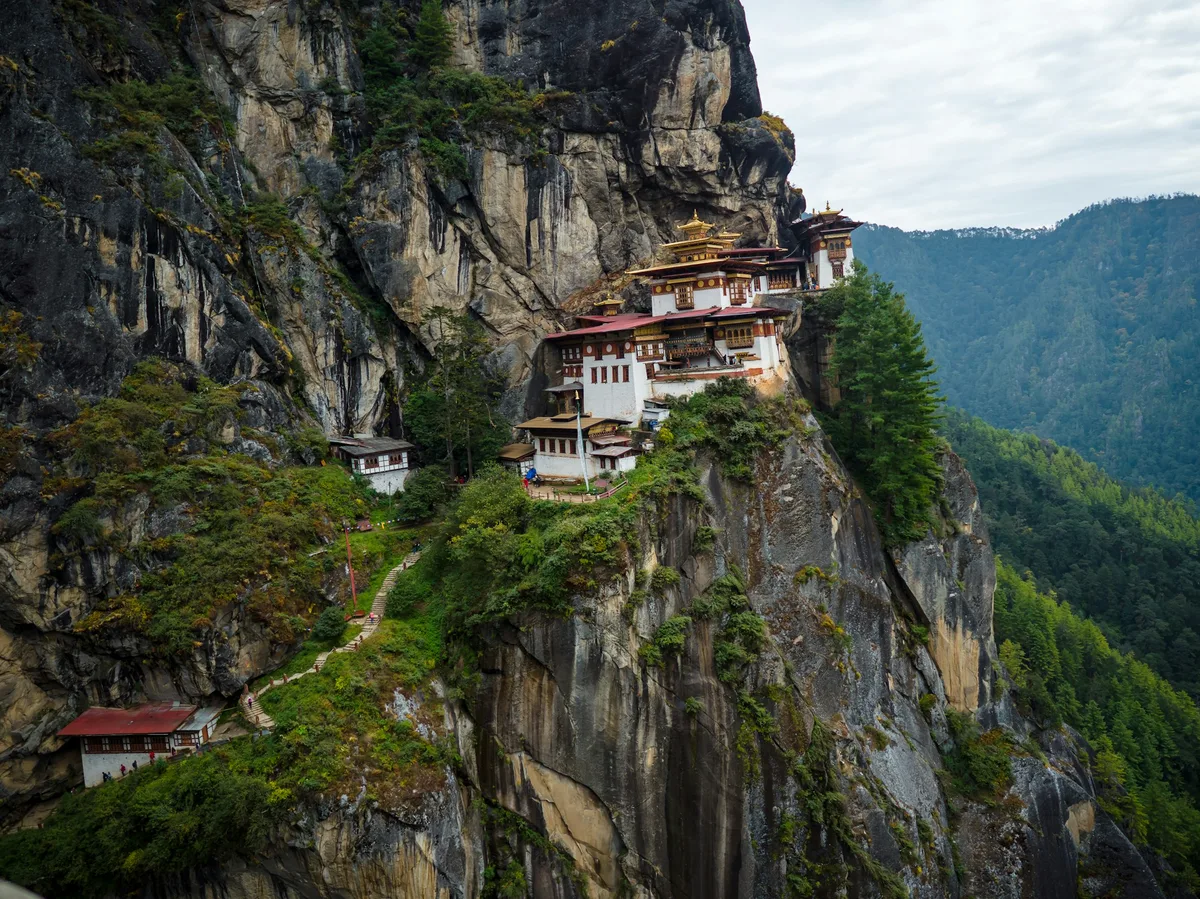
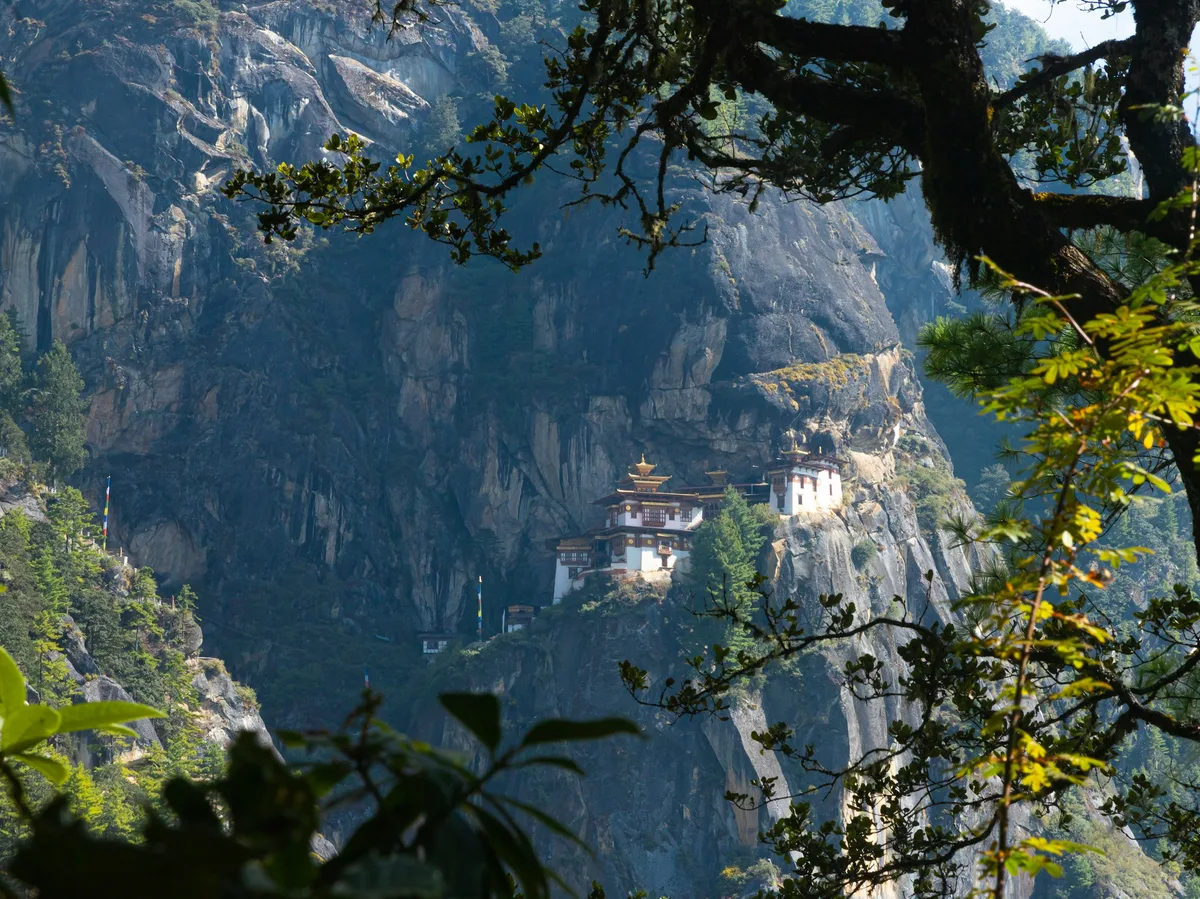
Paro Taktsang, widely known as the Tiger's Nest, is a Vajrayana Buddhist monastery clinging to a cliffside in the upper Paro valley of Bhutan, about 10 kilometres north of Paro town. It sits at roughly 3,120 metres, around 900 metres above the valley floor, and is considered a cultural icon of the kingdom.
According to the Namthar of the Lhakhang, Padmasambhava, also called Guru Rinpoche, flew to the site from Singye Dzong on the back of a tigress. He is said to have disguised himself as the wrathful Dorje Drolo, meditated in a cliffside cave and subdued malicious spirits there. An alternative legend holds that a former wife of an emperor became his disciple, transformed into a tigress and carried him from Tibet, giving the Tiger's Nest its name. These are religious tradition rather than documented history.
The cave is described as a meditation site from the 9th century, and Wikipedia records that Padmasambhava is credited with introducing Vajrayana Buddhism to Bhutan. Many Tibetan figures, including Milarepa, are said to have meditated here, and the 13th-century teacher Phajo Drugom Zhigpo is said to have received the site as one of Guru Rinpoche's meditation places.
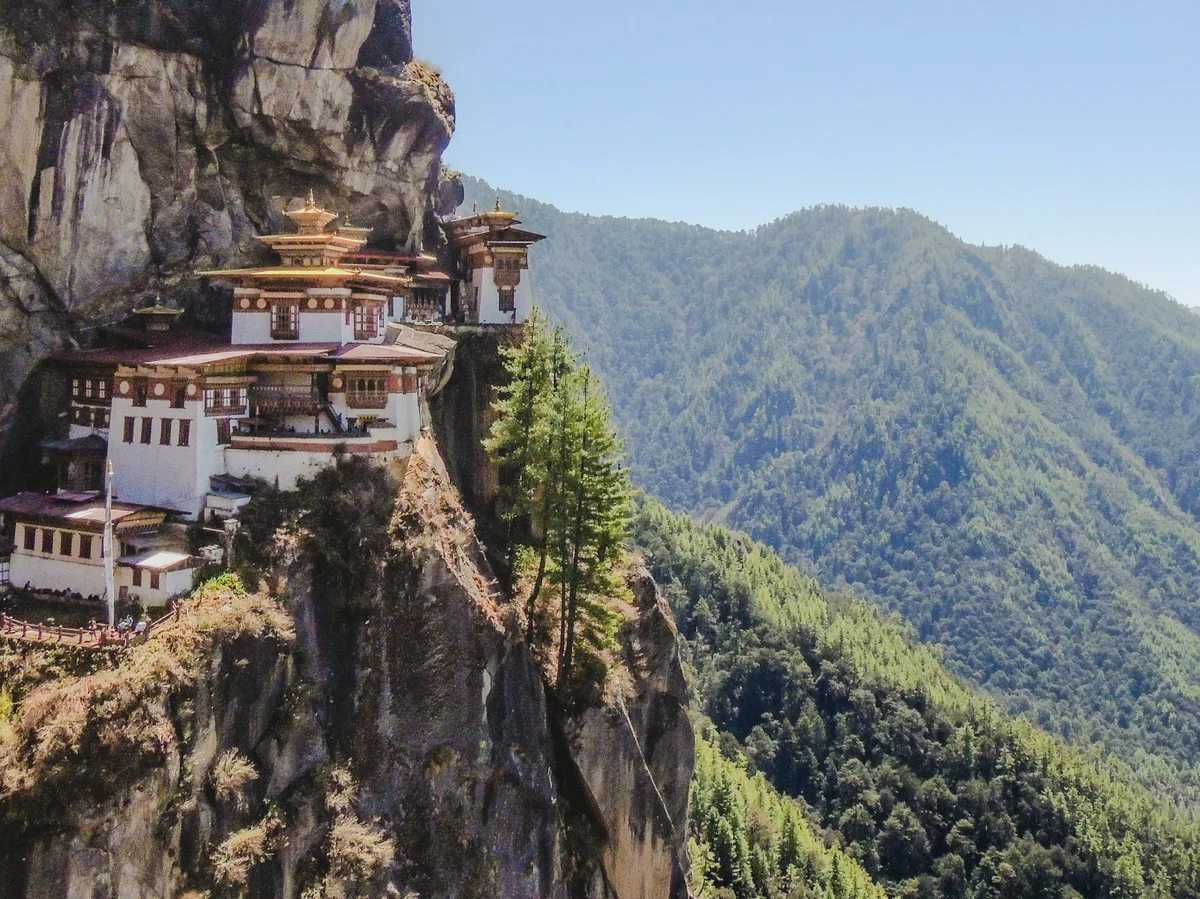
The monastery was built in 1692 by Gyalse Tenzin Rabgye, the fourth Druk Desi, around the Taktsang Senge Samdup cave. The main shrine is the Gu-ru mTshan-brgyad Lhakhang, the Shrine of the Guru with Eight Names, which refers to Padmasambhava's eight manifestations. The rock face is nearly vertical and the buildings are set into it, so that Wikipedia compares the complex to a gecko clinging to the mountain.
The complex has four main temples and residential shelters linked by stone steps with a few wooden bridges. The main cave holds images of bodhisattvas, including Chenrezig, and is lit by butter lamps. Each building has a balcony giving views over the valley below.
On 19 April 1998 a fire broke out in the main building, destroying valuable paintings, artefacts and statues. It is believed to have been caused by an electrical short circuit or by butter lamps igniting hanging tapestries, and one monk died. Restoration was estimated at 135 million ngultrum, was overseen by the government and King Jigme Singye Wangchuck, and was completed in 2005.
The route to the monastery passes through pine forest hung with moss and prayer flags, a water-powered prayer wheel, and a waterfall of about 60 metres crossed by a bridge. A viewpoint near Urgyan Tsemo offers a distant view of the complex. The altitude and steepness make the approach a physically demanding experience, so a private guided visit lets your group set its own pace. The Paro Tsechu festival, held in honour of Padmasambhava in March or April, is among the cultural events of the Paro valley.
See every tour and attraction we cover in Bhutan.