TorontoOntario · 36 tours
 Niagara FallsOntario · 25 tours
 New York CityNew York · 30 tours
 Las VegasNevada · 8 tours
 San FranciscoCalifornia · 16 tours
 VancouverBritish Columbia · 17 tours
 DubaiUAE · 54 tours
 Abu DhabiUAE · 5 tours
 Buenos AiresArgentina · 23 tours
 AthensGreece · 31 tours
 AucklandNew Zealand · 38 tours
 CancunMexico · 54 tours
No destinations match “”. Try searching all tours instead — that search understands full questions, not just place names.
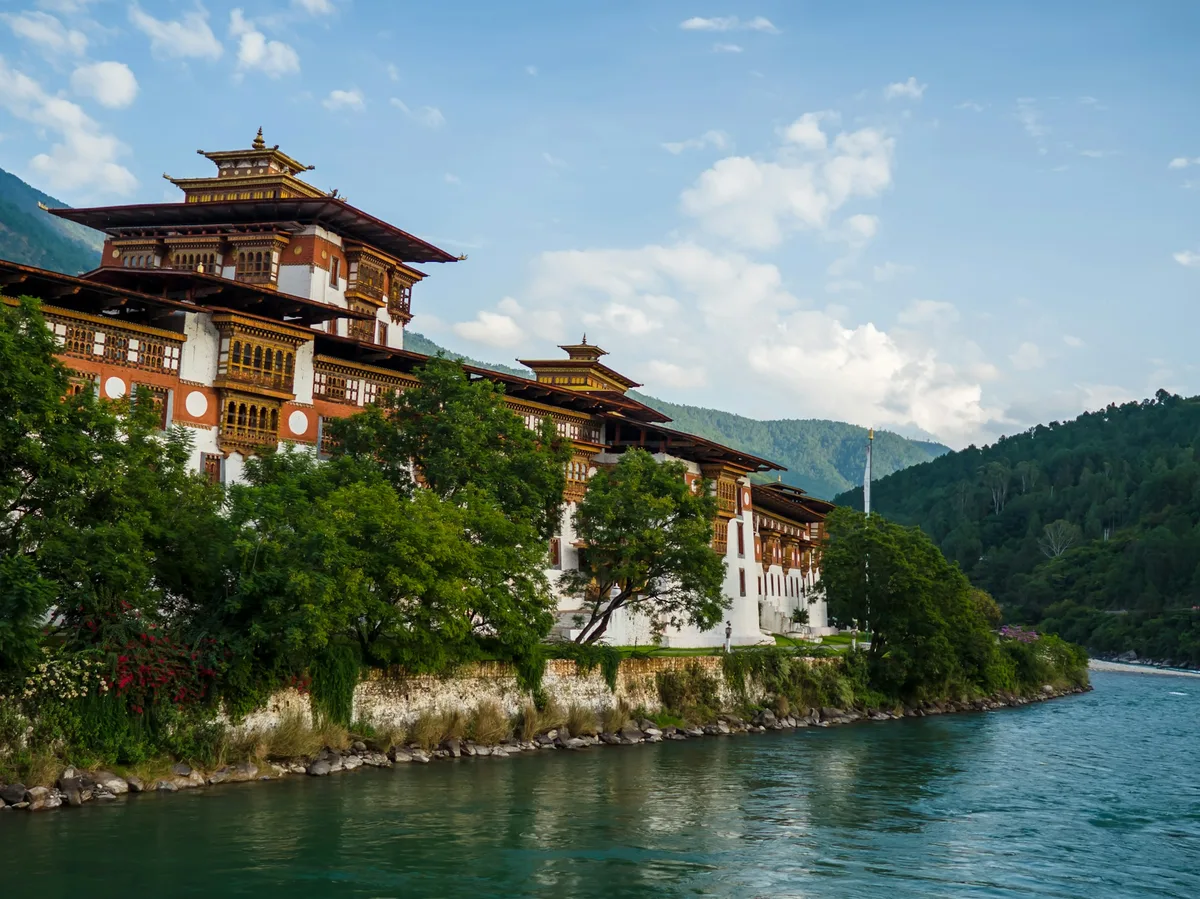
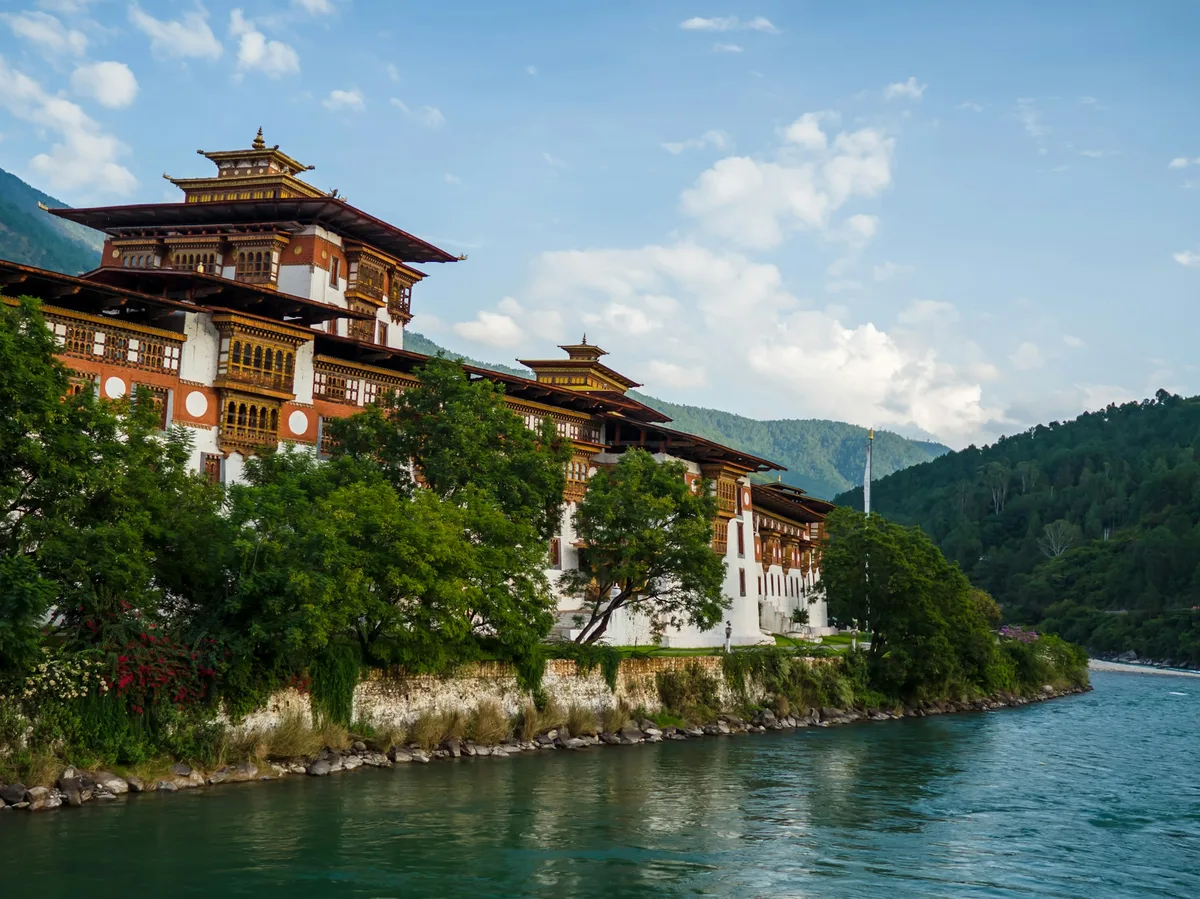
Built in 1637 at the confluence of the Pho Chhu and Mo Chhu rivers, this is widely considered Bhutan's most beautiful fortress-monastery and still hosts the winter seat of the country's central monastic body.
 Multi-Day Tours
A luxury pairing of Kathmandu's UNESCO sites with western Bhutan's dzongs and mountain passes, from Thimphu and Punakha to Gangtey and Paro.
 Multi-Day Tours
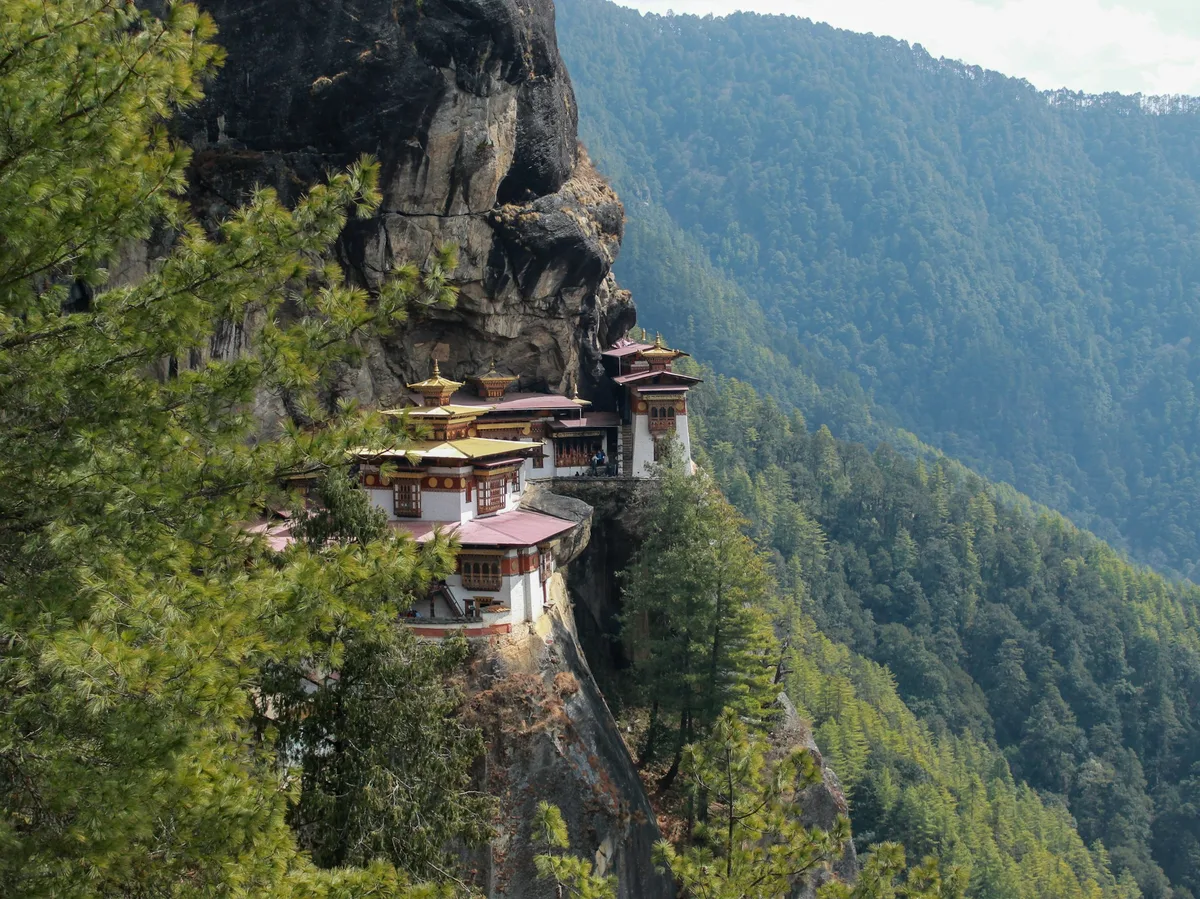
A relaxed, comfort-focused week through Bhutan's classic western circuit — Thimphu, Punakha, Phobjikha, and Paro — with the Tiger's Nest hike as its finale.
 Multi-Day Tours
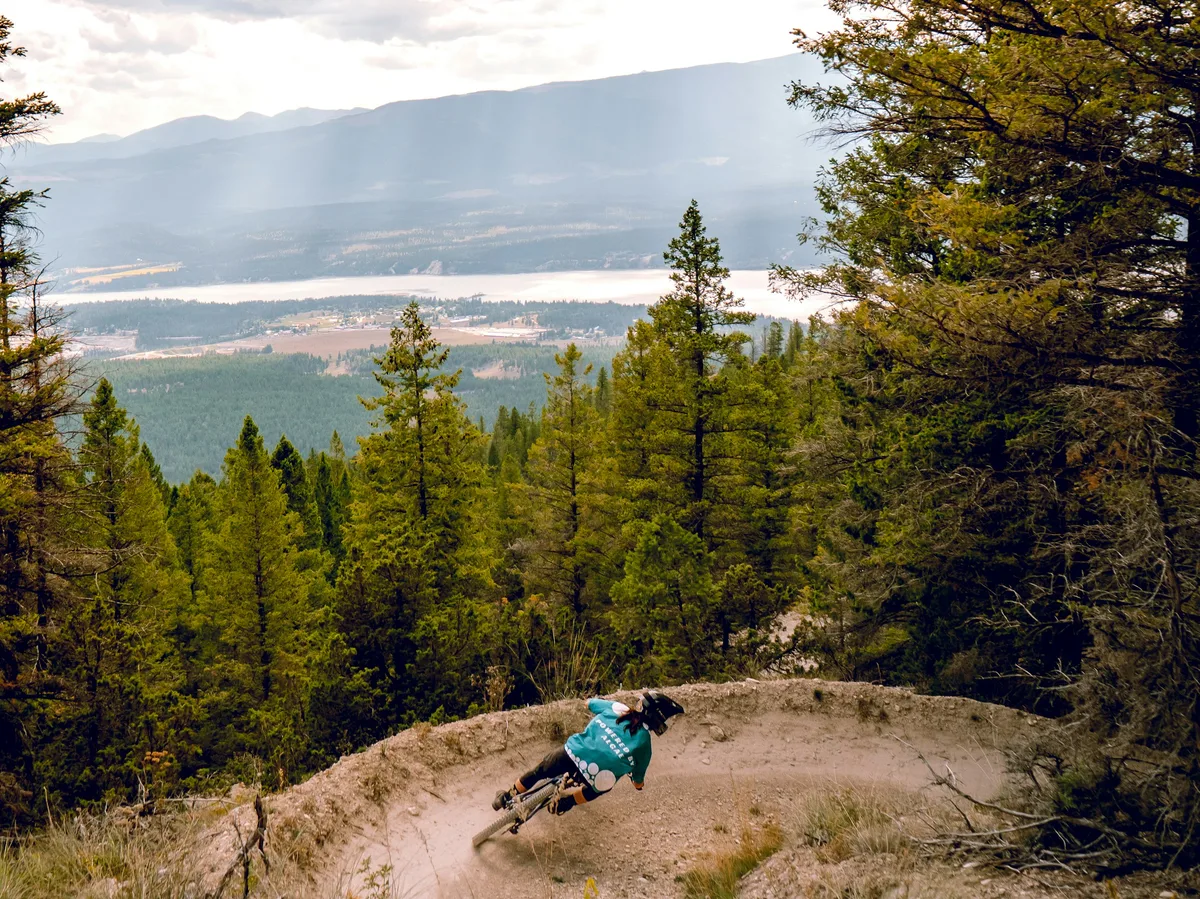
An active 11-day loop through western and central Bhutan, mixing cultural sightseeing in Paro, Thimphu, and Punakha with mountain biking on the famous 'Divine Madman' trail.
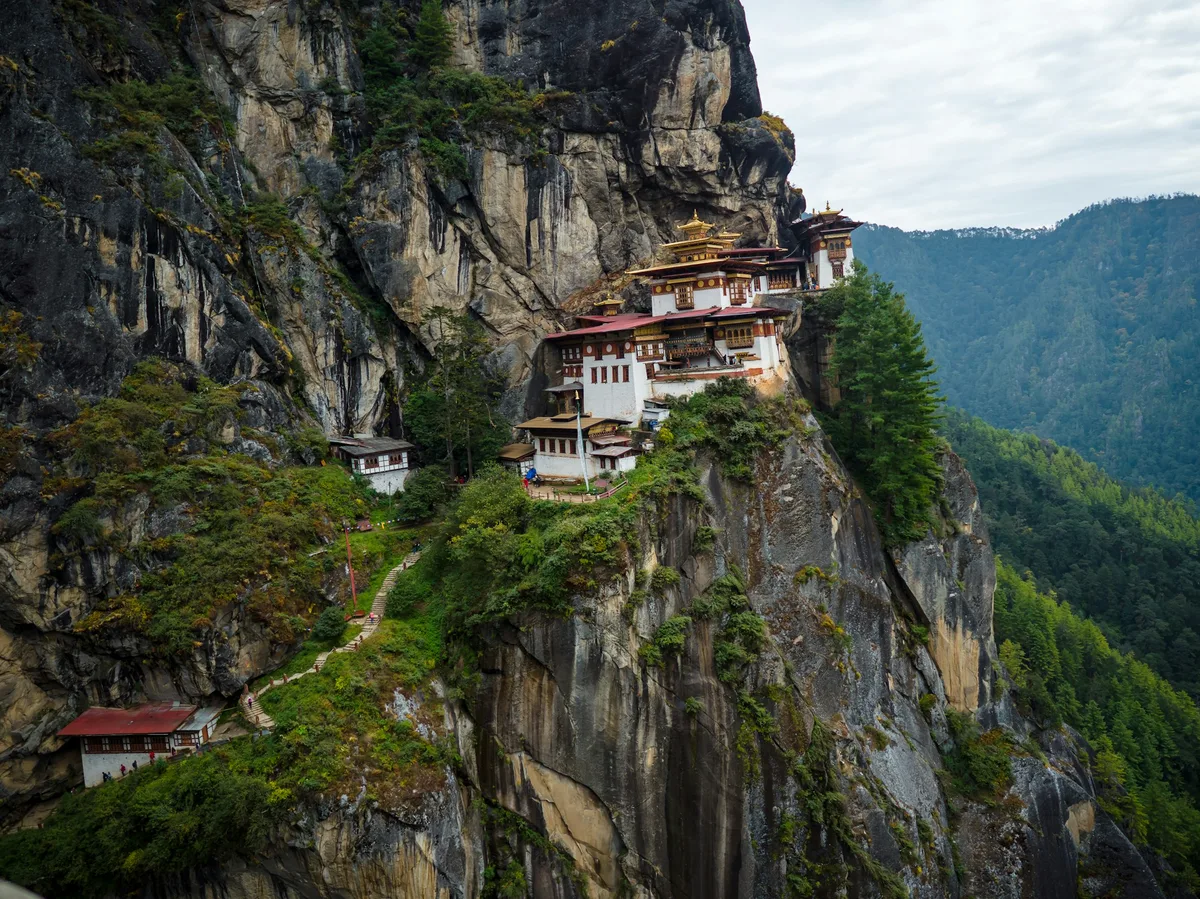 Multi-Day Tours
A gentler week through Thimphu, Punakha, and Paro built around Bhutan's hot spring culture, traditional hot stone baths, and a lighter hiking pace.
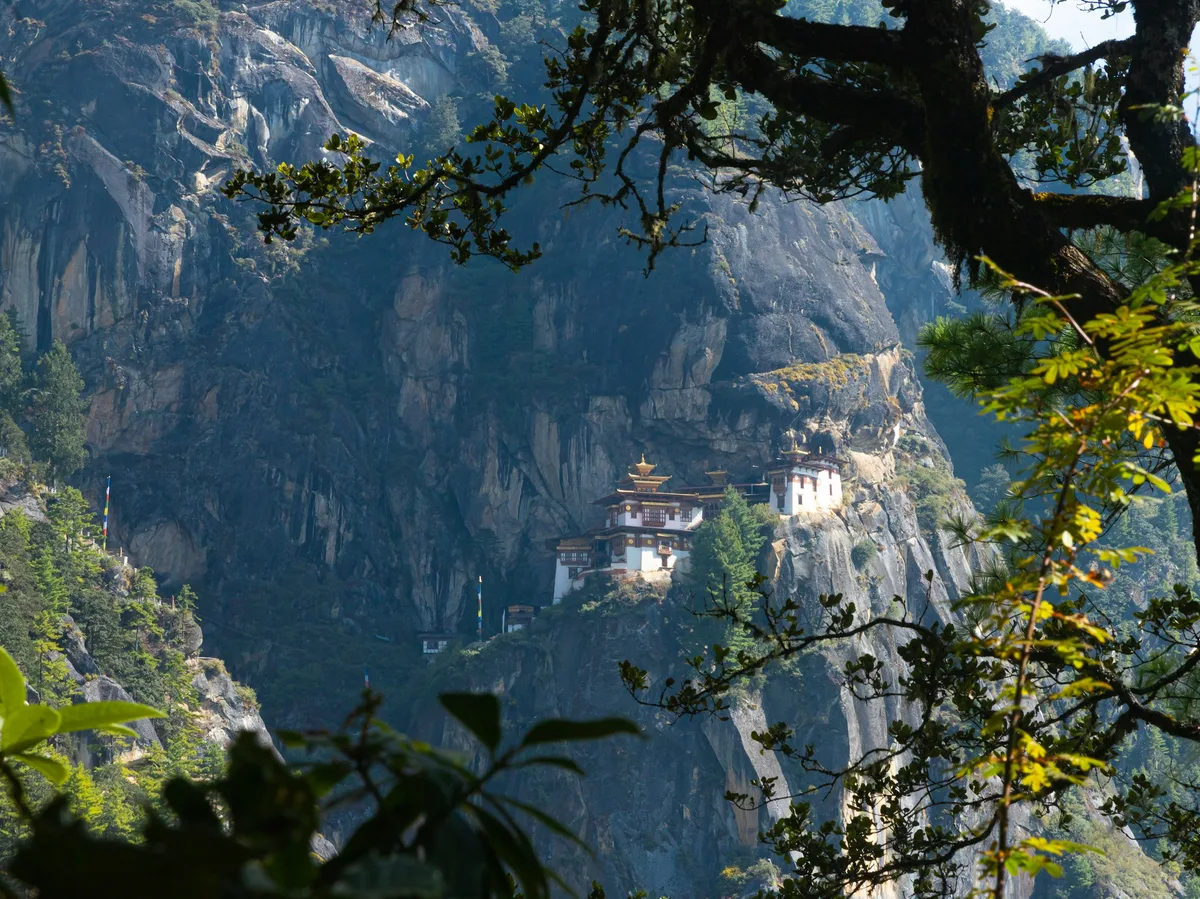 Multi-Day Tours Popular Pick
Bhutan's full classic circuit — Thimphu, Trongsa, Bumthang, Phobjikha, Punakha, Paro, and a side trip to Haa Valley — covering the country's major dzongs, monasteries, and valleys.
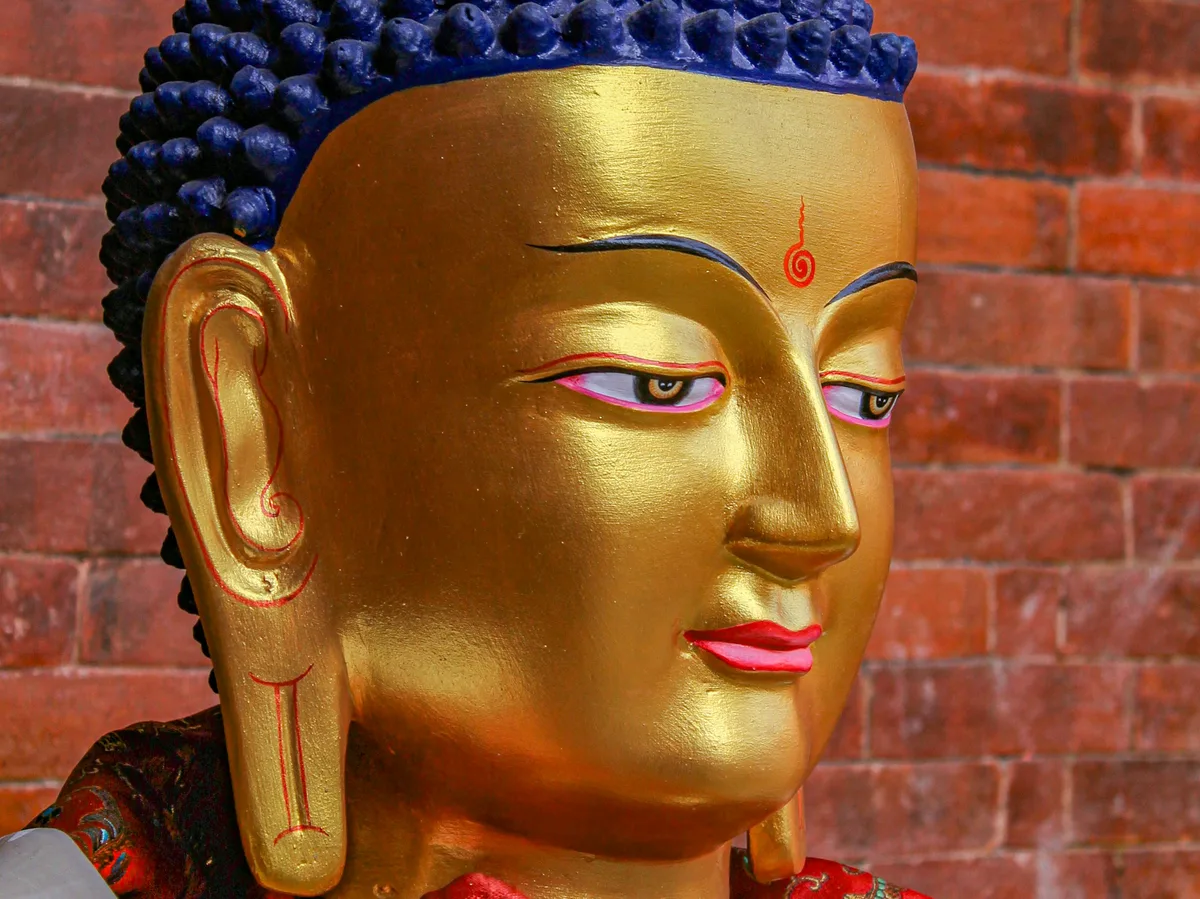 Multi-Day Tours
A two-country journey pairing Nepal's temples, jungle, and lakeside towns with five days across Bhutan's Thimphu, Punakha, and Paro, including the Tiger's Nest hike.
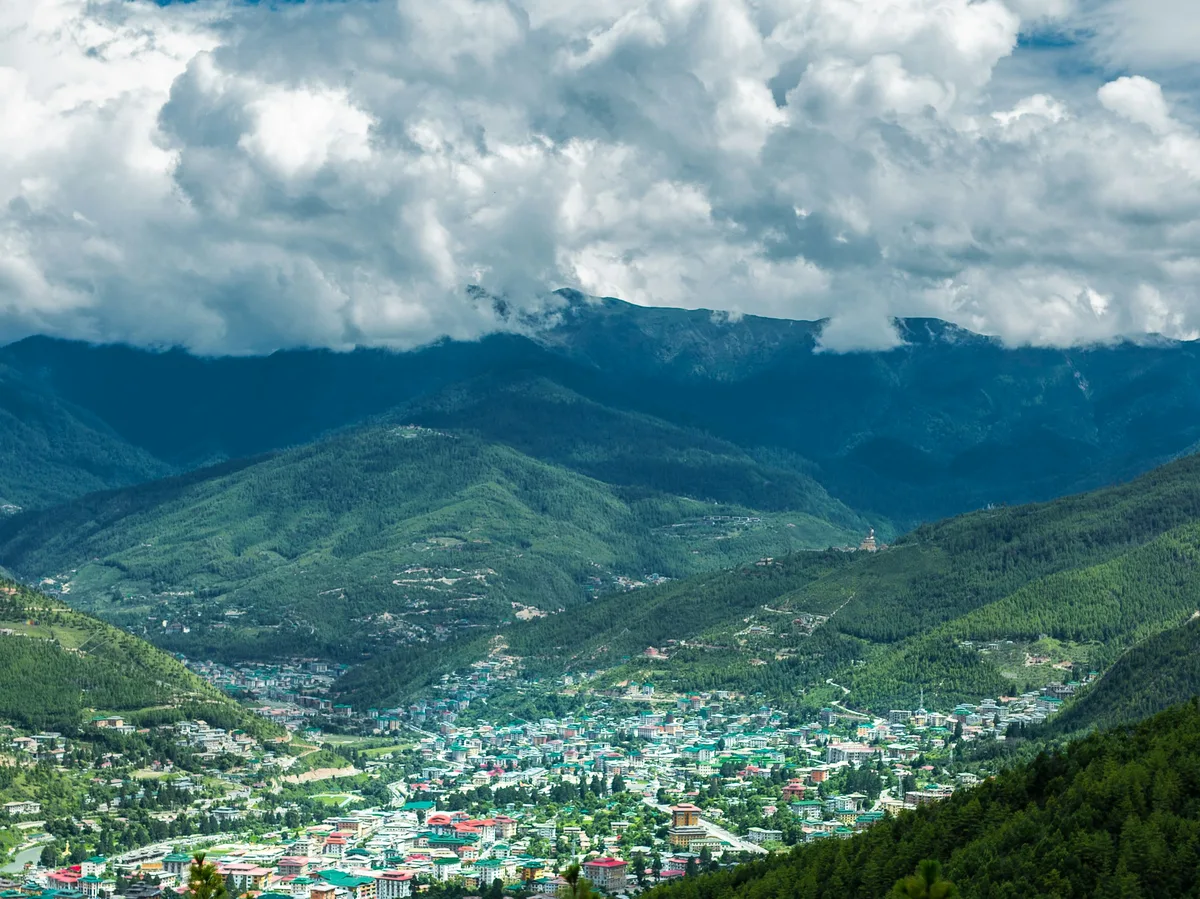 Multi-Day Tours
A deep dive into Bhutan's least-visited region — from the classic Paro-Thimphu-Punakha-Bumthang circuit onward to remote Mongar, Trashigang, and a Brokpa homestay in Sakteng.
Visitor guide
Punakha Dzong is a fortress-monastery in the Punakha valley of Bhutan, standing at about 1,200 metres between the Pho Chhu and Mo Chhu rivers. Built in 1637 to 1638 by the first Zhabdrung, Ngawang Namgyal, it is described as Bhutan's second-oldest and second-largest dzong.
Ngawang Namgyal, the first Zhabdrung Rinpoche, had the dzong built in 1637 to 1638, and Wikipedia names the architect as Zowe Palep. It belongs to the Drukpa Kagyu lineage of Tibetan Buddhism and houses the Rangjung Kharsapani relic. The Pho Chhu, regarded as the male river, and the Mo Chhu, the female river, meet beside it and form the Sankosh River. The district article describes the dzong as the administrative and religious centre of Punakha District and the winter home of the Central Monk Body.
Punakha was the seat of Bhutan's government until 1955, when the capital moved to Thimphu. In 1907 the dzong hosted the coronation of Ugyen Wangchuck as the first King of Bhutan, and a treaty signed in Punakha three years later saw Britain agree not to interfere in Bhutanese internal affairs. The head of the clergy and his monks spend the winters here. On 13 October 2011 the wedding of King Jigme Khesar Namgyel Wangchuck and Jetsun Pema took place in the dzong.
The third courtyard holds the remains of Ngawang Namgyal and the treasure revealer Pema Lingpa. The Machey Lhakhang houses the embalmed body of the Zhabdrung, which is never opened, and was rebuilt in 1995. The district article notes that a continuous vigil has been kept over his body since the 1680s.
Sitting at the confluence exposes the dzong to glacial lake outburst floods, which struck in 1957, 1960 and 1994. The 1994 flood caused serious damage to the dzong. A fire partly destroyed the dzong in 1986, flash floods in 1996 damaged the large stupa, and the 1897 earthquake severely damaged the building. A major restoration funded largely by the Government of India was followed by the Rabney consecration ceremony in 2004, and flood protection works began in 2010.
A covered cantilever bridge over the Mo Chhu stood beside the dzong from the 17th century until a flash flood washed it away in 1957 or 1958. A replacement with a 55-metre free span was completed in 2008 with German help. Each year the Punakha Tshechu includes a re-enactment of the 1639 defeat of Tibetan invaders, and the Je Khenpo ends the festival by throwing oranges into the Mo Chhu as an offering to nagas. The Punakha Domchoe, in the first month of the Bhutanese year, combines rites with horsemanship and sword play.
Punakha town lies about 72 kilometres from Thimphu, roughly three hours by road. Unlike Thimphu it is warm in winter and hot in summer, with average annual rainfall of about 786 millimetres, mostly from June to August. Red and white rice grow in the valleys of the two rivers, and the village of Ritsha is often called the rice bowl of Bhutan. Over half the district lies within Jigme Dorji National Park.
Wikipedia notes that Bhutan has placed the dzong on its Tentative List for UNESCO World Heritage inclusion. A private guided visit explains the courtyards and shrines, which are not always easy to interpret unaided.
See every tour and attraction we cover in Bhutan.