TorontoOntario · 36 tours
 Niagara FallsOntario · 25 tours
 New York CityNew York · 30 tours
 Las VegasNevada · 8 tours
 San FranciscoCalifornia · 16 tours
 VancouverBritish Columbia · 17 tours
 DubaiUAE · 54 tours
 Abu DhabiUAE · 5 tours
 Buenos AiresArgentina · 23 tours
 AthensGreece · 31 tours
 AucklandNew Zealand · 38 tours
 CancunMexico · 54 tours
No destinations match “”. Try searching all tours instead — that search understands full questions, not just place names.
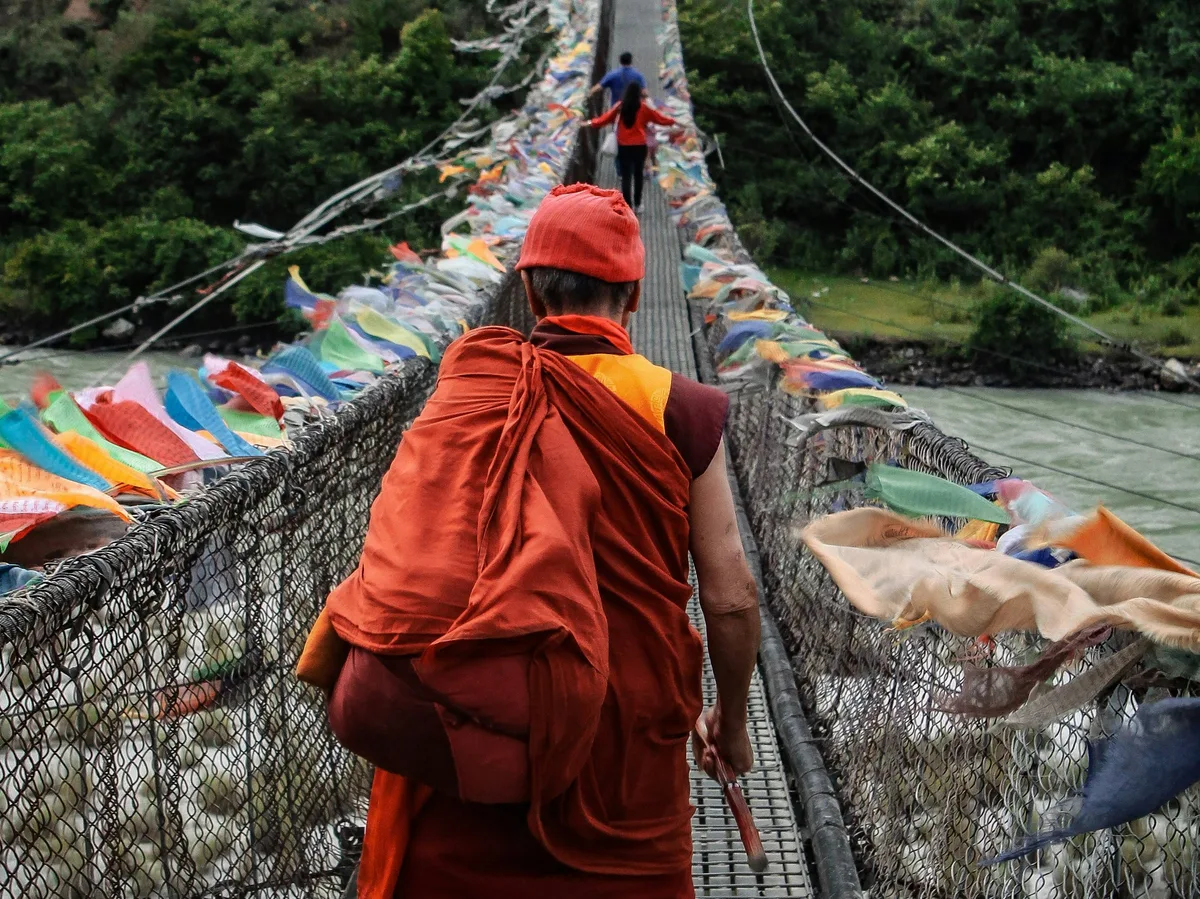
One of the longest suspension bridges in Bhutan, strung with prayer flags and swaying gently over the Pho Chhu river just below Punakha Dzong.
 Multi-Day Tours
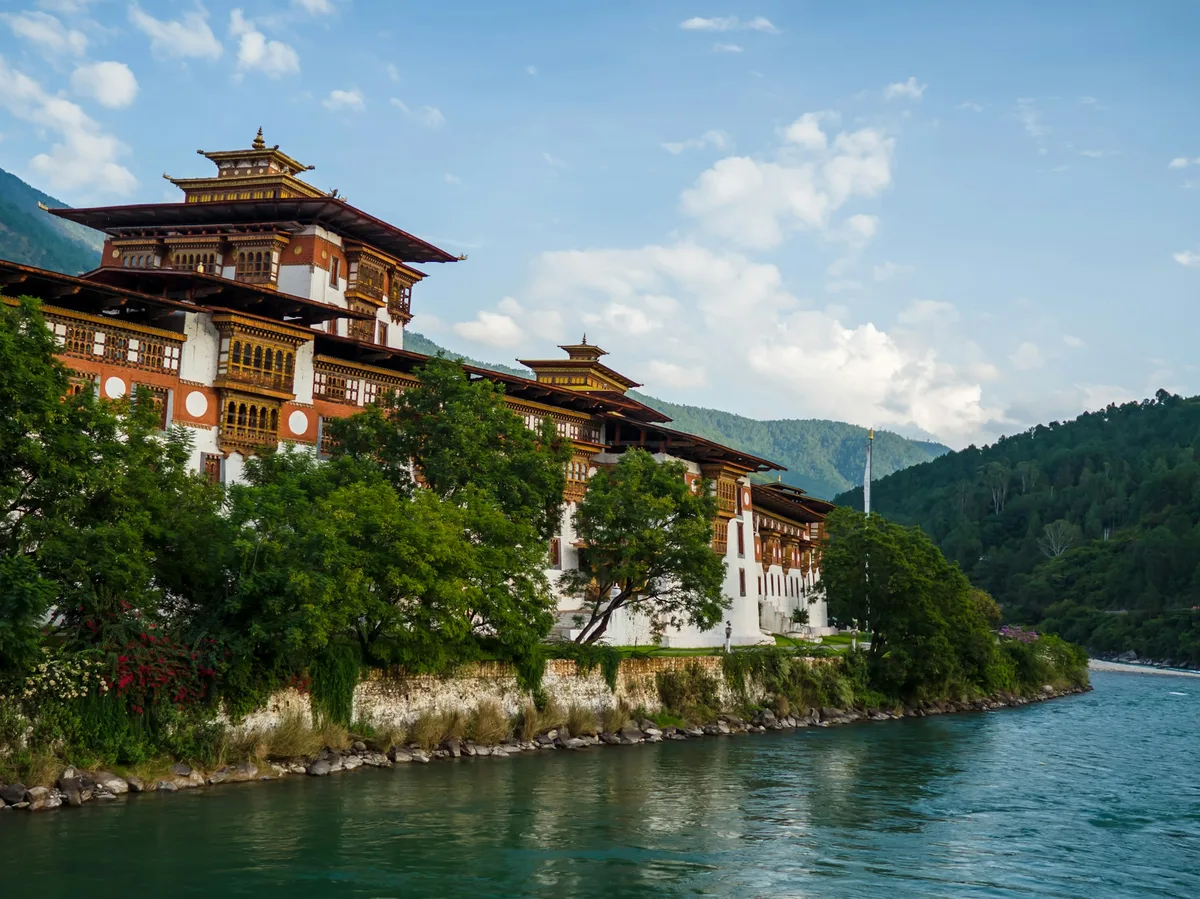
A luxury pairing of Kathmandu's UNESCO sites with western Bhutan's dzongs and mountain passes, from Thimphu and Punakha to Gangtey and Paro.
 Multi-Day Tours
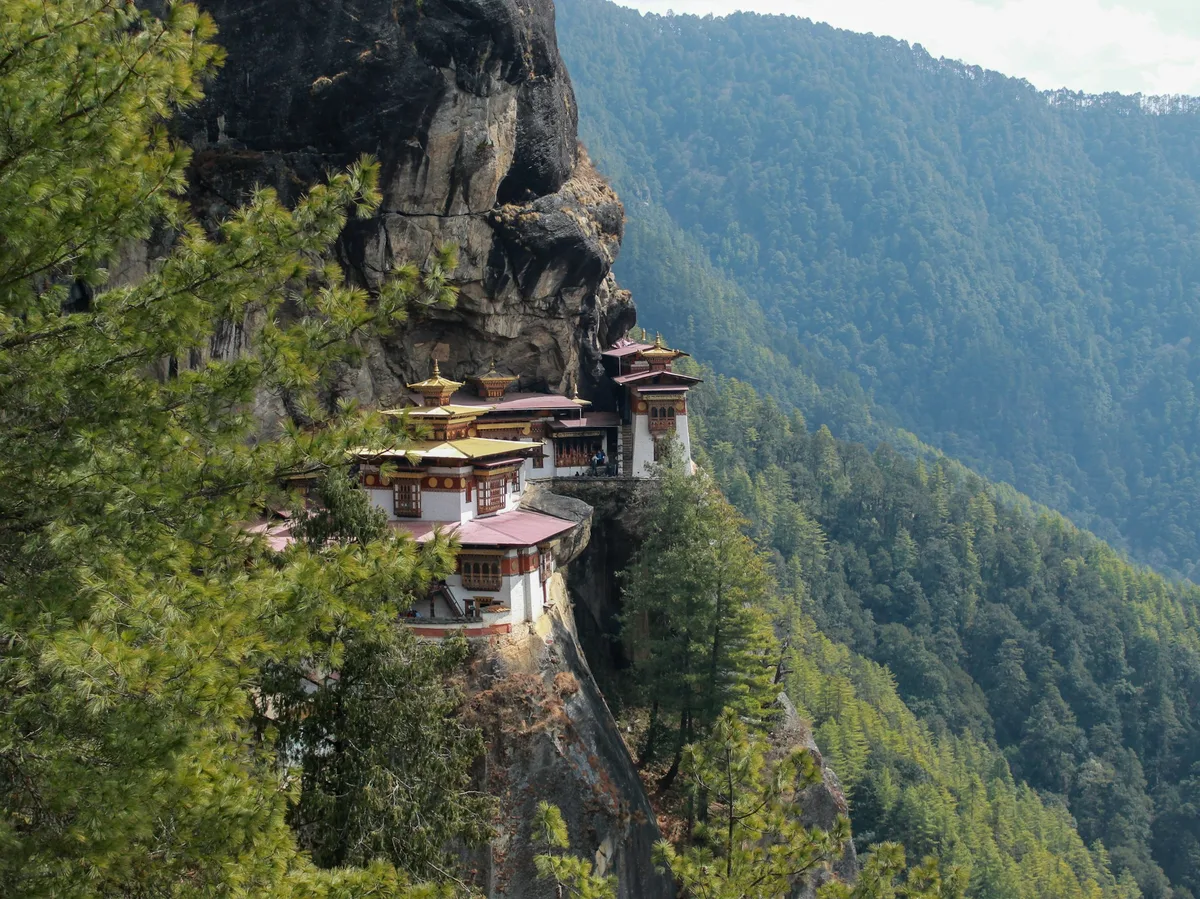
A relaxed, comfort-focused week through Bhutan's classic western circuit — Thimphu, Punakha, Phobjikha, and Paro — with the Tiger's Nest hike as its finale.
 Multi-Day Tours Popular Pick
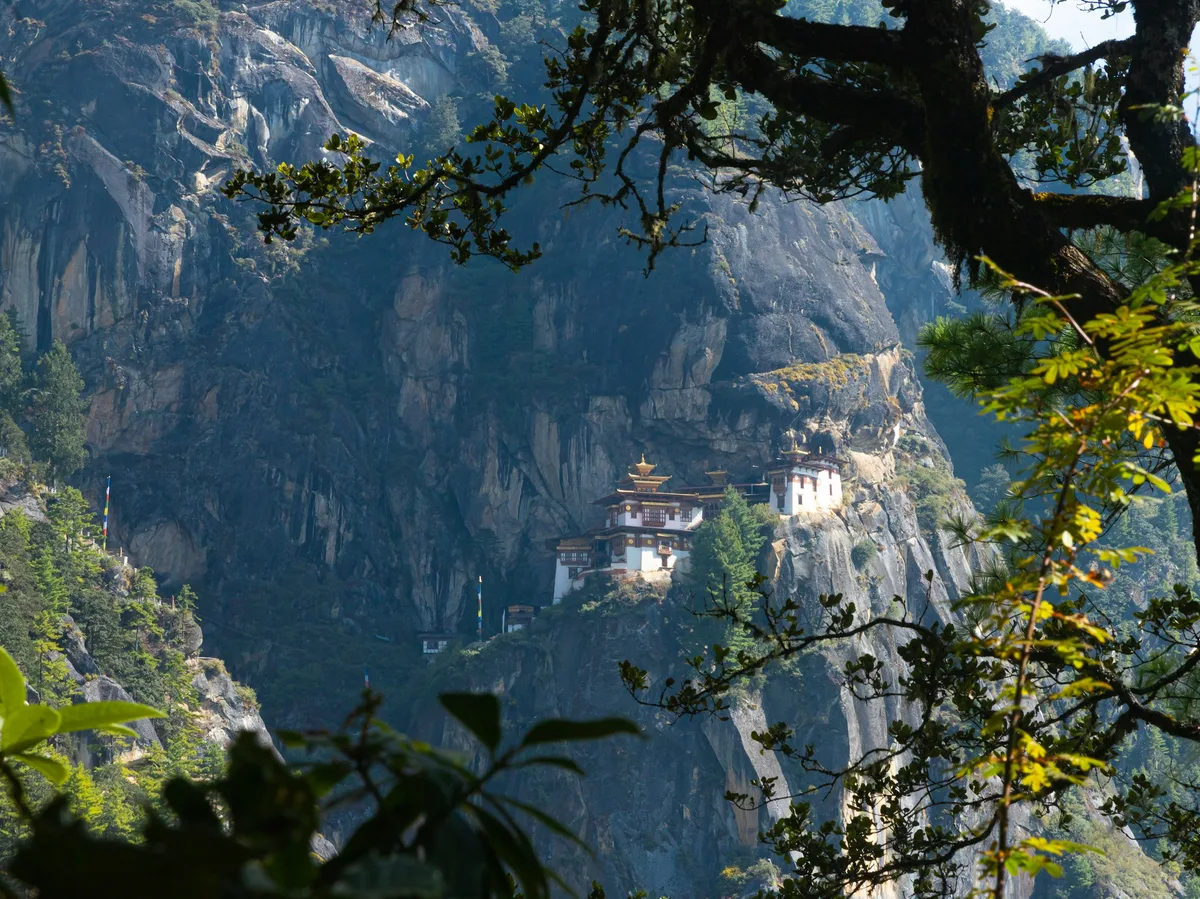
Bhutan's full classic circuit — Thimphu, Trongsa, Bumthang, Phobjikha, Punakha, Paro, and a side trip to Haa Valley — covering the country's major dzongs, monasteries, and valleys.
Visitor guide
The Punakha Suspension Bridge is a steel-cable footbridge with wooden planking over the Pho Chhu river in Punakha, Bhutan. It is generally described as the country's longest suspension bridge and is a working crossing as well as a popular walk near Punakha Dzong.
Sources disagree on the exact length. Most guides give about 160 metres, others 180 metres, and one tourism source says published figures range from 160 to 230 metres, so the span is best described as roughly 160 to 180 metres. The bridge is described as suspended about 60 metres above the river. It is a steel-cable bridge with a wooden deck about 1.2 metres wide, with cables anchored to cement blocks.
The construction date is also given differently. One source says it was built in 1997, while another warns that a 1637 date refers to Punakha Dzong rather than the bridge. Because of this inconsistency, it is safest to say that the present bridge is a modern structure whose exact date varies between sources.
The bridge connects the Chubu and Dzomi gewogs, or village blocks, and links the area near Punakha Dzong with villages across the river, including Shengana, Samdingkha and Wangkha. It is a short walk upstream from the dzong, which sits where the Pho Chhu and Mo Chhu rivers meet. Locals and visitors both walk across it, and thousands of prayer flags are strung along the cables.
The deck sways as people walk and moves more in the wind, so the crossing suits those who are comfortable with heights. The approach is a short walk from the road end, and the trail can be muddy in summer and dusty in winter, according to a Bhutanese news source. Safety notice boards are posted at both ends, and the original capacity reported as more than 500 people has been reassessed to 300 owing to the bridge's age.
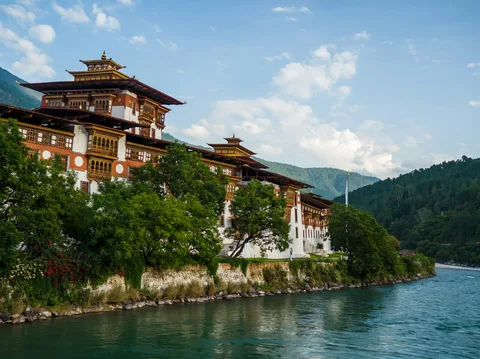
Punakha was Bhutan's capital until 1955 and lies at about 1,200 metres, much warmer than Thimphu. The Punakha Dzong was built in 1637 to 1638, and a different structure, the covered cantilever bridge over the Mo Chhu, was completed in 2008 beside it. That bridge is not the suspension bridge. The valley is known for red and white rice, and over half of Punakha District lies within Jigme Dorji National Park.
The bridge is easily combined with a visit to the dzong, and the wider valley includes Chimi Lhakhang and the Mo Chhu. A private guided visit lets your group pause for photographs and cross at a comfortable pace.
Other things to see nearby include the Mo Chhu rafting run, which ends at a beach below the dzong, and the village lanes on the far bank. Punakha is also home to the Punakha Domchoe festival in the first month of the Bhutanese year, which combines religious rites with horsemanship and sword play, and the Punakha Tshechu, which re-enacts the 1639 defeat of Tibetan invaders.
See every tour and attraction we cover in Bhutan.