TorontoOntario · 36 tours
 Niagara FallsOntario · 25 tours
 New York CityNew York · 30 tours
 Las VegasNevada · 8 tours
 San FranciscoCalifornia · 16 tours
 VancouverBritish Columbia · 17 tours
 DubaiUAE · 54 tours
 Abu DhabiUAE · 5 tours
 Buenos AiresArgentina · 23 tours
 AthensGreece · 31 tours
 AucklandNew Zealand · 38 tours
 CancunMexico · 54 tours
No destinations match “”. Try searching all tours instead — that search understands full questions, not just place names.
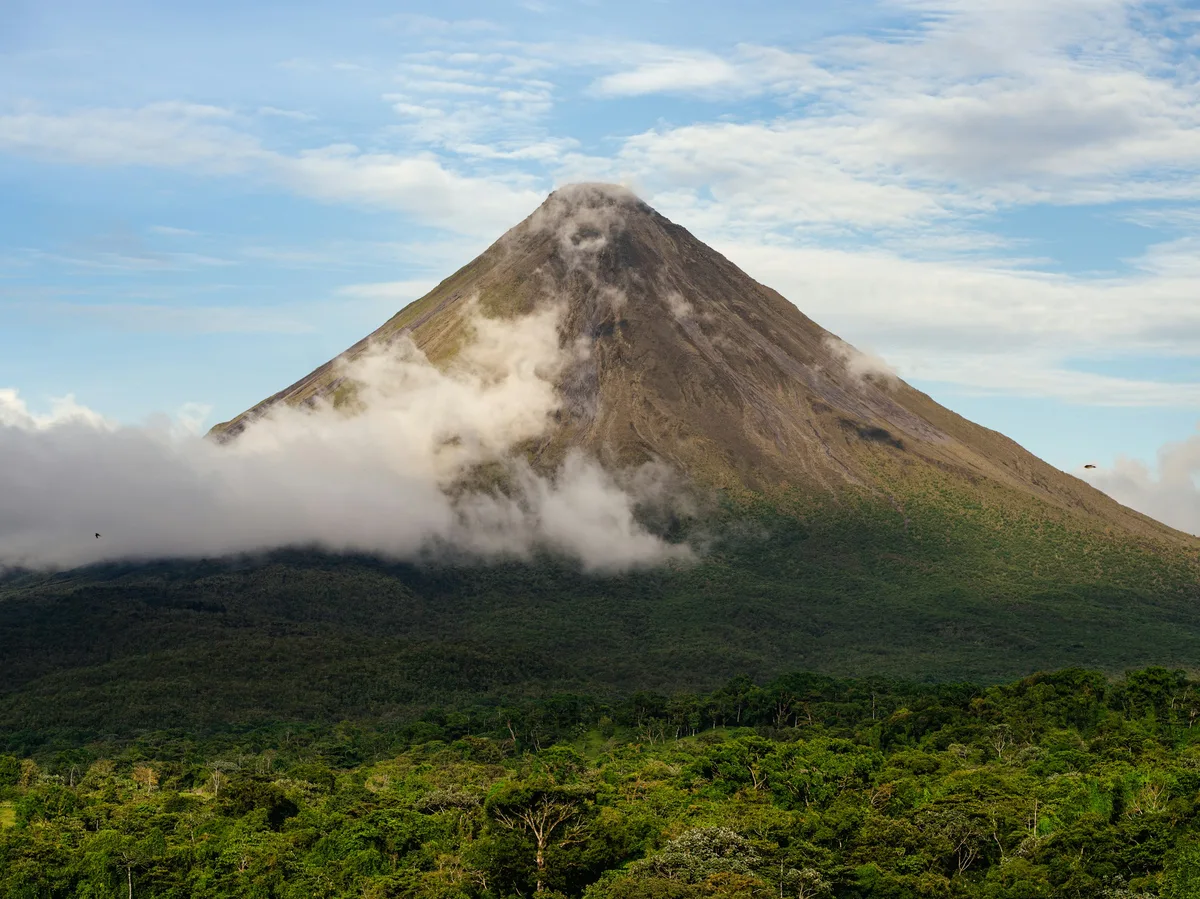
Costa Rica's most iconic volcano, a near-perfect cone that has been dormant since 2010, ringed by rainforest trails, lava fields, and natural hot springs near La Fortuna.
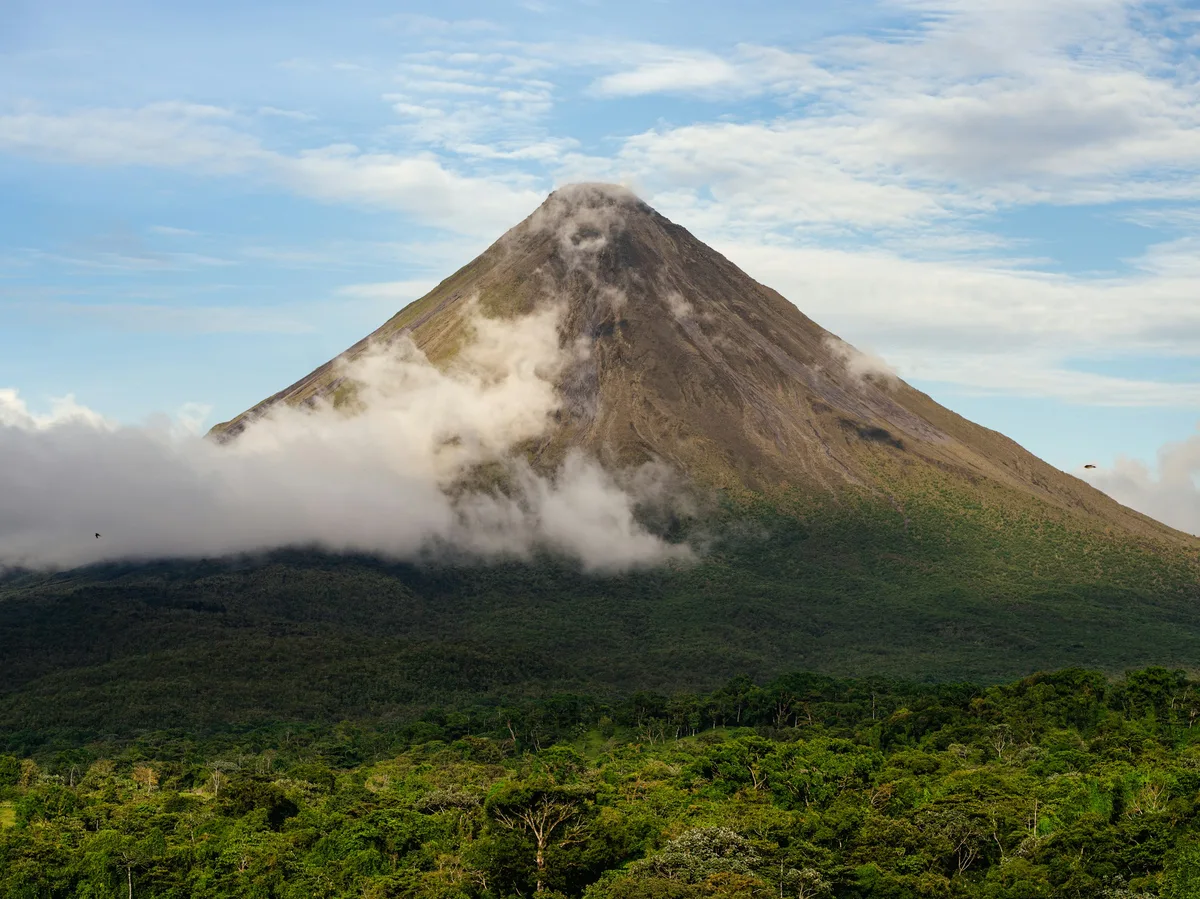 Multi-Day Tours Popular Pick
Costa Rica's classic highlight reel in just over a week — whitewater rafting on the Pacuare River, hiking Arenal Volcano National Park, and crossing into the cloud forest at Monteverde.
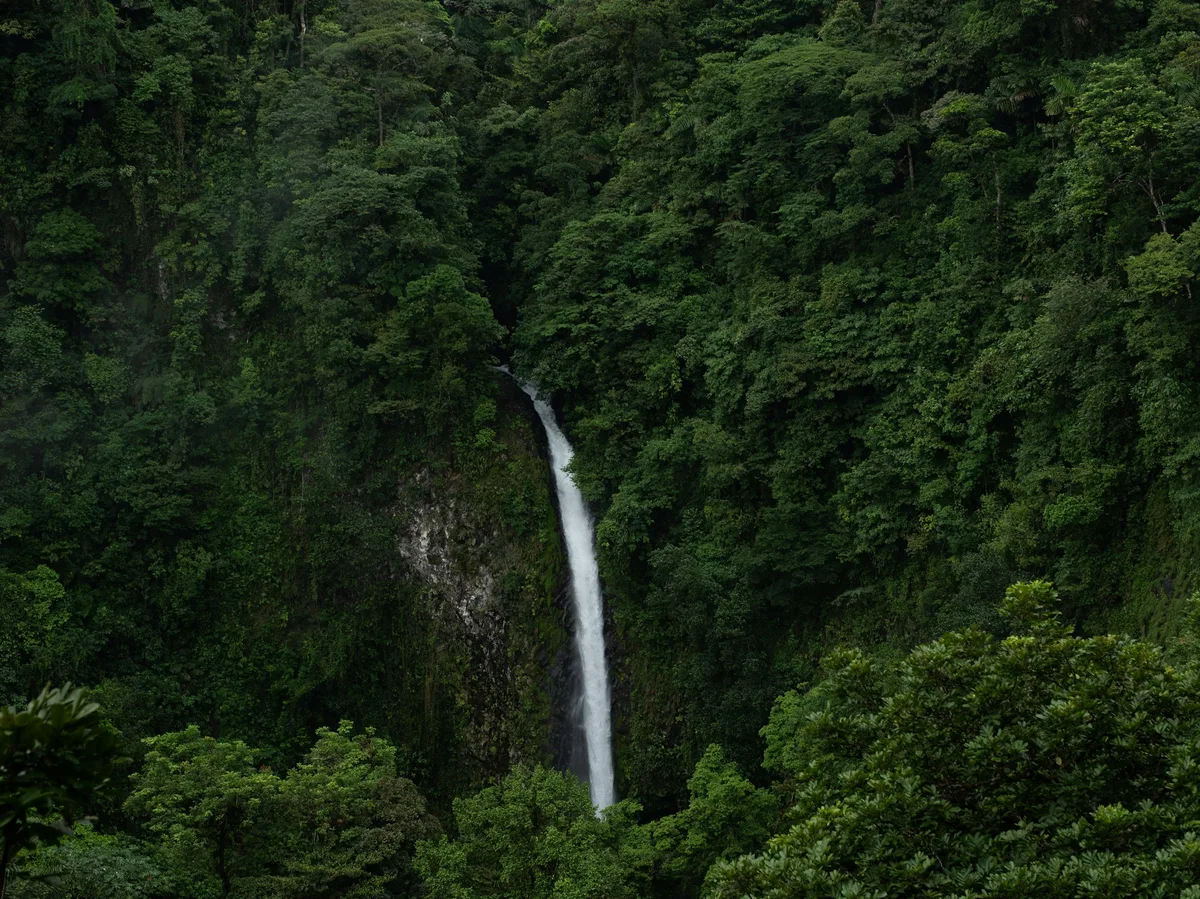 Multi-Day Tours
A two-country journey that opens in Panama City and the Bocas del Toro islands before crossing into Costa Rica for the Caribbean coast, Pacuare River rafting, and Arenal Volcano.
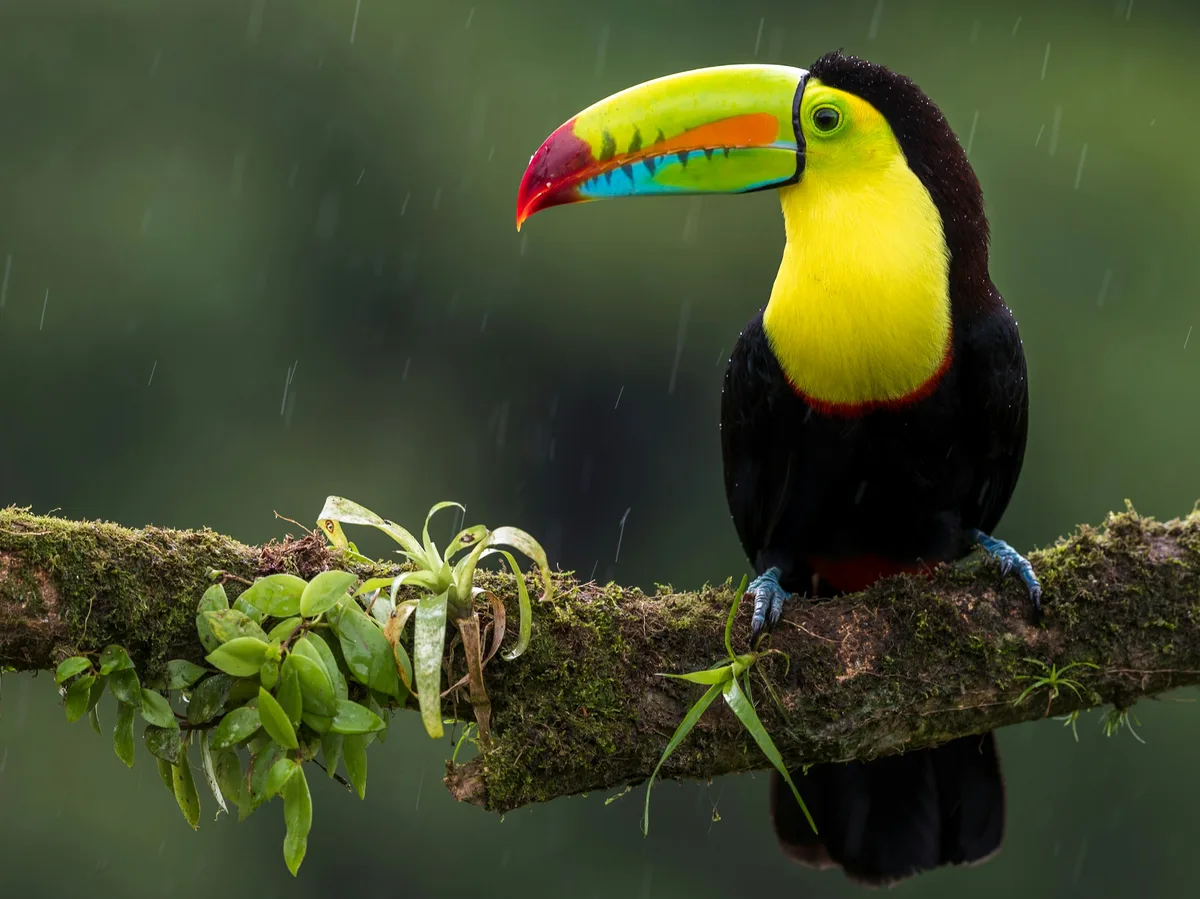 Multi-Day Tours
A guided birdwatching circuit through three of Costa Rica's best regions for it — Arenal's lowland forest, the Monteverde cloud forest, and the Central Pacific's Carara National Park.
Visitor guide
Arenal Volcano National Park is a protected area in the north-central highlands of Costa Rica, built around the symmetrical cone of Arenal Volcano and the neighbouring Cerro Chato. Established in 1991 and managed by the country's national conservation system, it combines volcanic landscapes, rainforest and the shoreline of Lake Arenal.
Arenal was long believed to be dormant until a major explosive eruption in 1968 killed roughly 78 to 87 people, depending on the source and destroyed several villages on the volcano's western flank. That event began a period of continuous eruptive activity, recorded by the Smithsonian Institution's Global Volcanism Program, which ended in December 2010 when the volcano returned to dormancy. For four decades the cone was one of the most closely watched volcanoes in the Americas, and the lava flows and ash deposits of those years still shape the park's trails and viewpoints.
Arenal is described by Wikipedia as the most active volcano in Costa Rica during that era. Today visitors see a classic stratovolcano profile rising above forest, and the older lava fields can be walked over on marked routes. Because volcanic conditions can change, rangers and the national volcano observatories remain the authority on what is accessible at any time.
The park holds a second volcano, Cerro Chato, whose crater contains a lagoon. Chato has been inactive for roughly 3,500 years, a period that coincides with the creation and growth of Arenal itself. The older, flatter-topped Chato and the young, steep-sided Arenal sit side by side, giving a rare chance to compare two volcanoes of very different age in one view.
Lake Arenal borders the park and is the site of the Lake Arenal Dam, described as Costa Rica's largest hydroelectric project. The lake and the surrounding hills of the Guanacaste and Tilarán ranges form the wider setting for the protected area, which lies between those two mountain chains.
The park protects eight of Costa Rica's twelve life zones, and the region includes sixteen protected reserves. The range of elevations and moisture supports a long list of species. Wikipedia notes that most of the roughly 850 bird species recorded in Costa Rica can be found within the park's borders, including the endangered resplendent quetzal, which makes it popular with birders.
Mammals include white-faced capuchin monkeys, coatis, deer and jaguars, while snakes such as the fer-de-lance and parrot snake live in the forest. Plant life is equally varied, with orchids, heliconias, ferns, bromeliads, palms, laurel and strangler figs among the species named by Wikipedia. Tropical forest of this kind rewards slow, guided walking with a naturalist who can spot what the untrained eye misses.
The most direct approach is from the town of La Fortuna, with other routes from Tilarán and the north shore of Lake Arenal. Within the park are a ranger station and the Museum of Volcanicity, and in the surrounding area numerous lodges and hotels, some of them built around natural hot springs heated by the volcanic system.
A private guided visit suits the park well, since a local guide can explain the 1968 eruption, the difference between the two volcanoes and the wildlife, and can adapt the day to weather and trail conditions. Cloud often covers the summit, so flexibility matters.
See every tour and attraction we cover in Costa Rica.