TorontoOntario · 36 tours
 Niagara FallsOntario · 25 tours
 New York CityNew York · 30 tours
 Las VegasNevada · 8 tours
 San FranciscoCalifornia · 16 tours
 VancouverBritish Columbia · 17 tours
 DubaiUAE · 54 tours
 Abu DhabiUAE · 5 tours
 Buenos AiresArgentina · 23 tours
 AthensGreece · 31 tours
 AucklandNew Zealand · 38 tours
 CancunMexico · 54 tours
No destinations match “”. Try searching all tours instead — that search understands full questions, not just place names.
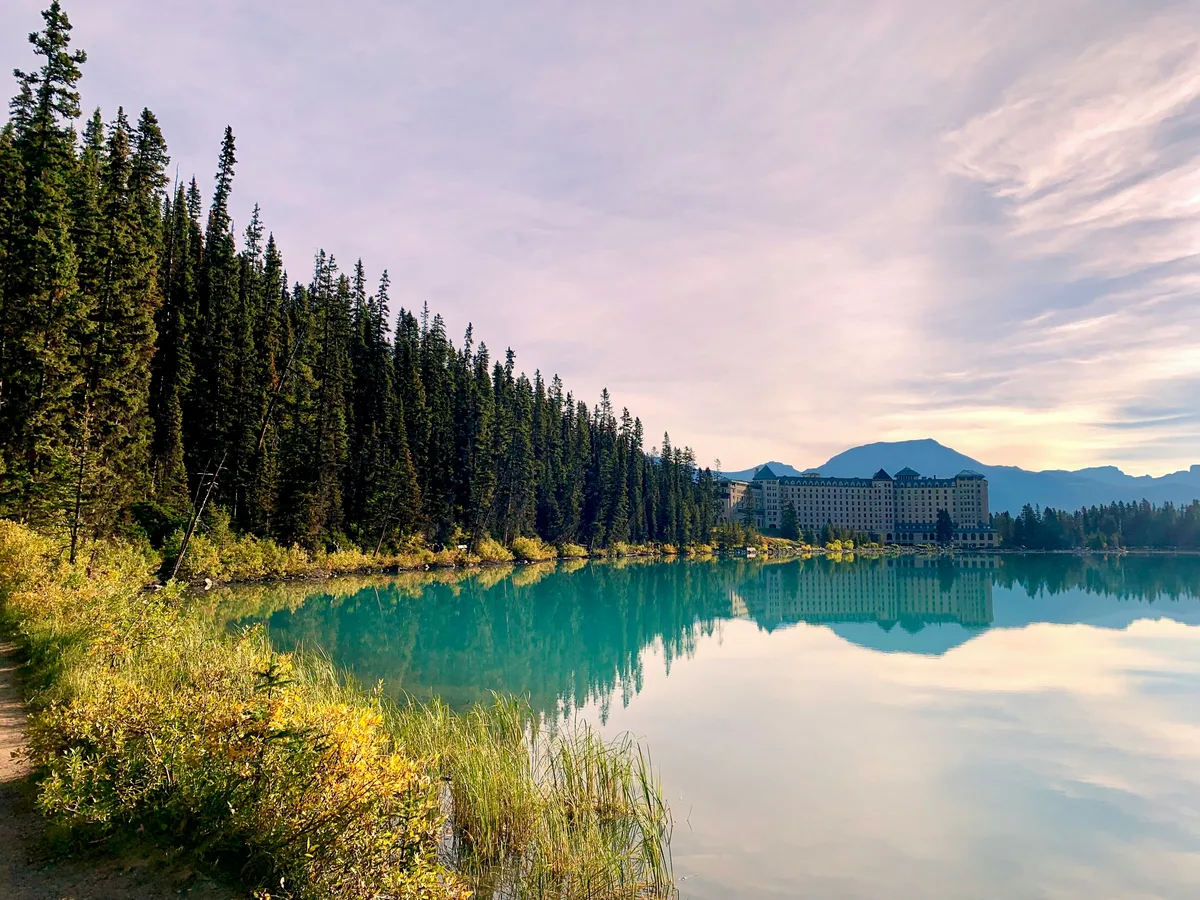
A turquoise glacial lake framed by the Victoria Glacier and the historic Fairmont Chateau Lake Louise, one of the most photographed spots in the Canadian Rockies.
 Private Tours
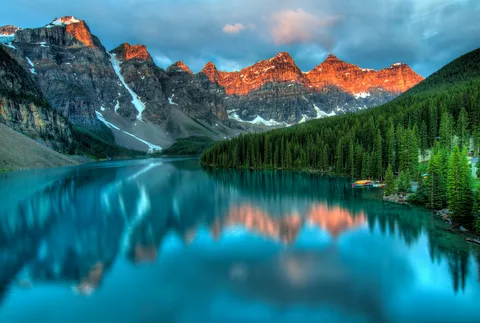
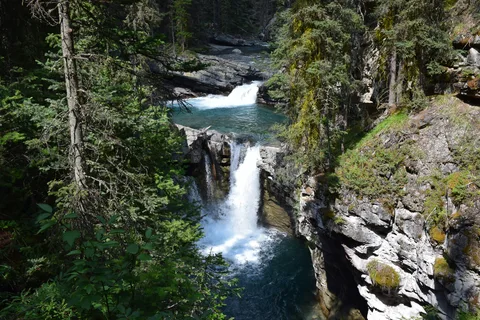
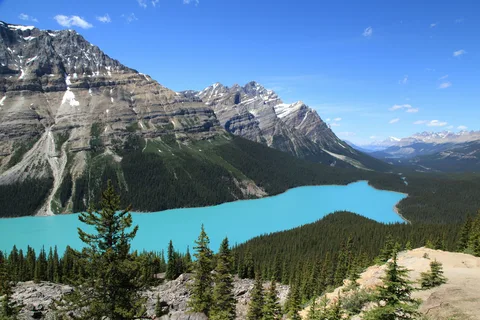
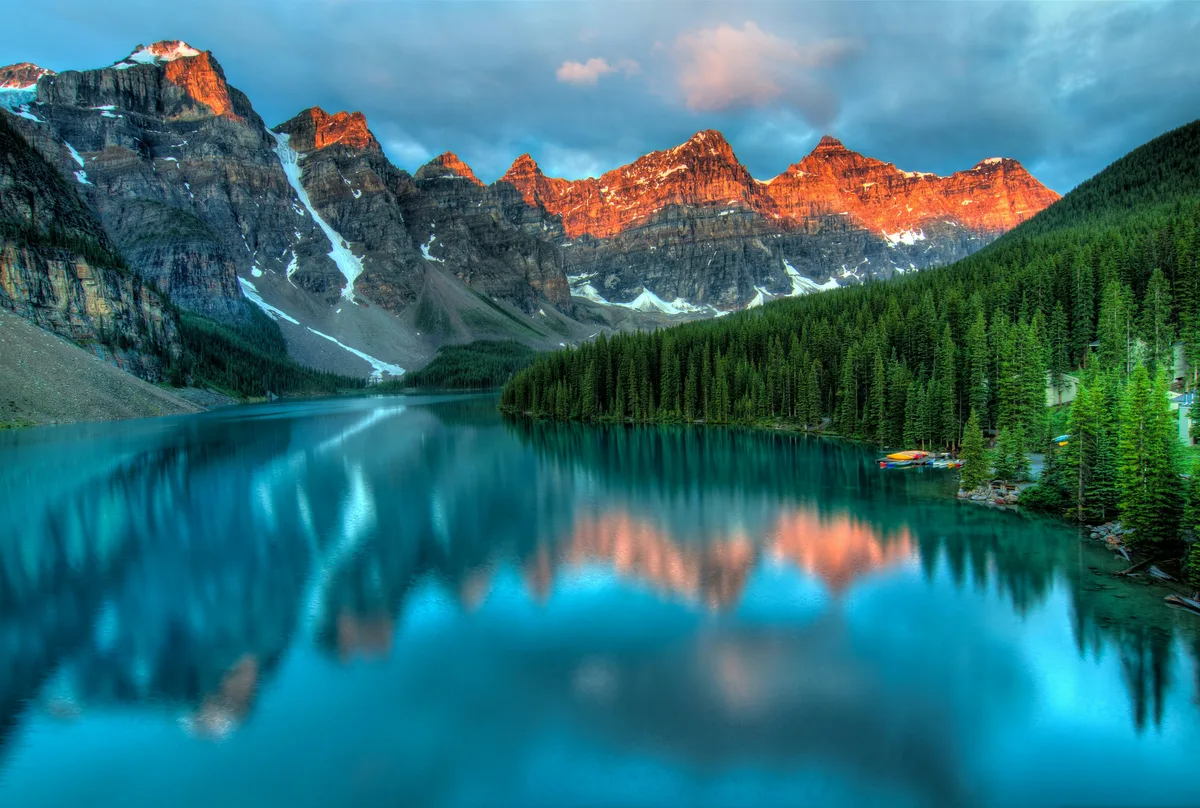
A private, fully customizable full-day tour of Banff National Park from Canmore — Lake Louise, Moraine Lake, Peyto Lake, Bow Lake, and Johnston Canyon — in your own vehicle with a dedicated guide, admission fees included.
 Private Tours
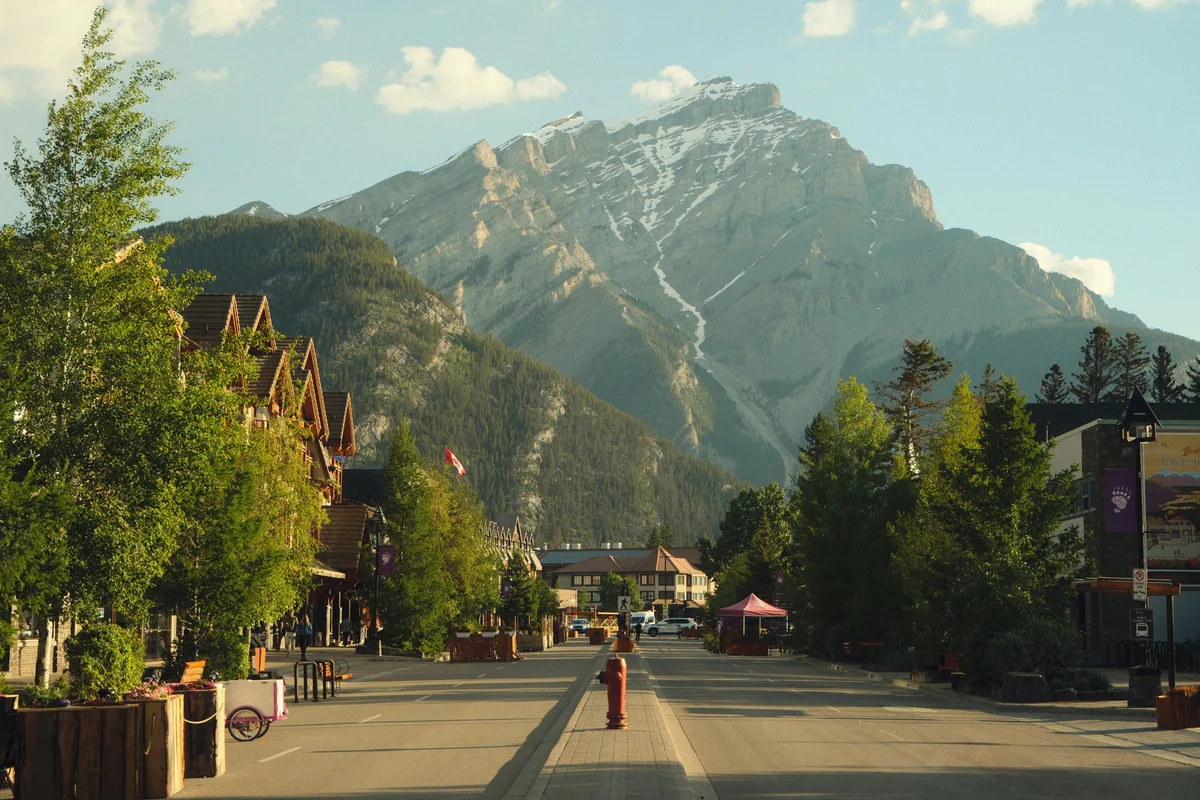
A private day tour into Banff National Park from Calgary — the town of Banff, Bow Falls, the Banff Viewpoint, Lake Louise, Moraine Lake (seasonal), and the Hoodoos — in your own vehicle with a dedicated guide.
Visitor guide
Lake Louise is a glacier-fed lake in Banff National Park, sitting at about 1,750 m (5,740 ft) roughly 5 km west of the village of Lake Louise and 11 km east of the British Columbia border. Its turquoise water, set below the Victoria Glacier and ringed by high peaks, is among the most recognisable images in the Canadian Rockies, and the Fairmont Chateau Lake Louise stands on its eastern shore.
The lake is small by Rockies standards: about 2.0 km long, 0.5 km wide, with a surface area of roughly 0.8 square kilometres and a maximum depth of around 70 m. Its main inflow comes from glacial meltwater, and Louise Creek, about 3 km long, carries the outflow toward the Bow River. The colour comes from rock flour, finely ground rock produced as glaciers grind over bedrock. Suspended in the meltwater, those particles scatter light into the blue-green range. The effect is strongest in the warm months when melt is heavy, and it is often muted early in the season, when ice still covers the surface.
The Stoney Nakoda knew the lake long before the railway arrived; the name usually given is Ho-run-num-nay, translated as the Lake of the Little Fishes. In 1882, a Canadian Pacific Railway packer named Tom Wilson was led to the lake by a Stoney Nakoda guide, whom some sources name as Edwin Hunter. Wilson called it Emerald Lake. In 1884 it was renamed for Princess Louise Caroline Alberta (1848-1939), a daughter of Queen Victoria whose husband, the Marquess of Lorne, served as Governor General of Canada from 1878 to 1883.
The railway quickly saw the lake as a draw for wealthy travellers. Sources disagree on the first structure: some describe a rough cabin in the mid-1880s, while others date the first Chalet Lake Louise to 1890. That building burned in 1893, and a replacement went up in 1894. Over the following decades the hotel was extended in stages into the large resort that exists today, which the hotel's own history says was renamed Chateau Lake Louise in 1925, after a 1924 fire and the opening of a replacement wing. It remains one of the best-known of the Canadian railway hotels, now operated as a Fairmont property.
The classic view is simply the lakeshore promenade looking down the water toward the Victoria Glacier. From there, popular on-foot options include the walk to Lake Agnes and Mirror Lake and routes toward Fairview Mountain (2,744 m), all of which gain elevation from the shore. In summer a boat launch and canoe rental operate on the north-eastern side. In winter the lake surface is used for skating and the area for snowshoeing and other cold-weather activities, while the Lake Louise Ski Resort lies nearby.
Moraine Lake lies in a separate valley about 14 km away by a dedicated road, and the two are often combined in one day. The village of Lake Louise, with its visitor services, is a few minutes down the valley, and Banff townsite is roughly an hour's drive to the southeast. A private tour suits this stop because your own vehicle and driver collect you door to door, so there is no parking lottery or shuttle timetable to manage yourself, and you set the pace at the viewpoints.
See every tour and attraction we cover in Banff.