TorontoOntario · 36 tours
 Niagara FallsOntario · 25 tours
 New York CityNew York · 30 tours
 Las VegasNevada · 8 tours
 San FranciscoCalifornia · 16 tours
 VancouverBritish Columbia · 17 tours
 DubaiUAE · 54 tours
 Abu DhabiUAE · 5 tours
 Buenos AiresArgentina · 23 tours
 AthensGreece · 31 tours
 AucklandNew Zealand · 38 tours
 CancunMexico · 54 tours
No destinations match “”. Try searching all tours instead — that search understands full questions, not just place names.
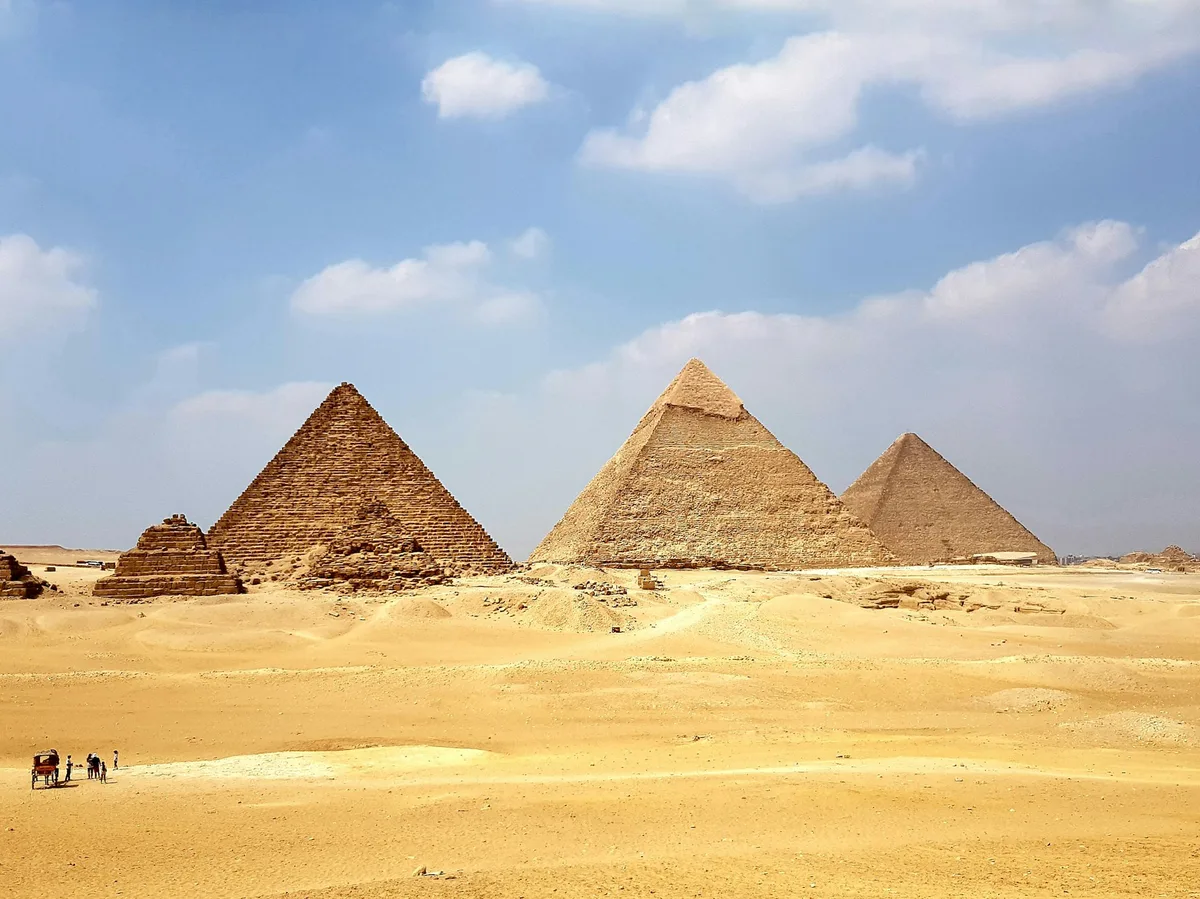
The last surviving wonder of the ancient world — the Pyramids of Khufu, Khafre, and Menkaure stand on the Giza Plateau alongside the Great Sphinx, on the edge of modern Cairo.
 Multi-Day Tours Popular Pick
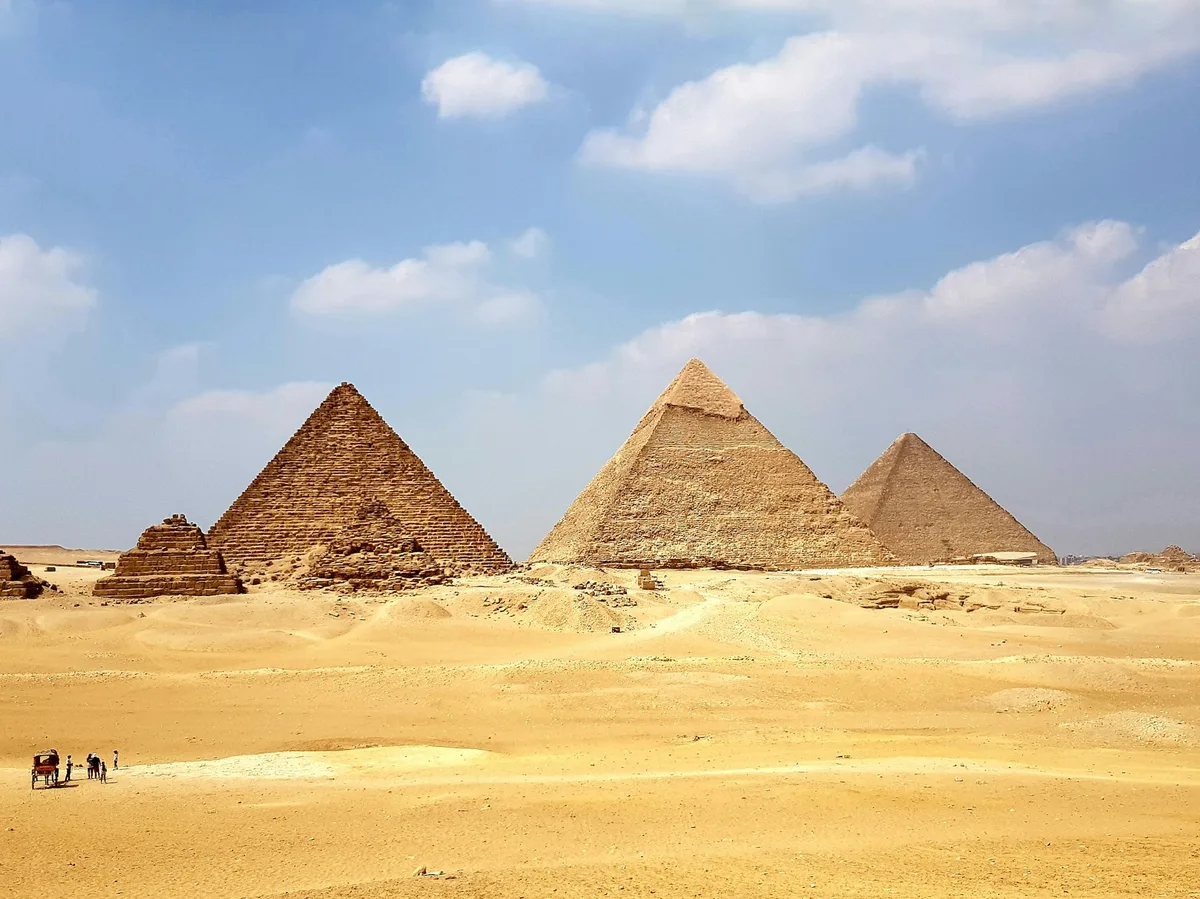
Ten days through Egypt's greatest hits — the Giza Plateau, a Luxor-to-Aswan Nile cruise, Abu Simbel, and Cairo's museums — with a private guide and driver throughout.
 Multi-Day Tours
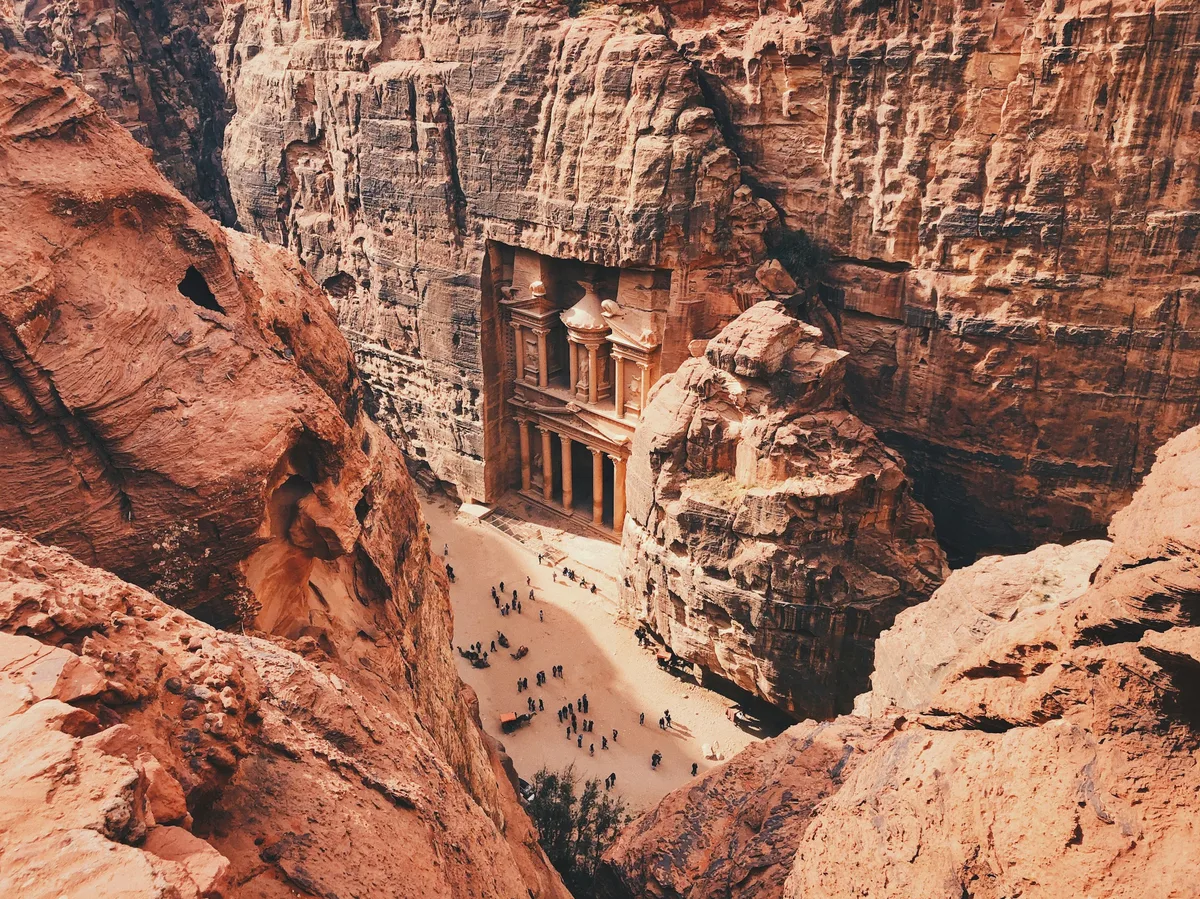
A two-country adventure that opens with Cairo, Luxor, and a Nile cruise to Aswan, then continues overland into Jordan to Petra, Wadi Rum, and the Dead Sea.
 Multi-Day Tours
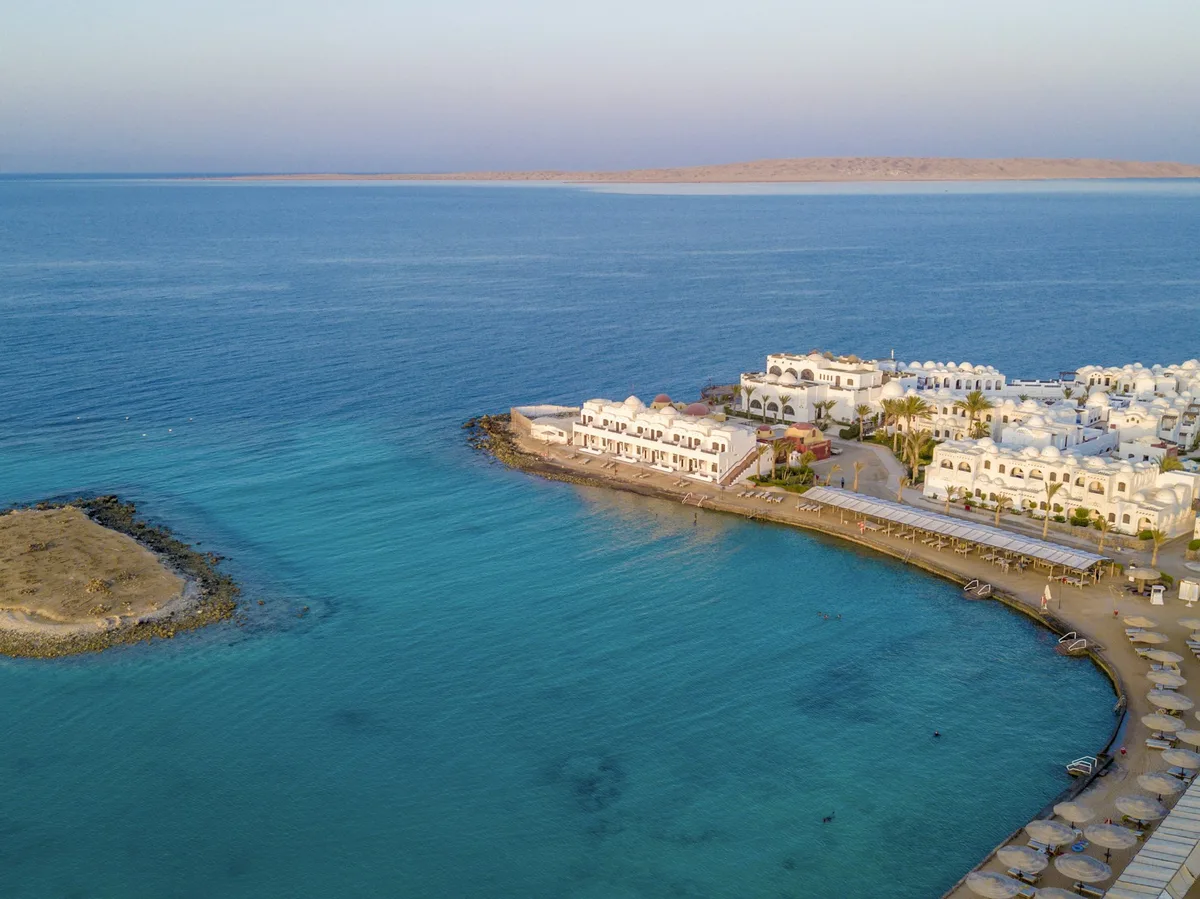
Two weeks combining Cairo's ancient sites, a Nile cruise from Aswan to Luxor, and four unhurried days on the Red Sea coast at Hurghada.
 Multi-Day Tours
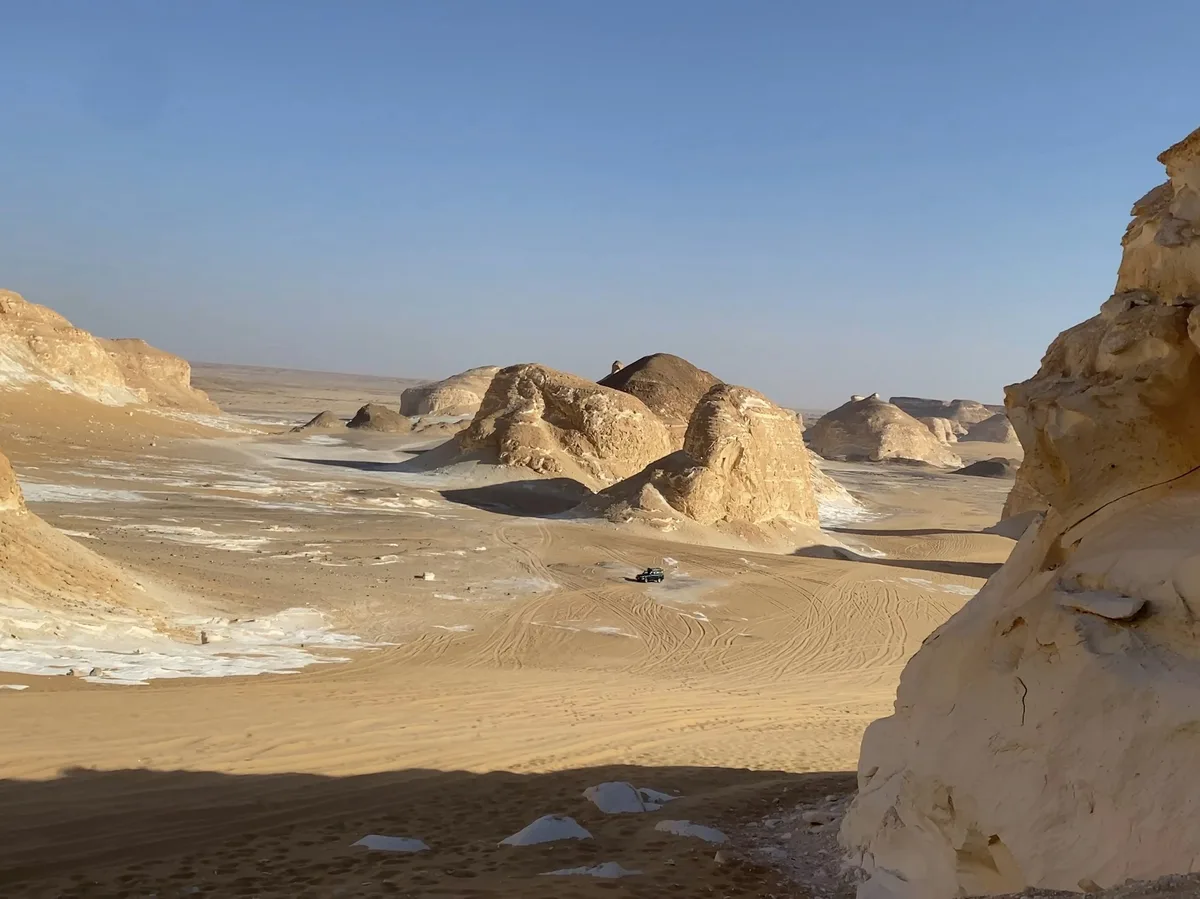
Eleven days pairing Cairo's pyramids with a deep run through the Western Desert — Siwa Oasis, the Black and White Deserts, and the Wadi Hitan whale fossil site.
 Multi-Day Tours
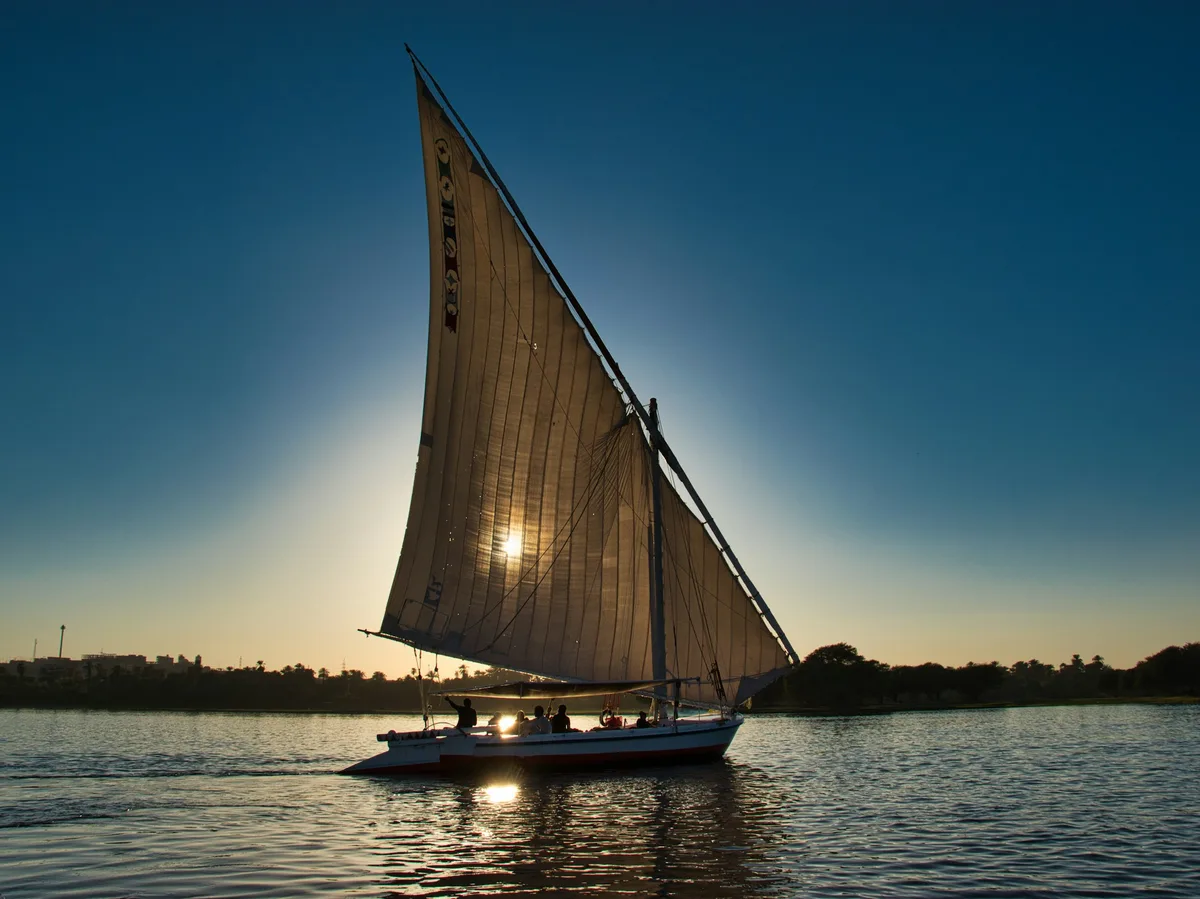
A 10-day route built for families, mixing Cairo's pyramids, an overnight sleeper train to Aswan, Luxor's temples, and beach downtime in Hurghada.
 Multi-Day Tours
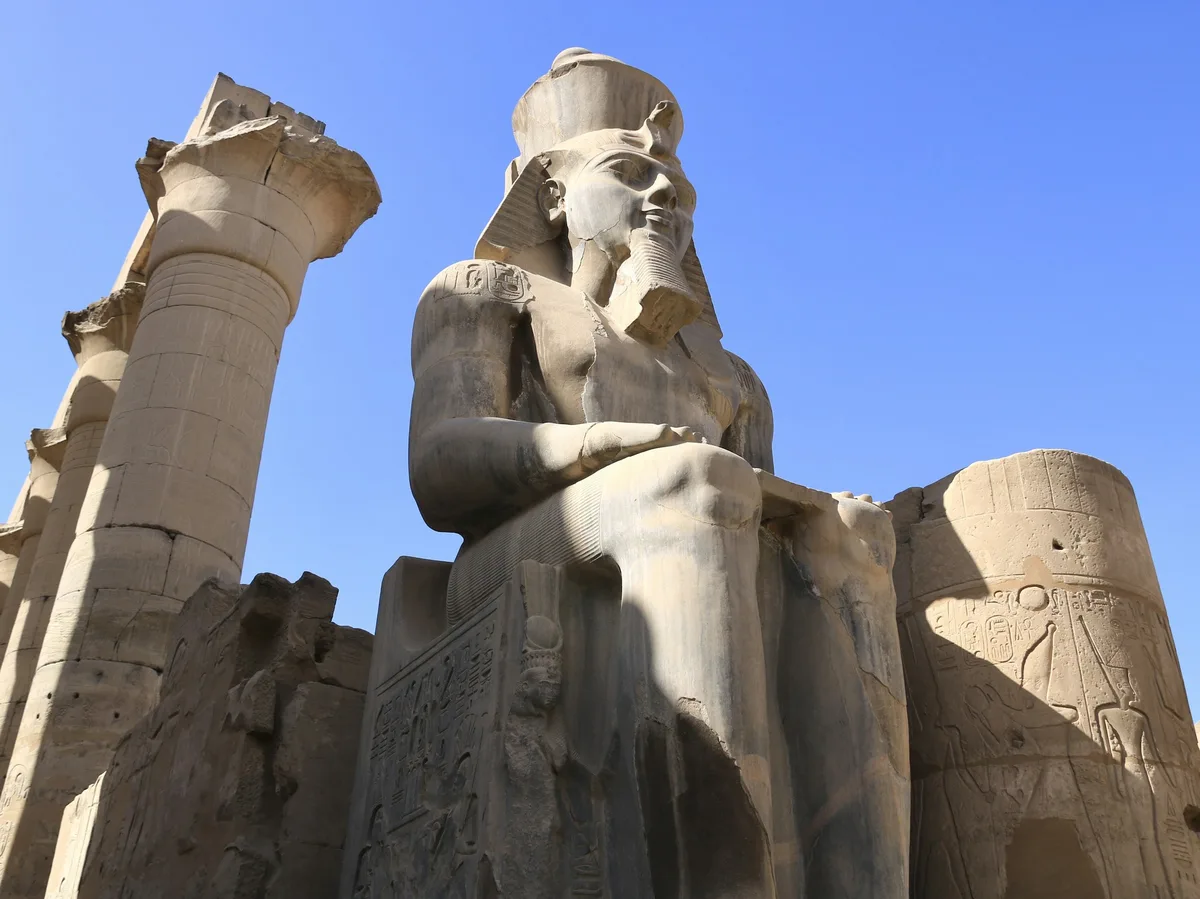
A compact five-day introduction to Egypt's essentials — the Giza Plateau, the Egyptian Museum, Islamic and Coptic Cairo, and Luxor's temples and tombs, with a short domestic flight between the two cities.
Visitor guide
The Pyramids of Giza and the Great Sphinx form the Giza pyramid complex, an ancient royal necropolis on the edge of the Western Desert in Egypt, a short distance southwest of central Cairo. The complex is dominated by the pyramids of the pharaohs Khufu, Khafre and Menkaure, and by the Great Sphinx, and it is part of the Memphis and its Necropolis UNESCO World Heritage Site.
According to Wikipedia, the Great Pyramid of Khufu (Cheops) was built from about 2580 to 2560 BC and is the largest and oldest of the three. It is the only one of the Seven Wonders of the Ancient World still standing. The Pyramid of Khafre sits a few hundred metres to the southwest. It is slightly smaller, but its higher ground and steeper angle can make it look taller, and it still keeps some casing stones near its apex.
The Pyramid of Menkaure, built during the reign of Menkaure (roughly 2532 to 2503 BC by the Egyptian ministry's dating), is the smallest of the three. The king died before the complex was finished, and only the lower part of its casing was granite, much of it left unsmoothed. Around each king's pyramid stood a valley temple, a causeway and a mortuary temple, along with smaller queens' pyramids and boat pits. One of the boat pits beside Khufu's pyramid held an intact ship, which has been restored and moved to the Grand Egyptian Museum.
The Great Sphinx lies on the eastern side of the complex and dates from the reign of Khafre; most Egyptologists consider its head to represent that king. In the New Kingdom the Sphinx became the focus of its own cult. Thutmose IV, while still a prince, is said to have cleared sand from around it and recorded a dream in which he was promised kingship, on the Dream Stele set between the Sphinx's front legs.
The pyramids were built from limestone quarried largely at the site itself, with finer casing stone brought by barge from Tura across the Nile. Wikipedia gives estimates of about 5.5 million tonnes of limestone and 8,000 tonnes of granite for the Great Pyramid. Workers cut softer limestone with copper tools and probably moved stone on wooden sledges over wetted ground. The Greek historian Herodotus reported 20 years and 100,000 workers, while modern historians estimate 20 to 27 years and a year-round workforce of roughly 20,000 to 30,000. Papyri found at Wadi el-Jarf in 2013, including the diary of an inspector named Merer, describe the transport of Tura limestone to Giza.
The pyramids are oriented to the cardinal points with remarkable accuracy, within about one-fifteenth of a degree. Several theories try to explain this, though they remain theories rather than settled fact.
Excavations by Mark Lehner and his team uncovered a planned settlement southeast of the Khafre and Menkaure complexes, with sleeping quarters, bakeries, breweries, kitchens, a copper workshop and a hospital. Mudbrick tombs of workers discovered in 1990, and another group found in 2009, held bread and beer offerings. These finds suggest the builders were organised, fed and given proper burials, which contradicts the old idea that the pyramids were raised by slaves.
Around the pyramids lie streets of mastabas for royal family members and officials, grouped into the East, West, Central and South fields. The East Field includes tombs of Khufu's relatives, among them his mother Hetepheres I. The wider Pyramid Fields, which also include Saqqara, Abusir and Dahshur, were inscribed on the UNESCO list in 1979 under criteria i, iii and vi.
The site sits on a desert plateau, so a visit is shaped by open ground, sun and wind, and the scale of the monuments is hard to grasp from photographs. A private guided visit with a driver suits the site well, since a guide can explain the layout of the temples, causeways and cemeteries that are easy to overlook.
See every tour and attraction we cover in Egypt.