TorontoOntario · 36 tours
 Niagara FallsOntario · 25 tours
 New York CityNew York · 30 tours
 Las VegasNevada · 8 tours
 San FranciscoCalifornia · 16 tours
 VancouverBritish Columbia · 17 tours
 DubaiUAE · 54 tours
 Abu DhabiUAE · 5 tours
 Buenos AiresArgentina · 23 tours
 AthensGreece · 31 tours
 AucklandNew Zealand · 38 tours
 CancunMexico · 54 tours
No destinations match “”. Try searching all tours instead — that search understands full questions, not just place names.
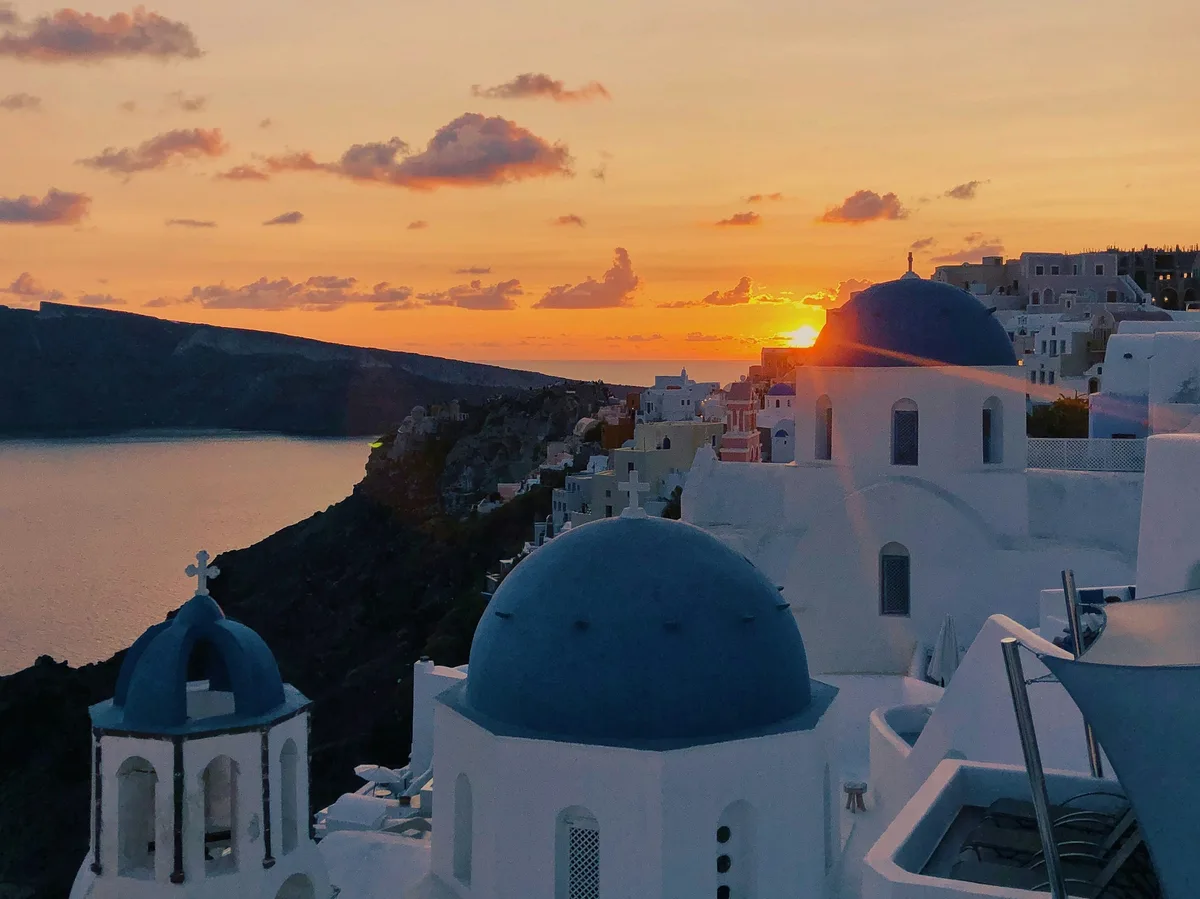
The dramatic volcanic caldera of Santorini, ringed by whitewashed clifftop villages, with the village of Oia famous for its blue-domed churches and sunset views over the Aegean.
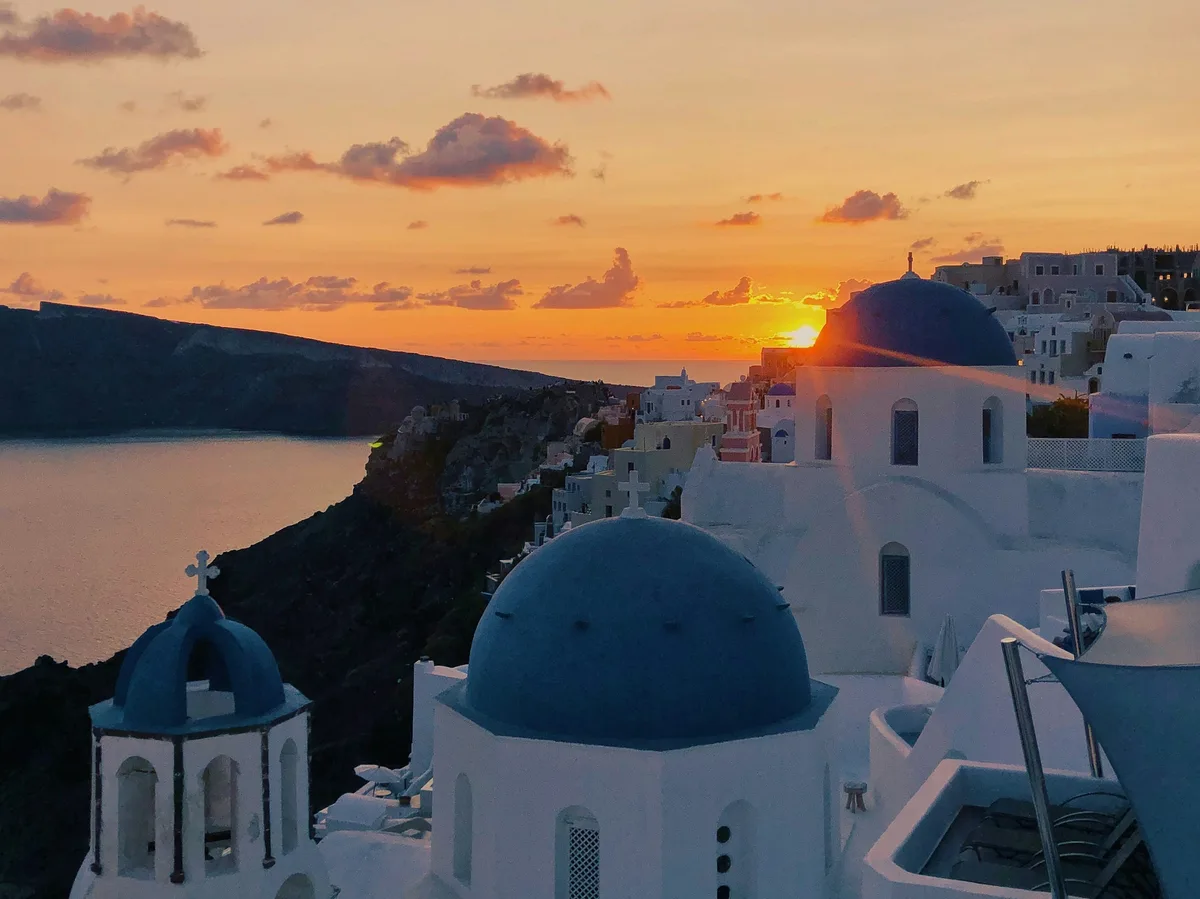 Multi-Day Tours Popular Pick
A 10-day island-hopping circuit from Athens through Mykonos, Delos, Paros, Santorini, and Crete, closing with a final day back in the capital — ferries between every island, Acropolis included.
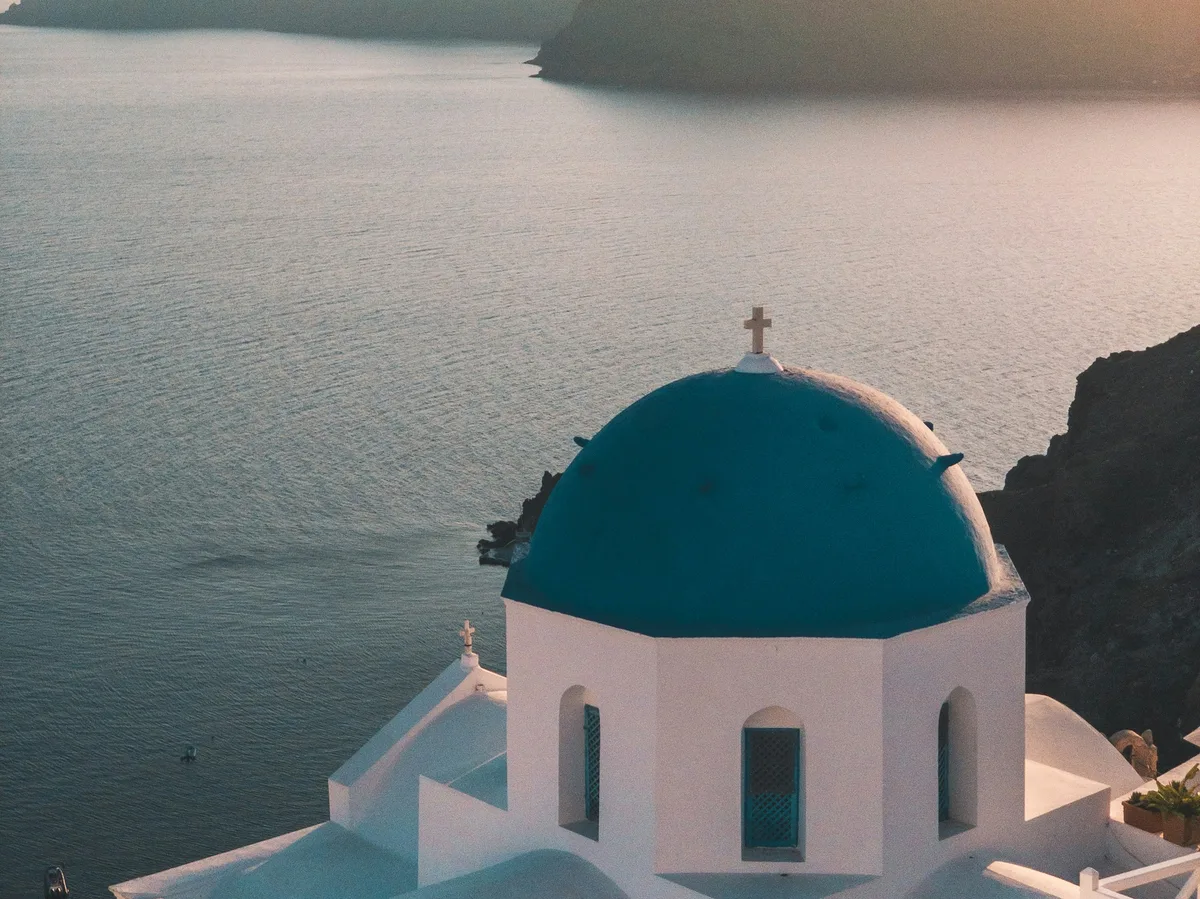 Multi-Day Tours
A comprehensive 16-day journey from Athens through Olympia, Delphi, Meteora, and Thessaloniki on the mainland, then Mykonos, Santorini, and Crete by ferry — the essential grand tour of Greece.
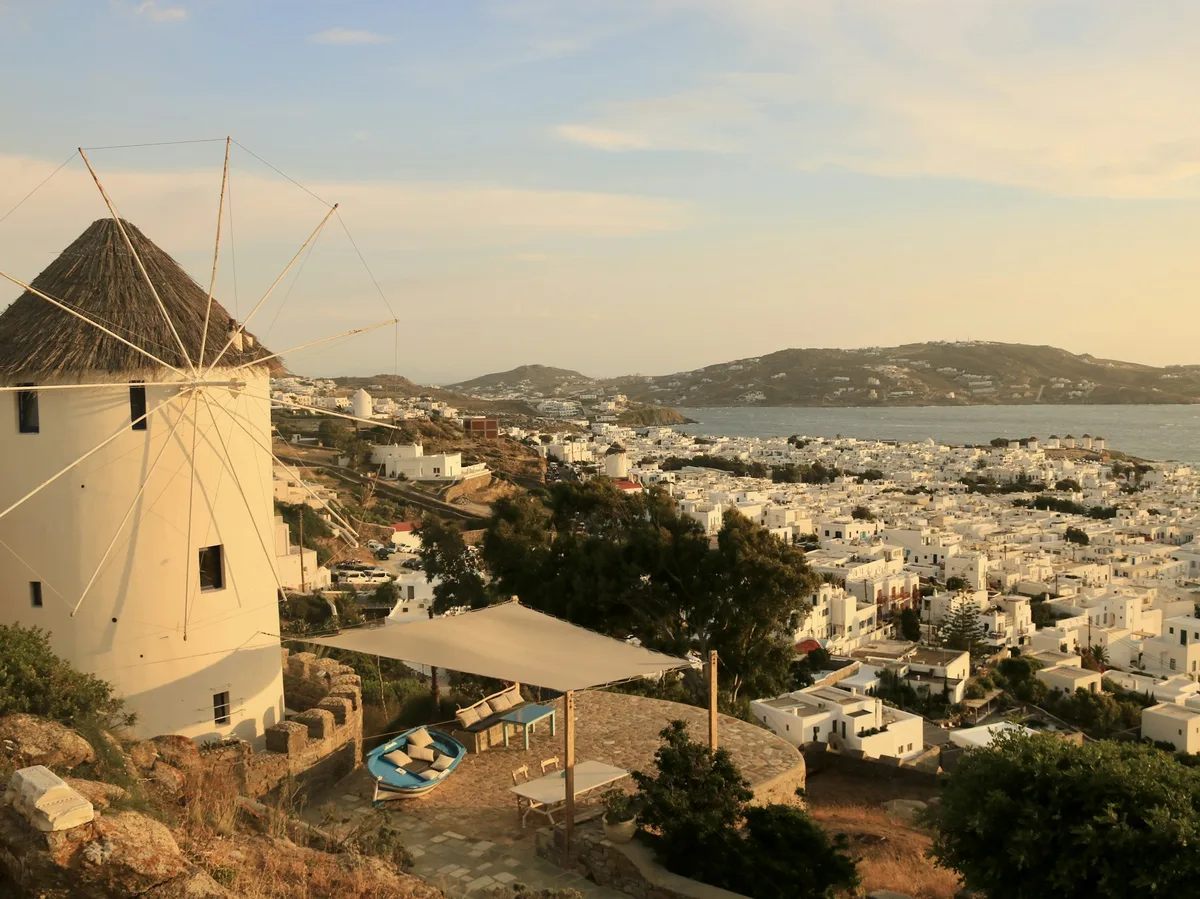 Multi-Day Tours
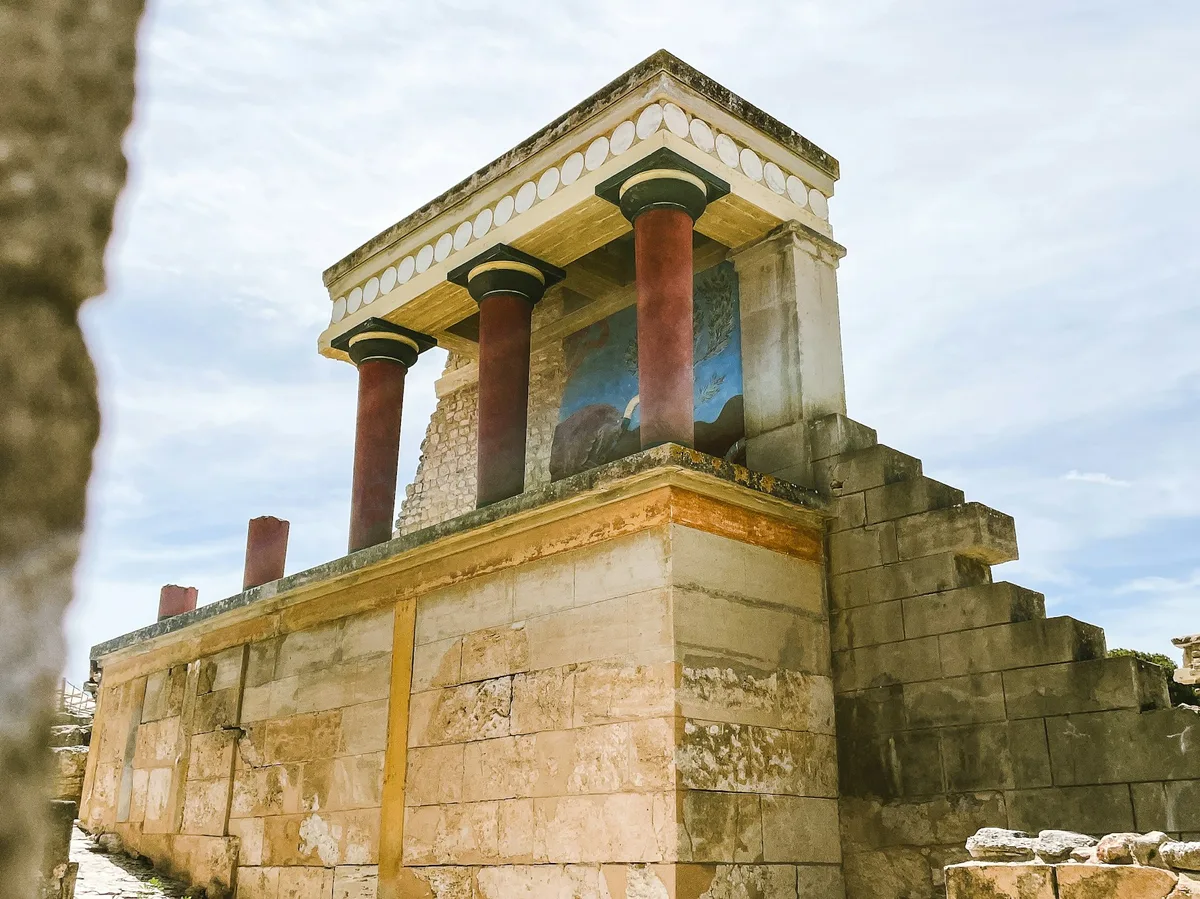
A 10-day romantic circuit from Athens — including a dinner suspended above the city — to Mykonos and Santorini, with a sailing excursion to Delos, wine tasting, and caldera views.
 Multi-Day Tours
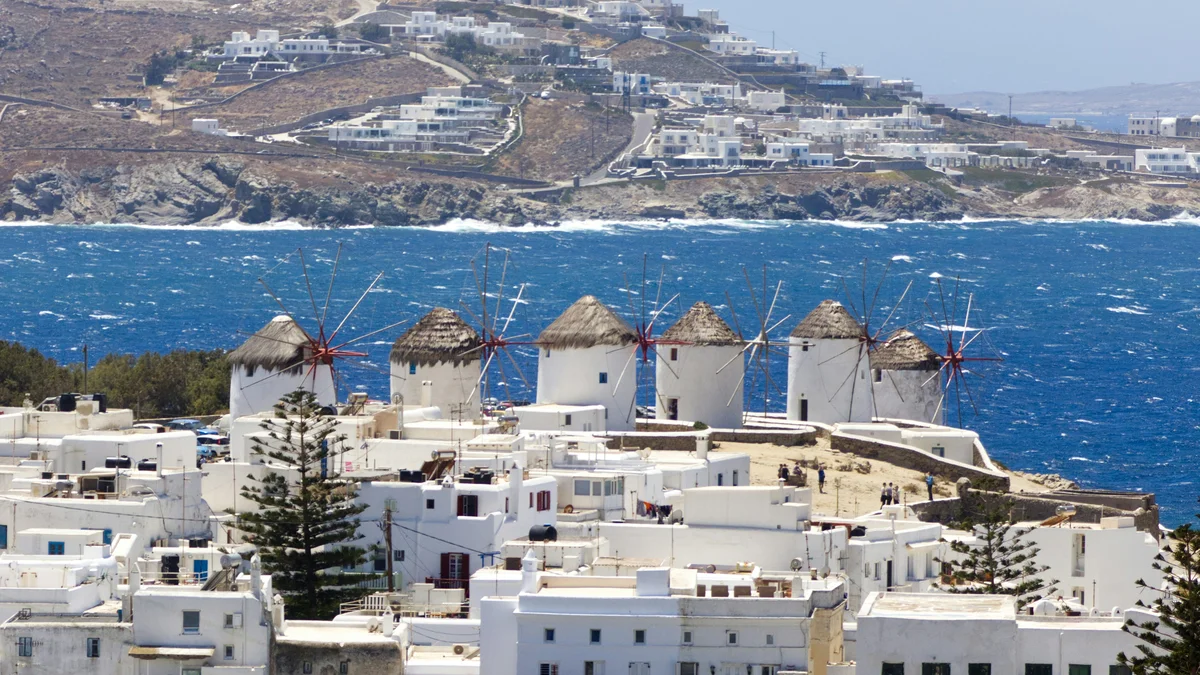
An 11-day family-paced route from Athens through a family-friendly hike of Imbros Gorge on Crete, a hands-on Cretan cooking class, and a Santorini catamaran cruise, with options built around children.
 Multi-Day Tours
An 8-day two-island romantic escape — a farm-to-table cooking workshop and sailing trip to Delos on Mykonos, then wine tasting, sunset views, and a caldera cruise on Santorini.
Visitor guide
Santorini, officially known as Thira or Thera, is a Greek island in the southern Aegean Sea and the southernmost of the Cyclades. Its most recognisable feature is the caldera, a flooded volcanic crater whose steep inner cliffs are crowned by whitewashed villages, with Oia at the northern tip counted among the best known.
Santorini is the largest island of a roughly circular archipelago created by the collapse of an ancient volcano. According to Wikipedia, the island is the product of repeated cycles in which a shield volcano built up and then collapsed into a caldera. The inner coast is a sheer cliff that rises to more than 300 metres at its highest point, and bands of solidified lava and ash are visible in its face.
The most dramatic episode was the Minoan eruption, which occurred roughly 3,600 years ago during the height of Minoan civilisation and is described as one of the largest volcanic eruptions in recorded history. Before it, the caldera formed an almost continuous ring with a single entrance; the eruption destroyed sections of the ring and opened two new channels. Deposits of white volcanic ash on Santorini reach up to 60 metres thick. The eruption has been proposed as an inspiration for the Atlantis legend, although archaeology does not support that link.
Excavations at Akrotiri began in 1967 under Spyridon Marinatos and revealed a prosperous port town preserved under volcanic ash. Multi-storey houses, paved streets and walls up to about eight metres high show a community that traded with Crete, Anatolia, Cyprus, Syria and Egypt. Wall paintings such as the saffron-gatherers frescoes are remarkably well preserved, and the town had a drainage system with piped water and toilets that are counted among the oldest such utilities found.
Oia sits on the caldera rim at the northern end of the island. It was formerly its own municipality and has been a community within the municipality of Thira since the 2011 reform. Its fortified castle site, Agios Nikolaos, is one of five casteli, the fortified settlements built on the island in the medieval period. During the 1956 Amorgos earthquake the western caldera edge suffered its heaviest damage, especially at Oia, where parts of the ground collapsed into the sea.
Fira, the island's main town and the seat of the municipality, lies further south along the same rim, and Firostefani and Imerovigli sit between the two. Medieval settlers built villages on high, hard-to-reach points as a defence against pirates, with outer walls that had no openings. The traditional architecture features whitewashed cubic houses and hypogeal rooms, called hypóskapha, dug into the pumice, which provide insulation and are often used as wine cellars. Fira offers views across the caldera to the Kameni islands, the small volcanic islets at its centre.
The ash soil supports unusual produce, including the Santorini cherry tomato and fava beans. The Assyrtiko grape is central to the island's wine industry; its old vines survived phylloxera, which Wikipedia attributes to the well-drained volcanic soil. Vines are trained into low baskets to shelter the grapes from wind, and yields are small. Vinsanto, a sweet wine made from sun-dried grapes, is the island's traditional dessert wine.
Oia is widely known for its sunsets over the Aegean, and the western orientation of the caldera rim is what makes the view possible. The name Santorini itself is a contraction of Saint Irene, after an old church in Perissa, and appears around 1154 in the work of the geographer al-Idrisi. A private guided visit suits the island well, since the villages, archaeological site and viewpoints are spread along the caldera and are best linked by a driver who knows the roads.
See every tour and attraction we cover in Greece.