TorontoOntario · 36 tours
 Niagara FallsOntario · 25 tours
 New York CityNew York · 30 tours
 Las VegasNevada · 8 tours
 San FranciscoCalifornia · 16 tours
 VancouverBritish Columbia · 17 tours
 DubaiUAE · 54 tours
 Abu DhabiUAE · 5 tours
 Buenos AiresArgentina · 23 tours
 AthensGreece · 31 tours
 AucklandNew Zealand · 38 tours
 CancunMexico · 54 tours
No destinations match “”. Try searching all tours instead — that search understands full questions, not just place names.
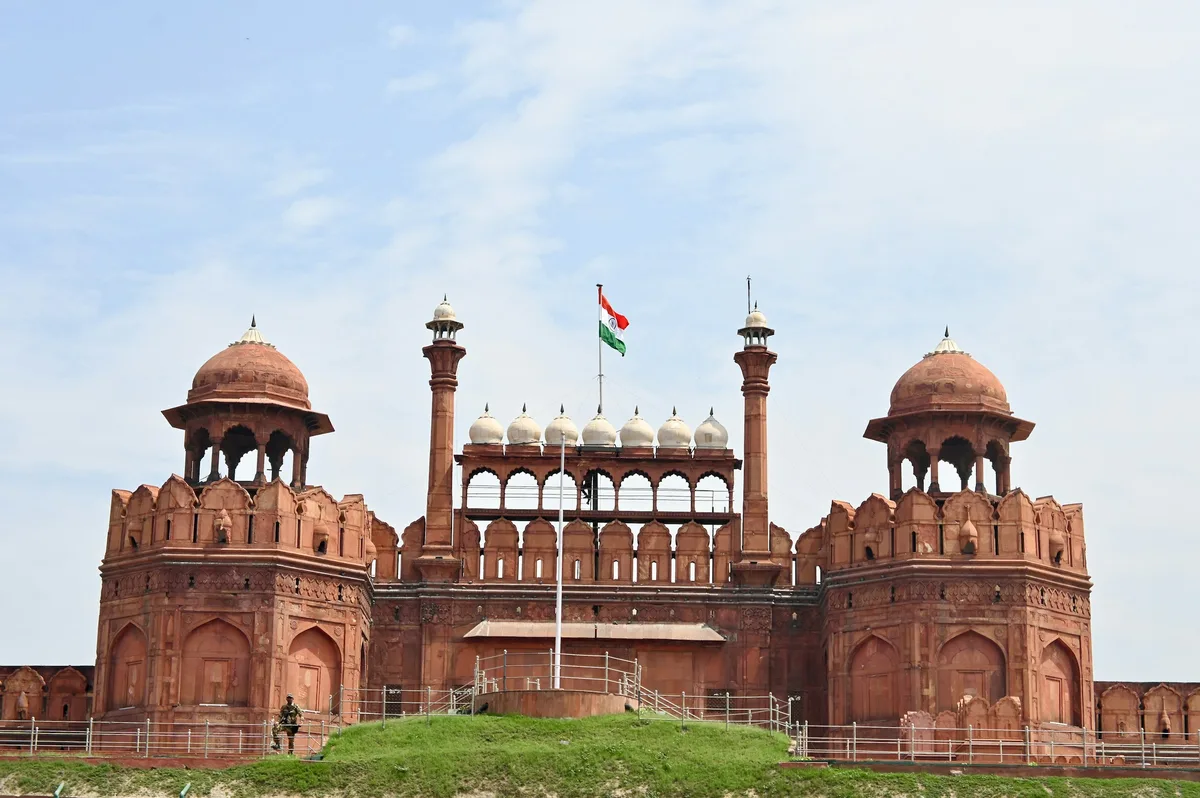
A 17th-century Mughal fortress of red sandstone in Old Delhi, once the seat of Mughal emperors and now a UNESCO World Heritage Site.
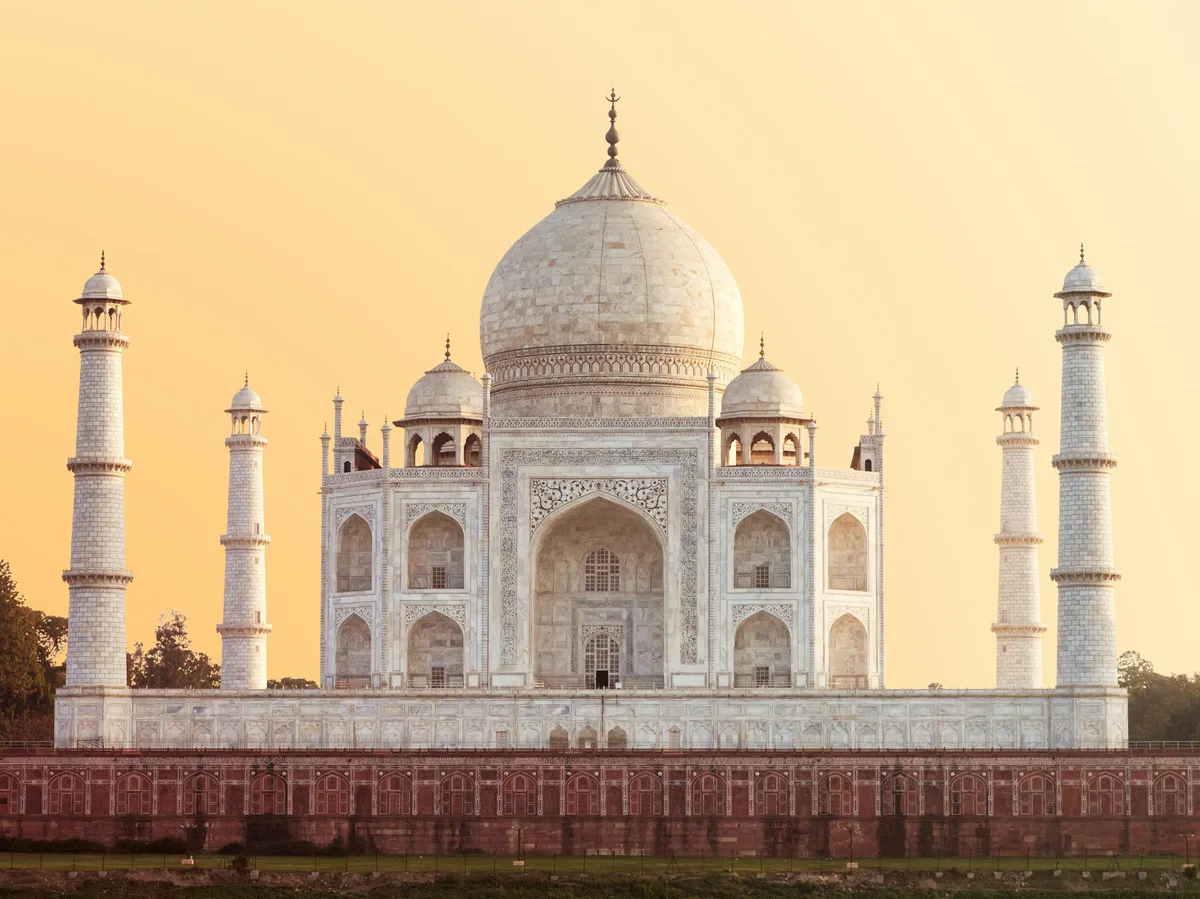 Multi-Day Tours
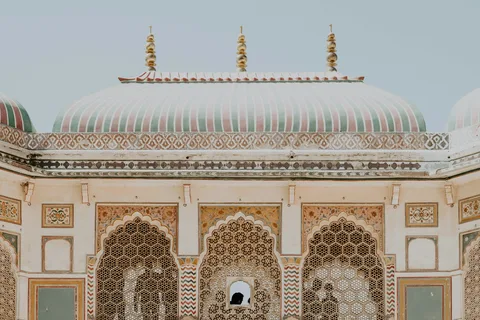
A 7-day private circuit through India's classic Golden Triangle — Delhi's Red Fort and Old City, Jaipur's Amber Fort and Hawa Mahal, and a sunrise visit to the Taj Mahal in Agra.
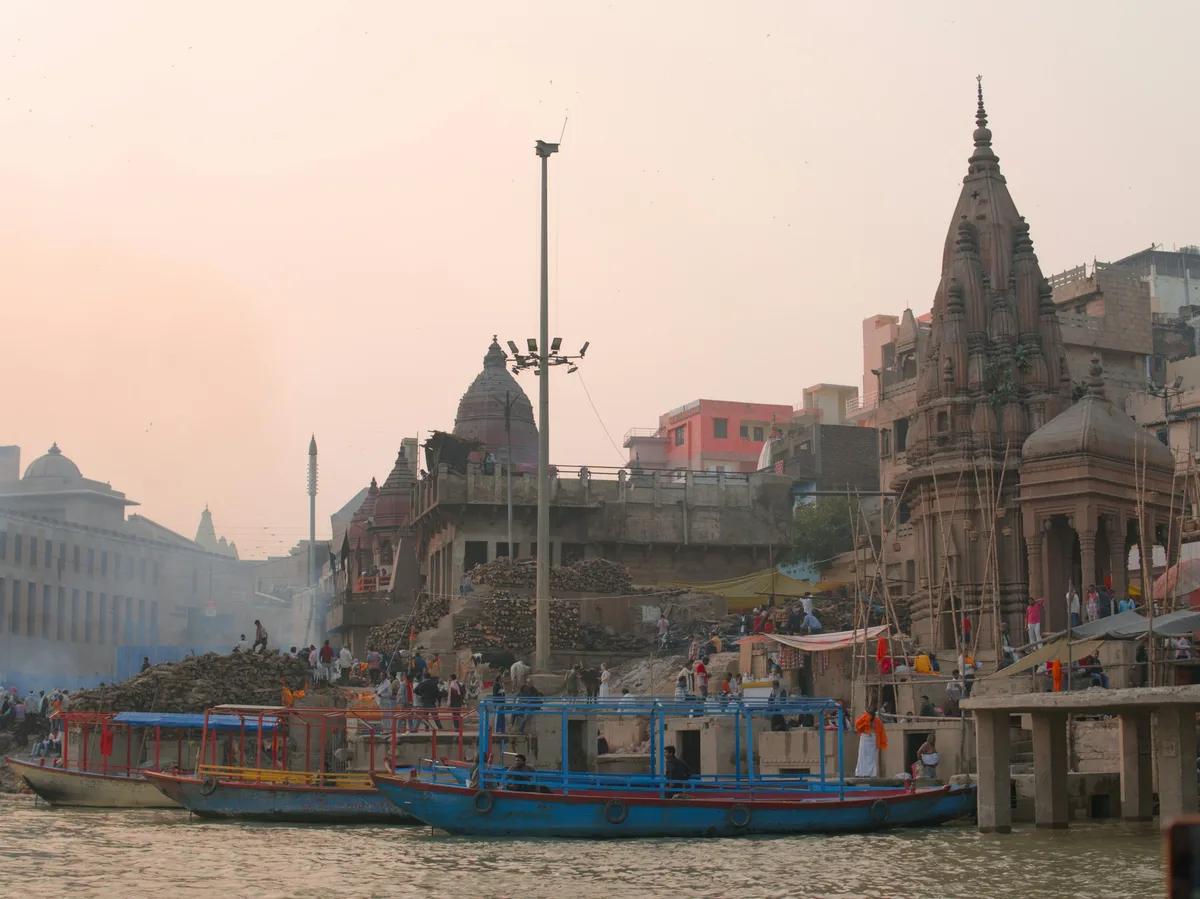 Multi-Day Tours
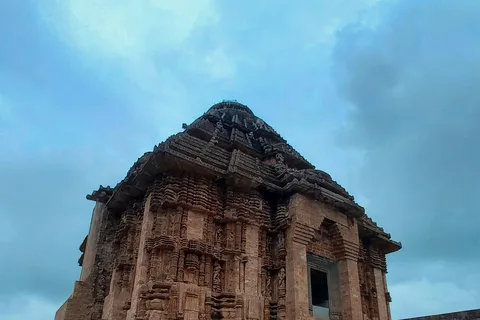
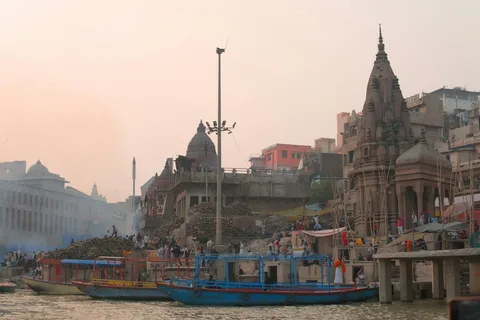
A 16-day deep-dive into Northern India — Delhi's forts, Jodhpur and Udaipur's palaces, Bhopal, the temples of Khajuraho, and sacred boat rides on the Ganges in Varanasi.
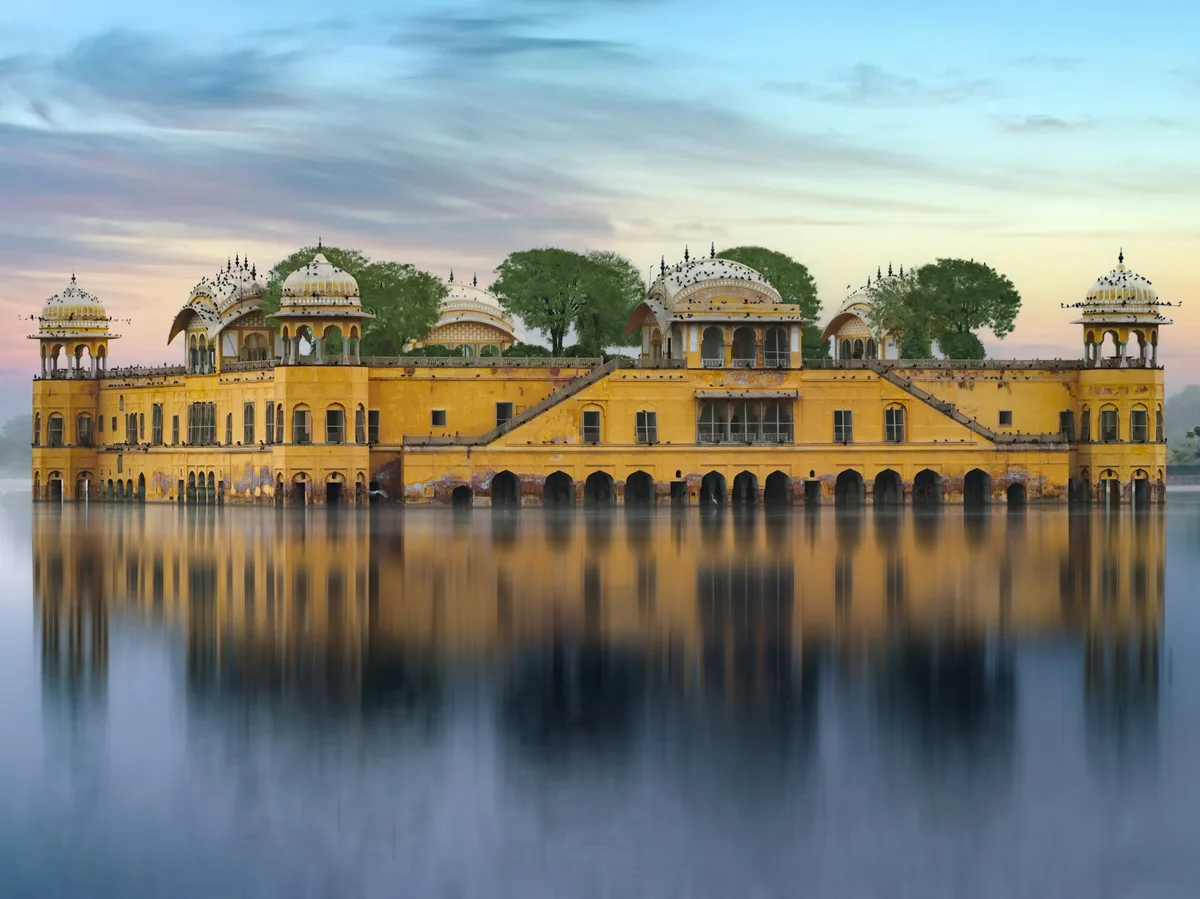 Multi-Day Tours
A 10-day private tour through Rajasthan's palaces and rural heart — Delhi, Jodhpur's Mehrangarh Fort, a leopard safari and cooking class in rural villages, royal Jaipur, and a sunrise Taj Mahal visit.
Visitor guide
The Red Fort, known in Hindi as Lal Qila, is a historic Mughal fort in the Old Delhi area of Delhi, India. Commissioned by Emperor Shah Jahan in the 17th century as the main residence of the Mughal emperors, it is a landmark of Mughal architecture and part of the Red Fort Complex, which UNESCO inscribed as a World Heritage Site in 2007.
Shah Jahan ordered the fort built after deciding to move the Mughal capital from Agra to Delhi. According to Wikipedia, construction began in May 1638 and was completed on 6 April 1648, under the emperor's supervision. The design is attributed to Ustad Ahmad Lahori, who is also credited as the architect of the Taj Mahal. The fort stands beside the Yamuna River, which once fed the moats around most of its walls, and served as the centrepiece of Shahjahanabad, the walled city now known as Old Delhi.
Its name is a translation of Lal Qila, from the red sandstone of its walls. Originally the complex was known as Qila-i-Mubarak, the Blessed Fort, and its walls and buildings were reportedly adorned in red and white. Unlike many Mughal forts, the boundary is asymmetrical because it absorbs the older Salimgarh Fort. Shah Jahan's successor, Aurangzeb, added the Moti Masjid, or Pearl Mosque, to the private quarters, and built barbicans in front of the two main gates.
Mughal power weakened in the 18th century. In 1739 the Persian ruler Nadir Shah plundered the fort and took its treasures, including the famed Peacock Throne. After the British took control of Delhi, the last Mughal emperor to live in the fort, Bahadur Shah Zafar, became a symbol of the Indian Rebellion of 1857. He was later tried in the fort and exiled to Rangoon in 1858. Wikipedia reports that after the rebellion the British demolished much of the interior, with about 80 percent of structures lost, and built stone barracks on the site of gardens and apartments. Lord Curzon later started restoration, including rebuilding walls and reviving the gardens.
The fort covers about 103 hectares inside 2.41 kilometres of walls that rise from about 18 metres on the river side to 33 metres on the city side. Visitors traditionally enter by the Lahori Gate, named for the direction of Lahore, which leads into Chhatta Chowk, a covered bazaar. Beyond lie the Naubat Khana, or drum house, and the Diwan-i-Aam, the Public Audience Hall, where the emperor heard petitions from a marble balcony. The Diwan-i-Khas, the Hall of Private Audience, is built of white marble inlaid with stones and carries a verse attributed to Amir Khusrow that says, in translation, that if heaven is on earth, it is here.
The imperial apartments run along the riverbank on the eastern side of the complex. Among the surviving marble buildings are the Khas Mahal, Rang Mahal and Mumtaz Mahal, along with the hammam and the Hayat Bakhsh Bagh garden. These buildings show the blend of Persian, Timurid and Indian styles that the World Heritage Convention calls the zenith of Mughal creativity.
The Red Fort has special meaning in modern India. On 15 August 1947, Jawaharlal Nehru raised the national flag above the Lahori Gate, and each year the Prime Minister unfurls the tricolour there on Independence Day and speaks from the ramparts. The fort also hosted the 1945 trials of officers of the Indian National Army. In 2003 the Indian Army handed most of the fort to the Archaeological Survey of India, and museums in former barracks now cover subjects such as the 1857 uprising and Subhas Chandra Bose.
A private guided visit with a driver suits the Red Fort, since a guide can explain the layout, the royal ceremonies and how Old Delhi's streets relate to the fort. Details such as which museums are open change over time and are best confirmed locally.
See every tour and attraction we cover in India.