TorontoOntario · 36 tours
 Niagara FallsOntario · 25 tours
 New York CityNew York · 30 tours
 Las VegasNevada · 8 tours
 San FranciscoCalifornia · 16 tours
 VancouverBritish Columbia · 17 tours
 DubaiUAE · 54 tours
 Abu DhabiUAE · 5 tours
 Buenos AiresArgentina · 23 tours
 AthensGreece · 31 tours
 AucklandNew Zealand · 38 tours
 CancunMexico · 54 tours
No destinations match “”. Try searching all tours instead — that search understands full questions, not just place names.
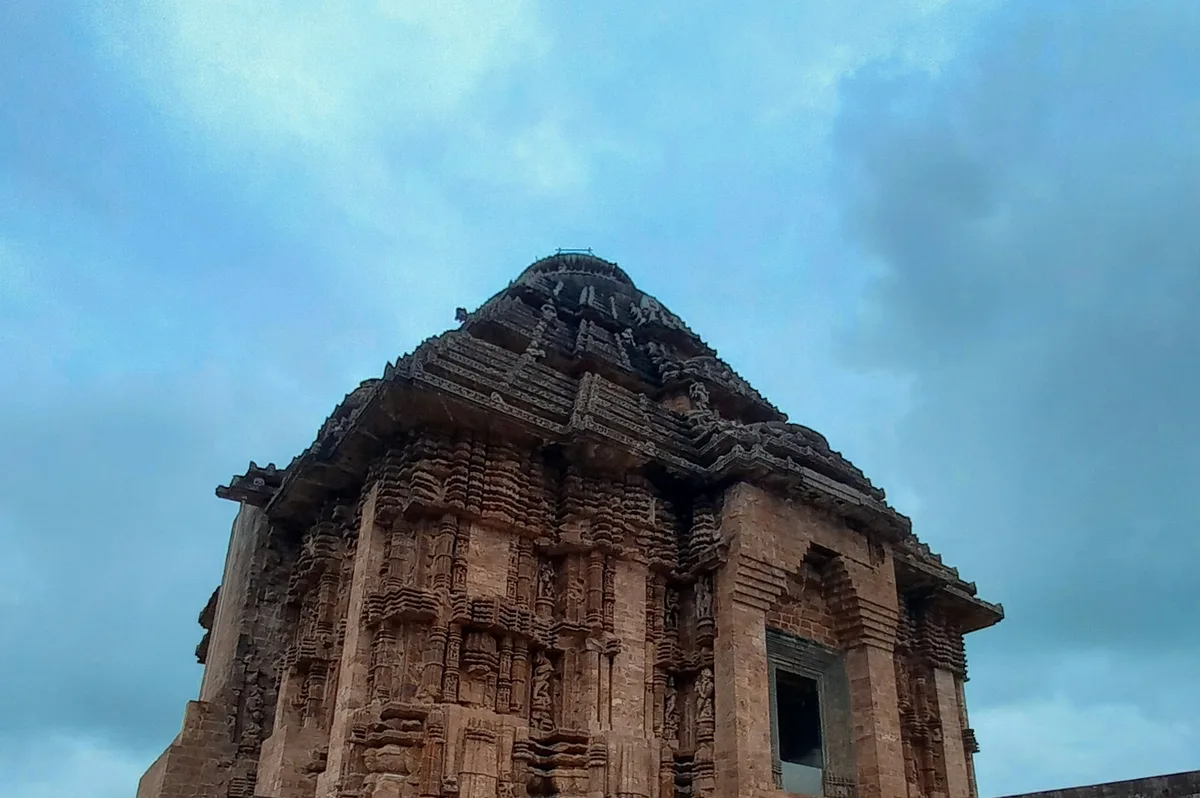
A 13th-century UNESCO World Heritage temple in Odisha built in the form of a giant stone chariot, its base carved with 24 elaborately decorated wheels.
Visitor guide
The Konark Sun Temple is a 13th-century Hindu temple at Konark on the Bay of Bengal coast of Odisha, India, about 35 kilometres northeast of Puri. Dedicated to the sun god Surya and designed as a colossal stone chariot, it is a masterpiece of Kalinga architecture and has been a UNESCO World Heritage Site since 1984.
Wikipedia attributes the temple to King Narasingha Deva I of the Eastern Ganga dynasty, who ruled from 1238 to 1264, with construction dated to about 1250. In Hindu iconography Surya crosses the sky in a chariot drawn by seven horses, and Konark presents this image on a monumental scale. The temple platform has 24 intricately carved wheels, each nearly 3.7 metres across, and a team of seven horses, named in tradition for the seven metres of Sanskrit prosody. The name Konark combines the Sanskrit words kona, meaning corner, and arka, meaning sun.
The temple is unusually well documented. Wikipedia says its planning and construction records, written in Sanskrit in the Odia script on palm leaf manuscripts, were discovered in a village in the 1960s and later translated. They name Shiva Samantaraya Mahapatra as overseer of construction. The temple was built near an older Surya shrine, whose sculpture was incorporated into the new building.
The complex originally consisted of a main sanctuary, called the deul, with a porch hall, the jagamohana, in front and a dance hall, the nata mandira, to the east. The main tower is estimated to have stood about 70 metres high, but it fell in 1837 and only parts of its walls remain. The jagamohana, about 39 metres tall by Wikipedia's figures, is the principal surviving structure, along with the dance hall and dining hall. Three types of stone, chlorite, laterite and khondalite, were used, none of them found naturally nearby, so builders must have brought them from distant sources. Because khondalite weathers faster, it may have contributed to erosion over the centuries.
European sailors called the temple the Black Pagoda from at least 1676, while the Jagannath Temple in Puri was called the White Pagoda. Both served as landmarks for ships in the Bay of Bengal. The Aruna Stambha, a monolithic pillar dedicated to the sun's charioteer, was moved in the late 18th century to the Lion's Gate of the Jagannath Temple in Puri, where it stands today.
The temple walls are covered in reliefs, many with jewellery-like detail. Terraces carry statues of musicians playing instruments, and panels show deities, apsaras, animals, mythical creatures and scenes from daily life, including hunting parties, processions and travellers preparing a meal by the roadside. The temple is also known for its erotic maithuna sculptures, which Wikipedia places alongside the many other aspects of human life and religion shown on the walls rather than treating them as the temple's sole theme.
The cause of the temple's ruin is debated. Early theories suggested it collapsed during construction, but inscriptions, including one of 1384, indicate it was completed and used for worship. Wikipedia says it was damaged sometime between 1556 and 1800, whether by natural causes or by attacks, and that sources disagree. The surviving structure was partly restored by British-era archaeological teams, and today it is protected as a major heritage site. The Chandrabhaga Mela, a festival held around February, draws pilgrims to the nearby coast.
A private visit with a driver and guide works well here, since the iconography of the wheels, horses and reliefs is easiest to read with someone explaining the symbolism. Konark is commonly paired with Puri and Bhubaneswar, which are within a day's reach by road.
See every tour and attraction we cover in India.