TorontoOntario · 36 tours
 Niagara FallsOntario · 25 tours
 New York CityNew York · 30 tours
 Las VegasNevada · 8 tours
 San FranciscoCalifornia · 16 tours
 VancouverBritish Columbia · 17 tours
 DubaiUAE · 54 tours
 Abu DhabiUAE · 5 tours
 Buenos AiresArgentina · 23 tours
 AthensGreece · 31 tours
 AucklandNew Zealand · 38 tours
 CancunMexico · 54 tours
No destinations match “”. Try searching all tours instead — that search understands full questions, not just place names.
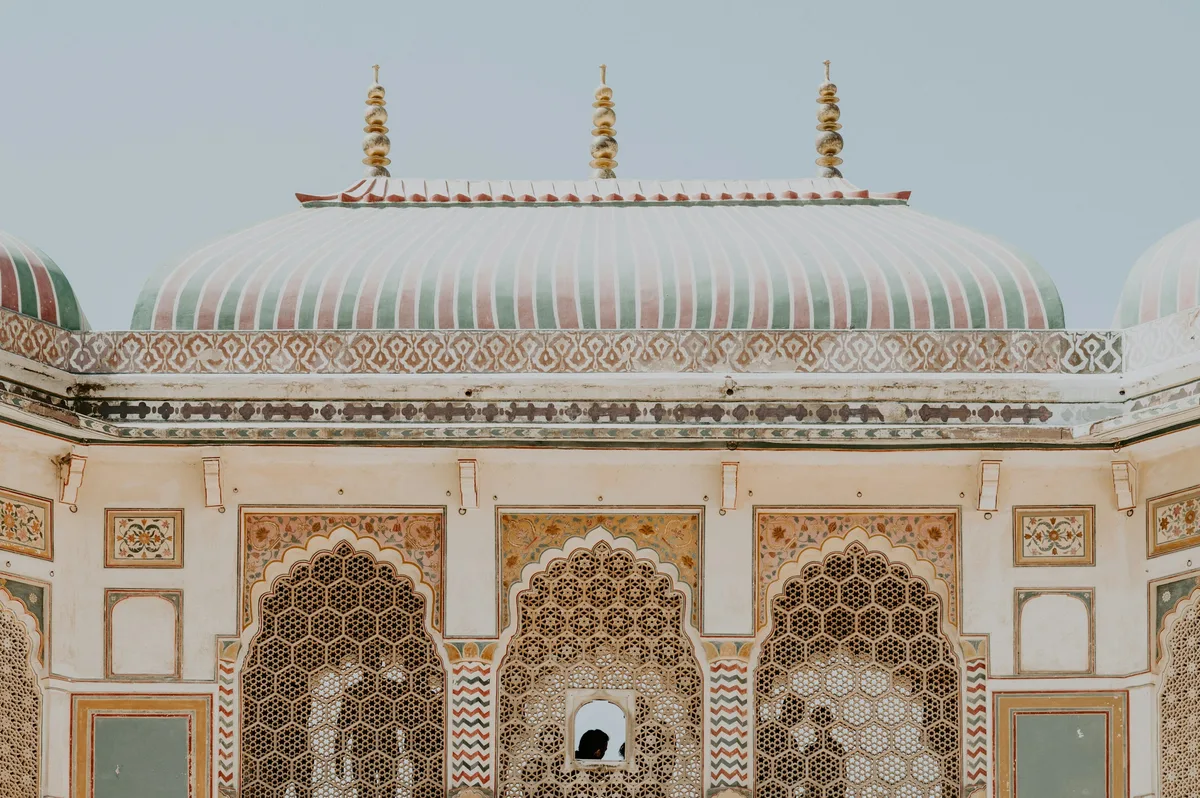
A hilltop fort-palace of pale sandstone and marble overlooking Maota Lake near Jaipur, known for its ornately mirrored Sheesh Mahal and the Ganesh Pol gate.
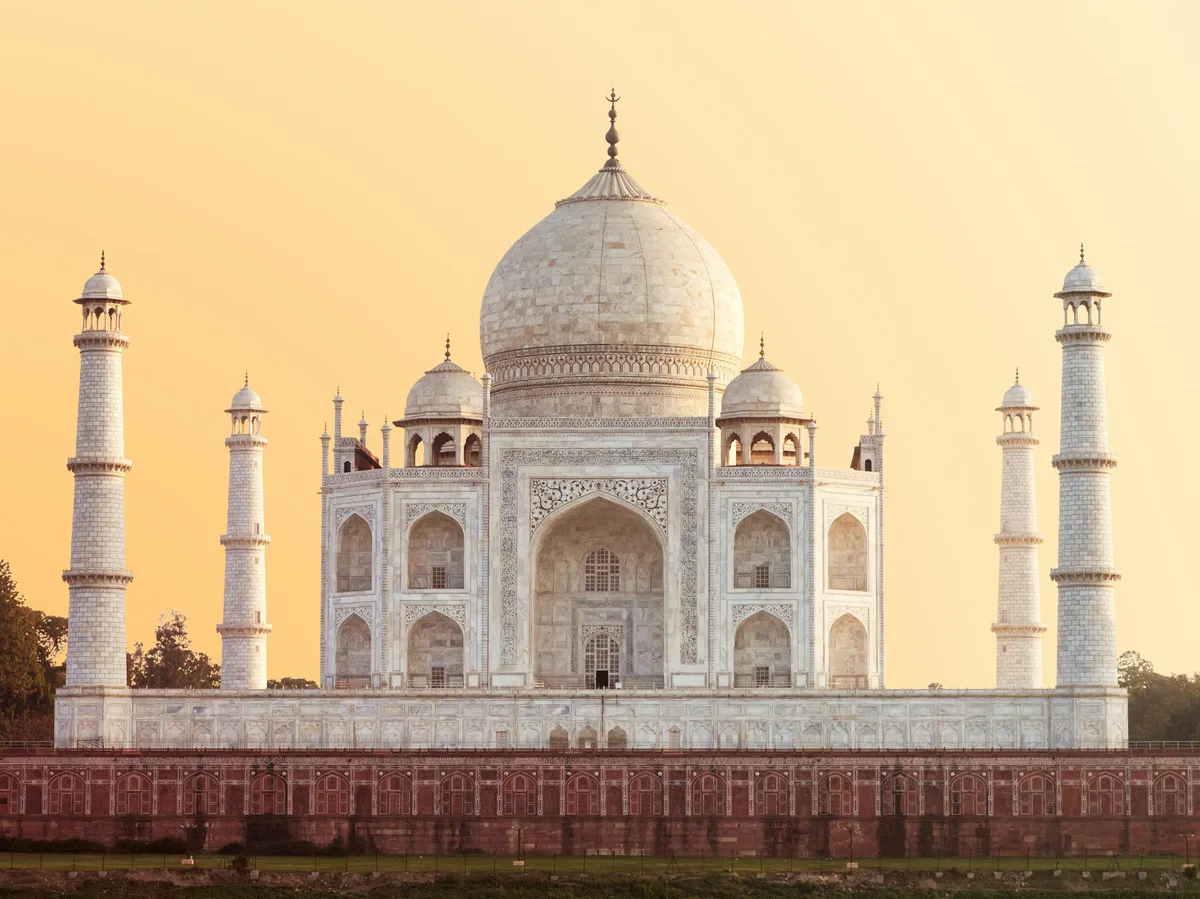 Multi-Day Tours
A 7-day private circuit through India's classic Golden Triangle — Delhi's Red Fort and Old City, Jaipur's Amber Fort and Hawa Mahal, and a sunrise visit to the Taj Mahal in Agra.
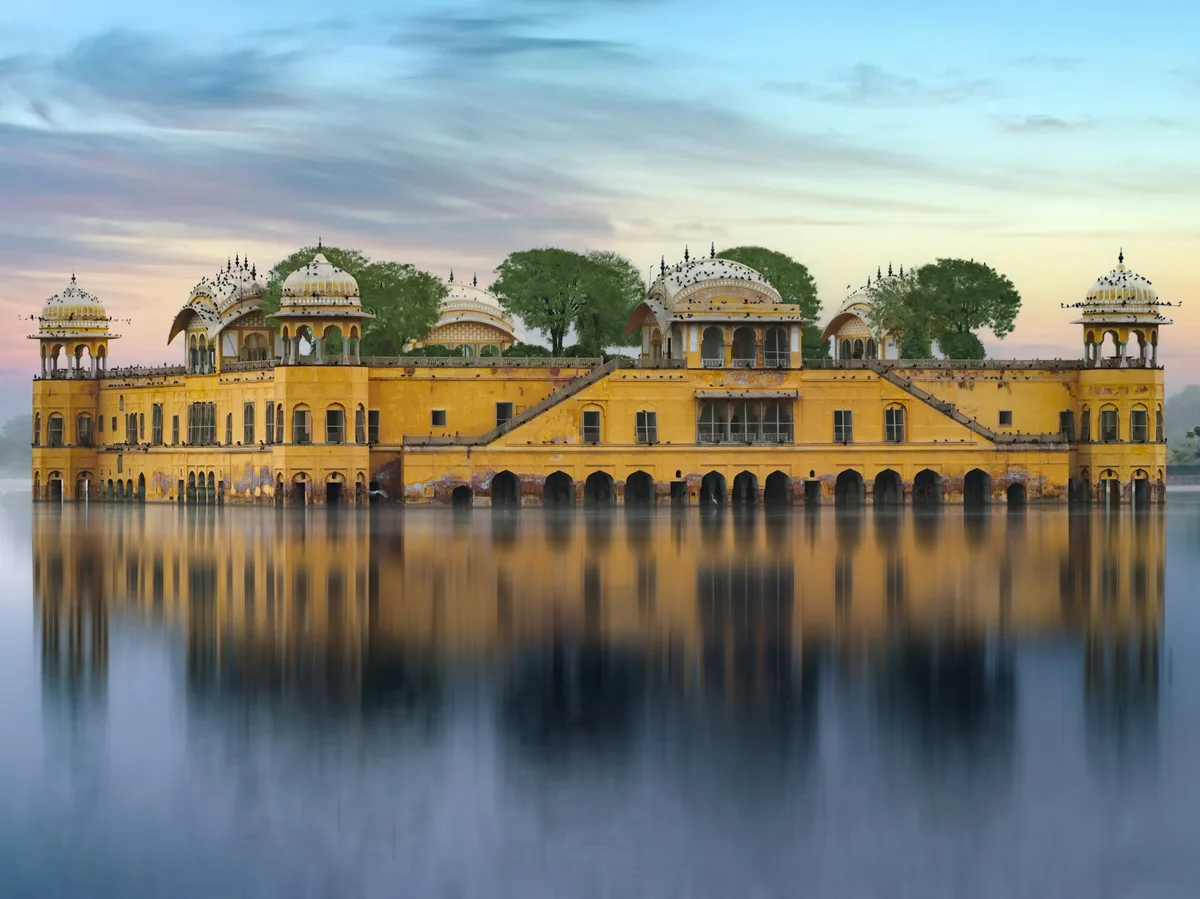 Multi-Day Tours
A 10-day private tour through Rajasthan's palaces and rural heart — Delhi, Jodhpur's Mehrangarh Fort, a leopard safari and cooking class in rural villages, royal Jaipur, and a sunrise Taj Mahal visit.
Visitor guide
Amer Fort, widely spelled Amber Fort, is a hilltop fort-palace in Amer, Rajasthan, about 11 kilometres from Jaipur. Built of red sandstone and marble, it overlooks Maota Lake and was the residence of the Rajput Maharajas of the Kachwaha dynasty. It is one of six Rajasthan hill forts inscribed together as a UNESCO World Heritage Site in 2013.
Wikipedia explains that Amer was once a Meena-ruled state before the Kachwaha Rajputs took control of the Dhundhar region. The Kachwahas ruled from Amer between the 11th century and 1727, when the capital was moved to the newly founded city of Jaipur under Sawai Jai Singh II. Wikipedia says the fort was originally built by Raja Man Singh, expanded by Jai Singh I in the early 1600s, and then improved by successive rulers over roughly 150 years. The name is said to come from the Ambikeshwar Temple, a shrine to Shiva atop the Cheel ka Teela, the Hill of Eagles, although local folklore links it to Amba, a name for the goddess Durga.
The palace and the neighbouring Jaigarh Fort stand on the same ridge of the Aravalli hills and are regarded as one complex. Wikipedia reports a subterranean passage between them, meant as an escape route in wartime.
The palace is laid out on four levels, each with its own courtyard, and blends Rajput architecture with Mughal influence. Visitors approach up a slope to the Suraj Pol, or Sun Gate. The first courtyard, entered from Jalebi Chowk, is the setting for public ceremonies and contains the Shila Devi temple, which the Maharajas worshipped at from the 16th century. The Diwan-i-Aam, or Hall of Public Audience, stands in the second courtyard.
The Ganesh Pol, named for the elephant-headed god Ganesha, is the gate into the private palaces. It is a three-level structure decorated with frescoes and mosaics, attributed to the early 17th century reign of Mirza Raja Jai Singh. Above it is the Suhag Mandir, where women of the royal household watched ceremonies through marble lattice screens called jalis.
Inside the Ganesh Pol, the third courtyard holds two buildings separated by a garden laid out in the Mughal style. The Jai Mandir, also called the Sheesh Mahal or mirror palace, is decorated with glass-inlaid panels and ceilings set with convex mirrors, which glittered in candlelight. Above it sits the Jas Mandir, a hall of private audience with floral glass inlay and alabaster relief. Opposite is the Sukh Niwas, or Hall of Pleasure, where a water channel passed through the building to cool it.
Wikipedia also describes a carved marble panel nicknamed the magic flower, which appears to show seven different designs depending on how the panel is partly covered. The fourth courtyard held the zenana, the women's quarters, with rooms opening onto a shared corridor.
The six forts inscribed in 2013 are Amber, Chittor, Gagron, Jaisalmer, Kumbhalgarh and Ranthambore, recognised together as examples of Rajput hill fort architecture. The town of Amer is itself a heritage town. Wikipedia notes that jeep rides are now considered more ethical than elephant rides for reaching the fort, because of concerns about animal welfare. A private tour with a driver and guide suits Amber Fort well, since the layout of gates and courtyards is easiest to follow with a guide who can explain the royal rituals.
See every tour and attraction we cover in India.