TorontoOntario · 36 tours
 Niagara FallsOntario · 25 tours
 New York CityNew York · 30 tours
 Las VegasNevada · 8 tours
 San FranciscoCalifornia · 16 tours
 VancouverBritish Columbia · 17 tours
 DubaiUAE · 54 tours
 Abu DhabiUAE · 5 tours
 Buenos AiresArgentina · 23 tours
 AthensGreece · 31 tours
 AucklandNew Zealand · 38 tours
 CancunMexico · 54 tours
No destinations match “”. Try searching all tours instead — that search understands full questions, not just place names.
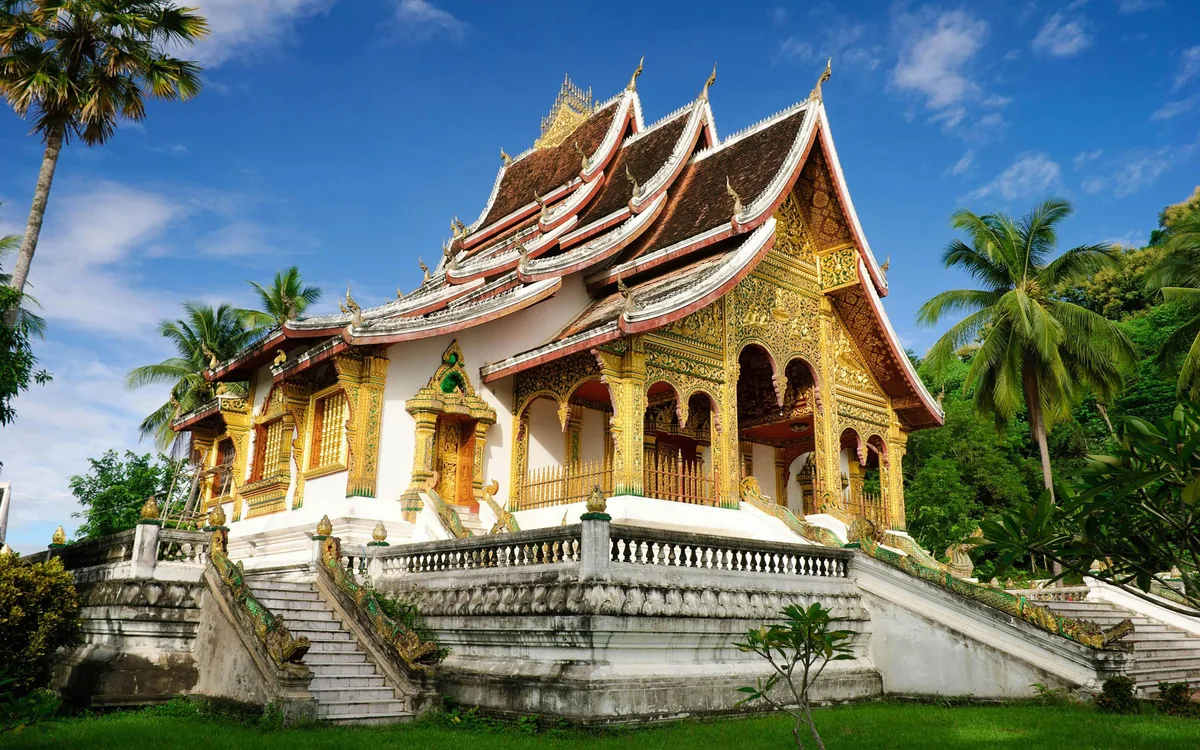
A UNESCO World Heritage town at the confluence of the Mekong and Khan rivers, its streets lined with gilded Buddhist temples, French-colonial shophouses, and the former Royal Palace, all within walking distance of Mount Phousi's hilltop stupa.
 Multi-Day Tours
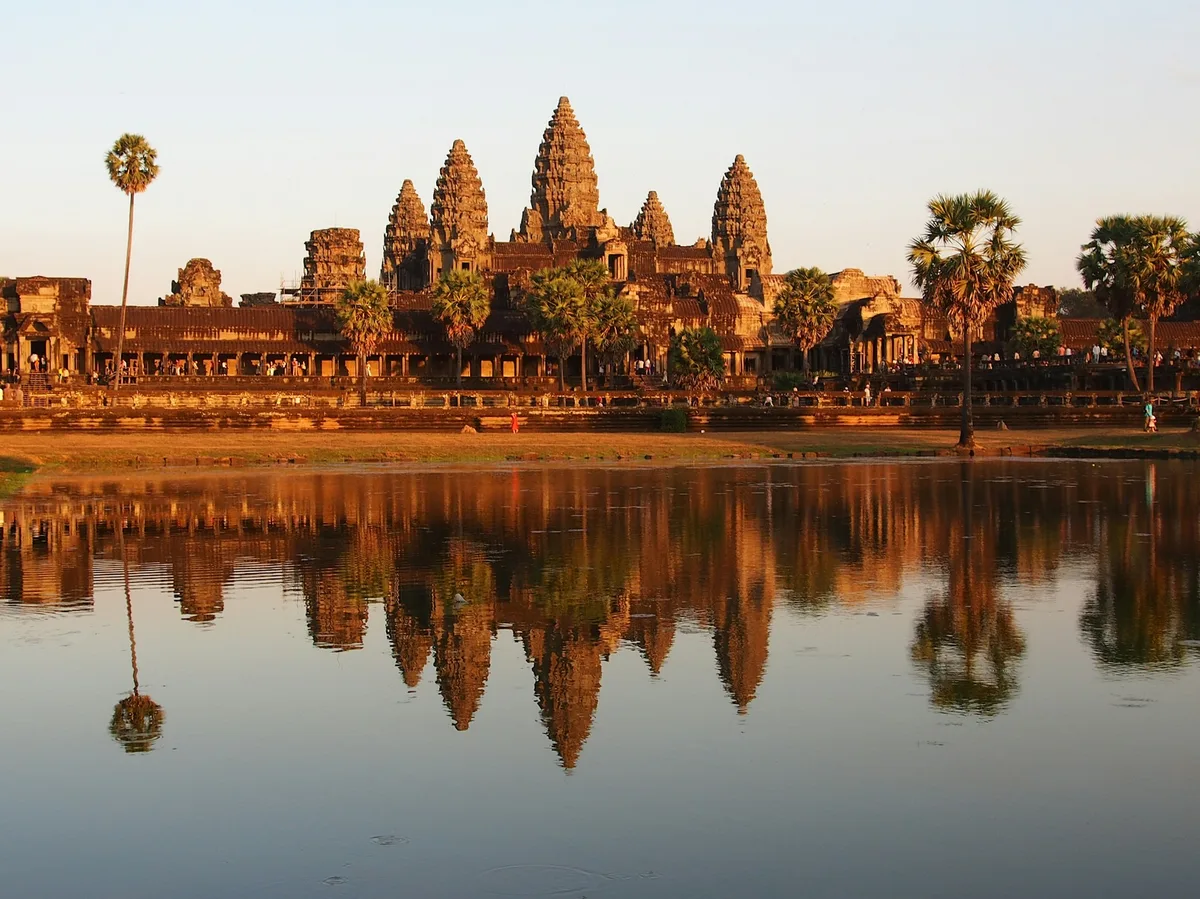
A 12-day route from the temples of Angkor and the history of Phnom Penh into Laos, taking in Vientiane, Vang Vieng, and UNESCO-listed Luang Prabang.
 Multi-Day Tours
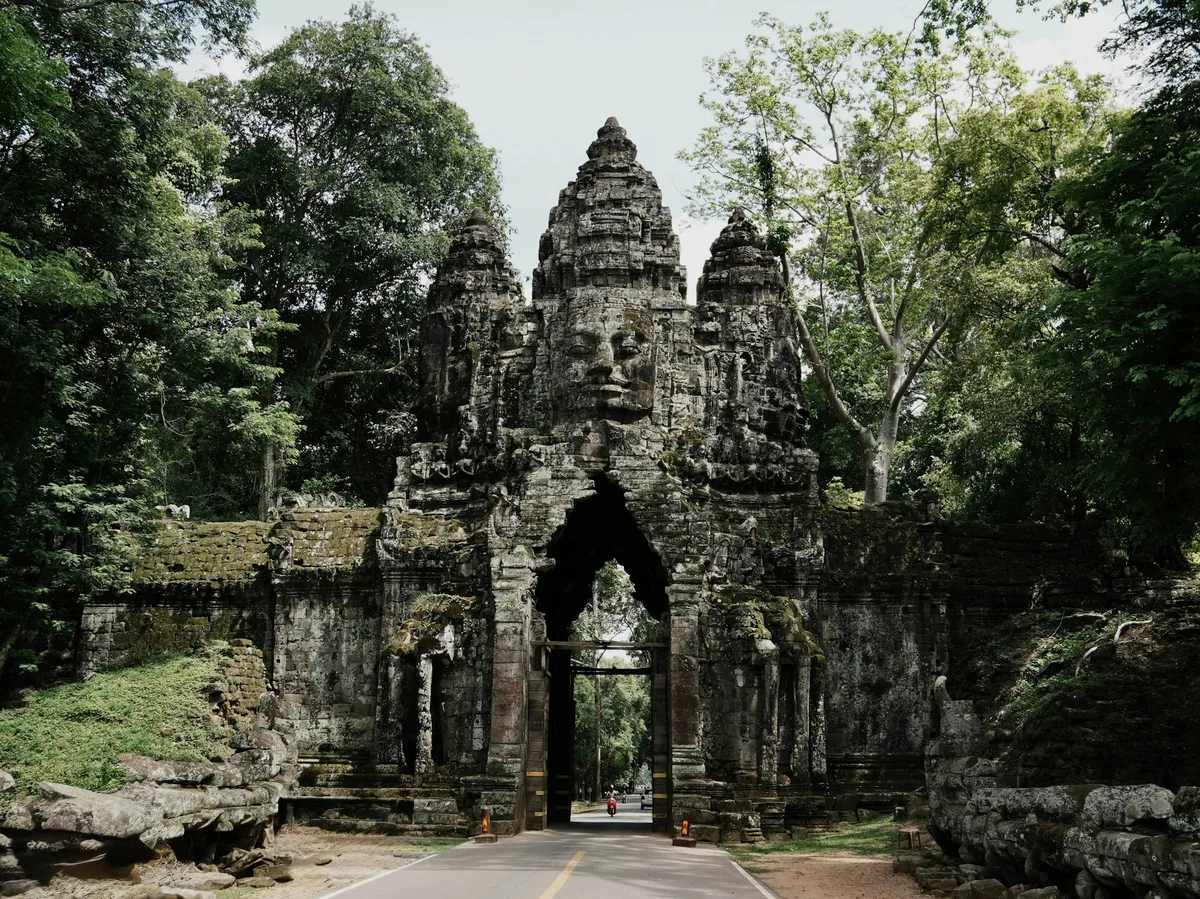
A grand 23-day sweep across four countries — Thailand, Laos, Cambodia, and Vietnam — pairing Angkor Wat and Phnom Penh with Bangkok, Luang Prabang, Ho Chi Minh City, and Ha Long Bay.
 Multi-Day Tours
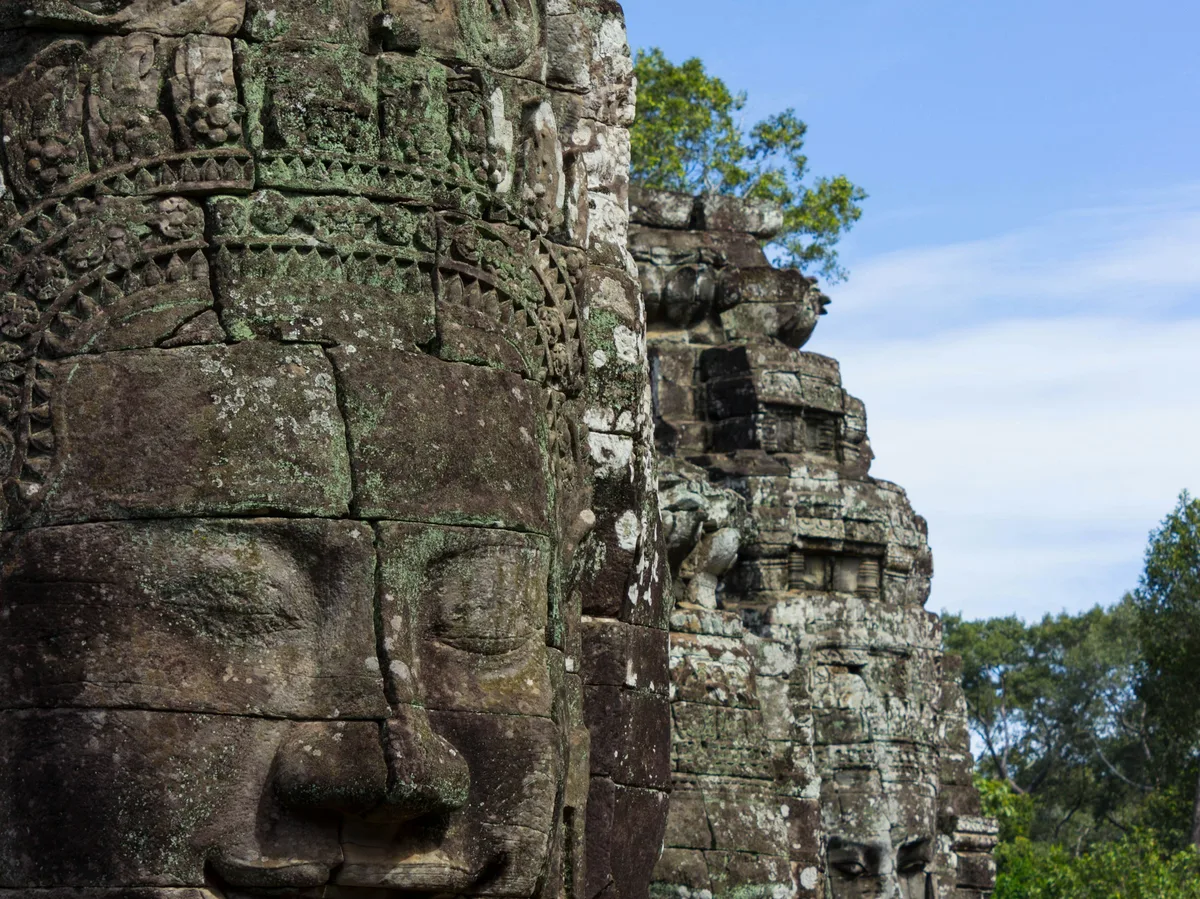
A 9-day pairing of Cambodia's Angkor temples and Tonlé Sap floating villages with Laos's Luang Prabang, its waterfalls, and a Mekong-tributary kayaking route.
 Multi-Day Tours
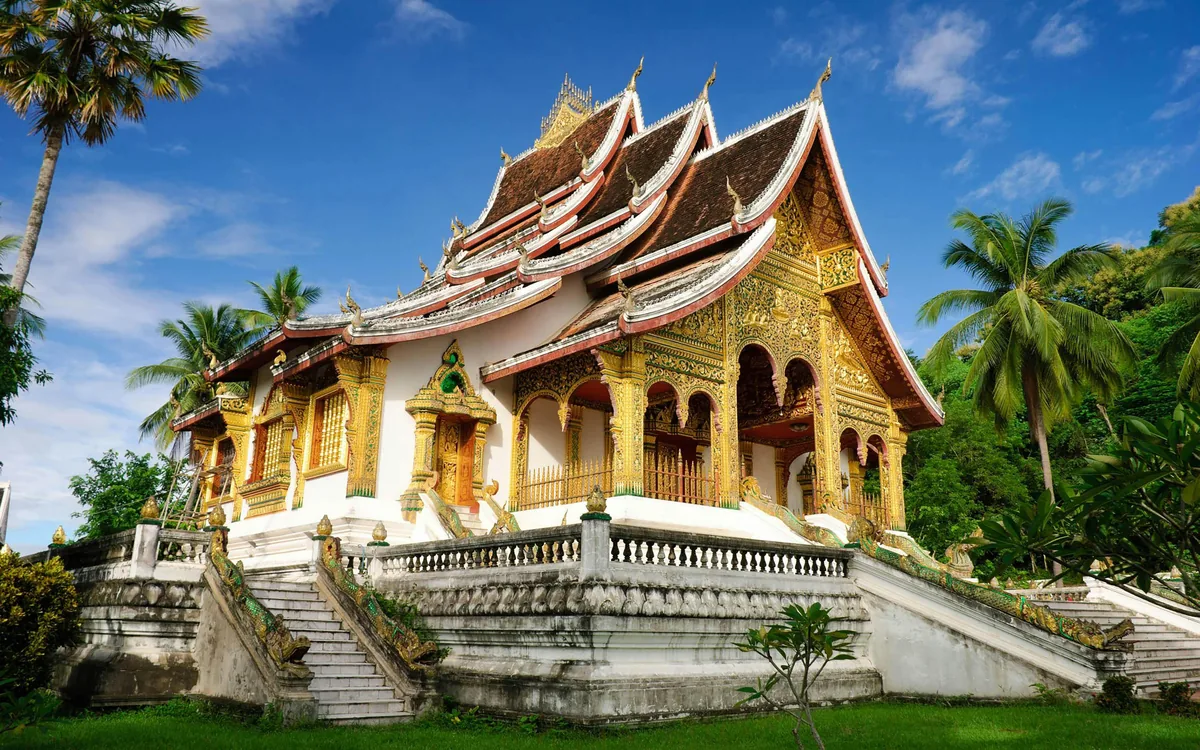
A 14-day photography-focused journey through Luang Prabang and deep into the mountains of Phongsaly province, working alongside a professional Lao photography guide to capture temple life, the Mekong River, and homestays with the Akha, Hmong, and Phounoy hill tribes.
 Multi-Day Tours
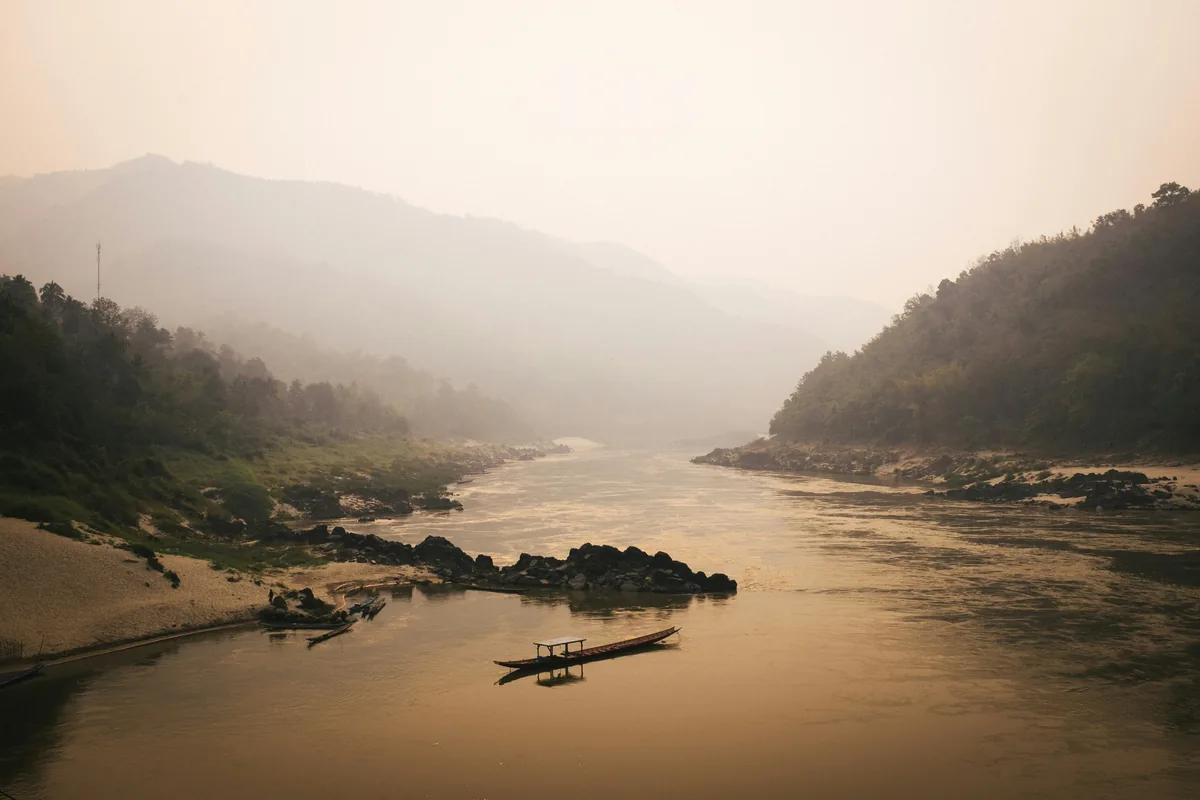
An 18-day in-depth journey through Laos — a two-day Mekong River cruise into Luang Prabang, jungle wildlife tracking in Nam Et-Phou Louey National Park, the Plain of Jars, Vientiane, and a coffee-country finish across the Bolaven Plateau to the 4,000 Islands.
 Multi-Day Tours
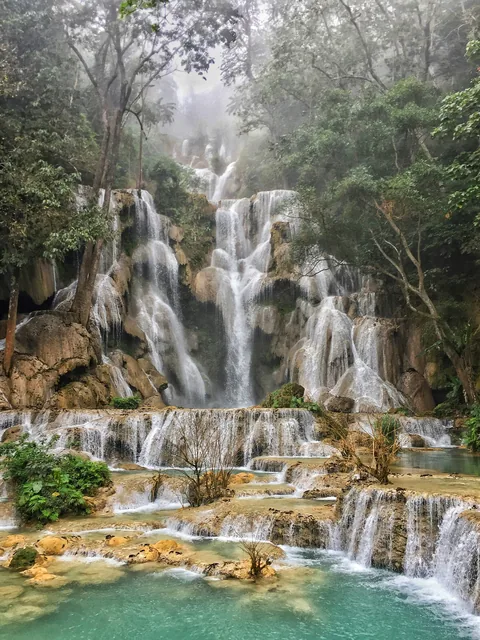
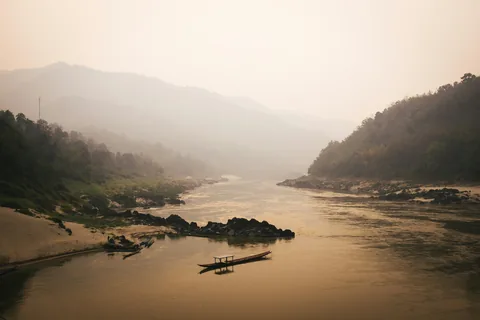
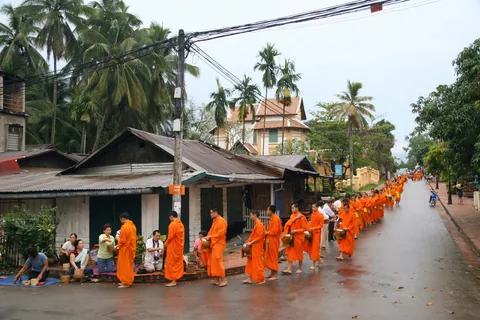
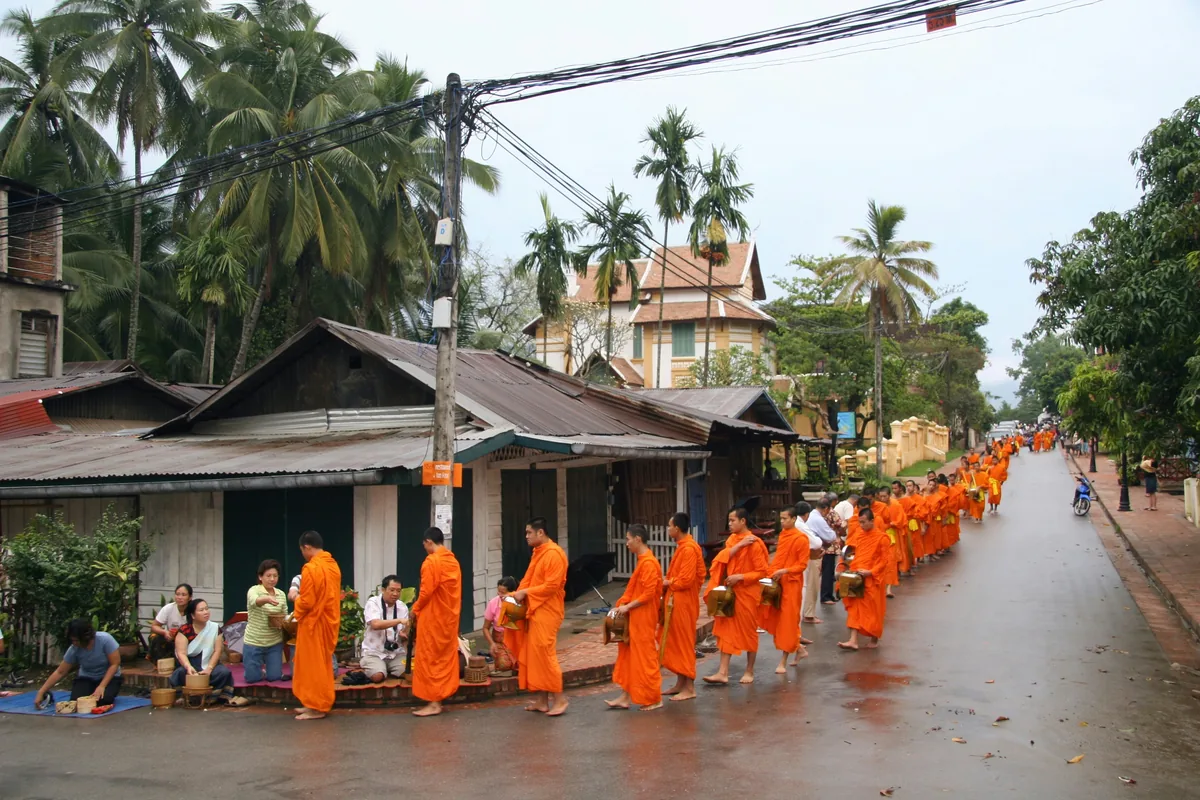
A 5-day introduction to Luang Prabang — the dawn alms ceremony, the National Museum and Wat Xieng Thong, a Lao cooking class, a scenic Mekong boat ride to the Pak Ou Caves, and a day at Kuang Si Waterfall.
Visitor guide
Luang Prabang Old Town is the historic heart of the town of Luang Prabang in north-central Laos, set on a peninsula where the Mekong and Nam Khan rivers meet. It is a UNESCO World Heritage town known for its Buddhist temples, its blend of traditional Lao and European colonial architecture, and the daily rhythm of monastic life that continues along its streets.
Luang Prabang's name means "Royal Buddha Image" and refers to the Phra Bang, a statue that Wikipedia describes as a symbol of Lao sovereignty. The area was known in earlier centuries as Muang Sua and later Xieng Thong, and it came under successive regional powers before becoming the capital of the Lan Xang kingdom in 1353. Around 1359 the Phra Bang was reportedly given to Fa Ngum, the first Lan Xang monarch, by the Khmer king of Angkor, which gave his rule Buddhist legitimacy and helped spread Theravada Buddhism through the kingdom. The capital was then renamed after the image.
After Lan Xang fractured in 1707, Luang Prabang became the seat of its own kingdom. When France annexed Laos, it recognised Luang Prabang as the royal residence, and the town's ruler later became head of state of the independent Kingdom of Laos under King Sisavang Vong. The town stayed a royal capital until the establishment of the Lao People's Democratic Republic in 1975.
More than thirty Buddhist temples are counted within the old town. Wat Xieng Thong, at the northern tip of the peninsula, was built by King Setthathirath in 1559 to 1560 and is celebrated for its sweeping multi-tiered roofs, gold-stencilled interior walls and the glass-mosaic tree of life on its rear gable. In the grounds a carriage house holds a royal funeral carriage about twelve metres high, along with urns for members of the royal family.
The former royal palace, known as Haw Kham, is now a museum. Mount Phousi rises in the middle of the town and offers views over the rooftops and the river systems; a gilded stupa crowns its summit. Smaller temples such as Wat Mai and Wat Hosian Voravihane add to a streetscape where saffron-robed novices are a familiar sight.
UNESCO inscribed the Town of Luang Prabang on the World Heritage List in 1995 under cultural criteria ii, iv and v. According to the listing summarised by Wikipedia, the protected core covers about 820 hectares with a much larger buffer zone, and it includes 33 of the town's 58 villages. The designation recognises how Lao rural architecture and European colonial buildings sit together in a single townscape, and how living customs such as the morning alms-giving continue within it.
Luang Prabang has a tropical climate with a clear dry season in the cooler months and heavy rain peaking in July and August. Local cuisine includes or lam, a stew, Luang Prabang sausage, steamed fish known as mok pa, and kaipen, a dried snack made from Mekong River weed, often served with a chilli paste called jeow bong. Local textile crafts are also part of the town's identity.
The old town is compact and best explored at an unhurried pace, which suits a private guided visit with a driver handling the transfers to sights outside the peninsula such as Kuang Si Falls and the Pak Ou Caves. Visitors are expected to dress modestly when entering temples and to treat the monks and the religious sites with respect.
See every tour and attraction we cover in Laos.