TorontoOntario · 36 tours
 Niagara FallsOntario · 25 tours
 New York CityNew York · 30 tours
 Las VegasNevada · 8 tours
 San FranciscoCalifornia · 16 tours
 VancouverBritish Columbia · 17 tours
 DubaiUAE · 54 tours
 Abu DhabiUAE · 5 tours
 Buenos AiresArgentina · 23 tours
 AthensGreece · 31 tours
 AucklandNew Zealand · 38 tours
 CancunMexico · 54 tours
No destinations match “”. Try searching all tours instead — that search understands full questions, not just place names.
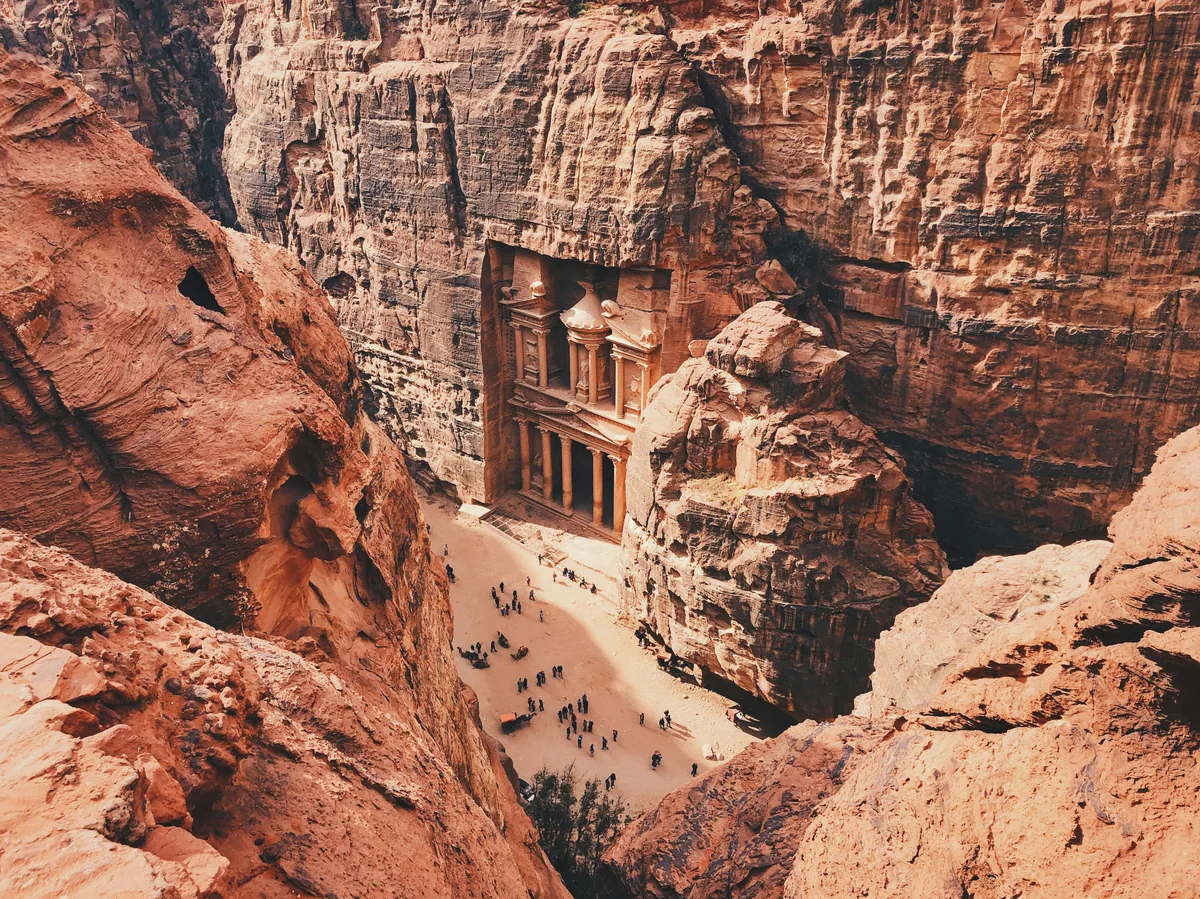
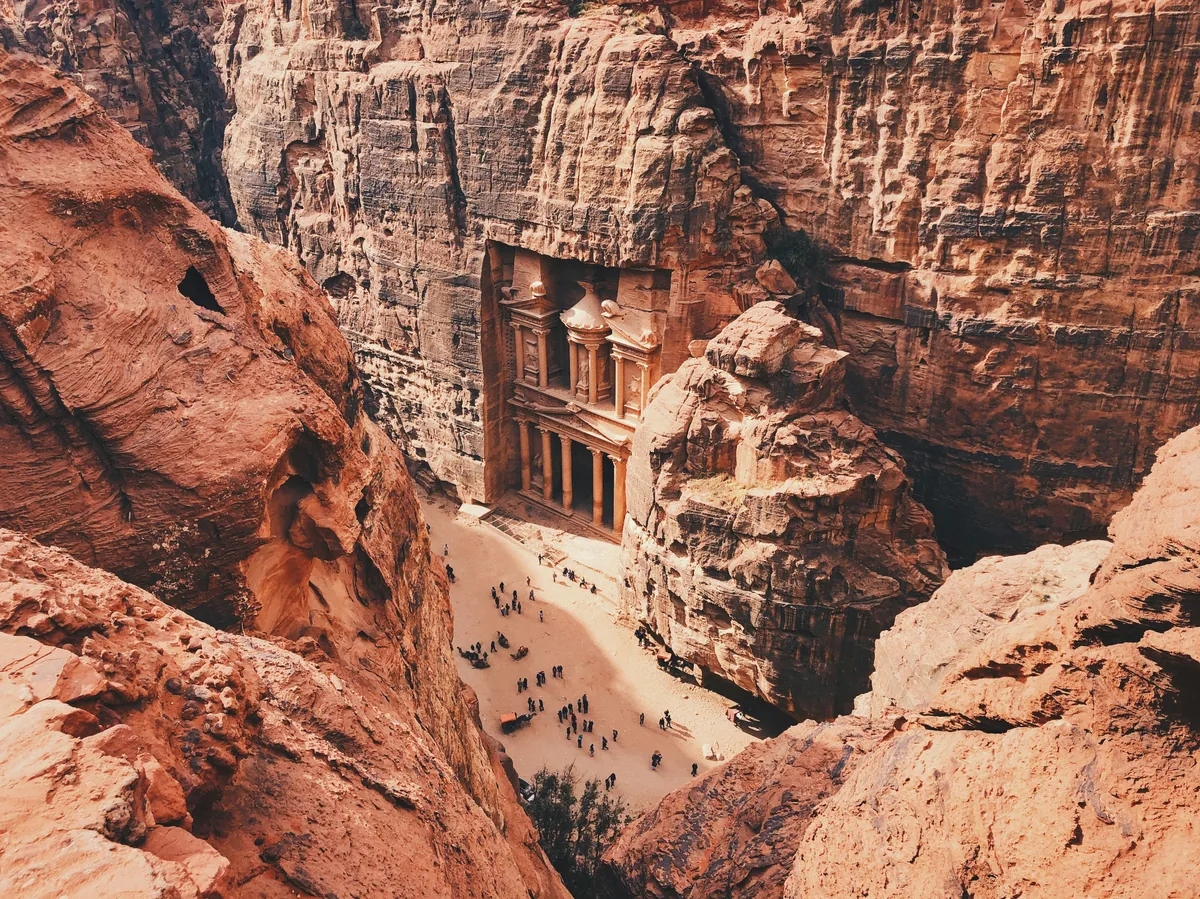
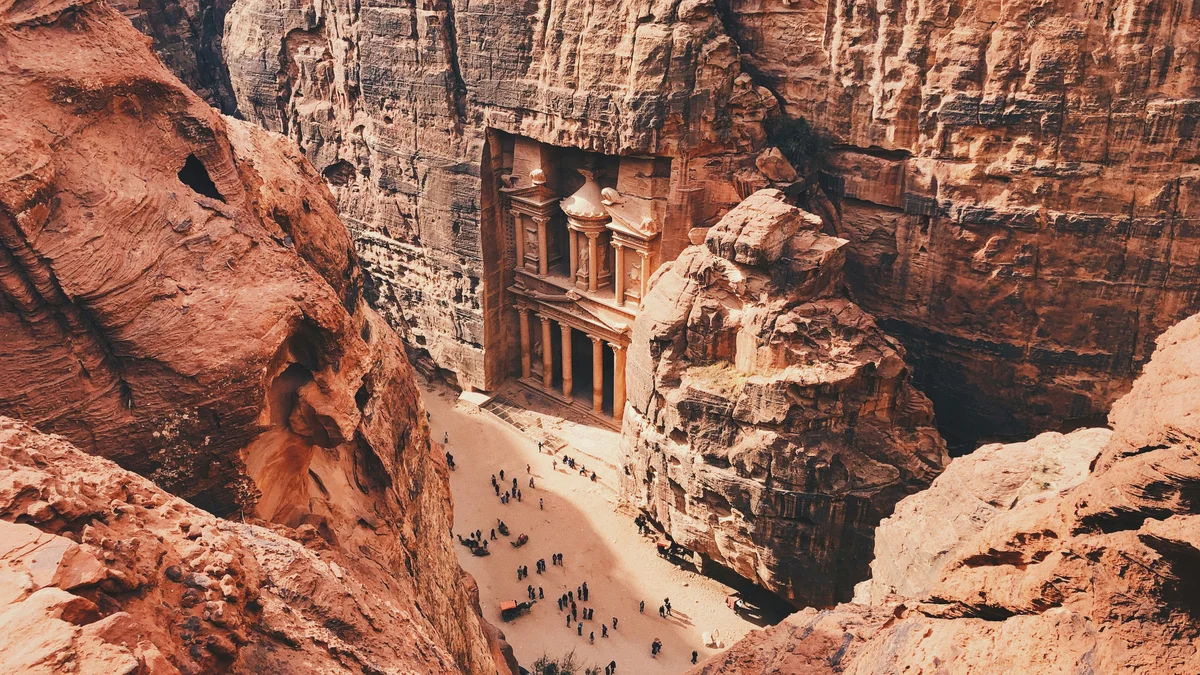
The Treasury's facade emerges from the narrow Siq canyon at the entrance to this rose-red Nabatean city, carved into sandstone cliffs and Jordan's most famous UNESCO World Heritage site.
 Multi-Day Tours
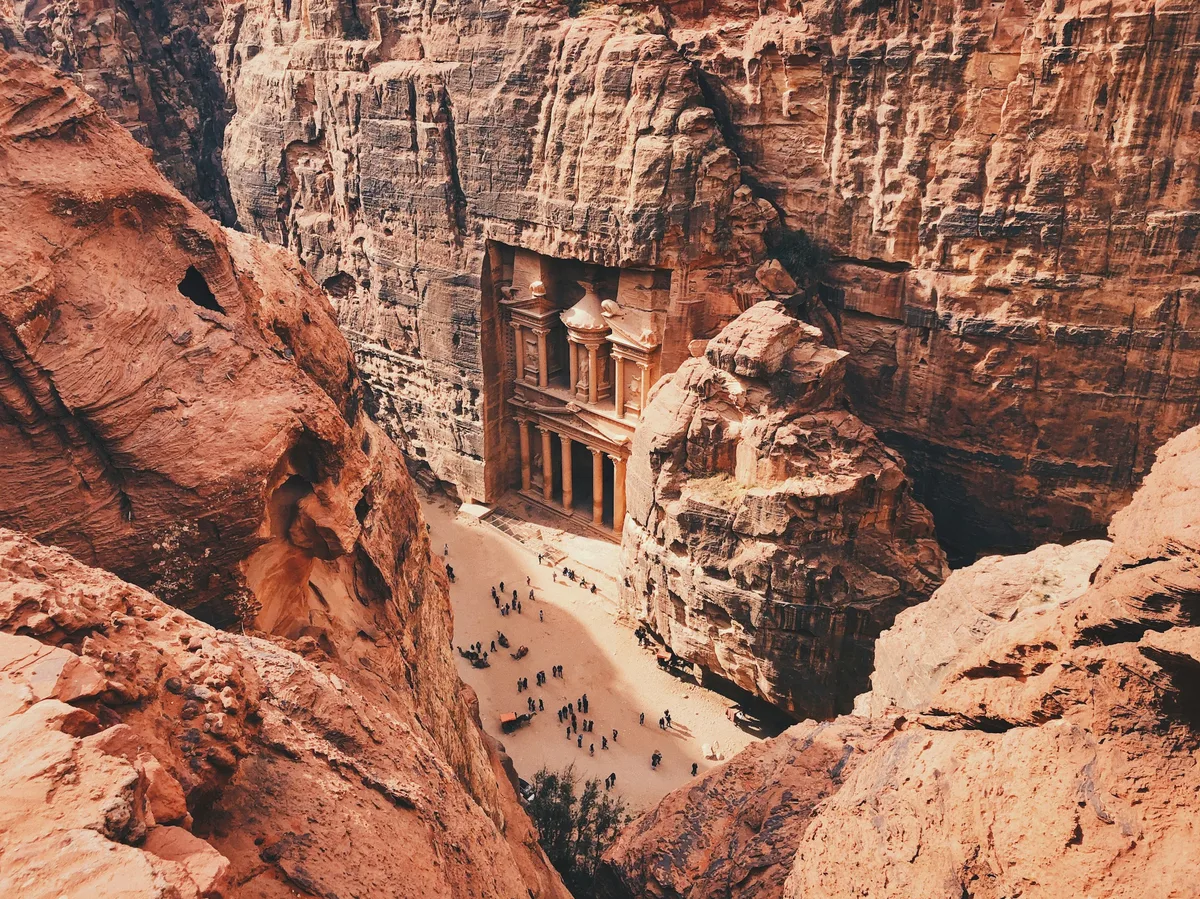
A two-country adventure that opens with Cairo, Luxor, and a Nile cruise to Aswan, then continues overland into Jordan to Petra, Wadi Rum, and the Dead Sea.
 Multi-Day Tours
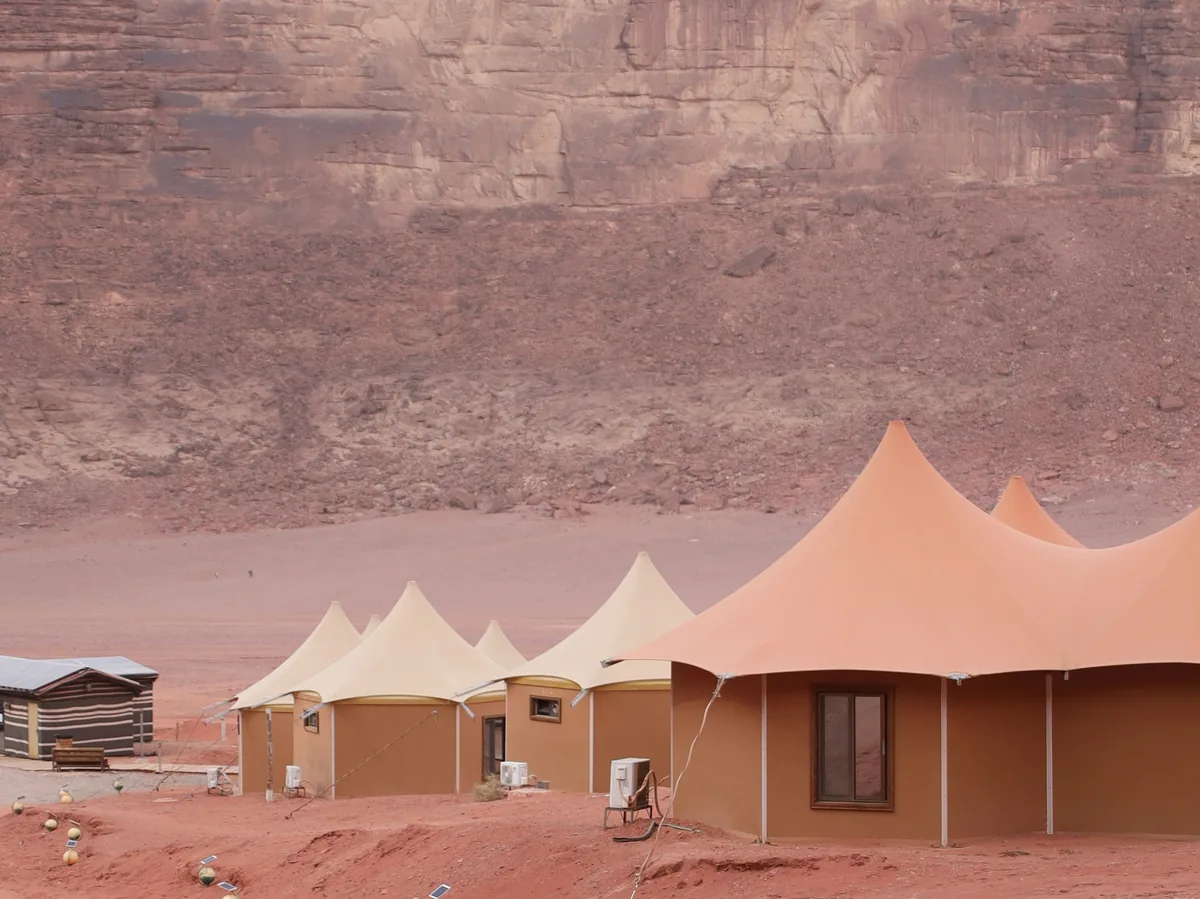
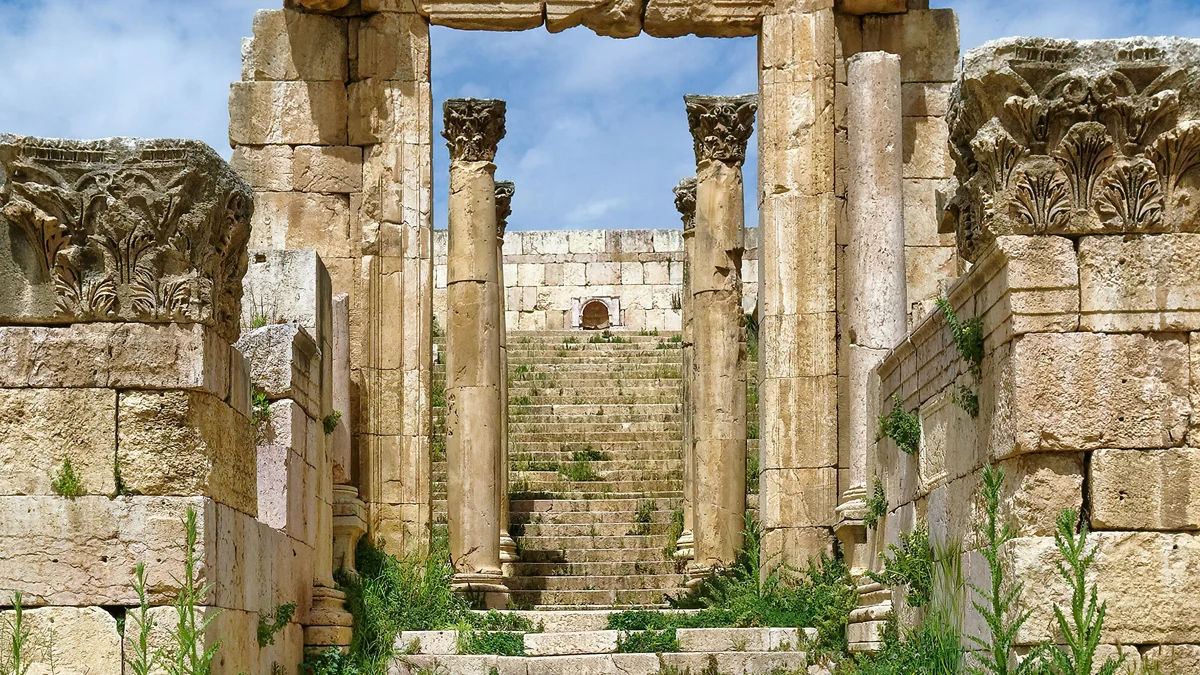
A family-friendly 8-day route from Madaba's mosaics and Jerash's Roman ruins through a Wadi Rum jeep safari and Bedouin camp, Aqaba's beaches, Petra, and a float in the Dead Sea.
 Multi-Day Tours
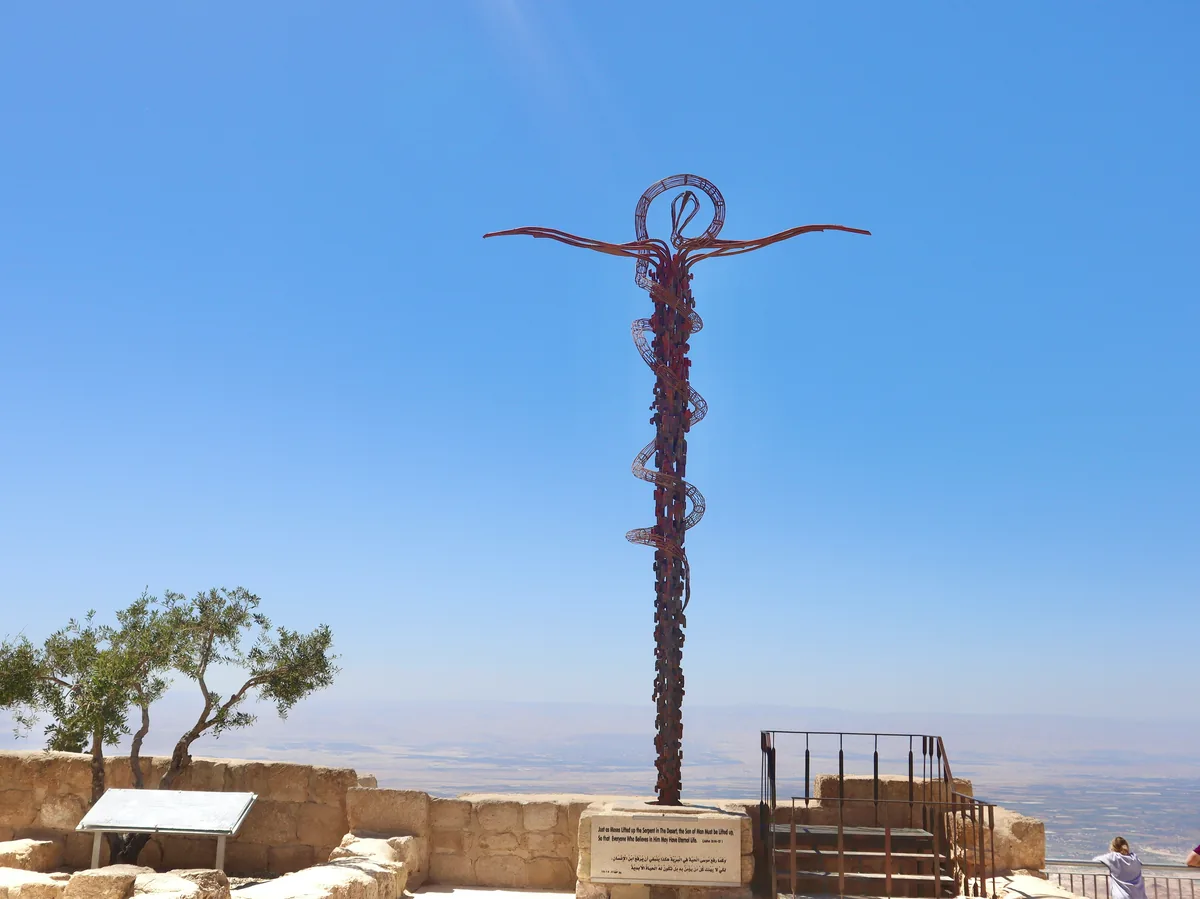
An 8-day pilgrimage route through Madaba's mosaic churches, Mount Nebo and the Bethany baptism site, the Abraham Path near Ajloun, Petra, Wadi Rum, and the Dead Sea's biblical sites.
 Multi-Day Tours
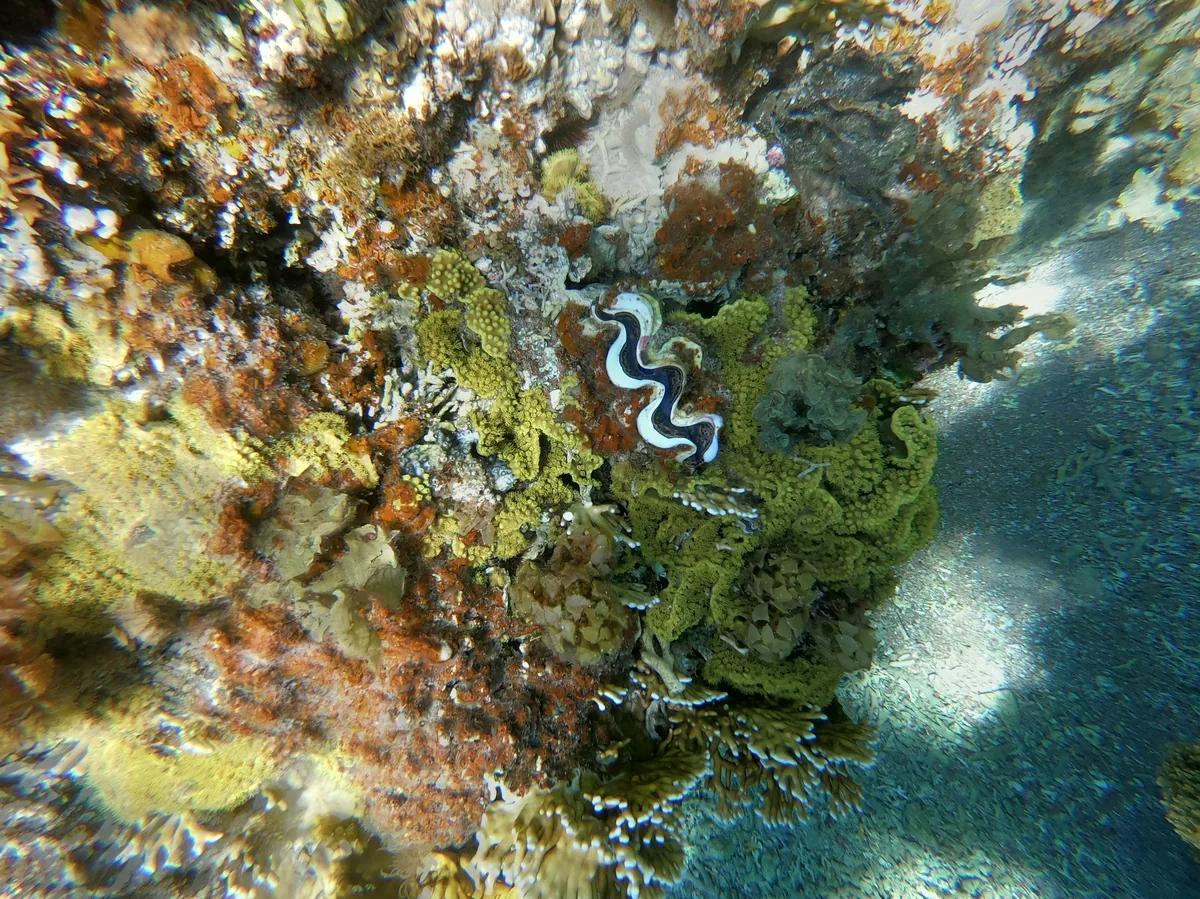
An 8-day dive-focused trip based in Aqaba, covering the Red Sea's coral reefs and shipwrecks across five days of diving, plus a Wadi Rum jeep tour and a day exploring Petra.
 Multi-Day Tours
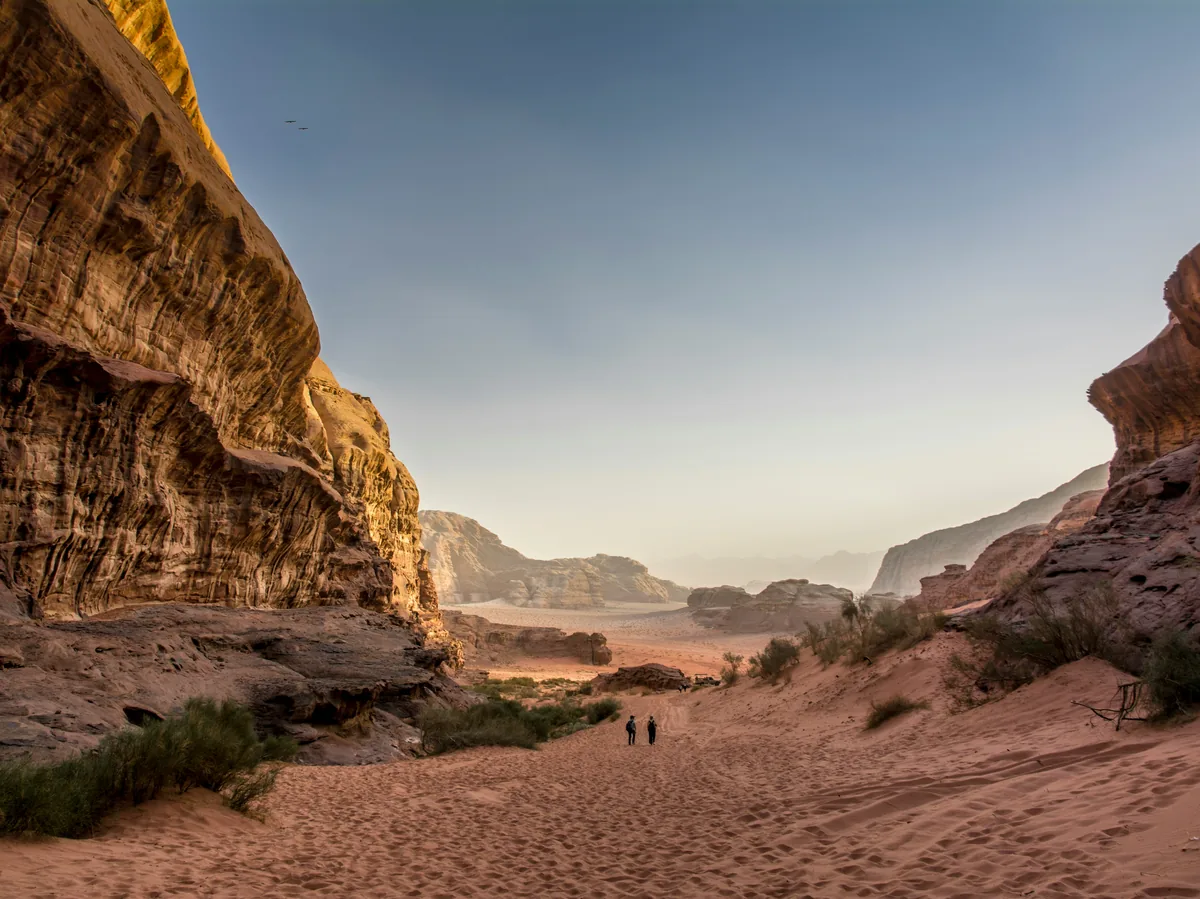
A 10-day hiking route through Ajloun Forest Reserve, the Azraq Wetlands, Wadi Mujib's Siq Trail, the Dana Nature Reserve, Feynan Ecolodge, and a hike into Petra before finishing at Wadi Rum.
 Multi-Day Tours
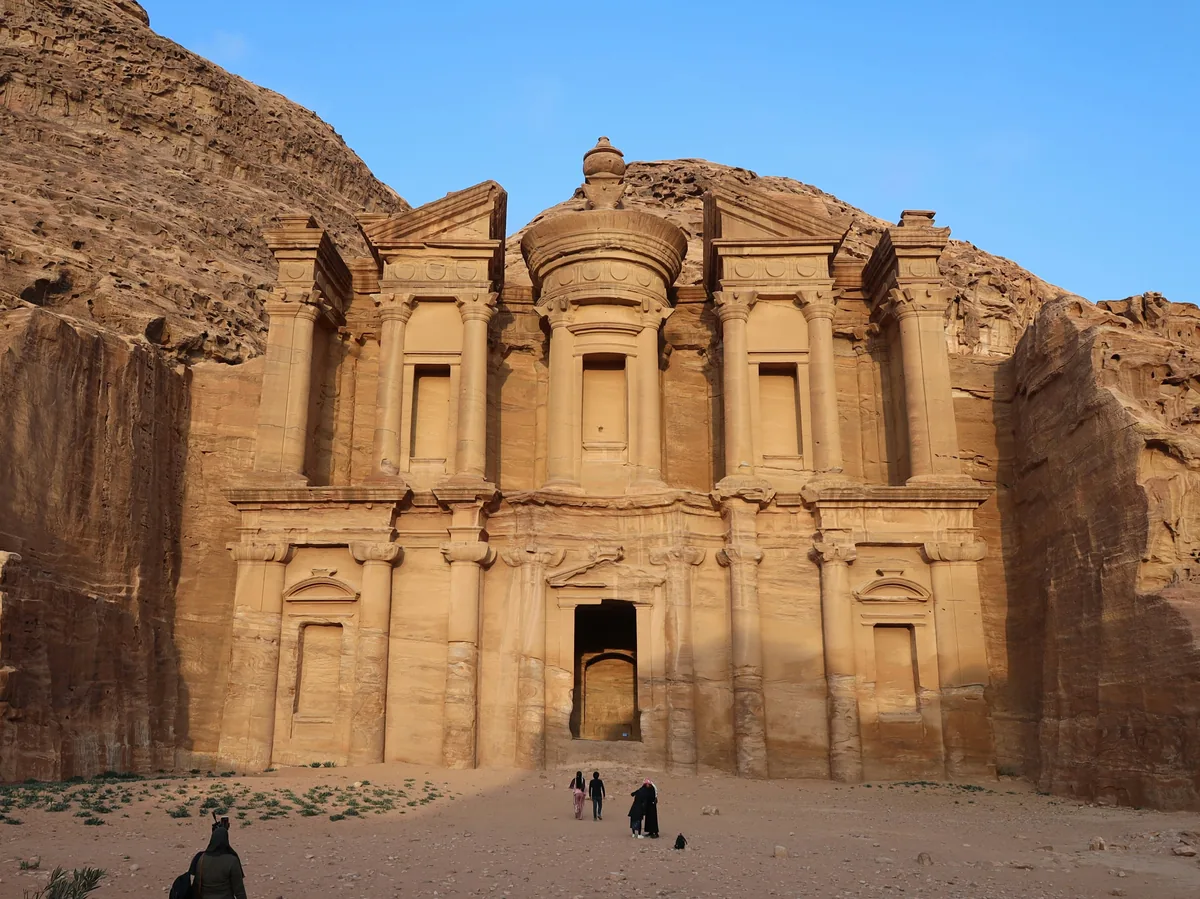
A 12-day route balancing Jordan's headline sights — Jerash, Petra, and Wadi Rum — with beach time in Aqaba, hiking in the Dana Nature Reserve and Wadi Mujib, and a relaxing day at the Dead Sea.
 Multi-Day Tours
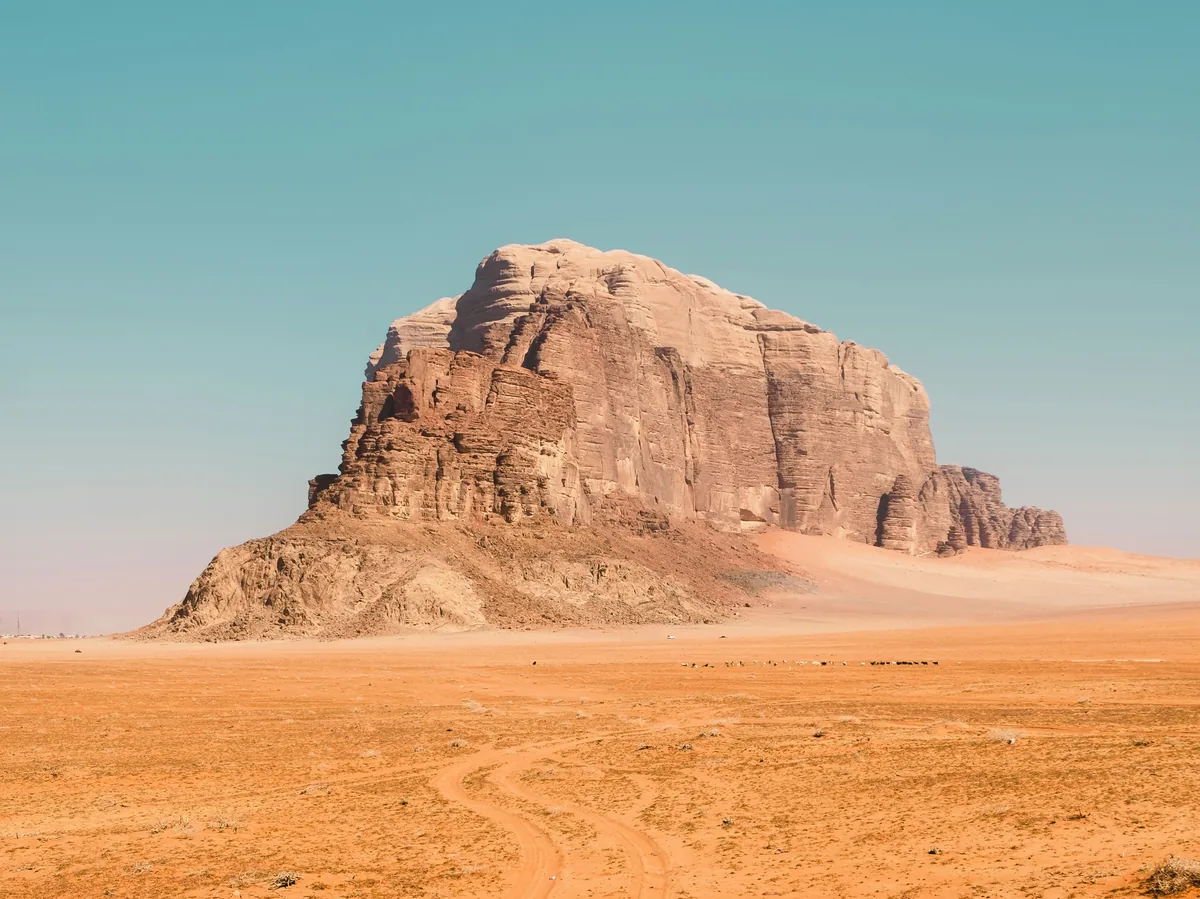
A 10-day active itinerary built around Jordan's water-based adventures — wading through the canyons of Wadi Mujib and Wadi Ghuweir, diving in Aqaba, and a hike to an underground waterfall near Petra.
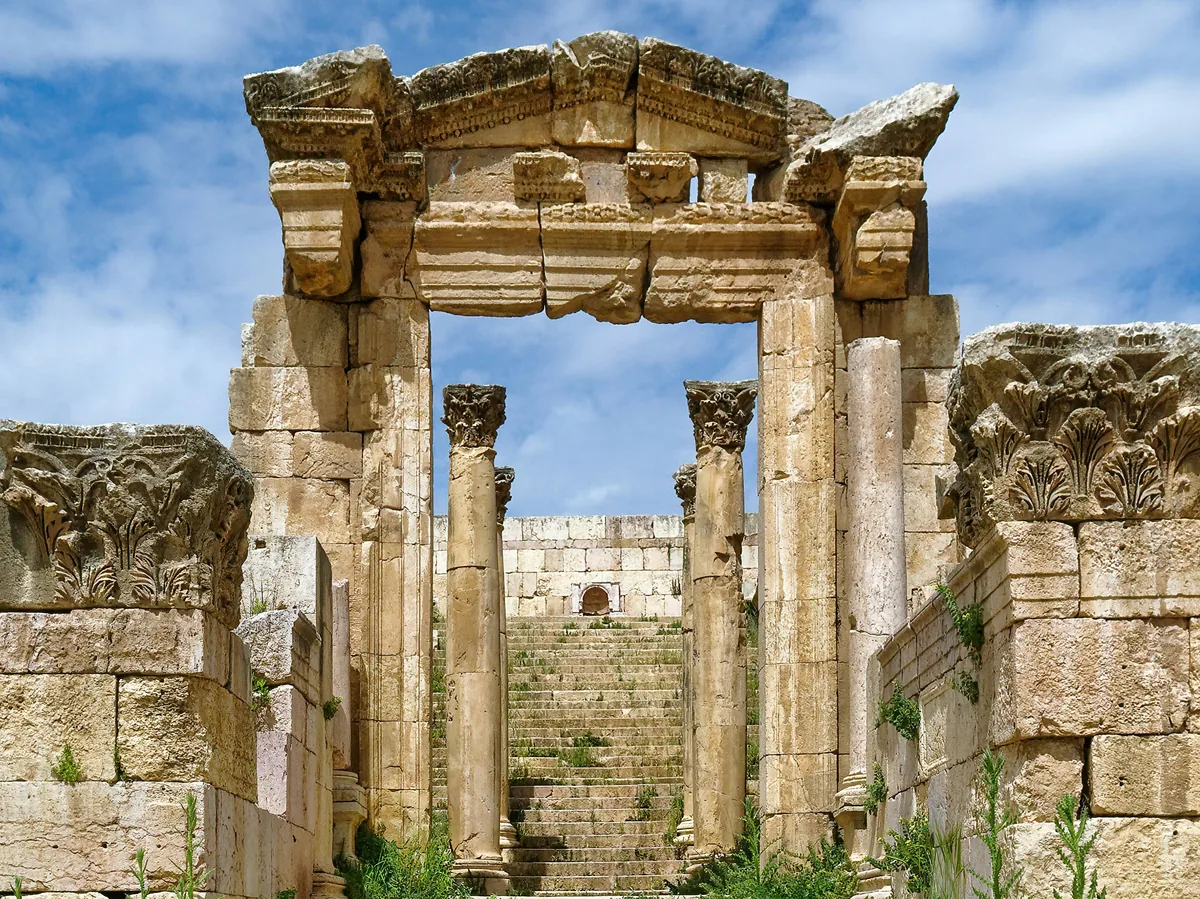 Multi-Day Tours
A 9-day culinary and cultural route through Jerash's Greco-Roman ruins, a cooking class in Petra, a Bedouin dinner in Wadi Rum, and wine and beer tastings back in Amman.
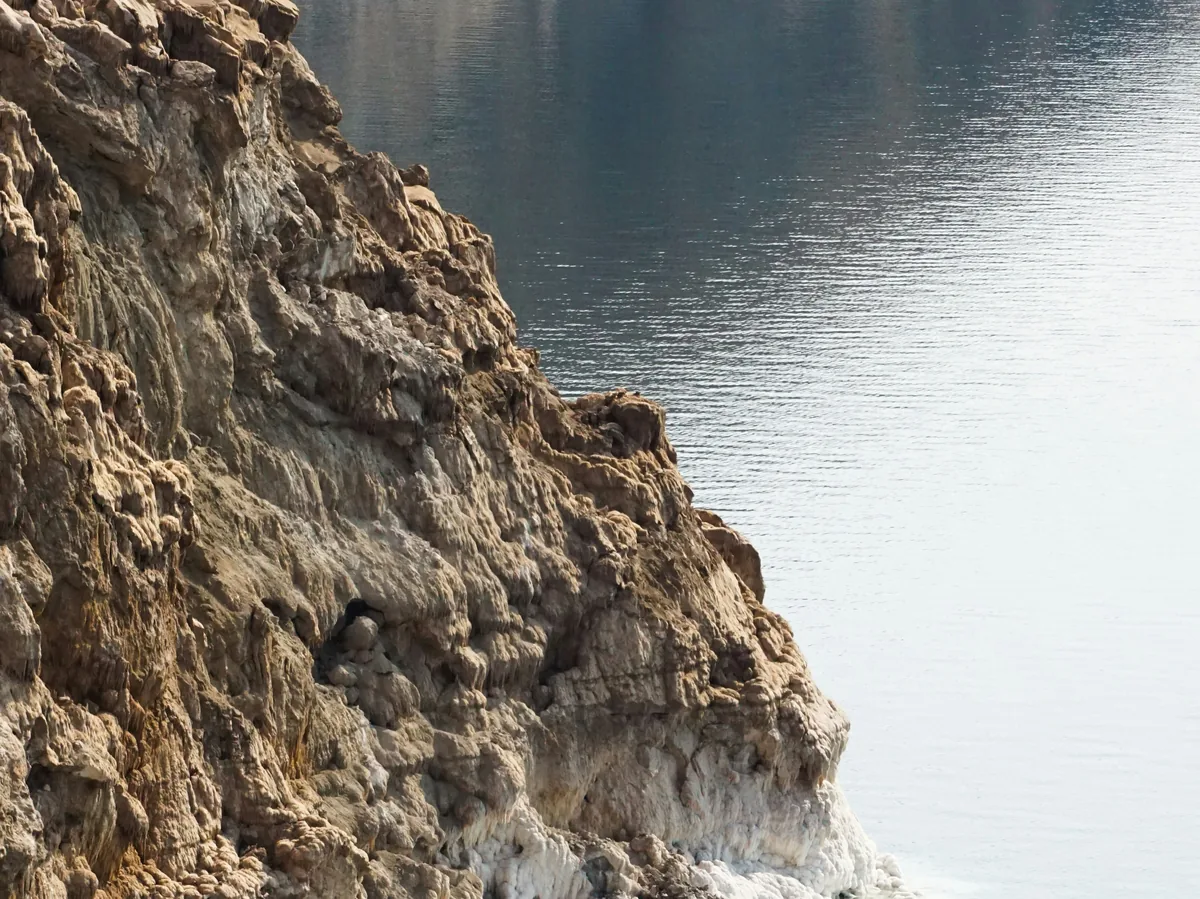 Multi-Day Tours
A two-country pilgrimage that opens and closes in Jordan — Madaba, the Dead Sea, Karak, and Petra — with a border crossing to Jerusalem, Bethlehem, and Nazareth in Israel and Palestine.
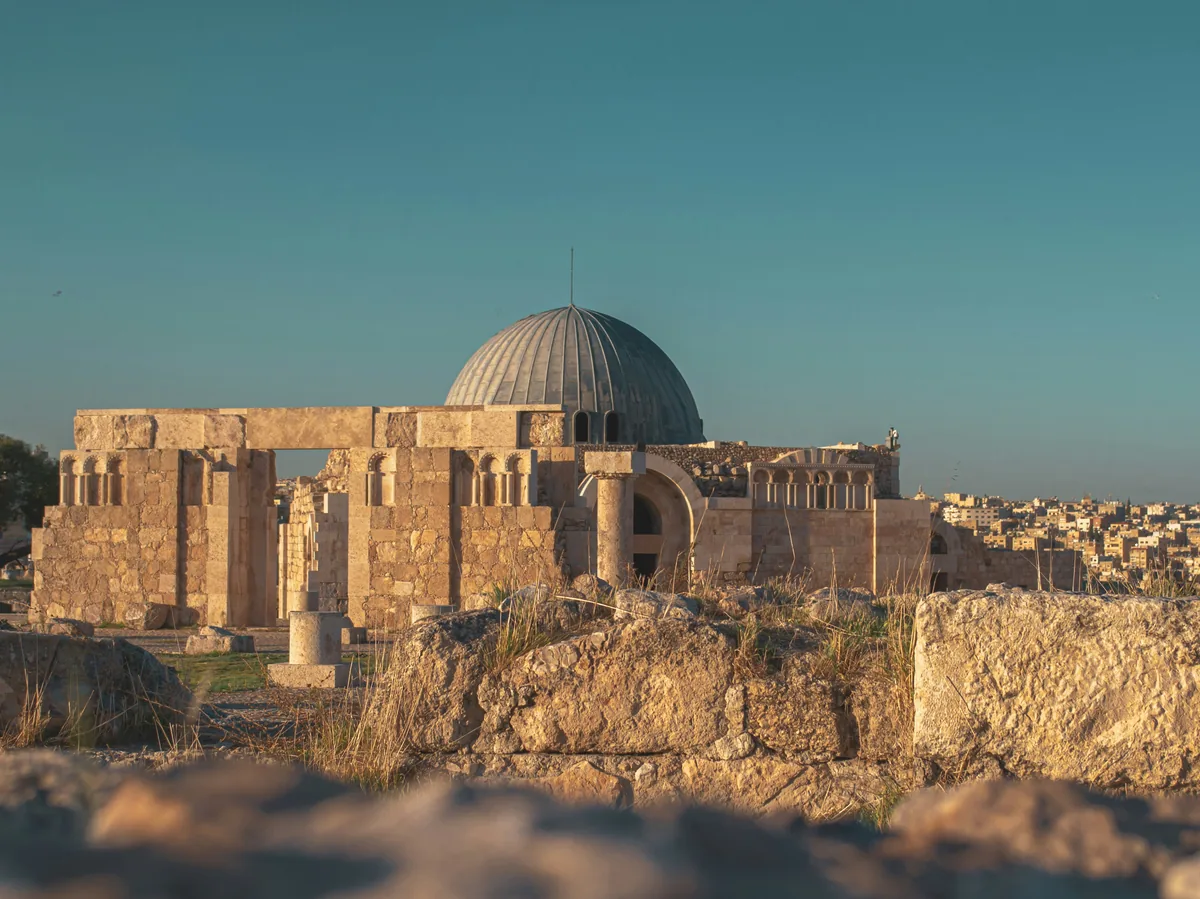 Multi-Day Tours
A 10-day cultural sweep from Amman's Citadel and downtown souks through Jerash, Umm Qais, the Umayyad desert castles, Madaba, Petra, Wadi Rum, and the Dead Sea.
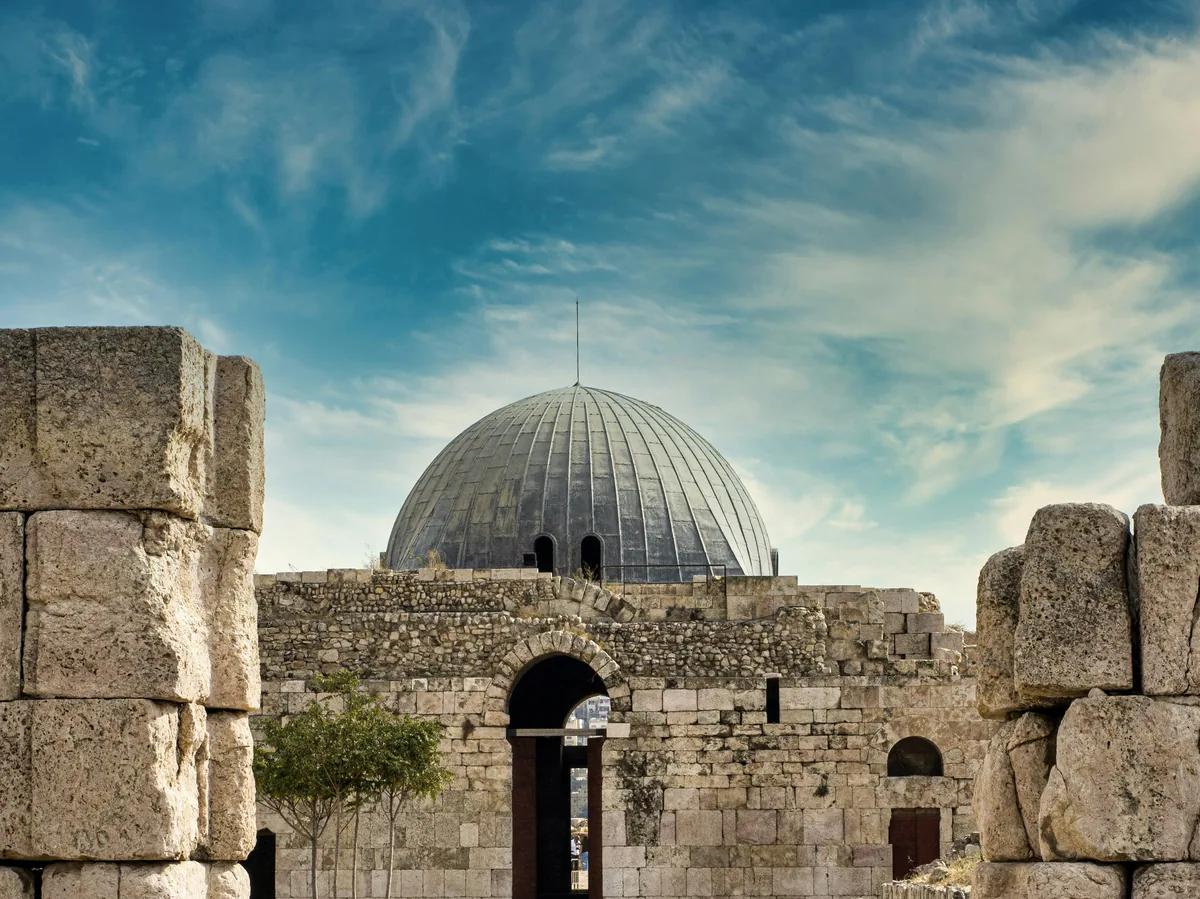 Multi-Day Tours
An 8-day loop starting and ending in Aqaba, covering Wadi Rum, Petra, the Dead Sea, the Bethany baptism site, Madaba, Jerash, Ajloun Castle, and Amman's Citadel.
 Multi-Day Tours
An 11-day heritage route through Amman's Citadel and Islamic shrines, the Yarmouk battlefield, the Eastern Desert's Azraq Castle, Karak, Petra's Jebel Haroun hike, Wadi Rum, and the Dead Sea.
 Multi-Day Tours
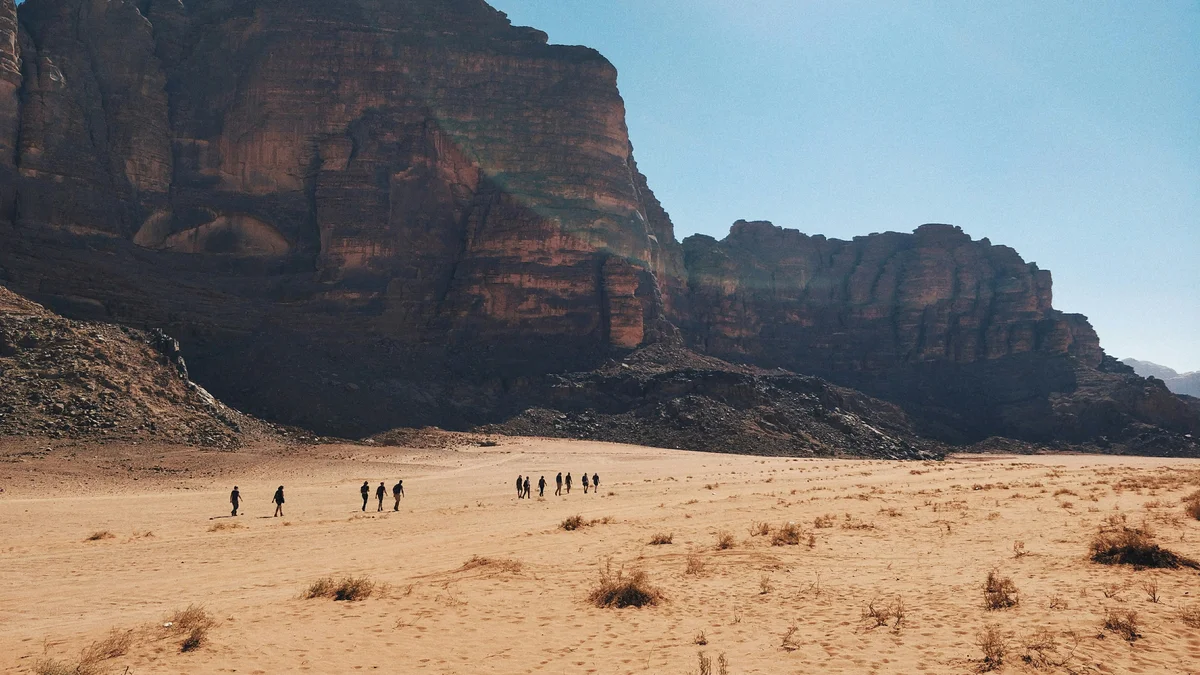
A fast-paced 5-day introduction to Jordan covering Madaba's mosaics, the Dana Nature Reserve, Petra, an overnight Bedouin camp in Wadi Rum, Amman's Citadel, and the Roman ruins of Jerash.
 Multi-Day Tours
A comprehensive 14-day trek following sections of the Jordan Trail, from Amman and Jerash through the Dana and Feynan reserves, a multi-day hike into Little Petra and Petra, and a five-day traverse of Wadi Rum.
 Multi-Day Tours
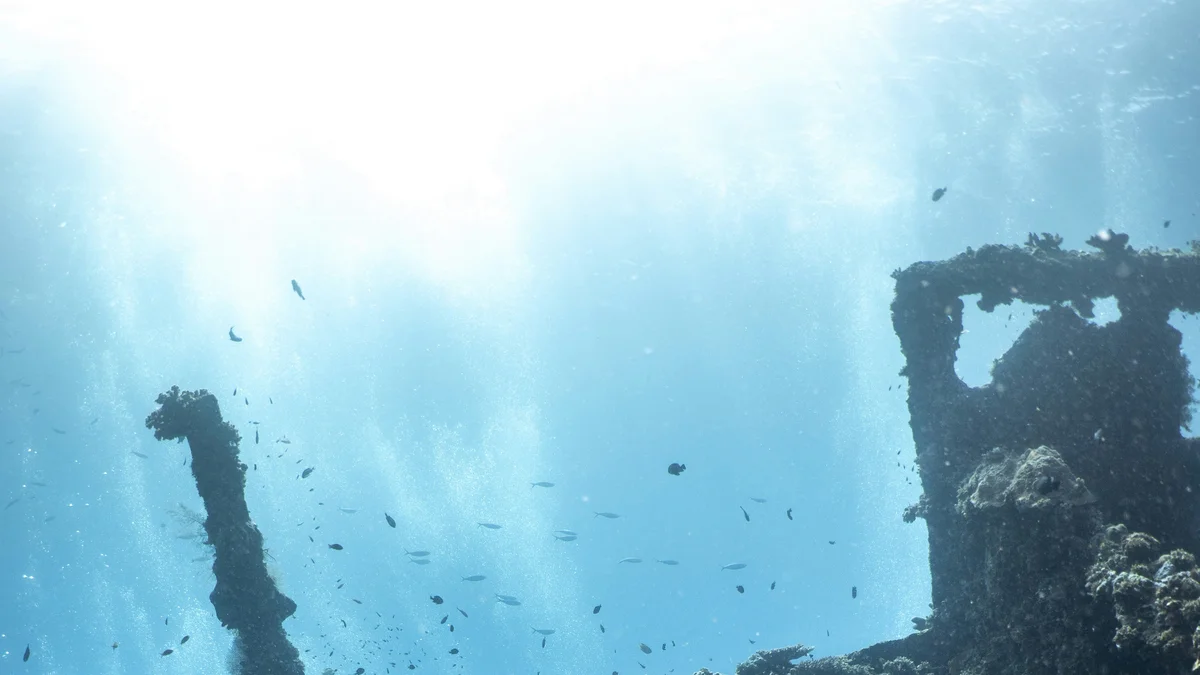
A 6-day dive itinerary based entirely in Aqaba, covering coral reef dives, a night dive to the Cedar Pride shipwreck, the Seven Sisters coral pinnacles, and the Hercules airplane wreck.
 Multi-Day Tours
A fast-paced 5-day loop from Aqaba through a Wadi Rum jeep tour and Bedouin camp, two days exploring Petra, Karak Castle, the Dead Sea, and a final stop at Mount Nebo and Madaba.
Visitor guide
Petra is an ancient rock-cut city in the Ma'an Governorate of southern Jordan, famed for its tombs and temples carved into rose-coloured sandstone and for the narrow gorge, the Siq, that leads into it. It is a UNESCO World Heritage Site and was named one of the New 7 Wonders of the World in a 2007 online poll.
The Nabataeans, a people of Arab origin, settled the area in the 4th century BC, and Petra became their capital in the 2nd century BC. The city prospered as a hub on incense trade routes. Wikipedia emphasises that the Nabataeans controlled water through dams, cisterns and conduits, which allowed a desert city to flourish around an artificial oasis. Its population is estimated to have peaked at around 20,000 in the 1st century AD. The Nabataeans worshipped Dushara as their main male god, along with the goddesses al-Uzza, Allat and Manat.
Rome annexed the Nabataean realm in 106 AD as the province of Arabia Petraea. The emperor Trajan built a road, the Via Traiana Nova, between 111 and 114 linking Syria to the Red Sea through Petra, and Hadrian visited in 130 and gave the city a new honorific name. As trade shifted toward Palmyra and sea routes, Petra declined. A major earthquake in 363 destroyed many structures and damaged the water system. Byzantine churches were built, and the Urn Tomb was converted into a church, with an inscription recording its consecration in 447. After the Muslim conquest the city was largely abandoned, and Crusaders later held the area until 1189.
The Siq is a natural split in the sandstone that doubles as a waterway, only three to four metres wide in places. At its end appears Al-Khazneh, the Treasury, carved from the cliff face to a height of about 39.5 metres. It is possibly the mausoleum of King Aretas IV, and its name reflects a local belief that treasure was hidden there; bullet marks on the urn at the top were left by people who shot at it hoping to release the supposed treasure. Ad Deir, the Monastery, is one of Petra's largest monuments, with a facade about 47 metres wide and 48 metres high; an inscription suggests it may have been dedicated to the deified Obodas I, and construction is dated to around the 1st century AD. Other highlights include the Royal Tombs, among them the Palace, Corinthian, Silk and Urn tombs, and a hillside theatre that Visit Petra says could hold about 4,000 spectators, though excavations suggest up to 6,000. The High Place of Sacrifice on Jebel Madbah is reached by a climb of roughly 800 steps.
The Swiss traveller Johann Ludwig Burckhardt is credited with rediscovering Petra for the Western world in 1812, reportedly posing as a local and using the pretext of sacrificing a goat at the tomb of Aaron. The first accurate drawings followed in 1828, and the artist David Roberts visited in 1839. Petra was designated a World Heritage Site on 6 December 1985, and the Petra Archaeological Park became an autonomous authority in 2007. Local tradition links the surrounding Wadi Musa, the Valley of Moses, to the prophet Moses, and Aaron is said to be buried on nearby Jabal Haroun. In 2016 researchers using satellite imagery and drones identified a large platform outside the city centre whose purpose remains unexplained.
Petra spans a large area of steep terrain, so a visit involves a good deal of walking, and a guide helps explain the facades. The nearby village of Wadi Musa is the closest base. A private tour with a vehicle and driver suits the long transfers by road from Amman or Aqaba.
See every tour and attraction we cover in Jordan.