TorontoOntario · 36 tours
 Niagara FallsOntario · 25 tours
 New York CityNew York · 30 tours
 Las VegasNevada · 8 tours
 San FranciscoCalifornia · 16 tours
 VancouverBritish Columbia · 17 tours
 DubaiUAE · 54 tours
 Abu DhabiUAE · 5 tours
 Buenos AiresArgentina · 23 tours
 AthensGreece · 31 tours
 AucklandNew Zealand · 38 tours
 CancunMexico · 54 tours
No destinations match “”. Try searching all tours instead — that search understands full questions, not just place names.
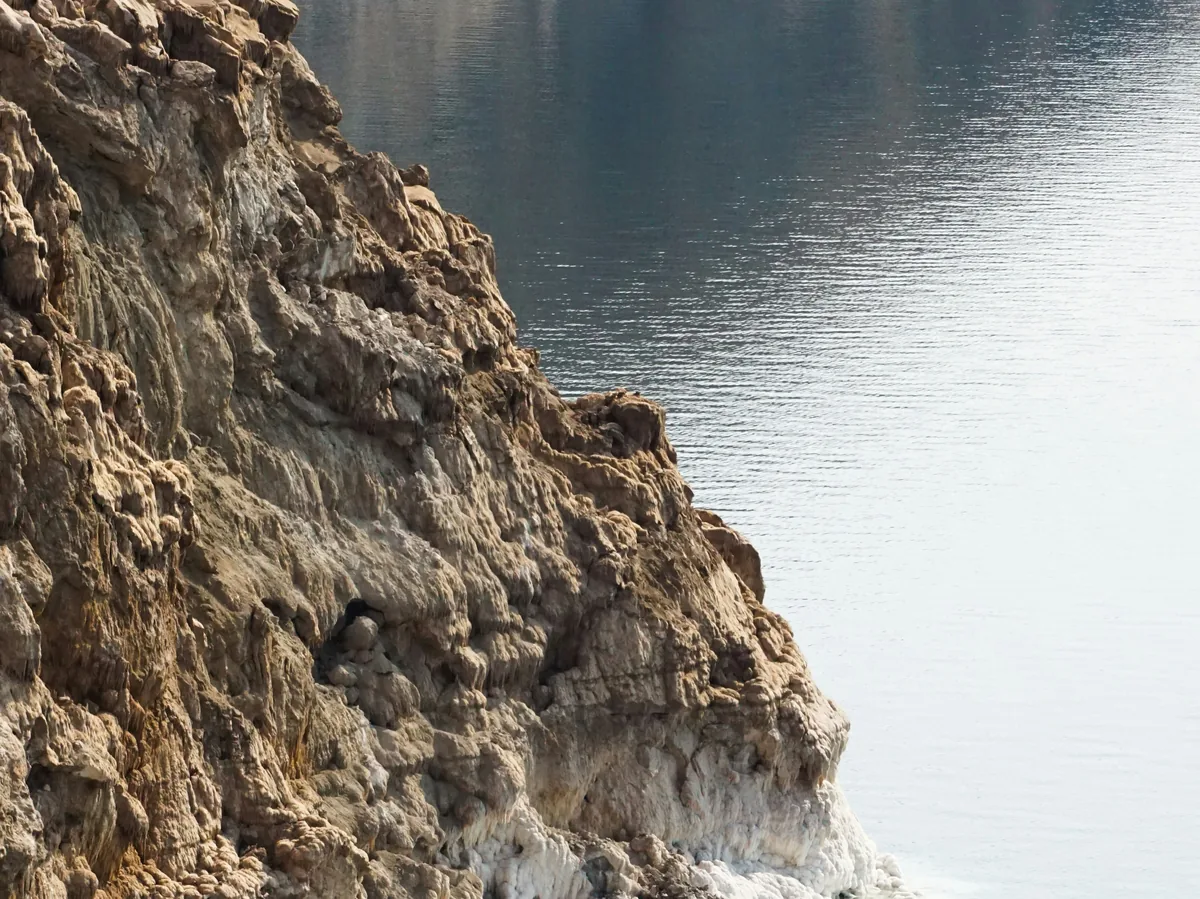
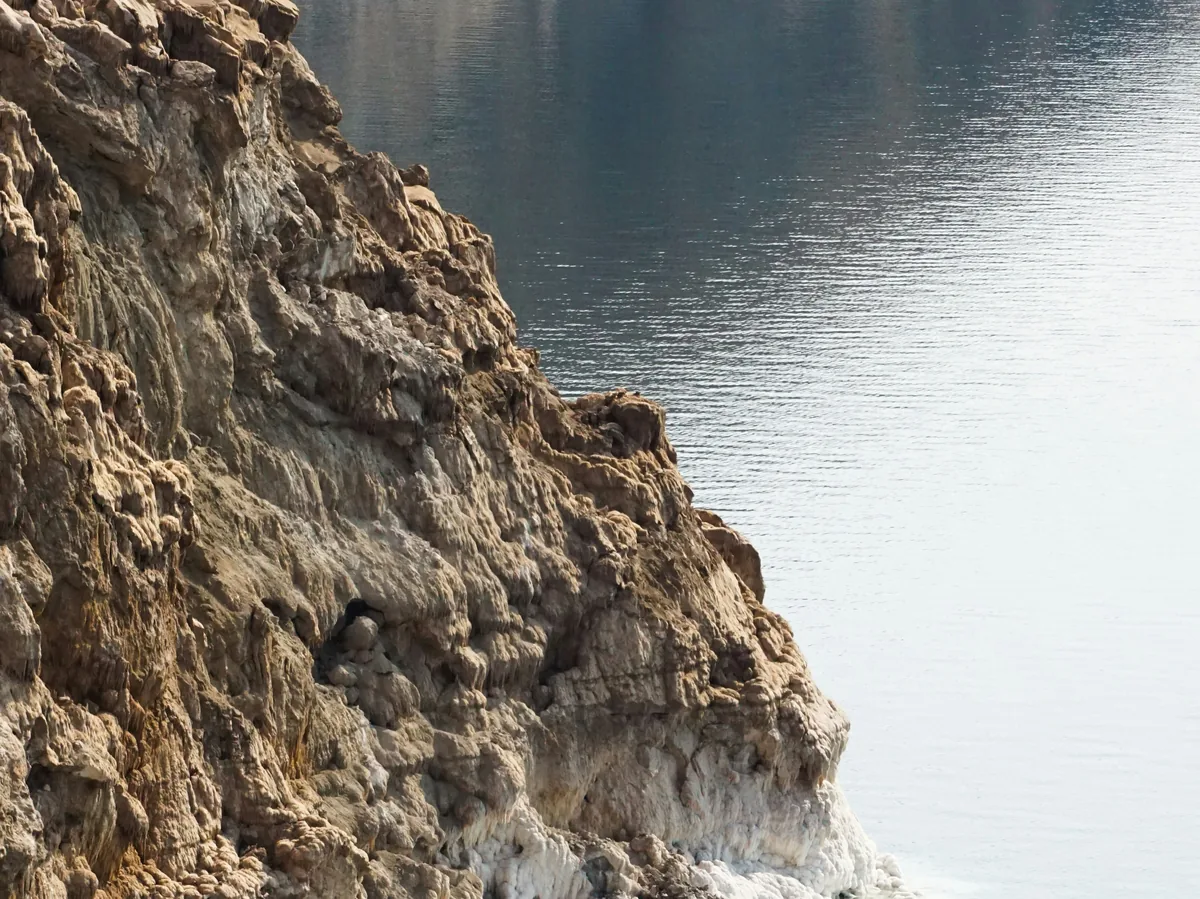
The lowest point on Earth's surface, where the mineral-rich, hyper-saline water makes floating effortless and shoreline salt crystals form natural sculptures.
 Multi-Day Tours
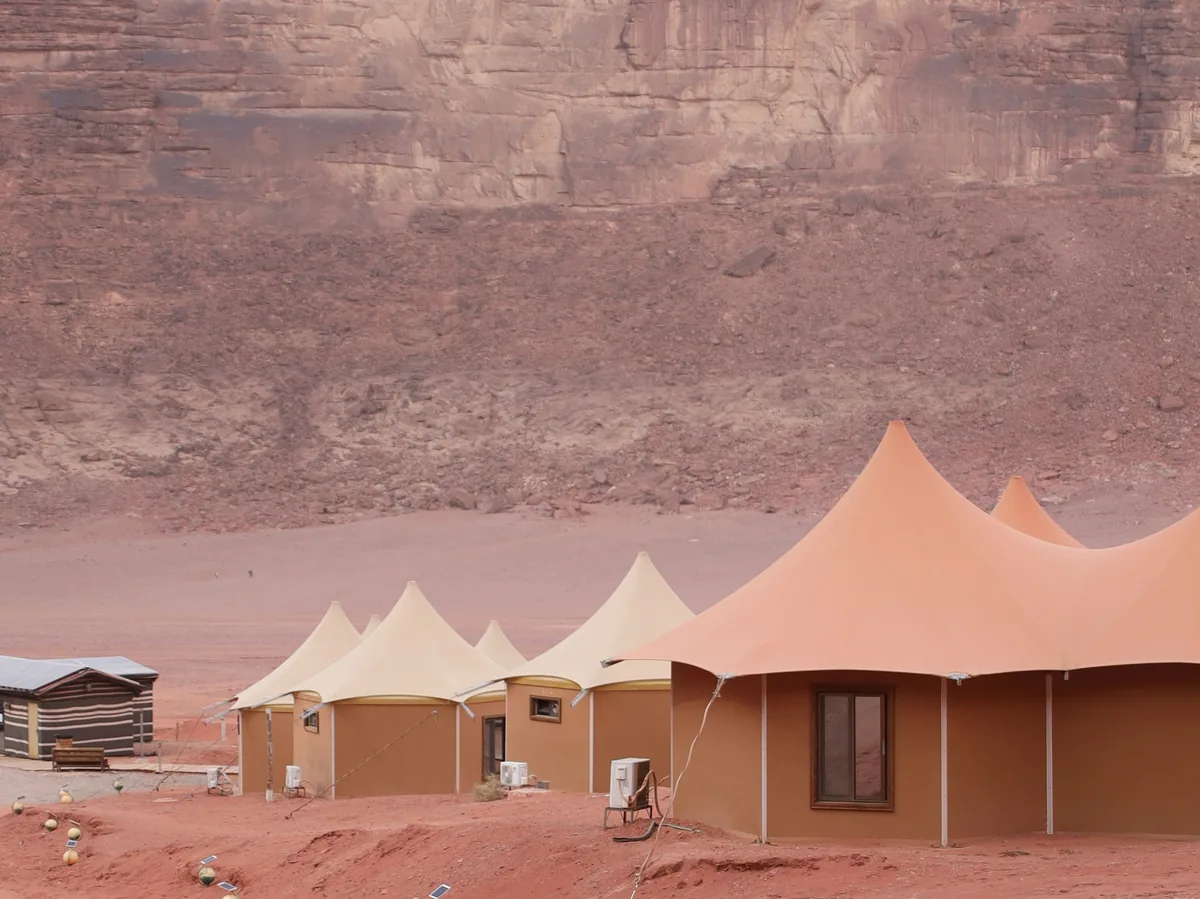
A family-friendly 8-day route from Madaba's mosaics and Jerash's Roman ruins through a Wadi Rum jeep safari and Bedouin camp, Aqaba's beaches, Petra, and a float in the Dead Sea.
 Multi-Day Tours
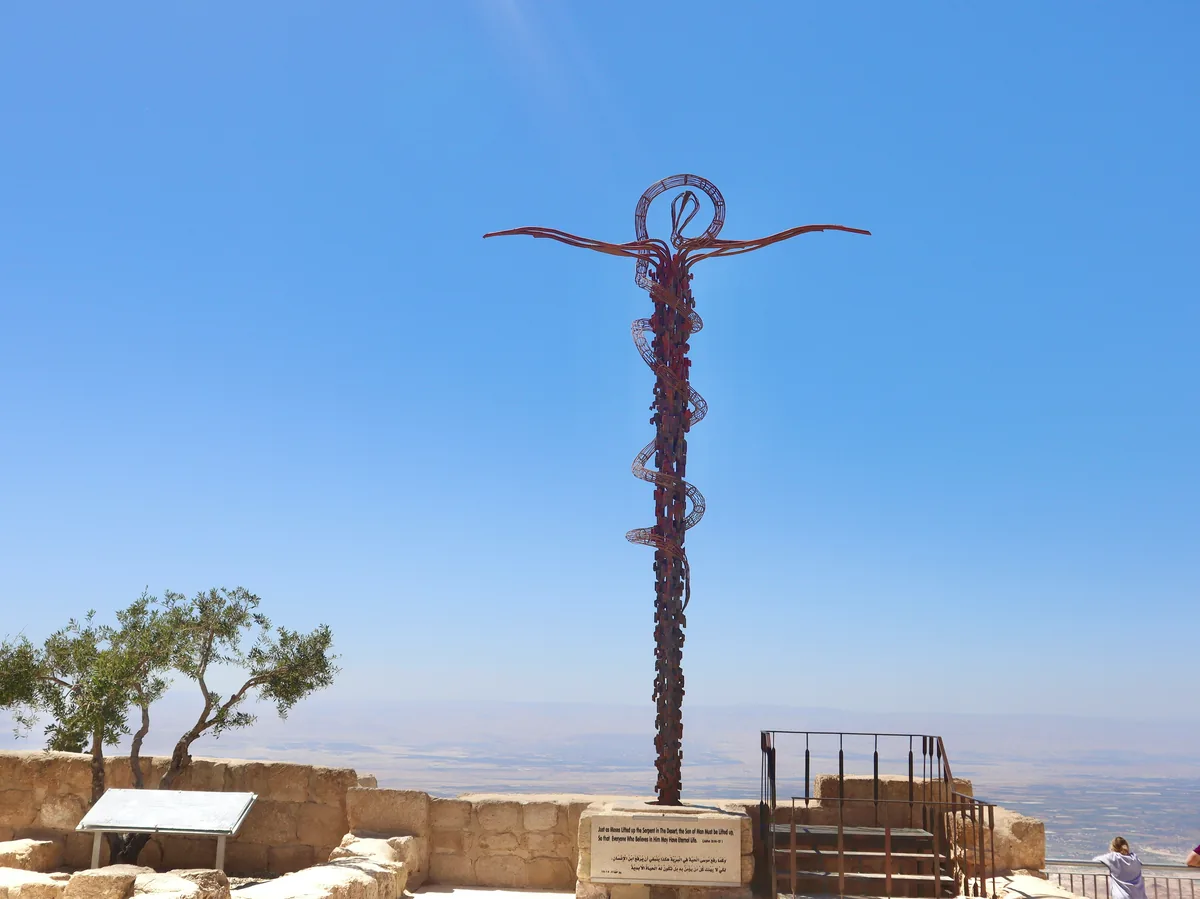
An 8-day pilgrimage route through Madaba's mosaic churches, Mount Nebo and the Bethany baptism site, the Abraham Path near Ajloun, Petra, Wadi Rum, and the Dead Sea's biblical sites.
 Multi-Day Tours
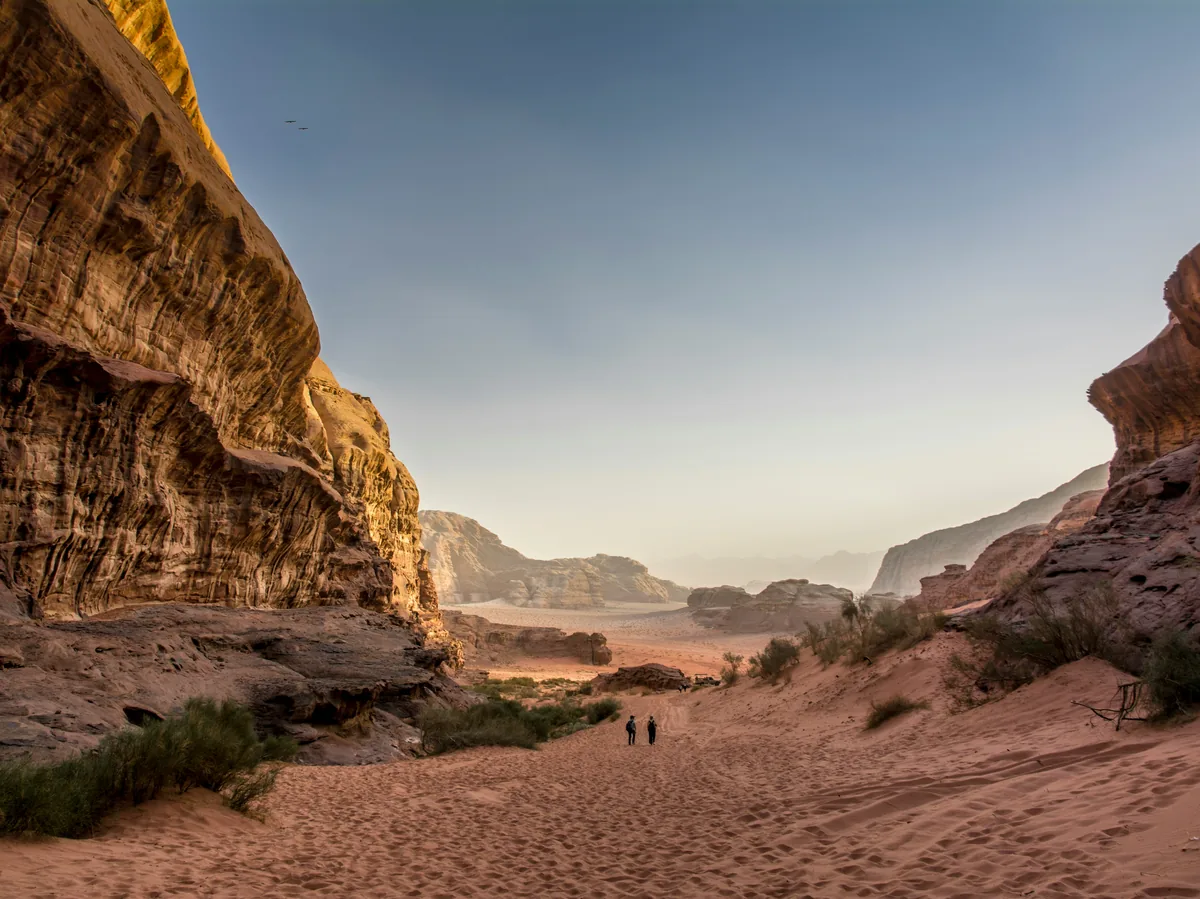
A 10-day hiking route through Ajloun Forest Reserve, the Azraq Wetlands, Wadi Mujib's Siq Trail, the Dana Nature Reserve, Feynan Ecolodge, and a hike into Petra before finishing at Wadi Rum.
 Multi-Day Tours
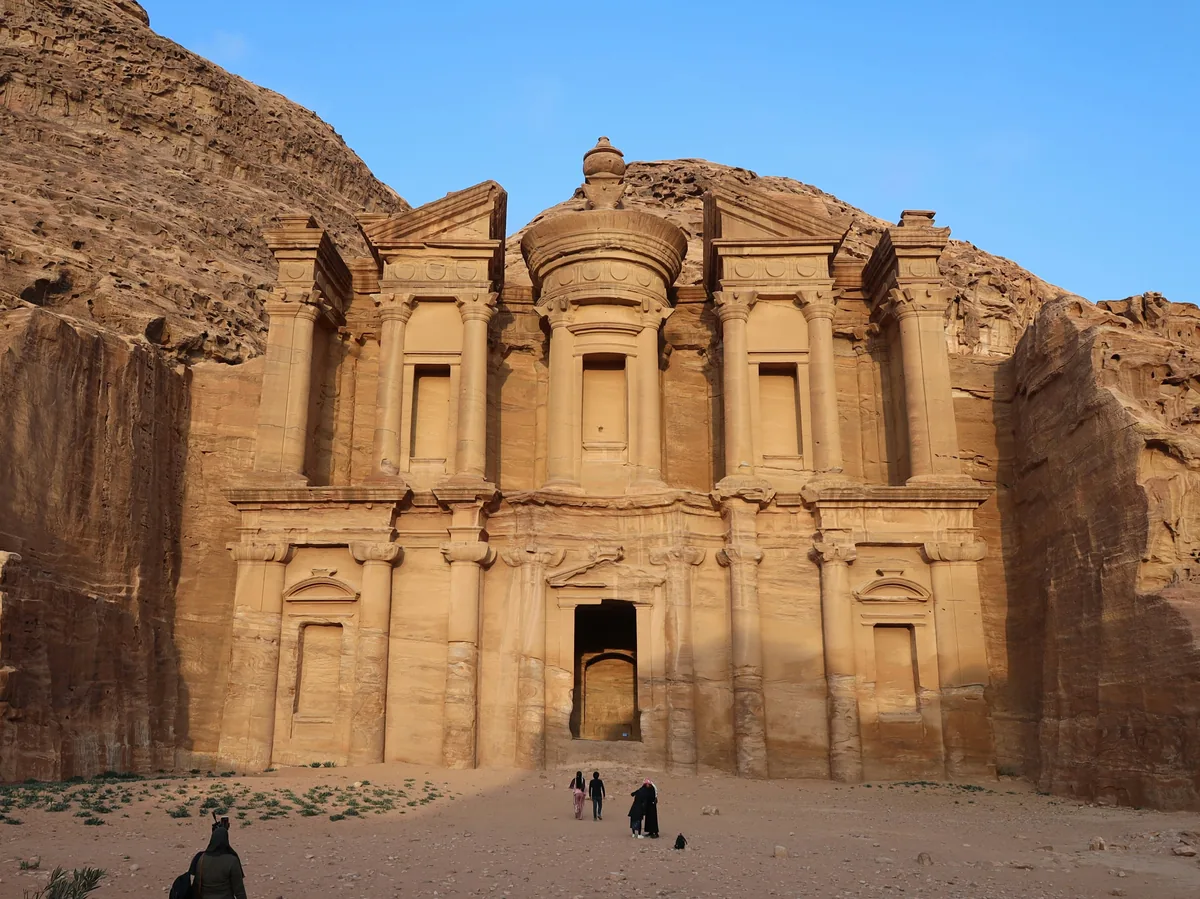
A 12-day route balancing Jordan's headline sights — Jerash, Petra, and Wadi Rum — with beach time in Aqaba, hiking in the Dana Nature Reserve and Wadi Mujib, and a relaxing day at the Dead Sea.
 Multi-Day Tours
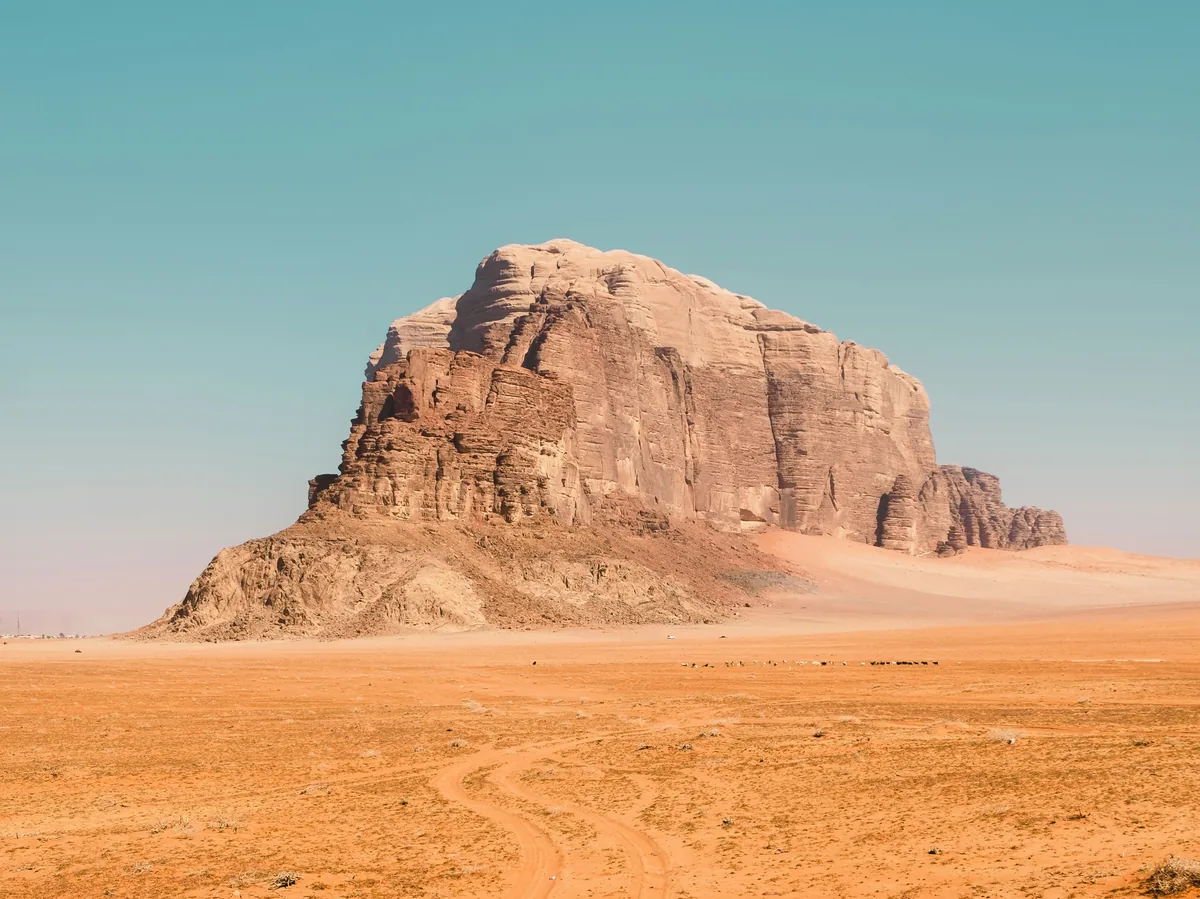
A 10-day active itinerary built around Jordan's water-based adventures — wading through the canyons of Wadi Mujib and Wadi Ghuweir, diving in Aqaba, and a hike to an underground waterfall near Petra.
 Multi-Day Tours
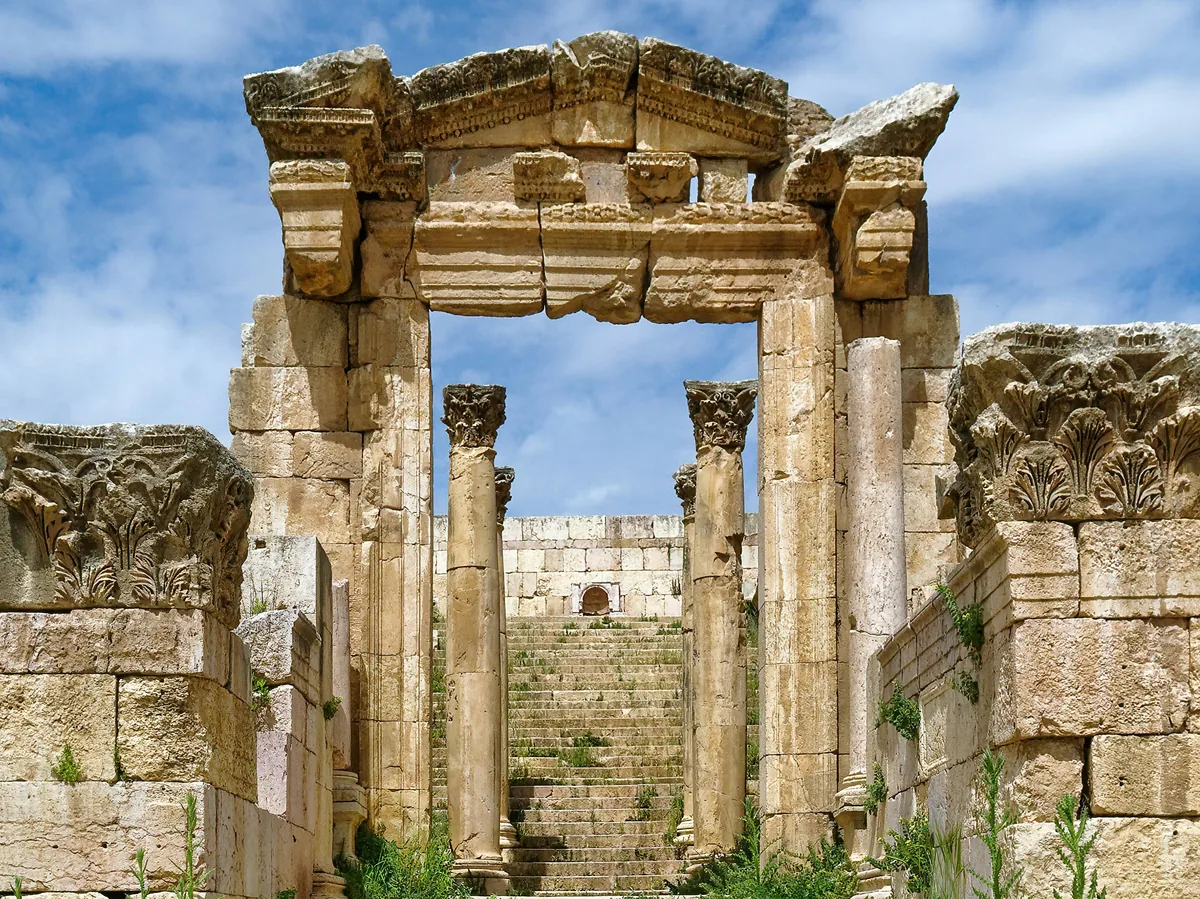
A 9-day culinary and cultural route through Jerash's Greco-Roman ruins, a cooking class in Petra, a Bedouin dinner in Wadi Rum, and wine and beer tastings back in Amman.
 Multi-Day Tours
A two-country pilgrimage that opens and closes in Jordan — Madaba, the Dead Sea, Karak, and Petra — with a border crossing to Jerusalem, Bethlehem, and Nazareth in Israel and Palestine.
 Multi-Day Tours
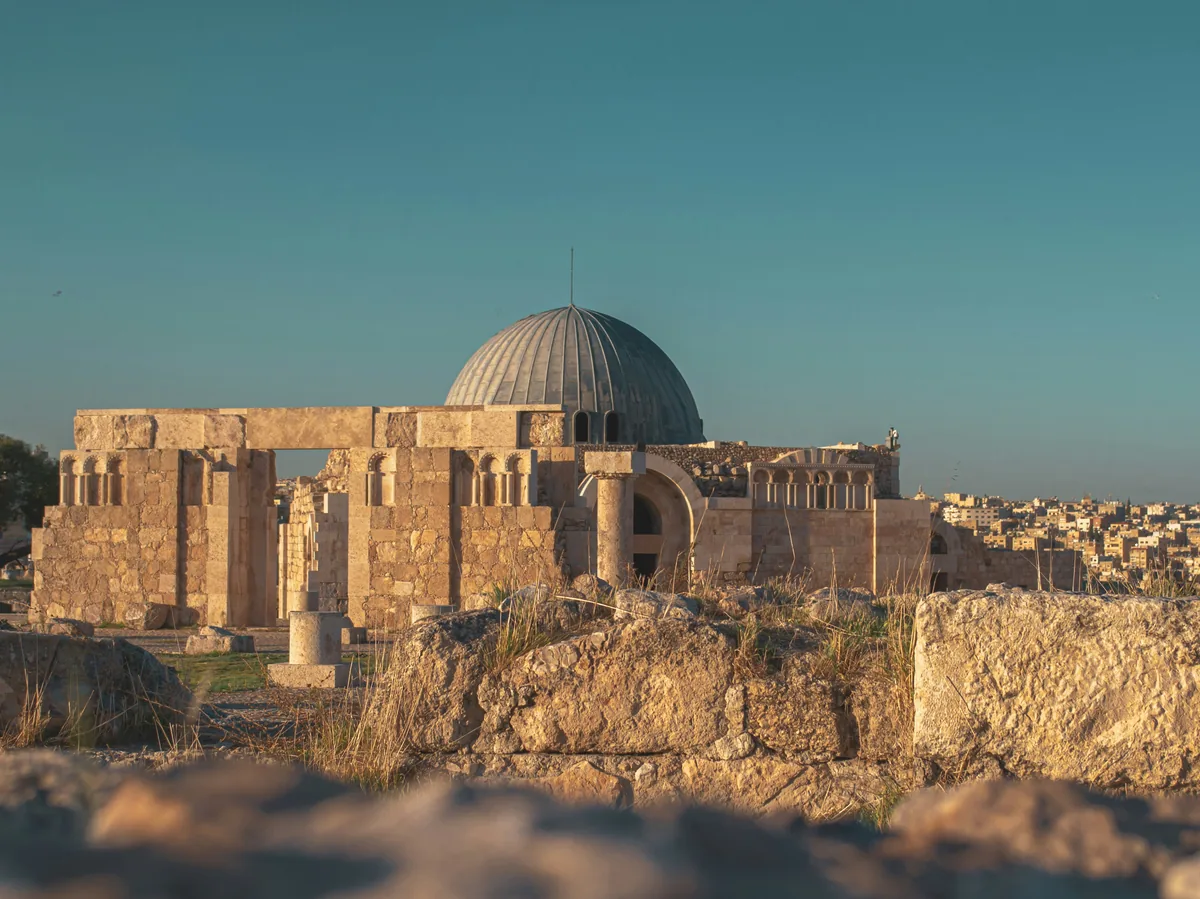
A 10-day cultural sweep from Amman's Citadel and downtown souks through Jerash, Umm Qais, the Umayyad desert castles, Madaba, Petra, Wadi Rum, and the Dead Sea.
 Multi-Day Tours
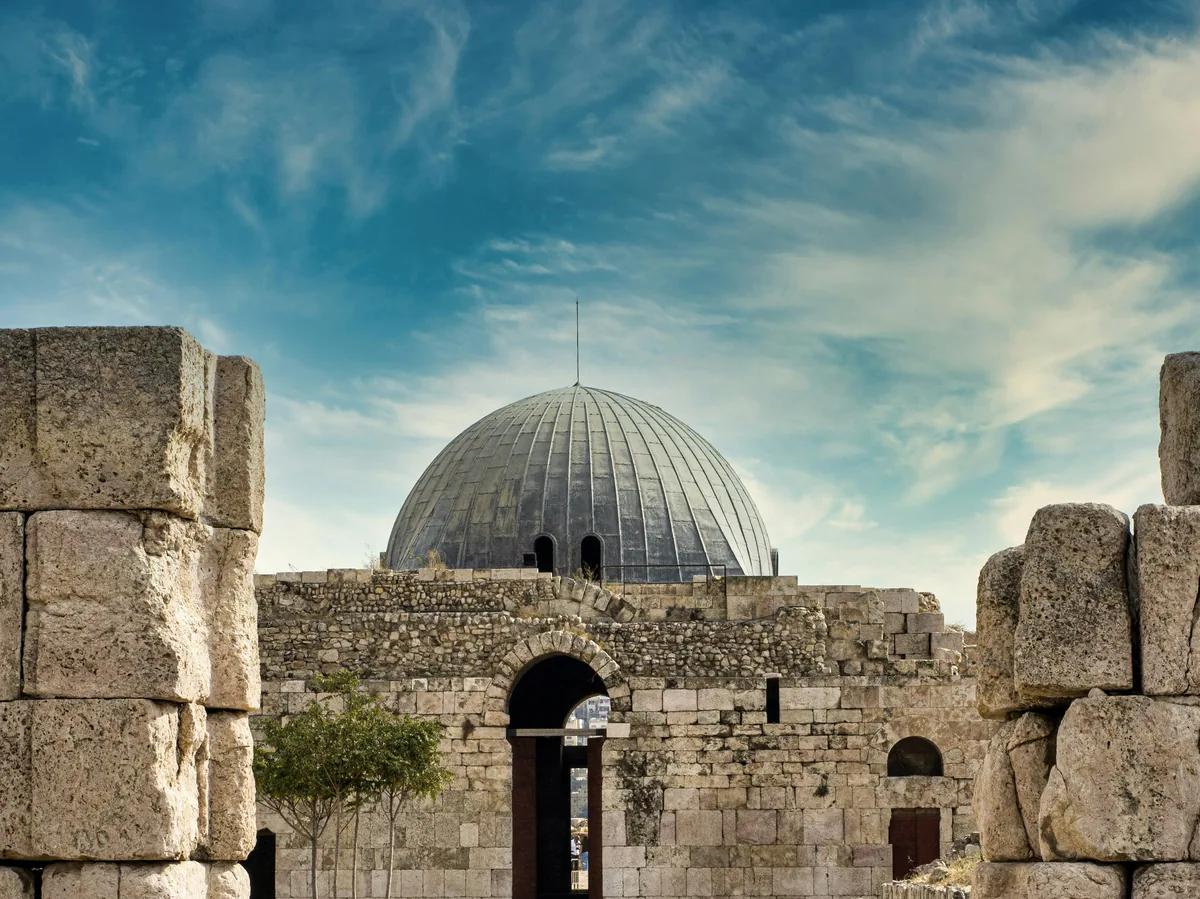
An 8-day loop starting and ending in Aqaba, covering Wadi Rum, Petra, the Dead Sea, the Bethany baptism site, Madaba, Jerash, Ajloun Castle, and Amman's Citadel.
 Multi-Day Tours
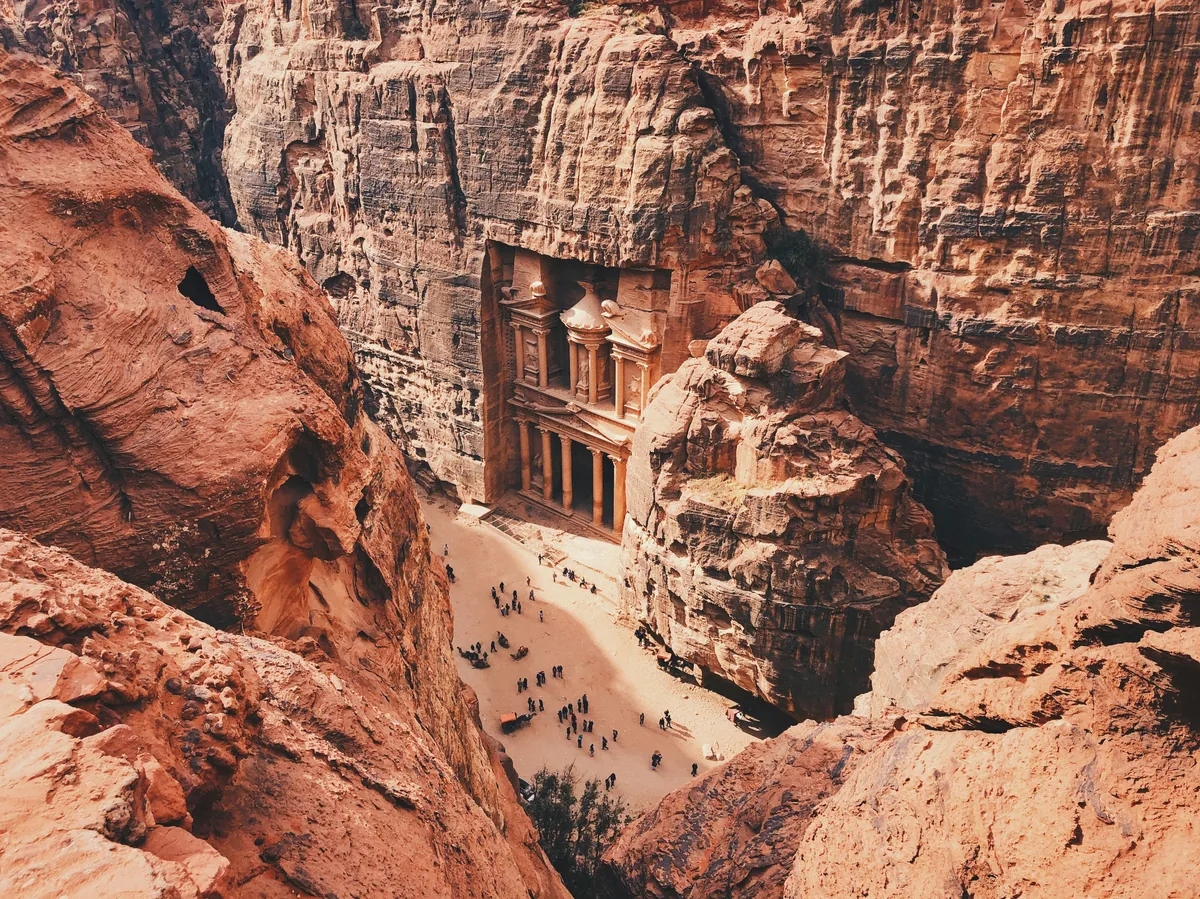
An 11-day heritage route through Amman's Citadel and Islamic shrines, the Yarmouk battlefield, the Eastern Desert's Azraq Castle, Karak, Petra's Jebel Haroun hike, Wadi Rum, and the Dead Sea.
 Multi-Day Tours
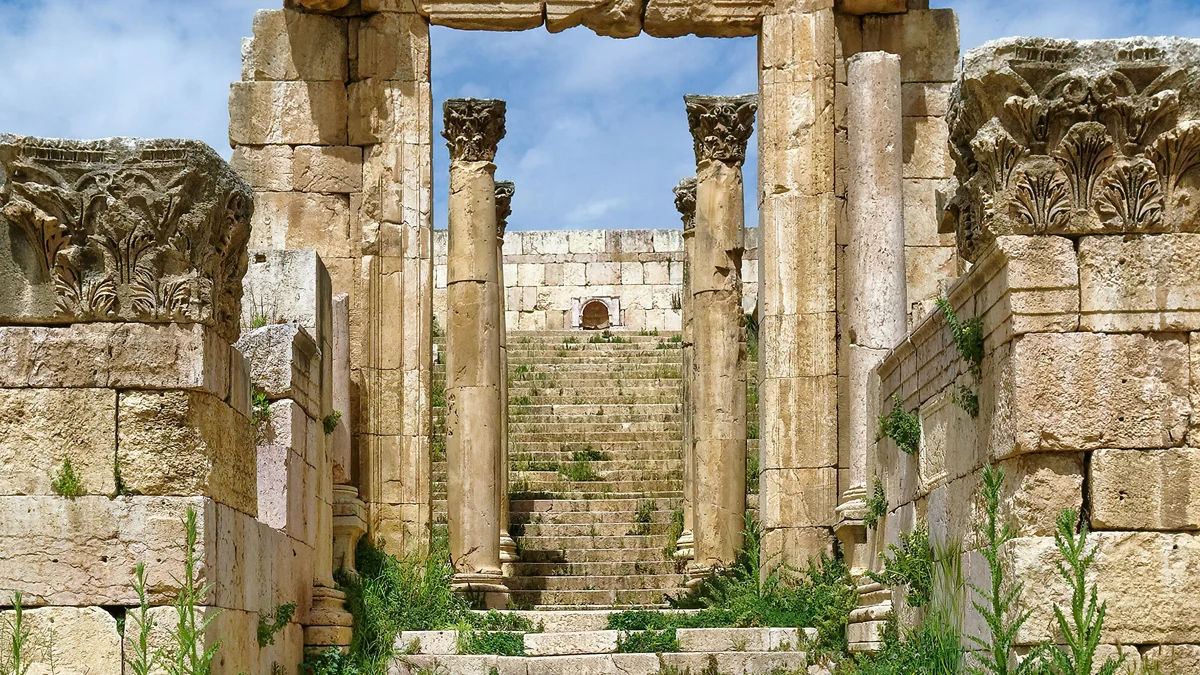
A fast-paced 5-day introduction to Jordan covering Madaba's mosaics, the Dana Nature Reserve, Petra, an overnight Bedouin camp in Wadi Rum, Amman's Citadel, and the Roman ruins of Jerash.
 Multi-Day Tours
A fast-paced 5-day loop from Aqaba through a Wadi Rum jeep tour and Bedouin camp, two days exploring Petra, Karak Castle, the Dead Sea, and a final stop at Mount Nebo and Madaba.
Visitor guide
The Dead Sea is a landlocked salt lake in the Jordan Rift Valley, bordered by Jordan to the east, the West Bank to the west and Israel to the southwest. Its shores are the lowest land-based elevation on Earth, and its extremely salty water makes floating almost effortless.
The surface lies more than 420 metres below sea level and is falling, which is why sources give slightly different figures. The northern basin is roughly 50 kilometres long and 15 kilometres wide at its widest point, with an average depth of about 188 metres. The lake has no outlet. Its main tributary is the Jordan River, entering from the north, with other inflows including Wadi Mujib and Wadi Arava. The climate is hot desert, with under 50 millimetres of rain a year on average and summer temperatures averaging 32 to 39 degrees Celsius. Air pressure is about five percent above the sea level standard.
Salinity was 34.2 percent in 2011, about 9.6 times saltier than the ocean, and the water has a density of about 1.24 kilograms per litre, which is why bathers float. The salt composition differs from the sea, dominated by magnesium and calcium chlorides rather than sodium chloride, with one of the highest bromide concentrations of any water on Earth. The area has long been a health destination, and studies have suggested benefits for conditions such as psoriasis. Dead Sea salts and mud are widely used in skin-care products.
The Hebrew Bible calls it the Sea of Salt, the oldest known name, and tradition links it with Sodom and Gomorrah and with Lot, which is why the Arabic name is often Sea of Lot. Greek and Roman writers called it Asphaltites after the bitumen that floats on it, and Aristotle described its extreme salinity. Herod the Great built fortresses and palaces on the western shore, most famously Masada, while Machaerus on the eastern shore is linked in tradition to John the Baptist. The Dead Sea Scrolls were found in caves near Qumran in the late 1940s and early 1950s.
Potash and other minerals have been extracted from the lake since the early 20th century, and Jordan's Arab Potash Company, formed in 1956, works on the southern shore. The lake has shrunk sharply since the 1960s, when Jordan River water began to be diverted. Wikipedia reports the level fell from about 390 metres below sea level in 1930 to about 439 metres in 2025, and the surface area fell from 1,050 square kilometres in 1930 to roughly 605 square kilometres in 2016. As the shoreline retreats, sinkholes have formed around it.
On the Jordanian side, resort hotels line the eastern shore, and visitors typically float, apply the mineral mud and shower afterward. Because the water is so salty, it should be kept out of the eyes and mouth, and a guide will advise on where to enter safely. A private tour with a driver easily connects the Dead Sea with Madaba, Mount Nebo and Amman, which lie a short distance up the escarpment.
See every tour and attraction we cover in Jordan.