TorontoOntario · 36 tours
 Niagara FallsOntario · 25 tours
 New York CityNew York · 30 tours
 Las VegasNevada · 8 tours
 San FranciscoCalifornia · 16 tours
 VancouverBritish Columbia · 17 tours
 DubaiUAE · 54 tours
 Abu DhabiUAE · 5 tours
 Buenos AiresArgentina · 23 tours
 AthensGreece · 31 tours
 AucklandNew Zealand · 38 tours
 CancunMexico · 54 tours
No destinations match “”. Try searching all tours instead — that search understands full questions, not just place names.
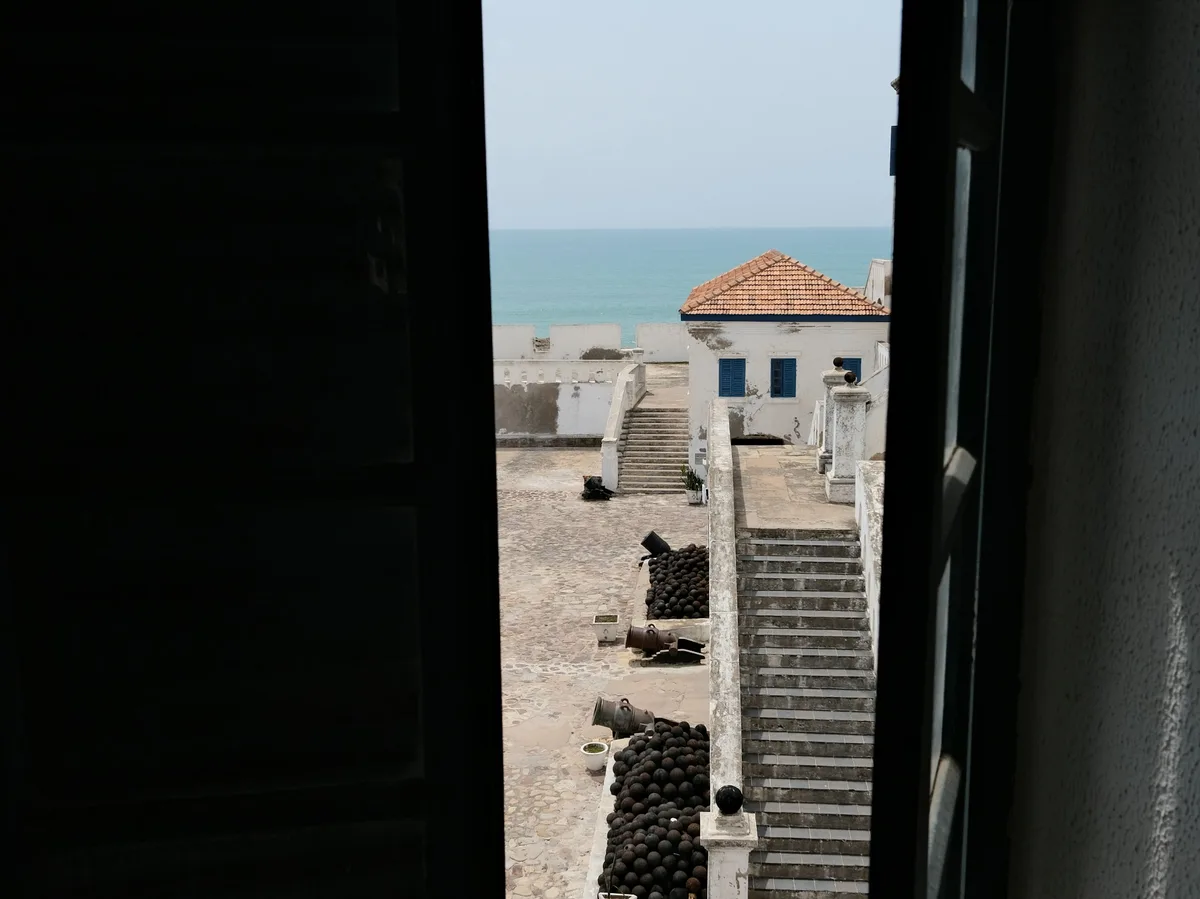
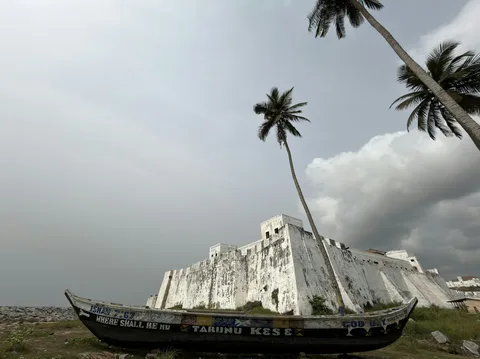
A UNESCO World Heritage Site built in 1653 and one of the largest of Ghana's Trans-Atlantic slave trade forts, with dungeons, the Door of No Return, and the West African Historical Museum documenting its history.
 Multi-Day Tours
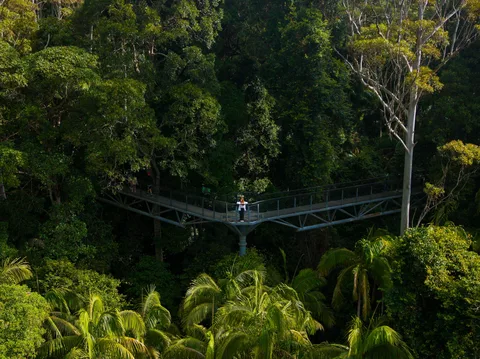
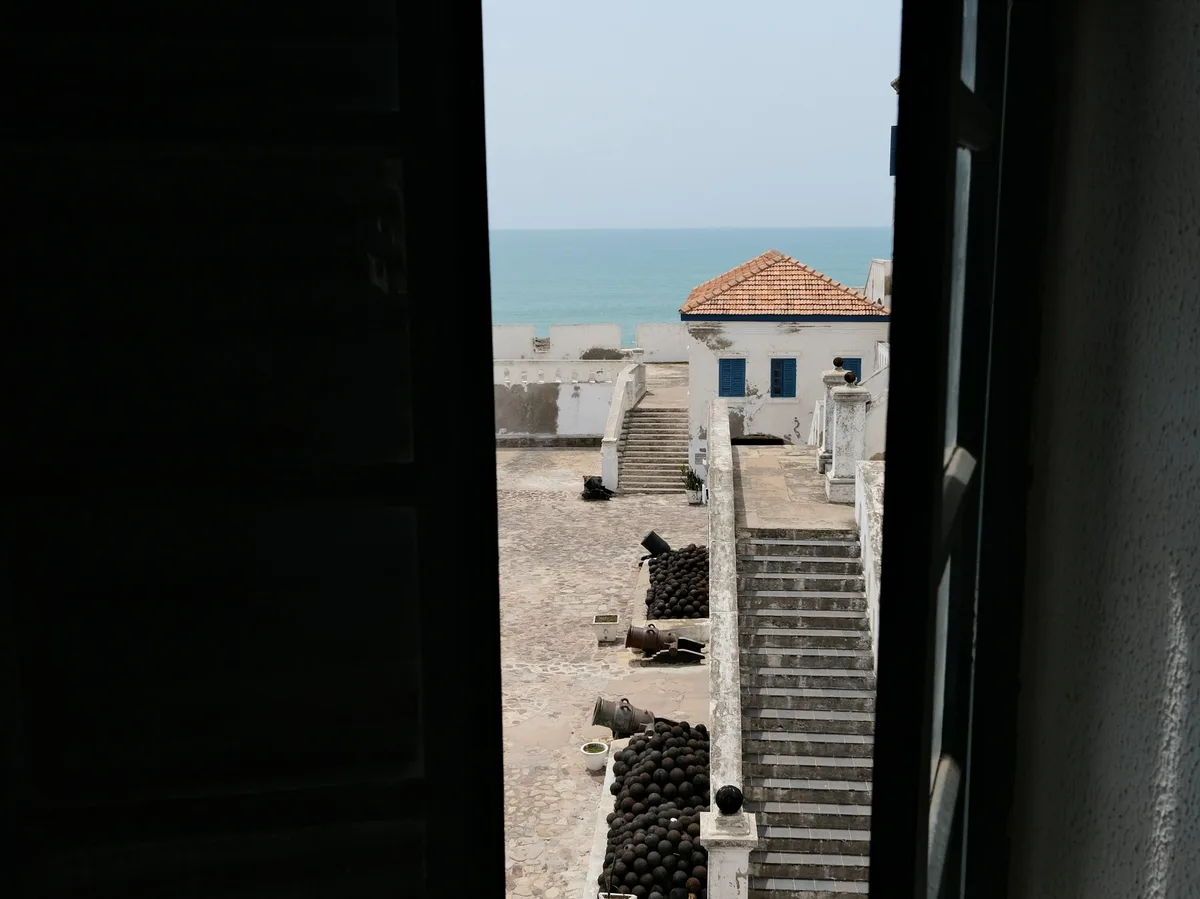
An 8-day private circuit through Ghana's coastal history — Cape Coast and Elmina's UNESCO-listed slave castles, the Assin Manso ancestral river site, the stilt village of Nzulezu, and the forest canopy walk at Kakum National Park.
 Multi-Day Tours
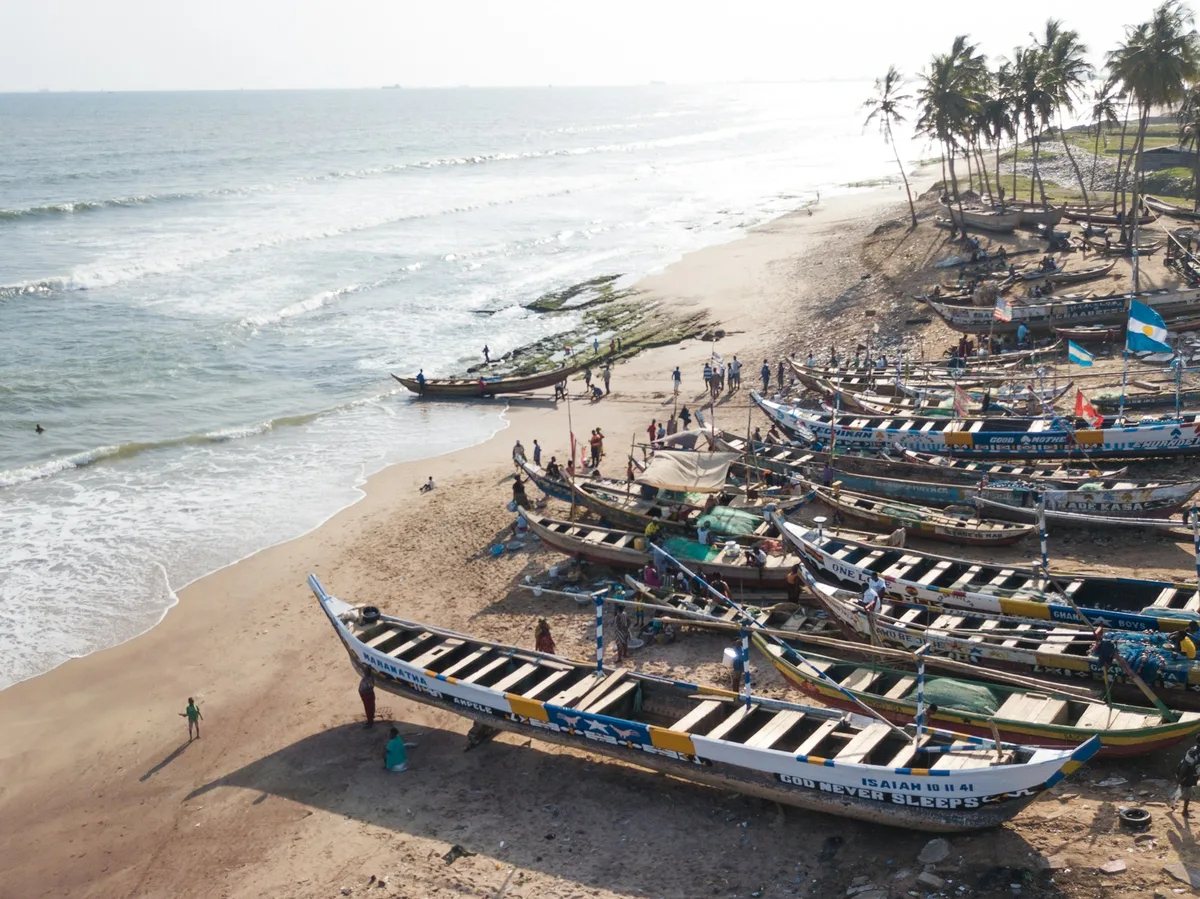
A relaxed 6-day beach-and-heritage trip to Ghana's western coast — Kakum National Park's canopy walk, Cape Coast Castle, and five nights based in the surf town of Busua, with visits to Fort Batenstein, Abokwa Island, and Fort Metal Cross.
 Multi-Day Tours
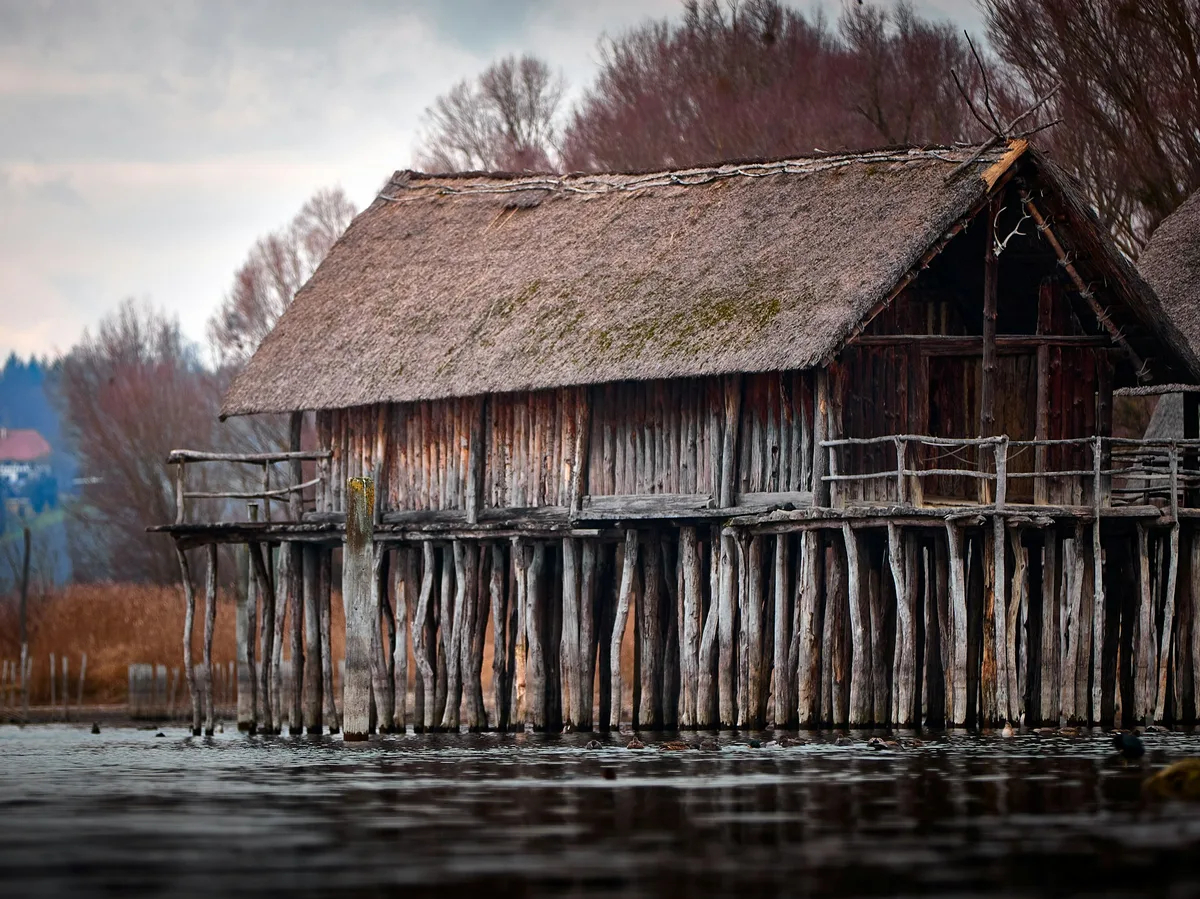
A comprehensive 14-day circuit from Accra's coast to the Ashanti heartland — Cape Coast and Elmina's slave castles, Kakum National Park, the stilt village of Nzulezu, Kumasi's Kejetia Market and royal craft villages, and Shai Hills Game Reserve.
 Multi-Day Tours
A 15-day cross-border journey through West Africa — starting and ending in Ghana (Accra, Cape Coast, Elmina, Kumasi), then crossing into Togo's capital Lomé, and on to Benin for the stilt village of Ganvié, the Royal Palaces of Abomey, and the voodoo heritage sites of Ouidah and Porto-Novo.
 Multi-Day Tours
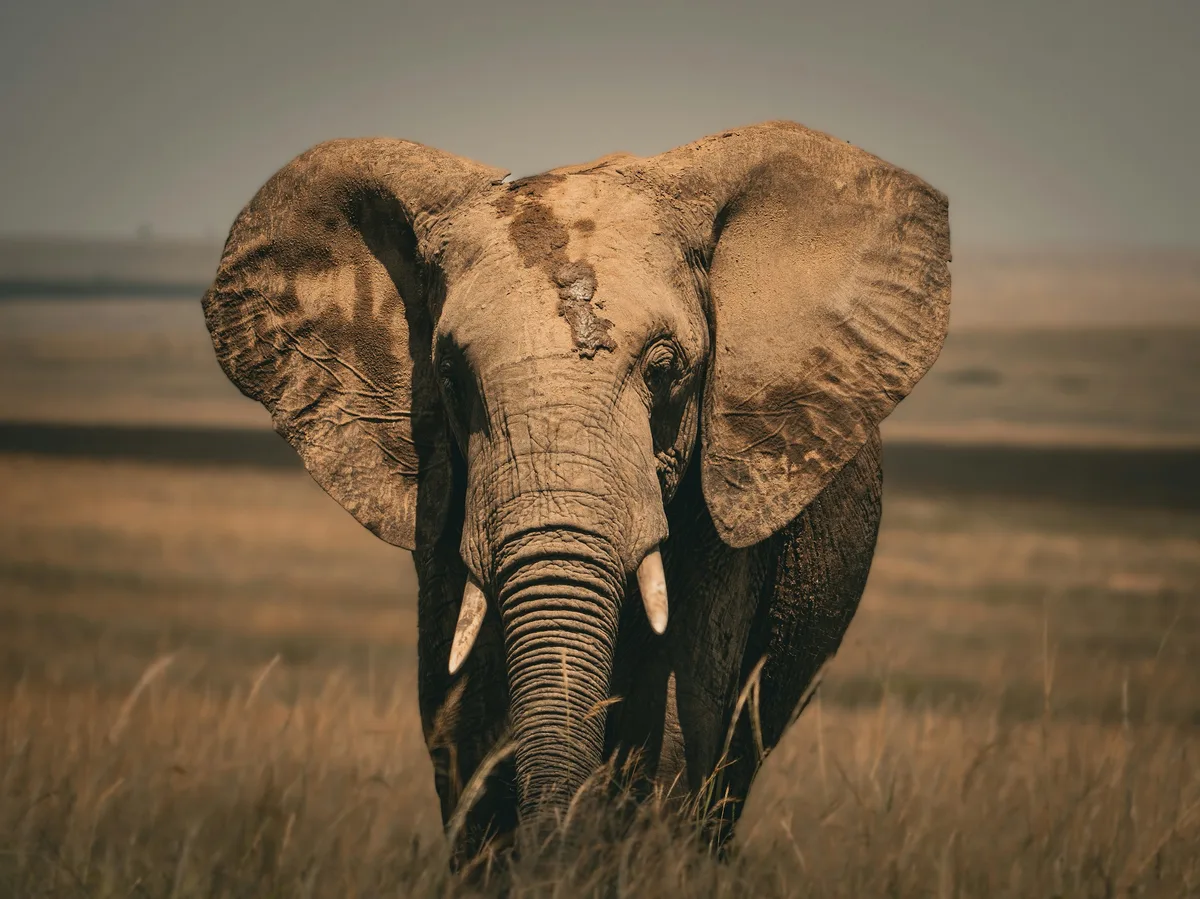
A 5-day safari trip to Mole National Park, Ghana's largest wildlife reserve — elephant safari drives and walks, a visit to the Mognori Eco-Village, the centuries-old Larabanga Mosque, and a stop at Kakum National Park's canopy walk and Cape Coast Castle en route.
Visitor guide
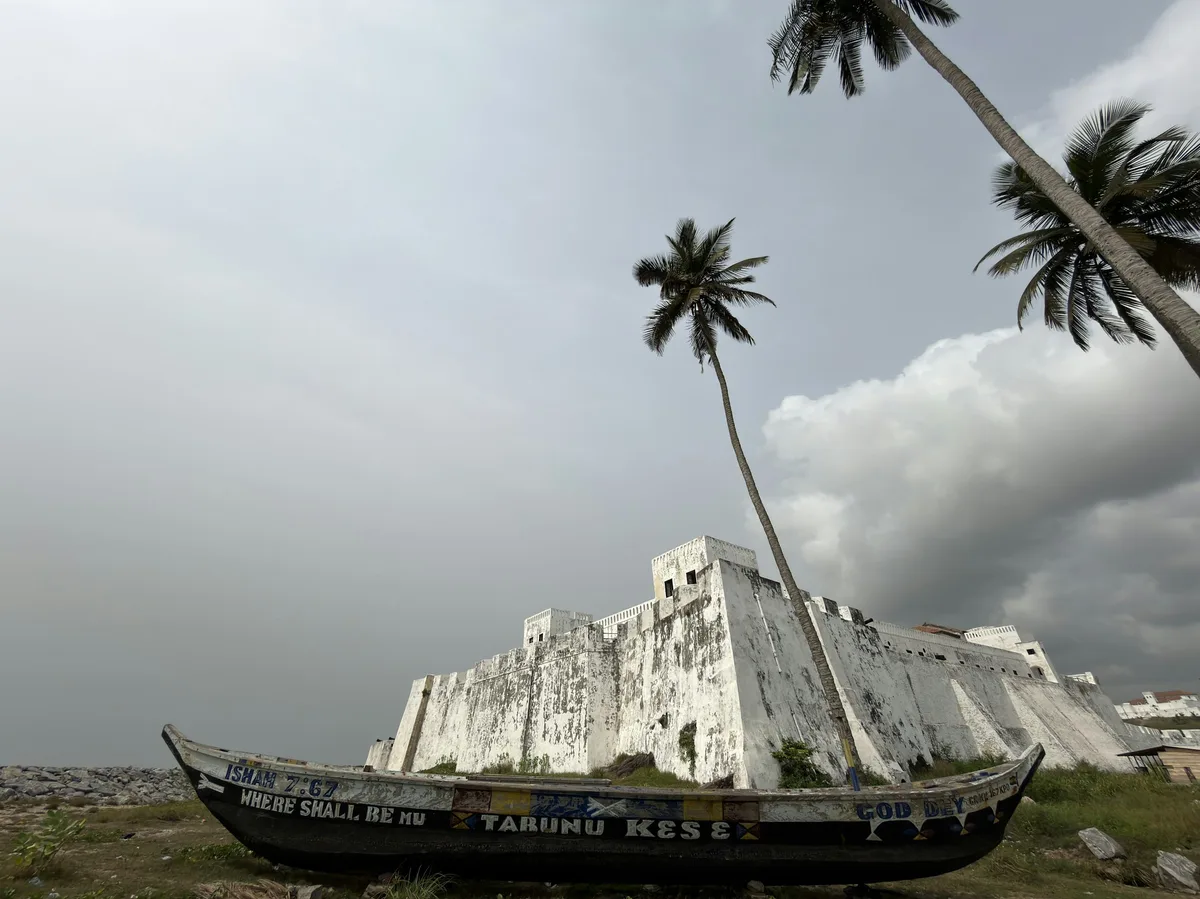
Cape Coast Castle is a former fortified trading post on the coast of Ghana's Central Region, and a UNESCO World Heritage Site inscribed in 1979. Built and rebuilt by several European powers, it is one of the best-known surviving forts from the era of the Atlantic slave trade.
According to Wikipedia, the Portuguese established a trading post on the site in 1555 and named it Cabo Corso, meaning Short Cape. In 1650, Hendrik Caerloff, working for the Swedish Africa Company, obtained permission from the King of Fetu to build a fort, and a timber lodge named Carolusborg went up around 1653. The Danes, Dutch and English held the fort at different times, and the English captured it in 1664 and renamed it Cape Coast Castle. The town then became the English capital on the Gold Coast. The source itself notes some inconsistencies in the early dates, so the sequence is best read in general terms.
Cape Coast Castle was one of roughly forty slave castles on the Gold Coast. Underground dungeons cut into the rock held enslaved Africans before they were shipped across the Atlantic, and they could hold up to about a thousand people, according to Wikipedia. Europeans lived in relative comfort in the upper administrative quarters while enslaved people were held below. The Royal African Company's monopoly ended in 1750, when Parliament dissolved the company and transferred the castle to the Company of Merchants Trading to Africa.
A French squadron damaged the castle in 1757 during the Seven Years' War, which helped prompt major rebuilding later in the 18th century. The castle also has other stories attached to it: Wikipedia records that 52 members of Bartholomew Roberts' pirate crew were hanged there in 1722, that Governor Charles MacCarthy was killed in 1824 after the Ashanti defeated the British, and that the poet Letitia Landon died there in 1838 shortly after marrying the governor George Maclean. Both are buried in the courtyard.
The British restored the castle in the 1920s, and the Ghanaian government restored it again in the early 1990s with international support. It now houses a museum, and guided tours cover the dungeons, the governors' quarters and views over the Atlantic. A 3D laser scan was made of the site by the Zamani Project in 2015. U.S. President Barack Obama visited in 2009.
The castle appears in Yaa Gyasi's novel Homegoing (2016) and the film Sankofa (1993). Many visitors, including descendants of enslaved Africans, treat the visit as a solemn act of remembrance, and the experience is best approached with that in mind.
The castle sits on the shoreline of Cape Coast, near the neighbouring Elmina Castle and Kakum National Park, so travellers often combine these sites. A private guided visit allows time for the guided tour and questions, and the topic is sensitive enough that a knowledgeable local guide adds real value.
See every tour and attraction we cover in Ghana.