TorontoOntario · 36 tours
 Niagara FallsOntario · 25 tours
 New York CityNew York · 30 tours
 Las VegasNevada · 8 tours
 San FranciscoCalifornia · 16 tours
 VancouverBritish Columbia · 17 tours
 DubaiUAE · 54 tours
 Abu DhabiUAE · 5 tours
 Buenos AiresArgentina · 23 tours
 AthensGreece · 31 tours
 AucklandNew Zealand · 38 tours
 CancunMexico · 54 tours
No destinations match “”. Try searching all tours instead — that search understands full questions, not just place names.
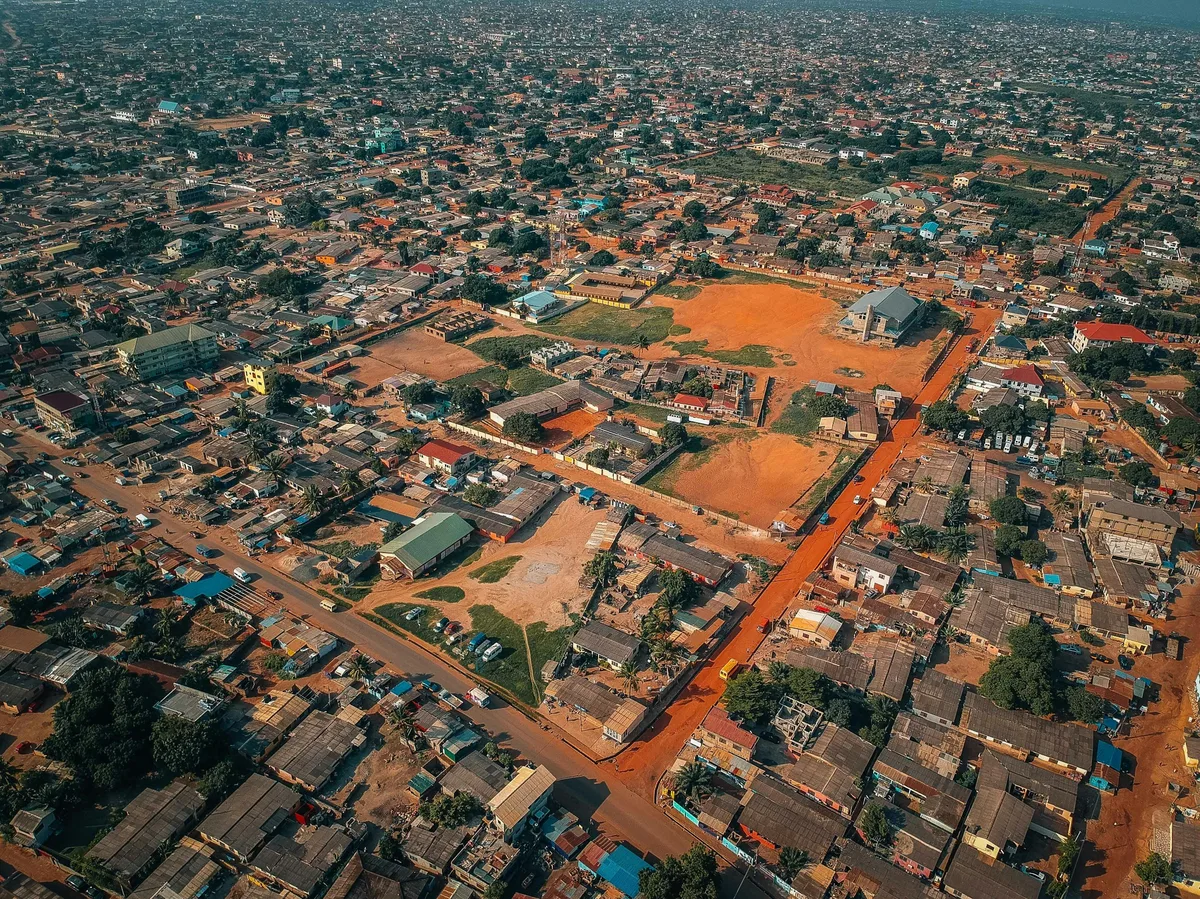
The residence of the Asantehene, the king of the Ashanti Kingdom, in Kumasi — its museum tells the story of Ashanti history and culture, including the kingdom's resistance to British colonial rule.
 Multi-Day Tours
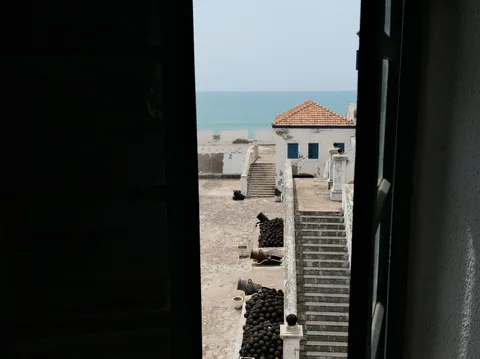
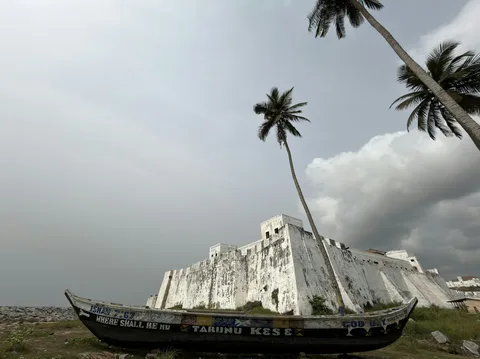
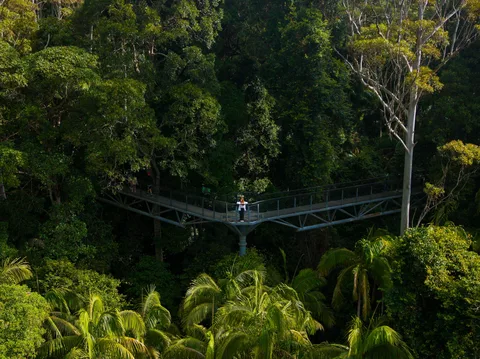
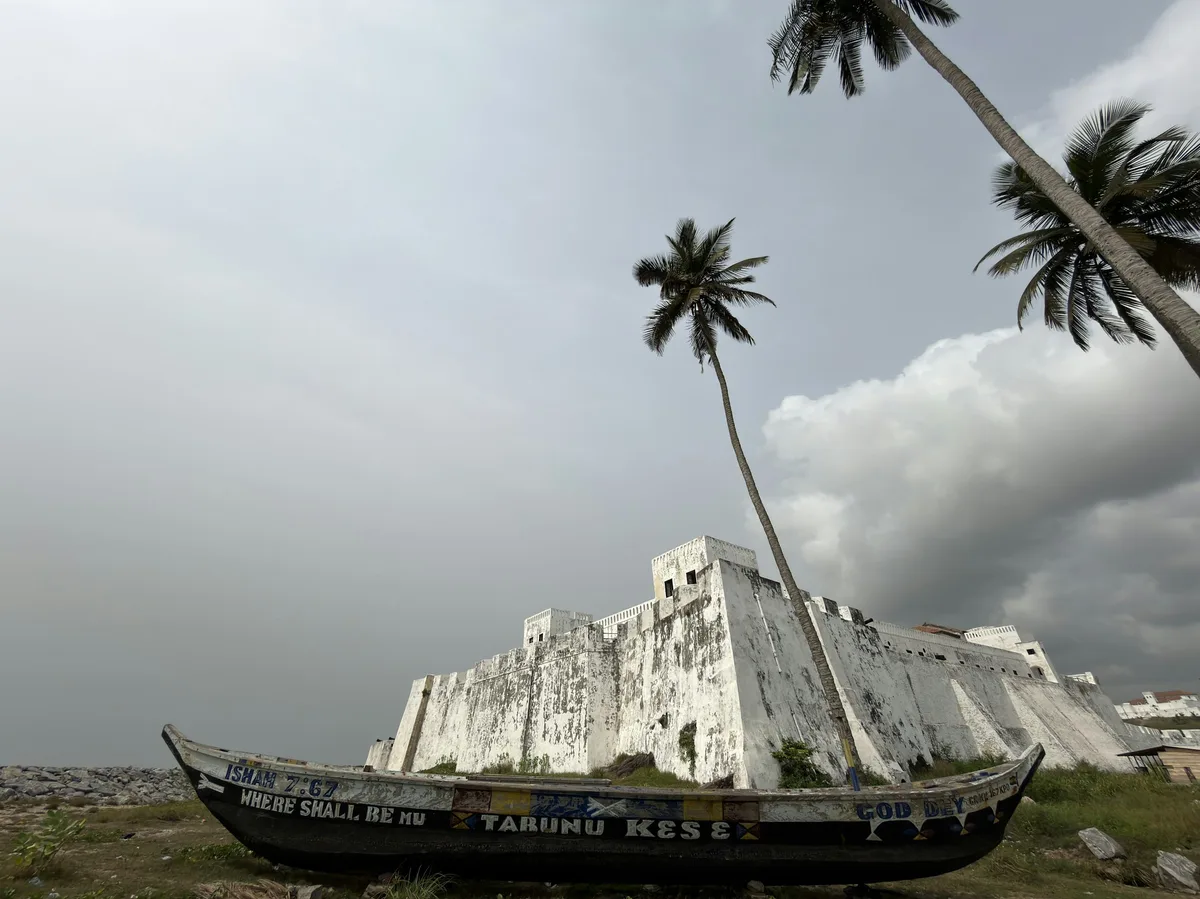
A comprehensive 14-day circuit from Accra's coast to the Ashanti heartland — Cape Coast and Elmina's slave castles, Kakum National Park, the stilt village of Nzulezu, Kumasi's Kejetia Market and royal craft villages, and Shai Hills Game Reserve.
 Multi-Day Tours
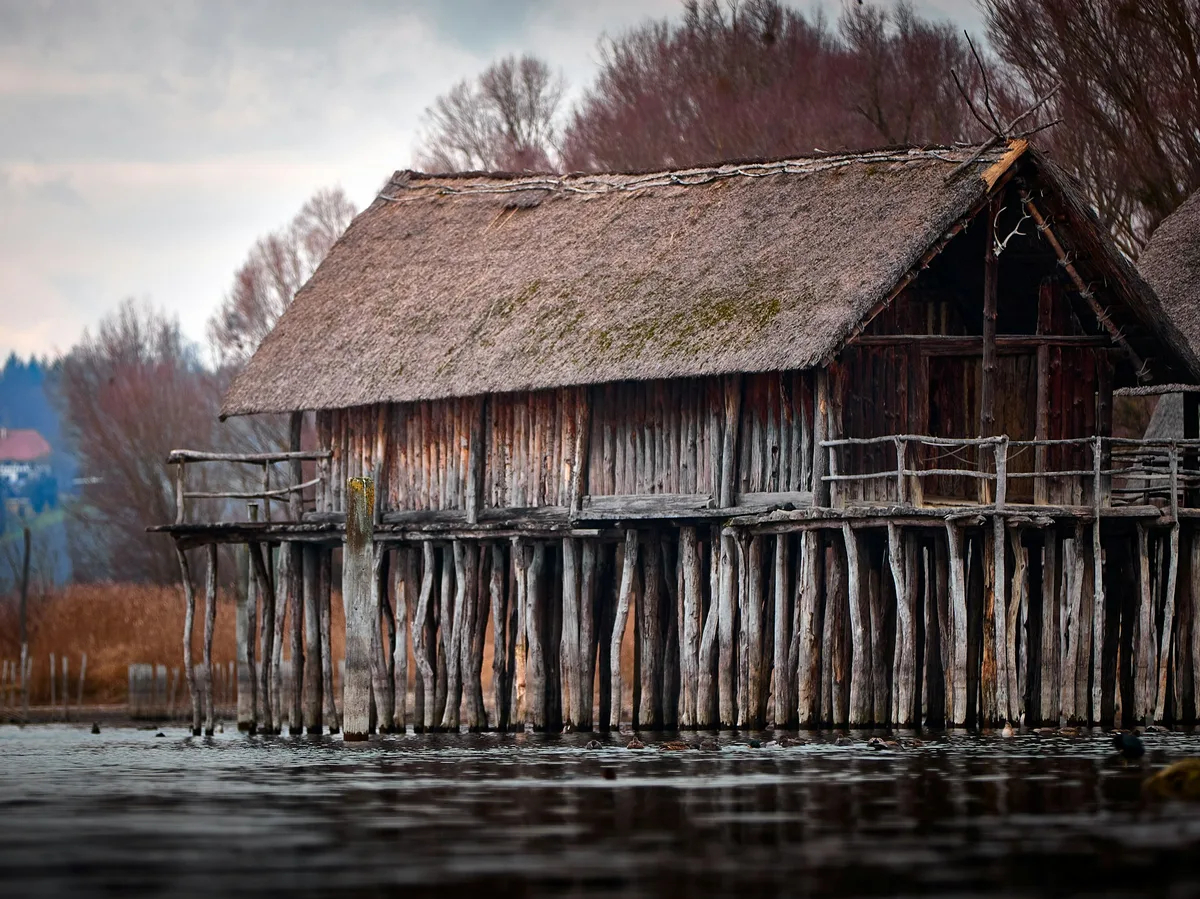
A 15-day cross-border journey through West Africa — starting and ending in Ghana (Accra, Cape Coast, Elmina, Kumasi), then crossing into Togo's capital Lomé, and on to Benin for the stilt village of Ganvié, the Royal Palaces of Abomey, and the voodoo heritage sites of Ouidah and Porto-Novo.
 Multi-Day Tours
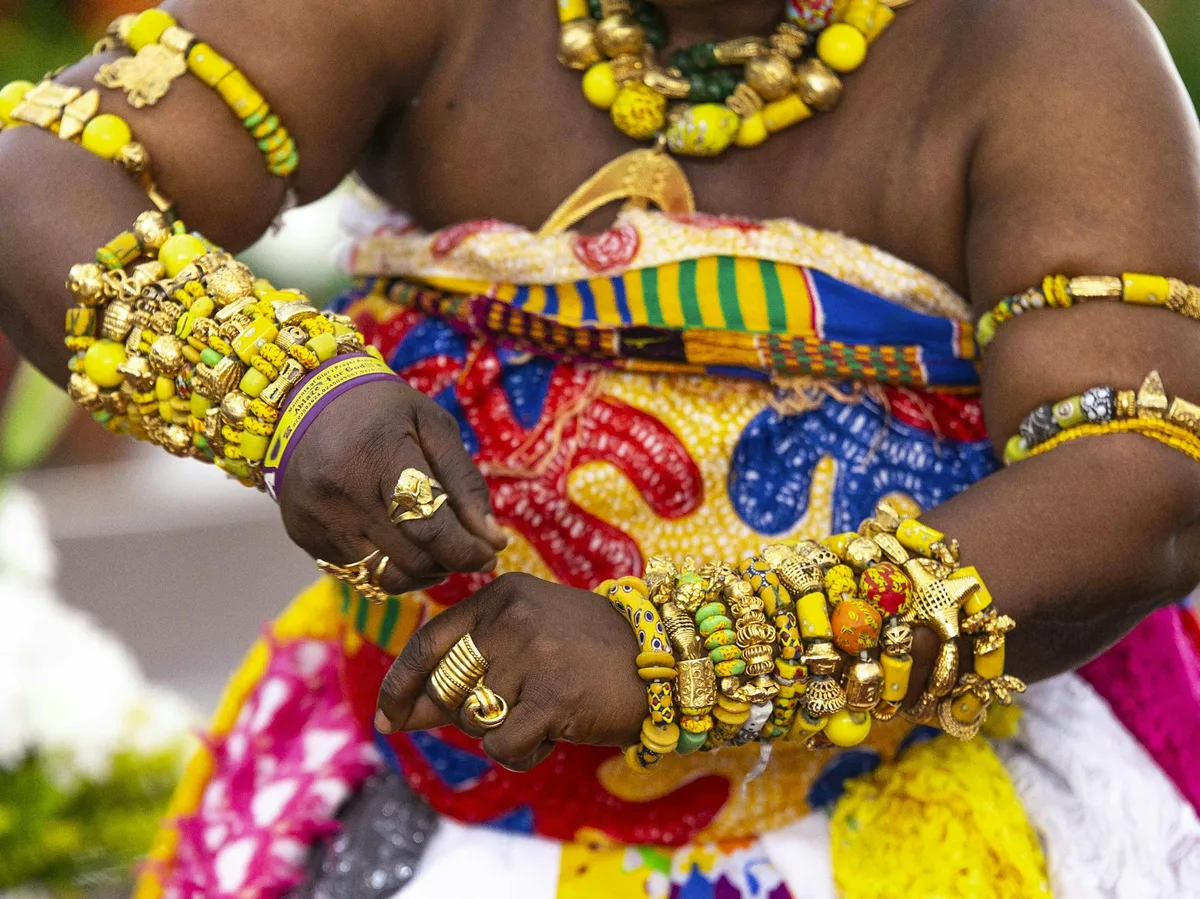
A 5-day cultural immersion in Ghana's Ashanti Region — the Manhyia Palace Museum, Kejetia Market, kente-weaving and Adinkra cloth workshops in traditional craft villages, and the UNESCO-listed Ashanti Traditional Buildings near Ejisu.
Visitor guide
Manhyia Palace is the seat and official residence of the Asantehene, the king of the Ashanti, in the Manhyia area of Kumasi, Ghana. Its older building has become the Manhyia Palace Museum, which tells the story of the Asante kings through royal objects, effigies and the building itself.
Wikipedia states that the British built the palace in 1925, after demolishing the Aban Palace of the Ashanti Empire, and offered it to Prempeh I when he returned from exile in the Seychelles. He paid its cost in full. A travel source gives 1926 as the completion year, so the exact date varies slightly between accounts.
The story behind the building is one of the central episodes of Asante history. According to museum-related accounts, a British force took Prempeh and about 50 relatives, chiefs and servants prisoner in 1896 and looted his palace. The prisoners were taken to the coastal fort at Elmina, then to Sierra Leone, and in 1900 to the Seychelles. The British allowed him to return only in 1924.
The name Manhyia comes from the Akan phrase Oman hyia, meaning gathering of the people, Wikipedia says.
The old palace was opened as a museum on 12 August 1995 by Opoku Ware II. It displays royal furniture, a bronze head of Osei Agyeman Prempeh II, and wax effigies of past kings and queens. Museum-related sources add life-sized effigies of Prempeh I, Nana Yaa Akyaa and Yaa Asantewaa, who led the 1900 uprising that was the last of the Asante wars with the British, as well as gold weights, royal attire, jewellery and insignia.
Sources differ on some points, including when the building became a museum and what role it played before. Some say it served as the administrative headquarters of the Asante nation until a new palace was built in 1974, while the Wikipedia article gives 1995 for the museum conversion.
The two-storey palace blends traditional Asante styles with modern design, with verandas, a large courtyard with statues of past rulers, and a main hall of 1,200 square metres. Opoku Ware II was the first king to live in the new palace until his death in 1999, and the current Asantehene, Osei Tutu II, resides there. A convention centre named the Otumfuo Osei Tutu II Jubilee Hall was commissioned in April 2024.
Asante tradition regards the Golden Stool as the soul of the nation, and legend holds that the priest Okomfo Anokye received it in Kumasi. Kumasi was founded in the 1680s as the capital of the Ashanti Empire by Osei Tutu I, and it remains the seat of the Asantehene.
A private visit with a local guide helps visitors read Asante symbols and protocol correctly, and the palace combines naturally with a tour of Kumasi's markets and cultural centre.
See every tour and attraction we cover in Ghana.