TorontoOntario · 36 tours
 Niagara FallsOntario · 25 tours
 New York CityNew York · 30 tours
 Las VegasNevada · 8 tours
 San FranciscoCalifornia · 16 tours
 VancouverBritish Columbia · 17 tours
 DubaiUAE · 54 tours
 Abu DhabiUAE · 5 tours
 Buenos AiresArgentina · 23 tours
 AthensGreece · 31 tours
 AucklandNew Zealand · 38 tours
 CancunMexico · 54 tours
No destinations match “”. Try searching all tours instead — that search understands full questions, not just place names.
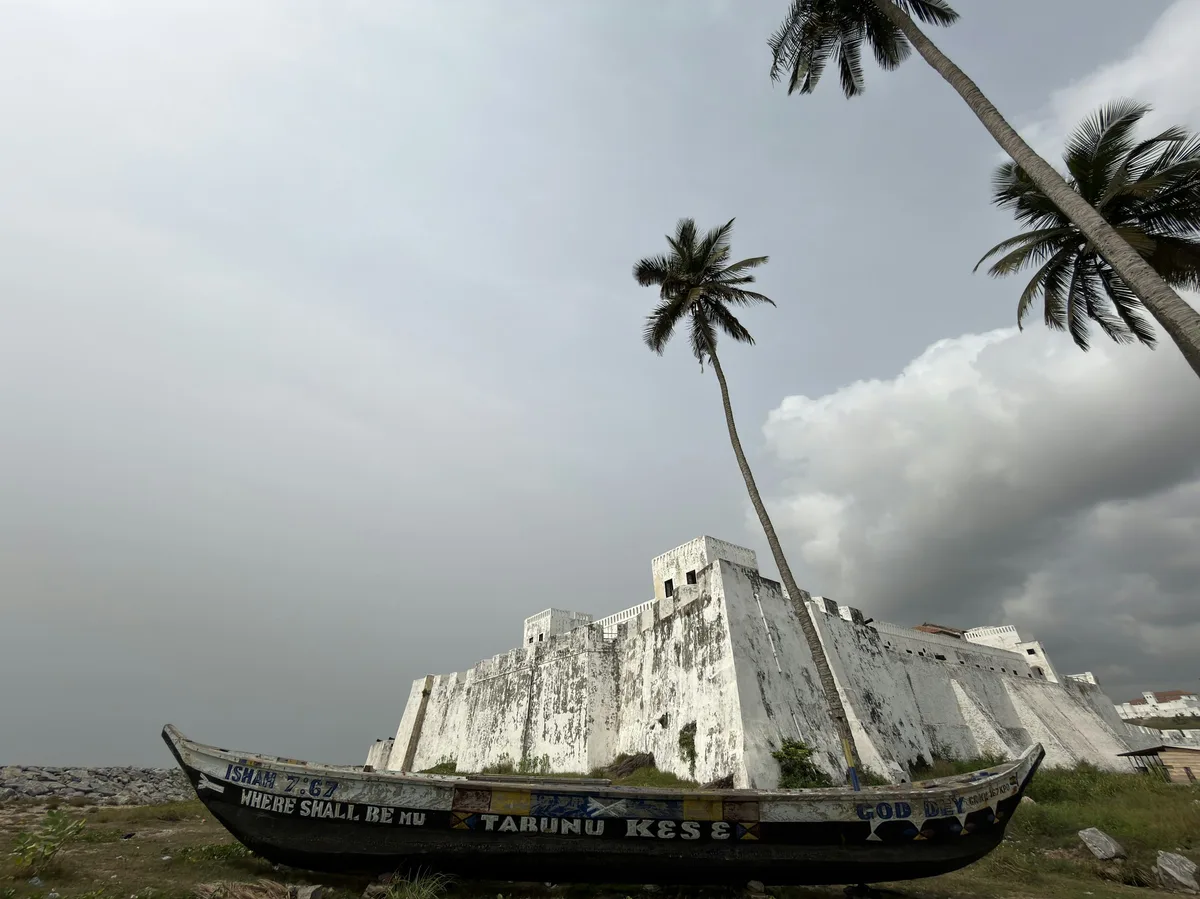
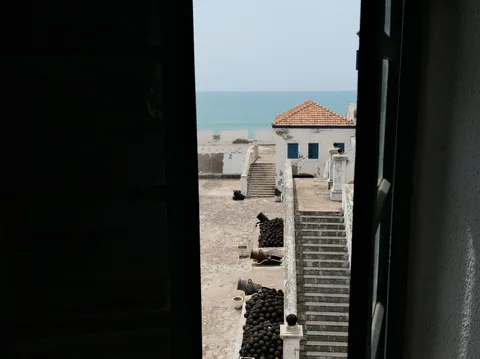
Built by the Portuguese in 1482, the oldest European-built structure in sub-Saharan Africa and, like Cape Coast Castle, a UNESCO World Heritage Site central to the history of the Trans-Atlantic slave trade.
 Multi-Day Tours
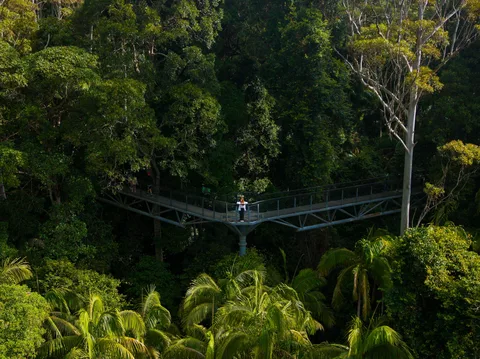
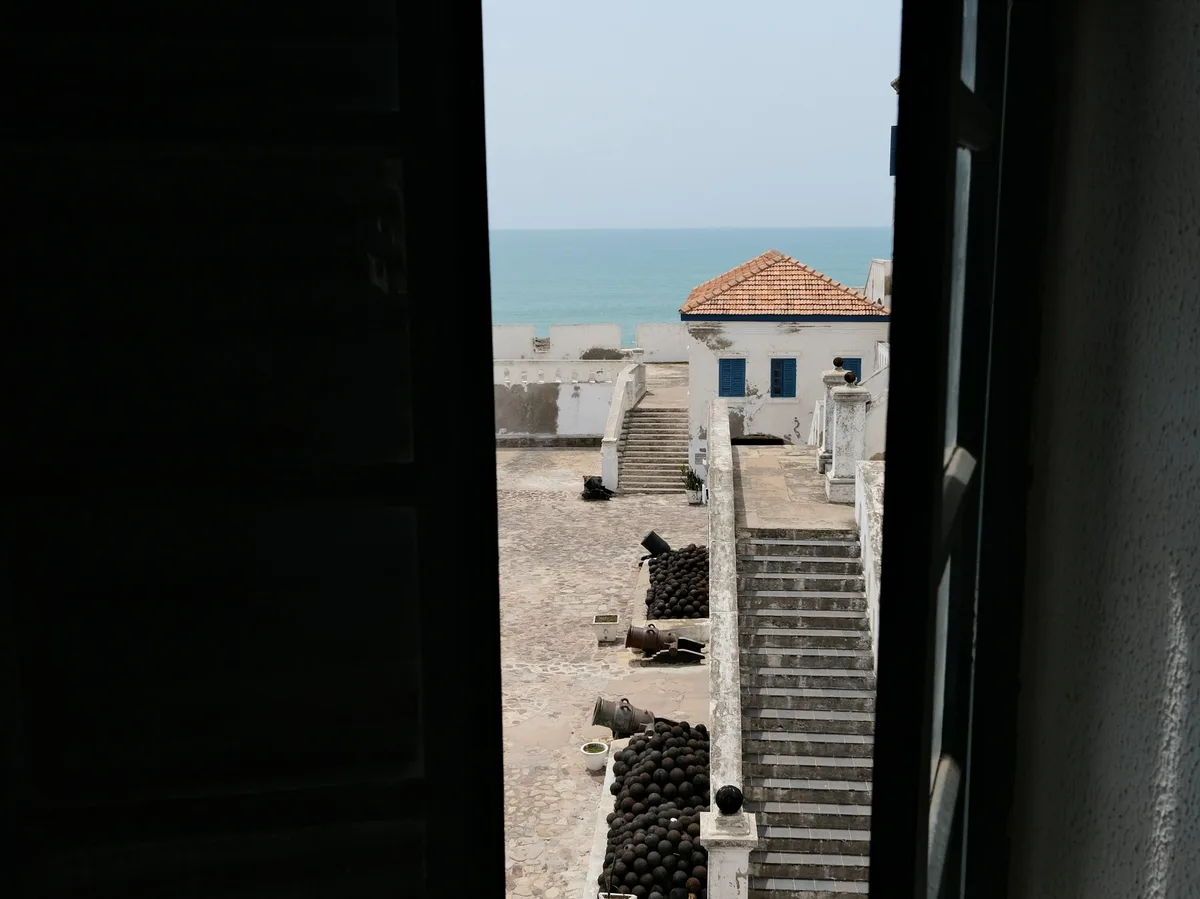
An 8-day private circuit through Ghana's coastal history — Cape Coast and Elmina's UNESCO-listed slave castles, the Assin Manso ancestral river site, the stilt village of Nzulezu, and the forest canopy walk at Kakum National Park.
 Multi-Day Tours
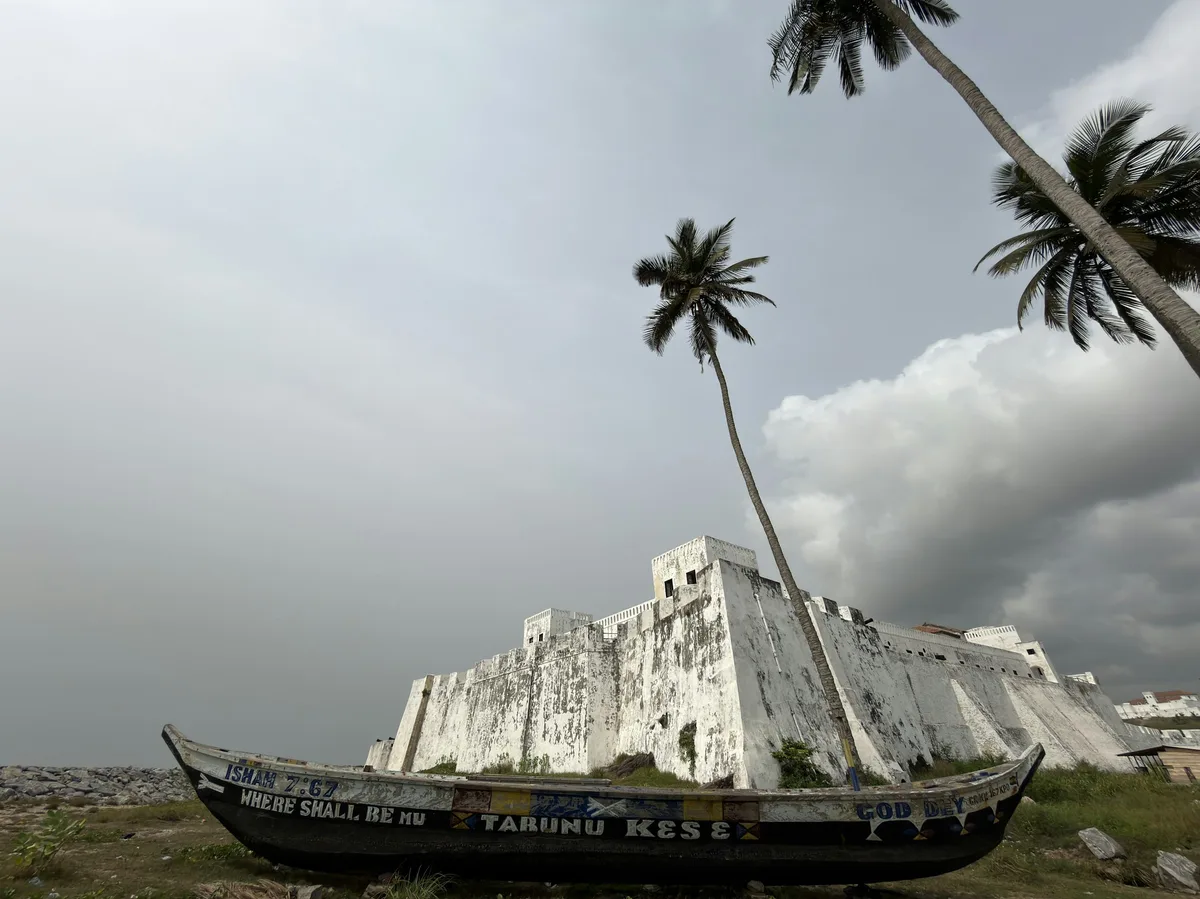
A comprehensive 14-day circuit from Accra's coast to the Ashanti heartland — Cape Coast and Elmina's slave castles, Kakum National Park, the stilt village of Nzulezu, Kumasi's Kejetia Market and royal craft villages, and Shai Hills Game Reserve.
 Multi-Day Tours
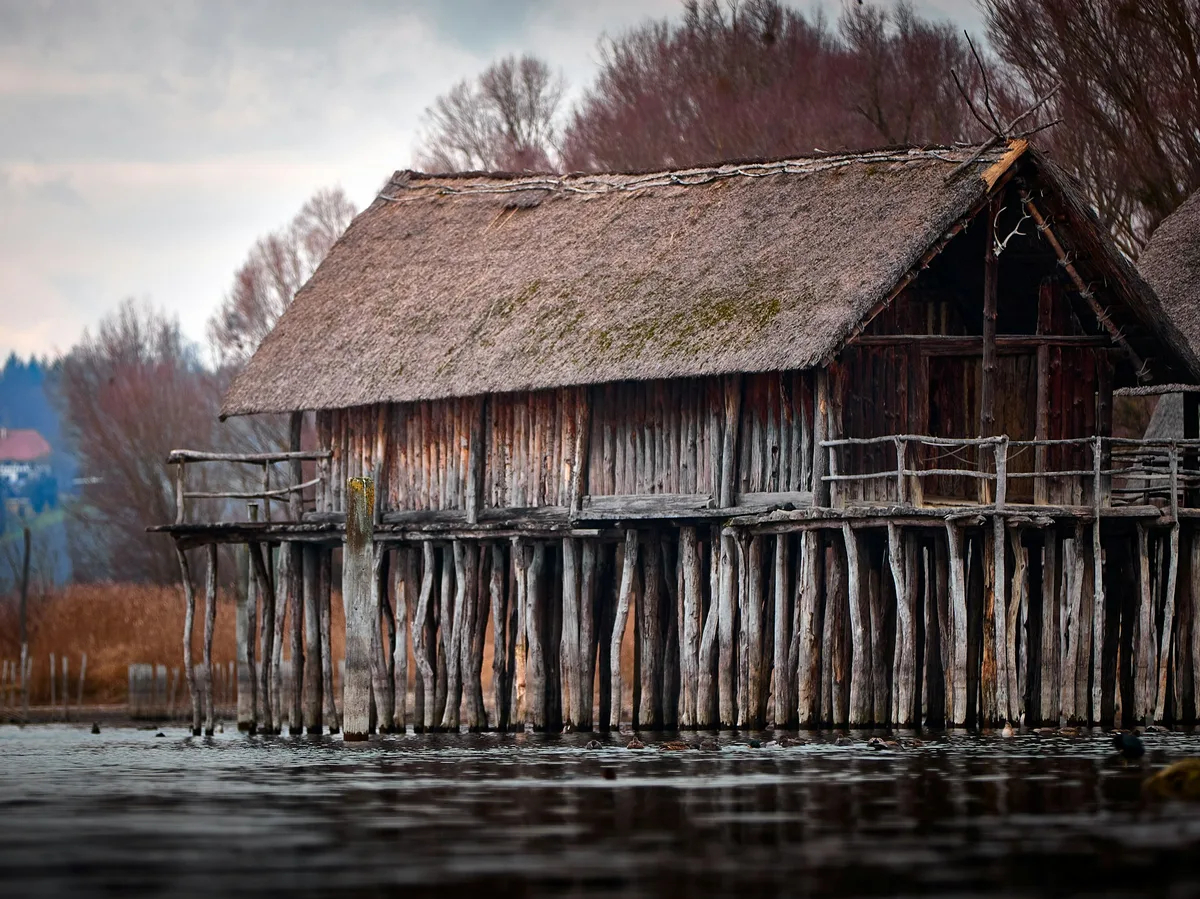
A 15-day cross-border journey through West Africa — starting and ending in Ghana (Accra, Cape Coast, Elmina, Kumasi), then crossing into Togo's capital Lomé, and on to Benin for the stilt village of Ganvié, the Royal Palaces of Abomey, and the voodoo heritage sites of Ouidah and Porto-Novo.
Visitor guide
Elmina Castle, also known as St George's Castle, is a fort on the coast of Ghana at the town of Elmina, in the Central Region. Begun by the Portuguese in 1482, it is described by Wikipedia as the oldest surviving European building in sub-Saharan Africa, and it is a UNESCO World Heritage Site, inscribed in 1979.
The Portuguese began building the castle in 1482 as Castelo de Sao Jorge da Mina under Diogo de Azambuja, after shipping prefabricated materials from Portugal. Wikipedia calls it the first prefabricated building of European origin planned and executed in sub-Saharan Africa. It began as a gold-trading post, which gave the Gold Coast its name, and the Portuguese later used it to transship captives.
The Dutch made a failed attempt on the castle in 1596 and captured it in 1637. They built nearby Fort Coenraadsburg to protect it and continued the slave trade until 1814. In 1872 the Dutch Gold Coast, including the castle, passed to the British under treaties between the two powers.
By the seventeenth century the castle was a major point in the Atlantic slave trade. As at Cape Coast Castle, enslaved people were held in dungeons within the fort before being shipped across the ocean. The castle reflects several layers of European history, from Portuguese gold trade to Dutch and then British administration.
Ghana became independent in 1957 and restored the castle in the 1990s. Today it is a national museum, and tourism and fishing sustain the town of Elmina. Many African Americans visit as a pilgrimage to connect with their heritage. Wikipedia notes that the castle was used in the filming of Werner Herzog's Cobra Verde (1987), an episode of the series Snowfall, and the 2015 Danish film Guldkysten.
UNESCO inscribed the Forts and Castles of Volta, Greater Accra, Central and Western Regions in 1979. The listing covers fortifications built by the Portuguese, Dutch and British between roughly the 15th and 19th centuries, which UNESCO describes as a testimony to precolonial and colonial Afro-European commerce, including the Atlantic slave trade. Elmina is one of three castles in the listing, alongside Cape Coast Castle and Christiansborg (Osu Castle) in Accra, and Fort Coenraadsburg in Elmina is one of the listed forts. The wider site shows how a chain of coastal posts shaped trade between Europe and West Africa.
The castle stands at the edge of the fishing town, beside the harbour, and the contrast between the white-walled fort and the colourful boats gives Elmina much of its character. Fort Coenraadsburg stands on a hill nearby. Travellers usually combine the castle with Cape Coast Castle and Kakum National Park, since all three lie within a short drive of each other.
A private guided visit gives space for the difficult history of the slave trade to be explained with care, and a local guide can place the fort in the wider story of European trade on the Gold Coast.
See every tour and attraction we cover in Ghana.