TorontoOntario · 36 tours
 Niagara FallsOntario · 25 tours
 New York CityNew York · 30 tours
 Las VegasNevada · 8 tours
 San FranciscoCalifornia · 16 tours
 VancouverBritish Columbia · 17 tours
 DubaiUAE · 54 tours
 Abu DhabiUAE · 5 tours
 Buenos AiresArgentina · 23 tours
 AthensGreece · 31 tours
 AucklandNew Zealand · 38 tours
 CancunMexico · 54 tours
No destinations match “”. Try searching all tours instead — that search understands full questions, not just place names.
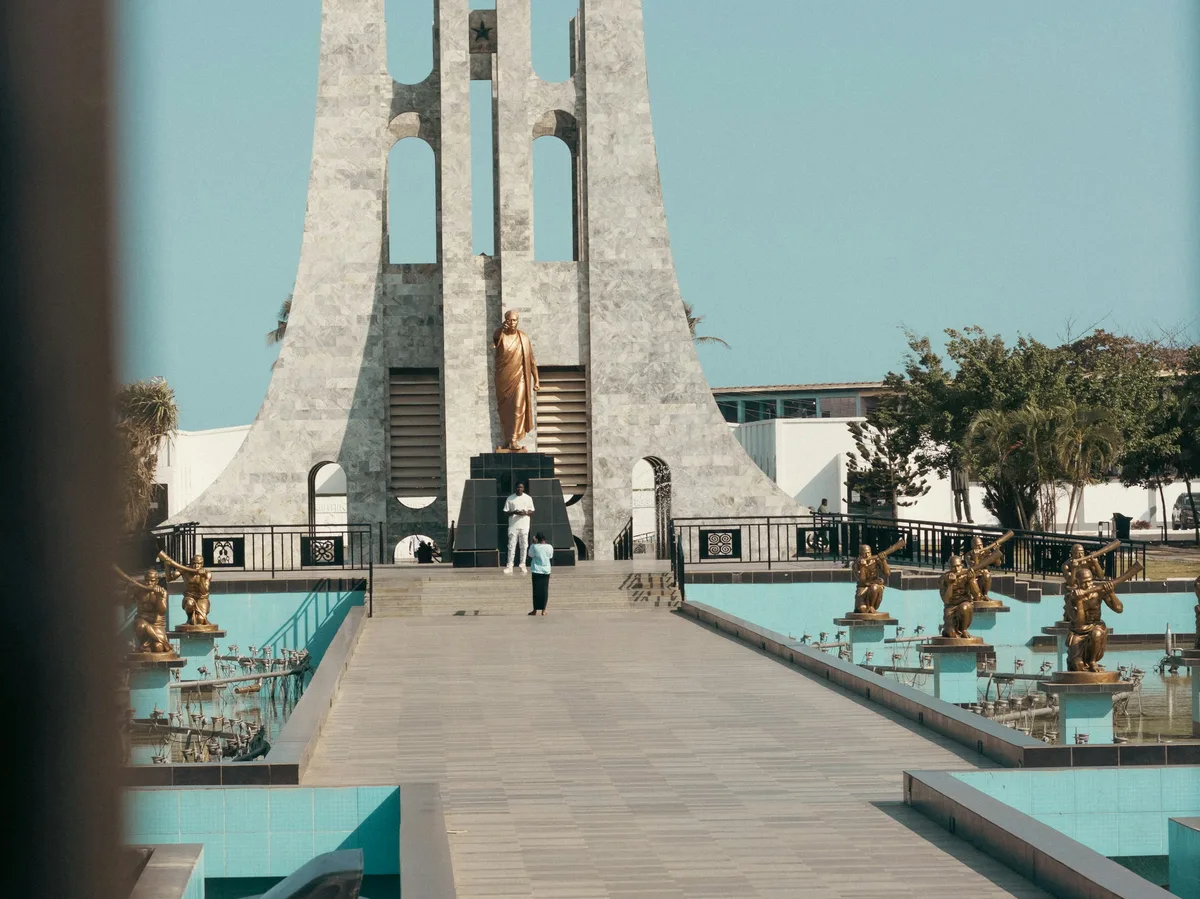
A mausoleum and museum in Accra dedicated to Kwame Nkrumah, Ghana's first president and a leading figure of Pan-Africanism, built on the spot where he declared the country's independence in 1957.
 Multi-Day Tours
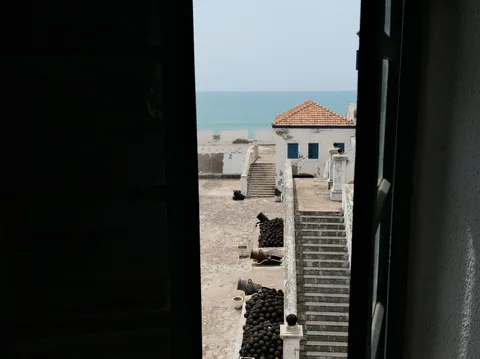
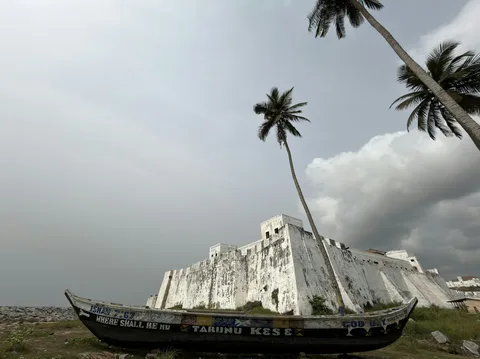
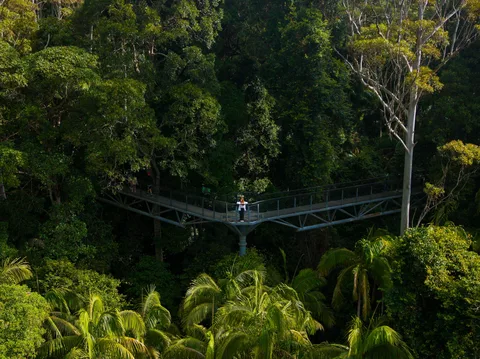
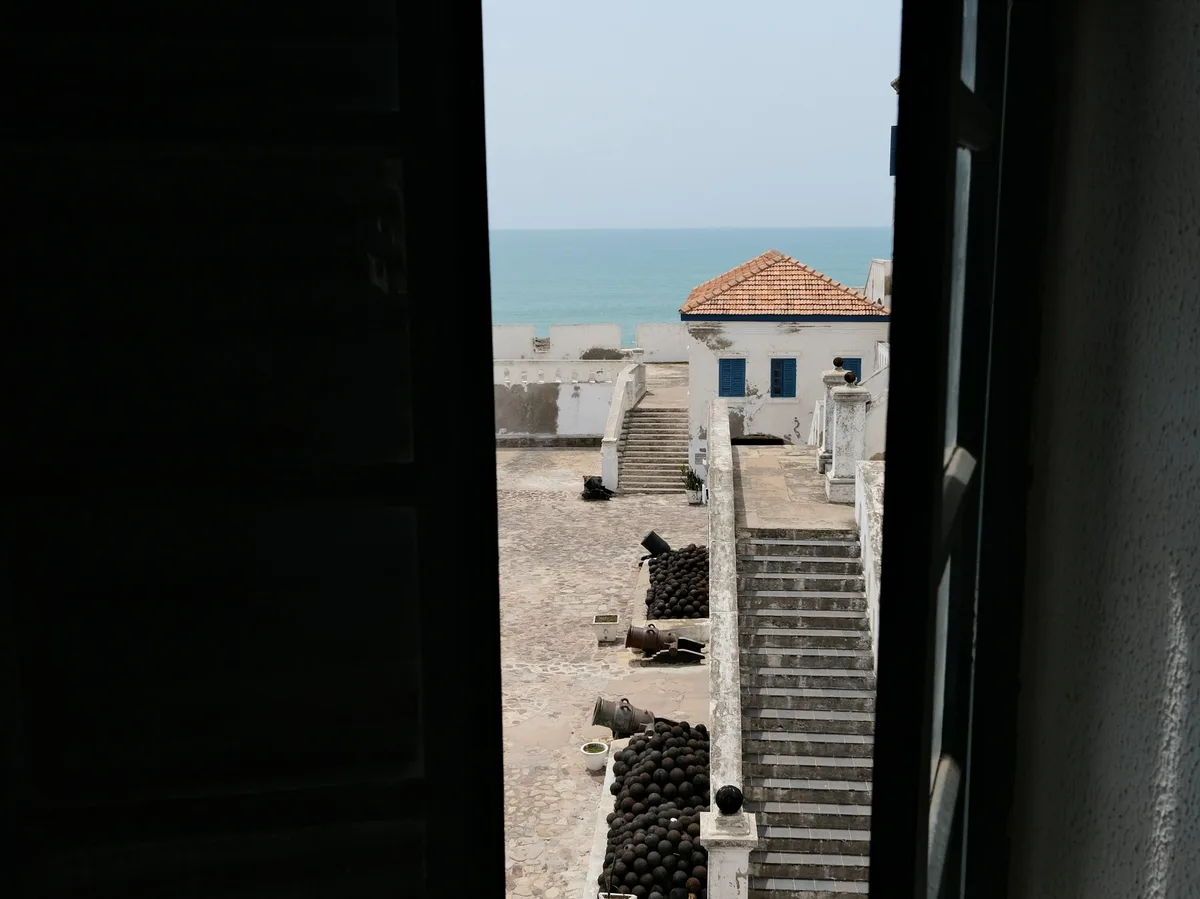
An 8-day private circuit through Ghana's coastal history — Cape Coast and Elmina's UNESCO-listed slave castles, the Assin Manso ancestral river site, the stilt village of Nzulezu, and the forest canopy walk at Kakum National Park.
 Multi-Day Tours
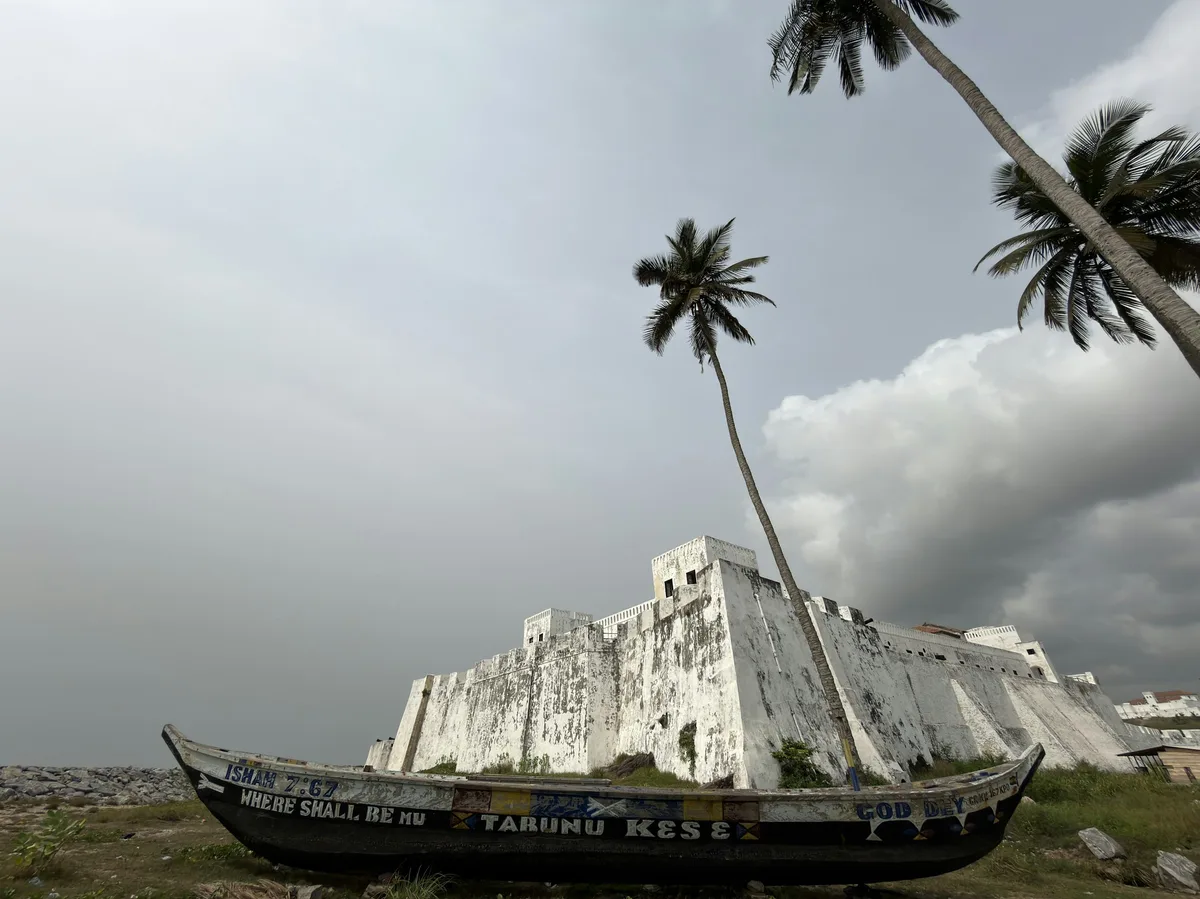
A comprehensive 14-day circuit from Accra's coast to the Ashanti heartland — Cape Coast and Elmina's slave castles, Kakum National Park, the stilt village of Nzulezu, Kumasi's Kejetia Market and royal craft villages, and Shai Hills Game Reserve.
 Multi-Day Tours
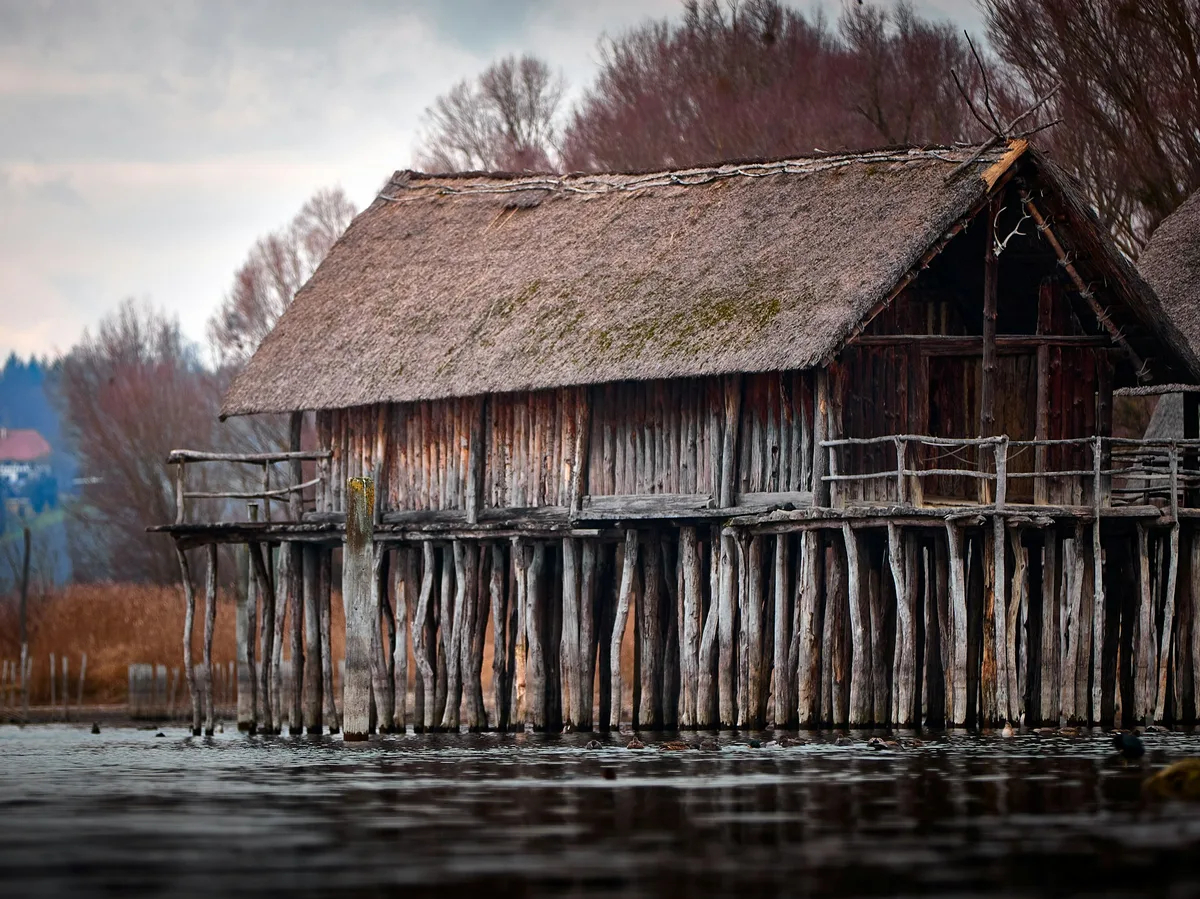
A 15-day cross-border journey through West Africa — starting and ending in Ghana (Accra, Cape Coast, Elmina, Kumasi), then crossing into Togo's capital Lomé, and on to Benin for the stilt village of Ganvié, the Royal Palaces of Abomey, and the voodoo heritage sites of Ouidah and Porto-Novo.
Visitor guide
The Kwame Nkrumah Memorial Park and Mausoleum is a five-acre memorial in central Accra, Ghana, dedicated to Kwame Nkrumah, the country's first president. It stands on the former British colonial polo grounds and was dedicated in 1992.
Kwame Nkrumah led Ghana to independence in 1957 and became its first president. Wikipedia states that he declared Ghana's independence on this site. According to Ghana tourism pages, he was first buried in Guinea-Conakry and later in his hometown of Nkroful before his remains were moved to Accra in 1992. His wife, Fathia, who died in 2007, was later brought from Egypt and buried beside him.
Nkrumah was born on 21 September 1909 in Nkroful, trained as a teacher at Achimota, and studied in the United States at Lincoln University and the University of Pennsylvania. He founded the Convention People's Party on 12 June 1949, became Prime Minister of the Gold Coast in 1952, and led the country to independence in 1957. He served as Ghana's first president from 1 July 1960 until he was deposed in a coup on 24 February 1966. He then lived in Guinea and died in Bucharest, Romania, on 27 April 1972, which explains why his remains were buried abroad before being moved to Accra.
The park is bordered by Black Star Square, linking it with the country's other major independence monument. Together they form Accra's principal commemorative area.
The mausoleum was designed by Dr E. G. A. Don Arthur. The building is meant to resemble an upside-down sword, which Wikipedia says is a symbol of peace in Akan culture. Tourism commentary offers a second reading, an uprooted tree representing Nkrumah's unfinished work of uniting Africa, though this interpretation comes from commentary rather than official records.
Other accounts describe the structure as clad in Italian marble and topped by a black star symbolising unity, with water around it read as a symbol of eternal life. Inside, a simple grave marker sits among river-washed stones. A bronze statue of Nkrumah stands in front of the mausoleum, at the spot where he is said to have proclaimed independence.
The park contains a museum with objects from Nkrumah's life. Over the years it has been refurbished, and a redesign by Bethel Maphrey later added a presidential library, reception facility, amphitheatre, restaurant and freedom hall. The exact facilities available vary over time, so it is worth asking a guide what is currently open.
For many Ghanaians the memorial is a place of national pride. Nkrumah was an influential advocate of Pan-Africanism and a founding member of the Organisation of African Unity, which makes him a figure of continental importance as well, and the park is part of how Ghana remembers the independence generation.
A private tour of Accra can include the park alongside Black Star Square and other independence-era sites, with a guide who can explain Nkrumah's role in context.
See every tour and attraction we cover in Ghana.