TorontoOntario · 36 tours
 Niagara FallsOntario · 25 tours
 New York CityNew York · 30 tours
 Las VegasNevada · 8 tours
 San FranciscoCalifornia · 16 tours
 VancouverBritish Columbia · 17 tours
 DubaiUAE · 54 tours
 Abu DhabiUAE · 5 tours
 Buenos AiresArgentina · 23 tours
 AthensGreece · 31 tours
 AucklandNew Zealand · 38 tours
 CancunMexico · 54 tours
No destinations match “”. Try searching all tours instead — that search understands full questions, not just place names.
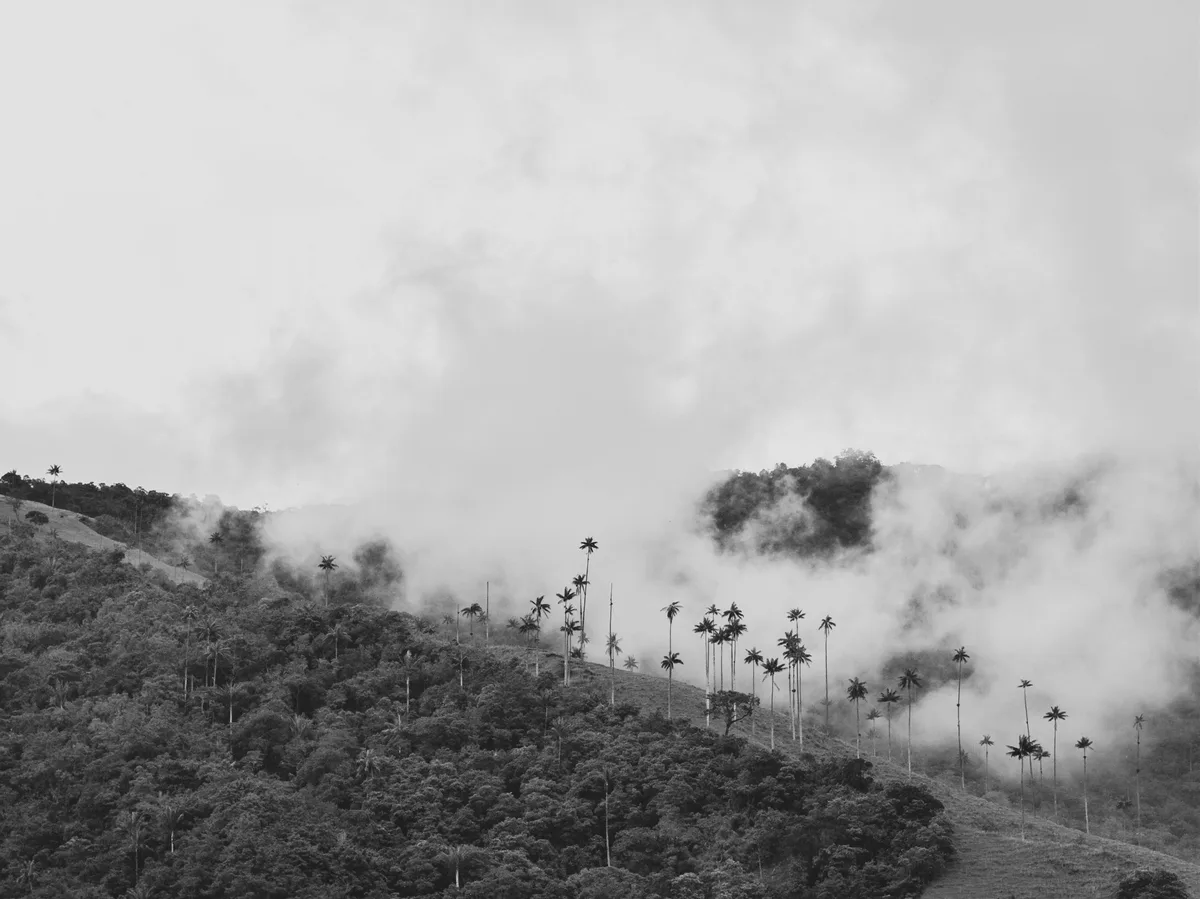
A UNESCO-listed coffee-growing region in Colombia's Andes, centered on the colorful town of Salento and the Cocora Valley, home to the world's tallest wax palm trees.
 Multi-Day Tours Popular Pick
Voyzo's signature Colombia route — Bogotá, the Coffee Triangle's wax-palm valleys, Medellín's Comuna 13, and Cartagena's colonial streets, all in ten unhurried days.
 Multi-Day Tours
A hiking-focused route from the high páramo above Bogotá through the Coffee Triangle's peaks to a four-day trek to the Lost City (Ciudad Perdida) in the Sierra Nevada de Santa Marta.
 Multi-Day Tours
A sustainability-minded route from Bogotá's cycling and recycling workshops through cloud-forest lagoons, coffee fincas, and glamping in the coffee region, to community-based fishing villages near Cartagena.
Visitor guide
The Coffee Cultural Landscape of Colombia is a UNESCO World Heritage property in the Andean coffee-growing heartland of the country, the region often called the Eje Cafetero or Coffee Axis. The town of Salento and the nearby Cocora Valley, in the department of Quindio, are among its best-known destinations, set among steep green slopes planted with coffee.
The Coffee Cultural Landscape was inscribed on the UNESCO World Heritage List in 2011 under cultural criteria (v) and (vi), which recognise traditional land use and living traditions. It is a serial property made up of six separate zones, labelled A to F, spread across the coffee axis in the departments of Caldas, Risaralda, Quindio and Valle del Cauca. According to Wikipedia and UNESCO summaries, the inscription takes in 18 urban settlements together with the small family coffee farms around them.
UNESCO's advisory body ICOMOS reportedly recommended deferral, but the World Heritage Committee went ahead and inscribed the site. What the listing celebrates is not a single monument but a whole way of life: generations of farmers growing coffee by hand on steep Andean terrain, and the towns, farmhouses and festivals that grew up around that work.
Salento is described as the first settlement of the modern era in Quindio and the first municipality founded in the department. According to Wikipedia, the town was established on 5 January 1842, after the Guerra de los Supremos, when political prisoners were put to work upgrading the old Popayan-to-Bogota road through the Quindio Pass. After the route was later diverted, the town became comparatively isolated and so kept more of its traditional architecture than most towns in the Coffee Axis. Its historic centre is part of the World Heritage inscription.
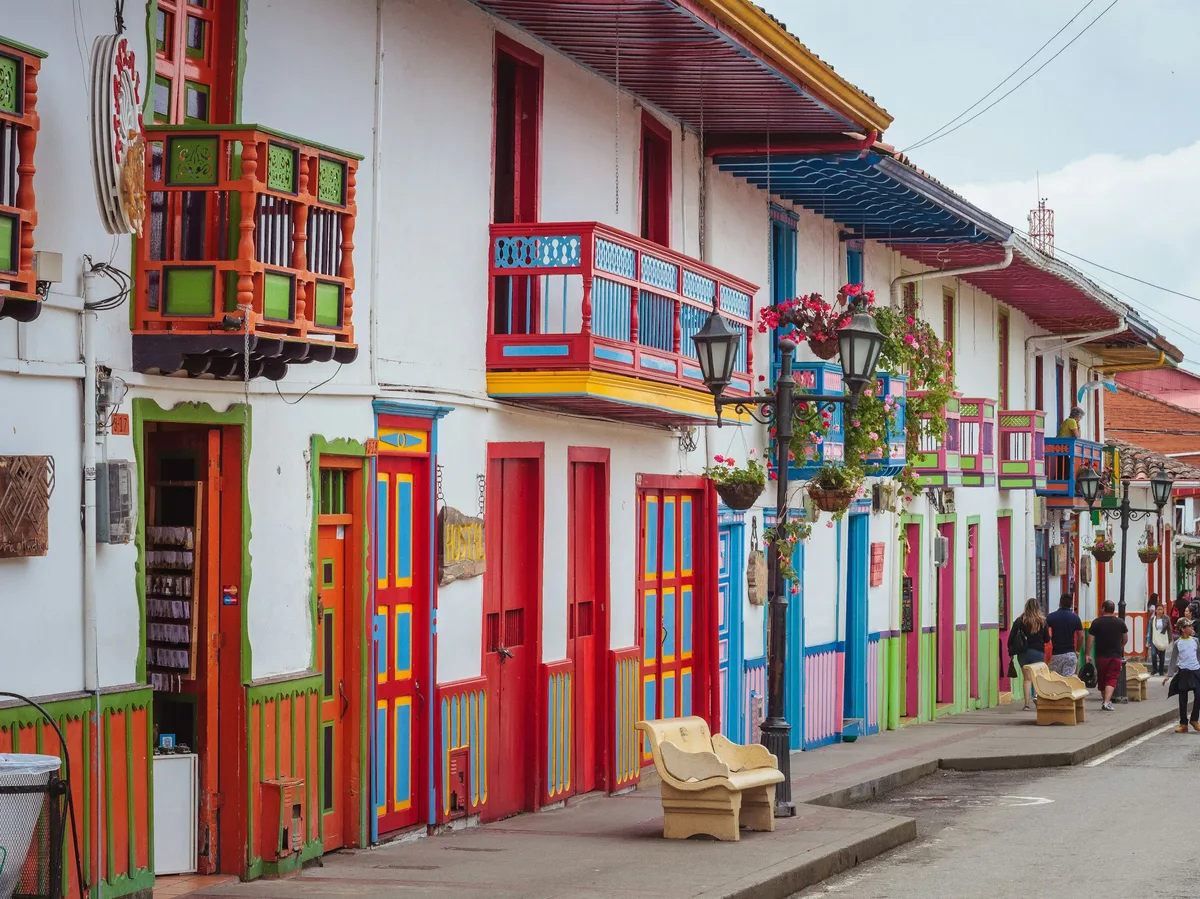
The architecture most visitors notice is the regional paisa style: low houses with colourful wooden balconies, carved doors and inner courtyards, lining streets that climb to a hilltop lookout above the valley.
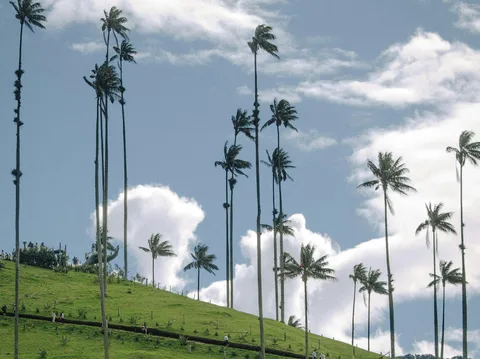
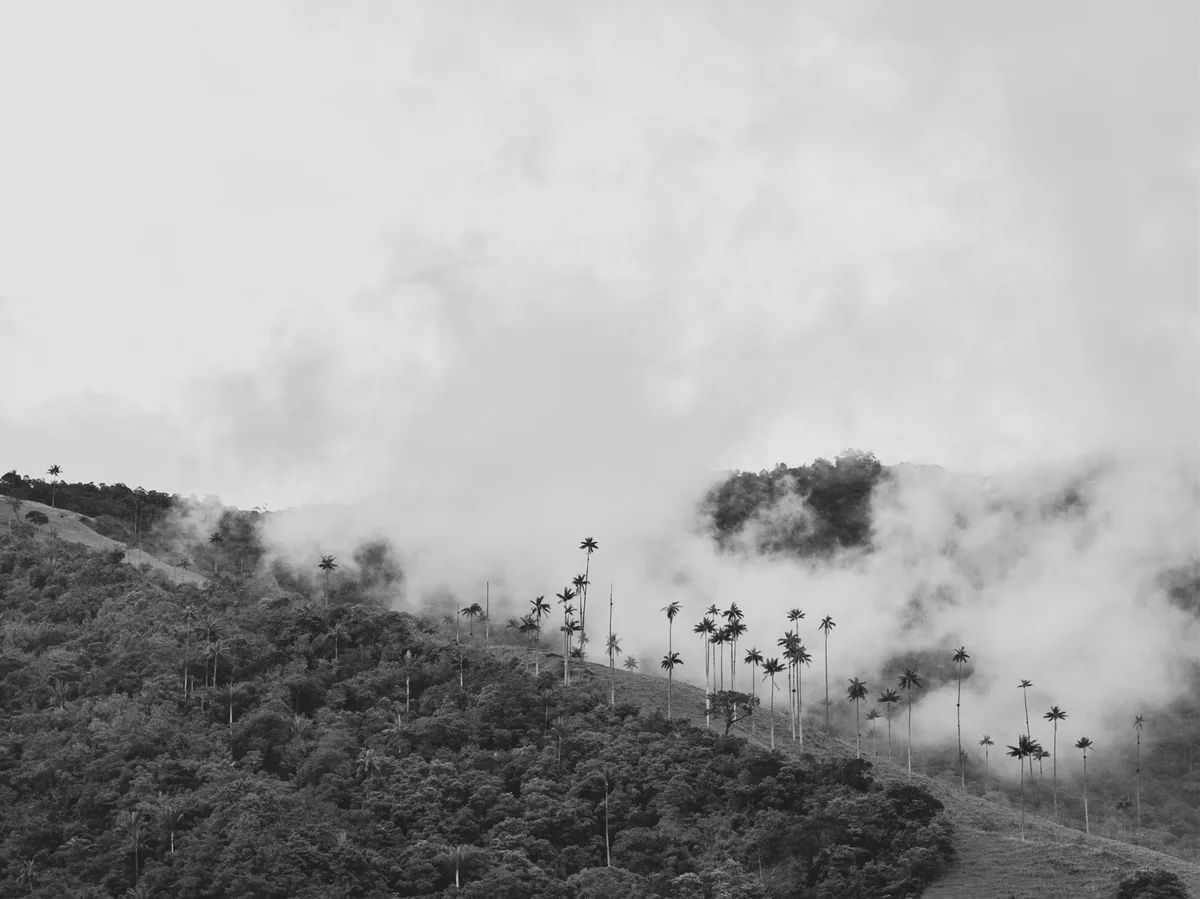
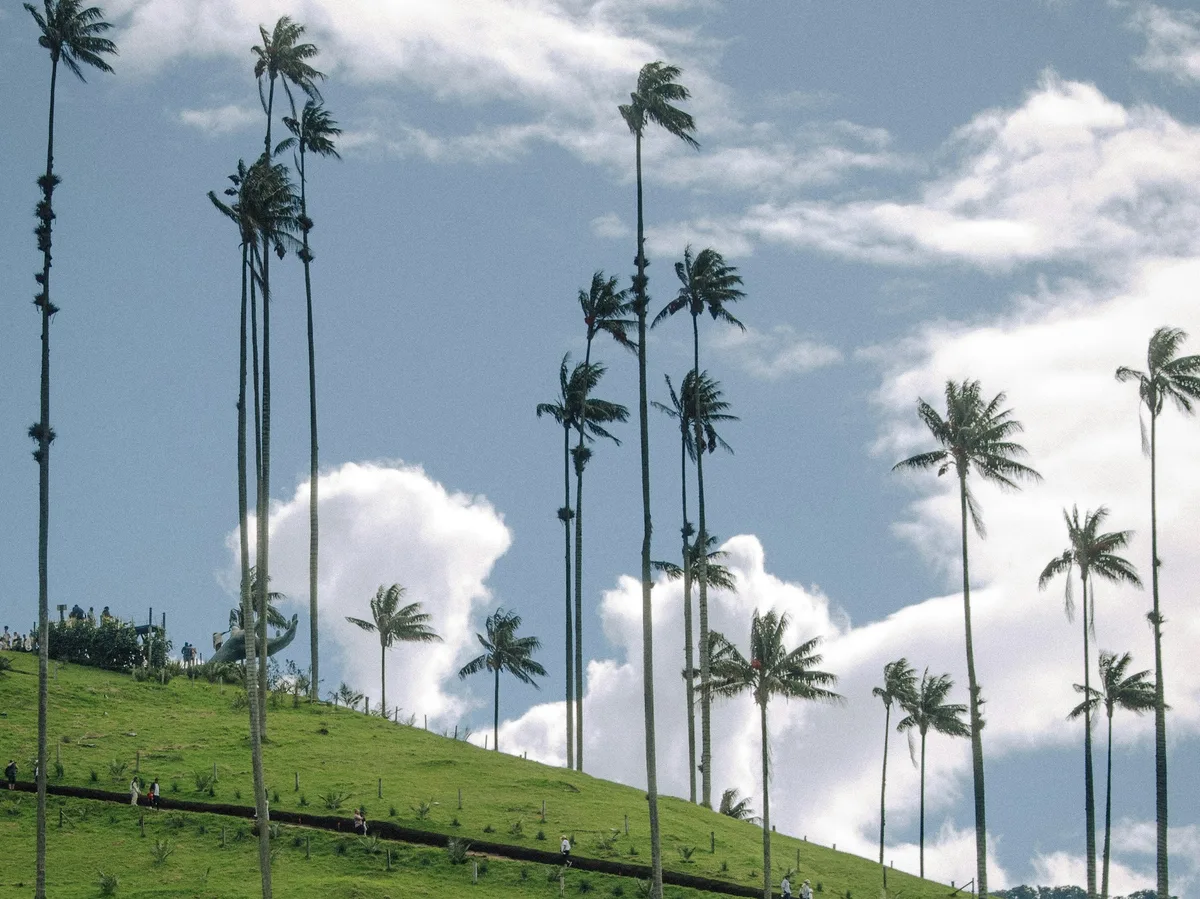
A short distance from Salento lies the Cocora Valley, in the Central Cordillera of the Andes at roughly 1,800 to 2,400 metres. The valley forms part of Los Nevados National Natural Park and is the main home of the Quindio wax palm, Ceroxylon quindiuense, which Colombian Law 61 of 1985 declared the national tree. Wax palms in this landscape can grow to around 60 metres, according to Wikipedia, and they rise in loose stands out of pasture and cloud forest.
The name Cocora is said to come from a Quimbaya princess, daughter of the local chief Acaime, and is translated as star of water. That is local tradition rather than documented history.
The coffee here is grown in the shade of trees on small farms, where harvesting, washing and drying are still largely done by hand, grain by grain. The surrounding region also hosts coffee-themed attractions such as the Colombian National Coffee Park near Montenegro, and many family farms near Salento welcome visitors for explanations of how beans move from the branch to the cup.
The climate is mild and spring-like in the highlands, with cool mornings and frequent mist, so layers and waterproofs are sensible. A private guided visit with a driver suits the region well, because the farms, the town and the valley are spread across winding rural roads.
See every tour and attraction we cover in Colombia.