TorontoOntario · 36 tours
 Niagara FallsOntario · 25 tours
 New York CityNew York · 30 tours
 Las VegasNevada · 8 tours
 San FranciscoCalifornia · 16 tours
 VancouverBritish Columbia · 17 tours
 DubaiUAE · 54 tours
 Abu DhabiUAE · 5 tours
 Buenos AiresArgentina · 23 tours
 AthensGreece · 31 tours
 AucklandNew Zealand · 38 tours
 CancunMexico · 54 tours
No destinations match “”. Try searching all tours instead — that search understands full questions, not just place names.
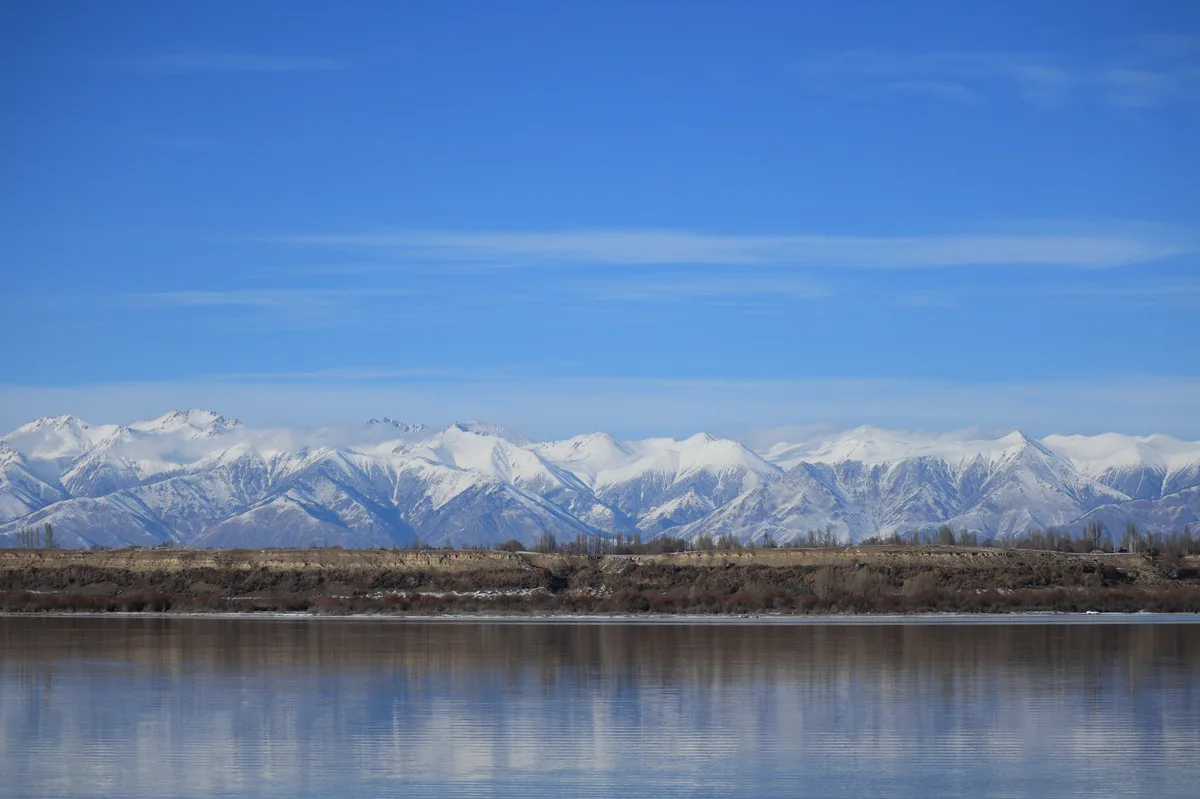
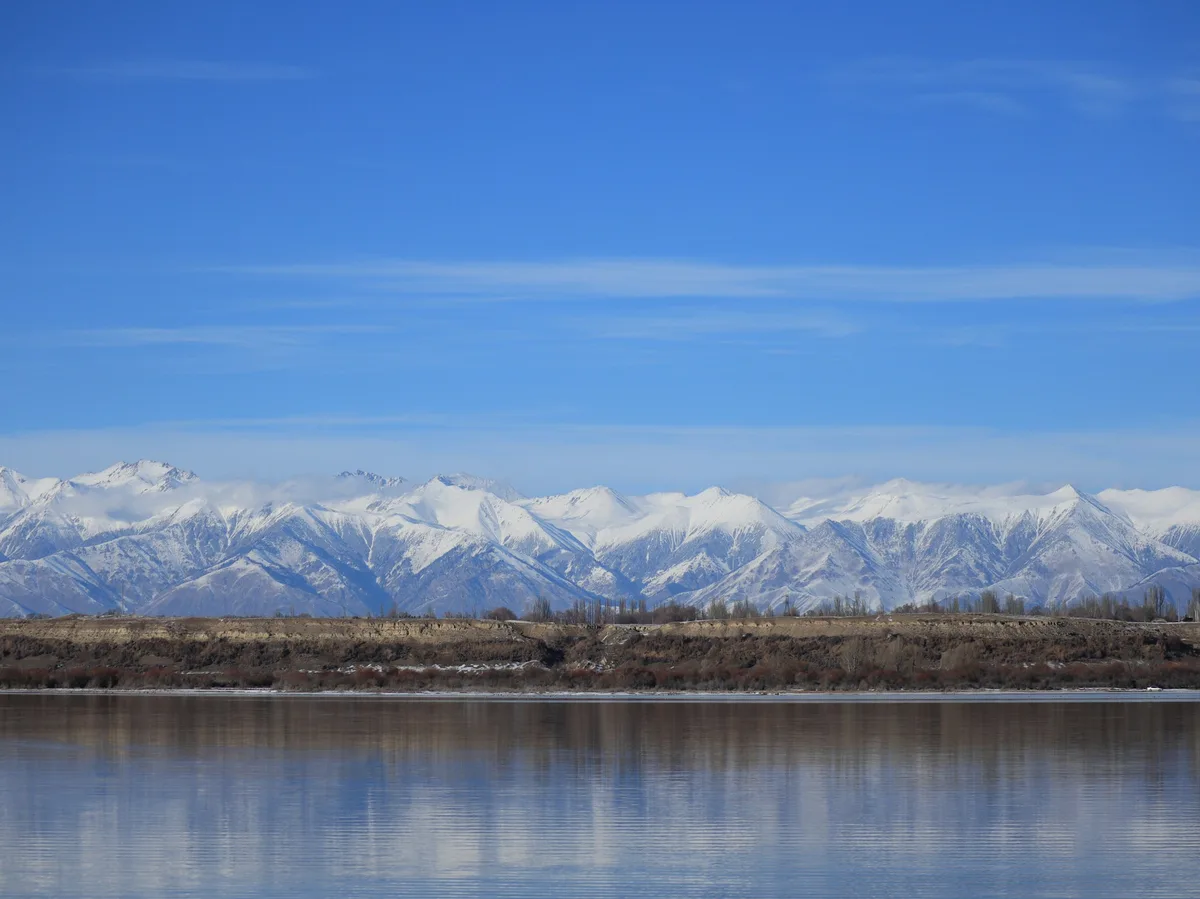
One of the largest alpine lakes in the world, ringed by the Tian Shan mountains and known locally as the 'pearl of Kyrgyzstan.'
 Multi-Day Tours
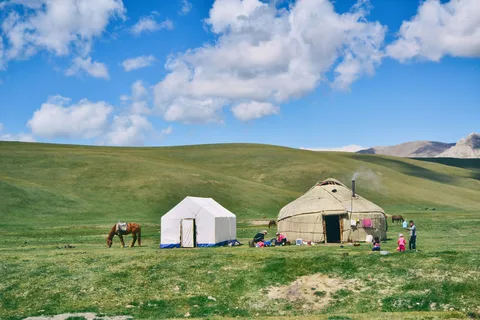
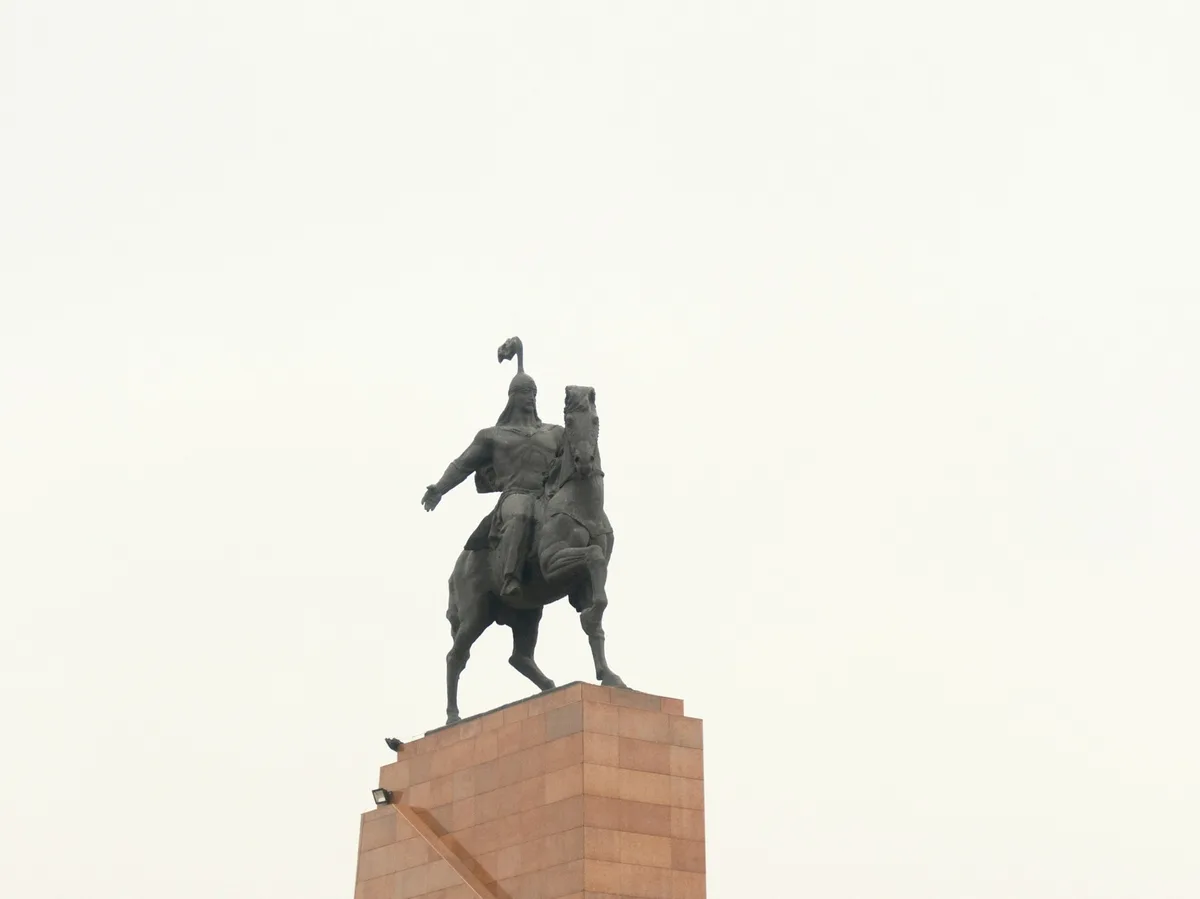
A 10-day introduction to Kyrgyzstan — Bishkek's city sights, Issyk-Kul Lake's northern shore, the mountain excursions and hot springs above Karakol, Jety-Oguz Valley, Skazka Canyon, and a night in a nomad yurt camp on Son-Kul Lake.
 Multi-Day Tours
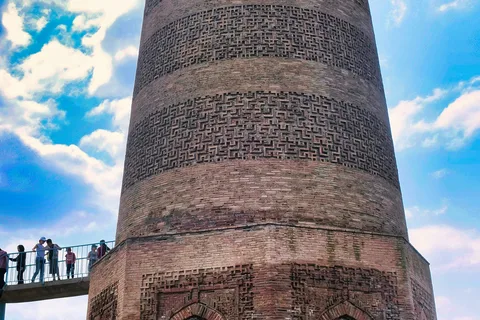
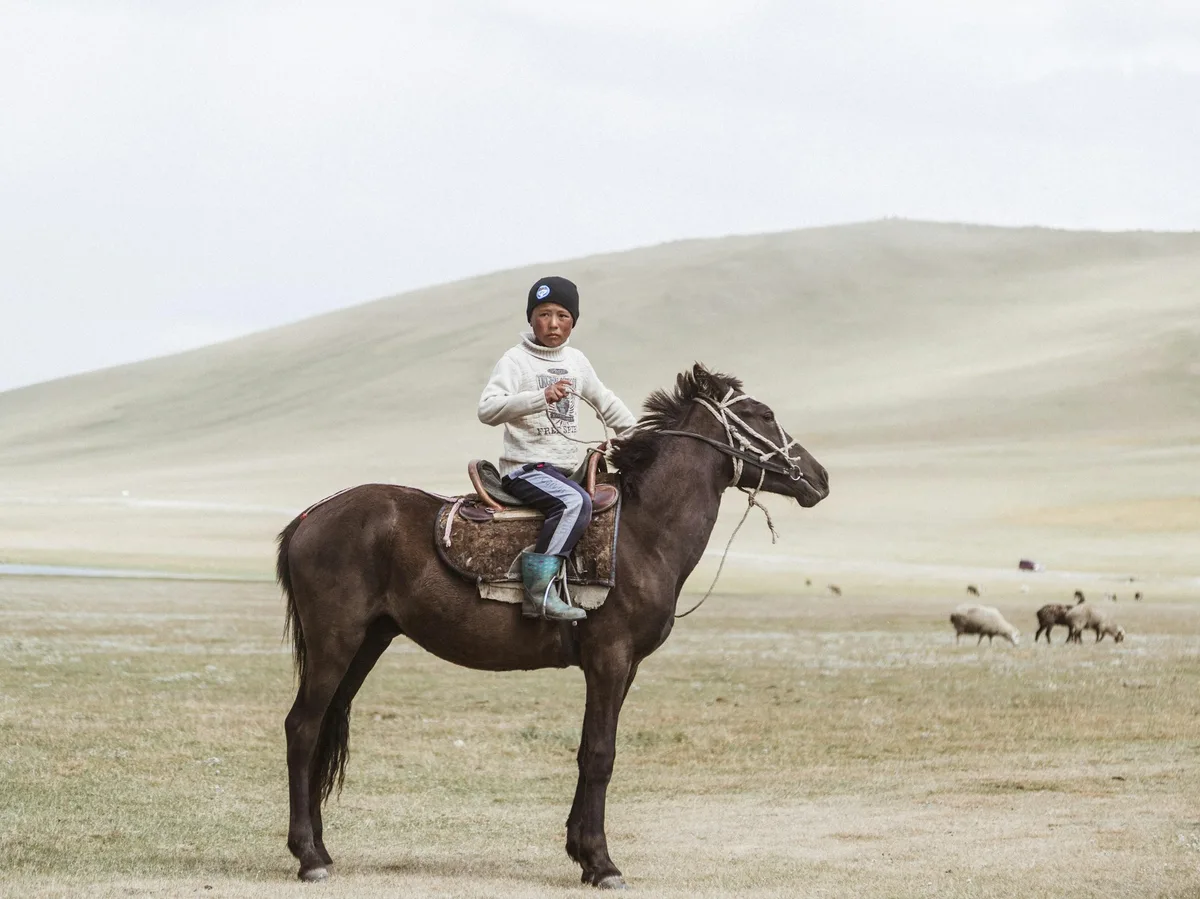
A 10-day journey through Kyrgyzstan on foot and on horseback — Bishkek, the Burana Tower, a multi-day horse trek over the Kalmak Ashuu Pass to Issyk-Kul Lake, and a final ride along the shores of Son-Kul Lake.
 Multi-Day Tours
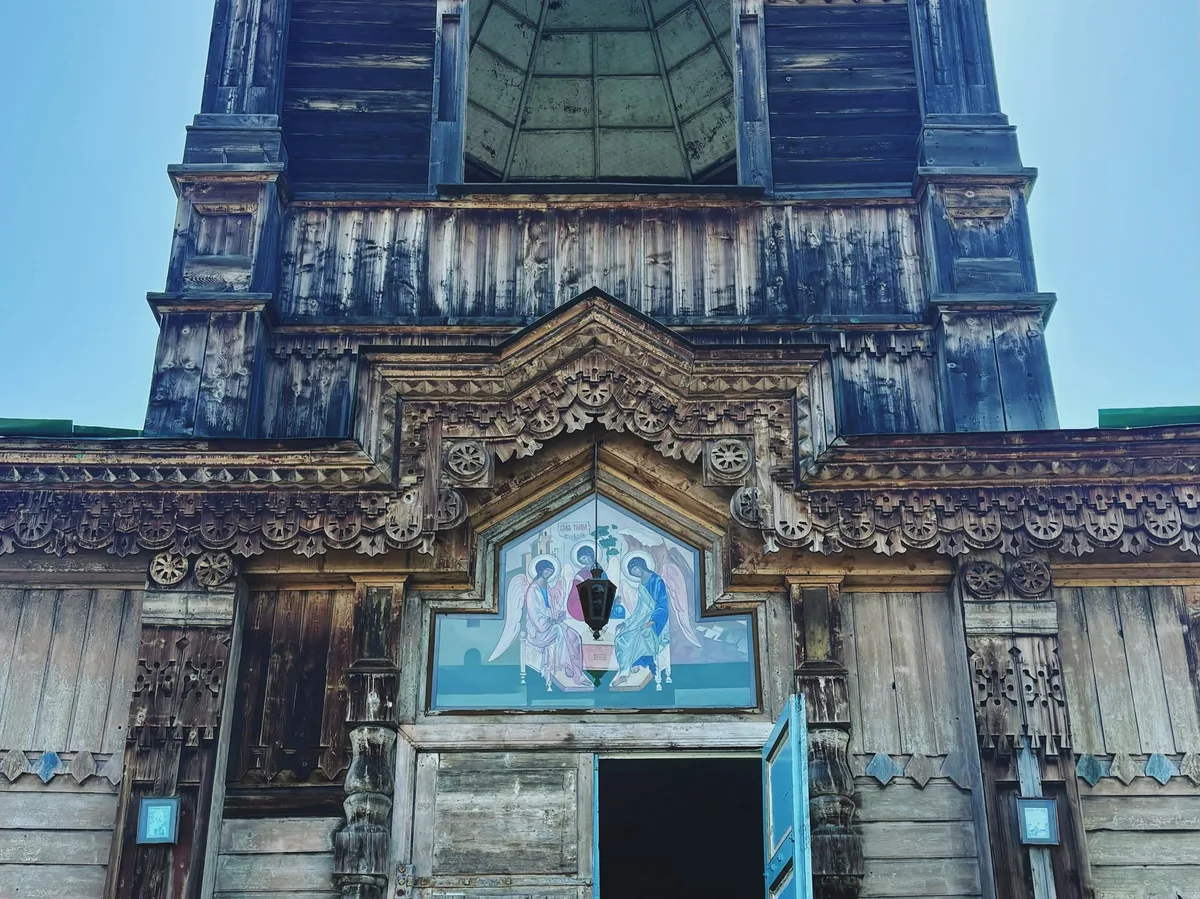
An 8-day food-focused journey through Kyrgyzstan, learning to cook plov, lamb dishes, ashlan-fu, jam, and manty dumplings alongside local families, with stops at Burana Tower, Issyk-Kul Lake, and a nomad yurt camp on Son-Kul Lake.
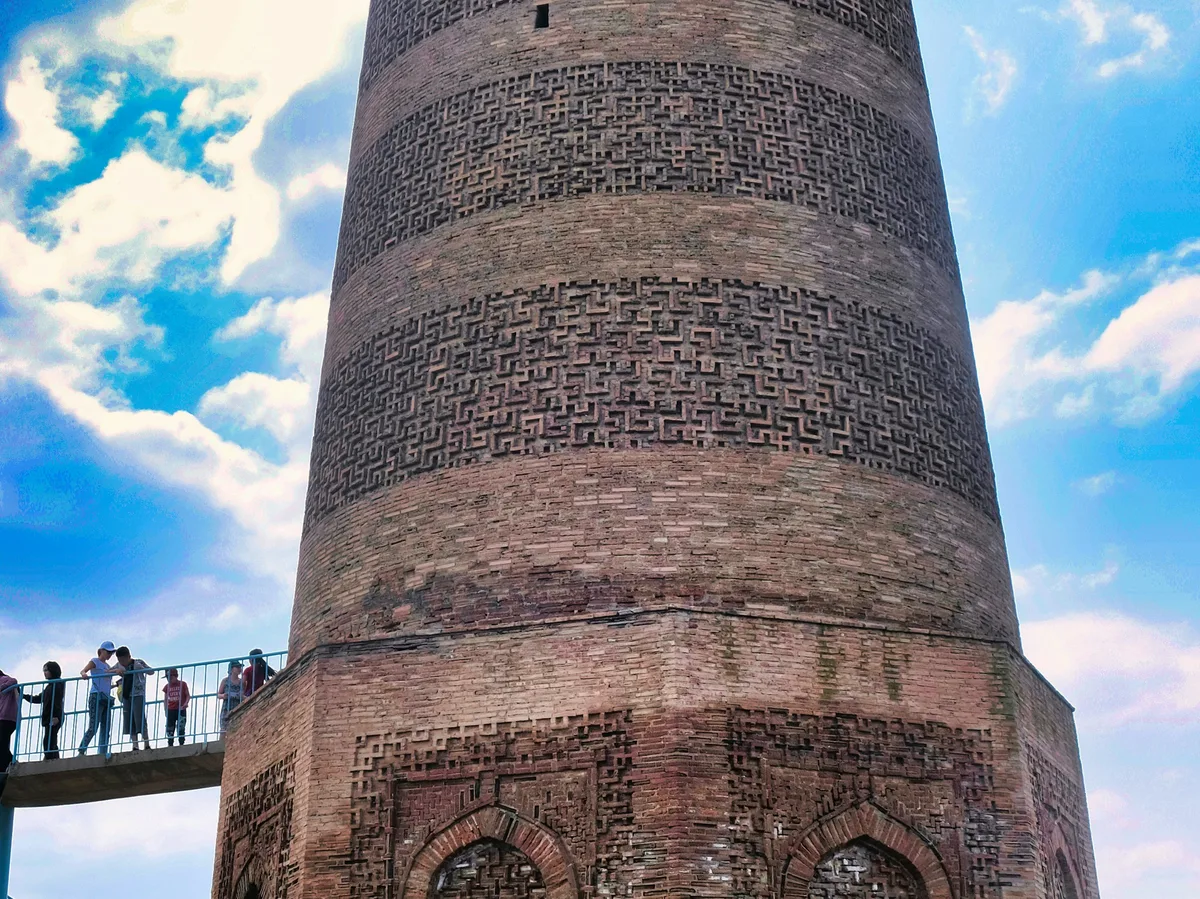 Multi-Day Tours
A 10-day cultural circuit through Kyrgyzstan — Bishkek and Ala-Archa National Park, the ancient Burana Tower, Issyk-Kul Lake's petroglyphs and gorges, Jety-Oguz Valley, eagle-hunting and felt-making in Kochkor, and a nomad camp on Son-Kul Lake.
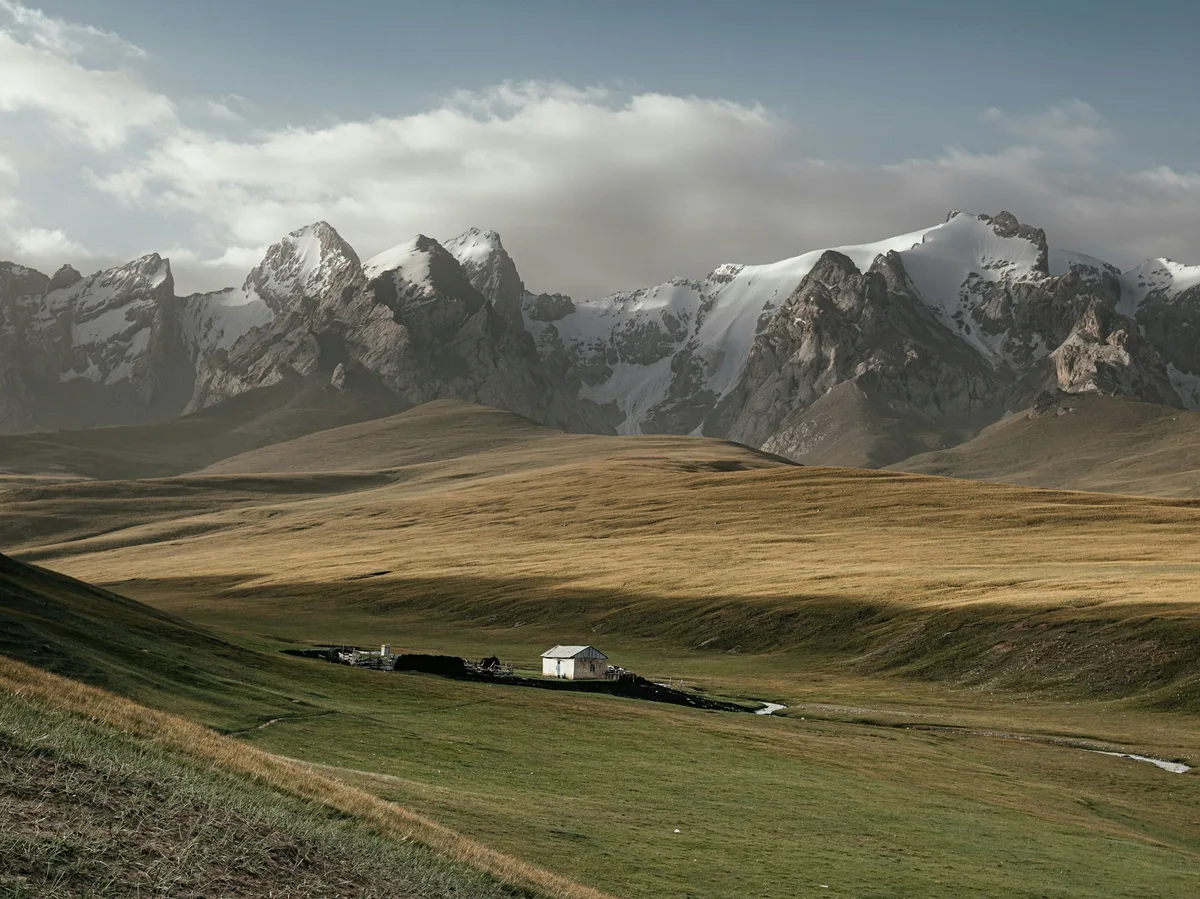 Multi-Day Tours
A 10-day off-road circuit through Kyrgyzstan's heartland — Kyzyl-Oy, Son-Kul Lake, the Tash Rabat caravanserai, Eki-Naryn, Issyk-Kul's south shore, Skazka Canyon, Jety-Oguz Valley, and the Burana Tower.
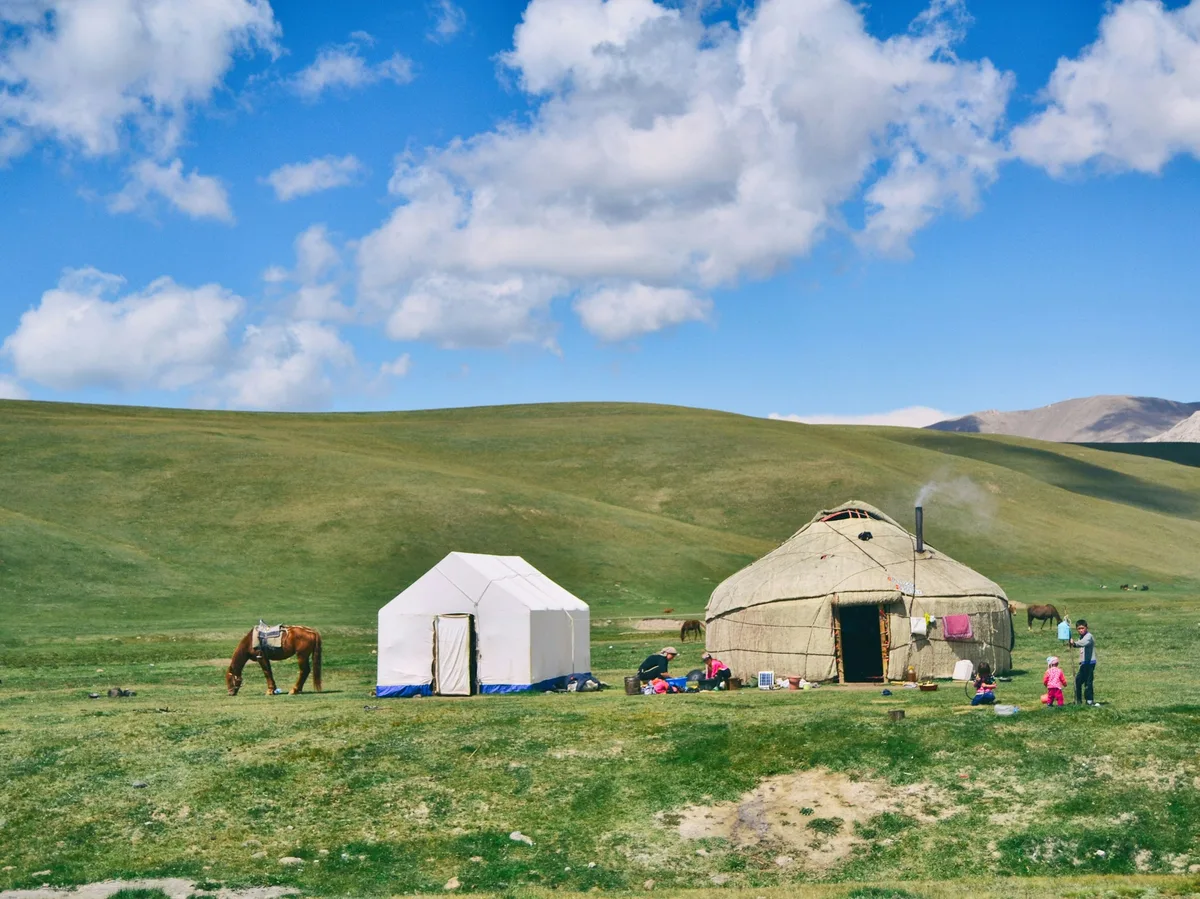 Multi-Day Tours
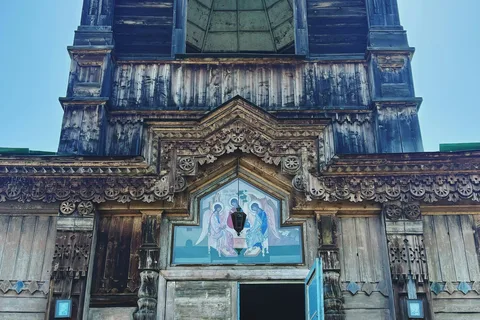
An 8-day landscape-focused route through Kyrgyzstan — the Chong-Kemin valley, a Kyrgyz horse farm, Karakol's church and mosque, Jeti-Oguz canyon, a yurt-making village, and the Konorchek Canyons near Bishkek.
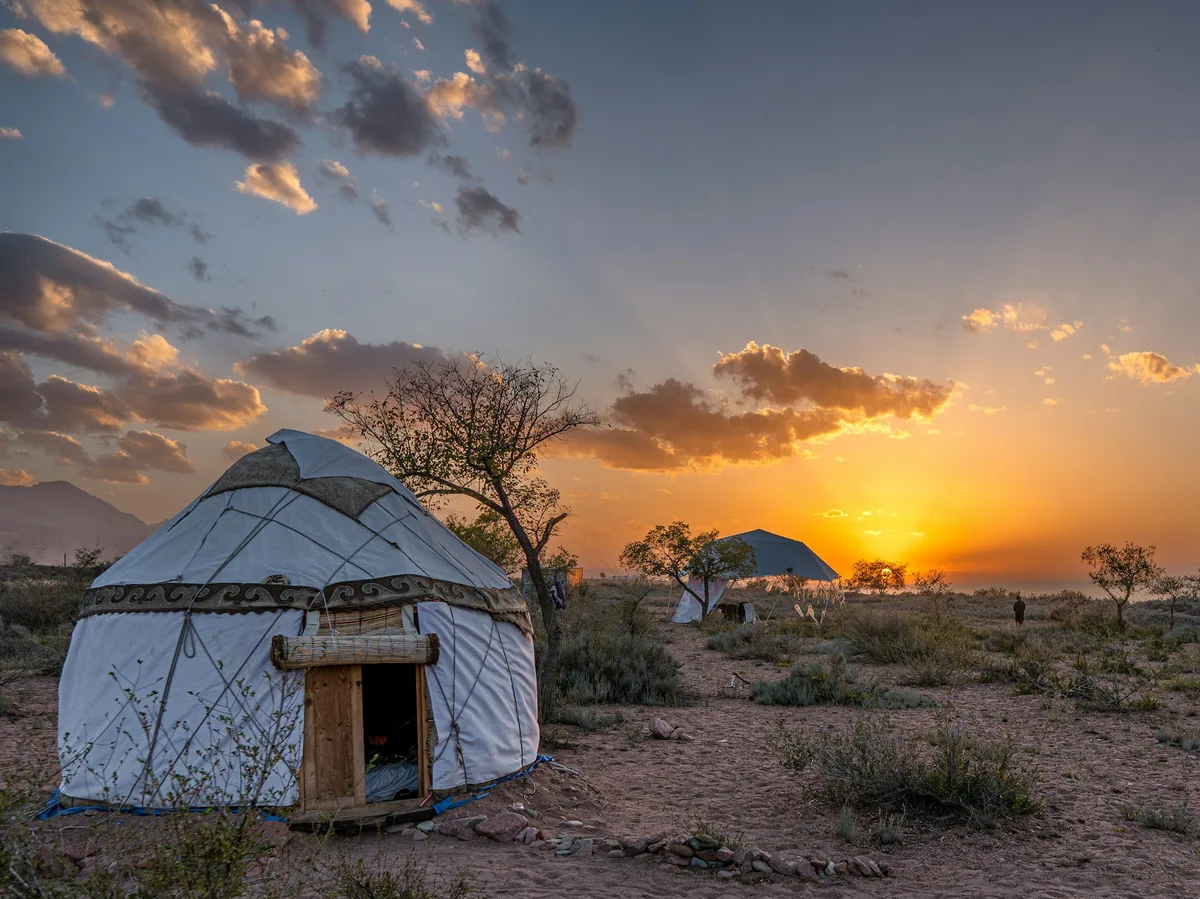 Multi-Day Tours
A 14-day grand circuit of Kyrgyzstan — Bishkek, the Toktogul Reservoir, the alpine Sary-Chelek lake, the walnut forests of Arslanbob, a nomad yurt camp on Son-Kul Lake, the Tash Rabat caravanserai, Skazka Canyon, Jety-Oguz Valley, and Issyk-Kul Lake.
 Multi-Day Tours
A 15-day trekking-led journey through Kyrgyzstan — a four-day horse-supported trek to Kol-Kogur Lake, a three-day trek to the glacial Ala-Kul Lake and Altyn-Arashan hot springs, Jety-Oguz Valley, eagle-hunting near Skazka Canyon, and a nomad yurt camp on Son-Kul Lake.
Visitor guide
Issyk-Kul is a large saline lake in the western Tian Shan mountains of eastern Kyrgyzstan. Its name translates as Hot Lake, and it is one of the world's major mountain lakes, ringed by snow-capped ranges.
According to Wikipedia, Issyk-Kul sits at about 1,607 metres above sea level. It is roughly 178 to 182 kilometres long and up to 60 kilometres wide, with a surface area of about 6,236 square kilometres. Its maximum depth is 668 metres, and its volume is about 1,736 cubic kilometres. The article ranks it as the eighth-deepest lake in the world and the second-largest saline lake, and the second-largest mountain lake after Lake Titicaca.
The water is about 0.6 percent salt, compared with roughly 3.5 percent for seawater. Despite its altitude and cold winters, the lake rarely freezes, which UNESCO attributes to its depth, slight salinity and warm springs. About 118 rivers and streams feed it, the largest being the Jyrgalang and the Tup, along with hot springs and snowmelt. It has no surface outlet. The lake level is reported to be about 8 metres higher than in medieval times, though it has been falling roughly 5 centimetres a year because of water diversion. The lakebed contains monohydrocalcite, a rare lake mineral.
The lake was a stop on the Silk Road, and the Chinese monk Xuanzang mentioned it in the seventh century. Manchu and Mongol records called it Temurtu-Nor, meaning Iron Lake. Divers have found submerged settlements; Toru-Aygyr, founded in the thirteenth century, was submerged by fifteenth-century earthquakes, and ancient coins and a bronze cauldron have been recovered. Wikipedia also notes that a 2022 study found plague in the region around 1338 to 1339, probably spread by traders.
During the Soviet period the northern shore became a resort area with sanatoria and holiday homes, especially around Cholpon-Ata. These declined after the Soviet collapse and hotels and guesthouses have since been revived. Karakol, formerly Przhevalsk, is the regional capital near the eastern end, and Balykchy lies at the western railhead. The Soviet navy also used the eastern end of the lake for submarine and torpedo testing.
Issyk-Kul State Reserve, established in 1948, was Kyrgyzstan's first nature reserve. The lake is a Ramsar wetland and a UNESCO biosphere reserve was designated in the Issyk-Kul region in 2001. Large numbers of waterfowl winter on the lake, and both its western and eastern ends are Important Bird Areas. The lake has many endemic fish species, several of them endangered, and overfishing and introduced species such as pike perch and rainbow trout have reduced catches.
Issyk-Kul is a base for lakeside beaches, hot springs and mountain excursions, with the Tian Shan rising on every side. A private guided journey with a driver suits the distances around the lake, which can take several hours to circle, and allows stops at the northern resorts, southern canyons and the eastern town of Karakol.
See every tour and attraction we cover in Kyrgyzstan.