TorontoOntario · 36 tours
 Niagara FallsOntario · 25 tours
 New York CityNew York · 30 tours
 Las VegasNevada · 8 tours
 San FranciscoCalifornia · 16 tours
 VancouverBritish Columbia · 17 tours
 DubaiUAE · 54 tours
 Abu DhabiUAE · 5 tours
 Buenos AiresArgentina · 23 tours
 AthensGreece · 31 tours
 AucklandNew Zealand · 38 tours
 CancunMexico · 54 tours
No destinations match “”. Try searching all tours instead — that search understands full questions, not just place names.
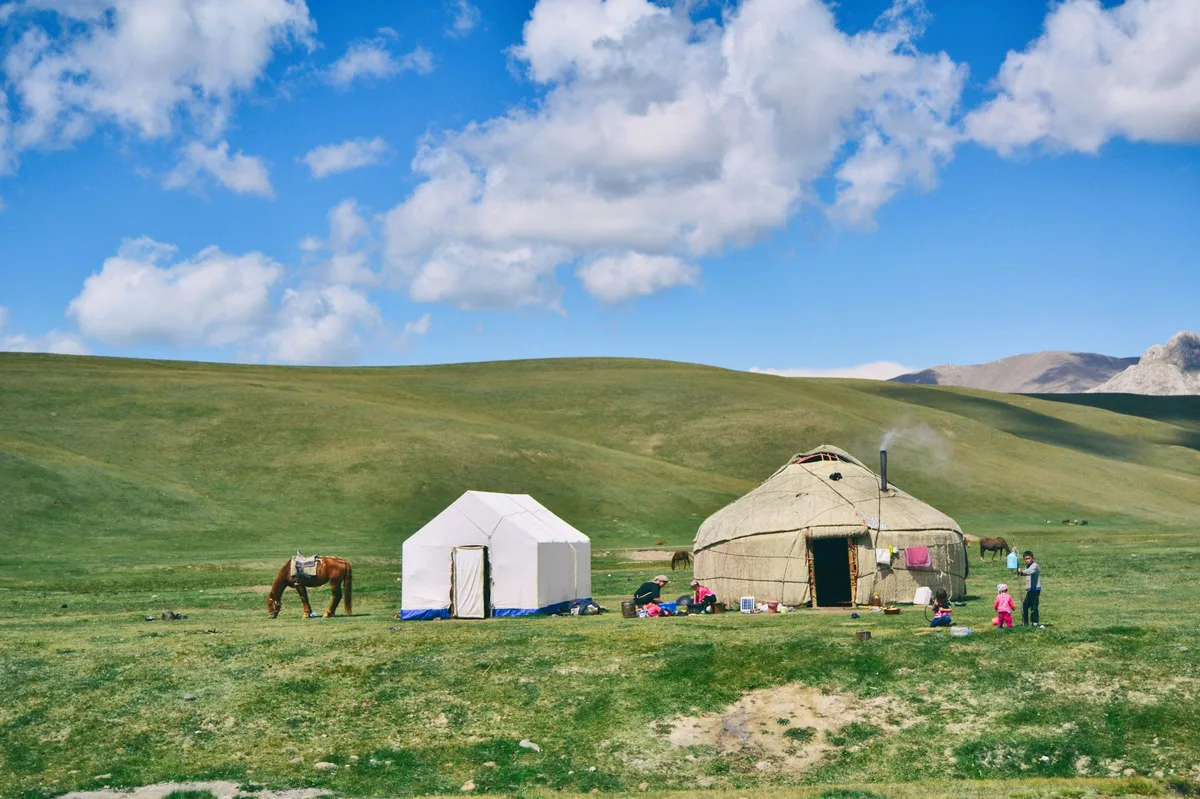
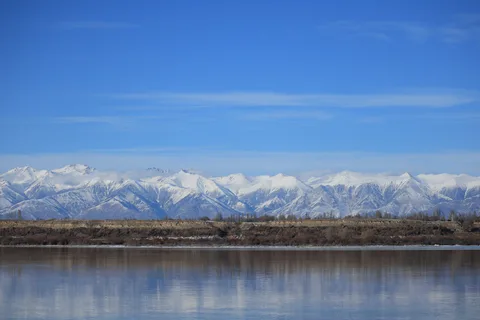
A remote high-altitude lake at over 3,000m, reachable only in summer, ringed by nomad yurt camps and grazing grounds used for centuries.
 Multi-Day Tours
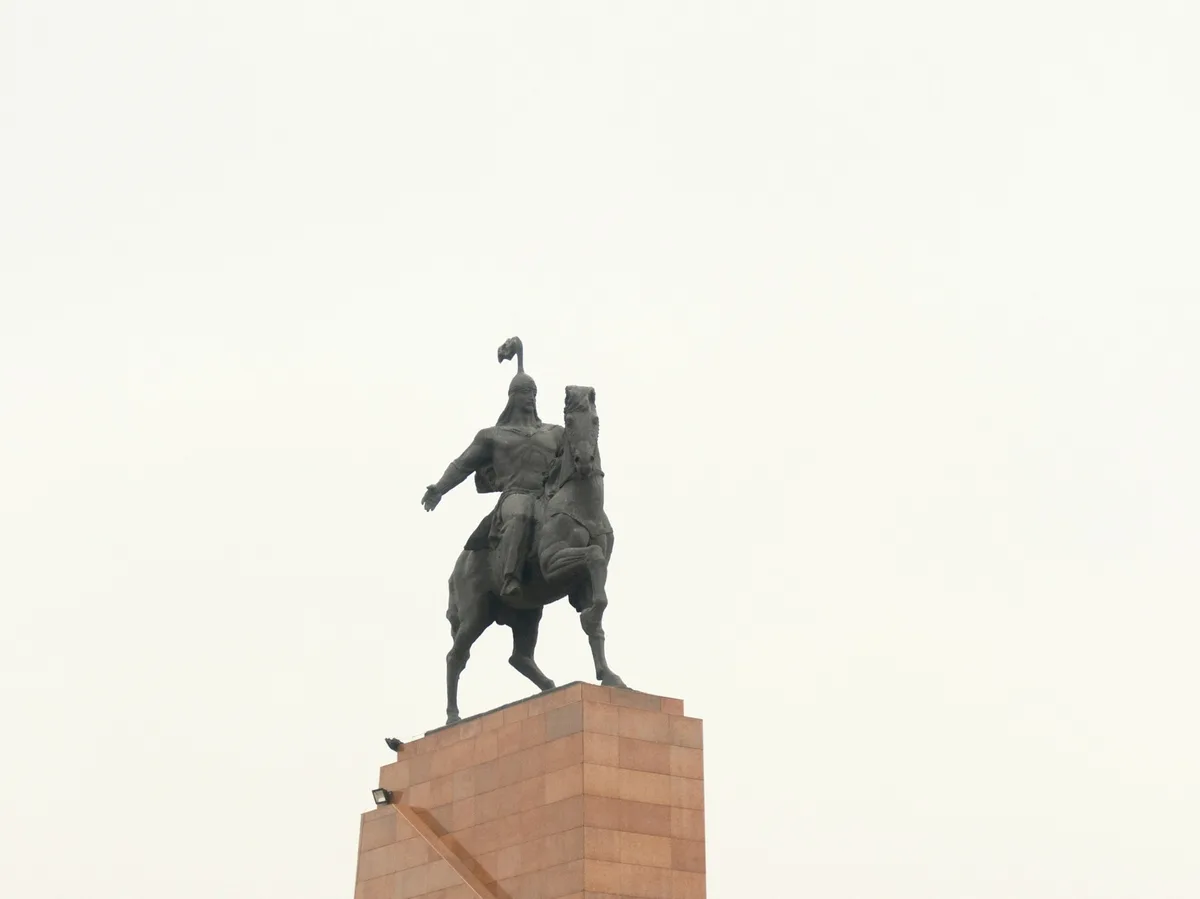
A 10-day introduction to Kyrgyzstan — Bishkek's city sights, Issyk-Kul Lake's northern shore, the mountain excursions and hot springs above Karakol, Jety-Oguz Valley, Skazka Canyon, and a night in a nomad yurt camp on Son-Kul Lake.
 Multi-Day Tours
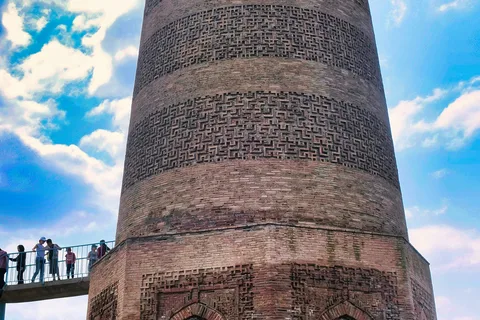
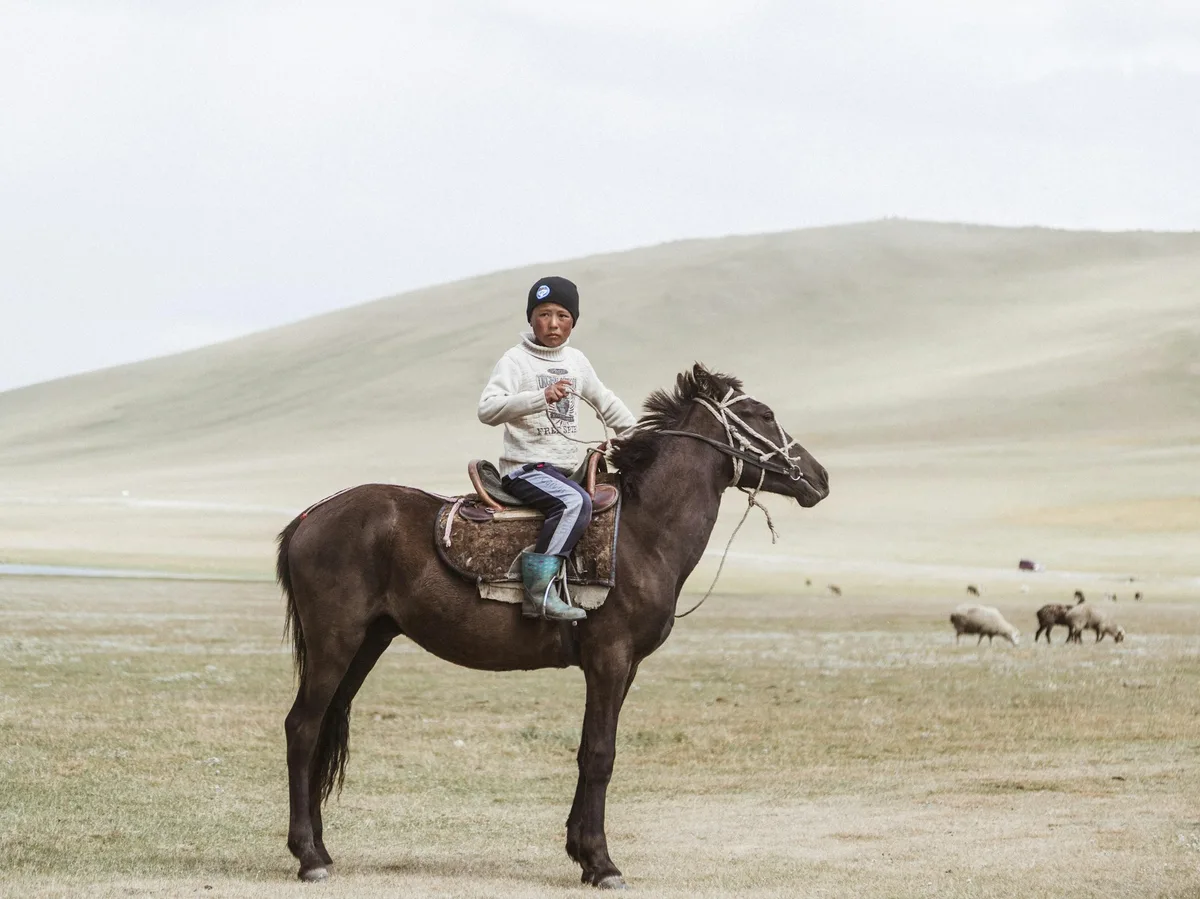
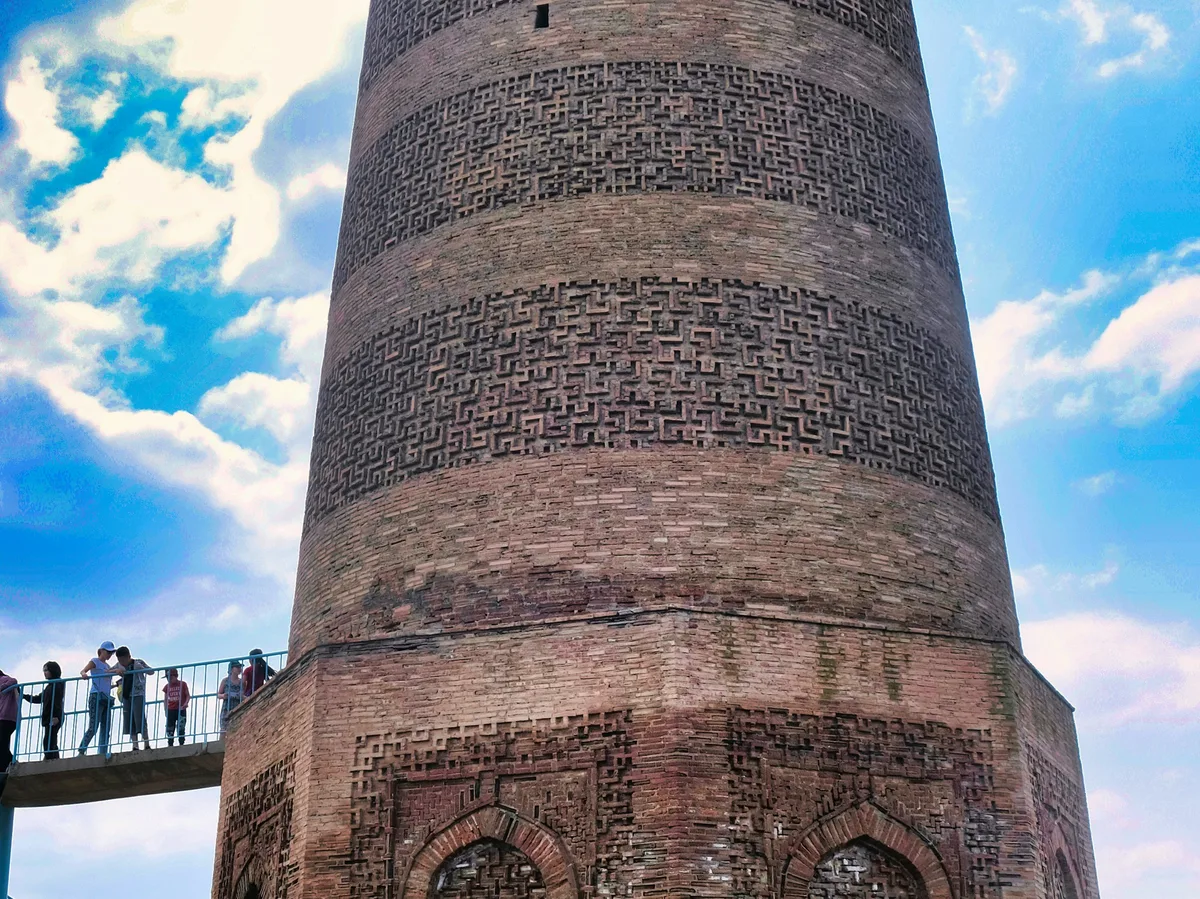
A 10-day journey through Kyrgyzstan on foot and on horseback — Bishkek, the Burana Tower, a multi-day horse trek over the Kalmak Ashuu Pass to Issyk-Kul Lake, and a final ride along the shores of Son-Kul Lake.
 Multi-Day Tours
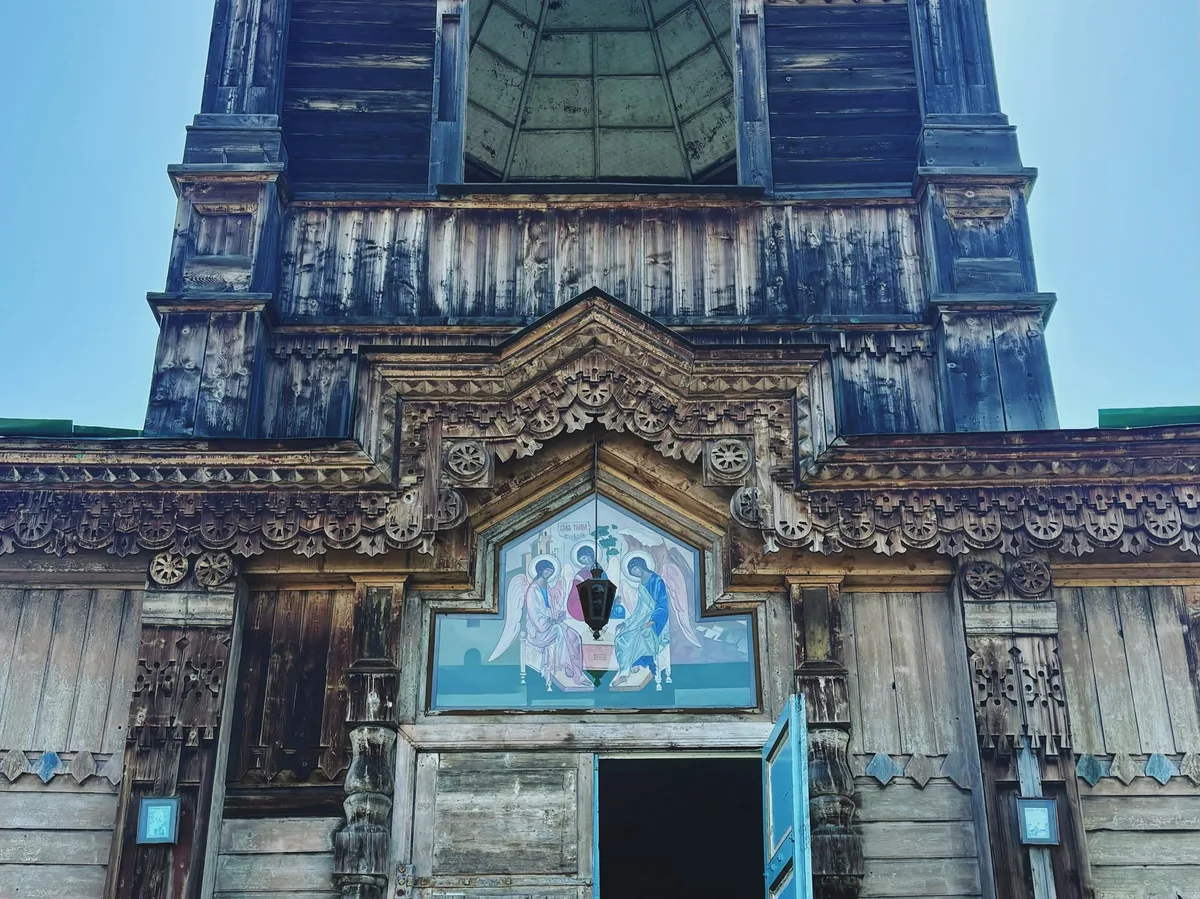
An 8-day food-focused journey through Kyrgyzstan, learning to cook plov, lamb dishes, ashlan-fu, jam, and manty dumplings alongside local families, with stops at Burana Tower, Issyk-Kul Lake, and a nomad yurt camp on Son-Kul Lake.
 Multi-Day Tours
A 10-day cultural circuit through Kyrgyzstan — Bishkek and Ala-Archa National Park, the ancient Burana Tower, Issyk-Kul Lake's petroglyphs and gorges, Jety-Oguz Valley, eagle-hunting and felt-making in Kochkor, and a nomad camp on Son-Kul Lake.
 Multi-Day Tours
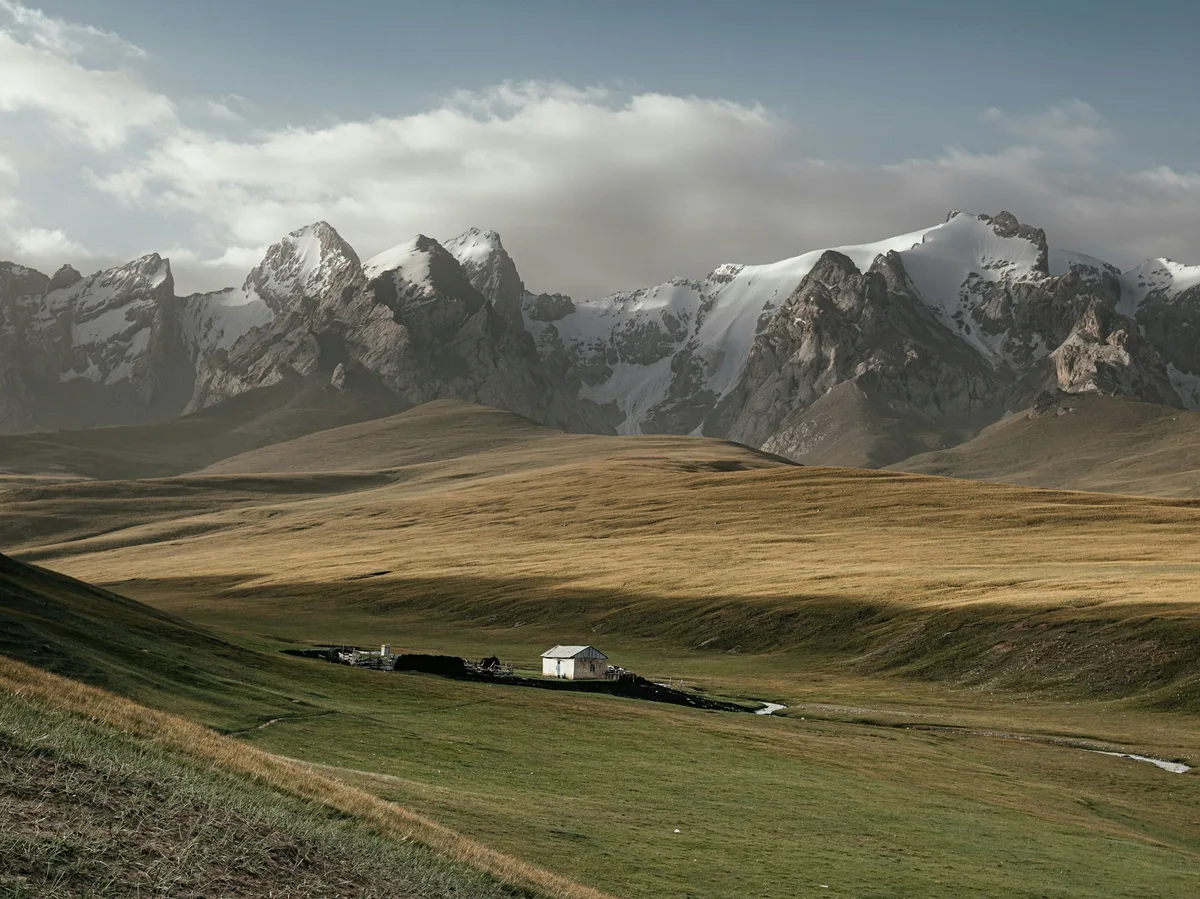
A 10-day off-road circuit through Kyrgyzstan's heartland — Kyzyl-Oy, Son-Kul Lake, the Tash Rabat caravanserai, Eki-Naryn, Issyk-Kul's south shore, Skazka Canyon, Jety-Oguz Valley, and the Burana Tower.
 Multi-Day Tours
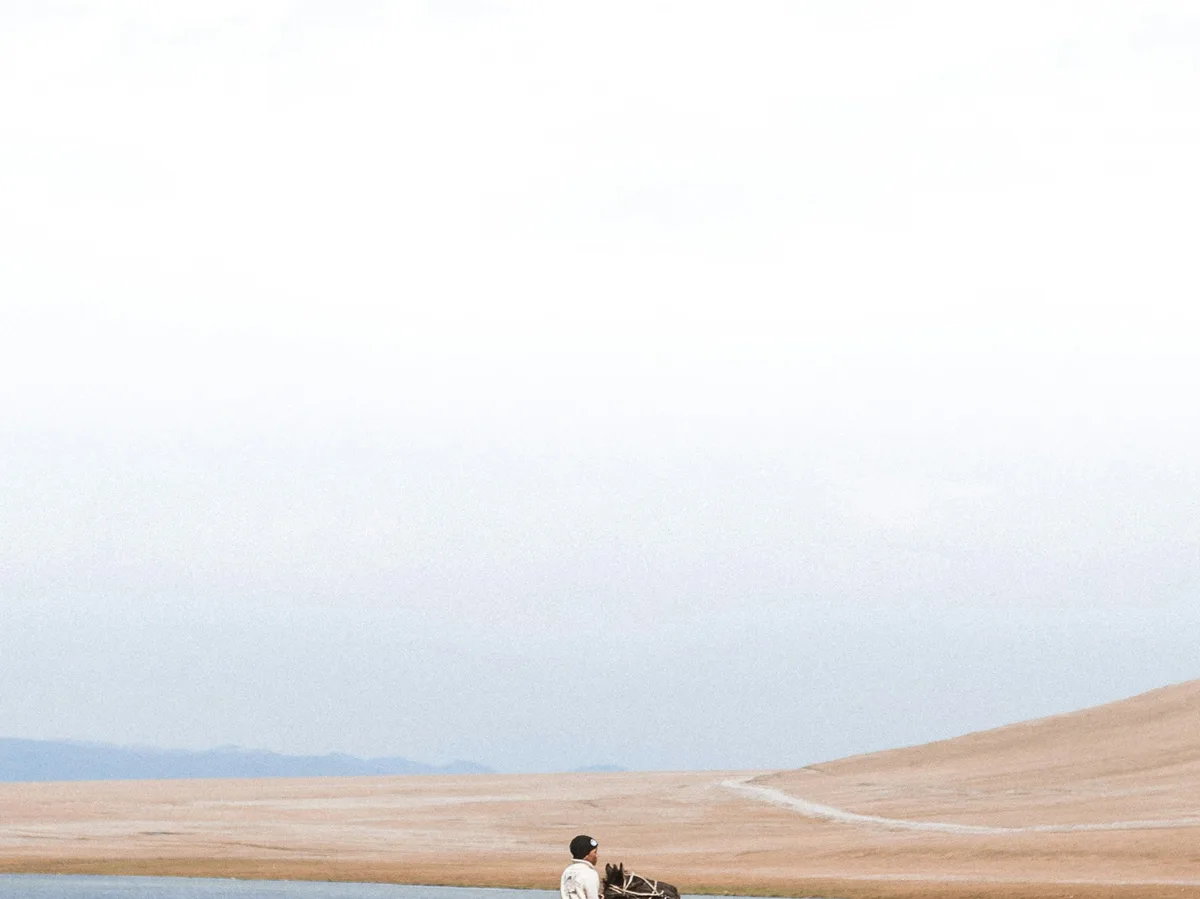
A 10-day trekking and horseback adventure through the Tian Shan mountains of Kyrgyzstan — multi-day treks to the alpine lakes Kol-Kogur and Kol-Tor, felt-carpet workshops, a Song-Kul horse ride, and the Burana Tower.
 Multi-Day Tours
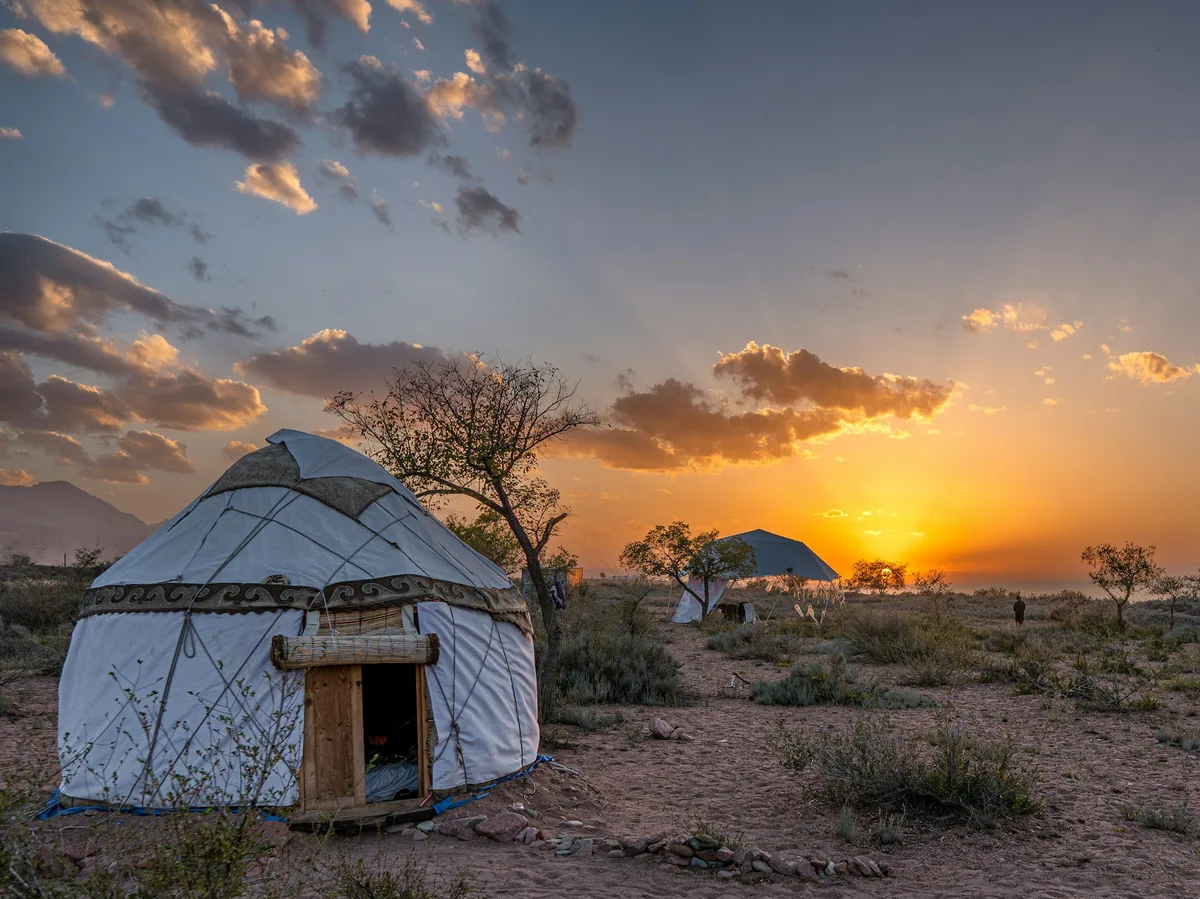
A 14-day grand circuit of Kyrgyzstan — Bishkek, the Toktogul Reservoir, the alpine Sary-Chelek lake, the walnut forests of Arslanbob, a nomad yurt camp on Son-Kul Lake, the Tash Rabat caravanserai, Skazka Canyon, Jety-Oguz Valley, and Issyk-Kul Lake.
 Multi-Day Tours
A 15-day trekking-led journey through Kyrgyzstan — a four-day horse-supported trek to Kol-Kogur Lake, a three-day trek to the glacial Ala-Kul Lake and Altyn-Arashan hot springs, Jety-Oguz Valley, eagle-hunting near Skazka Canyon, and a nomad yurt camp on Son-Kul Lake.
Visitor guide
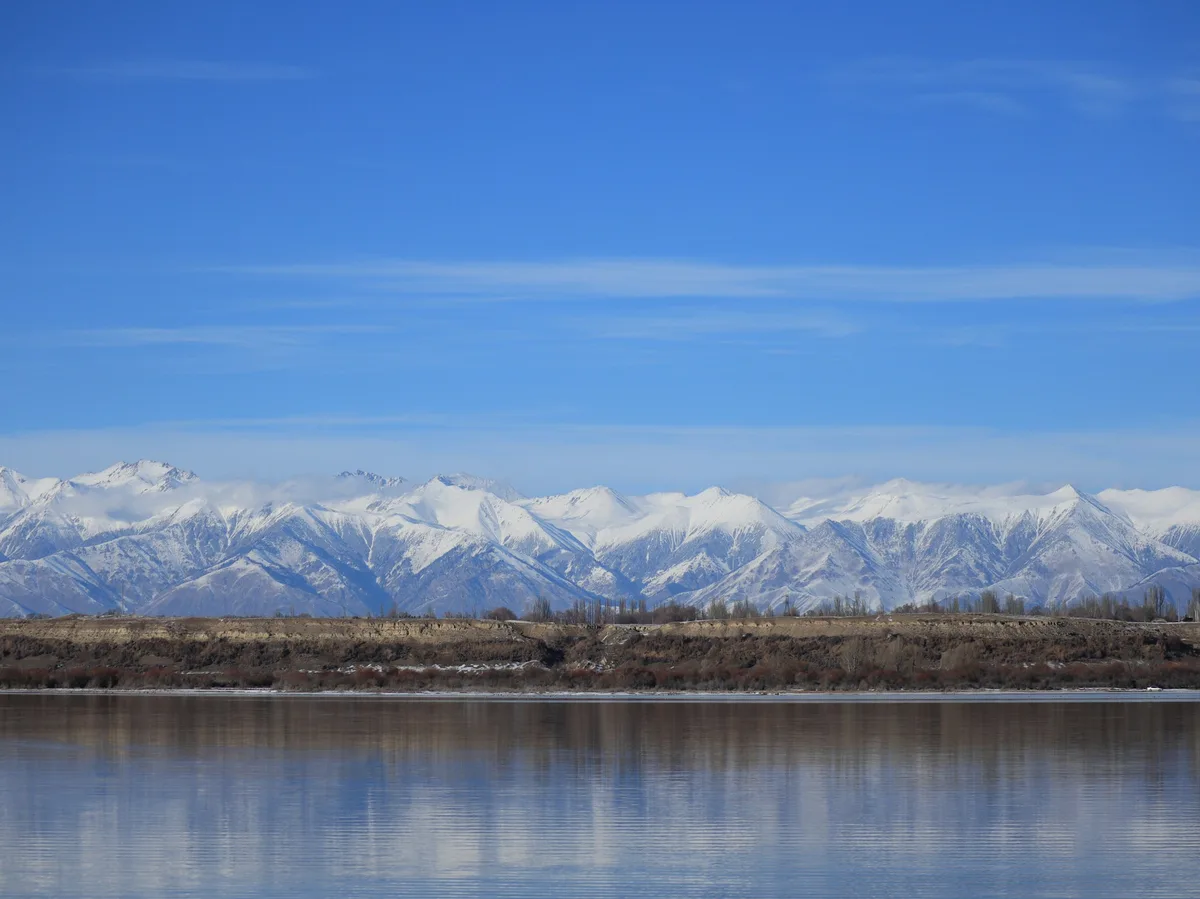
Song-Kol, also written Son-Kul, is a high-altitude freshwater lake in the northern Naryn Region of Kyrgyzstan. Lying at about 3,016 metres above sea level, it is the second-largest lake in the country after Issyk-Kul and the largest freshwater lake in Kyrgyzstan.
According to Wikipedia, the lake covers about 270 square kilometres and holds roughly 2.64 cubic kilometres of water. It is about 29 kilometres long, up to 18 kilometres wide and no deeper than 13.2 metres. It sits in the Song-Kol Valley within the Naryn river basin, with the Songkol Too ridge to the north and the Borbor Alabas and Moldo Too mountains to the south. Four perennial rivers feed it, including the Kumbel and Aktash, and the Kajyrty River drains it southeast to the Naryn.
Wikipedia gives the average temperature in the basin as about minus 3.5 degrees Celsius, with January averaging around minus 20 and July around 11. Snow cover lasts 180 to 200 days a year, and in winter the lake freezes to a thickness of 1 to 1.2 metres. The ice begins to melt in mid-to-late April and is gone by late May. Strong winds generally keep the water mixed, and summer surface temperatures can reach about 20 to 23 degrees.
About 190 bird species have been recorded at the lake, which is important for breeding, migration and moulting. It hosts a breeding colony of black-headed gulls and one of the highest-altitude breeding populations of demoiselle cranes. Bar-headed geese, black storks and several large birds of prey also breed in the area, while ruddy shelducks and waders gather there in migration. The lake is an Important Bird Area and a Key Biodiversity Area of global significance.
In 2011 Song-Kol became Kyrgyzstan's third Wetland of International Importance under the Ramsar Convention. Since 1998 part of the lake and its shoreline has been protected within the Karatal-Japyryk Nature Reserve, covering 3,400 hectares of land and 5,200 hectares of water.
Wikipedia notes signs of early nomadic life around the lake. Ancient petroglyphs lie to the east, round stone settings resemble those found in Mongolia and the Altai region, and burial mounds of various sizes are scattered along the shoreline. The lake's Kyrgyz name is usually translated as Final Lake.
The Wikipedia article does not discuss yurts or grazing, but the lake is widely known as a summer pasture where herding families camp in yurts and graze horses and livestock. Because the lake sits above 3,000 metres, is snowbound for much of the year, and is reached by long mountain roads, a private guided visit with an experienced driver is a practical way to reach it. Weather can change quickly at that altitude, and nights are cold even in summer.
See every tour and attraction we cover in Kyrgyzstan.