TorontoOntario · 36 tours
 Niagara FallsOntario · 25 tours
 New York CityNew York · 30 tours
 Las VegasNevada · 8 tours
 San FranciscoCalifornia · 16 tours
 VancouverBritish Columbia · 17 tours
 DubaiUAE · 54 tours
 Abu DhabiUAE · 5 tours
 Buenos AiresArgentina · 23 tours
 AthensGreece · 31 tours
 AucklandNew Zealand · 38 tours
 CancunMexico · 54 tours
No destinations match “”. Try searching all tours instead — that search understands full questions, not just place names.
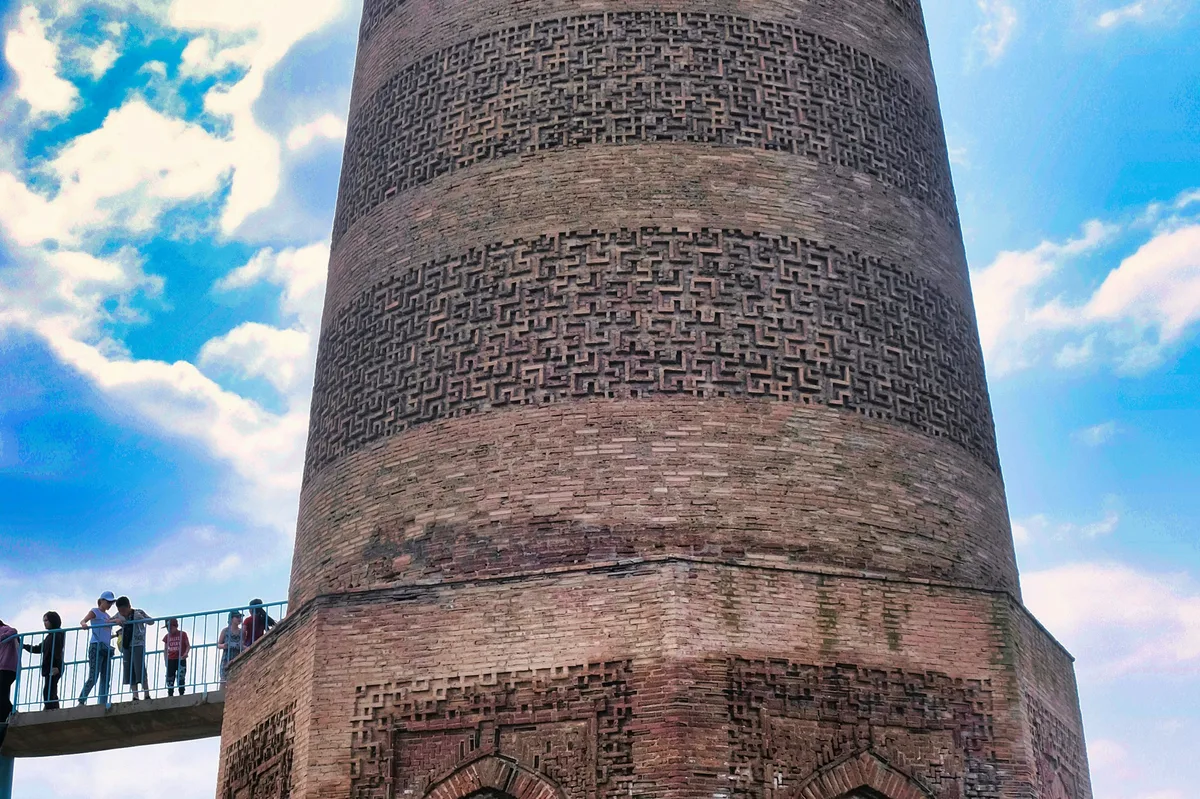
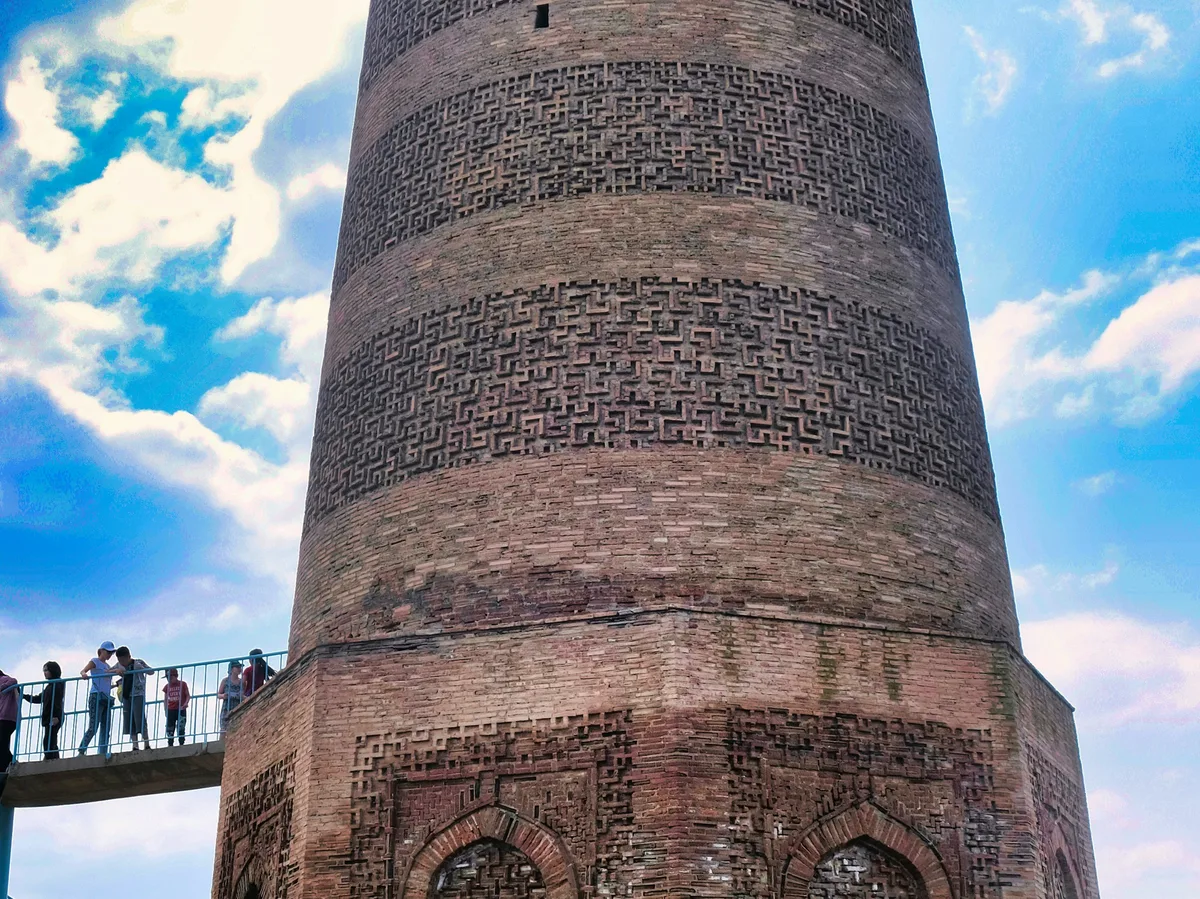
A 9th-to-11th-century minaret near Tokmok, the last remnant of the ancient Silk Road city of Balasagun, surrounded by carved stone grave markers called balbals.
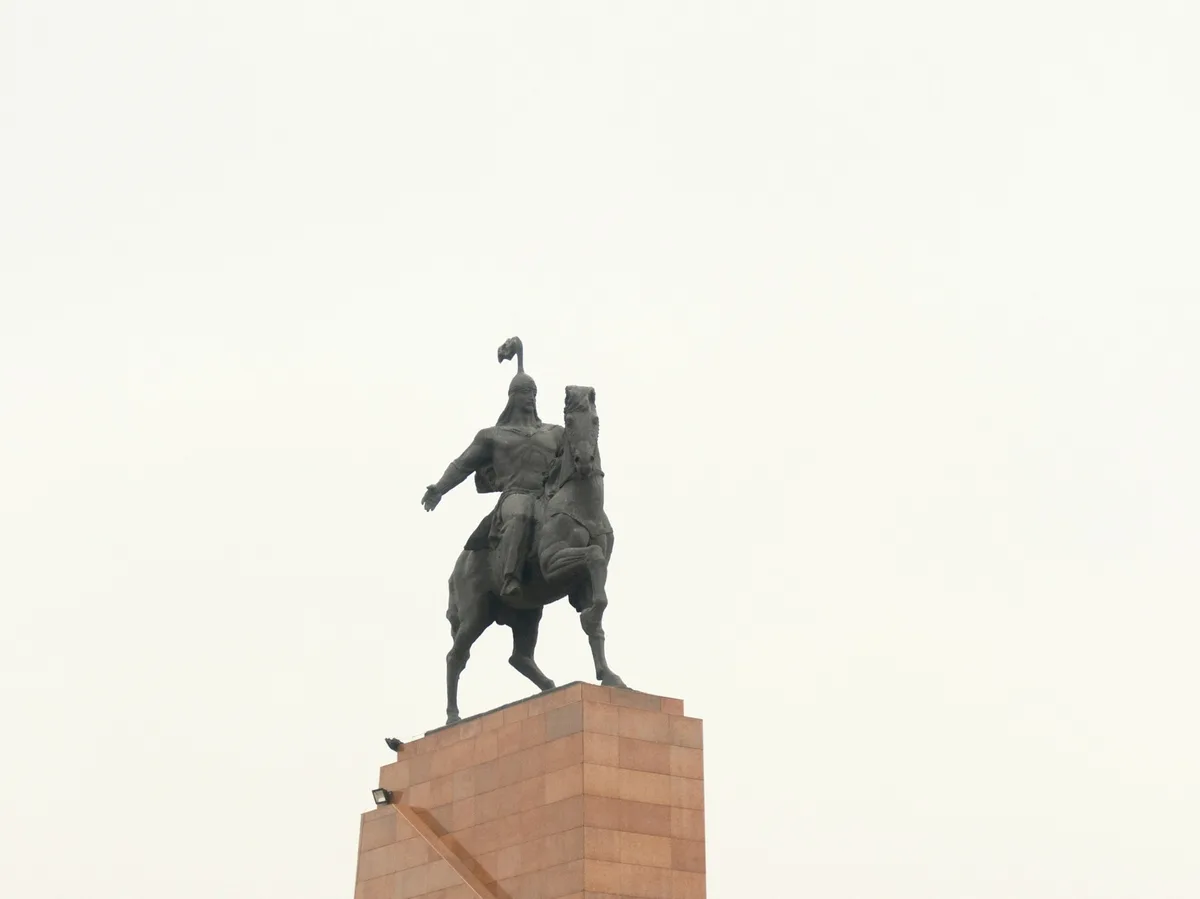 Multi-Day Tours
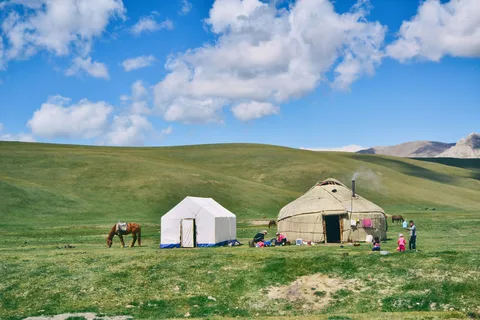
A 10-day introduction to Kyrgyzstan — Bishkek's city sights, Issyk-Kul Lake's northern shore, the mountain excursions and hot springs above Karakol, Jety-Oguz Valley, Skazka Canyon, and a night in a nomad yurt camp on Son-Kul Lake.
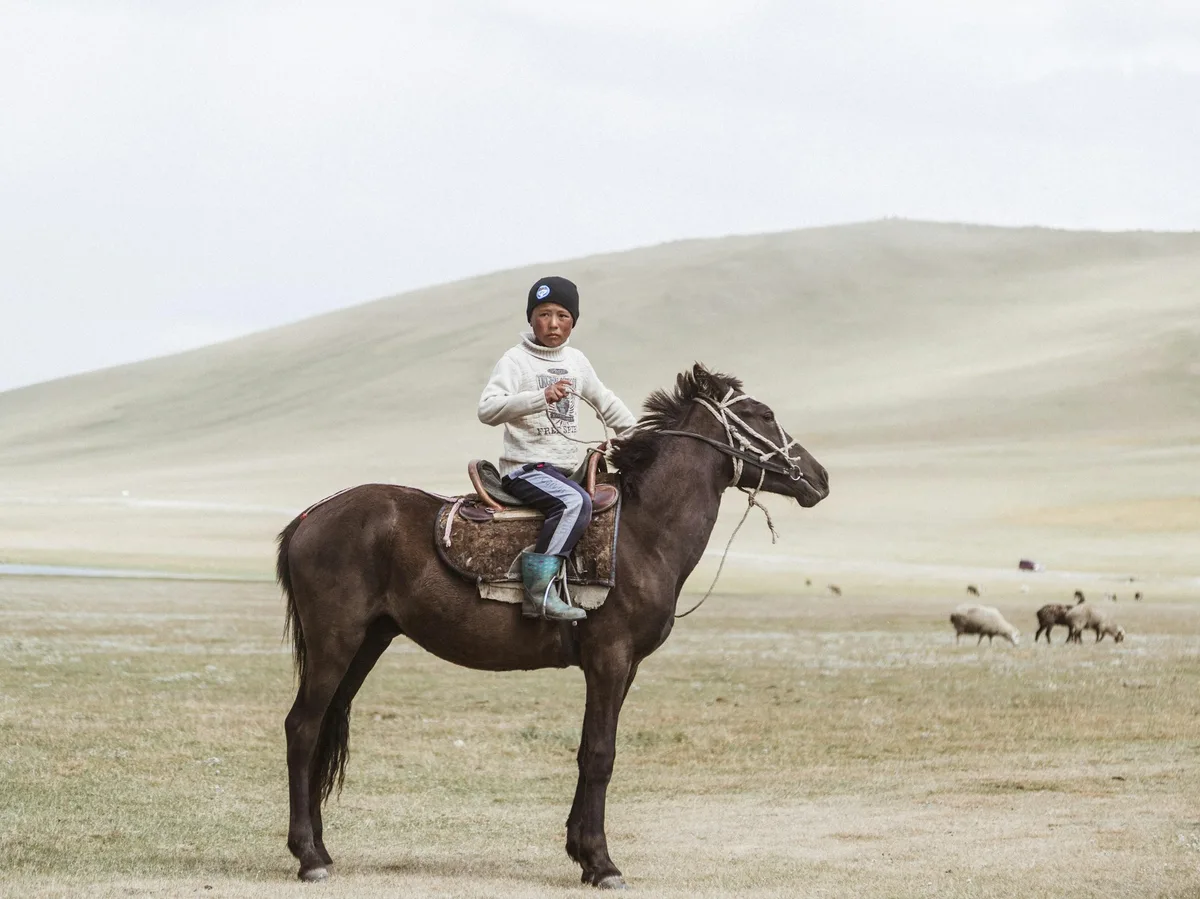 Multi-Day Tours
A 10-day journey through Kyrgyzstan on foot and on horseback — Bishkek, the Burana Tower, a multi-day horse trek over the Kalmak Ashuu Pass to Issyk-Kul Lake, and a final ride along the shores of Son-Kul Lake.
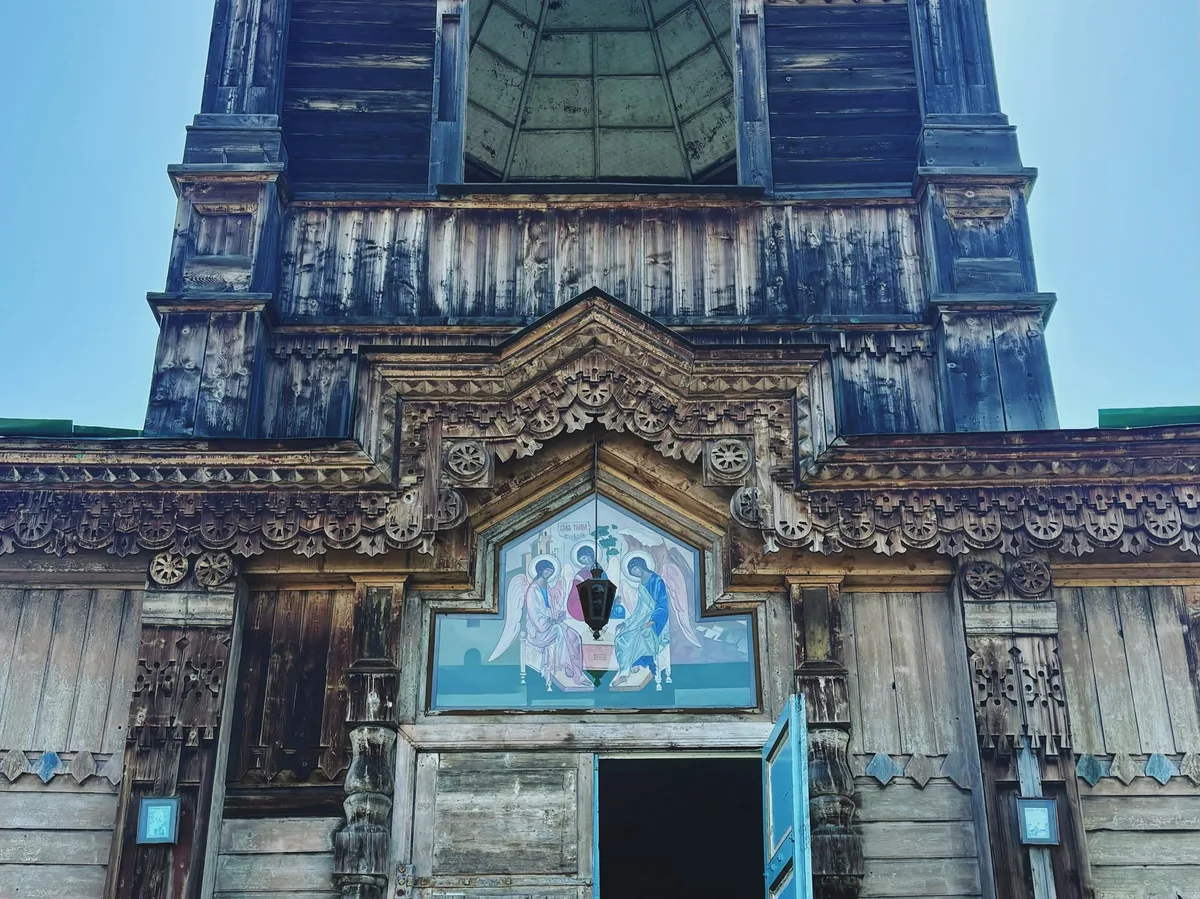 Multi-Day Tours
An 8-day food-focused journey through Kyrgyzstan, learning to cook plov, lamb dishes, ashlan-fu, jam, and manty dumplings alongside local families, with stops at Burana Tower, Issyk-Kul Lake, and a nomad yurt camp on Son-Kul Lake.
 Multi-Day Tours
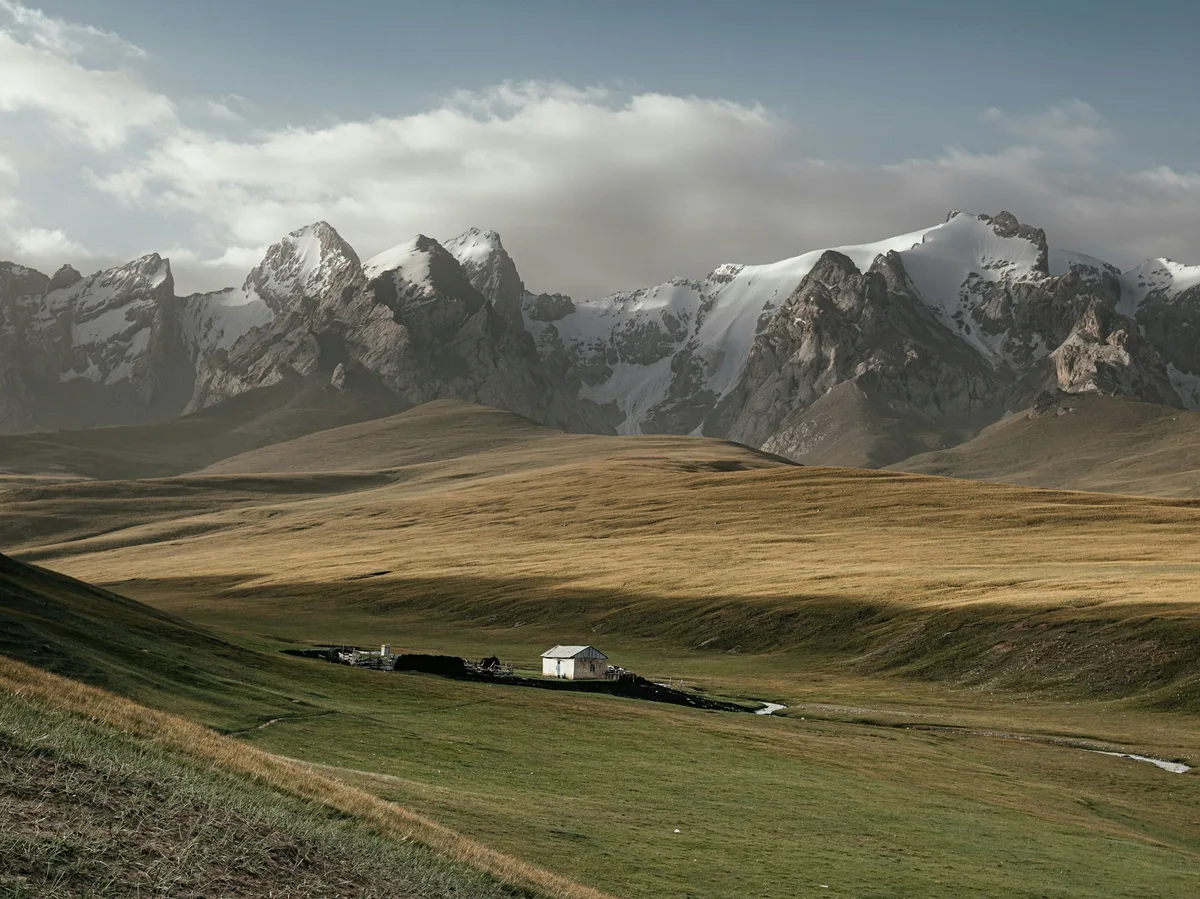
A 10-day cultural circuit through Kyrgyzstan — Bishkek and Ala-Archa National Park, the ancient Burana Tower, Issyk-Kul Lake's petroglyphs and gorges, Jety-Oguz Valley, eagle-hunting and felt-making in Kochkor, and a nomad camp on Son-Kul Lake.
 Multi-Day Tours
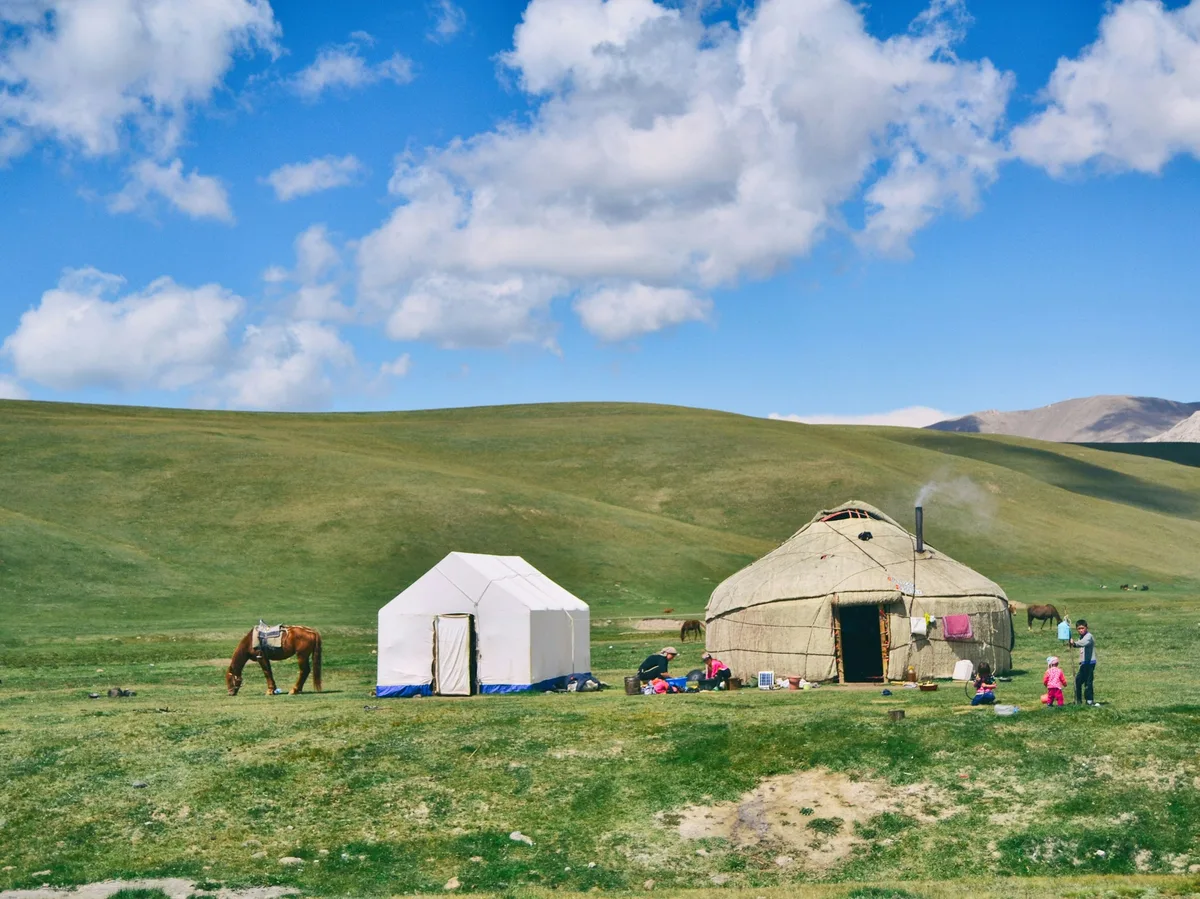
A 10-day off-road circuit through Kyrgyzstan's heartland — Kyzyl-Oy, Son-Kul Lake, the Tash Rabat caravanserai, Eki-Naryn, Issyk-Kul's south shore, Skazka Canyon, Jety-Oguz Valley, and the Burana Tower.
 Multi-Day Tours
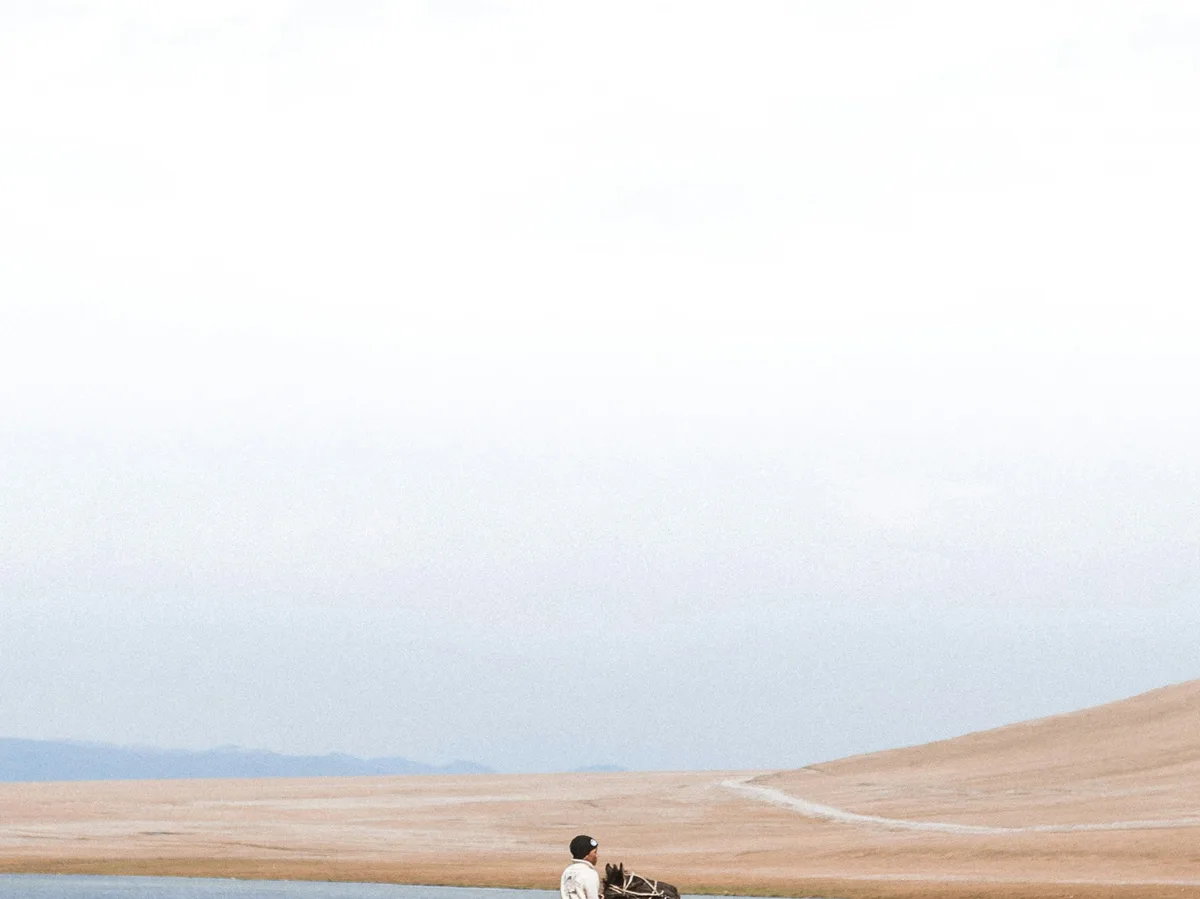
An 8-day landscape-focused route through Kyrgyzstan — the Chong-Kemin valley, a Kyrgyz horse farm, Karakol's church and mosque, Jeti-Oguz canyon, a yurt-making village, and the Konorchek Canyons near Bishkek.
 Multi-Day Tours
A 10-day trekking and horseback adventure through the Tian Shan mountains of Kyrgyzstan — multi-day treks to the alpine lakes Kol-Kogur and Kol-Tor, felt-carpet workshops, a Song-Kul horse ride, and the Burana Tower.
 Multi-Day Tours
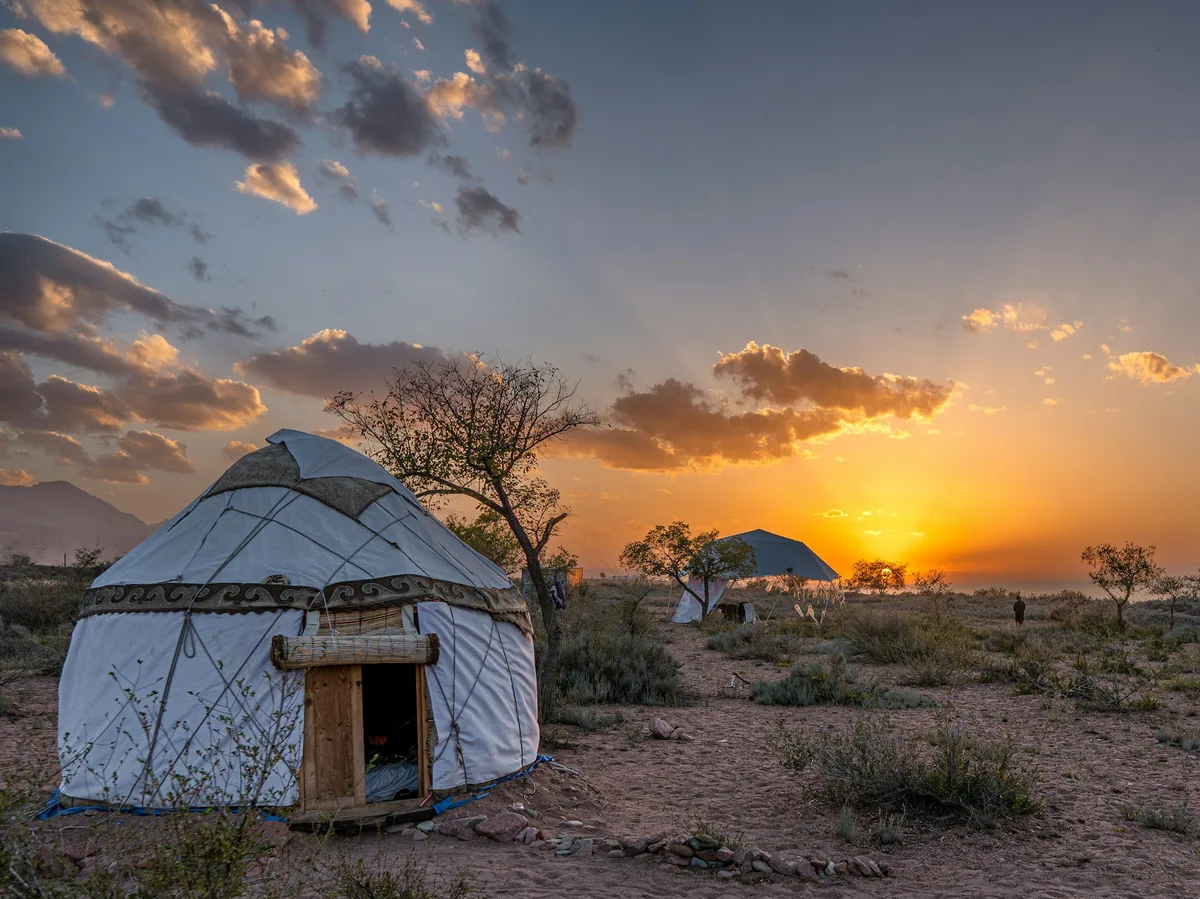
A 14-day grand circuit of Kyrgyzstan — Bishkek, the Toktogul Reservoir, the alpine Sary-Chelek lake, the walnut forests of Arslanbob, a nomad yurt camp on Son-Kul Lake, the Tash Rabat caravanserai, Skazka Canyon, Jety-Oguz Valley, and Issyk-Kul Lake.
Visitor guide
Burana Tower is a large brick minaret in the Chuy Valley of northern Kyrgyzstan, about 80 kilometres east of Bishkek near the town of Tokmok. It is the best-known remnant of the ancient city of Balasagun and is described by Wikipedia as one of the oldest architectural constructions in Central Asia.
The tower is all that remains of Balasagun, a city founded by the Karakhanids at the end of the ninth century. The tower itself was built in the eleventh century from brick and became a template for other minarets in the region. Besides the tower, the surviving site includes earthworks, castle remnants, three mausoleums and grave markers. The site functions as an open-air museum.
The tower was originally roughly 45 to 49 metres tall, depending on the source. Several earthquakes damaged it over the centuries, and the last major one, in the fifteenth century, destroyed the upper half and left a height of about 25 metres. A renovation in the 1970s stabilised the foundation and repaired the west-facing side, which was in danger of collapsing. Wikipedia does not say who carried out this work. Visitors can climb the tower by an external staircase and a steep winding interior stairway, giving views across the Chuy Valley.
Around the tower stand balbals, carved stone figures associated with Turkic burial mounds. The collection was gathered at the site, and a petroglyph is also found on the grounds. A small museum building presents historical information and displays artifacts found at the site and in the surrounding region. The balbals are among the most photographed features, because they show how medieval Turkic peoples marked graves and honoured the dead.
A local legend tells of a khan whose daughter was prophesied to die from a spider bite on her sixteenth birthday. He had a tall tower built to keep her safe, but a spider hidden in a basket of fruit bit her, and the khan's grief was said to have caused part of the tower to collapse. This story is folklore, not history, and it is one of several versions told at the site.
Balasagun lay along trade routes that connected Central Asia to China and the Mediterranean. The Chuy Valley was a fertile corridor, and the city is remembered as a Karakhanid centre. The Burana Tower site is one of the Kyrgyz components of the UNESCO World Heritage property 'Silk Roads: the Routes Network of Chang'an-Tianshan Corridor', inscribed in 2014.
The site is a common stop on a day trip from Bishkek and is often combined with the nearby town of Tokmok and the surrounding Chuy Valley. A private guided visit lets a guide explain the history of the Karakhanid city and the meaning of the balbals, and a private vehicle and driver simplify the drive from the capital along the valley road.
See every tour and attraction we cover in Kyrgyzstan.