TorontoOntario · 36 tours
 Niagara FallsOntario · 25 tours
 New York CityNew York · 30 tours
 Las VegasNevada · 8 tours
 San FranciscoCalifornia · 16 tours
 VancouverBritish Columbia · 17 tours
 DubaiUAE · 54 tours
 Abu DhabiUAE · 5 tours
 Buenos AiresArgentina · 23 tours
 AthensGreece · 31 tours
 AucklandNew Zealand · 38 tours
 CancunMexico · 54 tours
No destinations match “”. Try searching all tours instead — that search understands full questions, not just place names.
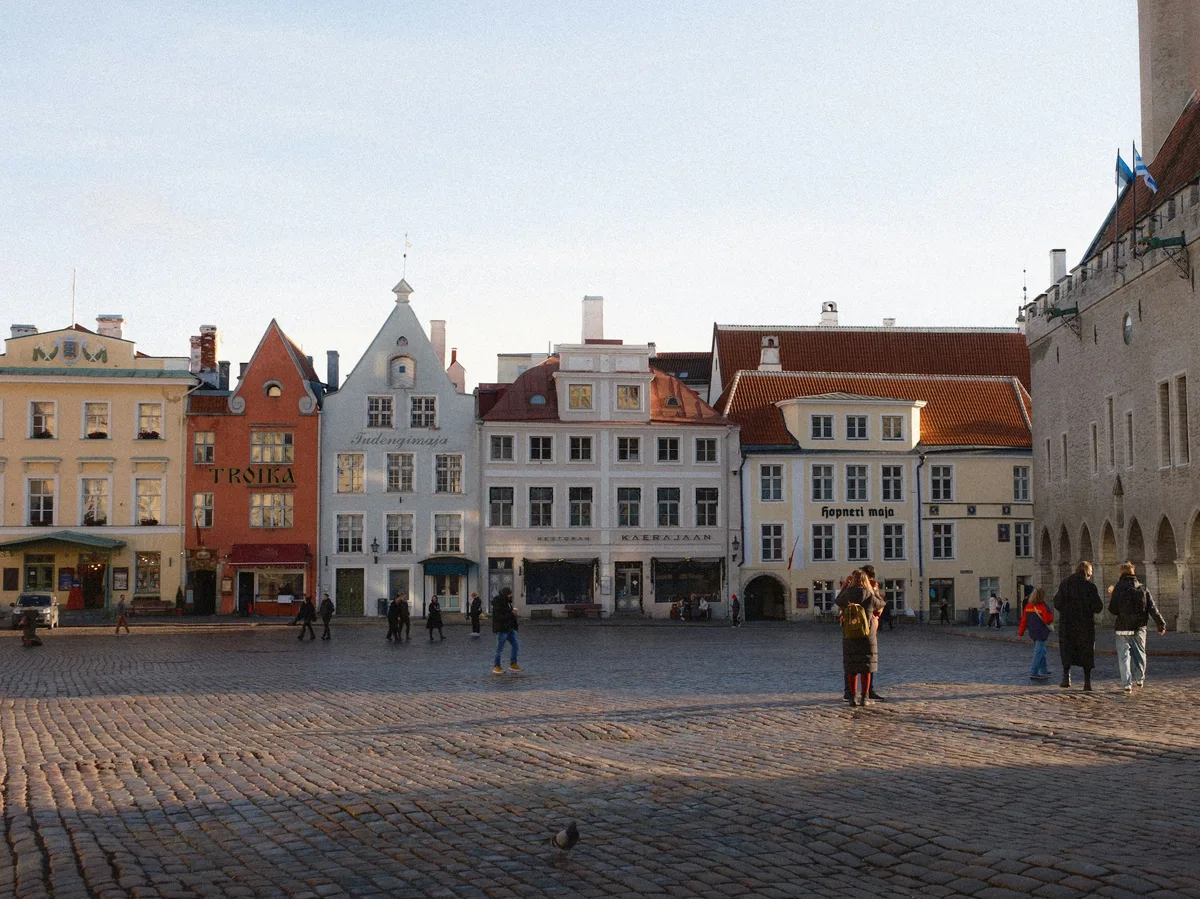
One of Europe's best-preserved medieval town centers, and a UNESCO World Heritage Site, with cobbled lanes, merchant houses, church spires, and city walls dating back to the 13th century.
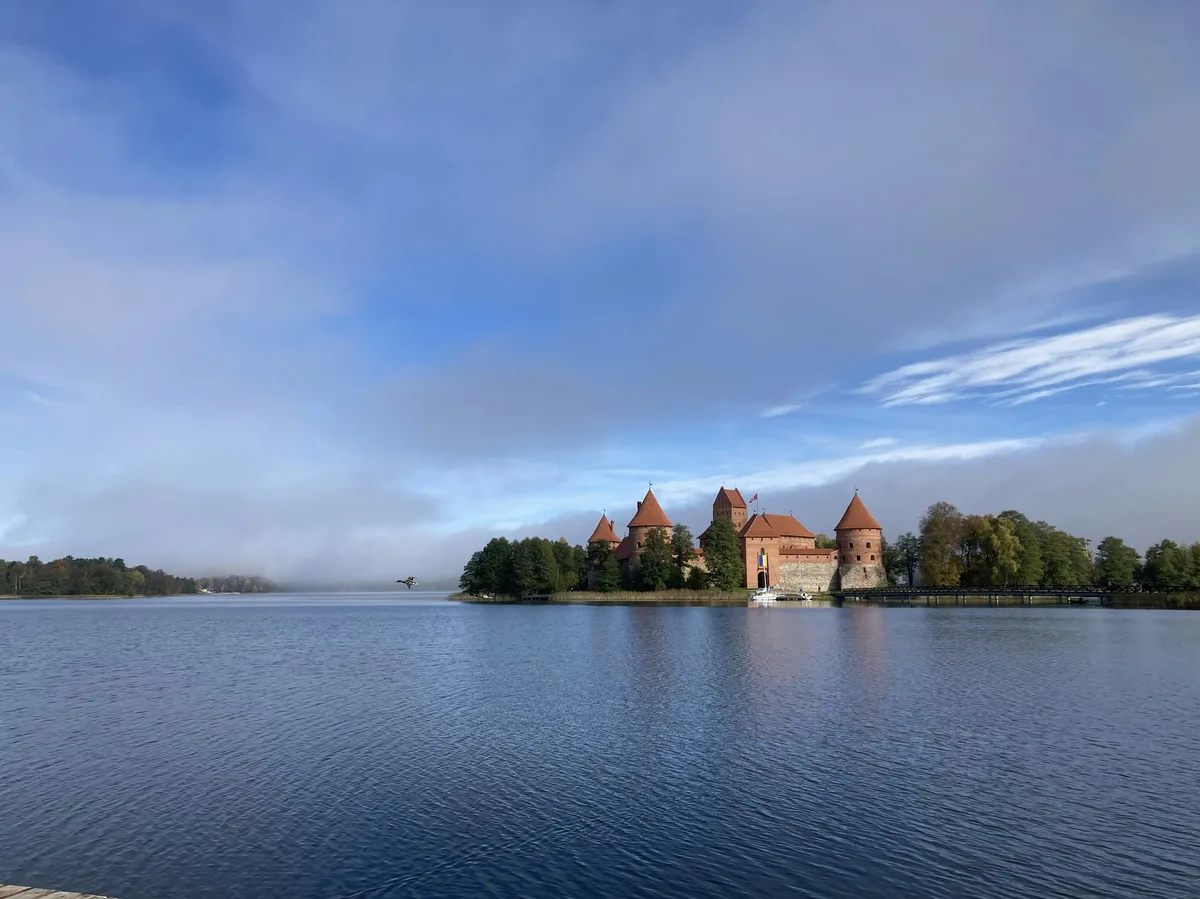 Multi-Day Tours
A 10-day private circuit through all three Baltic capitals and on to Finland — Vilnius and Trakai Castle, Riga's Art Nouveau streets, Tallinn's medieval Old Town and Lahemaa National Park, finishing with a ferry crossing to Helsinki.
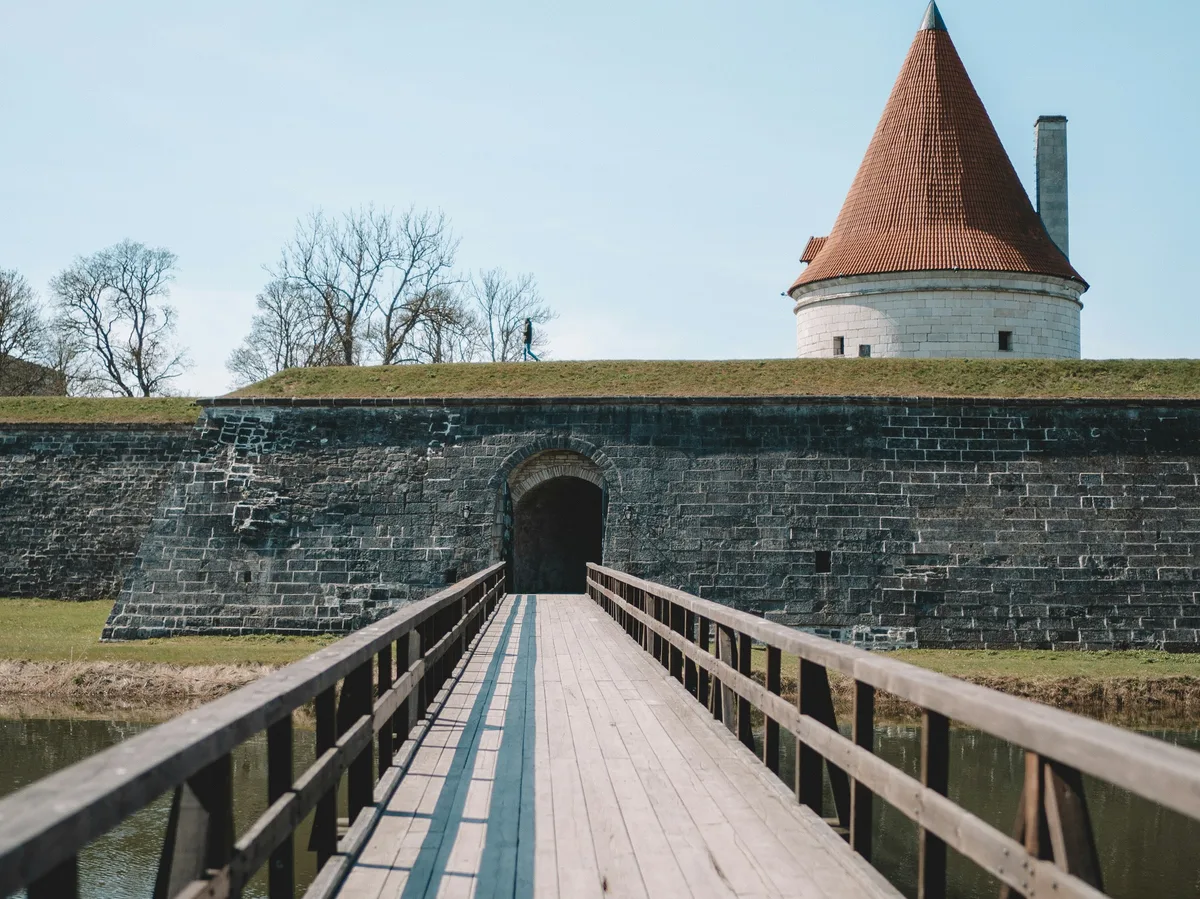 Multi-Day Tours Popular Pick
An 11-day loop out of Tallinn built entirely around Estonia's food and drink culture — craft breweries, a winery, Old Believers' fishing traditions on Lake Peipus, and the island of Saaremaa — never leaving the country.
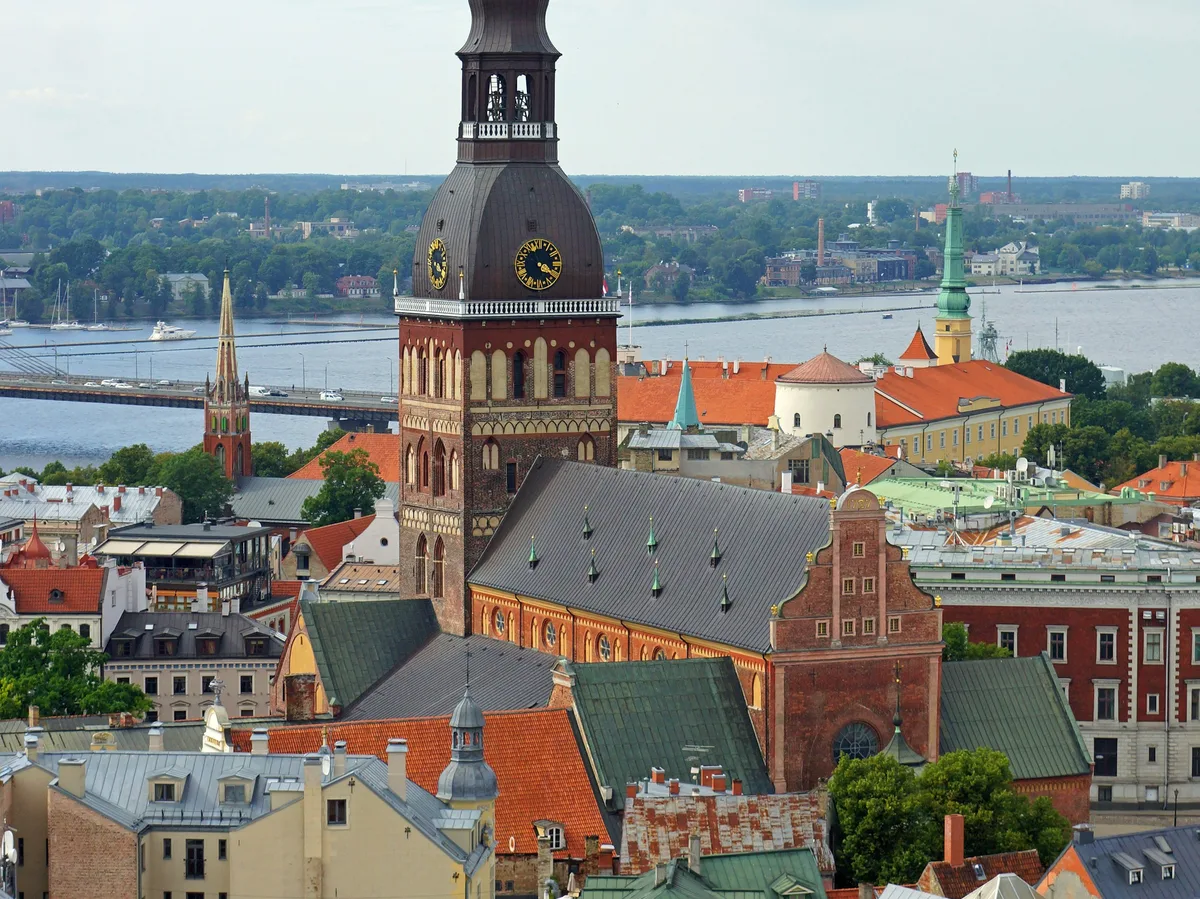 Multi-Day Tours
A gently-paced 10-day tour of all three Baltic capitals — Vilnius, Riga, and Tallinn — with free afternoons built in throughout, a hot-air balloon flight over Trakai, and castle stops along the way, ending in Estonia.
Visitor guide
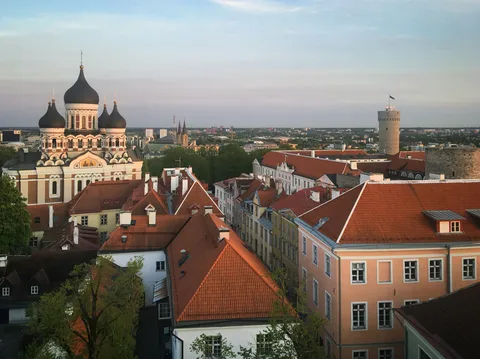
Tallinn Old Town is the medieval centre of Estonia's capital, on the southern shore of the Gulf of Finland. Inscribed on the UNESCO World Heritage List in 1997, it preserves the street plan and much of the architecture of a Hanseatic trading town, enclosed by town walls and crowned by the hill of Toompea.
Archaeologists have found traces of a small community in the city centre dating back about 5,000 years, and a first fortress was built on Toompea around 1050. Danish rule of Tallinn and northern Estonia began in 1219 during the Northern Crusades, and control later shifted among the Danes, the Livonian Brothers of the Sword and the Livonian Order. In 1346 Denmark sold Reval, as the city was then known, to the Teutonic Knights. In 1285 Reval had become the northernmost member of the Hanseatic League, and its position on the trade routes between western Europe, Novgorod and Muscovy brought prosperity. Medieval Reval had about 8,000 people and was fortified with walls and, according to Wikipedia, 66 defence towers.
Historically the city had distinct parts. Toompea was the seat of central authority, home to bishops, viceroys and later governors, and it remained a separate town until 1877. The lower town, or All-linn, was the Hanseatic merchant town and the centre of medieval trade. UNESCO's listing describes the Old Town as having a wholly preserved structure of medieval and Hanseatic origin and an exceptionally intact 13th-century city plan. The listed area is about 113 hectares, and most structures date from the 13th to the 16th centuries.
The Town Hall, built in 1402 to 1404 on the south side of the market square, now Town Hall Square, is described by Wikipedia as the last surviving Gothic town hall in Northern Europe. Its tower is about 64 metres high and is topped by Old Thomas, a weathervane first placed in 1530, which became a symbol of the city. St Olaf's Church, first mentioned in 1267, has a spire of about 124 metres, said to make it the tallest church building in Estonia. Local tradition tells of a legendary builder named Olev who fell from the tower, a story that is folklore rather than recorded history.
The first town wall was ordered by Margaret Sambiria in 1265, and the wall was enlarged in the 14th century. Many sections and towers still stand, including Kiek in de Kok and Fat Margaret, and they are part of the World Heritage listing. Some entries, such as the Nun's Gate, which was demolished in 1868, have been lost.
The city adopted Lutheranism early in the Reformation, and in 1561 Reval came under Swedish rule before capitulating to Imperial Russia in 1710. On the night of 9 to 10 March 1944, Soviet aerial bombing dropped over a thousand incendiary bombs on Tallinn, destroying about 10 percent of the buildings in the Old Town, though much of the medieval character survived. Today the Old Town is largely pedestrian, and a private guided visit with a driver can combine the lower town with the viewpoints of Toompea.
See every tour and attraction we cover in Estonia.