TorontoOntario · 36 tours
 Niagara FallsOntario · 25 tours
 New York CityNew York · 30 tours
 Las VegasNevada · 8 tours
 San FranciscoCalifornia · 16 tours
 VancouverBritish Columbia · 17 tours
 DubaiUAE · 54 tours
 Abu DhabiUAE · 5 tours
 Buenos AiresArgentina · 23 tours
 AthensGreece · 31 tours
 AucklandNew Zealand · 38 tours
 CancunMexico · 54 tours
No destinations match “”. Try searching all tours instead — that search understands full questions, not just place names.
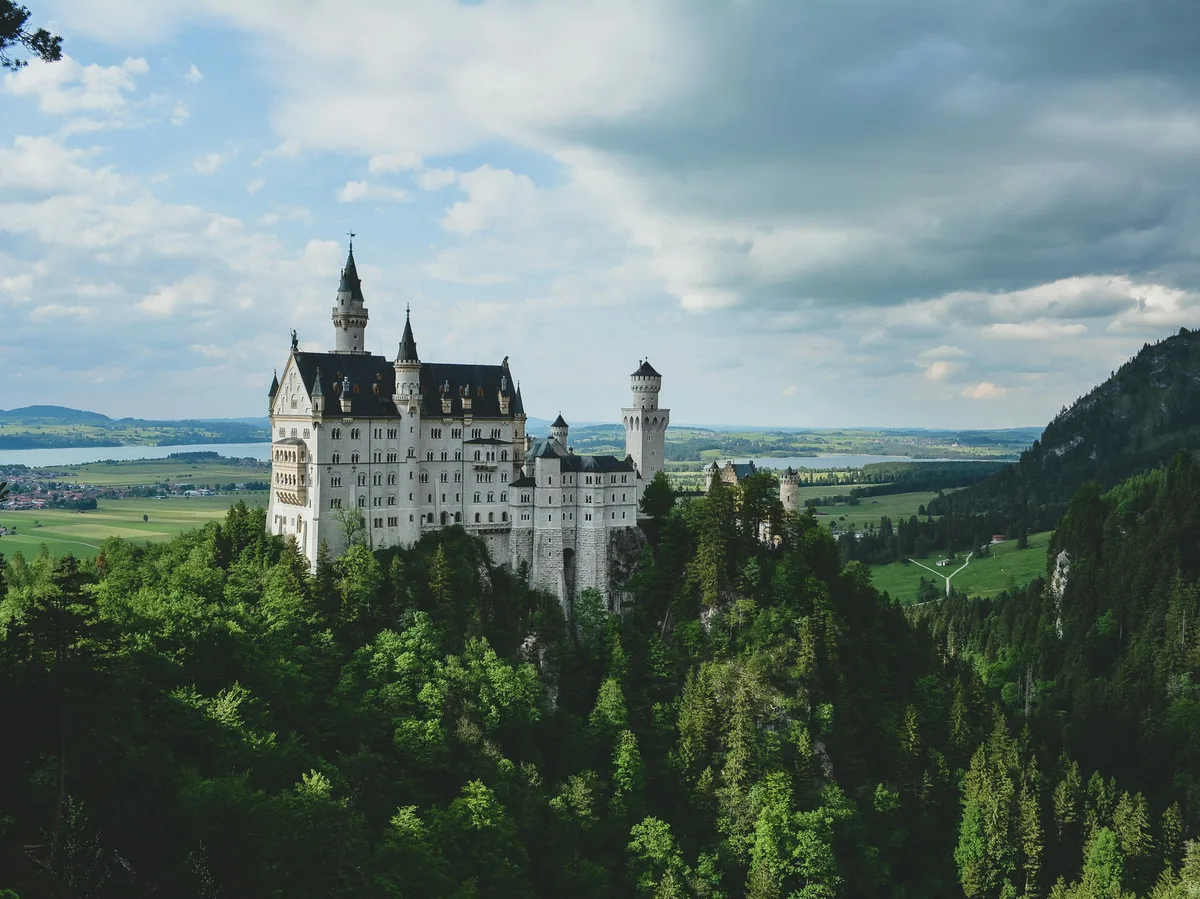
King Ludwig II's 19th-century fairy-tale castle in the Bavarian Alps near Füssen, the real-world inspiration behind Disney's Sleeping Beauty Castle and one of Germany's most-visited sights.
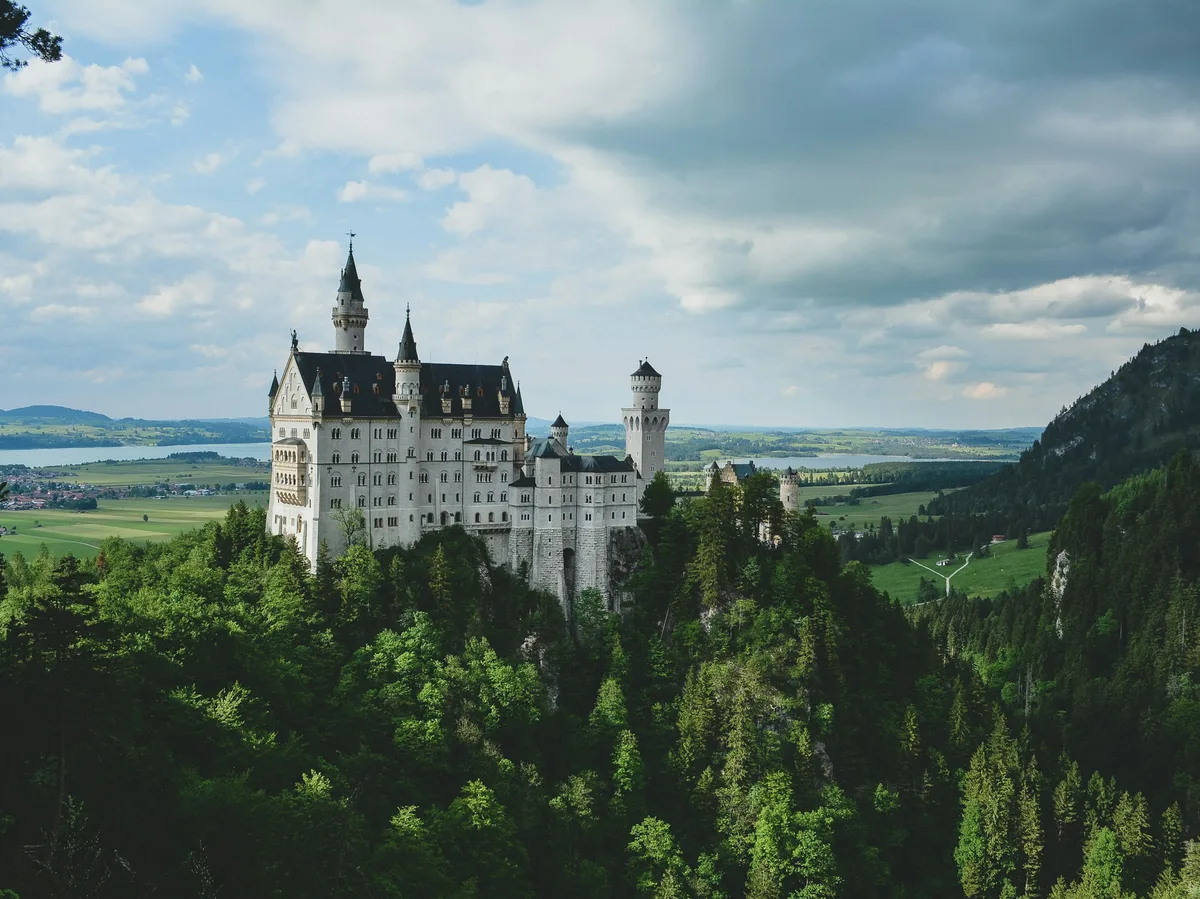 Multi-Day Tours
A 9-day private journey through three countries' iconic cities — Vienna and a Wachau Valley wine tasting, the Sound of Music charm of Salzburg, Munich and a day trip to Neuschwanstein Castle, finishing with Swiss chocolate and culture in Zürich.
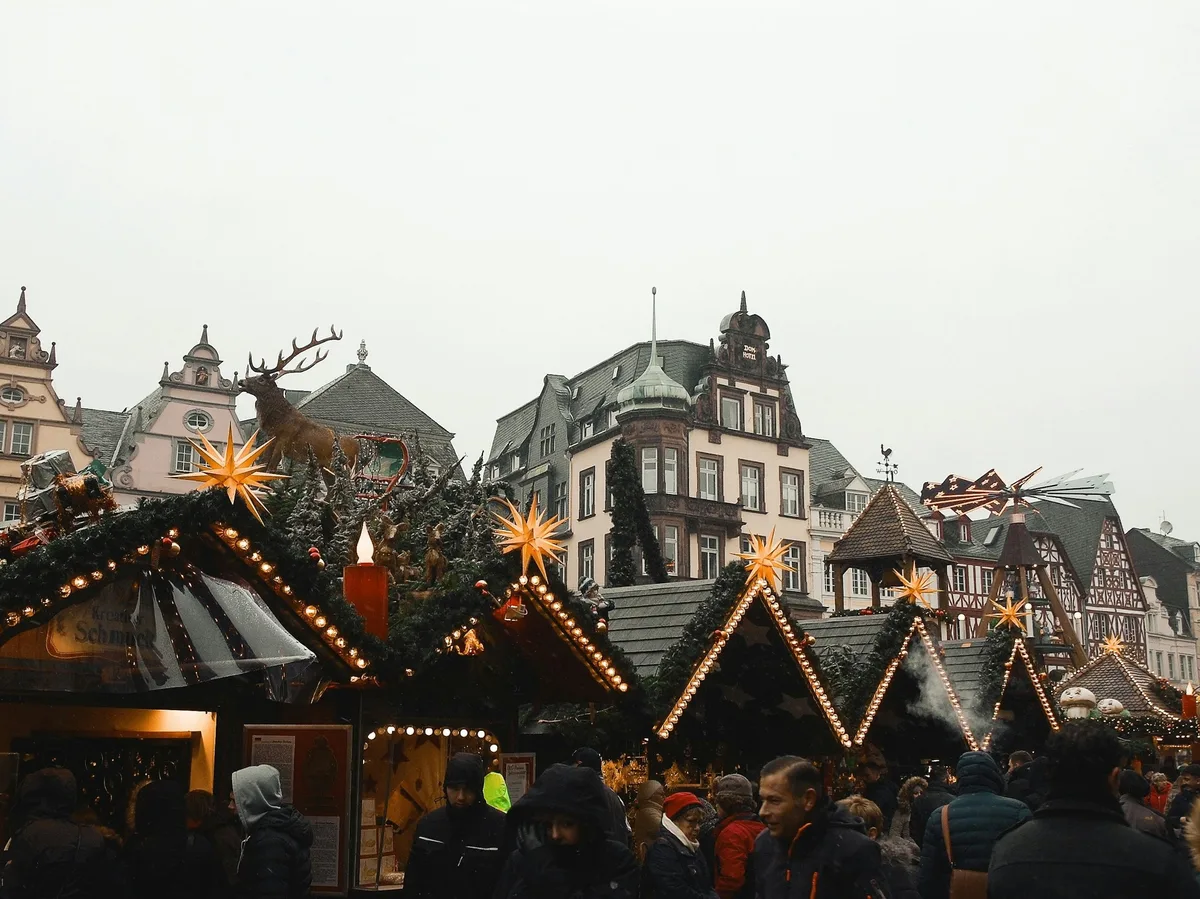 Multi-Day Tours
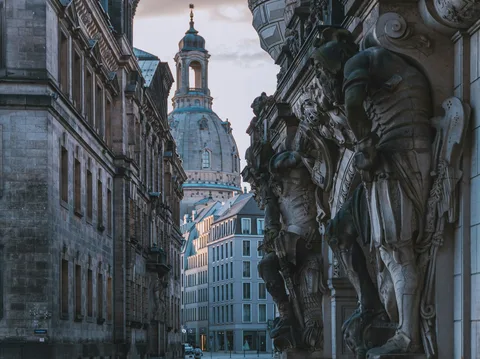
A 15-day festive circuit through Austria, Germany, and Czechia — Vienna's palaces and Christmas market, Salzburg's Sound of Music sights, Munich's castles and markets, Dresden's old town, and Prague's holiday spirit, starting and ending in Vienna.
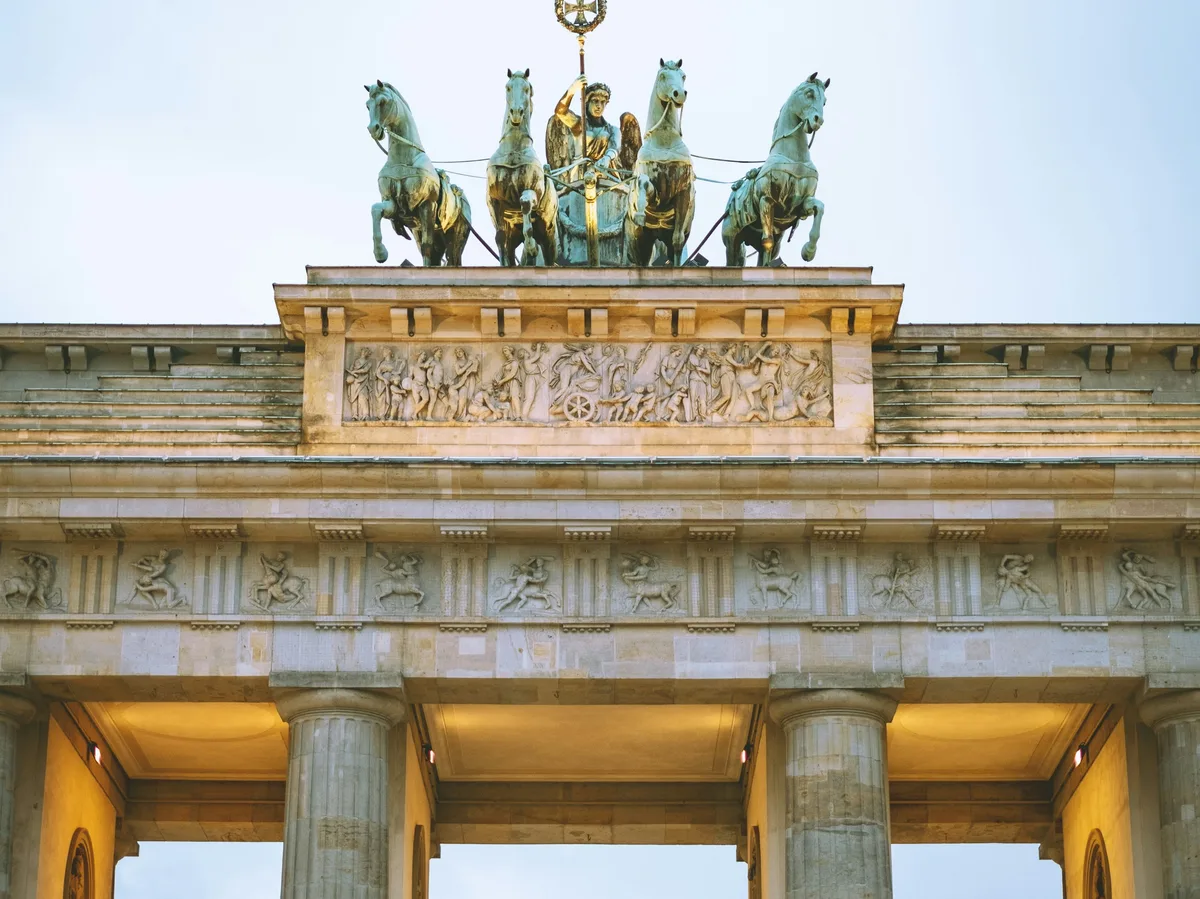 Multi-Day Tours
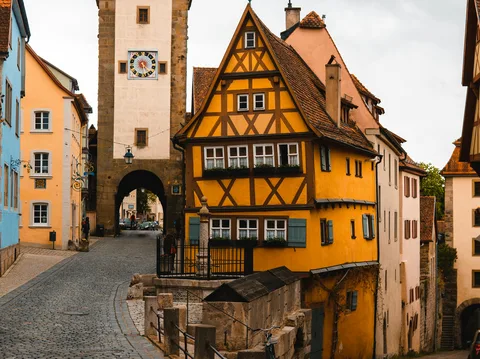
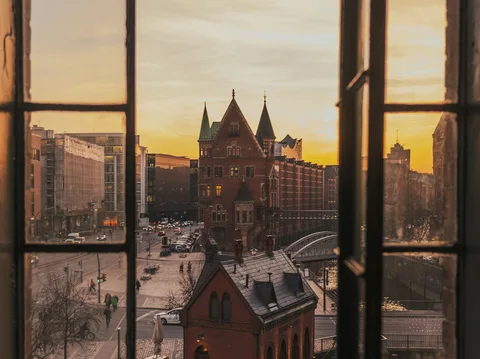
A 14-day private circuit across Germany — Munich's Old Town and Nymphenburg Palace, Neuschwanstein Castle, Nuremberg and fairy-tale Rothenburg ob der Tauber, a Frankfurt bike tour, Dresden and Saxon Switzerland, and a Berlin and Hamburg finale.
Visitor guide
Neuschwanstein Castle is a 19th-century historicist palace in the Bavarian Alps of southern Germany, standing on a rocky ridge above the village of Hohenschwangau near the town of Fussen. Commissioned by King Ludwig II of Bavaria, it is one of the best-known castles in Europe and a defining image of German Romanticism.
Ludwig II came to the Bavarian throne in 1864, and the palace was his first major building project. It was originally called New Hohenschwangau Castle and received the name Neuschwanstein only after his death. According to Wikipedia, Ludwig wanted a private retreat far from Munich, where he felt constrained, and conceived the castle partly as a tribute to the composer Richard Wagner, whose operas Tannhauser and Lohengrin strongly shaped its themes.
Inspiration came from two trips Ludwig made in 1867, to the reconstructed Wartburg near Eisenach and to the Chateau de Pierrefonds in France. The design was drafted by Christian Jank, a former scenic painter, and carried out by architect Eduard Riedel, with later work led by Georg von Dollmann and then Julius Hofmann. The foundation stone was laid on 5 September 1869, and the king insisted on approving every draft himself.
The palace is built in a Neo-Romanesque style modelled on medieval knights' castles, mixing Romanesque, Gothic and Byzantine elements. It stretches roughly 150 metres along the ridge and is deliberately asymmetrical, with towers, turrets, gables and balconies. The main residential block, the Palas, rises five storeys, and the court facade carries Lueftlmalerei frescoes in the local Allgau tradition. The structure was built of brick and then faced in stone, including limestone from a nearby quarry and marble from near Salzburg.
The castle sits above the narrow Pollat Gorge, with the Alpsee and Schwansee lakes to the west and the Lech river flowing toward Lake Forggensee nearby. Across the valley stands Hohenschwangau Castle, the neo-Gothic summer residence built by Ludwig's father, Maximilian II, where Ludwig spent much of his childhood. The Marienbrucke, a bridge spanning the gorge and named for Ludwig's mother, is the classic vantage point for views of the castle.
Only about 15 rooms were finished, although more than 200 were originally planned. The Throne Hall, measuring 20 by 12 metres, was modelled on a church in the Munich Residenz and decorated with murals of Christ, the Twelve Apostles and canonised kings; the throne itself was never installed. The Hall of the Singers, about 27 by 10 metres, draws on rooms at the Wartburg and is decorated with themes from the Lohengrin and Parzival legends. Ludwig's neo-Gothic bedroom is dominated by an elaborately carved bed, and a small artificial grotto with a waterfall relates to Tannhauser.
For its era the palace was technologically advanced, with a service lift, central heating and telephone lines. A planned 90-metre keep was never built, and its foundation outline is marked in the upper courtyard.
Ludwig moved into the unfinished Palas in 1884 and lived there for a total of only 172 days. By 1886 his debts had grown large, the government moved to depose him in June, and he died on 13 June 1886 in Lake Starnberg in circumstances that remain mysterious. The palace was opened to paying visitors about six weeks later. According to Wikipedia, the castle survived both world wars undamaged.
In July 2025 UNESCO inscribed the castle as part of the serial site The Palaces of King Ludwig II of Bavaria, alongside Linderhof, Schachen and Herrenchiemsee. The castle is often cited as an inspiration for Disney's Sleeping Beauty Castle. Visits inside are by guided tour, and the setting rewards unhurried exploration of the valley, lakes and viewpoints, which a private guided visit with a dedicated vehicle and driver suits well.
See every tour and attraction we cover in Germany.