TorontoOntario · 36 tours
 Niagara FallsOntario · 25 tours
 New York CityNew York · 30 tours
 Las VegasNevada · 8 tours
 San FranciscoCalifornia · 16 tours
 VancouverBritish Columbia · 17 tours
 DubaiUAE · 54 tours
 Abu DhabiUAE · 5 tours
 Buenos AiresArgentina · 23 tours
 AthensGreece · 31 tours
 AucklandNew Zealand · 38 tours
 CancunMexico · 54 tours
No destinations match “”. Try searching all tours instead — that search understands full questions, not just place names.
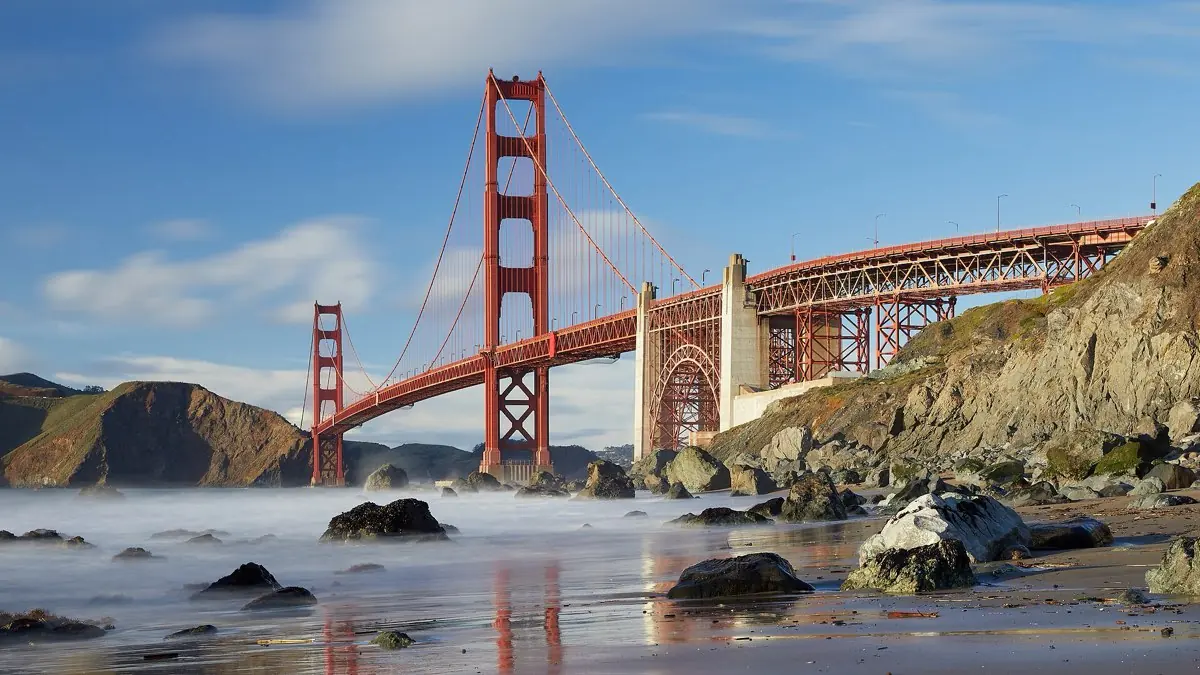
San Francisco's defining landmark, spanning the entrance to the bay in international orange.
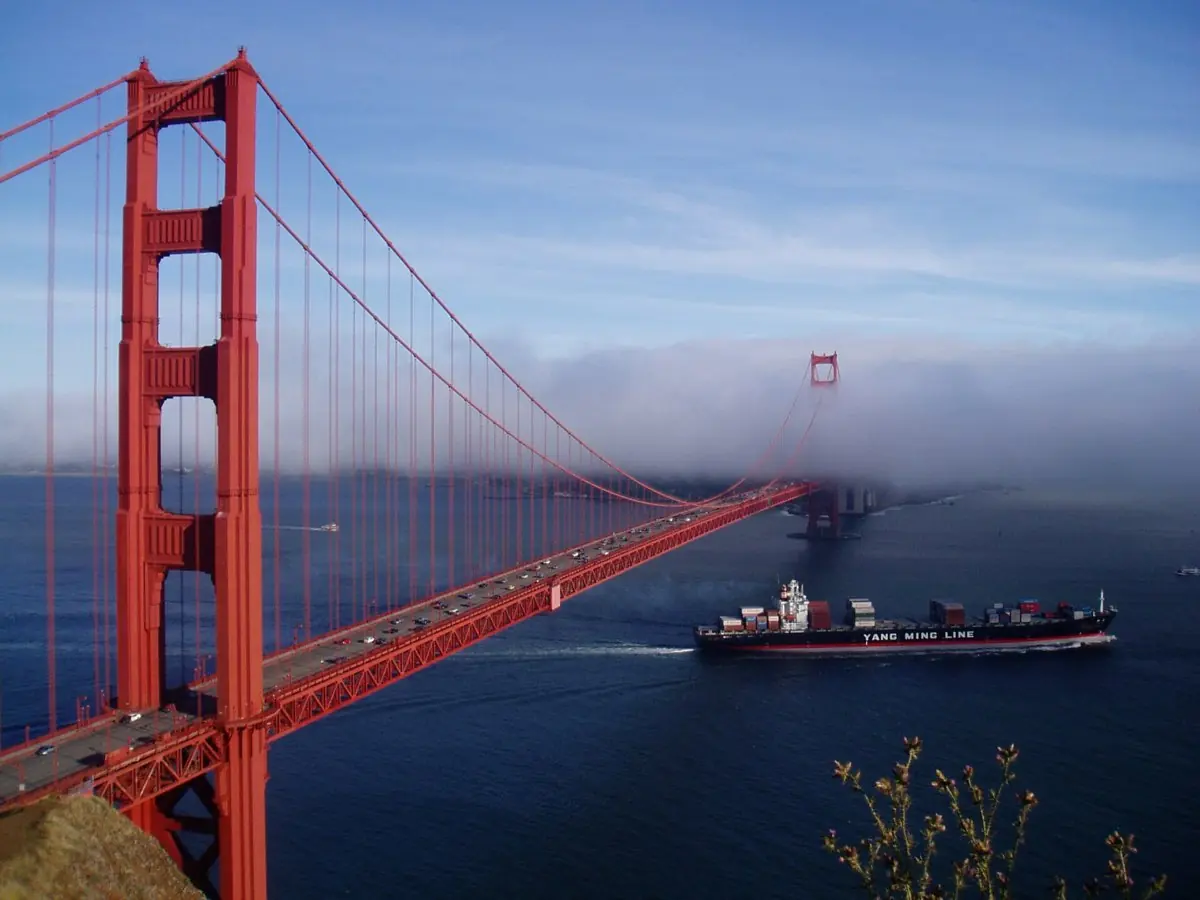 Private Tours Popular Pick
A private, fully customizable tour of San Francisco — the Golden Gate Bridge, Fisherman's Wharf, and the city's famously hilly neighborhoods — with a dedicated local guide.
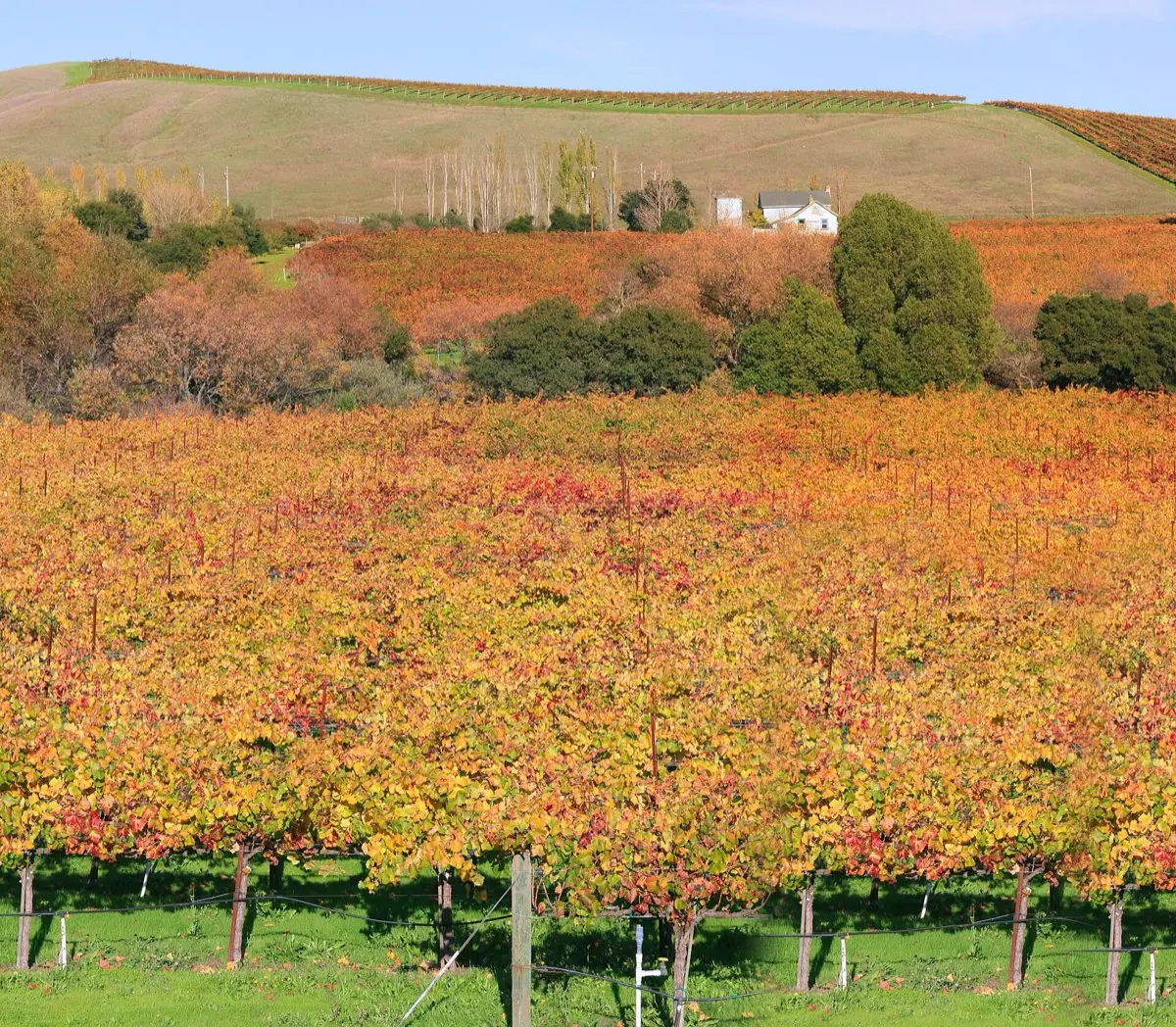 Private Tours
A private day trip from San Francisco into Napa and Sonoma wine country — visit boutique wineries at your own pace, with a driver who knows the region.
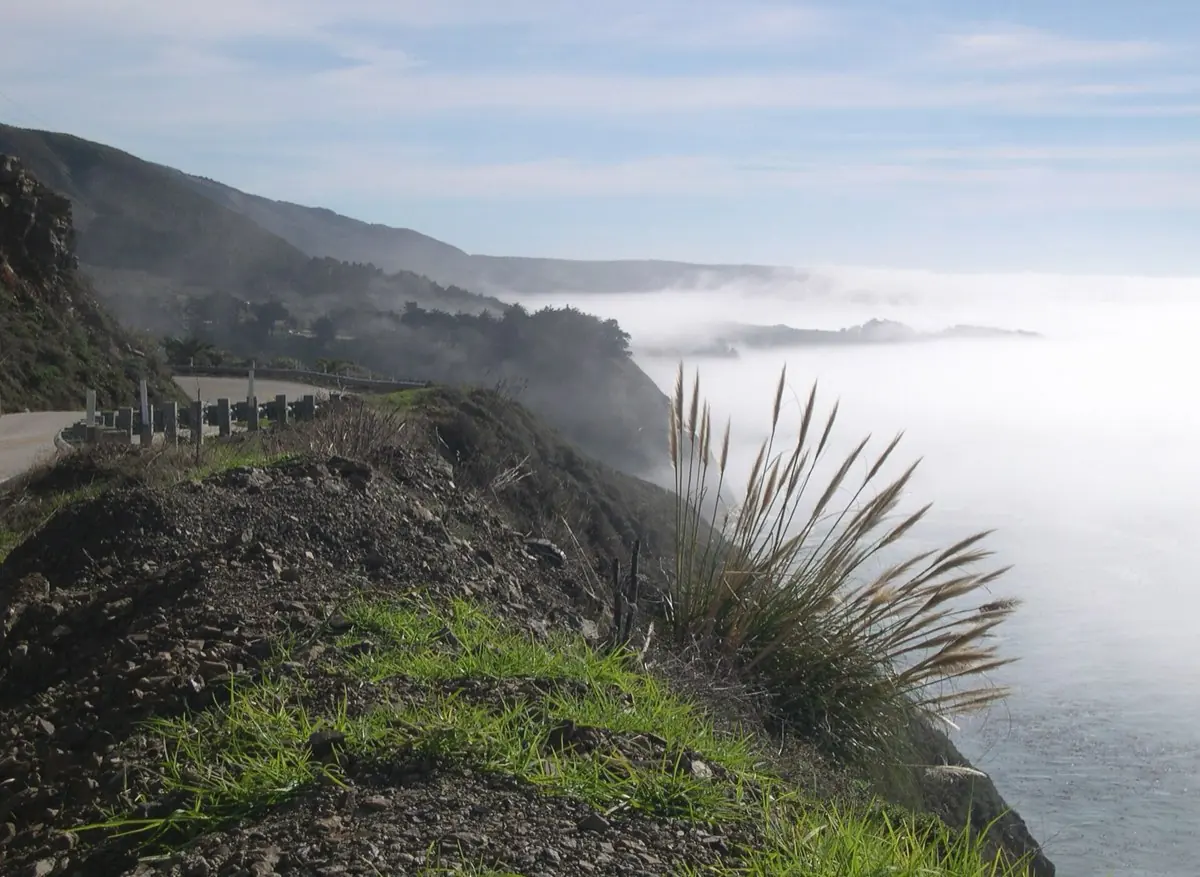 Private Tours
A private day trip from San Francisco down the California coast — Carmel-by-the-Sea, Monterey, and the cliffs of Big Sur along Highway 1.
Visitor guide
The Golden Gate Bridge carries U.S. Route 101 and California State Route 1 across the Golden Gate, the strait where San Francisco Bay meets the Pacific. When it opened in 1937 it was the longest and tallest suspension bridge in the world, and its International Orange towers, set against fog and the Marin Headlands, remain the defining image of the city.
Before the bridge, the only practical way across was by ferry; the Golden Gate Bridge District's own history notes a Hyde Street Pier crossing that took roughly 20 minutes. Joseph Strauss was chief engineer and the project's public champion, but his first design, a pair of cantilever arms joined by a suspended center, was rejected largely on looks. The suspension design that was built drew on Leon Moisseiff's deflection theory, and Charles Alton Ellis did much of the detailed structural calculation. Ellis was dismissed in 1931 and went uncredited for decades, until the bridge district recognized his contribution in 2007. Irving Morrow, a residential architect, shaped the towers, the lighting and the Art Deco detailing.
Construction began on January 5, 1933, and was finished in April 1937. Pedestrians had the bridge to themselves on May 27, 1937, when about 200,000 people crossed on foot, and vehicle traffic began within days. The project cost a little over $35 million and came in about $1.3 million under budget. It was not free of tragedy: a scaffold fell on February 17, 1937, and ten workers died.
According to the Golden Gate Bridge, Highway and Transportation District, the main span between the towers is 4,200 feet and each side span is 1,125 feet. Total length, abutment to abutment, is 8,981 feet, about 1.7 miles. The towers rise 746 feet above the water and 500 feet above the roadway, and the deck sits about 220 feet above mean higher high water. Each of the two main cables is just over 36 inches thick and holds 27,572 individual wires, hung from 250 pairs of vertical suspender ropes. The overall deck width is 90 feet.
The color is officially International Orange. Morrow chose it because it harmonizes with the surrounding hills and contrasts with sea and sky, and it keeps the bridge visible to ships in fog. He had been struck by the red-lead primer on the new steel, and he rejected the black or gray typical of bridges then. The U.S. Navy reportedly favored black-and-yellow stripes for visibility, an idea never adopted. The orange is a specified paint color, not gold, and the name of the bridge refers to the strait.
Toll collection is southbound only and is electronic; check the bridge district for current rules. The east walkway is open to pedestrians, and to cyclists at set times, while the west walkway is reserved for bicycles; hours change with the season and day of the week, so check the district before you go. On the Marin side, a rest area and vista point is reachable from the northbound lanes. Fort Point, a masonry fort that predates the Civil War, sits right under the southern approach; Ellis designed the steel arch overhead so the fort could be kept rather than demolished.
The bridge sits at the edge of the Presidio and Golden Gate National Recreation Area, with Crissy Field, Baker Beach and the Presidio's trails close to the southern end, and Battery Spencer and the Marin Headlands on the north side. Fog frequently covers the towers, especially in summer, so a flexible schedule helps. On a private Voyzo tour the driver can drop you at the viewpoint with the best light and wait while you walk or photograph, rather than hunting for parking.
See every tour and attraction we cover in San Francisco.