TorontoOntario · 36 tours
 Niagara FallsOntario · 25 tours
 New York CityNew York · 30 tours
 Las VegasNevada · 8 tours
 San FranciscoCalifornia · 16 tours
 VancouverBritish Columbia · 17 tours
 DubaiUAE · 54 tours
 Abu DhabiUAE · 5 tours
 Buenos AiresArgentina · 23 tours
 AthensGreece · 31 tours
 AucklandNew Zealand · 38 tours
 CancunMexico · 54 tours
No destinations match “”. Try searching all tours instead — that search understands full questions, not just place names.
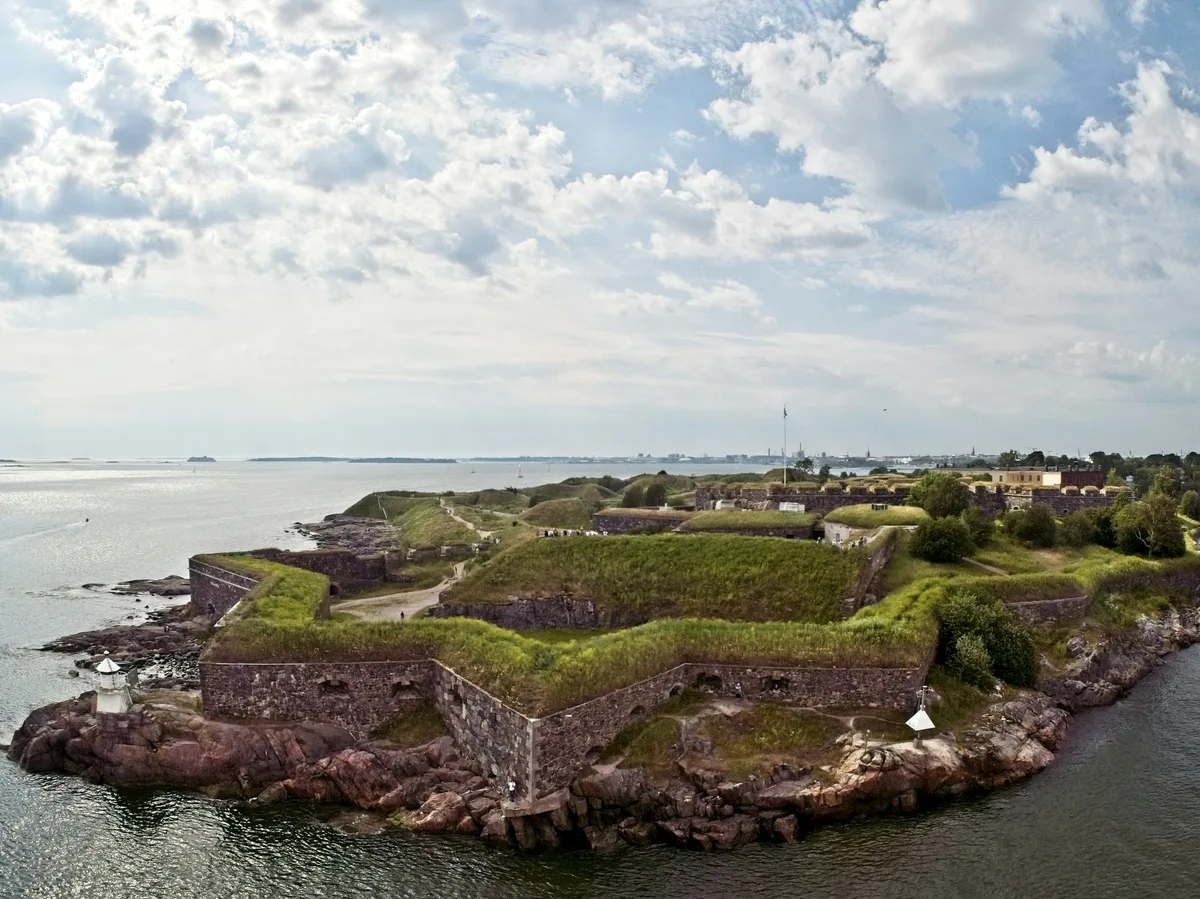
A UNESCO World Heritage sea fortress spread across six islands just off Helsinki, built by Sweden in the 18th century and still home to museums, cafes, and around 800 residents today.
 Multi-Day Tours
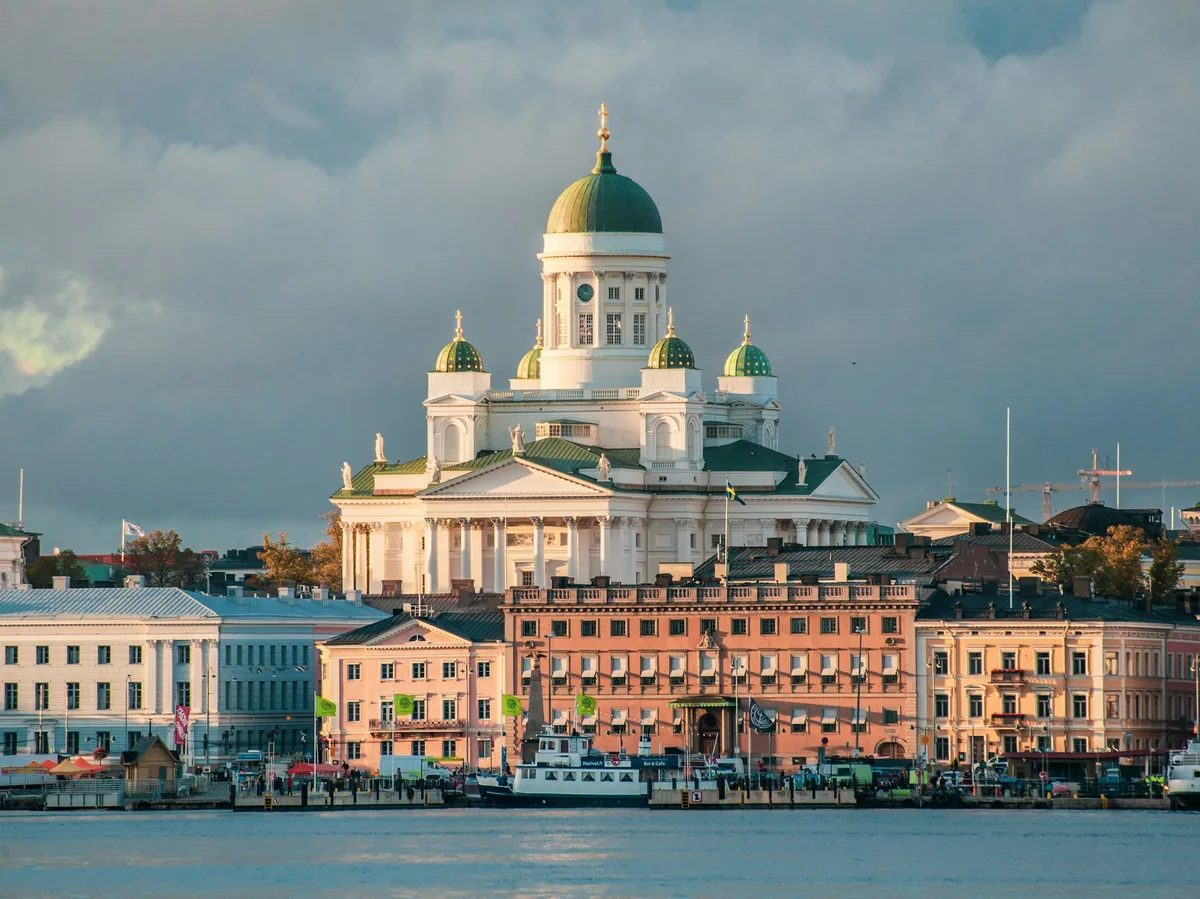
A 10-day private circuit through all three Baltic capitals that finishes in Finland — Vilnius and Trakai Castle, Riga's Art Nouveau streets, Tallinn's medieval Old Town and Lahemaa National Park, ending with a ferry crossing to Helsinki.
 Multi-Day Tours
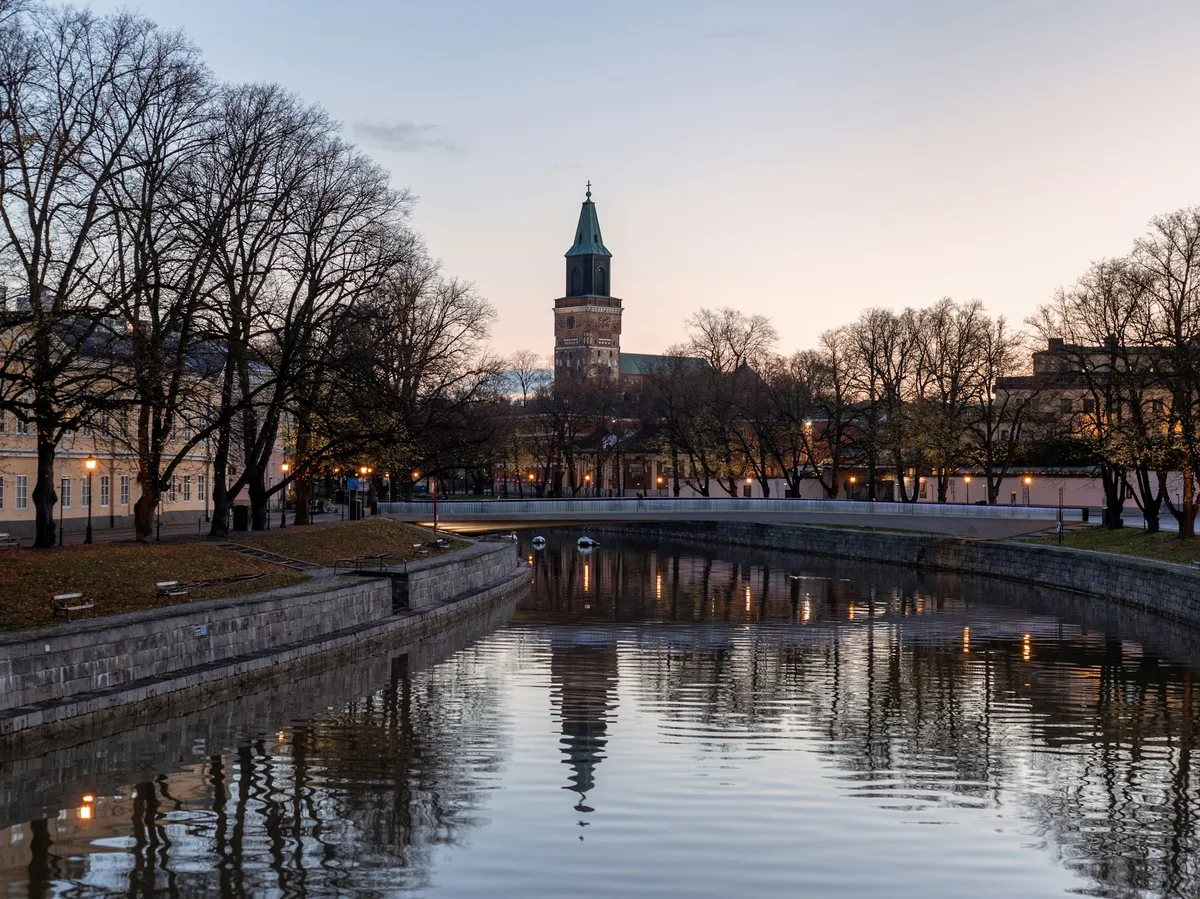
A comprehensive 18-day journey across four countries — Lithuania's Vilnius and Klaipėda, Latvia's Kuldīga and Riga, Estonia's Tartu and Tallinn, and southern Finland's Helsinki and Turku — for travelers who want to see the whole region in depth.
Visitor guide
Suomenlinna, known in Swedish as Sveaborg, is a sea fortress spread across islands in the Baltic Sea off Helsinki, Finland. Begun in 1748 under Swedish rule, it is a UNESCO World Heritage Site and still a living neighbourhood with residents, a church, a school, museums and cafes.
Sweden began construction in January 1748, after the Riksdag decided in 1747 to build a naval base at Helsingfors to counter the Russian base at Kronstadt. The fortress was designed and directed by Augustin Ehrensvard (1710-1772), whose plan drew on the star-fort ideas of Vauban but adapted them to a landscape of rocky islands.
Work peaked around 1750, when more than 6,000 workers were employed. The Gustavssvard fortifications were completed in 1751 and the main works on Vargo in 1754. Progress slowed during and after the Seven Years' War and under the political rivalries of the Age of Liberty, and the fortress was still unfinished when the Russo-Swedish War began in 1788. Because of its scale it was nicknamed the Gibraltar of the North.
In 1808, during the Finnish War, Russian forces took Helsinki and bombarded the fortress, and its commander, Carl Olof Cronstedt, surrendered in May with almost 7,000 men. The 1809 Treaty of Fredrikshamn ended Swedish rule over Finland. Russia then expanded the barracks and dockyard and reinforced the defences, and during the Crimean War an Anglo-French fleet bombarded the fortress for about 47 hours on 9-10 August 1855.
Russian troops remained after Finland declared independence in 1917. On 12 May 1918 the fortress was renamed Suomenlinna, meaning Fortress of Finland, a name proposed by Senator Kyosti Kallio. In 1918-1919 the islands held a prison camp for Red Guard prisoners, and Wikipedia records that more than 1,000 died of hunger and disease. Military control ended in 1973, when most of the site passed to civilian administration, and UNESCO inscribed Suomenlinna on the World Heritage List in 1991.
The fortress stretches over six fortified islands, and the World Heritage property covers about 210 hectares including surrounding water. Several islands are linked by bridges or a sandbar, while others stand alone. Gustavssvard, formed by joining Susisaari and Susiluoto in the Russian period, holds the greatest concentration of fortifications. Visitors see ramparts, gun batteries, dry docks, courtyards and long lines of barracks and storehouses in ochre and cream.
The islands hold several museums, including the Suomenlinna Museum, the Ehrensvard Museum, a Customs Museum and a Military Museum. The submarine Vesikko, the only surviving Finnish submarine of its type, is part of the Military Museum. Suomenlinna Church dates from 1854, and a lighthouse beacon was added in 1929. The Finnish Naval Academy operates on Pikku Mustasaari.
About 800 people live on the islands, and around 400 work there year-round. Services include a school, daycare, library, grocery store, restaurants, cafes and artists' studios. Events through the year include the Viapori Jazz festival and the Viaporin Kekri harvest celebration. Ferries link the islands with Helsinki, and a service tunnel built in 1982 carries heating, water and electricity.
A private guided visit suits Suomenlinna well, since the fortress is best understood through its layered Swedish, Russian and Finnish history rather than any single monument.
See every tour and attraction we cover in Finland.