TorontoOntario · 36 tours
 Niagara FallsOntario · 25 tours
 New York CityNew York · 30 tours
 Las VegasNevada · 8 tours
 San FranciscoCalifornia · 16 tours
 VancouverBritish Columbia · 17 tours
 DubaiUAE · 54 tours
 Abu DhabiUAE · 5 tours
 Buenos AiresArgentina · 23 tours
 AthensGreece · 31 tours
 AucklandNew Zealand · 38 tours
 CancunMexico · 54 tours
No destinations match “”. Try searching all tours instead — that search understands full questions, not just place names.
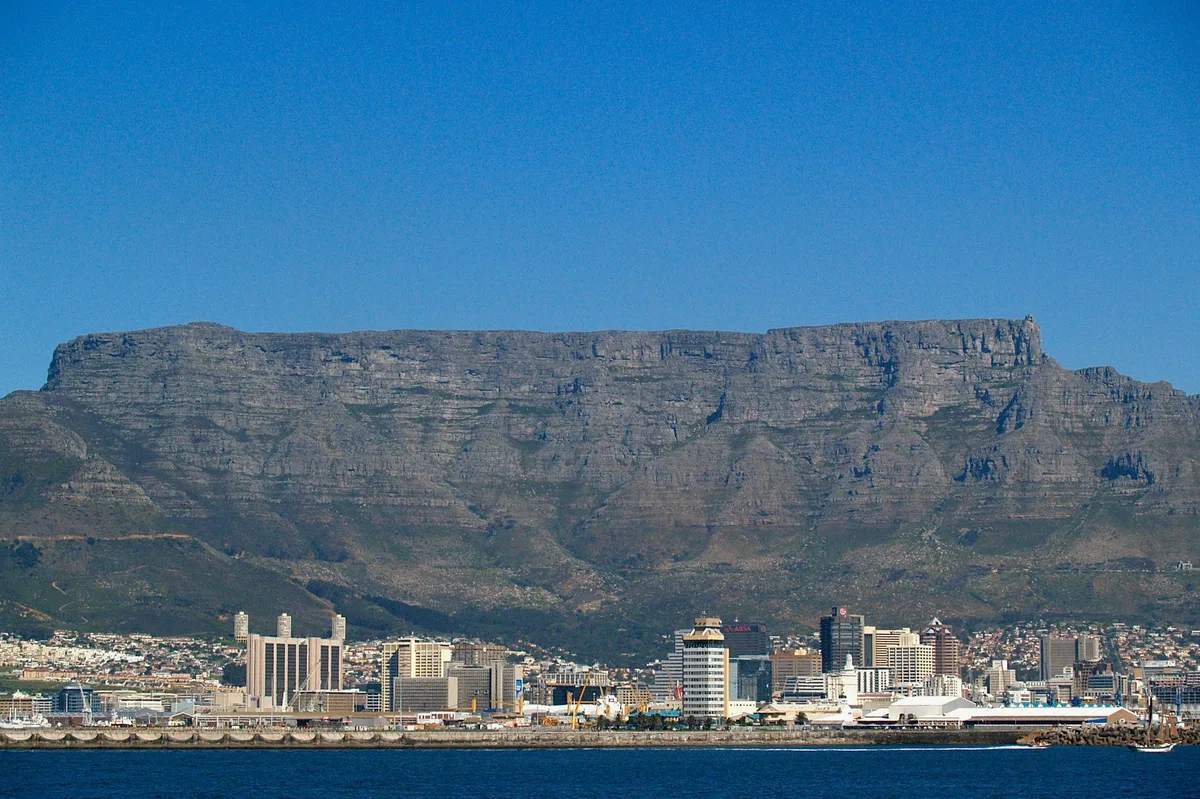
Cape Town's flat-topped mountain landmark, reached by cable car or on foot, with panoramic views over the city, Table Bay, and Robben Island.
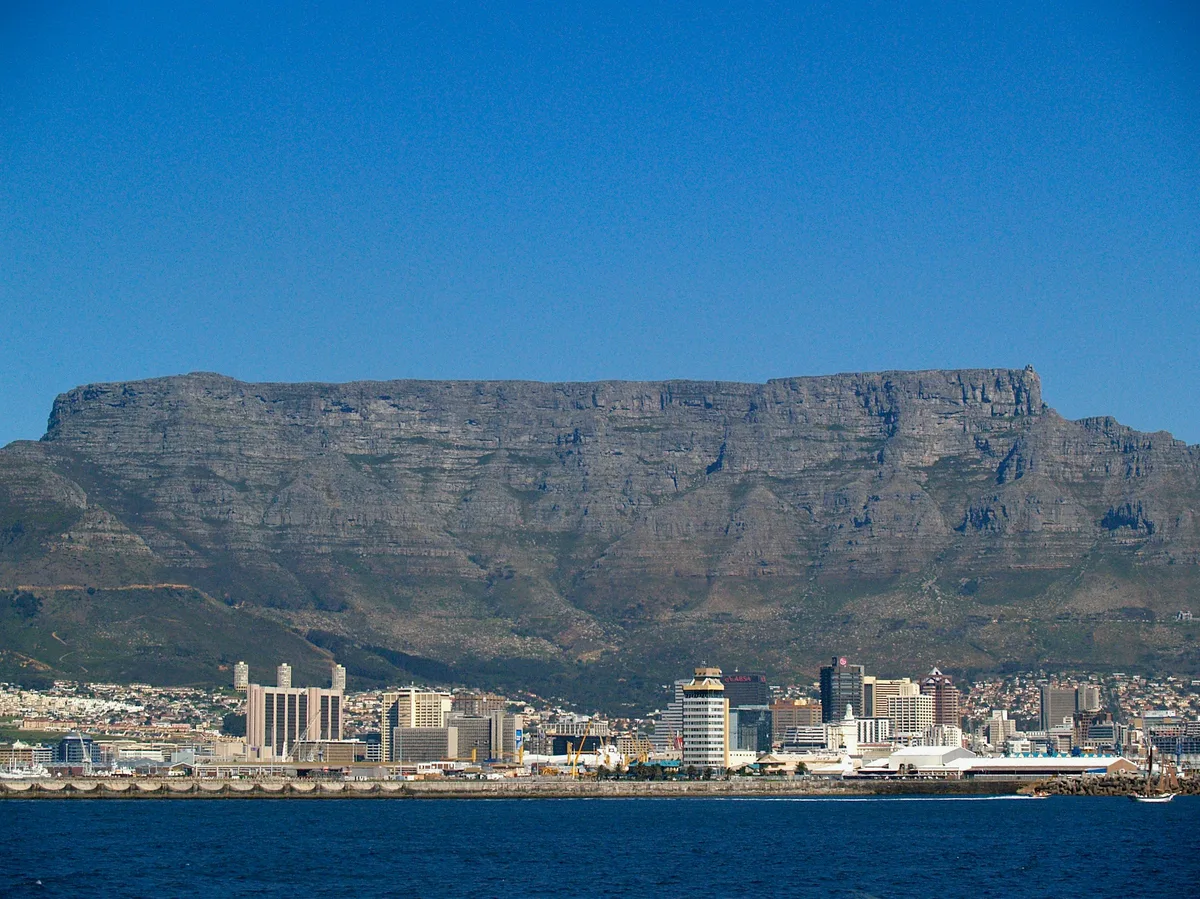 Multi-Day Tours
A 14-day South Africa route from Stellenbosch and Franschhoek's winelands to the Cederberg mountains, the fishing village of Paternoster, and Cape Town — Cape Point, the Cape Floral Region, and Table Mountain.
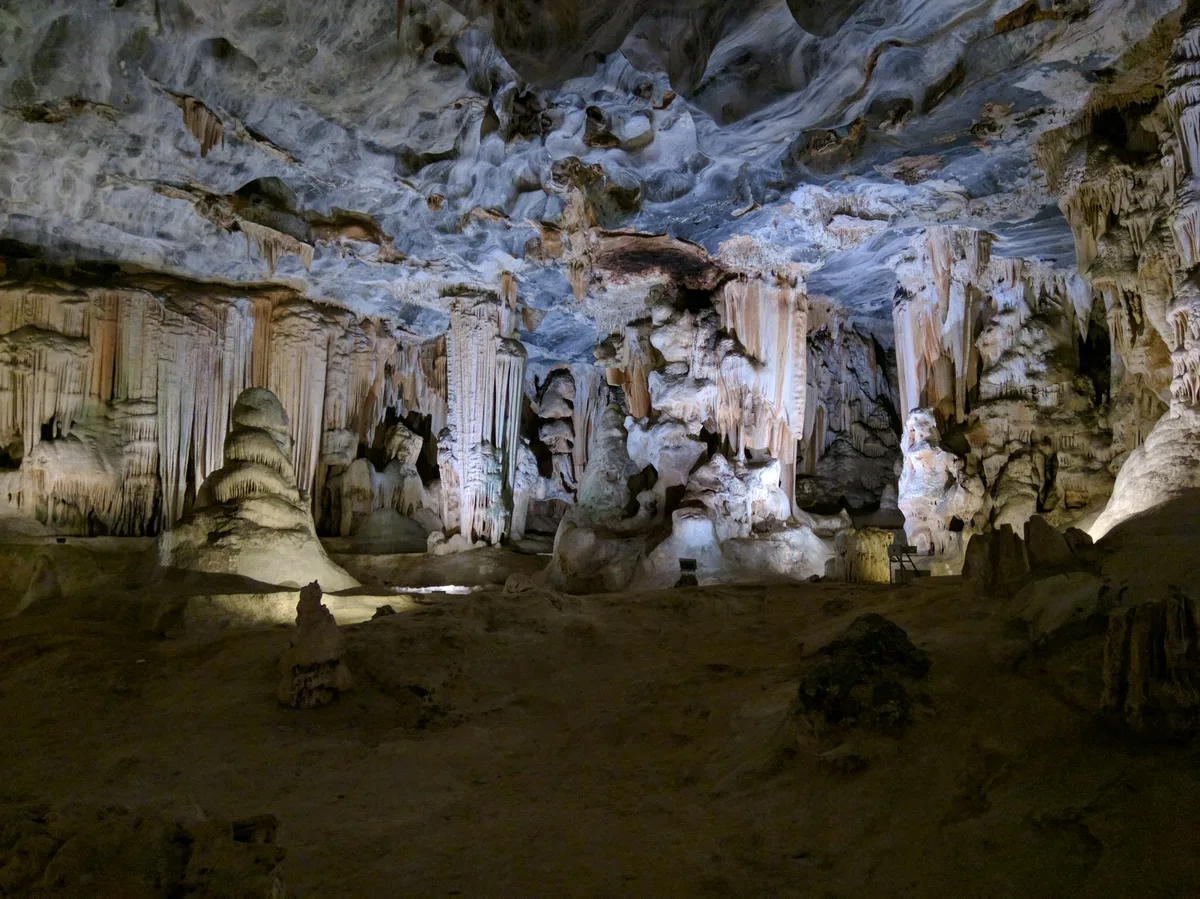 Multi-Day Tours
A 16-day Garden Route journey from Cape Town along Route 62 to Robertson's wine valley, Mont Eco and Buffelsdrift game reserves, Knysna's lagoon, De Hoop Nature Reserve, and Hermanus, before returning to Cape Town.
Visitor guide
Table Mountain is the flat-topped mountain that overlooks Cape Town, South Africa, rising about 1,000 metres above the city. It is the highest point of the Cape Peninsula range and the centrepiece of Table Mountain National Park, with a cableway, hiking routes and one of the richest plant communities on Earth.
The Khoekhoe name for the mountain is Huriǂoaxa, roughly sea-emerging, and its Afrikaans name is Tafelberg. Wikipedia says the Portuguese navigator Antonio de Saldanha made the first recorded ascent in 1503 and called it Taboa do Cabo. Sources differ slightly on its height: the infobox gives 1,084.6 metres, while the article text gives 1,086 metres for Maclear's Beacon, the highest point. In 1796, during the British occupation, three blockhouses were built on the mountain, and the King's Blockhouse remains in good condition. Between 1896 and 1907, five dams were built on the Back Table to supply Cape Town's water.
The mountain is a plateau about 3 kilometres wide, edged by steep cliffs. Devil's Peak lies to the east and Lion's Head to the west, and together with Signal Hill they form a natural amphitheatre around the City Bowl and Table Bay. The upper roughly 600 metres are made of Ordovician rock about 450 to 510 million years old. The hard quartzitic Table Mountain Sandstone resists erosion and forms the grey cliffs, over a 70-metre layer of maroon mudstone called the Graafwater Formation. The mountain is a syncline, meaning it was once a valley floor, and the softer surrounding rock eroded away to leave a flat-topped mesa.
The famous tablecloth is a layer of cloud that forms when southeasterly winds push moist air up the slopes. A legend, not a historical account, says it marks a smoking contest between the Devil and a pirate named Van Hunks.
The Cape Peninsula has about 2,285 plant species, roughly 80 percent of them fynbos, and around 1,500 grow in the 57 square kilometres of Table Mountain and the Back Table, a number Wikipedia compares to the whole flora of the United Kingdom. The main vegetation is Peninsula Sandstone Fynbos, an endangered type, and the Disa uniflora orchid, called the Pride of Table Mountain, blooms from January to March near seeps and waterfalls. The region is part of the Cape Floral Region, a UNESCO World Heritage Site that was inscribed in 2004. Dassies, or rock hyraxes, are the best-known mammals, Verreaux's eagles nest on the cliffs, and the Table Mountain ghost frog is an endemic amphibian.
Table Mountain National Park was proclaimed by Nelson Mandela on 29 May 1998 as the Cape Peninsula National Park and was later renamed. Wikipedia describes it as the most visited national park in South Africa, with around 4.2 million visitors a year. In November 2011 the mountain was named one of the New7Wonders of Nature.
The aerial cableway opened on 4 October 1929 after the contract was awarded to Adolf Bleichert and Co. of Leipzig. A 1996 to 1997 refurbishment introduced rotating gondolas that raised capacity from 20 to 65 passengers. On foot, Platteklip Gorge is the most direct route to the summit, the Skeleton Gorge route runs from Kirstenbosch toward Maclear's Beacon, and the Bridle Path is a more gradual ascent from Constantia Nek. Mist and cold can arrive without warning, and wind can affect cableway operation, so conditions should be checked before travelling. A private guided visit with a driver is a flexible way to choose the best moment for clear views.
See every tour and attraction we cover in South Africa.