TorontoOntario · 36 tours
 Niagara FallsOntario · 25 tours
 New York CityNew York · 30 tours
 Las VegasNevada · 8 tours
 San FranciscoCalifornia · 16 tours
 VancouverBritish Columbia · 17 tours
 DubaiUAE · 54 tours
 Abu DhabiUAE · 5 tours
 Buenos AiresArgentina · 23 tours
 AthensGreece · 31 tours
 AucklandNew Zealand · 38 tours
 CancunMexico · 54 tours
No destinations match “”. Try searching all tours instead — that search understands full questions, not just place names.
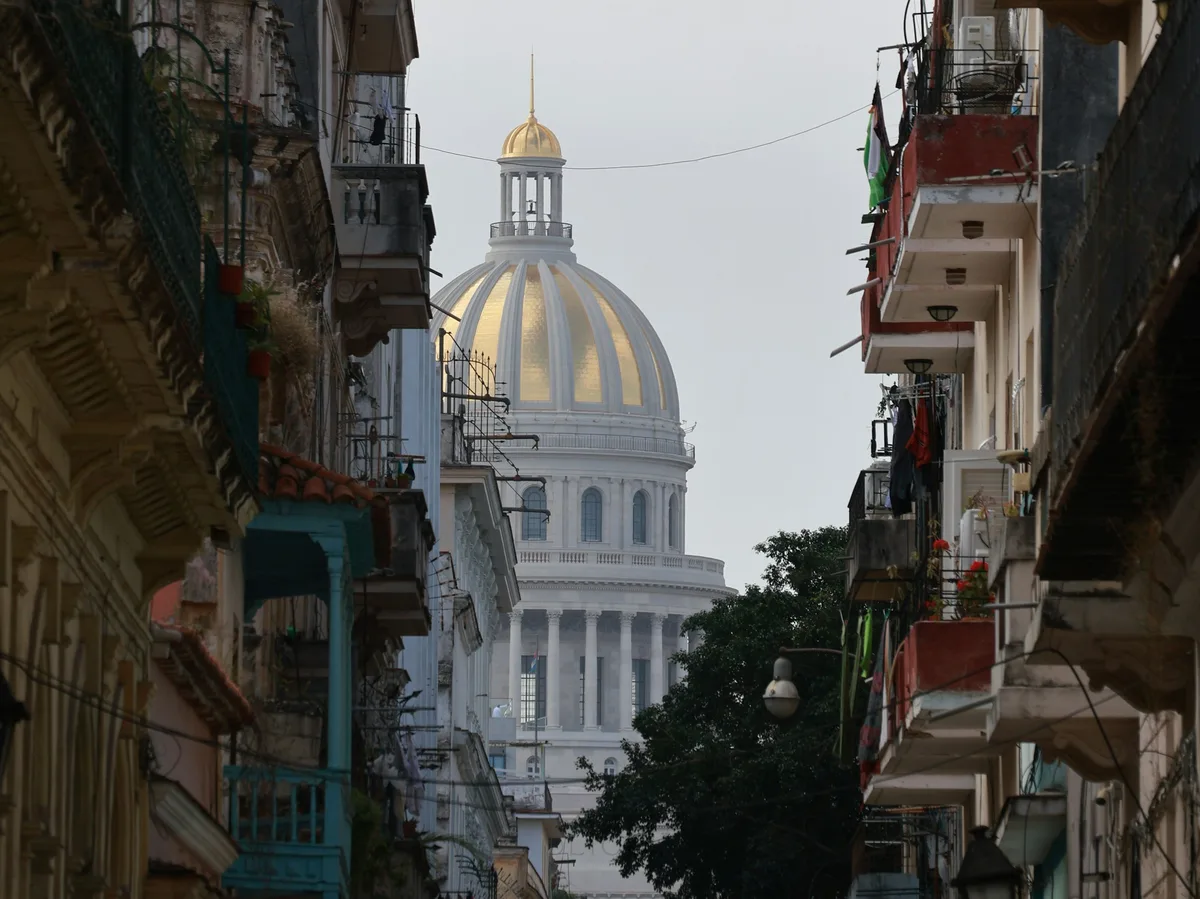
Havana's UNESCO World Heritage old town, built around four colonial squares — Plaza de Armas, Plaza Vieja, Plaza de San Francisco de Asís and Plaza de la Catedral — where restored Spanish-colonial mansions sit alongside vintage American cars.
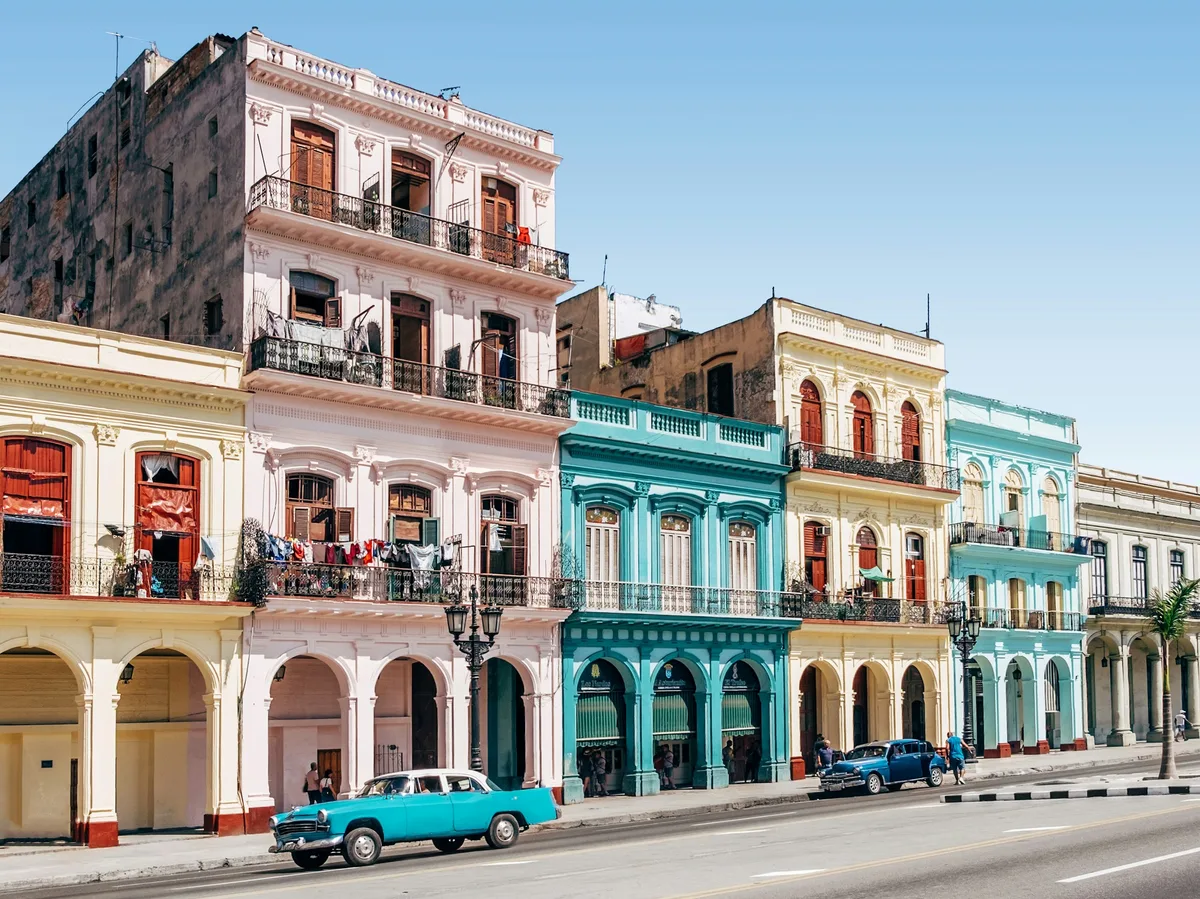 Multi-Day Tours Popular Pick
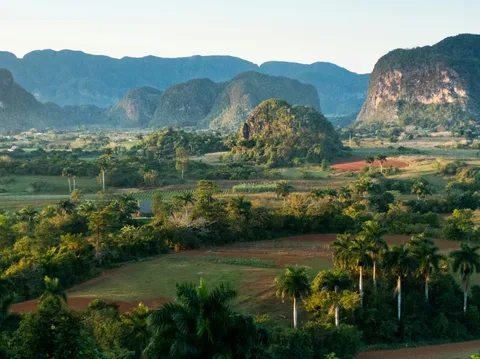
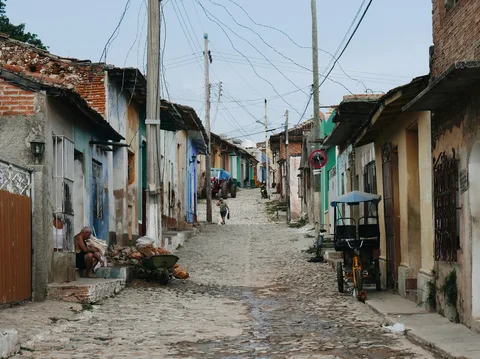
An 8-day circuit through Cuba's three most iconic stops — colonial Havana by vintage car, the tobacco valleys of Viñales, and the cobblestoned streets of Trinidad.
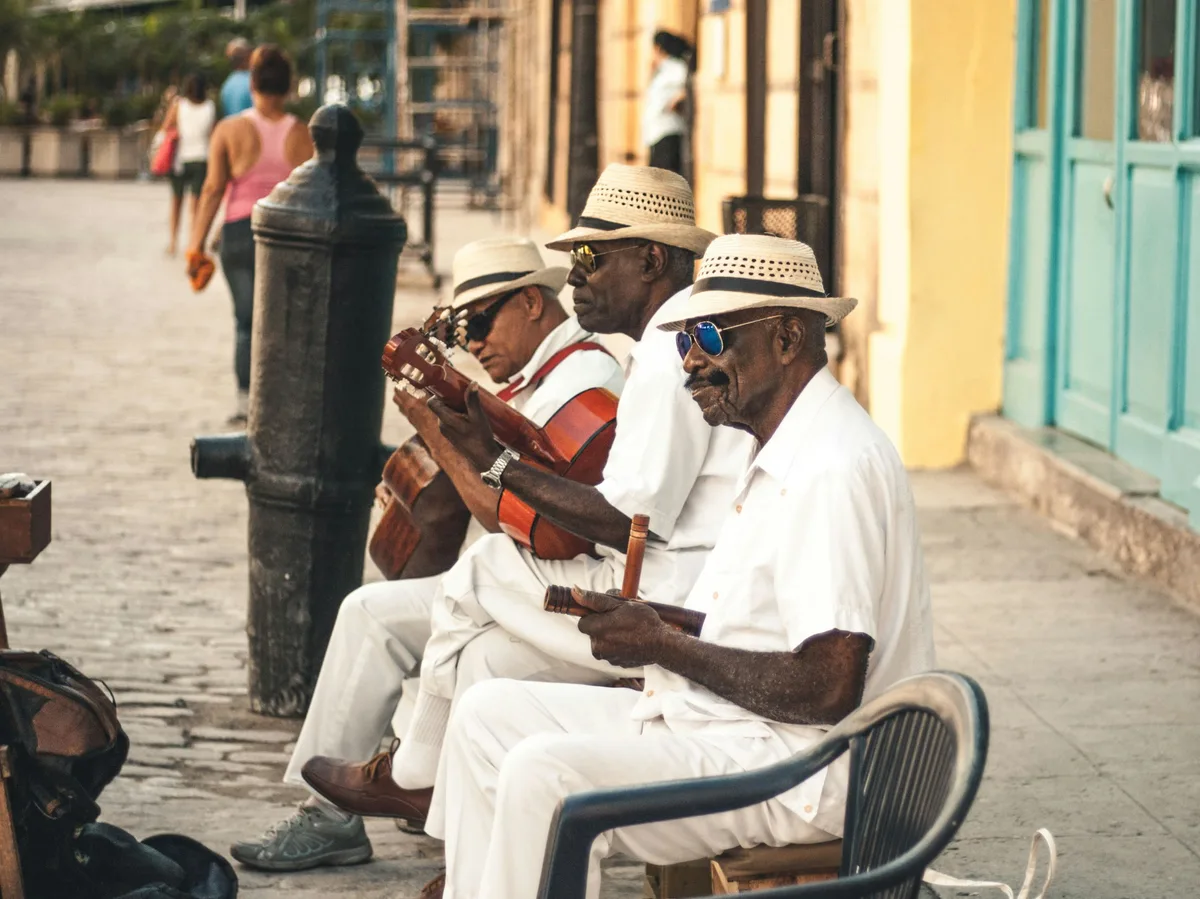 Multi-Day Tours
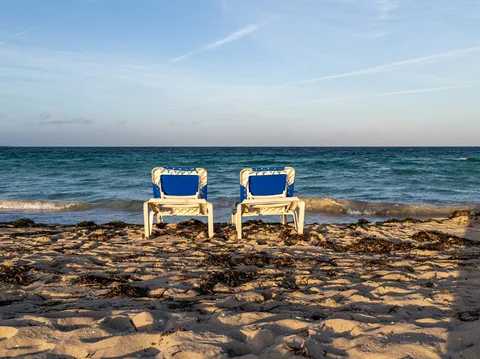
A 10-day cultural route — Havana by vintage car, a full day at the Valle de los Ingenios sugar estates, a bicitaxi tour of Trinidad, and three days unwinding in Varadero.
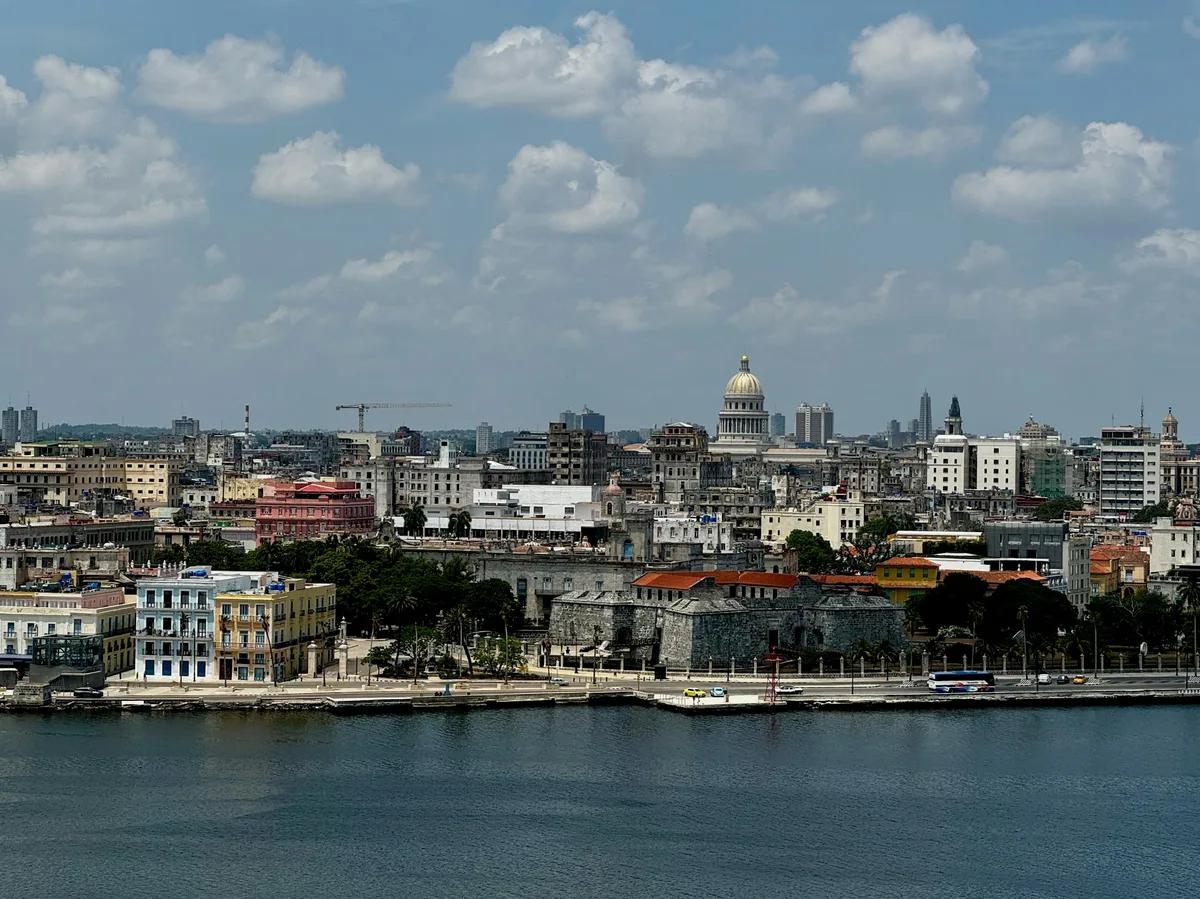 Multi-Day Tours
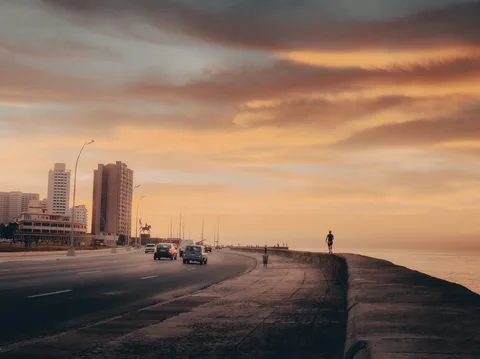
A short, 5-day dive into Havana alone — Old Town on foot and by vintage convertible, a Tropicana Cabaret night, and time with the city's art scene.
Visitor guide
Old Havana, or La Habana Vieja, is the historic core of the Cuban capital, a compact district of plazas, fortresses and colonial streets that UNESCO inscribed in 1982 as Old Havana and its Fortification System. It covers about four square kilometres and follows the line of the vanished city walls.
The Spanish founded Havana on 16 November 1519, according to Wikipedia, on a natural harbour that made it a stopping point for treasure-laden galleons crossing between the Old World and the New. In the seventeenth century it was also one of the main shipbuilding centres of the Spanish empire. In 1555 the French corsair Jacques de Sores plundered and burned much of the lightly defended city, and the Spanish responded with fortresses and walls, a point Wikipedia notes without a firm citation.
Construction of the Castillo de la Real Fuerza began in 1558, Morro Castle at the harbour entrance and San Salvador de la Punta were begun in the late 1580s, after raids by Sir Francis Drake, with sources giving 1589 for the start of both forts and La Punta largely finished around 1600. In 1629 a heavy chain was strung between the Punta and El Morro at night to block enemy ships. La Cabana, on the east side of the bay, has 18th-century walls and a nightly cannon shot that is said to recall the closing of the city gates.
The district is built in Baroque and neoclassical styles around narrow streets and a series of plazas. Plaza de Armas, named for the military ceremonies held there from the late sixteenth century, is closed on one side by the Castillo de la Real Fuerza. Plaza de la Catedral is dominated by the Catedral de San Cristobal, raised from 1748 and described by Wikipedia as one of the most beautiful and sober churches of the American baroque. Plaza Vieja and the Plaza de San Francisco de Asis are among the other historic squares.
The Cuban writer Alejo Carpentier called Havana the city of columns, a reference to the arcades and porticoes that line many streets.
UNESCO recognised Old Havana for its Baroque and neoclassical architecture, its fortifications and its role on the route to the New World. A safeguarding campaign began in 1983 to restore the buildings' authentic character. Wikipedia says many buildings fell into ruin in the later twentieth century, and that state-backed restoration led by the Office of the City Historian, directed by Eusebio Leal, turned the district into a major visitor destination.
Conservation remains an ongoing task. Wikipedia reports that Hurricane Ike in 2008 destroyed many structures and set back years of conservation work, and that age and neglect continue to threaten the old town. Restored buildings stand beside others awaiting repair, which gives the district its layered, lived-in character.
Old Havana is best explored on foot, and a private guided visit with a driver helps link the plazas, fortress sites and viewpoints across the bay. A local guide can explain the architectural styles, the stories behind each plaza and the work of restoration, and can adapt the route to heat and crowds. Opening arrangements for museums and churches vary, so confirm them in advance.
See every tour and attraction we cover in Cuba.