TorontoOntario · 36 tours
 Niagara FallsOntario · 25 tours
 New York CityNew York · 30 tours
 Las VegasNevada · 8 tours
 San FranciscoCalifornia · 16 tours
 VancouverBritish Columbia · 17 tours
 DubaiUAE · 54 tours
 Abu DhabiUAE · 5 tours
 Buenos AiresArgentina · 23 tours
 AthensGreece · 31 tours
 AucklandNew Zealand · 38 tours
 CancunMexico · 54 tours
No destinations match “”. Try searching all tours instead — that search understands full questions, not just place names.
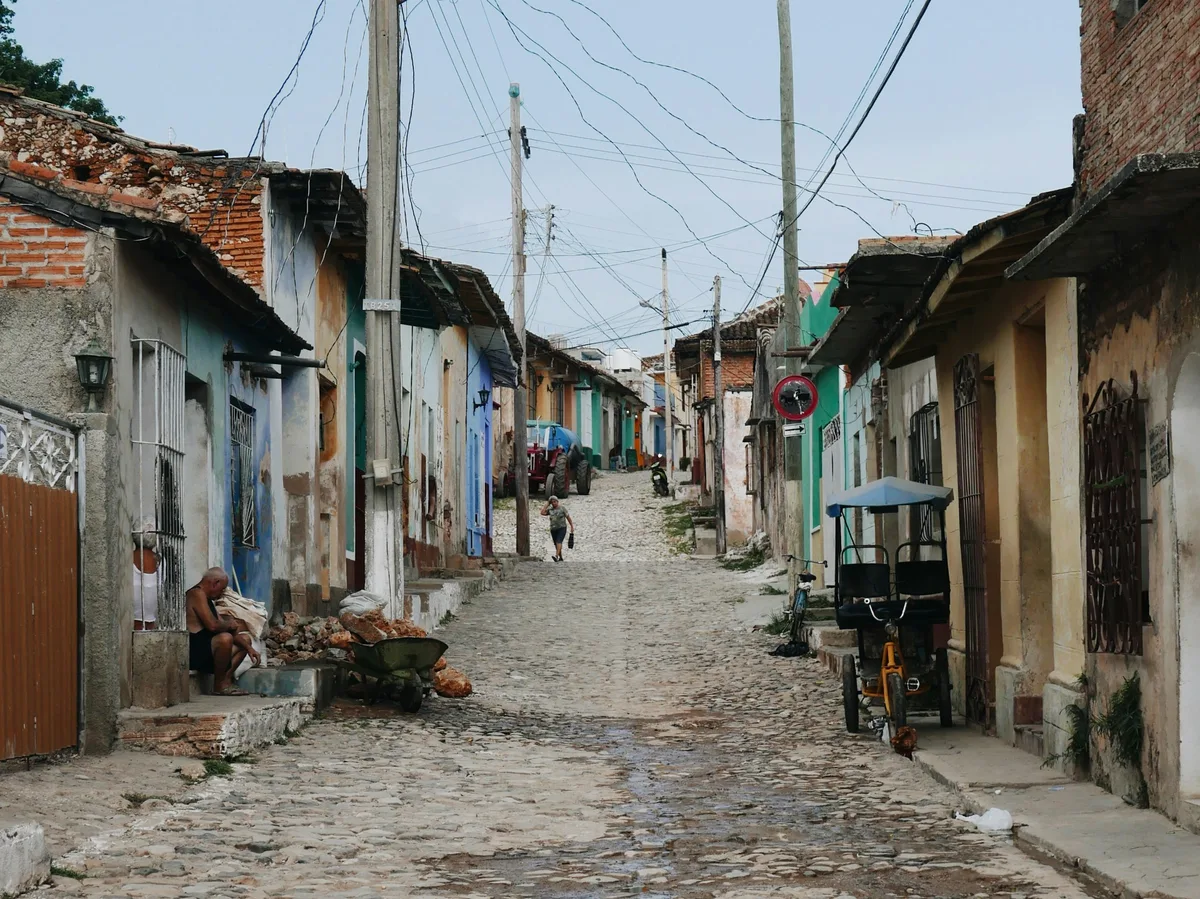
A near-perfectly preserved 16th-century town, another UNESCO World Heritage Site, known for its cobblestone streets, pastel-coloured colonial mansions, and the nearby Valle de los Ingenios sugar-mill estates.
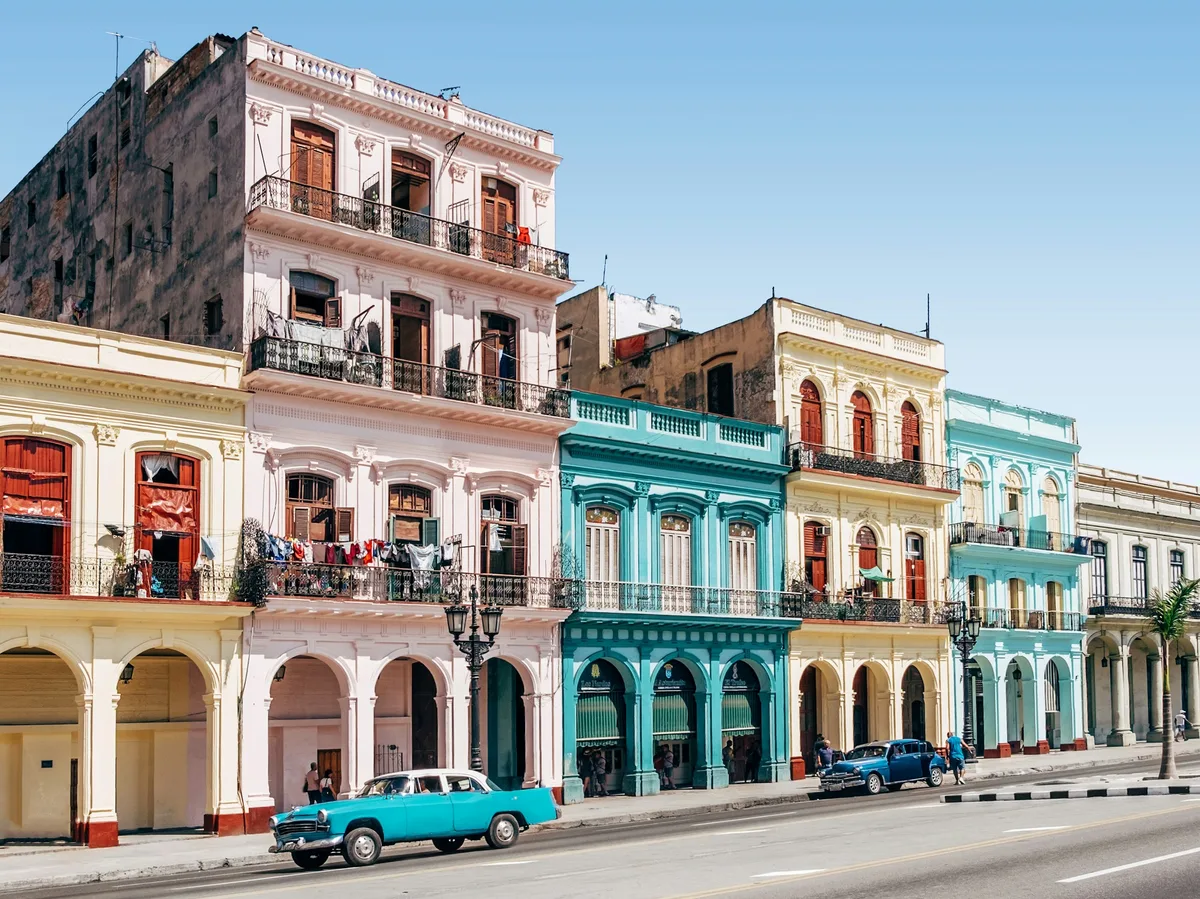 Multi-Day Tours Popular Pick
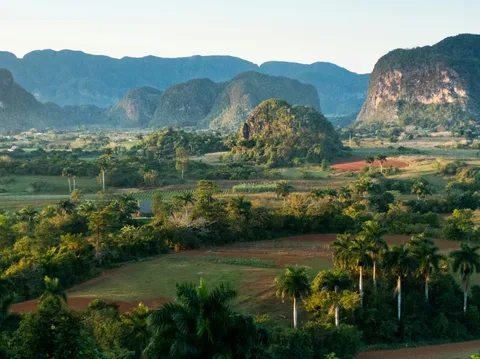
An 8-day circuit through Cuba's three most iconic stops — colonial Havana by vintage car, the tobacco valleys of Viñales, and the cobblestoned streets of Trinidad.
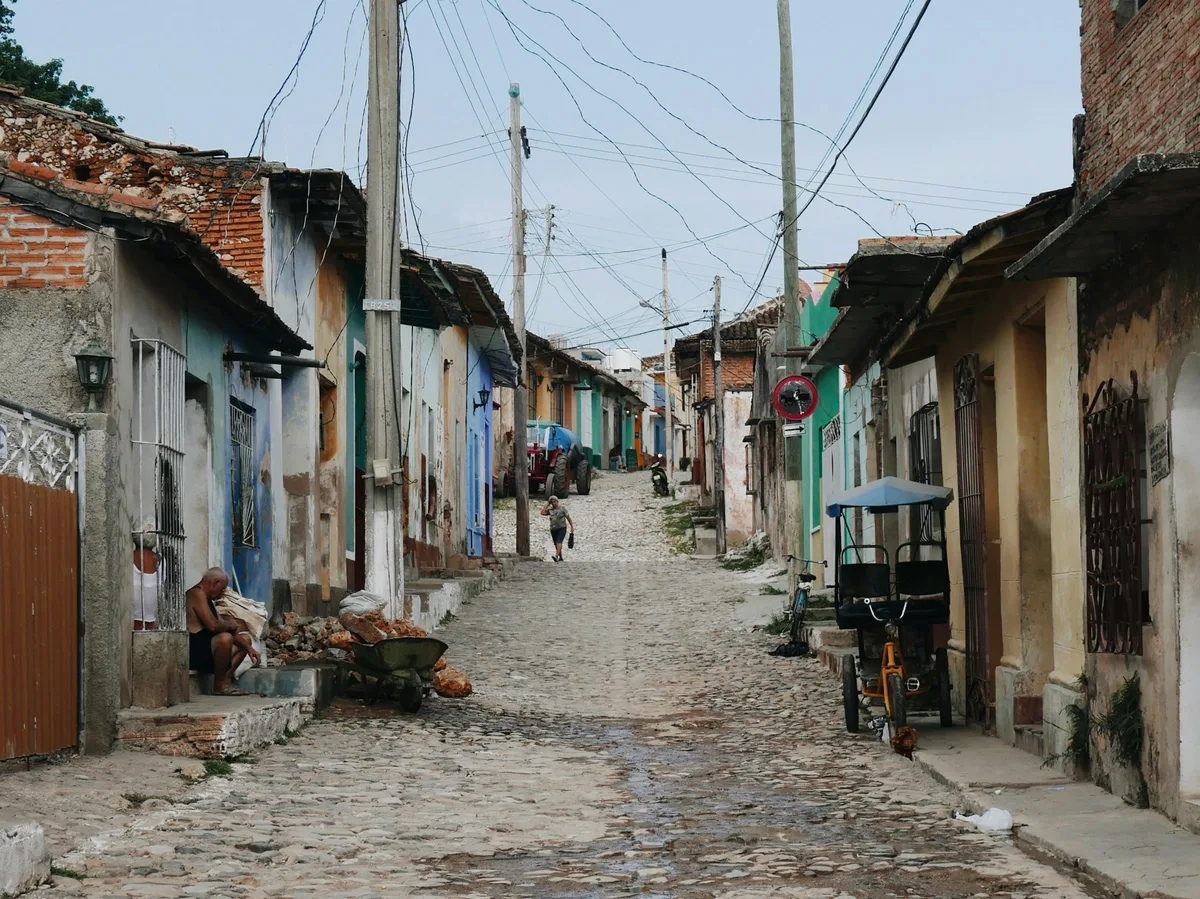 Multi-Day Tours
A 10-day route that goes beyond the postcard stops — Havana's Old Town, the eco-community of Las Terrazas, the French-colonial port of Cienfuegos, Trinidad, and Che Guevara's Santa Clara.
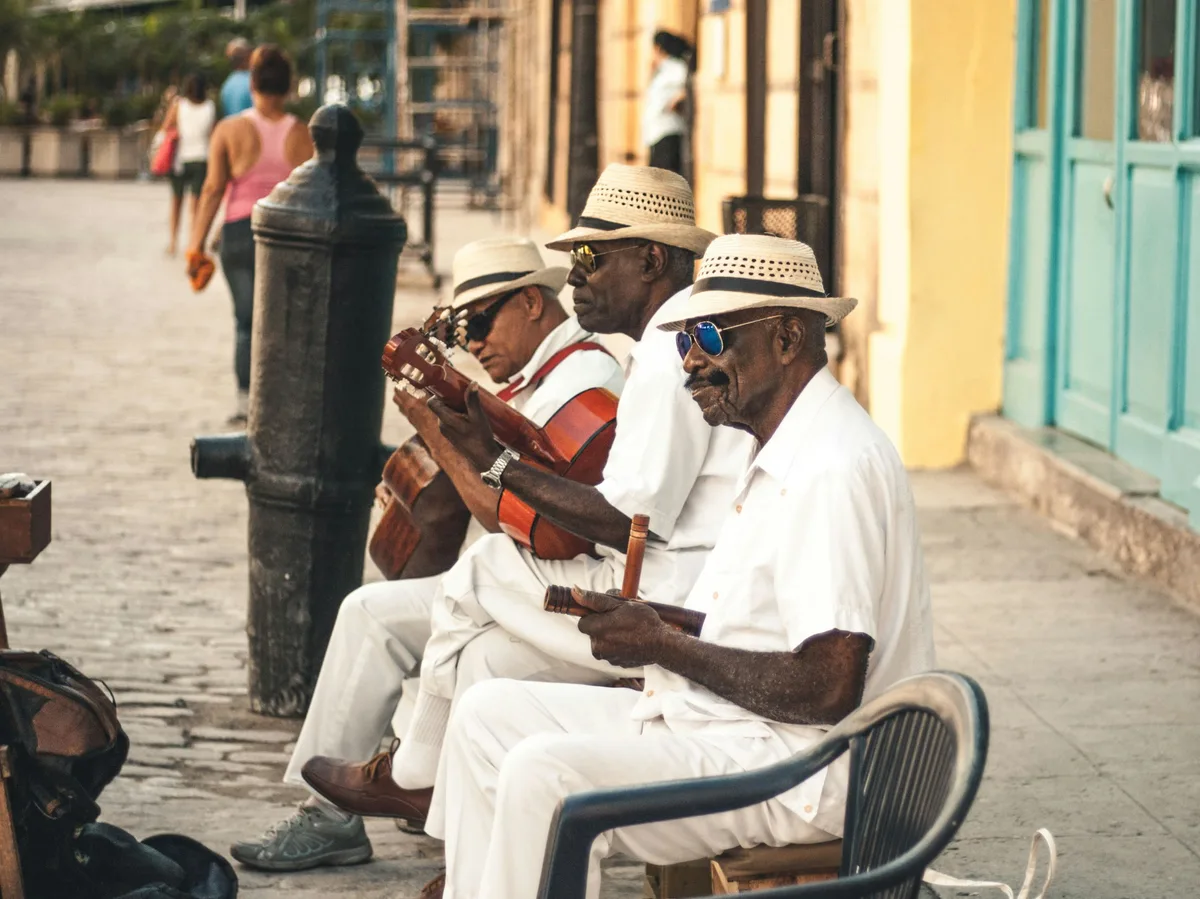 Multi-Day Tours
A 10-day cultural route — Havana by vintage car, a full day at the Valle de los Ingenios sugar estates, a bicitaxi tour of Trinidad, and three days unwinding in Varadero.
Visitor guide
Trinidad is a colonial town on Cuba's south-central coast, founded in 1514 by Diego Velazquez de Cuellar. Its historic centre and the nearby Valle de los Ingenios, once a major sugar-producing area, were inscribed by UNESCO in 1988.
Wikipedia gives the founding date as 23 December 1514, when the settlement was named Villa de la Santisima Trinidad. In 1518 Hernan Cortes recruited men for his expedition there, and in 1527 the Narvaez expedition landed nearby on its way to Florida, when a hurricane destroyed two ships.
For centuries Trinidad was a modest settlement. Its fortunes rose in the eighteenth and nineteenth centuries with the sugar trade, which funded the mansions and public buildings that now define its appearance.
The Valle de los Ingenios, about 12 kilometres from town, consists of three interconnected valleys and was a centre of sugar production from the late eighteenth century to the late nineteenth. At its peak over fifty mills operated, and the area, given as 225 square kilometres by UNESCO (other sources give 270), includes the sites of more than seventy former mills.
The landmark Manaca Iznaga tower, about 45 metres high and built around 1816, is said to have rung a bell to mark working hours and alarms. The sugar economy depended on the labour of enslaved Africans, and Wikipedia reports that more than 30,000 enslaved people worked in the valley's mills and plantations, with slave quarters still standing at Manaca Iznaga.
The valley is made up of three interconnected valleys named San Luis, Santa Rosa and Meyer. Wikipedia notes that Spanish planters imported Africans to work the cane fields after the native population declined, and that the tower is said to have been used to signal work hours and alarms, including for escaped slaves. Today the site is a place to reflect on both the wealth and the human cost of the sugar economy.
The historic centre has Spanish colonial architecture, cobblestone streets and pastel-coloured houses with wrought-iron grilles. Plaza Mayor is small but is described by Wikipedia as an open-air museum of Spanish colonial architecture. Buildings around it include the Santisima Trinidad Cathedral and the Convento de San Francisco, and the town has a municipal history museum.
UNESCO designated Trinidad and the Valle de los Ingenios a World Heritage Site in 1988 under criteria iv and v, and Wikipedia calls the town one of the best-preserved Caribbean cities from the era when sugar dominated the regional economy.
Wikipedia adds that tobacco processing is now the main industry in the area and that tourism from Western countries is a major source of income, which has encouraged the upkeep of colonial houses as guesthouses, restaurants and workshops.
Nearby attractions named by Wikipedia include Topes de Collantes, about 20 kilometres away, Casilda Bay and Playa Ancon. A private guided visit lets a driver and local guide combine the old town with the sugar valley and, if time allows, the coast. Cobbled streets are uneven, so comfortable shoes help.
See every tour and attraction we cover in Cuba.