TorontoOntario · 36 tours
 Niagara FallsOntario · 25 tours
 New York CityNew York · 30 tours
 Las VegasNevada · 8 tours
 San FranciscoCalifornia · 16 tours
 VancouverBritish Columbia · 17 tours
 DubaiUAE · 54 tours
 Abu DhabiUAE · 5 tours
 Buenos AiresArgentina · 23 tours
 AthensGreece · 31 tours
 AucklandNew Zealand · 38 tours
 CancunMexico · 54 tours
No destinations match “”. Try searching all tours instead — that search understands full questions, not just place names.
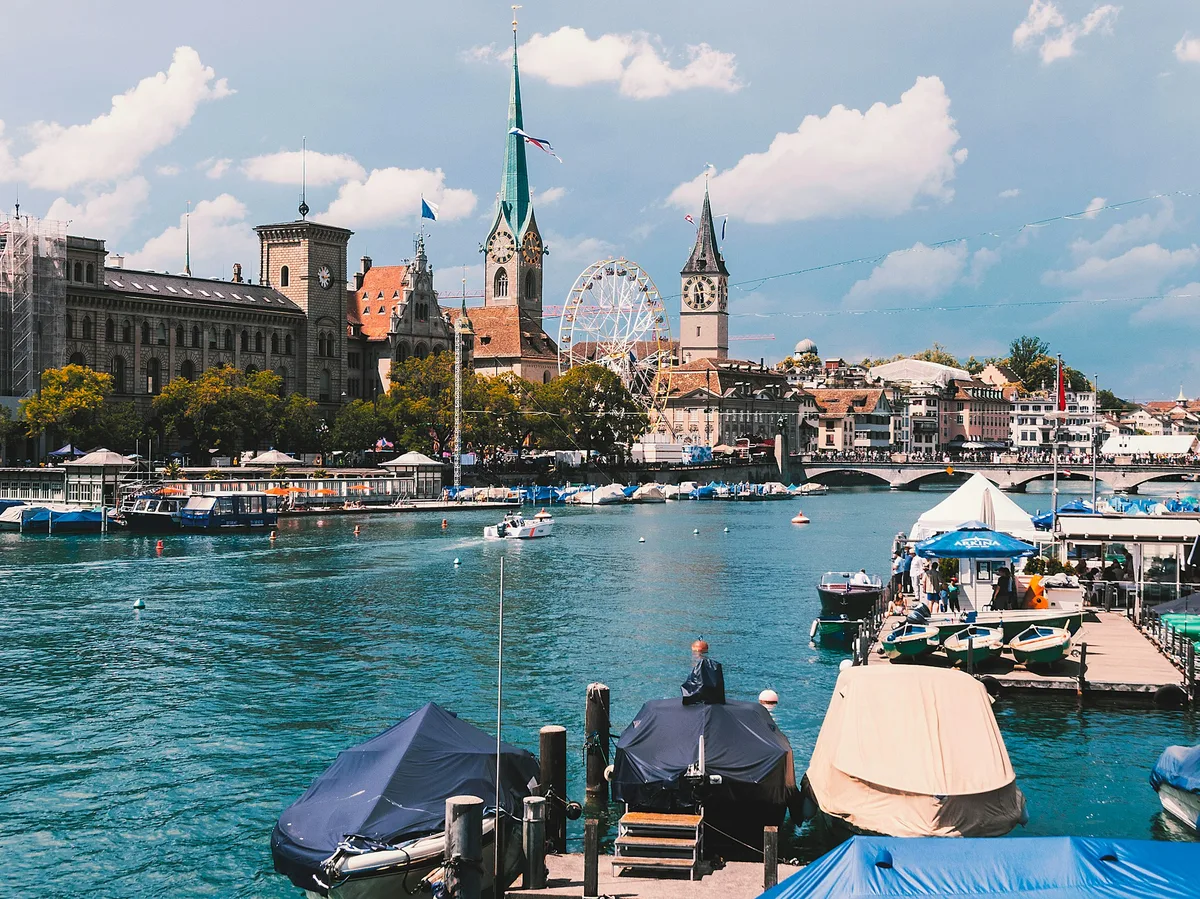
Voyzo runs 57 tours across 1 destination in Austria, covering 11 attractions. A private tour means your own guide, driver, and vehicle and an itinerary built around your group rather than a fixed bus schedule.
Multi-Day Tours
A 9-day private circuit through Central Europe's icons — Vienna and the Wachau Valley, Salzburg's Sound of Music sights, Munich and Neuschwanstein Castle, finishing in Zurich.
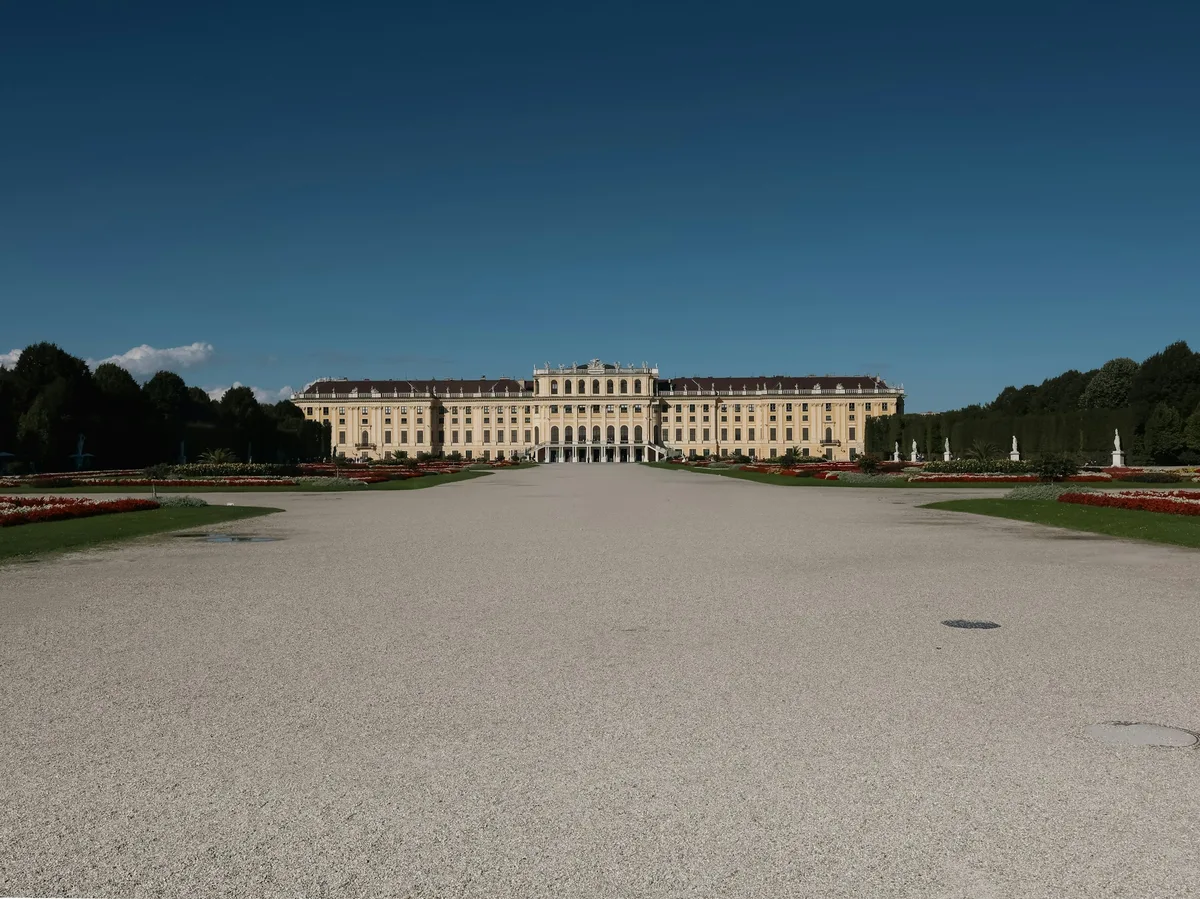 Multi-Day Tours Popular Pick
A 6-day private tour of Vienna — a Mozart concert, Schönbrunn Palace, the Kunsthistorisches Museum, traditional Heuriger wine taverns, and the city's culinary highlights.
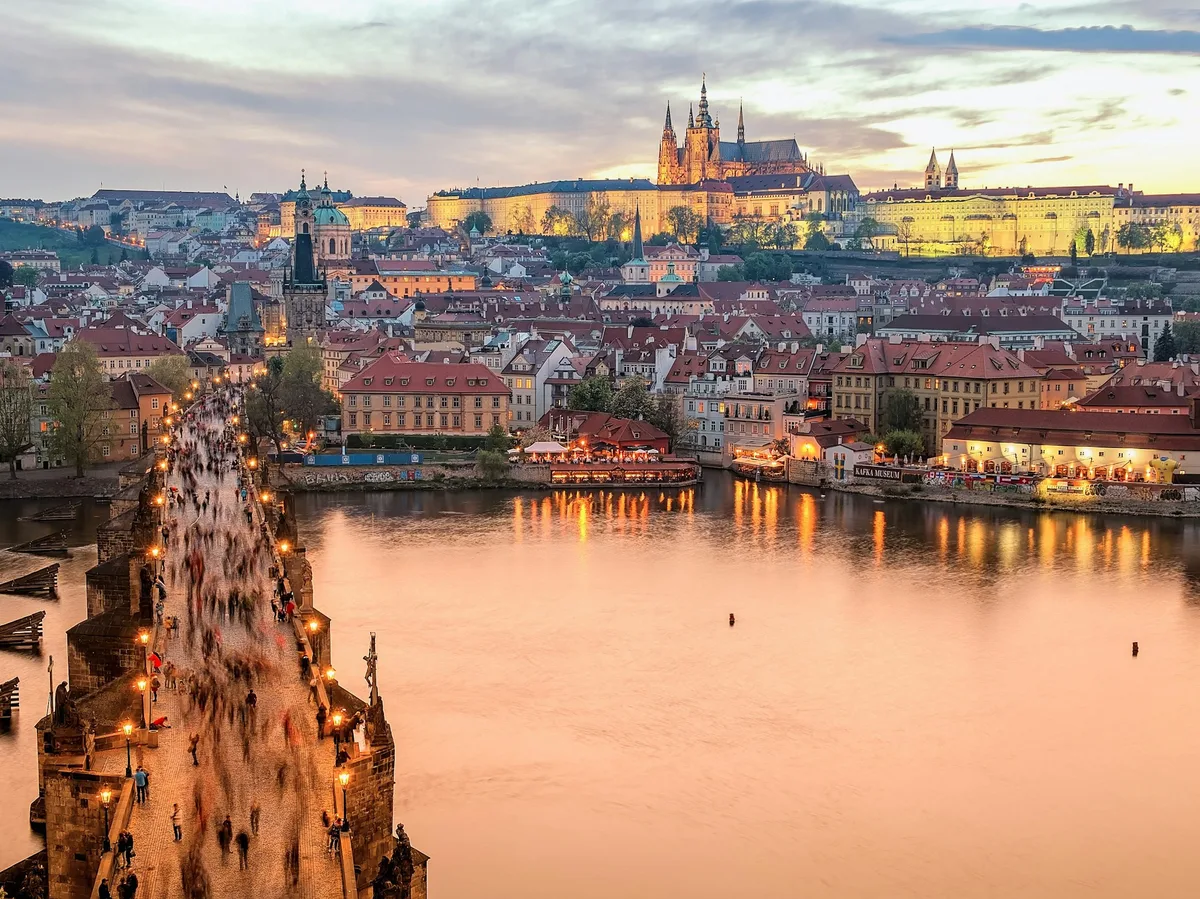 Multi-Day Tours
A 15-day private circuit through Austria, Germany, and Czechia's Christmas markets — starting and ending in Vienna, by way of Salzburg, Munich, Dresden, Prague, and Český Krumlov.
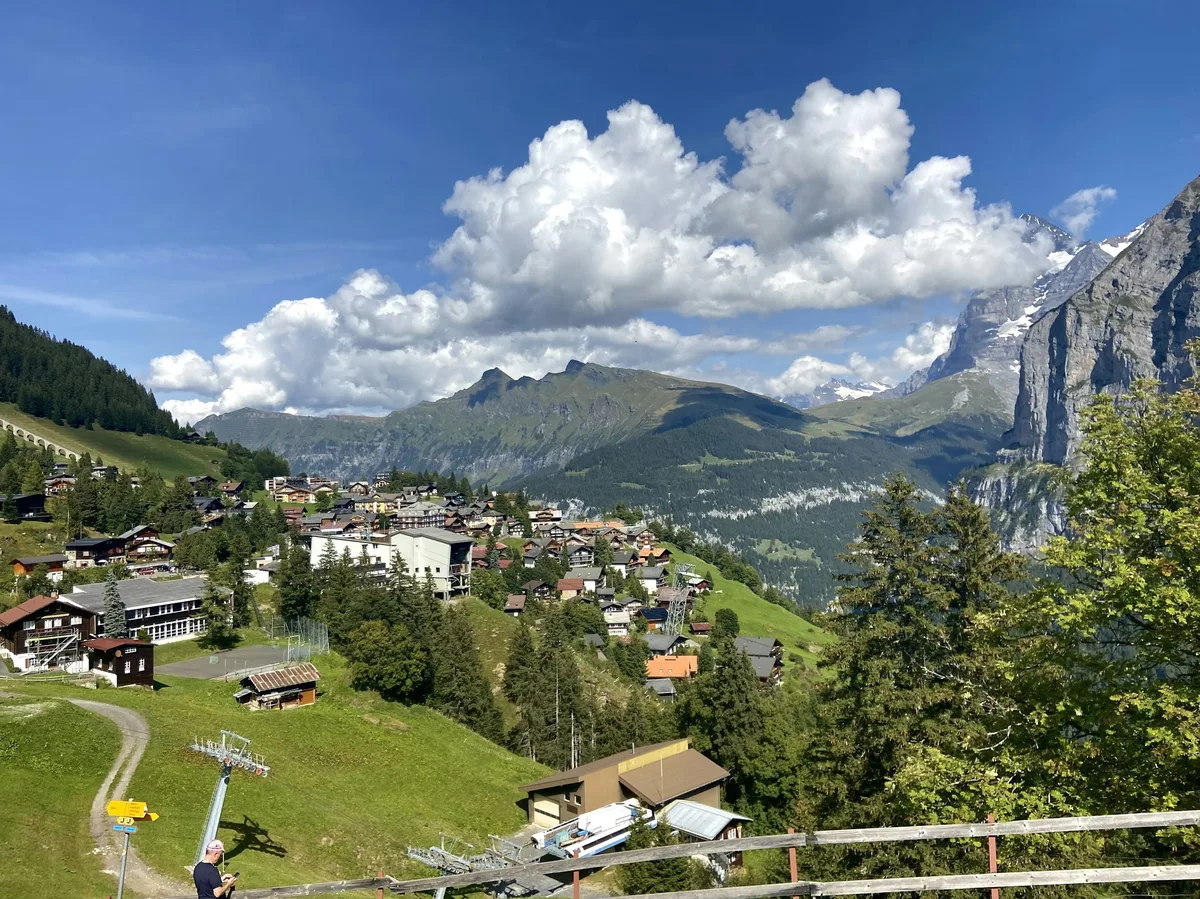 Multi-Day Tours
A 13-day private circuit through the Alps — Lake Lucerne, Grindelwald and Interlaken, Lugano and Lake Como in Italy, finishing with St. Anton and Bregenz in Austria.
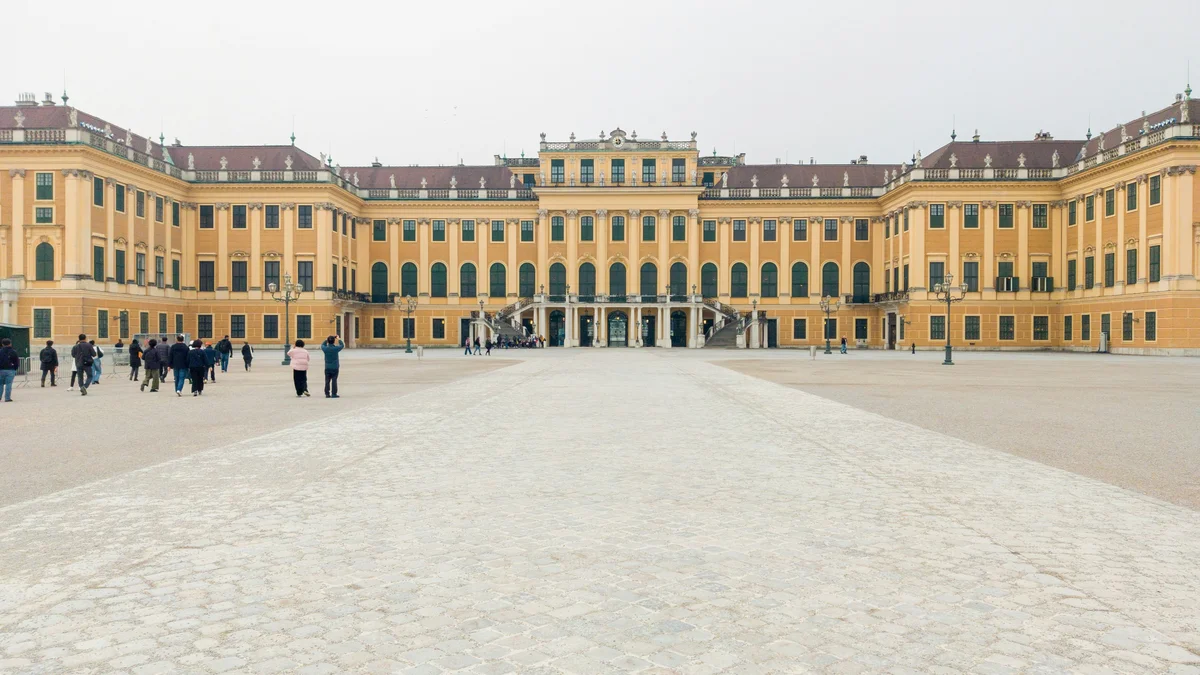 Private Tours
A private tour for your group only, real stops at the genuine Porcelain Room, Millions Room, and imperial gardens.
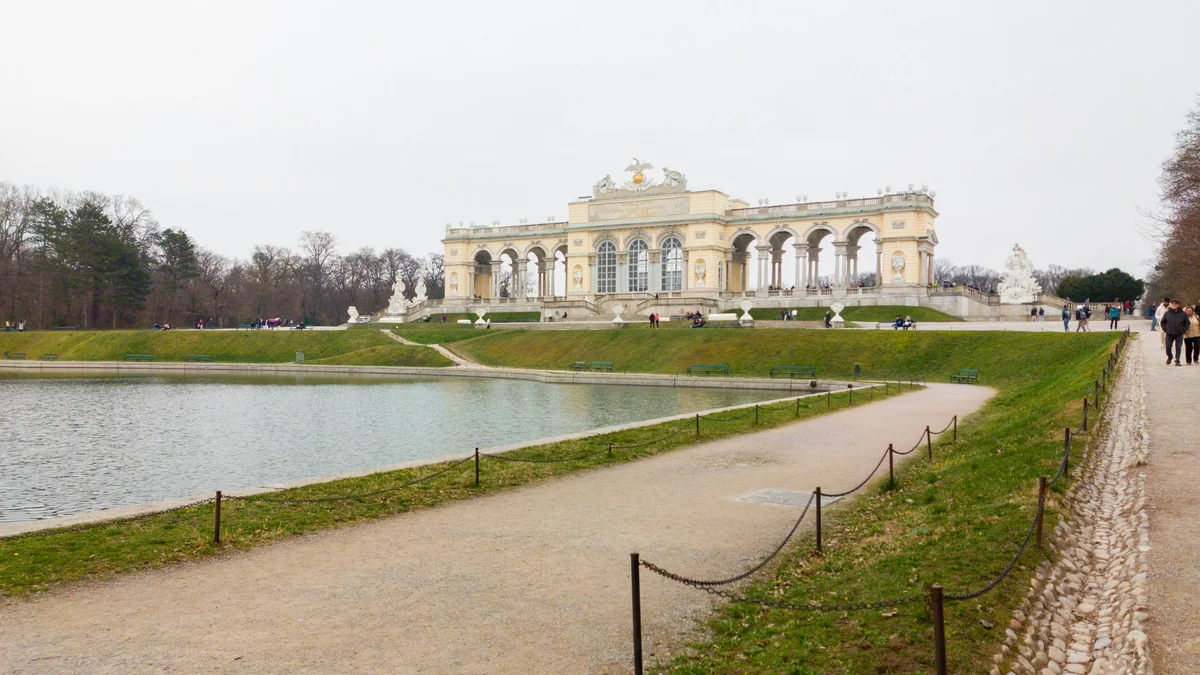 Private Tours
A private tour for your group only, with a real top-rated English-speaking guide, genuine exclusive access to extra rooms not on the standard ticket.
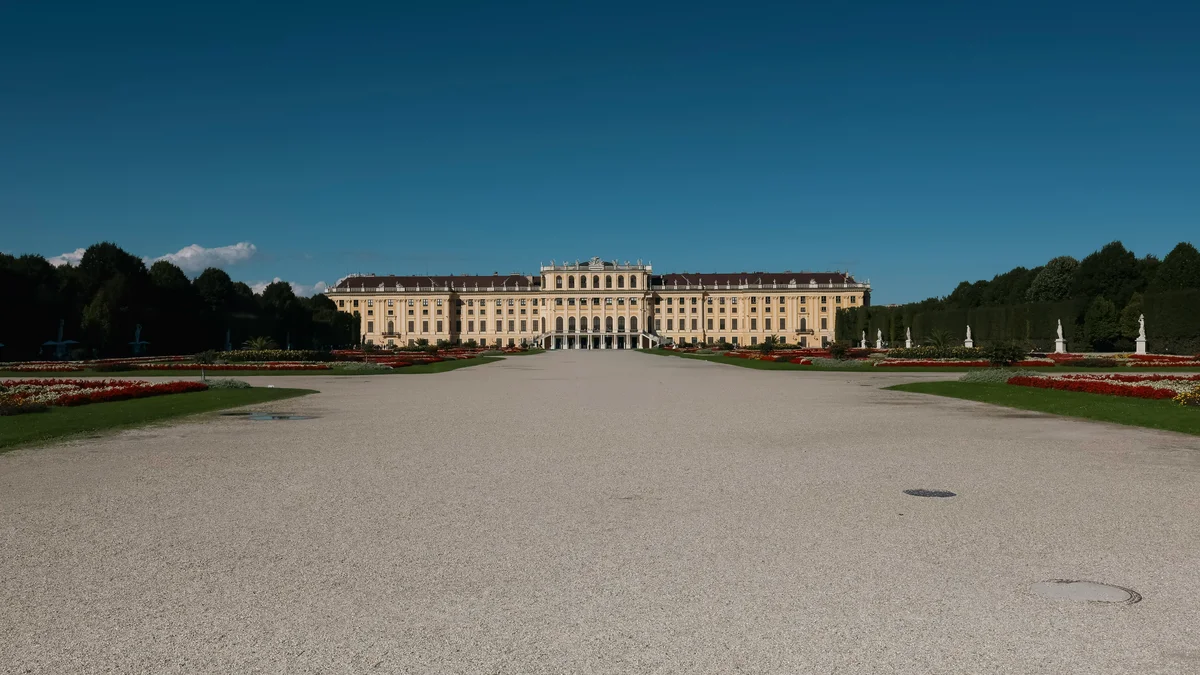 Private Tours
A private tour for your group only, real Schönbrunn imperial gardens, genuinely skipping the rush of large tour groups.
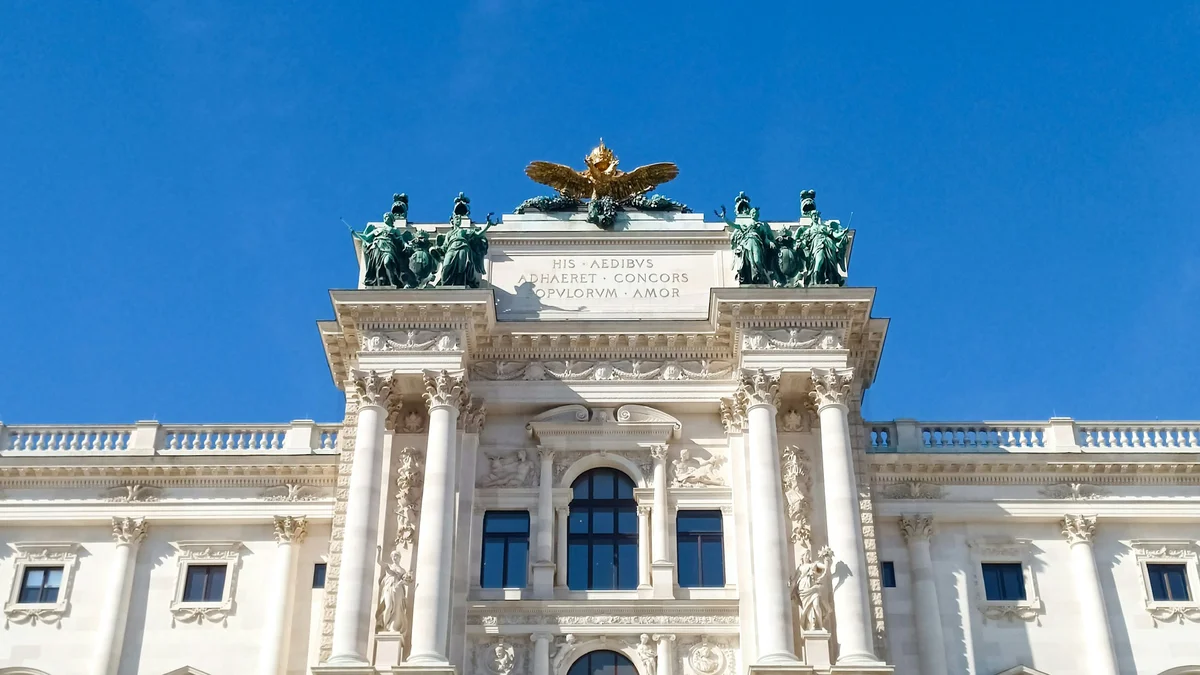 Private Tours
A private tour for your group only, real skip-the-line entry to the genuine Hofburg Imperial Palace Complex and Sisi Museum.
The real stops Voyzo's own itineraries are built around — tap any attraction to learn more.
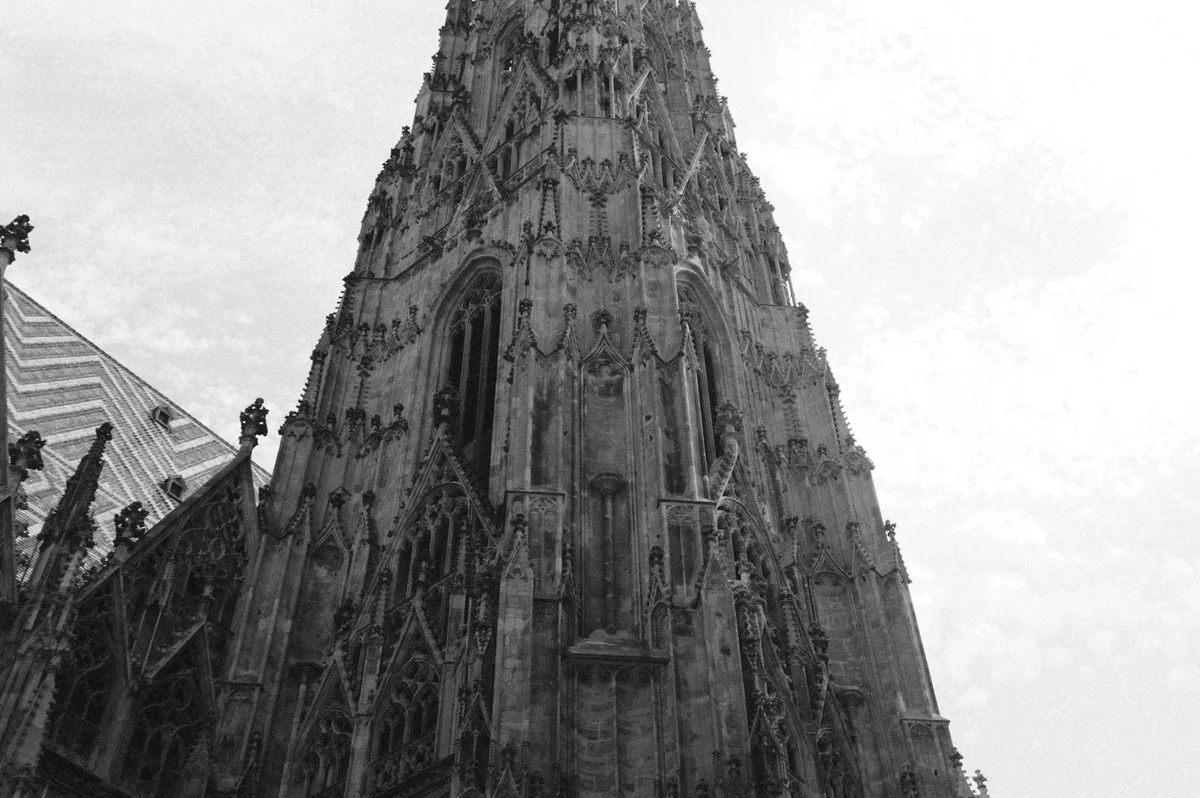 St. Stephen's Cathedral, Vienna
Austria
Vienna's Gothic centerpiece, its tiled roof and towering spire visible across the city — the heart of the historic Innere Stadt district.
2
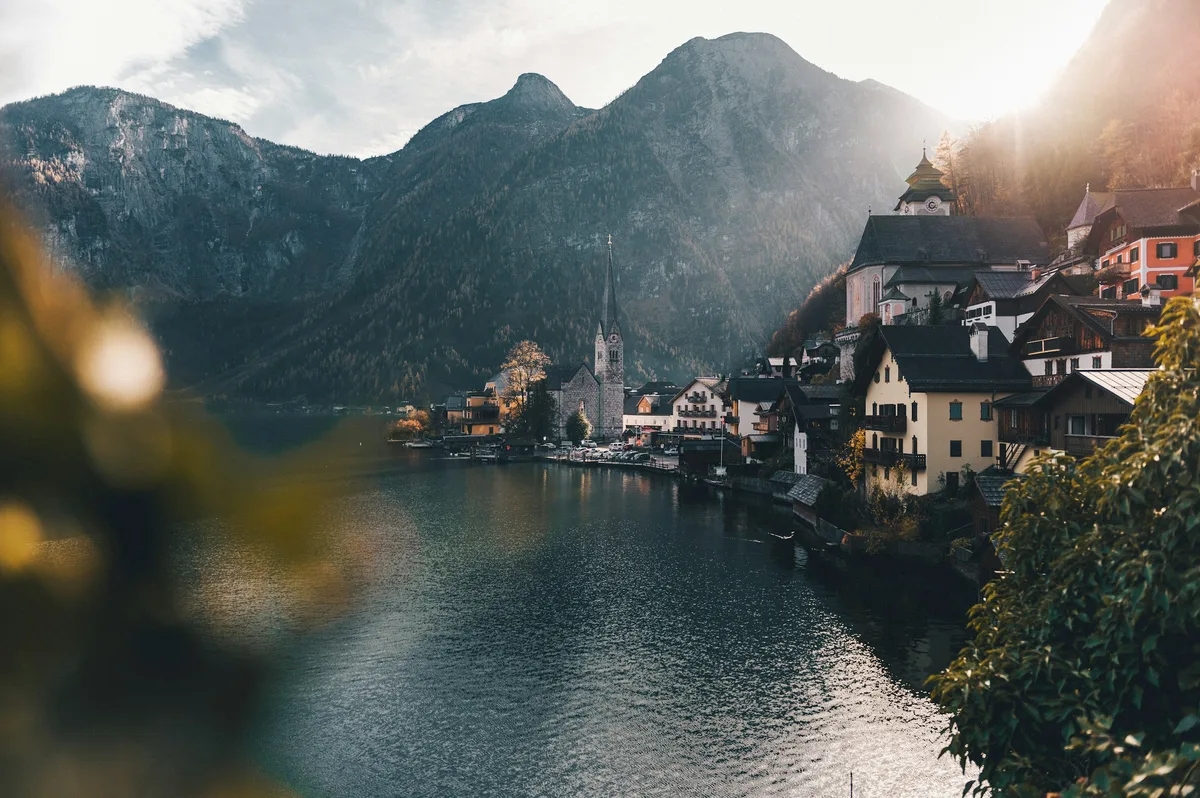 Hallstatt
Austria
A lakeside village in the Salzkammergut, its pastel houses and church spire reflected in the Hallstättersee against a backdrop of the Austrian Alps — one of Europe's most photographed small towns.
3
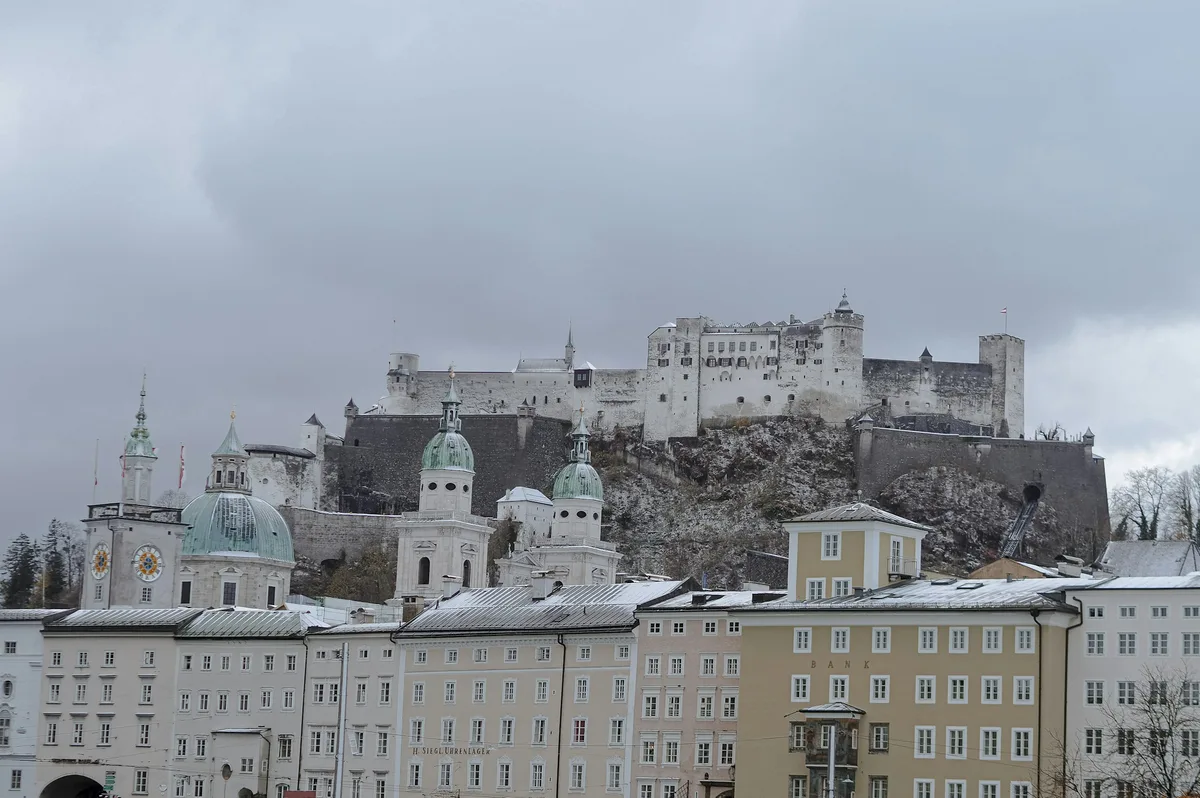 Hohensalzburg Fortress, Salzburg
Austria
One of Europe's largest surviving medieval castles, perched above Salzburg's baroque old town with sweeping views over the city and the Alps beyond.
4
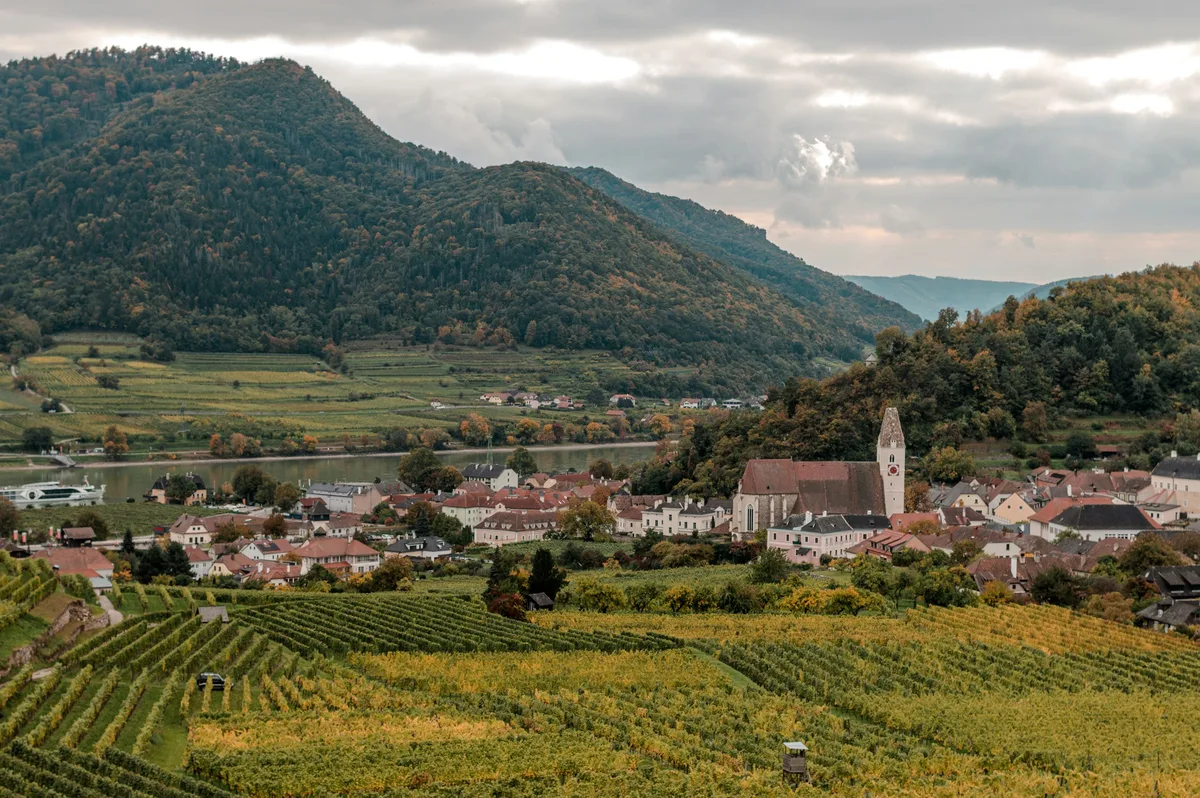 Wachau Valley
Austria
A UNESCO World Heritage wine region along the Danube between Melk and Krems, with terraced vineyards, riverside villages, and Dürnstein's ruined castle overlooking it all.
5
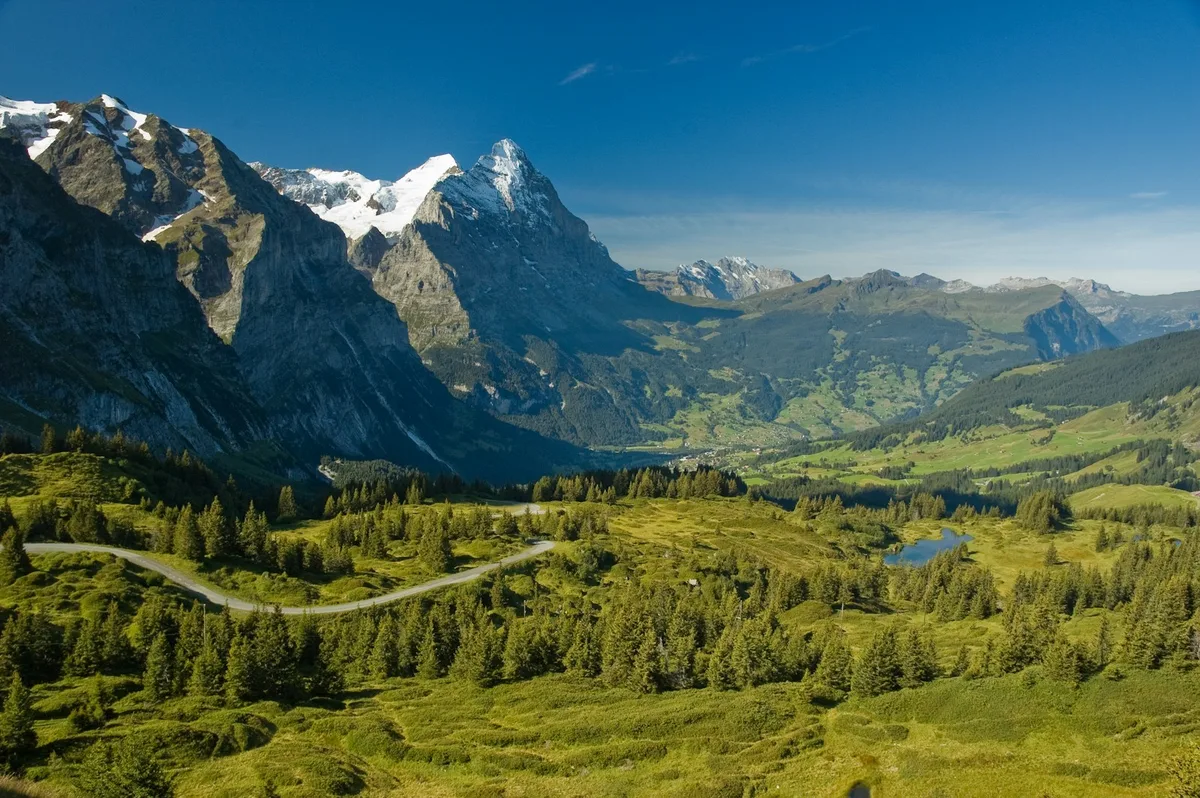 Grossglockner High Alpine Road
Austria
A scenic mountain highway climbing to over 2,500 metres past Austria's highest peak, the Grossglockner, with switchback views over glaciers and alpine valleys.
6
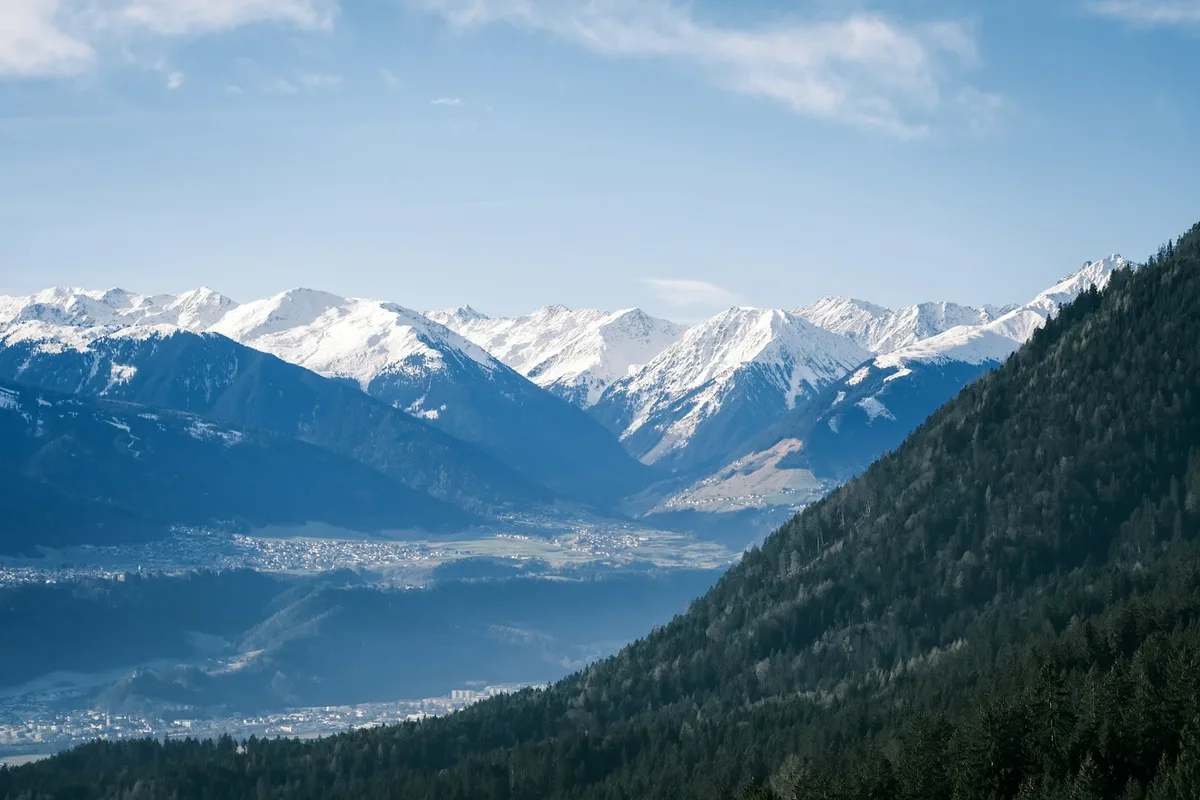 Innsbruck & the Nordkette
Austria
The capital of the Tyrol, set directly beneath the Nordkette mountain range, with a cable car rising from the historic centre to alpine terrain in a matter of minutes.
7
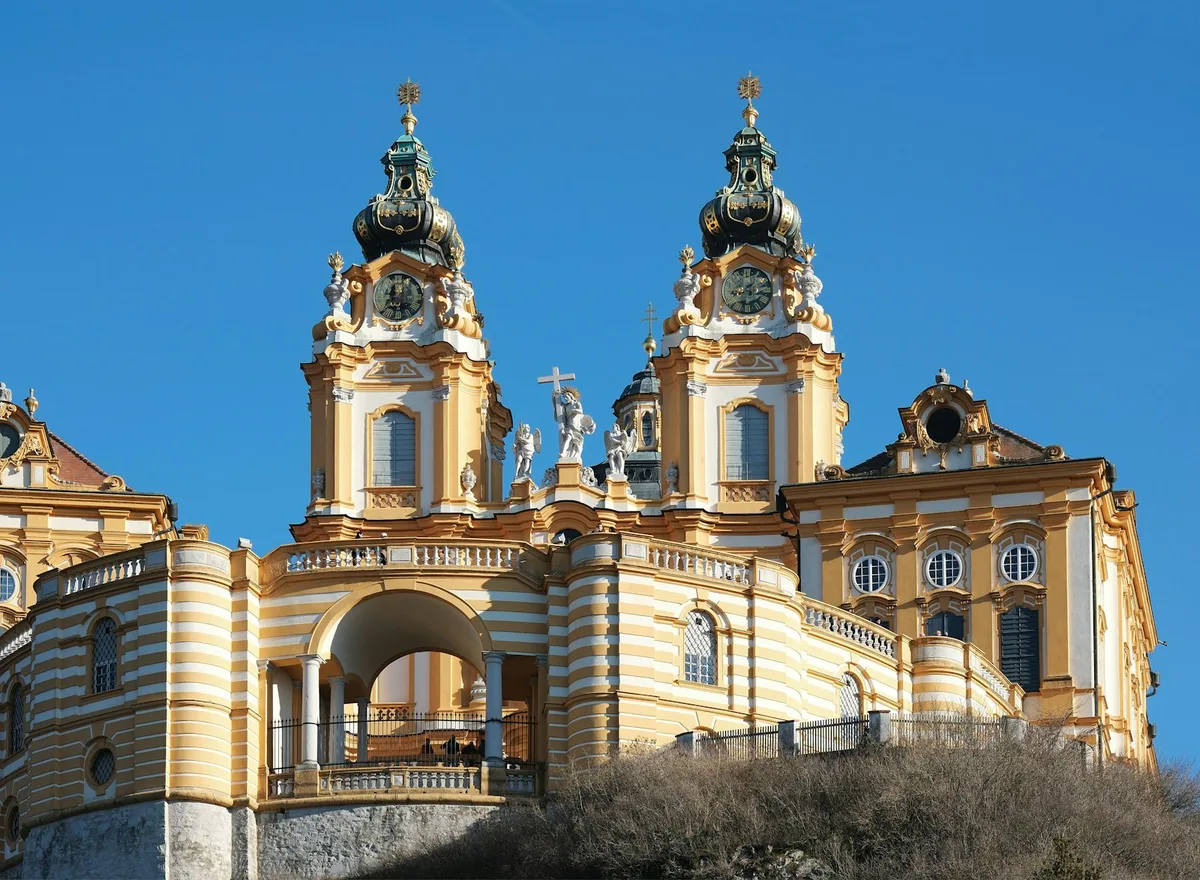 Melk Abbey
Austria
A baroque Benedictine monastery perched above the Danube at the entrance to the Wachau Valley, with a famous library and abbey church topped by twin yellow towers.
8
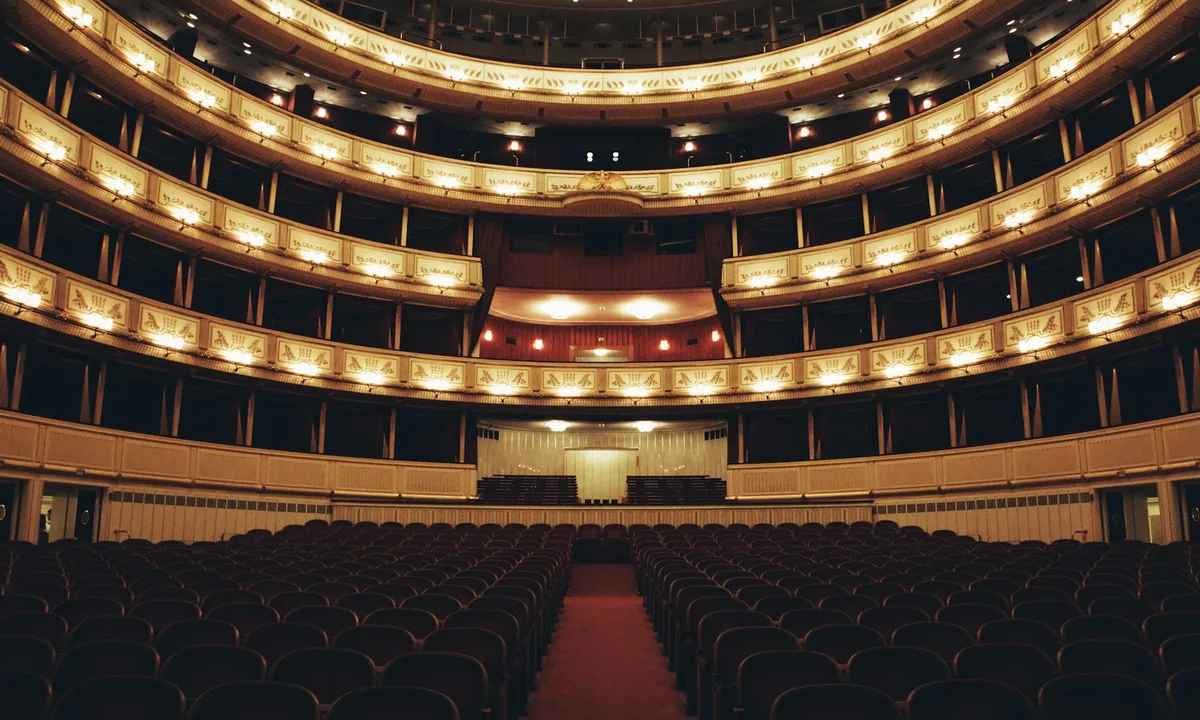 Vienna State Opera
Austria
One of the world's leading opera houses, opened in 1869 on Vienna's Ringstrasse, staging a different opera or ballet production most nights of its season.
9
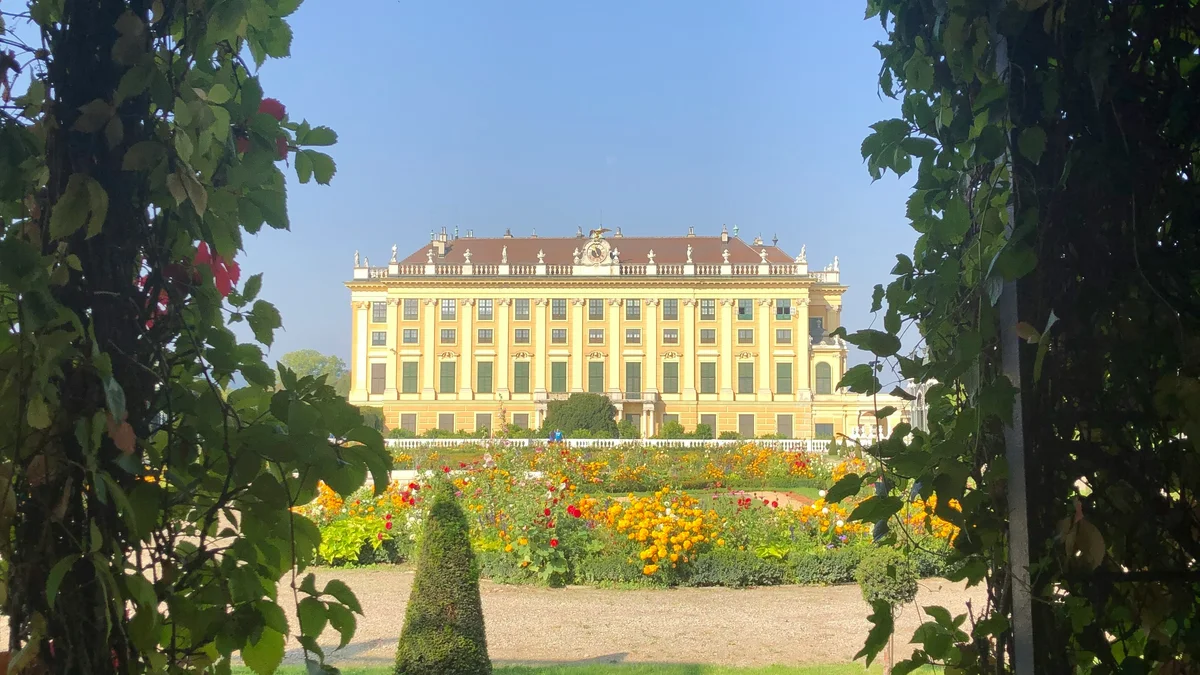 Schönbrunn Palace
Vienna
Schönbrunn Palace was the summer residence of the Habsburg emperors for more than 250 years and remains one of the most important Baroque palace complexes in Europe, with 1,441 rooms behind its yellow facade. Visitors can tour a portion of the state apartments, including rooms once used by Empress Maria Theresa and Emperor Franz Joseph, and walk the formal gardens up to the Gloriette, a colonnaded monument on the hill behind the palace with sweeping views back over Vienna. The palace and gardens were named a UNESCO World Heritage Site in 1996.
10
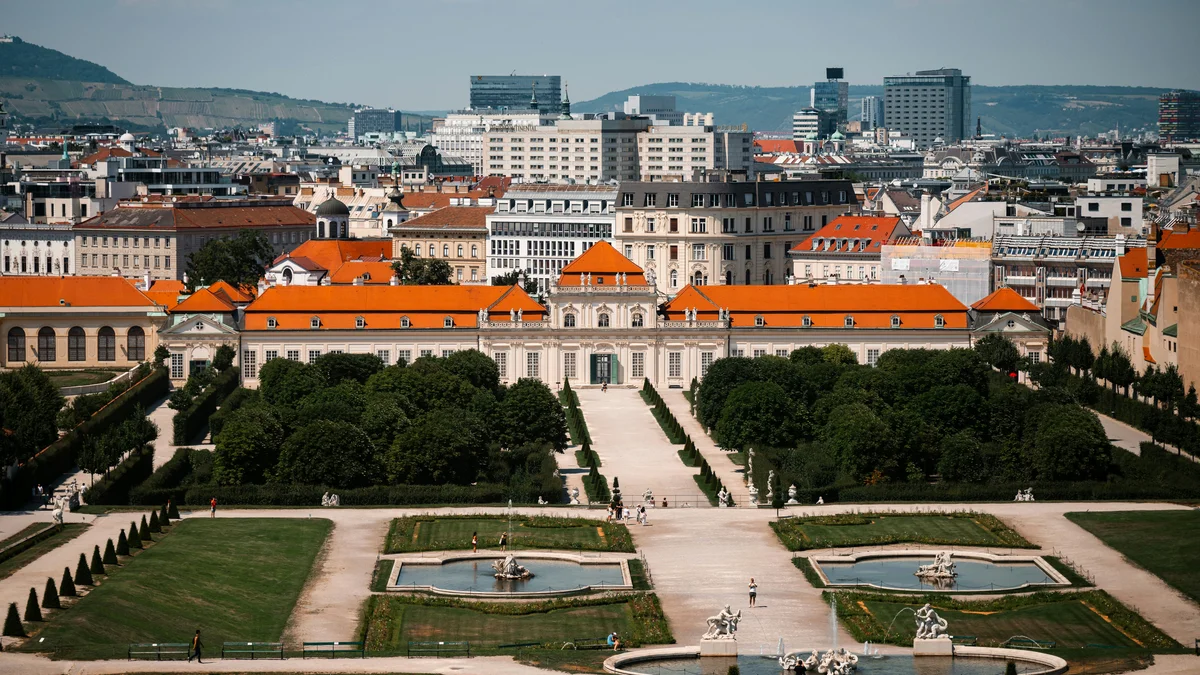 Belvedere Palace
Vienna
Belvedere is a Baroque palace complex built in the early 18th century as the summer residence of Prince Eugene of Savoy, consisting of the Upper and Lower Belvedere connected by a formal terraced garden. The Upper Belvedere now houses Austria's national gallery and is best known for holding the world's largest collection of Gustav Klimt paintings, including his 1908 masterpiece 'The Kiss.' The view from the garden's upper terrace, looking back across the reflecting pools toward the Upper Belvedere with Vienna's skyline beyond, is one of the city's classic photo spots.
11
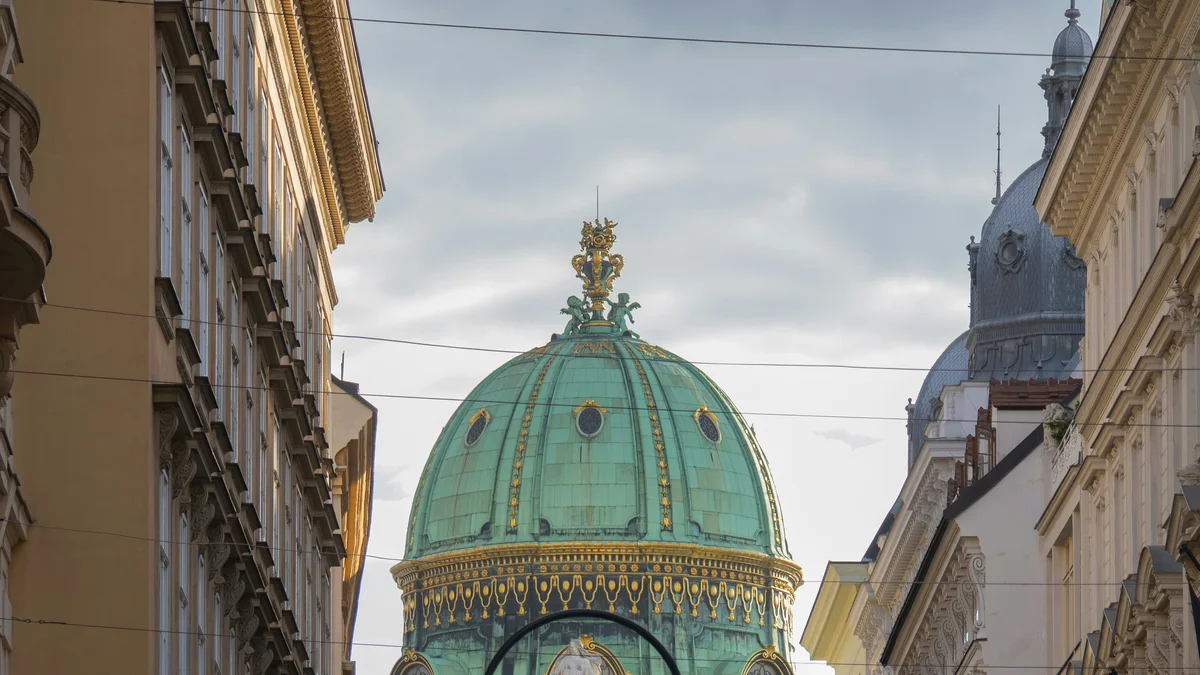 Hofburg Palace
Vienna
The Hofburg was the principal winter residence of the Habsburg dynasty for more than six centuries and grew, wing by wing, into the sprawling complex of courtyards and buildings that now sits at the heart of Vienna's old town. Today it houses the Sisi Museum, dedicated to Empress Elisabeth of Austria, the Imperial Apartments where the imperial family actually lived, and the Imperial Treasury, home to the Habsburg crown jewels and imperial regalia. The complex also includes the Spanish Riding School, famous for its Lipizzaner horses, and the domed Michaelertor gate is one of its most photographed entrances.
May, June and September offer mild weather and fewer crowds in Vienna and Salzburg; December draws visitors for Christmas markets, while winter (December-March) is peak season for the Alpine regions around Innsbruck.
Austria has an excellent train network between its main cities, but the Grossglockner High Alpine Road and the Wachau Valley's smaller villages are far easier to see at your own pace with a private vehicle.
Vienna and Salzburg have warm summers (20-27°C / 68-81°F) and cold, sometimes snowy winters; the Alpine regions around Innsbruck and the Grossglockner stay cooler year-round, so pack layers if the route includes the mountains.
Austria uses the euro. Tipping around 5-10% at restaurants is standard practice, usually done by rounding up the bill or telling the server the total amount to pay rather than leaving cash on the table.
Vienna's historic coffeehouses, several UNESCO-recognized as intangible cultural heritage, are meant to be lingered in — ordering one coffee and staying for hours with a newspaper is the local norm, not an imposition.
The Grossglockner High Alpine Road is a toll road typically open only from May through October or November, depending on snowfall — worth checking before building a route around it.
Austria is a landlocked, largely Alpine country at the heart of Central Europe, bordering Germany, Switzerland, Italy and five other countries — a position that has made it a crossroads for centuries, visible today in Vienna's imperial architecture from its Habsburg-era role as capital of the Austro-Hungarian Empire. Vienna's palaces and coffeehouse culture, Salzburg's baroque old town, and the Alpine peaks around Innsbruck and the Grossglockner give the country a genuine range within a relatively small footprint.
Voyzo's Austria tours are centered on that same range — Vienna, Salzburg, the Wachau Valley's river villages, and the Alps — and because Austria borders so many countries directly, several routes continue on into neighboring Germany, Switzerland or Czechia rather than staying inside Austria alone, with the itinerary disclosing exactly which nights fall where.
Austria's own train network connects its main cities well, but the Grossglockner High Alpine Road, the Wachau Valley's smaller villages and any continuation across a border are easier to see at your own pace with a private driver and vehicle than by coordinating trains and local transfers at each stop.
Tell us your group size and dates — we'll take care of the rest.