Plan your visit
Plan your visit to Montreal
Distances, fares, seasons and festival dates, checked against official sources where they publish a figure, on 26 October 2026. Each block names its sources.
Montreal at a glance
Facts about the city, each from a named source. Weather figures are Environment Canada's 1991–2020 normals for the Montréal-Trudeau airport station, which sits outside downtown.
- Founded
- Pointe-à-Callière says Paul Chomedey de Maisonneuve and Jeanne Mance founded Ville-Marie in 1642 on the site of its Fort Ville-Marie pavilion in Old Montreal. Tourisme Montréal likewise says the museum marks the spot where Montréal was founded in 1642.
- Heritage
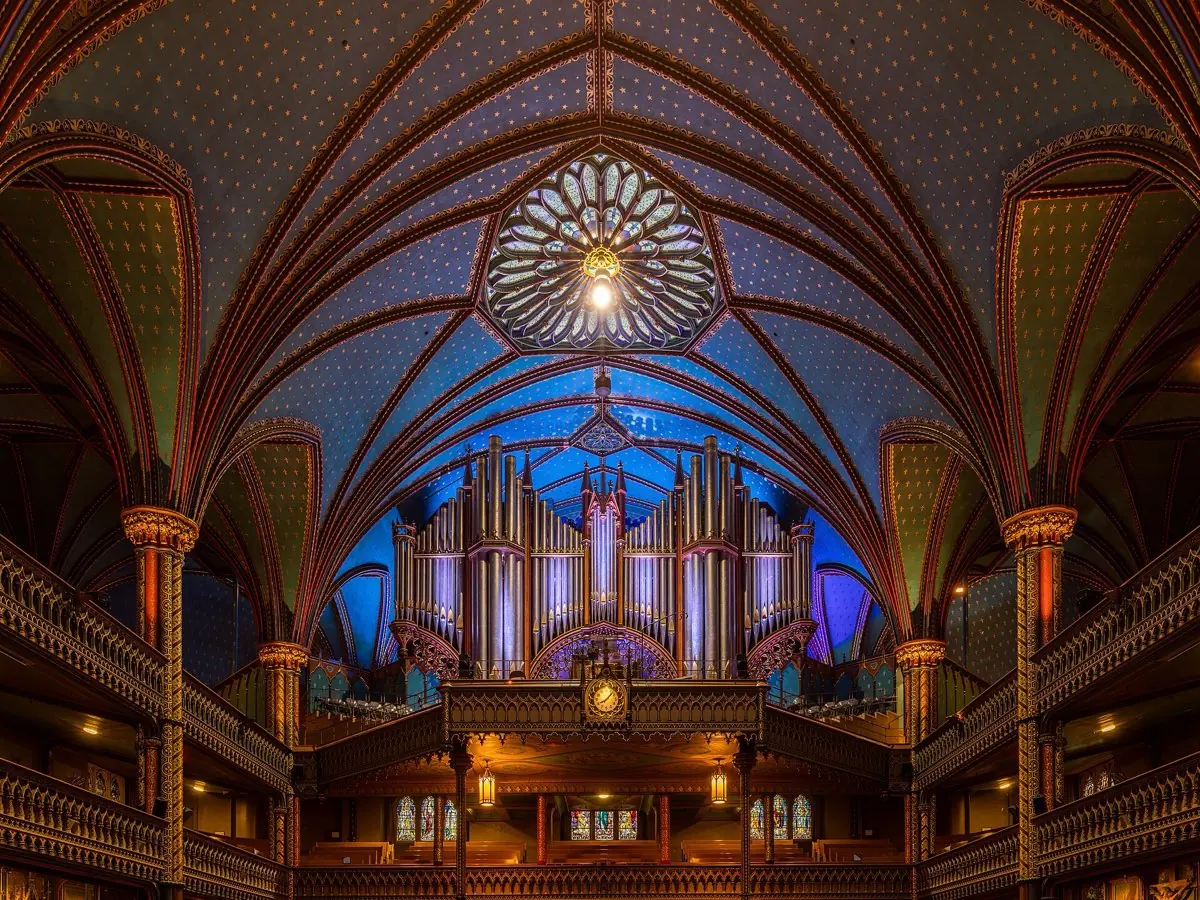
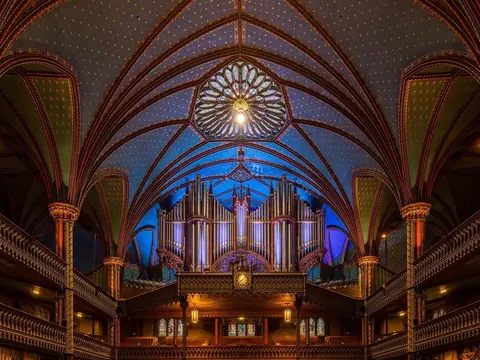
- The Historic Sites and Monuments Board of Canada recognised Pointe-à-Callière on 17 May 1998 as the site where Montreal was born. According to the basilica, the main church went up in 35 months of seasonal work between 1824 and 1829 (installing the bell towers took more than ten years), and it was raised to the rank of minor basilica in 1982 and designated a National Historic Site of Canada in 1989.
- The mountain
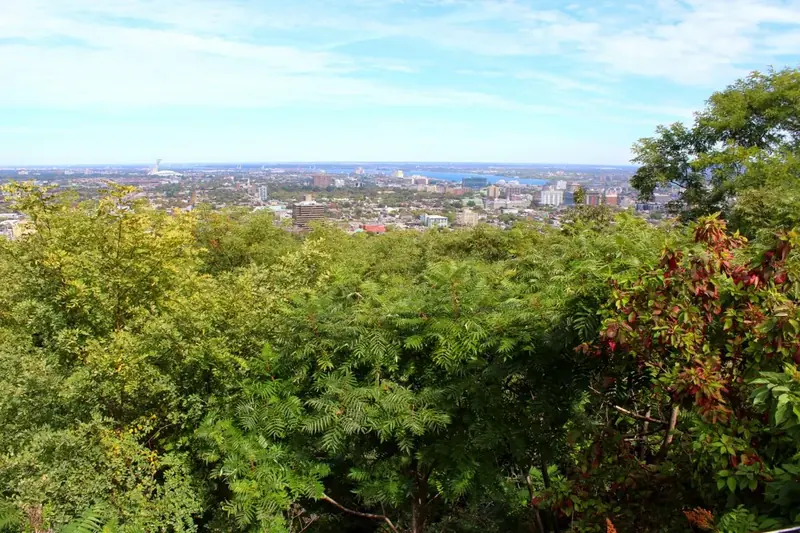
- Tourisme Montréal gives Mount Royal's altitude as 764 ft (about 233 m) above sea level, the park as 200 hectares and the surrounding heritage site as about 10 square kilometres. It credits Frederick Law Olmsted with the park's modern look. Les amis de la montagne dates the official inauguration to 24 May 1876 and says the park departed notably from Olmsted's initial design.
- Climate
- At the airport station the yearly average daily maximum is 11.7 °C and the average daily minimum is 2.3 °C. July is the warmest month (daily average 21.7 °C) and January the coldest (−9.2 °C).
- Rain and snow
- The normals record 1,040.9 mm of precipitation a year: 818.3 mm of rain and 216.6 cm of snow. Snow of 1 cm or more lies on the ground on an average of 101.3 days a year, and freezing rain or drizzle falls on about 4.9 days.
- Cold and hot days
- On average the daily maximum stays at or below 0 °C on 72.8 days a year and the minimum falls below −20 °C on 12.0 days, while the maximum tops 20 °C on 120.5 days and 30 °C on 10.6 days.
- Time zone
- Eastern time. Following the rule the National Research Council publishes for Québec, clocks go back at 02:00 on Sunday 1 November 2026 and forward at 02:00 on Sunday 14 March 2027. The NRC page says it is under review and that from 1 November 2026 some of its information will no longer be accurate, so confirm current rules with the Québec government.
- Money
- Canadian dollars. Tourisme Montréal says cards are accepted nearly everywhere, including tap-and-pay.
- Units
- Québec uses kilometres per hour for speed and litres for fuel, according to Tourisme Montréal.
Sources: Environment Canada: 1991-2020 climate normals, Montréal-Trudeau; Pointe-à-Callière: about the museum; Notre-Dame Basilica: history and heritage; Tourisme Montréal: Mount Royal; Les amis de la montagne: history of Mount Royal; National Research Council: time zones and daylight saving time; Tourisme Montréal: practical information; Tourisme Montréal: practical guide; Tourisme Montréal: Old Montréal.
One day in Montreal, and days two and three
A plan built from stops described on this page. Hours and seasons change: the times below are the ones each place published on 26 October 2026, so check them before you go.
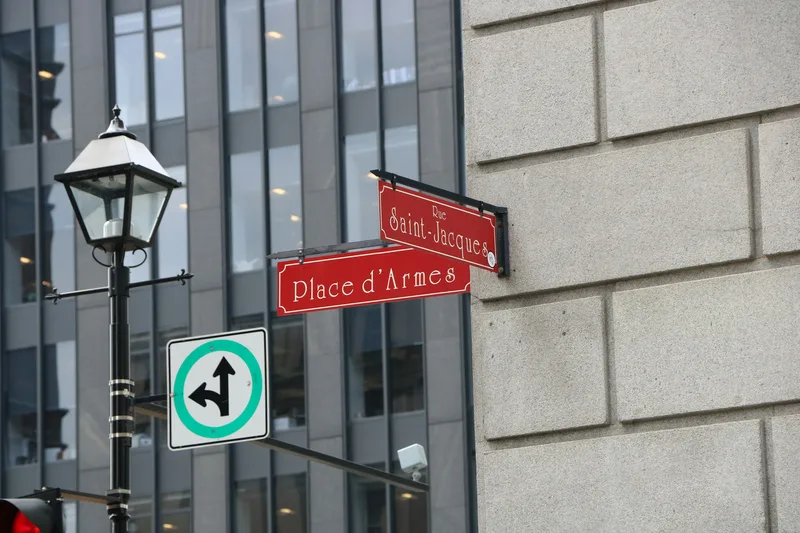
- Day 1, morning: Old Montreal and the Old PortStart in Old Montreal at Place d'Armes, which connects directly to the métro, and walk to Notre-Dame Basilica. The basilica sells sightseeing tickets Monday to Saturday 9:00 a.m. to 4:00 p.m. and Sunday 12:30 to 4:00 p.m., and a daytime visit starts at CAD 16 for an adult, taxes not included; all ticket sales are final. Pointe-à-Callière, built where the city was founded, is open Tuesday to Friday 10 a.m. to 5 p.m. and Saturday and Sunday 11 a.m. to 5 p.m., and its page lists no Monday hours. Finish along the Old Port. With a guide, the Old Montreal Private Walking Tour takes about 2 hours and covers the basilica's exterior, Place Jacques-Cartier and the Old Port.
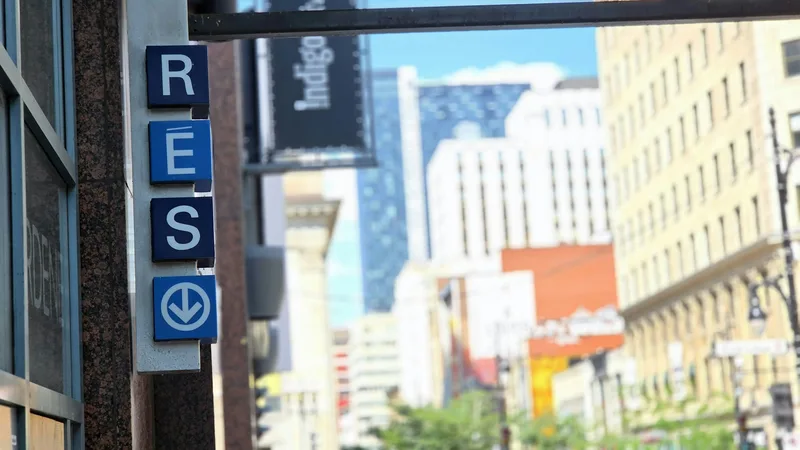
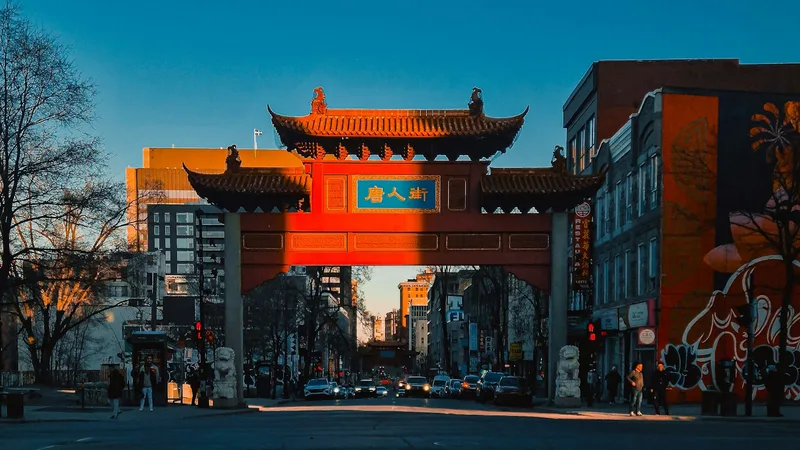
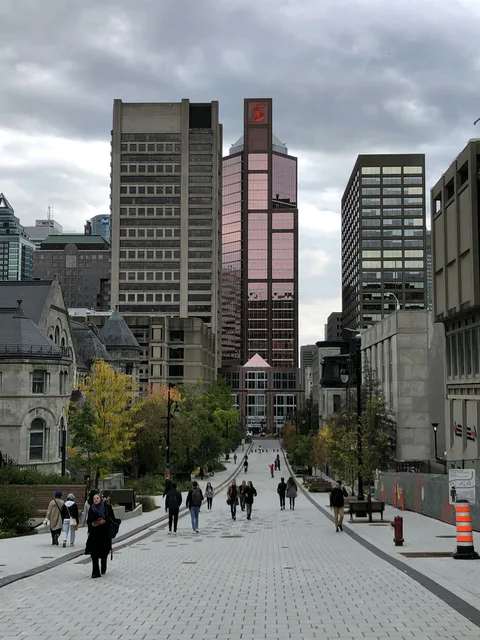
- Day 1, afternoon: Chinatown and downtownChinatown is a short walk north of the Place-d'Armes métro exit, and its pedestrian mall on De La Gauchetière Street is entered through ornate Paifang gates (Tourisme Montréal). Then walk McGill College Avenue, the short, wide boulevard that runs south from McGill University's gates to Place Ville Marie. If it is cold or wet, go underground: Tourisme Montréal says the RÉSO network links métro stations to shopping plazas over more than 33 kilometres (Underground City guide). The Downtown and Underground City walking tour takes about 2 hours from Dorchester Square.
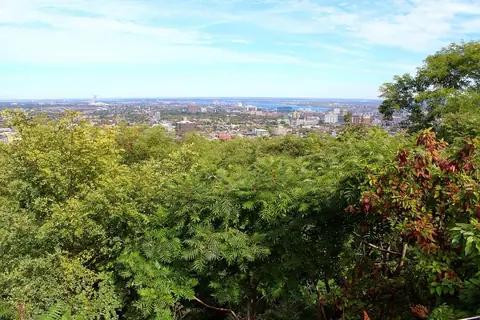
- Day 1, evening: the lookout on Mount RoyalGo up to the Kondiaronk Belvedere beside the Mount Royal Chalet, which Tourisme Montréal names as the favourite lookout over downtown for visitors on foot. The City of Montréal lists the lookout as open daily from 6:00 a.m. to midnight, with an access ramp and paid parking. The Camillien-Houde Boulevard lookout is popular with visitors by car and looks east toward the Olympic Stadium. Read the Mont Royal Lookout guide.
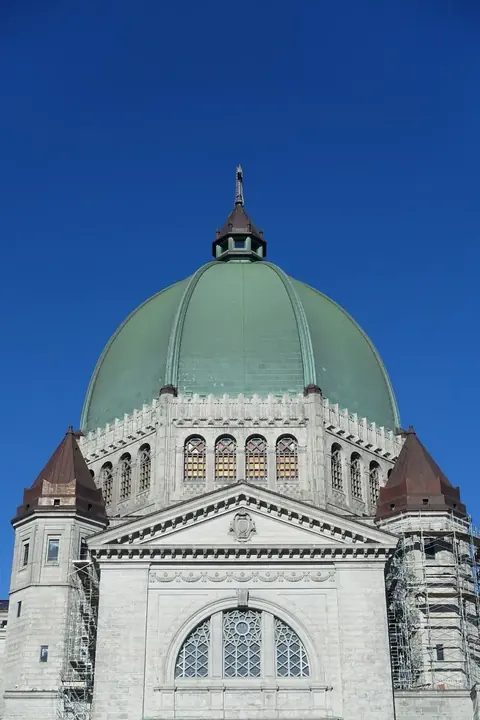
- Day 2, morning: Saint Joseph's OratorySaint Joseph's Oratory is open every day from 6:30 a.m. to 9:00 p.m., and its doors close 10 minutes before closing time. The Oratory states that access is free for everyone, with guided tours and the museum also on offer. It stands on Mount Royal.
- Day 2, afternoon: the Golden Square Mile and the Museum of Fine ArtsWalk the Golden Square Mile, which Tourisme Montréal says was developed mostly between the 1850s and the 1930s in an eclectic mix of Victorian revival styles. The Montreal Museum of Fine Arts has its main entrance in the Jean-Noël Desmarais Pavilion at 1380 Sherbrooke Street West, reached by the Peel and Guy-Concordia métro stations; there is no on-site parking. It is closed on Mondays, open 10 a.m. to 5 p.m. Tuesday and Thursday to Sunday, and open 10 a.m. to 9 p.m. on Wednesdays, although from 5 p.m. on Wednesdays only the exhibition Chiharu Shiota: The Soul Trembles is open and the permanent collection galleries are closed.
- Day 3, morning: the Plateau, Mile End and Little ItalyThe Plateau-Mont-Royal lies east of Mount Royal, and the Mont-Royal, Laurier and Sherbrooke stations on the Orange line serve it. Walk through the Plateau and Mile End, then north into Little Italy for Jean-Talon Market, open Monday to Saturday 8 a.m. to 6 p.m. and Sunday 8 a.m. to 5 p.m., all year. Guided options are the Plateau and Mile End walking tour, which meets at Café Olimpico, and the Jean-Talon Market food tour, a 2 to 3 hour tasting walk.
- Day 3, afternoon: Olympic Park and the Botanical Garden, or the waterThe Olympic Park district holds the Olympic Stadium, the Biodôme and the Montreal Botanical Garden, which covers 75 hectares according to Space for Life. The Olympic Park Tower is closed for renovation and is set to reopen in spring 2027, so do not plan around its observatory (see what is changing). For a day on the water instead, Parc Jean-Drapeau's two islands are one métro stop from downtown, according to Tourisme Montréal, and Parks Canada describes the Lachine Canal path as 13.5 km between the Old Port and Lake Saint-Louis.
- Or let a guide plan itThe Montreal City Private Tour is a fully customizable 5 to 8 hour tour in your own vehicle with a dedicated guide. Its highlights are the Mont Royal Lookout, Old Montreal, the Golden Square Mile and St. Joseph's Oratory, with pickup anywhere in Greater Montreal. Or see all the tours above.
Sources: Notre-Dame Basilica: hours and rates; Pointe-à-Callière: hours and rates; Pointe-à-Callière: about the museum; Tourisme Montréal: Chinatown; Tourisme Montréal: Underground City; Tourisme Montréal: Mount Royal; City of Montréal: Kondiaronk Belvedere; Saint Joseph's Oratory: access and schedule; City of Montréal: Mount Royal Park; Tourisme Montréal: Golden Square Mile; Montreal Museum of Fine Arts: plan your visit; Tourisme Montréal: Plateau-Mont-Royal; Marchés publics de Montréal: Jean-Talon Market; Olympic Park; Olympic Park: Olympic Park Tower; Space for Life: Montréal Botanical Garden; Parc Jean-Drapeau; Parks Canada: Lachine Canal National Historic Site.
Best time to visit Montreal: season by season
Temperatures are 1991–2020 averages from the Montréal-Trudeau airport station, which is outside downtown. Event dates are the ones each organiser had published on 26 October 2026; where an organiser showed no 2027 date, the row says so.
Best time to visit Montreal: season by season
| Season | Typical weather | What is on |
|---|
| Winter (December–February) | Highs −5.0 to −1.2 °C and lows −13.5 to −8.7 °C. Snowfall averages 48.2 cm in December, 52.0 cm in January and 47.1 cm in February, and the daily maximum stays at or below 0 °C on 23.0 days in January. | Igloofest is announced for four weekends in Old Montreal: 14 to 16, 21 to 23 and 28 to 30 January, and 4 to 6 February 2027 (the festival's page also shows two slightly different overall ranges). Montréal en Lumière runs from 18 to 28 February 2027. Tourisme Montréal lists ice skating at Parc La Fontaine and along the St. Lawrence River among popular winter activities. |
|---|
| Early spring (March–April) | Highs 2.4 °C in March and 11.3 °C in April, lows −6.5 and 1.1 °C. Snowfall drops from 37.1 cm in March to 14.8 cm in April. | Tourisme Montréal's spring page lists sugar-shack visits, the Blue Metropolis literary festival and the Plural contemporary art fair among spring activities and events, without dates. Voyzo's sugar shack day trip is on the tours list, and we confirm availability for your date by email. |
|---|
| Late spring (May–June) | Highs 19.4 °C in May and 24.2 °C in June, lows 8.3 and 13.8 °C. The normals record no snowfall from May to September. | The Canadian Grand Prix at Circuit Gilles-Villeneuve is listed for 21 to 23 May 2027. Francos de Montréal runs from 11 to 19 June 2027, and the Festival International de Jazz de Montréal opens on 25 June 2027. Tourisme Montréal puts MURAL Fest in early June, with 2027 dates not shown. |
|---|
| Summer (July–August) | Highs 26.7 °C in July and 25.7 °C in August, lows 16.7 and 15.6 °C. The daily maximum tops 30 °C on an average of 4.0 days in July and 2.7 in August, and thunderstorms peak at 3.8 days in July and 3.4 in August. | The Jazz Festival runs to 4 July 2027. Osheaga (31 July to 2 August) and Fierté Montréal (31 July to 9 August) held their 2026 editions in this season. On 26 October 2026 neither organiser's own site showed 2027 dates, although Tourisme Montréal's Parc Jean-Drapeau page lists Osheaga for 30 July to 1 August 2027; the Just For Laughs Montréal site also showed no festival dates. Tourisme Montréal says ItalFestMTL is held in August each year. |
|---|
| Autumn (September–November) | Highs fall from 21.1 °C in September to 13.2 °C in October and 6.1 °C in November, and lows from 10.9 to 4.5 and −1.7 °C. October has the heaviest monthly rainfall, 101.6 mm; snowfall is 1.1 cm in October and 16.3 cm in November. | Gardens of Light at the Montreal Botanical Garden runs from 3 September to 1 November 2026, an evening walk through three gardens by timed ticket. Tourisme Montréal's fall page lists public markets, Halloween, Festival POP Montréal and a stroll in the park among popular activities, without dates. The Garden of the Way of the Cross at Saint Joseph's Oratory is open from 1 May to Thanksgiving each year. |
|---|
Tourisme Montréal's own seasons run from 21 December (winter), 21 March (spring), 21 June (summer) and 21 September (fall), so they do not match the calendar months used for the weather figures. Dates move: check the organiser before you plan around one.
Sources: Environment Canada: 1991-2020 climate normals, Montréal-Trudeau; Tourisme Montréal: winter; Tourisme Montréal: spring; Tourisme Montréal: summer; Tourisme Montréal: fall; Igloofest; Montréal en Lumière; Grand Prix du Canada; Francos de Montréal; Festival International de Jazz de Montréal; Osheaga; Fierté Montréal; Just For Laughs Montréal; Space for Life: Gardens of Light; Saint Joseph's Oratory: access and schedule; Tourisme Montréal: Little Italy; Tourisme Montréal: Parc Jean-Drapeau.
How to get to Montreal
Fares and schedules are as posted on 26 October 2026. Road times are given where a tourism board or operator publishes one.
From the airport by bus
The STM 747 bus links Montréal-Trudeau (YUL) with downtown 7 days a week, 24 hours a day, and runs every 10 to 15 minutes in the daytime. It stops at the airport, Lionel-Groulx and Berri-UQAM métro stations and the Gare d'autocars de Montréal, and has luggage space. The fare is CAD 11.25, the price of the 24-hour pass, which is also valid on the métro, REM, train and bus. At the airport, fares are sold at the STM counter and vending machines at door 28 of international arrivals; downtown, at pay stations marked 747 aéroport. A single ticket bought downtown covers one one-way trip to the airport and must be used within two hours.
The REM does not reach the airport yet
The REM automated light metro network is partly open, with Gare Centrale and McGill stations downtown in use. Its airport branch is still in testing and carries no passengers, and REM's own news of 22 October 2026 gives a target opening of late 2027. Until it opens, the STM 747 bus is the airport-to-downtown link.
By train
VIA Rail's Montréal Central Station (Gare Centrale) is at 895 de la Gauchetière West, under the Queen Elizabeth Hotel and near Bonaventure and McGill métro stations, with connections to STM bus and métro, exo and the REM. VIA lists average journeys of 5 hours 22 minutes to Toronto (538 km by rail), 3 hours 26 minutes to Québec City (270 km) and 2 hours 4 minutes to Ottawa (185 km); its sample trains show differing times, so treat these as averages.
By intercity bus
Orléans Express serves the Gare d'autocars de Montréal at 1717 Rue Berri, which the 747 airport bus also serves. Its network runs from Ottawa to Percé via Gatineau, Montréal, Québec City, Trois-Rivières and Drummondville. Construction around the terminal runs from 26 January 2026 to the end of 2028: pedestrian access still uses Berri Street, and arrivals have moved from platform 1 to platforms 2 and 3. The terminal has a service point open 24 hours, luggage lockers and a ticket agency, where Orléans Express asks buyers to arrive 30 minutes before departure to complete their purchase.
By road and parking
From Ontario, Highway 401 becomes Highway 20 once you cross into Québec (Tourisme Montréal's driving guide). Québec City's tourism site says the city is 2.5 hours from Montréal by car, and Ottawa Tourism lists Montréal as 2 hours away by car. Downtown parking is mainly public lots or metered spaces; Tourisme Montréal gives meter rates from CAD 2.50 an hour in select neighbourhoods outside downtown to CAD 4.25 an hour downtown and in high-demand areas such as the Old Port (guide updated 3 March 2026).
Sources: STM: 747 YUL Airport bus; ARTM: fare schedule; REM news: testing toward the airport (22 October 2026); REM: stations; VIA Rail: Montréal station; VIA Rail: Montréal to Toronto; VIA Rail: Montréal to Québec City; VIA Rail: Montréal to Ottawa; Orléans Express; Orléans Express: Montréal downtown bus terminal; Tourisme Montréal: driving guide; Québec City tourism; Ottawa Tourism: getting here; Old Port of Montréal: visitor information.
Getting around Montreal: métro, REM, buses and bikes
Fares are in Canadian dollars for fare zone A, which covers Montréal, as posted by STM, ARTM and REM on 26 October 2026. Those fare pages print no effective date (the STM 747 page shows a publication date of 26 August 2026), so confirm at a station.
Métro and buses
The métro has four lines: Green (Line 1), Orange (Line 2), Yellow (Line 4) and Blue (Line 5); there is no Line 3. The Green Line has 27 stations from Angrignon to Honoré-Beaugrand, including Lionel-Groulx, Atwater, Peel, McGill, Place-des-Arts and Berri-UQAM. Check the earliest and latest trains with STM before a late return.
Fares
A single trip costs CAD 3.75 and is valid for 120 minutes, including transfers on bus, métro, train and REM. Zone A passes are CAD 11.25 for 24 hours, CAD 21.75 for 3 days and CAD 33.25 for a week. ARTM lists a single trip as CAD 5.00 across zones A and B. The 24-hour pass is also valid on the 747 airport bus.
Paying
On STM buses a single fare is paid in cash with exact change. In the métro you can buy a single trip at vending machines (cash, debit or credit) and, by debit or credit card, from station agents and at OPUS reloading terminals. The Chrono app buys and reloads fares on an OPUS card, and Tourisme Montréal gives the card fee as CAD 6. The STM, ARTM and REM fare pages do not mention paying with a contactless bank card, so ask at a station before relying on it.
The REM
The REM is in partial operation, with 23 stations in service linking Brossard, Deux-Montagnes and Anse-à-l'Orme; it will total 67 km of track and 27 stations when fully built. Gare Centrale and McGill are the downtown stations. It runs about 20 hours a day, with trains every 3 minutes 30 seconds at peak and every 7 minutes off-peak between Brossard and Bois-Franc. REM states that all its stations are universally accessible, and it uses the ARTM zone fares.
Families and accessibility
Up to five children aged 11 and under ride STM transit free with someone aged 14 or over who has a valid fare, and the REM applies the same age rule. Tourisme Montréal (page updated September 2025) says 27 of the métro's 68 stations are fully accessible by elevator or ramp (the STM website has the current list) and that STM buses mostly have lifts and wheelchair spaces, though lifts can be out of service. STM paratransit is door to door and must be booked 24 to 48 hours ahead; applications take about 45 days.
Bikes
On 26 October 2026, BIXI's one-way pass charged CAD 1.60 to unlock plus CAD 0.21 a minute on a regular bike and CAD 0.36 on an electric bike, with a CAD 100 security deposit per bike, before taxes. Seasonal membership runs from 15 April to 15 November. BIXI's site says the service runs 12 months a year in 10 boroughs and Westmount, though that page is undated and mentions a winter 2023–2024 pilot, so check before relying on winter bikes.
Sources: STM: métro network; STM: single trip fare; STM: fares; STM: OPUS card; STM: kids and youth fares; ARTM: fare schedule; REM: network; REM: stations; REM: how to use the REM; REM: hours of service; REM: transit fares; Tourisme Montréal: public transit; Tourisme Montréal: inclusive and accessible city; BIXI: pricing; BIXI: how to use the service.
Montreal neighbourhoods: where to spend your time
Boundaries are Tourisme Montréal's descriptions, not administrative borders. Métro stations are named where the sources name them.
Old Montreal and the Old Port
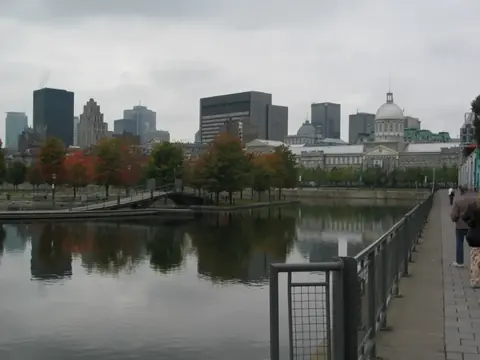
Tourisme Montréal describes Old Montreal as a waterfront district beside the Old Port, with Notre-Dame Basilica, Place Jacques-Cartier, Place d'Armes, Bonsecours Market, Château Ramezay and Pointe-à-Callière among its main sights. Place d'Armes connects directly to the métro. The Old Port runs along De La Commune Street from the Clock Tower Pier to the Écluses sector; it says its site is open from 6 a.m. to midnight and that it welcomes over 6 million visitors a year. Guides: Old Montreal and Old Port of Montreal.
Downtown and the Golden Square Mile
Tourisme Montréal bounds the Golden Square Mile by Des Pins Street on the north, Guy Street and Côte-des-Neiges Road on the west, Sainte-Catherine Street on the south and Robert-Bourassa Boulevard and University Street on the east; Voyzo's Golden Square Mile guide gives Dorchester Boulevard as the nominal southern edge. McGill College Avenue runs south from McGill University's gates to Place Ville Marie, and the RÉSO underground network links métro stations to shopping plazas (Underground City guide). The Montreal Museum of Fine Arts is on Sherbrooke Street West; its own timeline calls the Art Association of Montreal, founded in 1860, the first art museum in Canada.
Chinatown and the Quartier des Spectacles
Tourisme Montréal places Chinatown in the Ville-Marie borough, centred on the De La Gauchetière Street pedestrian mall between Viger Avenue and René-Lévesque Boulevard, with ornate Paifang gates at its four corners; the neighbourhood dates from the 1890s. Tourisme Montréal's autumn free-things guide describes a light and video installation trail in the Quartier des Spectacles from the Place des Arts esplanade to Insitu on the Maison symphonique, and says Place de la Paix, next to the SAT, hosts open-air film screenings and skate jams all summer. Voyzo's Chinatown and Red Light District private tour ends in the Quartier des Spectacles.
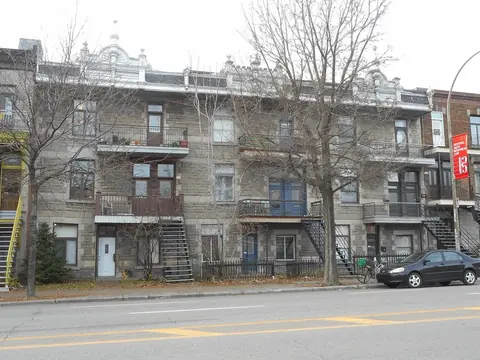
The Plateau and Mile End
Tourisme Montréal describes the Plateau-Mont-Royal as lying east of Mount Royal with Sherbrooke Street as its southern edge and Hutchison Street as its western edge, and says it includes Mile End. Mont-Royal Avenue is the main shopping street and, with Duluth Avenue, is pedestrianized and car-free in summer. The area's parks and squares include Parc La Fontaine, Parc Jeanne-Mance, Parc du Portugal and Square Saint-Louis, which sits at the foot of Prince Arthur Street among turn-of-the-century houses. Voyzo walks here include the street art tour on Saint-Laurent Boulevard, the Jewish heritage tour and the Mile End food tour.
Little Italy and Jean-Talon Market
Tourisme Montréal places Little Italy north of Mile End, bounded by Bellechasse Street on the south, Jean-Talon Street on the north, Saint-Laurent Boulevard on the west and Saint-Denis Street on the east; Jean-Talon, Beaubien and De Castelnau stations serve it. The district is named for the large wave of Italian immigration in the early 20th century. Jean-Talon Market, at 7070 Henri-Julien Avenue, opened in May 1933 as Marché du Nord and was renamed in 1983 for the first intendant of New France. From June to October its aisles are closed to cars and open to pedestrians from Thursday to Sunday, 11 a.m. to 5 p.m. (the page prints no year, and 2027 was not announced).
Atwater and Maisonneuve markets
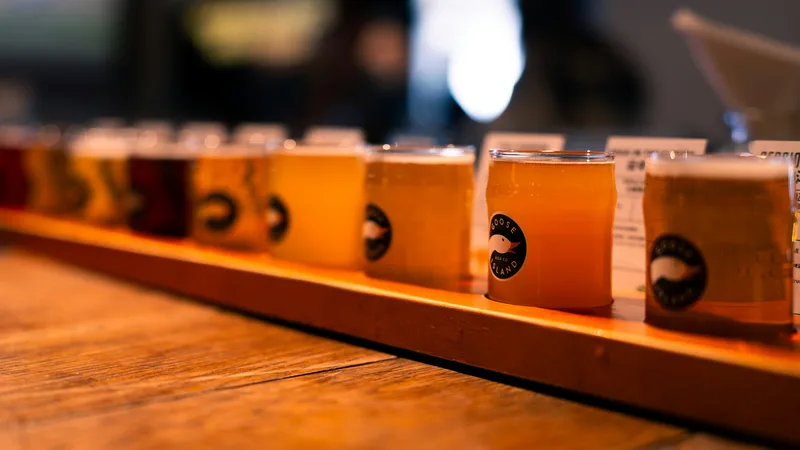
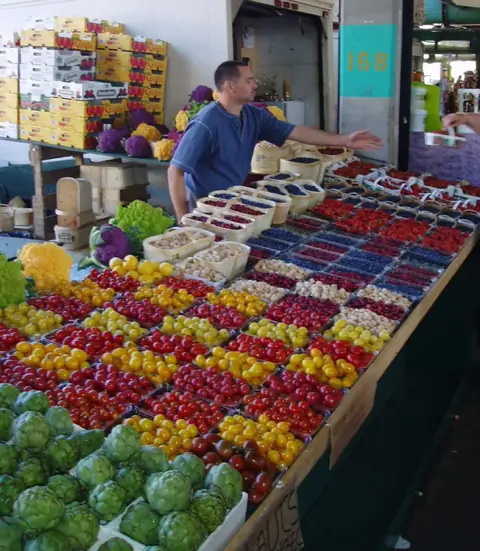
Atwater Market, near the Lachine Canal, is an Art Deco market that has existed since 1933 and is open in summer and winter, Monday to Friday 9 a.m. to 6 p.m. and Saturday and Sunday 9 a.m. to 5 p.m. (read 26 October 2026); its nearest métro station is Lionel-Groulx. Maisonneuve Market, at 4445 Ontario Street East in Hochelaga-Maisonneuve, moved to its present building in 1995, according to Tourisme Montréal. For a guided taste, Voyzo lists the Jean-Talon food tour, the Mile End food tour (seven dishes including a Montreal bagel, poutine and street gnocchi) and the craft beer tasting tour, which meets near Notre-Dame Basilica.
Sources: Tourisme Montréal: Old Montréal; Old Port of Montréal: about; Old Port of Montréal: visitor information; Tourisme Montréal: Golden Square Mile; Tourisme Montréal: Underground City; Montreal Museum of Fine Arts: about the museum; Tourisme Montréal: Chinatown; Tourisme Montréal: free things to do; Tourisme Montréal: parks and green spaces; Tourisme Montréal: Plateau-Mont-Royal; Tourisme Montréal: Little Italy; Marchés publics de Montréal: Jean-Talon Market; Marchés publics de Montréal: Atwater Market; Tourisme Montréal: public markets.
Mount Royal, the islands and the parks
Hours, lengths and areas are as the managing bodies publish them; where two sources differ, the page says so.
Mount Royal Park
The City of Montréal lists Parc du Mont-Royal at 2000 Chemin Remembrance as open daily from 6:00 a.m. to midnight (checked 26 October 2026). The illuminated cross is 31 m (103 ft) tall, lit by LEDs that are usually white, and is reached by a loop walk behind the Mount Royal Chalet. The City lists accessible parking and washrooms, a drop-off zone and stroller-friendly access, and five paid parking lots. See the Mont Royal Lookout guide.
Saint Joseph's Oratory
The Oratory says its first chapel, built in 1904, measured only 4.5 by 5.5 metres, that its carillon has 62 bronze bells, and that it is visited each year by nearly 2 million pilgrims and visitors (its own figure). It received Kéroul accessibility certification in March 2012. Guide: Saint Joseph's Oratory.
Olympic Park
The Olympic Park, at 4545 Avenue Pierre-De Coubertin, lists the Olympic Stadium, the Olympic Park Tower, Esplanade Pie-IX and Esplanade Viau among its facilities, and the Biodôme and the Botanical Garden among the sites around it. The stadium, designed by Roger Taillibert, was the main venue of the 1976 Summer Olympics. The tower is 165 m tall with a 45-degree incline, and the Olympic Park says it holds the Guinness World Record for the tallest inclined tower in the world; it is closed for renovation (see what is changing). Tourisme Montréal says Parc Maisonneuve, in the same district, covers 63 hectares with a public golf course, bike paths and a skating rink.
Botanical Garden and Biodôme
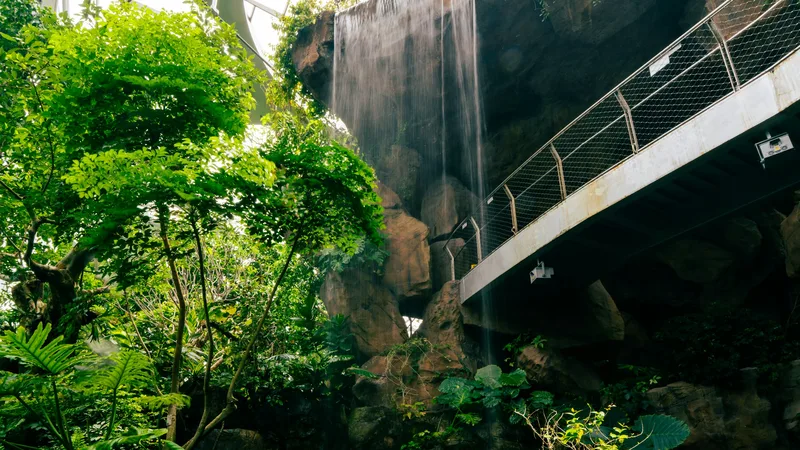
Space for Life says the Montreal Botanical Garden covers 75 hectares with some twenty outdoor gardens and 10 exhibition greenhouses, and that its Rose Garden covers more than two hectares with close to 7,000 rose bushes. Tourisme Montréal says the Biodôme is housed in the former velodrome built for the 1976 Olympic Games and was relaunched in 2020 after a two-year redesign, and it lists its five ecosystems of the Americas: the Tropical Rainforest, the Laurentian Maple Forest, the Gulf of St. Lawrence, the Labrador Coast and the Sub-Antarctic Islands. Voyzo's Biodôme private tour meets at the Biodôme.
Parc Jean-Drapeau
Parc Jean-Drapeau is made up of Sainte-Hélène and Notre-Dame islands in the St. Lawrence River, about five minutes from downtown according to the park, and one métro stop from downtown according to Tourisme Montréal. The park's site names the Biosphère, Jean-Doré Beach, Circuit Gilles-Villeneuve and La Ronde; Tourisme Montréal lists hiking, cycling, swimming and cross-country skiing, and gives the park as 268 hectares, including the Biosphère in Buckminster Fuller's geodesic dome.
The Lachine Canal and the rapids
Parks Canada describes the Lachine Canal National Historic Site as a 13.5-kilometre path between the Old Port and Lake Saint-Louis with five locks (Tourisme Montréal gives 14.5 km). The site is open every day from sunrise to 11 p.m., and Parks Canada does not promise the times of the first and last lockages. Tourisme Montréal places Atwater Market along the canal's bike path. In the Sud-Ouest borough, Parc des Rapides offers views of the Lachine Rapids, a bird sanctuary, picnic grounds and the St. Lawrence waterfront cycling path.
Nature parks around the island
Tourisme Montréal's parks guide lists Grand parc de l'Ouest – Cap-Saint-Jacques (288 hectares, open year-round, with forests, meadows, a sandy beach and an ecological farm), Parc-nature du Bois-de-Liesse (159 hectares), Parc-nature de la Pointe-aux-Prairies (261 hectares) and Parc Frédéric-Back (192 hectares, with a 5.5-kilometre bike path). Parc national des Îles-de-Boucherville is a national park of five islands a few minutes' drive from downtown, with trails, canoe and kayak channels and camping.
Winter outdoors
Tourisme Montréal lists ice skating at Parc La Fontaine, where the pond becomes a rink, and along the St. Lawrence River among popular winter activities. The Beaver Lake Pavilion on Mount Royal rents rowboats in summer and ice skates in winter, and Parc Maisonneuve has a skating rink. Parc Angrignon (97 hectares, at the end of the métro's Green Line) and Parc Jean-Drapeau offer cross-country skiing. No 2026–27 season dates for the rinks or the Beaver Lake pavilion were stated on the City or Tourisme Montréal pages checked on 26 October 2026.
Sources: City of Montréal: Mount Royal Park; Tourisme Montréal: Mount Royal; Saint Joseph's Oratory: history of the site; Saint Joseph's Oratory: patrimony; Saint Joseph's Oratory; Saint Joseph's Oratory: access and schedule; Olympic Park; Olympic Park: Olympic Park Tower; Olympic Park: Olympic Stadium; Tourisme Montréal: Olympic Park; Space for Life: Montréal Botanical Garden; Tourisme Montréal: Biodôme; Parc Jean-Drapeau; Tourisme Montréal: Parc Jean-Drapeau; Parks Canada: Lachine Canal National Historic Site; Parks Canada: Lachine Canal hours; Tourisme Montréal: parks and green spaces; Tourisme Montréal: winter; Tourisme Montréal: public markets.
Free things to do, and Montreal with children
Free-access rules and programmes change, so confirm on each organiser's site. Tourisme Montréal's free-things guide was updated on 13 July 2026.
Free outdoors
Tourisme Montréal's free-things guide lists Mount Royal Park (the Kondiaronk Belvedere, the Chalet and the illuminated cross), Parc La Fontaine, Parc Jean-Drapeau, Parc Frédéric-Back, and Saint Joseph's Oratory. It does not mark each item as free, so check before you go. Notre-Dame Basilica, which is not on that list, charges for a sightseeing visit. The Tam-Tams are free weekly drumming gatherings held on Sundays in the warmer months near the George-Étienne Cartier Monument at the foot of Mount Royal.
The Museum of Fine Arts
The museum's own page lists admission as free for ages 25 and under (Tourisme Montréal's guide says under 25), free to the collection for adults aged 65 and up on Tuesdays from 10 a.m. to 1 p.m. and for families on Saturdays from 10 a.m. to 1 p.m., and free to the collection for Quebec residents on the first Sunday of every month, by reservation. On Wednesday evenings from 5 to 9 p.m. it offers discounted admission to the exhibition Chiharu Shiota: The Soul Trembles, and the permanent collection galleries are closed to the public at that time (as published on 26 October 2026).
Other museums
Tourisme Montréal states that the McCord Stewart Museum is free on Wednesday evenings after 5 p.m. and on the first Sunday of each month, on a pay-what-you-can model, and that the Redpath Museum on the McGill University campus is free with a suggested donation. It also lists the Maisons de la culture, citywide art centres with free exhibitions and performances year-round. Confirm each museum's current policy on its own site.
Free culture and public art
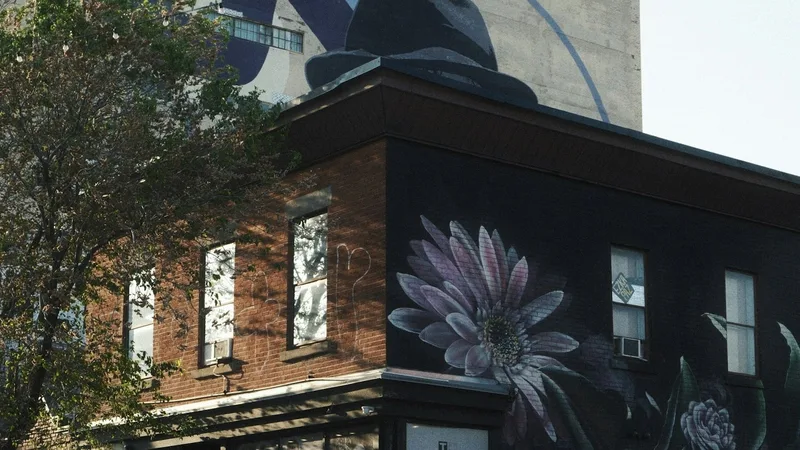
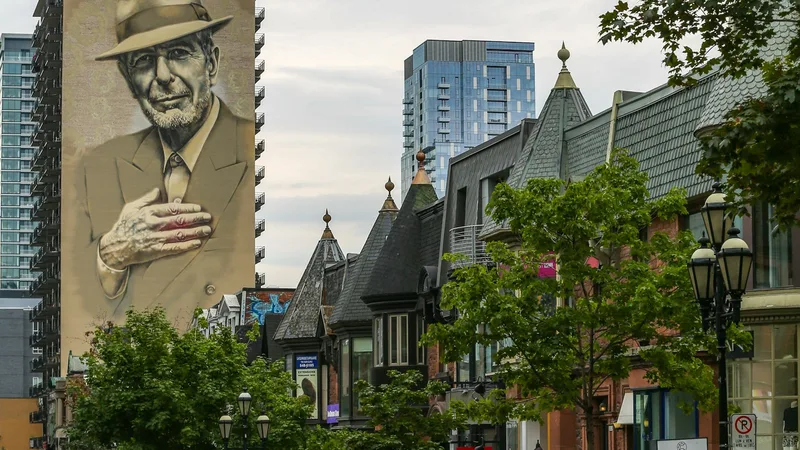
Tourisme Montréal lists the Quartier des Spectacles light and video installation trail and a self-guided public art tour among free cultural activities. Parc La Fontaine has a free summer performance at the Théâtre de Verdure, and the Olympic Park lists photo exhibits on Avenue Pierre-De Coubertin from 13 May to 31 December 2026 as free. Voyzo's street art walking tour follows the works tied to the UNDER PRESSURE and MURAL festivals along Saint-Laurent Boulevard.
Animals, gardens and science for children
Space for Life groups five museums: the Biodôme, the Biosphère, the Insectarium, the Jardin botanique and the Planétarium. It sells a Passeport covering all five for 12 months (prices not checked here). The Biosphère at Parc Jean-Drapeau lists family Saturday activities (Samedi famille) on the first and third Saturday of the month from December to April, within a calendar entry dated 3 October 2026 to 17 April 2027. Parc Maisonneuve has the Biquette Écopâturage, with sheep and hens and free Saturday workshops, according to Tourisme Montréal.
Rain or freezing days
Two museums suit a rainy or freezing day. The Montreal Museum of Fine Arts says its collection comprises some 47,000 works, and its museum district extends over more than 53,000 square metres across five pavilions. Pointe-à-Callière consists of seven pavilions and structures; since 2017 these include Fort Ville-Marie and the First Collector Sewer, of which 100 metres were opened to the public on 17 May 2017. For an indoor walk downtown, see the Underground City in the one-day plan.
Sources: Tourisme Montréal: free things to do; Tourisme Montréal: parks and green spaces; Montreal Museum of Fine Arts: plan your visit; Montreal Museum of Fine Arts: collections; Montreal Museum of Fine Arts: museum complex; Pointe-à-Callière: about the museum; Space for Life: activity calendar; Olympic Park; Notre-Dame Basilica: hours and rates.
Practical information: tax, tipping, health, access and entry
Money, health, accessibility and entry rules, each with its source. Checked 26 October 2026; rules and prices can change.
- Sales and hotel tax
- Tourisme Montréal states that the federal GST is 5%, the Québec sales tax (QST) is 9.975%, and an accommodation tax of 3.5% applies in Montréal. These rates come from the tourism board's practical guide, so confirm them with Revenu Québec or the Canada Revenue Agency.
- Tipping
- Tourisme Montréal's guide (updated 13 March 2026) advises tipping about 15% of the pre-tax bill for restaurant waiters, taxi drivers and hairdressers, at least CAD 2 per suitcase for bellhops and porters, and about CAD 1 to 2 a day for housekeeping. It is guidance, not a legal requirement.
- Shop hours
- Tourisme Montréal states that shops generally open Monday to Wednesday 10 a.m. to 6 p.m., Thursday and Friday 10 a.m. to 9 p.m., and Saturday and Sunday 10 a.m. to 5 p.m., and are usually closed on legal holidays and, in most cases, on 2 January, although some businesses such as supermarkets and liquor stores may still open.
- Emergency and health
- The emergency number in Québec is 911, and Info-Santé health advice is 811, according to Tourisme Montréal.
- Tap water
- Tourisme Montréal states that tap water in Montréal is safe to drink and that over 125 refill fountains and stations are available.
- Accessibility
- Tourisme Montréal points to Kéroul for accessibility assessments and to the Tourist and Leisure Companion card, which gives free companion access at some sites. Notre-Dame Basilica is a Kéroul-certified partially accessible location and accepts the Companion Leisure Card, Saint Joseph's Oratory received Kéroul certification in March 2012, the Montreal Museum of Fine Arts has a wheelchair ramp beside the passenger drop-off at the Jean-Noël Desmarais Pavilion, and the Kondiaronk lookout has an access ramp. VIA Rail's Montréal station has a wheelchair-accessible entrance and platform, and VIA asks passengers who need assistance to book at least 48 hours ahead. For accessible parking, Tourisme Montréal says visitors from International Transport Forum member countries bring their own permit and other visitors must apply for a Québec permit, which usually takes four to six weeks.
- Entering Canada
- Visitors from countries that need an electronic travel authorization (eTA) must hold one, with a valid passport, to board a flight to Canada; US citizens are exempt. The Government of Canada states that an eTA costs CAD 7 (page dated 5 June 2026). US lawful permanent residents have been exempt since 26 April 2022 but still need a valid passport and green card, and a valid Canadian visitor visa can be used instead of an eTA until it expires. Travellers from eTA countries who arrive by land generally need a passport but not an eTA. Rules change: check IRCC and the Canada Border Services Agency, and see the border block of the Niagara Falls, Canada guide for documents when crossing by land from the United States.
Sources: Tourisme Montréal: practical information; Tourisme Montréal: practical guide; Tourisme Montréal: inclusive and accessible city; Notre-Dame Basilica: hours and rates; Saint Joseph's Oratory: access and schedule; Montreal Museum of Fine Arts: accessibility; City of Montréal: Kondiaronk Belvedere; VIA Rail: Montréal station; VIA Rail: accessibility; IRCC: eTA eligibility; IRCC: eTA; IRCC: apply for an eTA.
Montreal rules and etiquette worth knowing
The first four cards matter if you rent a car or drive yourself; the last two apply to every visitor. Sources are named on each card.
Driving licence and phones
A visitor with a valid licence from another province or country can drive in Québec for six consecutive months. SAAQ recommends an International Driving Permit if the licence is not in French or English. Tourisme Montréal says handheld phone use while driving is prohibited unless the phone is hands-free.
Right turn on red
Turning right on a red light is not allowed on the island of Montréal. Elsewhere in Québec it is allowed except where a sign prohibits it.
Winter tires
Winter tires are mandatory in Québec from 1 December to 15 March inclusive, and the tires must be studded or bear the official pictogram. SAAQ's page does not say which vehicles the rule covers or give a fine, so ask your rental company if you rent a car.
Parking signs
Montréal parking signs use the 24-hour clock and usually tell you when you cannot park rather than when you can. Red-square signs with a zone number mark spaces reserved for permit holders (Tourisme Montréal).
Cannabis
Tourisme Montréal states that the legal age to buy or consume cannabis in Québec is 21 and that consuming drugs in a road vehicle or on a bicycle is prohibited.
Parks and the basilica
The City of Montréal asks visitors to Mount Royal Park to stay on the dedicated trails to protect fragile natural habitats. Notre-Dame Basilica holds its parish Masses separately from sightseeing visits, and they are given in French.
Sources: SAAQ: driver's licence issued outside Québec; SAAQ: turning right on a red light; SAAQ: winter driving; Tourisme Montréal: practical information; Tourisme Montréal: driving guide; City of Montréal: Mount Royal Park; Notre-Dame Basilica: hours and rates.
Day trips from Montreal compared
Distances and times are given where the destination's tourism site, an operator or Voyzo's tour page publishes one. Checked 26 October 2026.
Day trips from Montreal compared
| Trip | Distance and time | What to know | Voyzo |
|---|
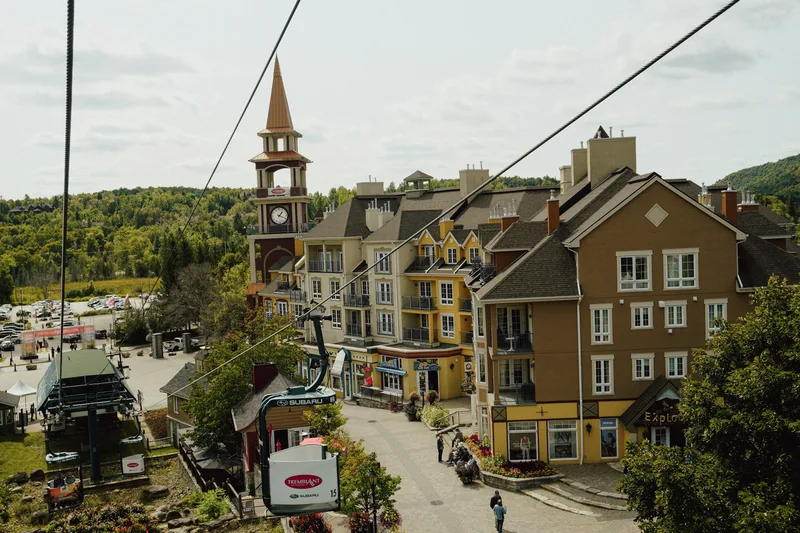
| Mont-Tremblant | Voyzo's tour page says about 90 minutes to 2 hours by road, depending on traffic and pickup location. A winter shuttle from Montréal-Trudeau to Sommet des neiges takes about 2 hours (sample timetable: depart 9:30, arrive 11:30). | The shuttle runs from 17 December 2026 to 4 April 2027, one round trip on Thursdays and Fridays and two on Saturdays and Sundays, from Door 26 of international arrivals. Parc national du Mont-Tremblant, separate from the resort village, was created on 12 January 1895 and covers 1,510 km² (Sépaq). The resort's 2026–27 lift and gondola dates were not confirmed when checked. | Mont-Tremblant day trip: 7 to 9 hours, lunch included, pickup anywhere in Greater Montreal. 2 tours on the Mont-Tremblant page. |
|---|
| Quebec City | 2.5 hours by car, according to Québec City's tourism site. VIA Rail lists an average of 3 hours 26 minutes by train (270 km by rail). | UNESCO inscribed the Historic District of Old Québec in 1985; it covers about 135 hectares, and UNESCO calls it by far the most complete fortified colonial town north of Mexico. The Québec Winter Carnival lists its 2027 edition for 5 to 14 February. | 13 tours on the Quebec City page. |
|---|
| Ottawa | 2 hours by car and about 2 hours by VIA Rail, according to Ottawa Tourism. VIA lists an average of 2 hours 4 minutes (185 km by rail). | Ottawa Tourism describes the city as set at the meeting point of three major waterways and home to Canada's government. UNESCO inscribed the Rideau Canal in 2007; its description covers 202 km from Ottawa south to Kingston Harbour on Lake Ontario. | 8 tours on the Ottawa page. |
|---|
| Parc Omega and Montebello | Parc Omega's pages give no distance or drive time from Montreal. Voyzo's tour is a full day with hotel pickup in the Montreal area. | Parc Omega, at 399 Route 323 North in Montebello, says it is open every day of the year, with opening hours that vary by season. Inside the park, its plan-your-visit page gives the drive-through route as 12 km with a total driving time of approximately 1 hour 30 minutes (the park's FAQ says 15 km). The park's home page gives about 800 wild, free-roaming animals (its plan-your-visit page shows 700). The park's FAQ says bears hibernate and are the only animals not visible in winter. The tour also lists a stop at the Château Montebello, which operates as Fairmont Le Château Montebello. | Parc Omega and Montebello day tour: full day. |
|---|
| Eastern Townships (Magog) | Bleu Lavande's site puts its Magog lavender fields 1.5 hours from Montréal. Tourism Eastern Townships gives no distance. | Tourism Eastern Townships names Bromont, Magog, Granby, Sherbrooke, Sutton and Coaticook among its destinations, and two wine routes: Brome-Missisquoi and l'Estrie. Bleu Lavande says its lavender generally peaks between mid-July and early August; on 26 October 2026 its site showed 2026 rates and programming but no 2027 dates. | Eastern Townships Magog day tour: full day, with an abbey, a lavender farm, a soap factory and a winery. |
|---|
| Trois-Rivières sugar shack | Orléans Express lists Montréal to Trois-Rivières among its popular bus routes; no official drive time was found. | Tourisme Montréal lists sugar-shack visits among spring activities. Voyzo's day trip includes a buffet lunch and maple taffy on snow at a sugar shack in Trois-Rivières, and we confirm availability for your date by email. | Sugar shack maple syrup day tour: full day. |
|---|
Trips are seasonal in places: the Mont-Tremblant shuttle and the Québec Winter Carnival dates above are for winter 2026–27. Check the destination before you go.
Sources: Orléans Express: Mont-Tremblant shuttle; Sépaq: Parc national du Mont-Tremblant; Québec City tourism; VIA Rail: Montréal to Québec City; UNESCO: Historic District of Old Québec; Québec Winter Carnival; Ottawa Tourism: getting here; Ottawa Tourism; VIA Rail: Montréal to Ottawa; UNESCO: Rideau Canal; Parc Omega; Parc Omega: plan your visit; Fairmont Le Château Montebello; Tourism Eastern Townships; Bleu Lavande: the lavender fields; Orléans Express; Tourisme Montréal: spring.
What is changing in 2026–27
Changes, closures and works published by the organisers, as read on 26 October 2026. Dates can move, and "not announced" means the page showed no date on that day.
Olympic Park Tower
The Olympic Park says the Olympic Park Tower is closed for renovation of its tourist areas and is set to reopen to visitors in spring 2027, depending on the building schedule. For the renovated tower it describes a new glass-enclosed outdoor funicular and a 360-degree panorama with views of up to 80 km. Do not plan around the observatory until the park confirms a date.
REM, bus terminal and VIA Rail
Since 17 October 2026, REM cars on the airport branch have run automatically at high speed to Marie-Curie station as part of dynamic testing; REM's 22 October 2026 news gives late 2027 as the target opening, and Aéroports de Montréal is building the airport station. Construction around the Gare d'autocars de Montréal continues to the end of 2028, with detours for drivers: Berri Street is closed between Ontario and Sainte-Catherine, De Maisonneuve East is closed between Savoie alley and Saint-Hubert, and Saint-Hubert Street is one-way northbound (details may change). From 18 November 2026, VIA Rail will require documentation for guide and service dogs to be submitted at least 48 hours before departure.
Lachine Canal works and season
Parks Canada lists a partial reconstruction of the Des Seigneurs bridge over the canal from October 2026 to May 2027, with detours for people on foot or bike via the Atwater or Lock 3 footbridges, and rehabilitation of the CN-Wellington Bridge along the path from April 2026 to August 2027, which may cause occasional disruptions and temporary narrowing. The 2026 lock season ran from 15 May to 12 October, and locks ran daily from 9:30 a.m. to 4:15 p.m. from 25 June to 16 August. No 2027 schedule had been published on 26 October 2026.
Notre-Dame Basilica and the Oratory
Notre-Dame Basilica began a major restoration in 2020 and states that the multi-phase project is scheduled to take at least fifteen years. Its rates page lists AURA, the night-time light and sound experience by Moment Factory, separately from the daytime visit. Saint Joseph's Oratory describes a major project covering development of the dome, a new museum and a welcome centre, but had published no dates or closure details for it on 26 October 2026.
Winter schedules and the Mount Royal anniversary
Pointe-à-Callière's holiday schedule is open 10 a.m. to 5 p.m. on 24 and 31 December, closed on 25 December and 1 January, and open noon to 5 p.m. on 26 December and 2 January. Space for Life's calendar lists a Biodôme animation, Les alcidés et les côtes du Labrador, from 22 September 2026 to 3 January 2027 and a Planétarium programme, Rencontres dans la Voie lactée, from 6 October 2026 to 2 May 2027. The City of Montréal's Mount Royal page refers to a 150th-anniversary activity programme from June 2026 to May 2027 but gives no details, and Tourisme Montréal's parks guide of 5 October 2026 listed Parc Jeanne-Mance as under renovation, with no end date.
Not announced yet
On 26 October 2026 the pages read showed no 2027 dates or schedule for: the summer pedestrian streets on Mont-Royal and Duluth avenues, Jean-Talon Market's summer pedestrian hours, the Beaver Lake boat and skate seasons, the Tam-Tams season, Gardens of Light, the Lachine Canal lock season and Bleu Lavande's season. The best-time table in this guide covers the festivals that had announced dates and those that had not.
Sources: Olympic Park: Olympic Park Tower; REM news: testing toward the airport (22 October 2026); REM news: dynamic testing begins on the airport branch (12 August 2026); Orléans Express: Montréal downtown bus terminal; VIA Rail: accessibility; Parks Canada: Lachine Canal works; Parks Canada: Lachine Canal hours; Notre-Dame Basilica: hours and rates; Saint Joseph's Oratory: patrimony; Pointe-à-Callière: hours and rates; Space for Life: activity calendar; City of Montréal: Mount Royal Park; Tourisme Montréal: parks and green spaces.