TorontoOntario · 36 tours
 Niagara FallsOntario · 25 tours
 New York CityNew York · 30 tours
 Las VegasNevada · 8 tours
 San FranciscoCalifornia · 16 tours
 VancouverBritish Columbia · 17 tours
 DubaiUAE · 54 tours
 Abu DhabiUAE · 5 tours
 Buenos AiresArgentina · 23 tours
 AthensGreece · 31 tours
 AucklandNew Zealand · 38 tours
 CancunMexico · 54 tours
No destinations match “”. Try searching all tours instead — that search understands full questions, not just place names.
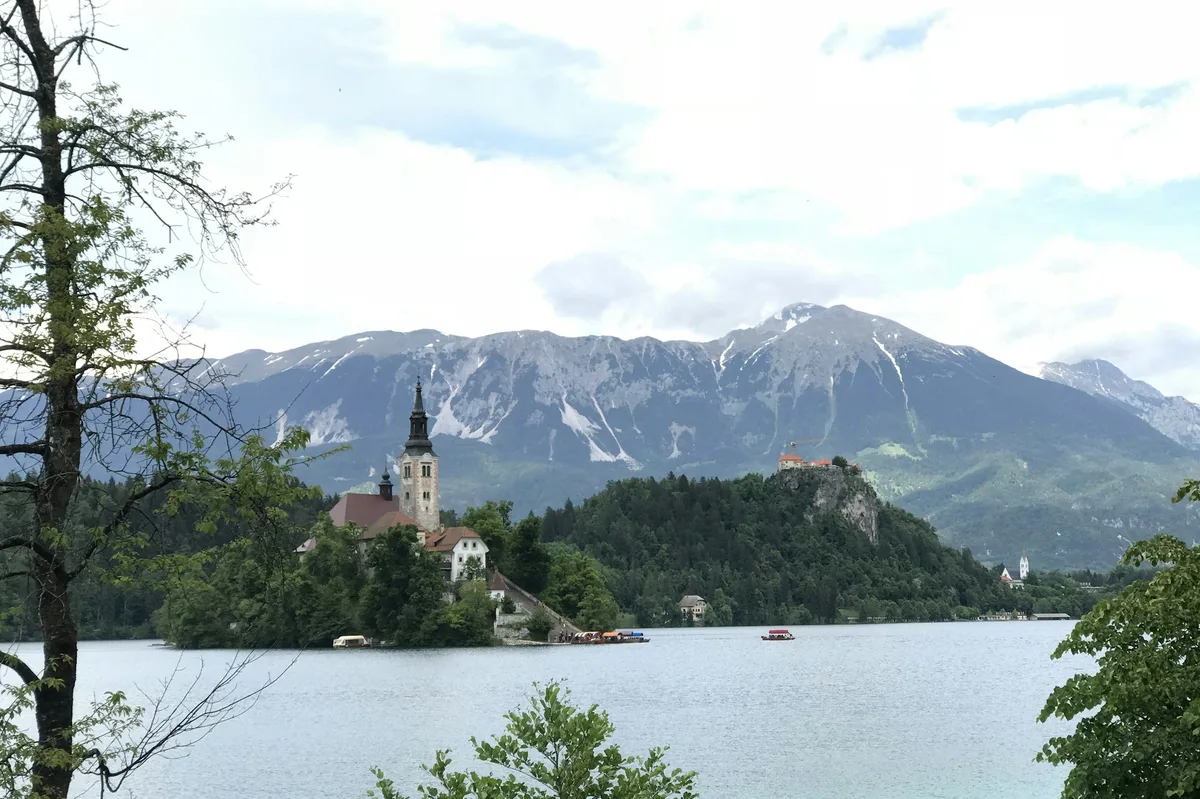
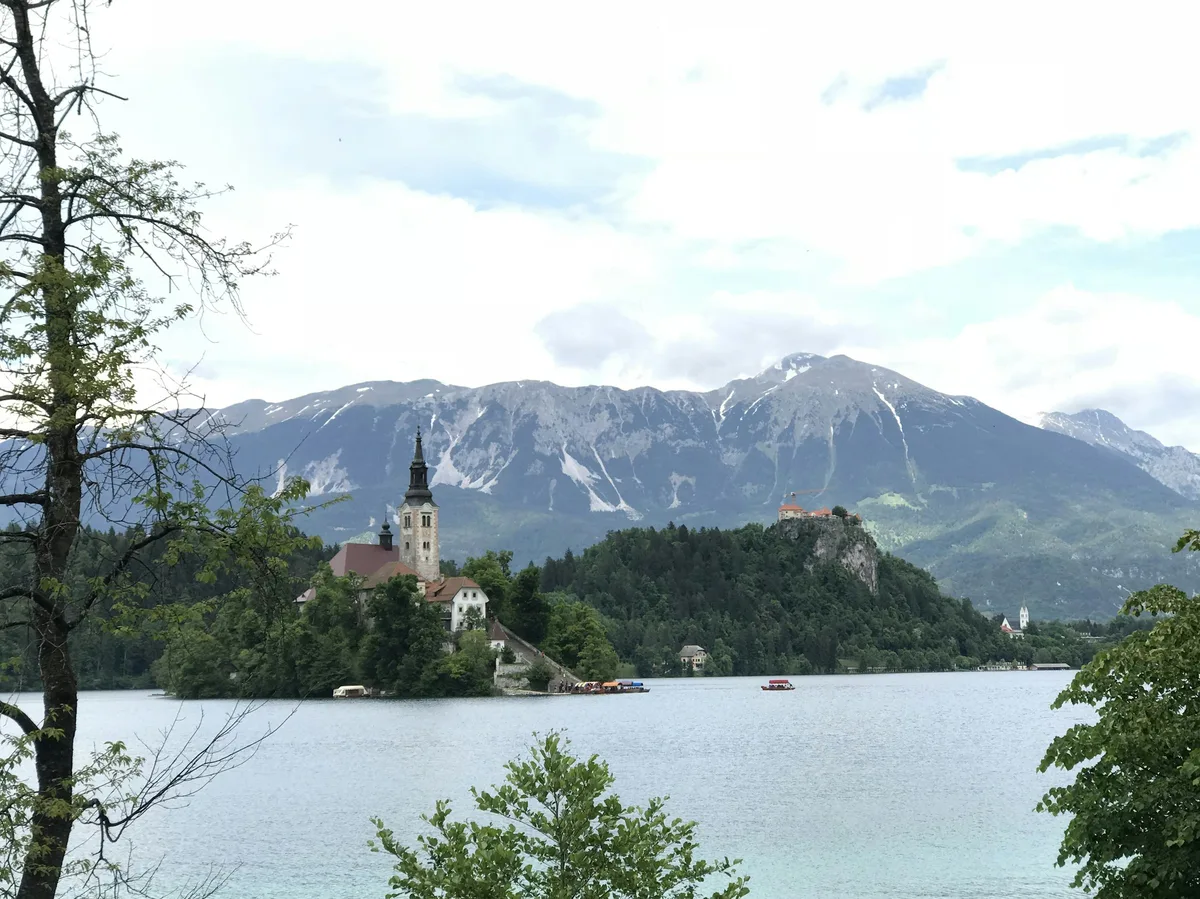
An alpine lake in the Julian Alps with a tiny island church reached by traditional pletna boat, and a hilltop medieval castle overlooking the water — Slovenia's best-known natural landmark.
 Multi-Day Tours
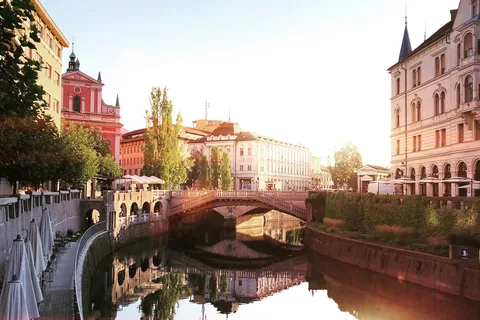
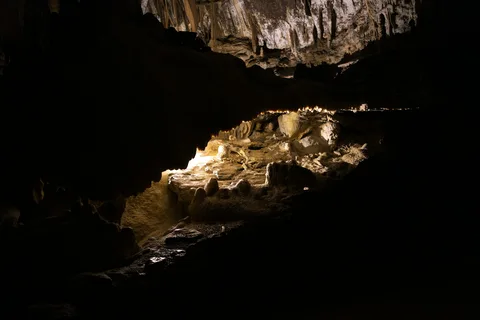
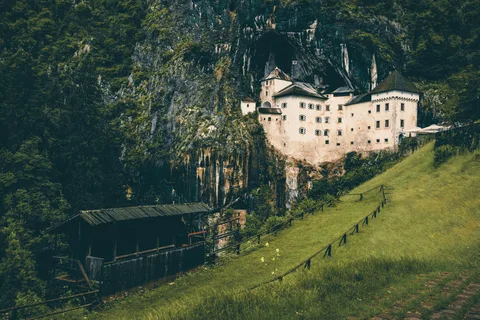
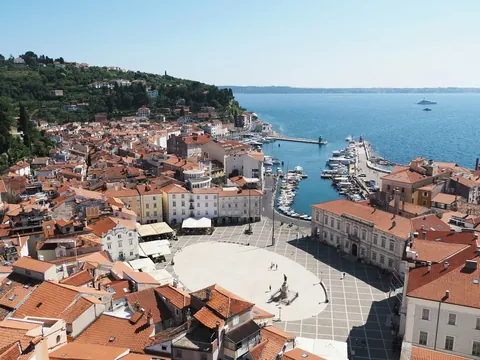
A 10-day Slovenia circuit from Ljubljana to Lake Bled, Triglav National Park, Postojna Cave, Predjama Castle, and the Adriatic coast at Piran — gourmet walking tours, whitewater rafting on the Soča, and Slovenian wine and cuisine along the way.
 Multi-Day Tours
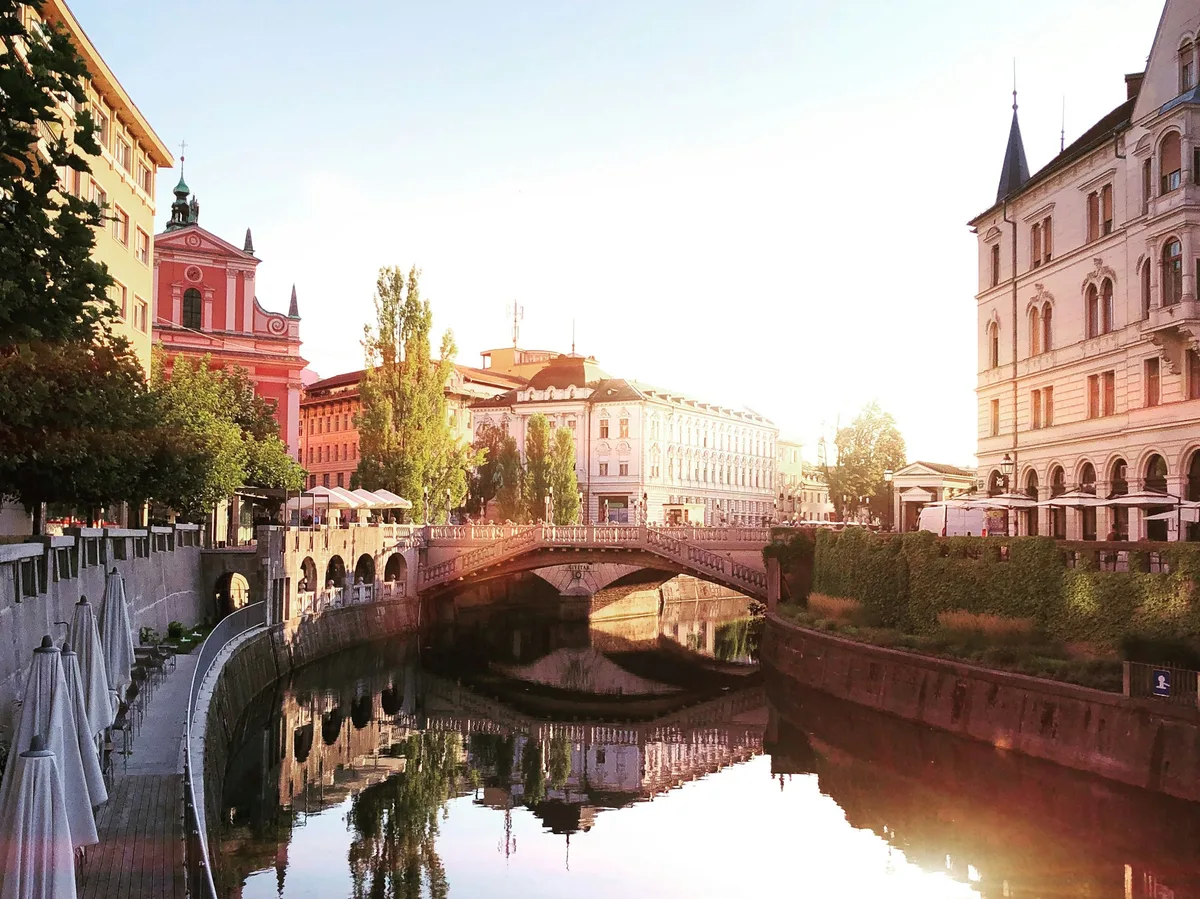
A private 9-day tour through Slovenia's Julian Alps and Adriatic coast — Ljubljana, Lake Bohinj and Mount Vogel, Lake Bled and Vintgar Gorge, the Soča Valley's wine country, Škocjan Caves, and the coastal town of Piran.
Visitor guide
Lake Bled is a glacial lake in the Julian Alps of northwestern Slovenia, beside the town of Bled. Set among mountains and forests, it has a small island with a pilgrimage church that is traditionally reached by a wooden pletna boat, and a medieval castle perched on a cliff above its northern shore.
Wikipedia describes Lake Bled as being of mixed glacial and tectonic origin. It is about 2,120 metres long and 1,380 metres wide, with a maximum depth of 29.5 metres. The lake lies roughly 55 kilometres from Ljubljana and 35 kilometres from Ljubljana airport. Because it is fed partly by a thermal spring at 23 degrees Celsius, the surface can warm to between 22 and 26 degrees in midsummer, which makes swimming and paddleboarding popular. The lake is also well suited to rowing, and the World Rowing Championships were held here in 1966, 1979, 1989 and 2011.
Bled has long been a place of retreat. Wikipedia notes that the lake was an important cult center during the Bronze Age, when gold appliques dating to the 13th and 12th centuries BC were deposited on the shore. For centuries Europeans have come here for recreation and for the supposed medicinal benefits of the lake.
The lake surrounds Bled Island, the only island in Slovenia's best-known lake. Its main building is the pilgrimage Church of the Assumption of Mary, built in its present form near the end of the 17th century. The chancel retains remains of Gothic frescoes from around 1470, and the interior has rich Baroque furnishing. A Baroque stairway dating from 1655 has 99 stone steps up to the church, and the tower is 52 metres high. By tradition, it is good luck for a groom to carry his bride up the steps on their wedding day before ringing the bell and making a wish.
The traditional transport to the island is the pletna, a flat-bottomed wooden boat seating up to 20 passengers and recognizable by its colorful awning. The oarsman rows standing, using two oars. Wikipedia says some sources claim pletnas were used as early as AD 1150, while most historians date the first boats to about 1590. The oarsman's role dates back to 1740, when Maria Theresa of Austria granted 22 local families exclusive rights to ferry pilgrims to the island, and many modern oarsmen descend from those families.
Bled Castle sits on a precipice above the north shore. Wikipedia says that, according to written sources, it is the oldest Slovenian castle, and that it was first mentioned in a deed of donation issued by Emperor Henry II to the bishops of Brixen on 22 May 1011. Another Wikipedia article on the lake says the emperor built the castle in 1004, so the exact date varies by source. The castle was the residence of the bishops for eight centuries. Its oldest part is a Romanesque tower, and its buildings are arranged around two courtyards joined by a staircase, with a drawbridge over a moat. Today it houses a museum on the history of the lake.
Bled is known for kremsnita, a cream pastry that the Slovene government designated a protected dish of designated origin in 2016. The current official recipe was created in 1953 at the Hotel Park patisserie.
Bled makes an easy trip from Ljubljana and combines well with the Vintgar Gorge and the Julian Alps. A private tour with a driver and guide suits a relaxed circuit of the lake, with time for the island, the castle and the pastry.
See every tour and attraction we cover in Slovenia.