TorontoOntario · 36 tours
 Niagara FallsOntario · 25 tours
 New York CityNew York · 30 tours
 Las VegasNevada · 8 tours
 San FranciscoCalifornia · 16 tours
 VancouverBritish Columbia · 17 tours
 DubaiUAE · 54 tours
 Abu DhabiUAE · 5 tours
 Buenos AiresArgentina · 23 tours
 AthensGreece · 31 tours
 AucklandNew Zealand · 38 tours
 CancunMexico · 54 tours
No destinations match “”. Try searching all tours instead — that search understands full questions, not just place names.
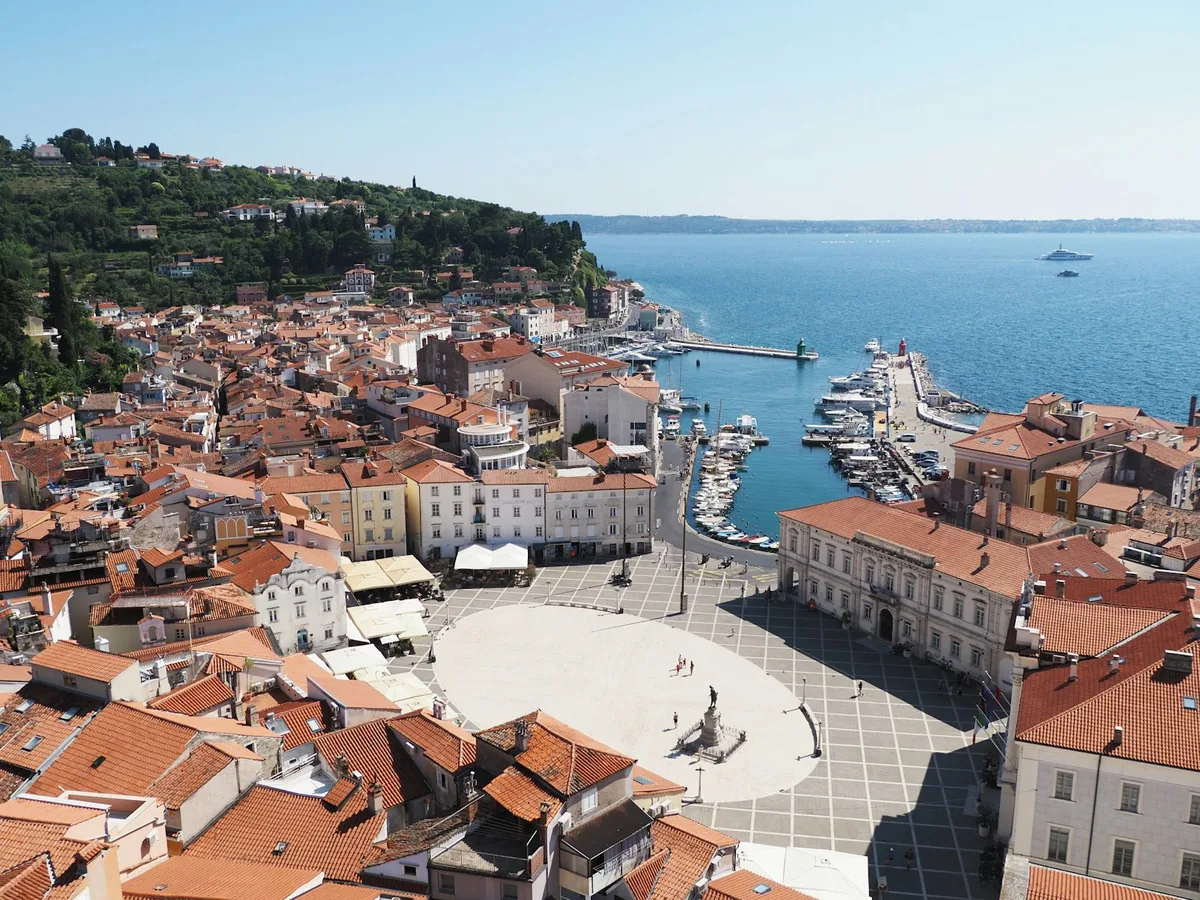
A Venetian-Gothic port town on Slovenia's short Adriatic coastline, its Tartini Square and harbor ringed by pastel townhouses on a peninsula barely wider than its old town.
 Multi-Day Tours
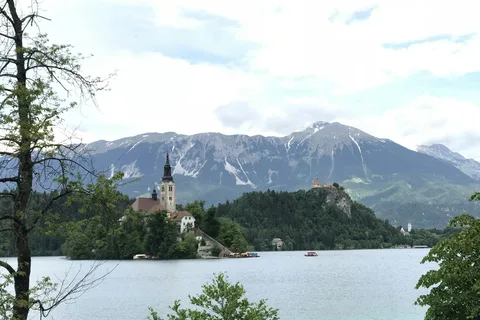
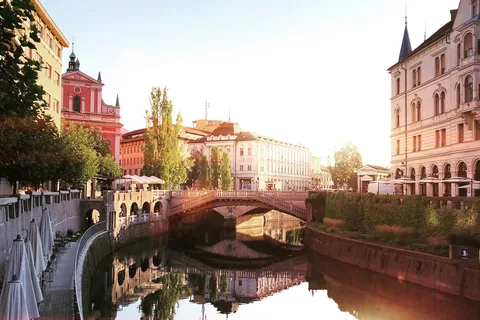
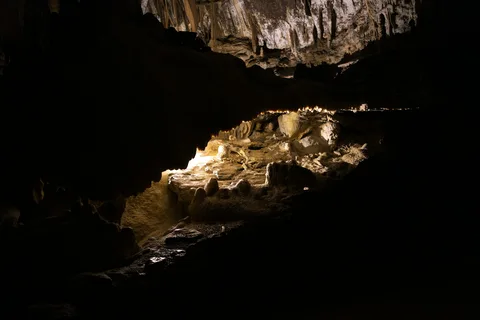
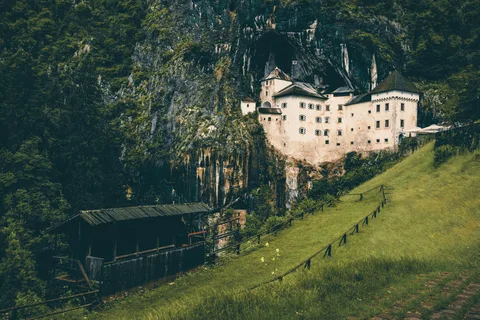
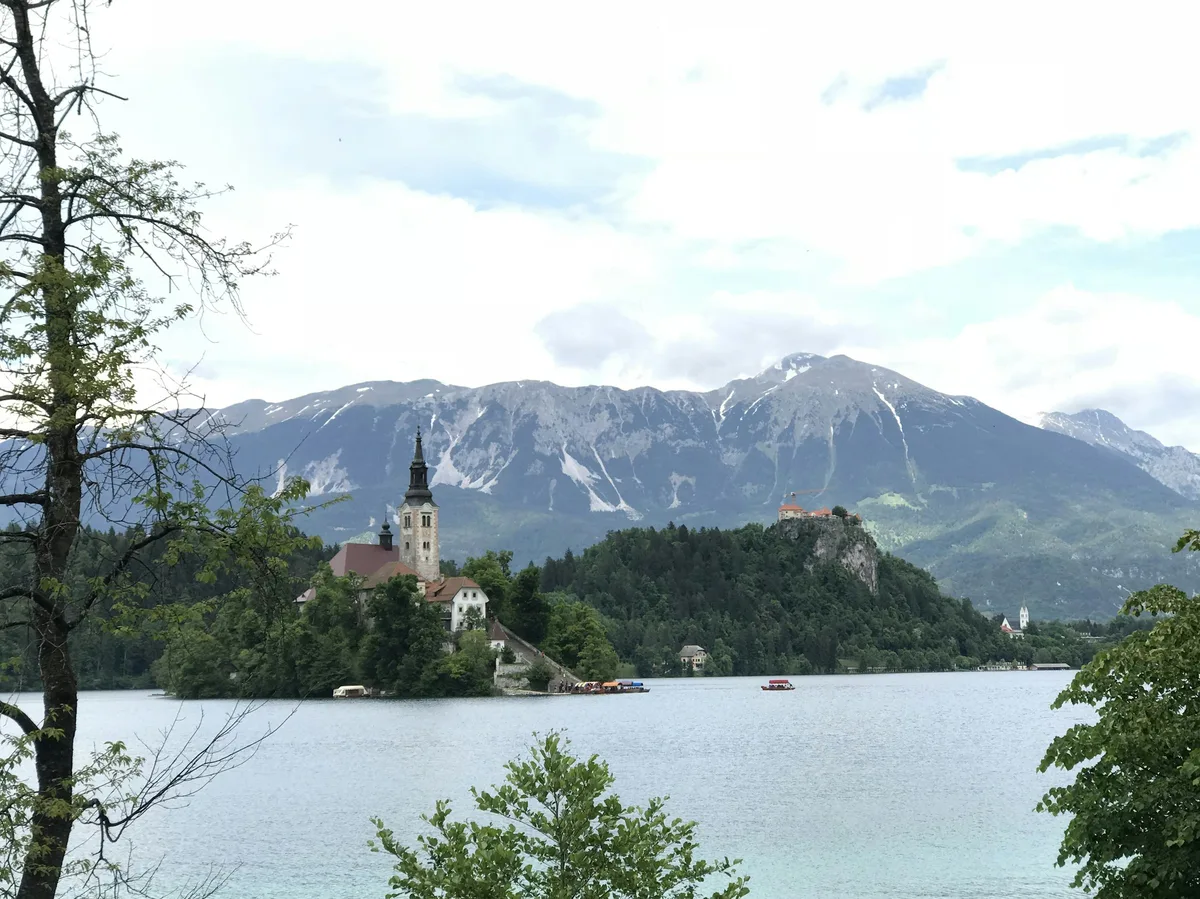
A 10-day Slovenia circuit from Ljubljana to Lake Bled, Triglav National Park, Postojna Cave, Predjama Castle, and the Adriatic coast at Piran — gourmet walking tours, whitewater rafting on the Soča, and Slovenian wine and cuisine along the way.
 Multi-Day Tours
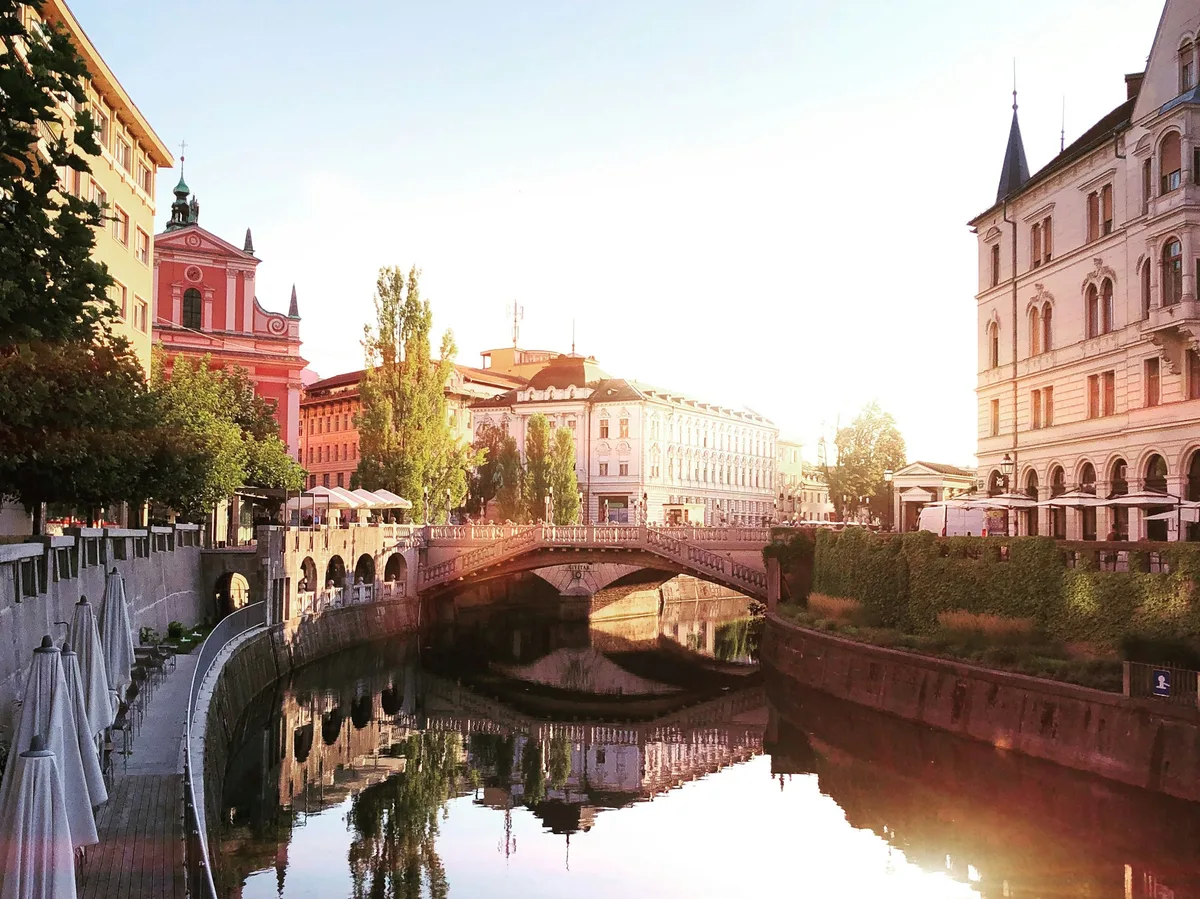
A private 9-day tour through Slovenia's Julian Alps and Adriatic coast — Ljubljana, Lake Bohinj and Mount Vogel, Lake Bled and Vintgar Gorge, the Soča Valley's wine country, Škocjan Caves, and the coastal town of Piran.
Visitor guide
Piran is a resort town on the Gulf of Piran on the Adriatic coast of southwestern Slovenia, at the tip of a small peninsula. One of the three major towns of Slovenian Istria, it is known for medieval architecture, narrow streets, compact houses and a strong Venetian character, and it is one of Slovenia's major tourist attractions.
Wikipedia says the hills around Piran were inhabited before Roman times by the Illyrian Histri, who were farmers, hunters, fishermen and also pirates who disrupted Roman trade in the northern Adriatic. The peninsula was incorporated into the Roman Empire in 178 to 177 BC. As the Roman Empire declined, the population withdrew to defensible locations such as peninsulas, and by the 7th century, under Byzantine rule, Piran had become heavily fortified. The name most probably comes from the Greek pyrrhos, meaning red, after the reddish flysch stone found in the area, although some historians link it to pyros, meaning fire, and ancient lighthouses.
From 1283 to 1797 the town belonged to the Republic of Venice, which governed it in a semi-autonomous way. Enemy and pirate attacks, including from Genoa, were repelled during the late Middle Ages, and a great pestilence in 1558 killed about two thirds of the population. Venice's influence is still obvious in the town's loggias and buildings. Piran then passed to the Austrian Empire in 1797, was briefly under Napoleonic control from 1806 to 1814, and belonged to Italy between the world wars. Since 1991 it has been part of independent Slovenia.
The heart of the town is Tartini Square, named after the composer and violinist Giuseppe Tartini, who was born in Piran. A larger-than-life bronze statue by the Venetian artist Antonio Dal Zotto, mounted in 1896, dominates the square. Nearby are Tartini's house, first mentioned in 1384 and one of the oldest in town, the Municipal Palace and the Venetian-style Loggia. Wikipedia notes that the monuments here differ greatly from those in inland Slovenia because of Venetian and Austro-Hungarian influence.
On the hill above the town stands the Church of St. George, the biggest and most important church, with a Franciscan monastery nearby. Sections of the town walls, built in different eras to protect the town from Ottoman incursions, survive and can be walked. Musical evenings have been held for decades in the atrium of the Franciscan monastery.
Piran is a bilingual town in which Slovene and Italian are spoken. Wikipedia reports that until the mid-20th century Italian was the dominant language, and that many Italian speakers left in the Istrian-Dalmatian exodus after the Second World War, with Slovene replacing it. In 1909 Piran introduced a trolleybus line, often described as the first in the Balkans, which was replaced by a tramway in 1912.
Piran has a humid subtropical climate with warm summers and cool rainy winters, and snow is rare. A promenade follows the coast to the nearby settlement of Fiesa. Much of the old center is pedestrian, so a private tour with a driver typically drops you at the edge of town and then explores on foot with a guide, often alongside the nearby salt pans or Postojna Cave.
See every tour and attraction we cover in Slovenia.