TorontoOntario · 36 tours
 Niagara FallsOntario · 25 tours
 New York CityNew York · 30 tours
 Las VegasNevada · 8 tours
 San FranciscoCalifornia · 16 tours
 VancouverBritish Columbia · 17 tours
 DubaiUAE · 54 tours
 Abu DhabiUAE · 5 tours
 Buenos AiresArgentina · 23 tours
 AthensGreece · 31 tours
 AucklandNew Zealand · 38 tours
 CancunMexico · 54 tours
No destinations match “”. Try searching all tours instead — that search understands full questions, not just place names.
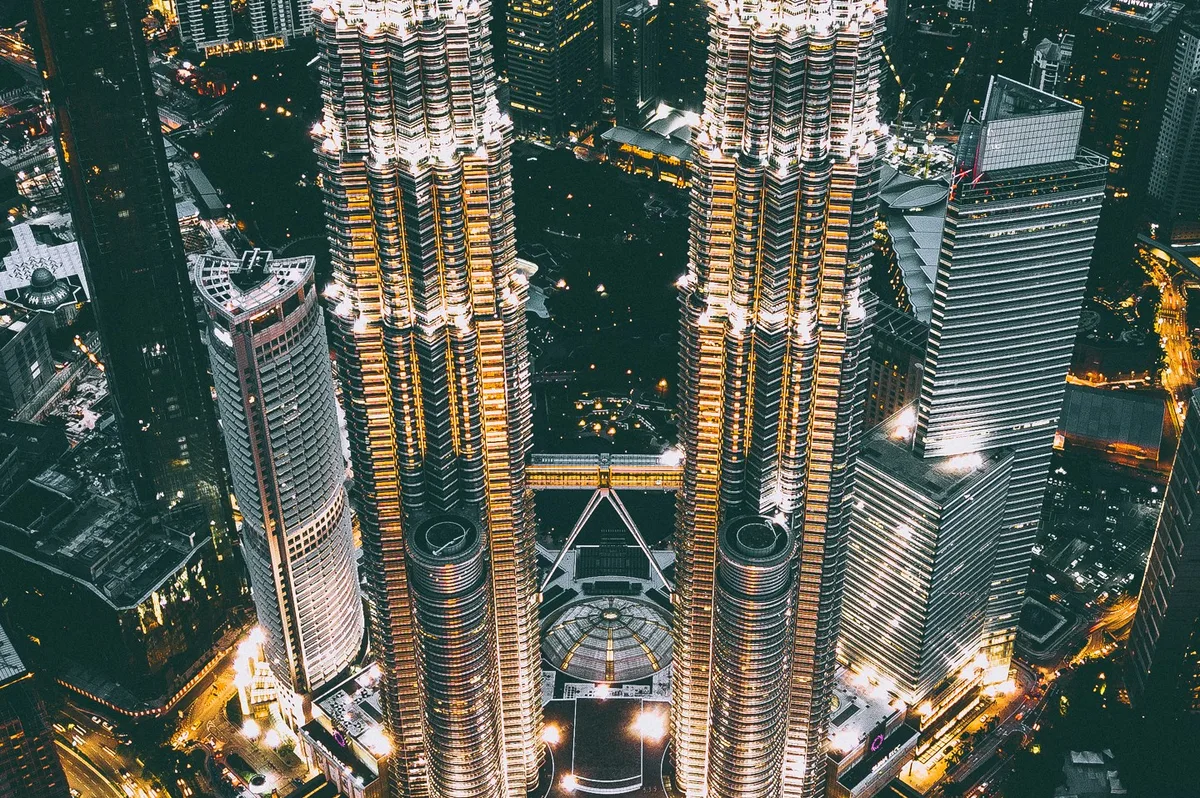
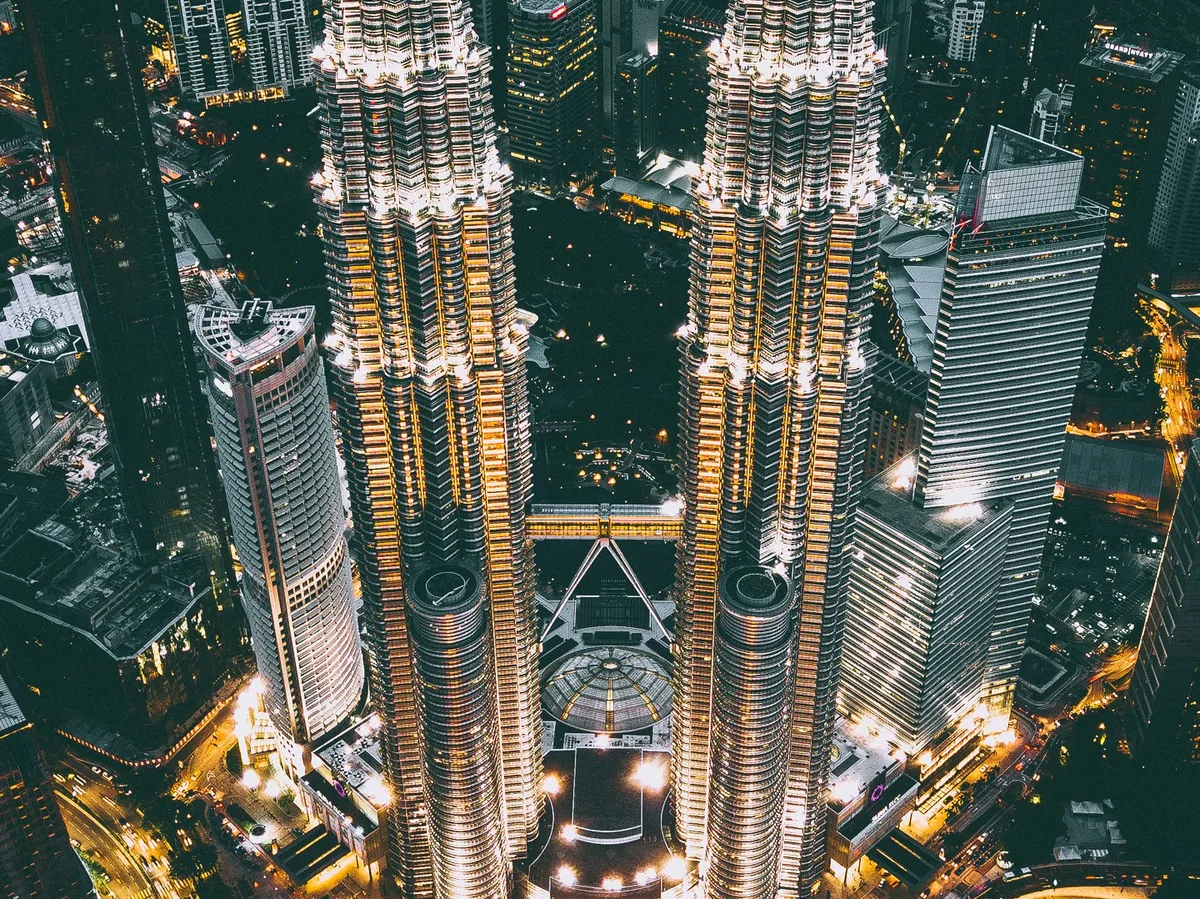
The 88-storey steel-clad Petronas Twin Towers define Kuala Lumpur's skyline, with a Skybridge and 86th-floor Observation Deck open to visitors.
 Multi-Day Tours
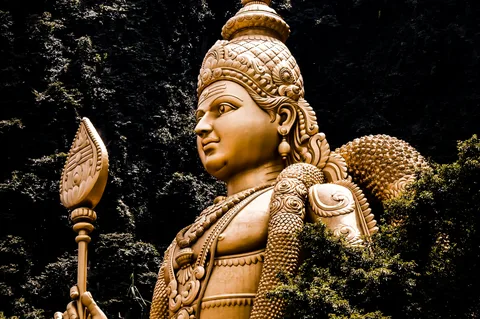
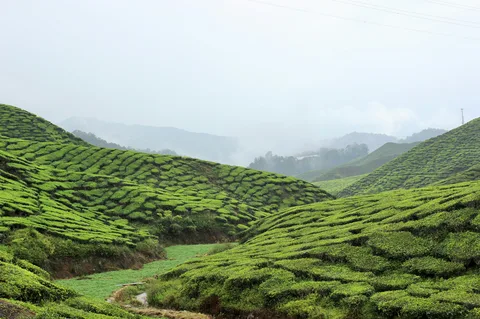
An 8-day family circuit through Peninsular Malaysia — the Petronas Twin Towers and Batu Caves in Kuala Lumpur, the tea plantations of the Cameron Highlands, and the heritage streets and temples of Penang's Georgetown.
 Multi-Day Tours
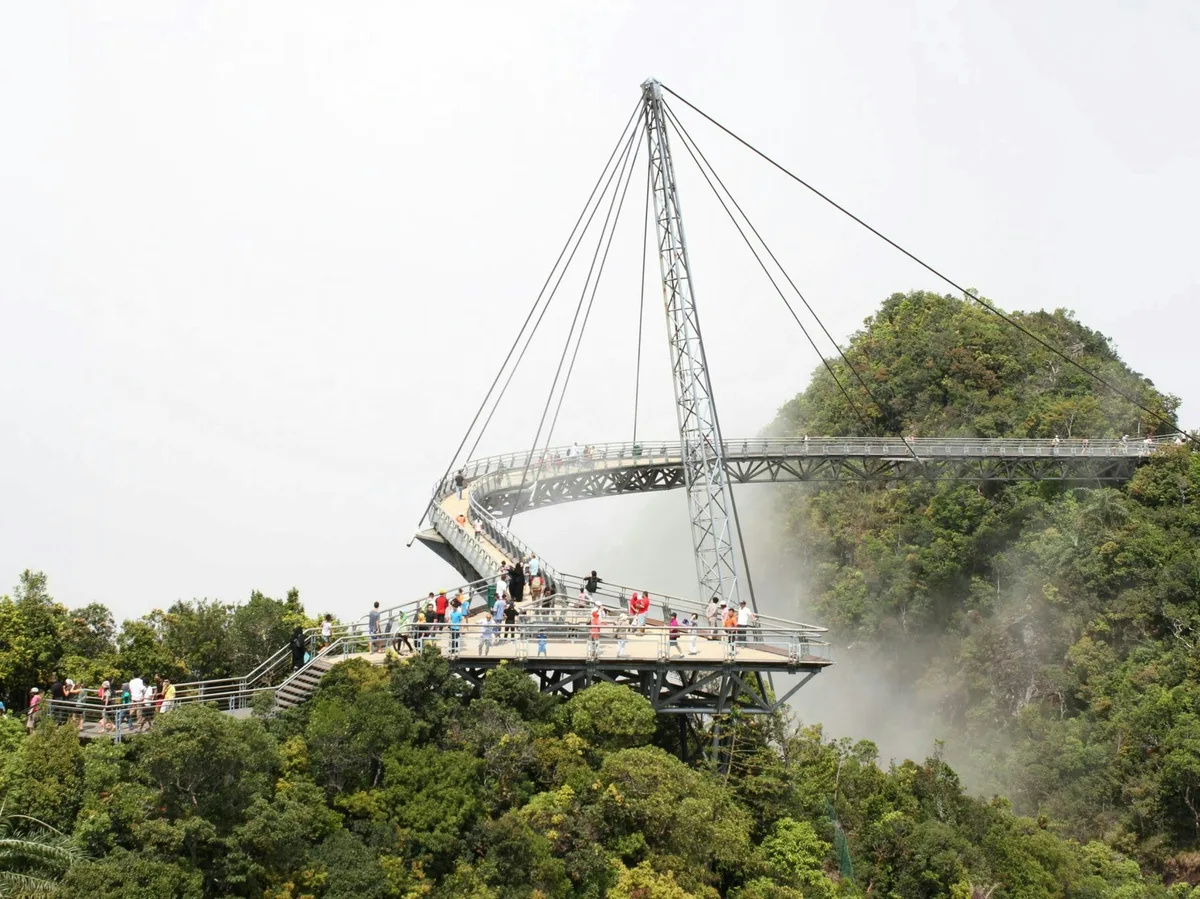
A 12-day luxury circuit from Kuala Lumpur's skyline and a Dinner in the Sky experience, through Ipoh's cave temples and Penang's colonial heritage, to four nights unwinding in Langkawi.
 Multi-Day Tours
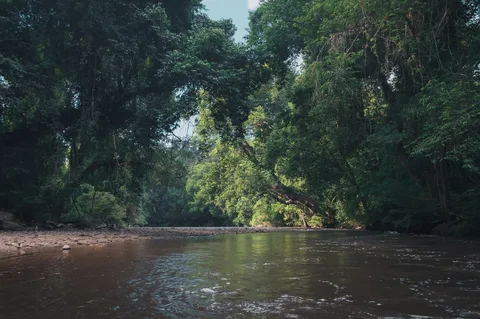
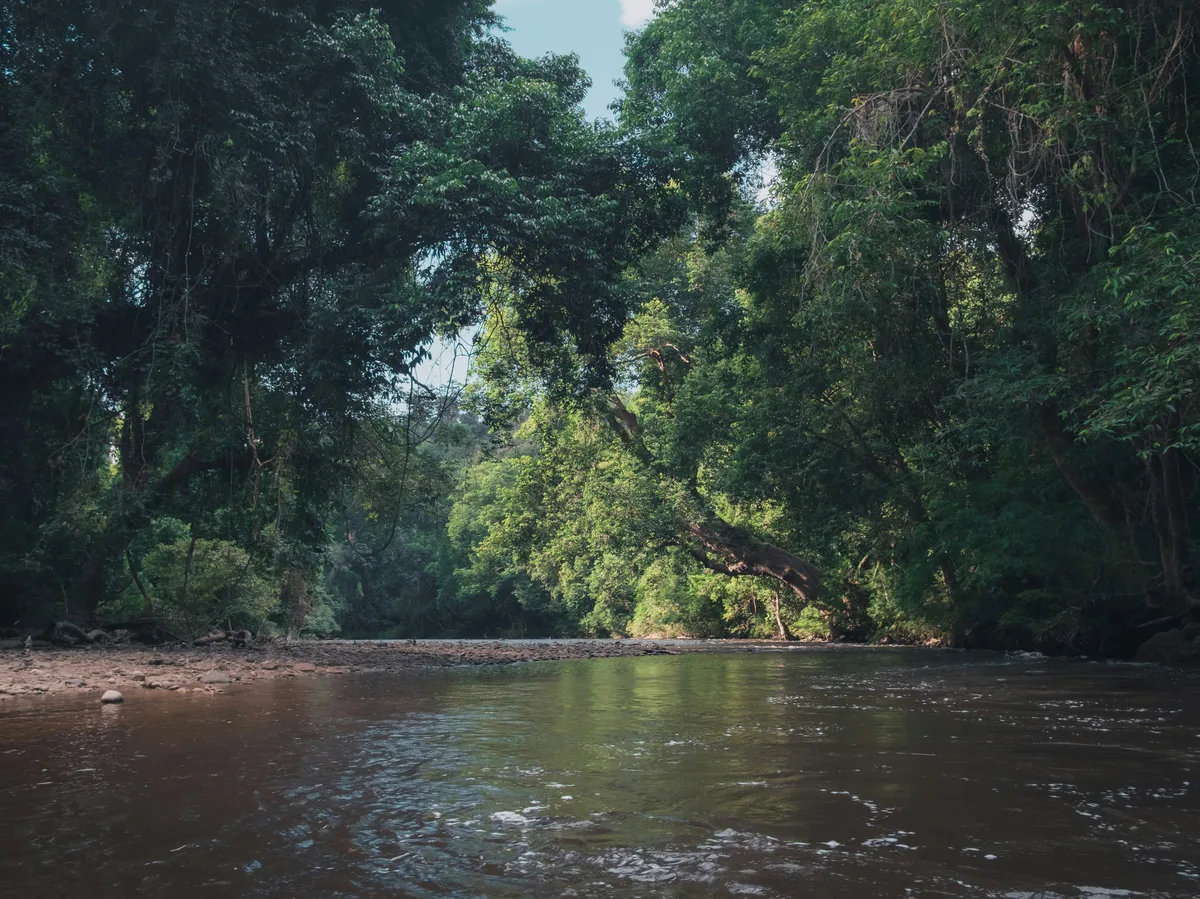
A 12-day classic route from historic Malacca and cosmopolitan Kuala Lumpur into Taman Negara, one of the world's oldest tropical rainforests, then up to the Cameron Highlands' tea country and Penang's heritage streets.
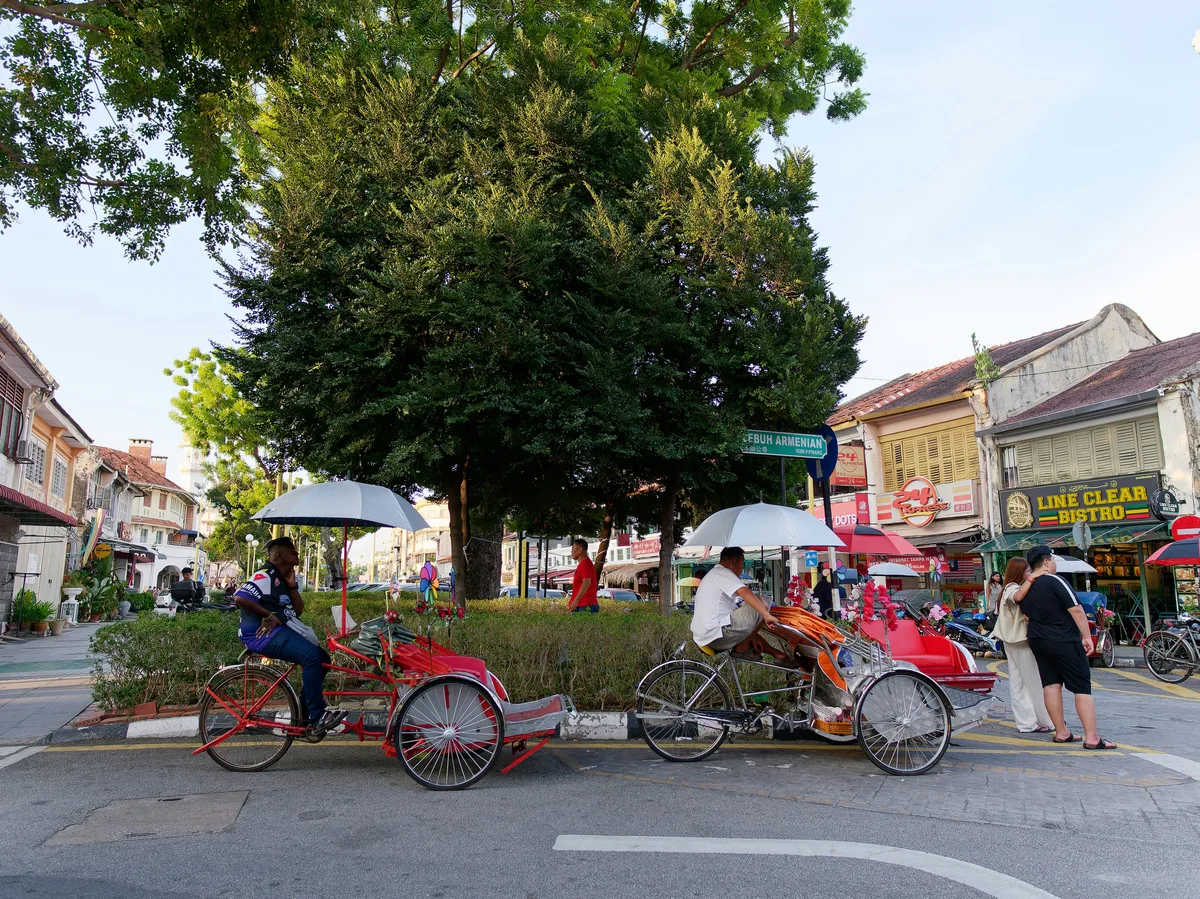 Multi-Day Tours
An 8-day introduction to both sides of Malaysia — Kuala Lumpur's skyline, the tea plantations of the Cameron Highlands, Penang's heritage streets, and a stop in Kuching, the capital of Sarawak on Borneo.
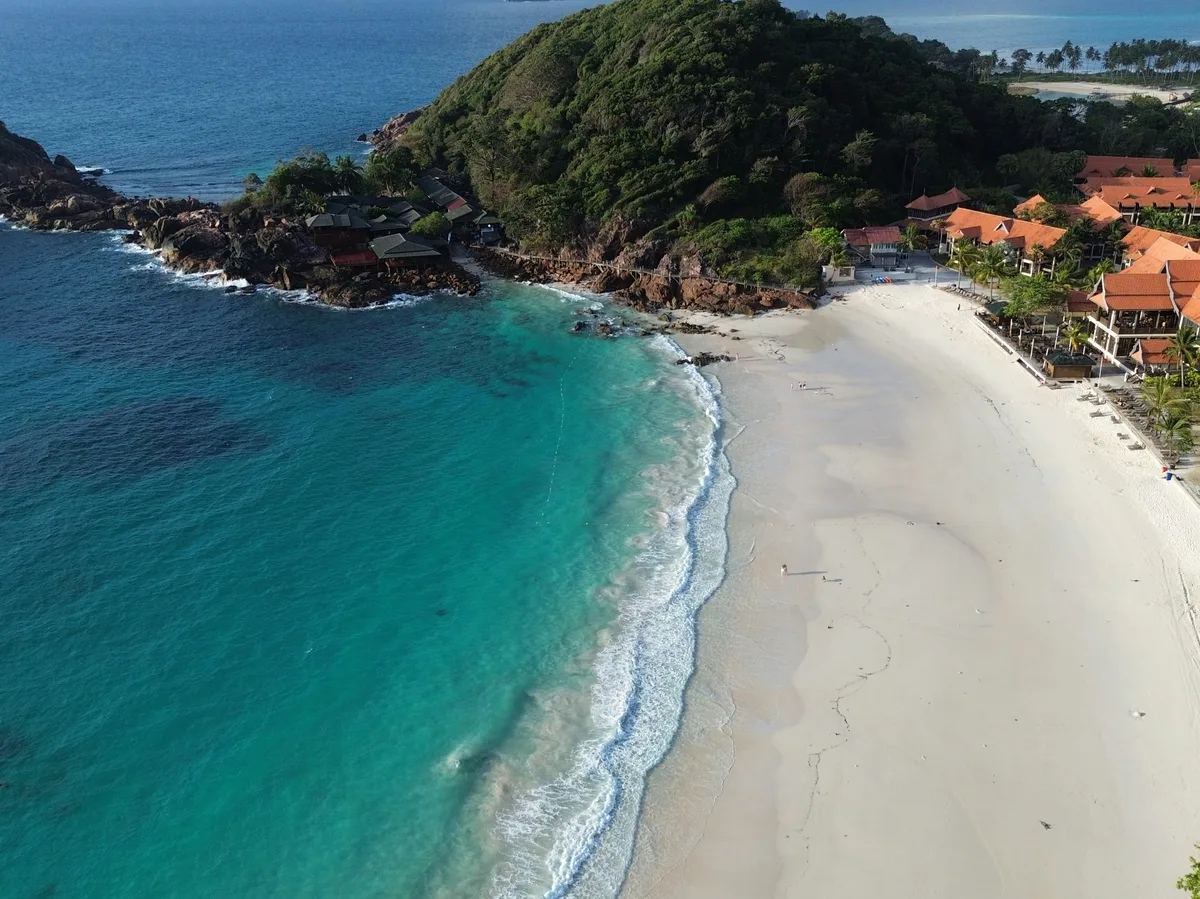 Multi-Day Tours
A 9-day route through three facets of Peninsular Malaysia — the capital Kuala Lumpur, the ancient wilderness of Taman Negara National Park, and three nights on the pristine tropical island of Redang.
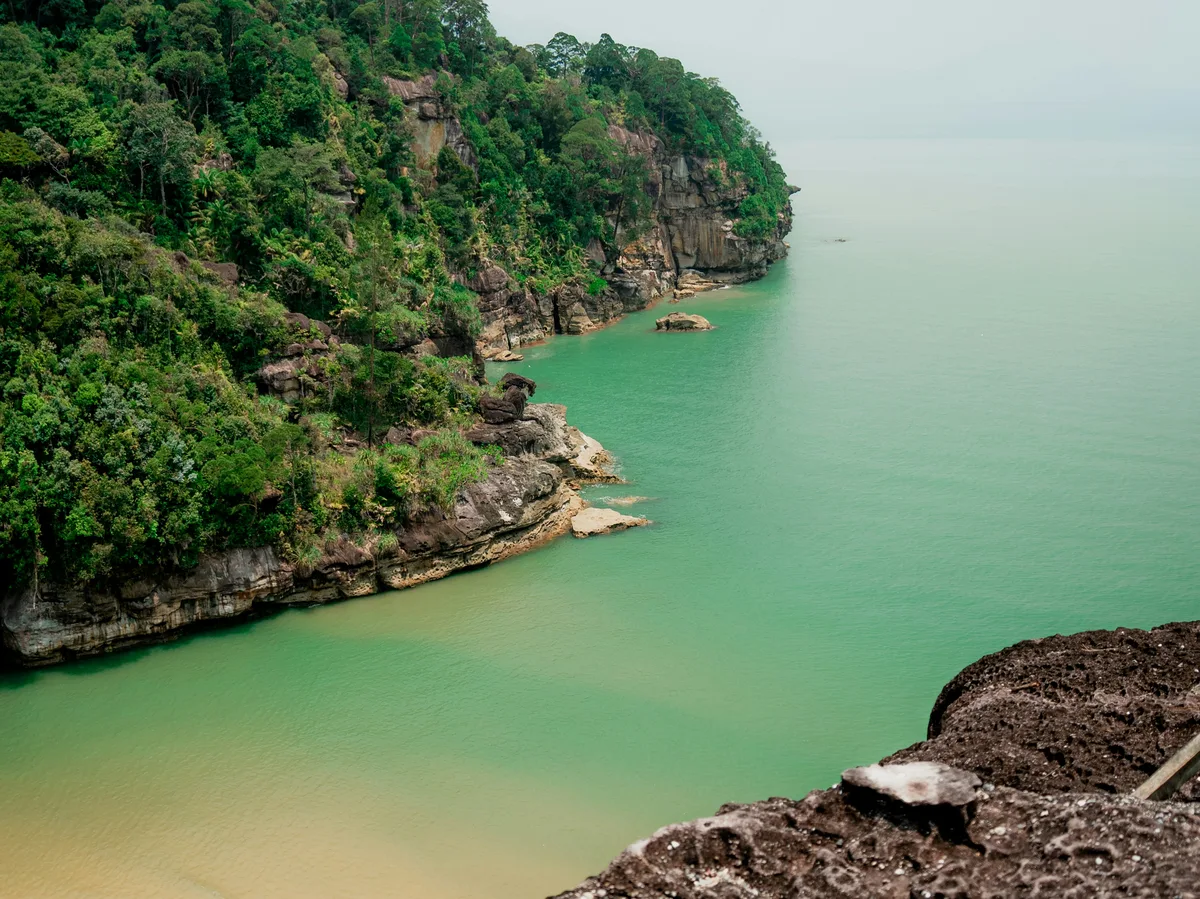 Multi-Day Tours
An 8-day dive into Sarawak's culture and nature — Kuching's riverfront and museums, orangutans and orchids at Kubah National Park, the Sarawak Cultural Village, and proboscis monkeys in Bako National Park, with bookend nights in Kuala Lumpur.
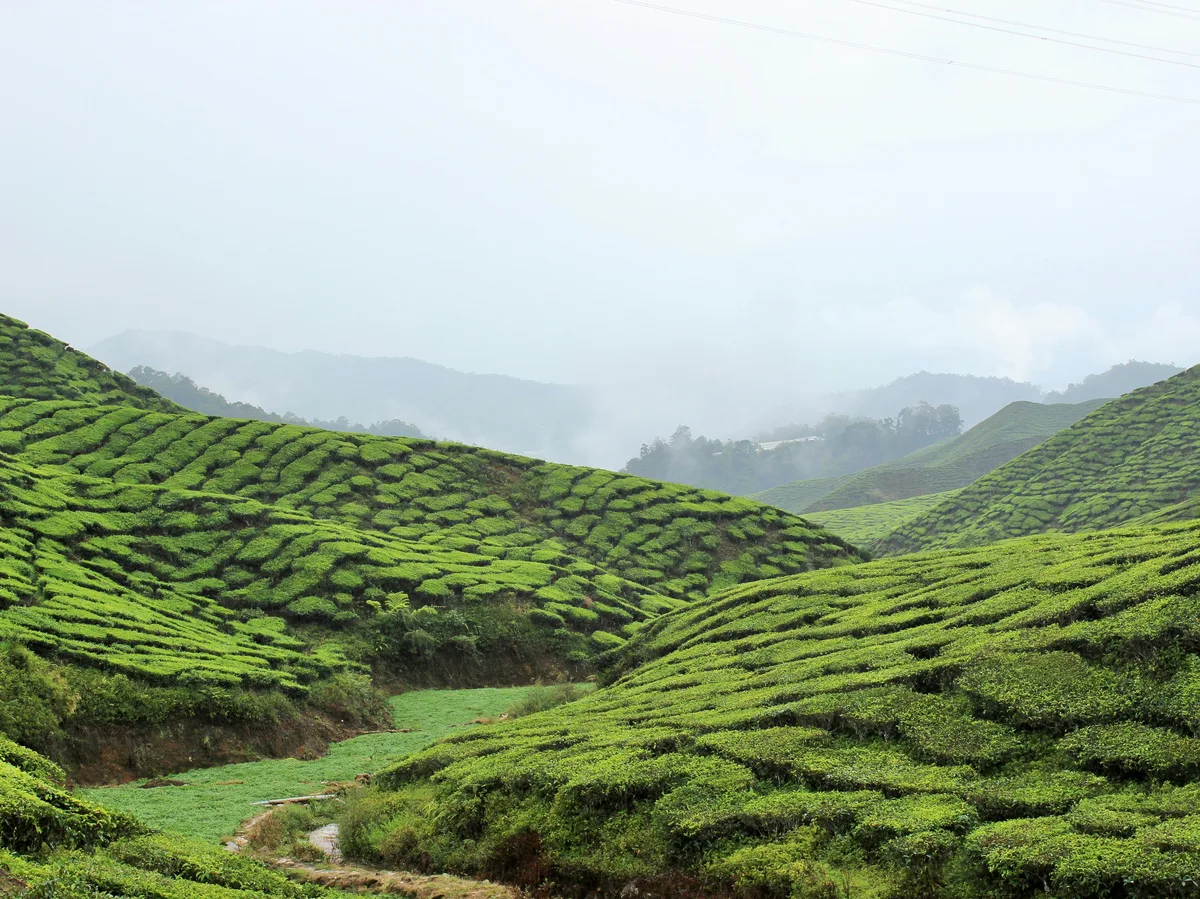 Multi-Day Tours
A 12-day journey through Peninsular Malaysia's full range of landscapes — Kuala Lumpur and Batu Caves, the Cameron Highlands' Mossy Forest, two nights deep in the 130-million-year-old Belum-Temenggor Rainforest, Penang, Langkawi's islands, and historic Melaka.
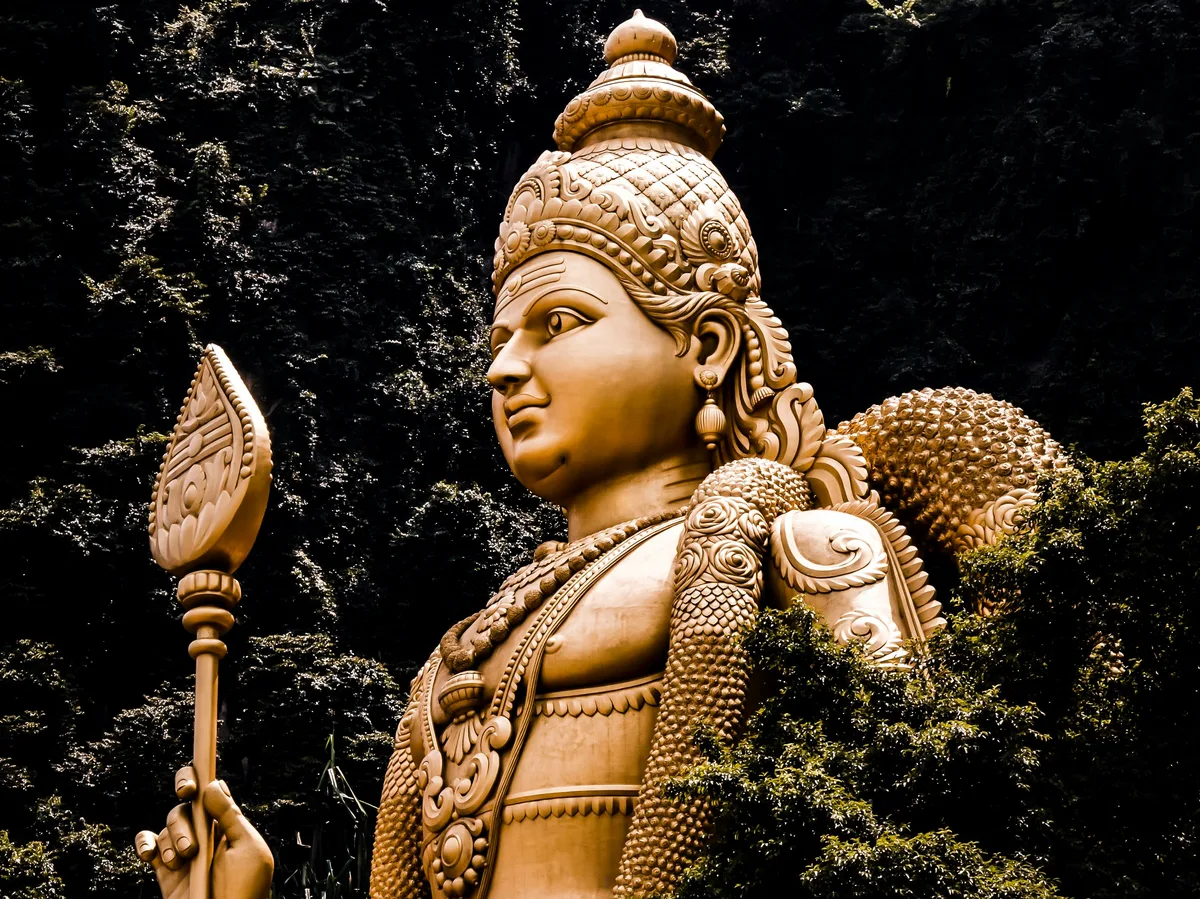 Multi-Day Tours
A 12-day family-friendly circuit through Malaysia — Batu Caves and the Petronas Towers in Kuala Lumpur, the Mossy Forest and Mount Brinchang in the Cameron Highlands, Penang's Georgetown, beach time in Langkawi, family time in Johor Bahru, and historic Melaka.
Visitor guide
The Petronas Towers, also called the Petronas Twin Towers, are an interlinked pair of 88-storey skyscrapers in Kuala Lumpur, Malaysia, standing 451.9 metres tall. They were the tallest buildings in the world from 1998 to 2004, and they remain the world's tallest twin towers, according to Wikipedia. They are a major landmark of the Malaysian capital and are visible across much of the city.
The towers were designed by the Argentine-American architect Cesar Pelli in a distinctive postmodern style intended to create a 21st-century icon for Kuala Lumpur. They are built largely of reinforced concrete with a steel and glass facade designed to resemble motifs found in Islamic art. The cross-section of each tower is based on the Rub el Hizb, an eight-pointed star motif, with circular sectors added to meet office space needs. The structural system is a tube-in-tube design.
Planning started on 1 January 1992, and excavation began on 1 March 1993 on the site of the former Selangor Turf Club. Construction of the superstructure began on 1 April 1994, and the towers were officially opened by Prime Minister Mahathir bin Mohamad on 31 August 1999. Wikipedia notes that two consortia built the towers to meet a six-year deadline: a Japanese group led by Hazama built Tower 1 and a South Korean group led by Samsung C&T built Tower 2.
Test boreholes showed that the original site sat on the edge of a cliff, with half on decayed limestone and half on soft rock, so the entire site was moved 61 metres to rest on the softer rock. The towers stand on 104 concrete piles ranging from 60 to 114 metres deep, topped by a concrete raft 4.6 metres thick that was continuously poured over 54 hours for each tower. Because imported steel was costly, the designers used super high-strength concrete, which is twice as effective as steel at reducing sway but makes the buildings heavier on their foundations.
A double-decker skybridge connects the two towers on the 41st and 42nd floors, 170 metres above the ground and 58.4 metres long. Wikipedia says it holds the record for the highest two-story bridge in the world, and that it also helps people move between towers in high winds. It is not a rigid connection but a design feature of the structure. Visitors who want to go higher change lifts at this level, and an observation deck is located higher up on the 86th floor.
Beneath the towers lies Suria KLCC, a shopping mall, and the Petronas Philharmonic Hall, home of the Malaysian Philharmonic Orchestra. Below the building spreads KLCC Park, a 6.9-hectare park with walking paths, a fountain with a light show, wading pools and a playground. Tower One is fully occupied by Petronas and its subsidiaries, while Tower Two houses a range of other tenants.
The towers are most striking at dusk, when their facades light up, and the park offers a classic foreground for photographs. They also look very different from rooftop bars and nearby viewpoints in the city. A private guided visit can combine the towers with other Kuala Lumpur landmarks and help work around the timed access to the skybridge and observation deck.
See every tour and attraction we cover in Malaysia.