TorontoOntario · 36 tours
 Niagara FallsOntario · 25 tours
 New York CityNew York · 30 tours
 Las VegasNevada · 8 tours
 San FranciscoCalifornia · 16 tours
 VancouverBritish Columbia · 17 tours
 DubaiUAE · 54 tours
 Abu DhabiUAE · 5 tours
 Buenos AiresArgentina · 23 tours
 AthensGreece · 31 tours
 AucklandNew Zealand · 38 tours
 CancunMexico · 54 tours
No destinations match “”. Try searching all tours instead — that search understands full questions, not just place names.
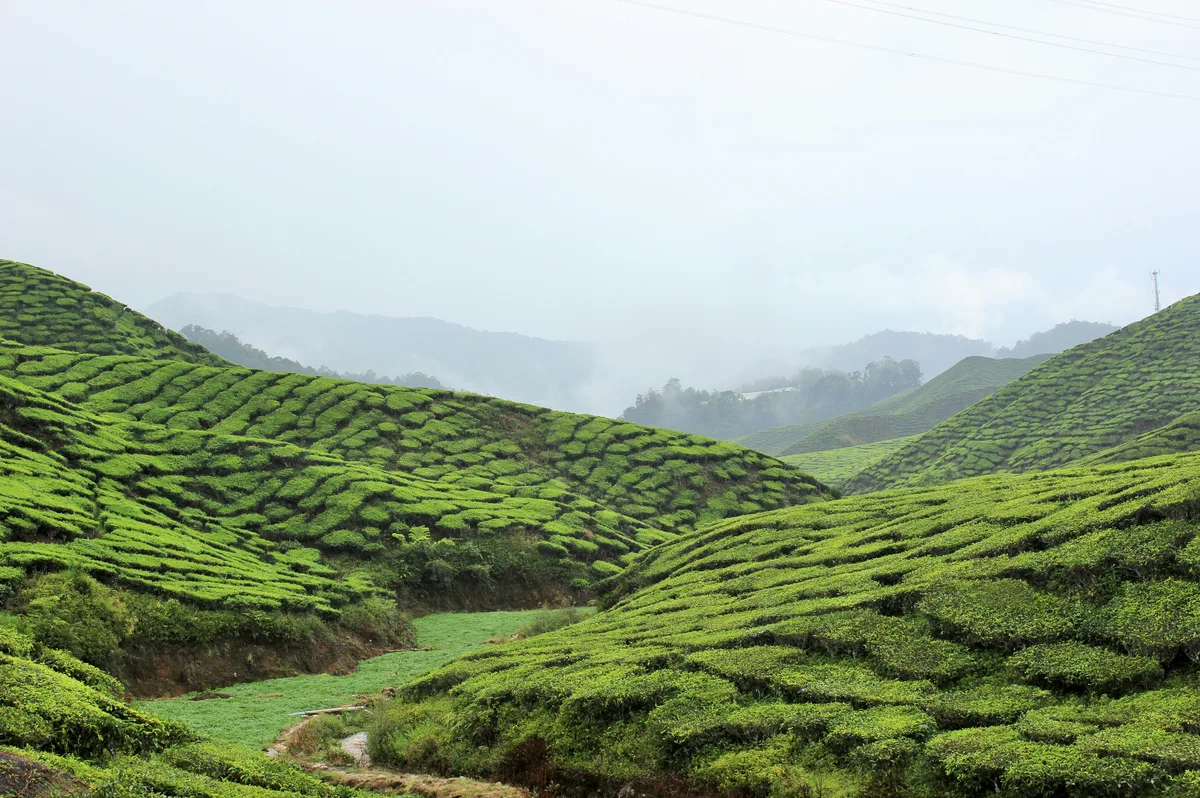
Rolling tea estates in Malaysia's cool central highlands, anchored by the historic Boh tea plantation founded in 1929.
 Multi-Day Tours
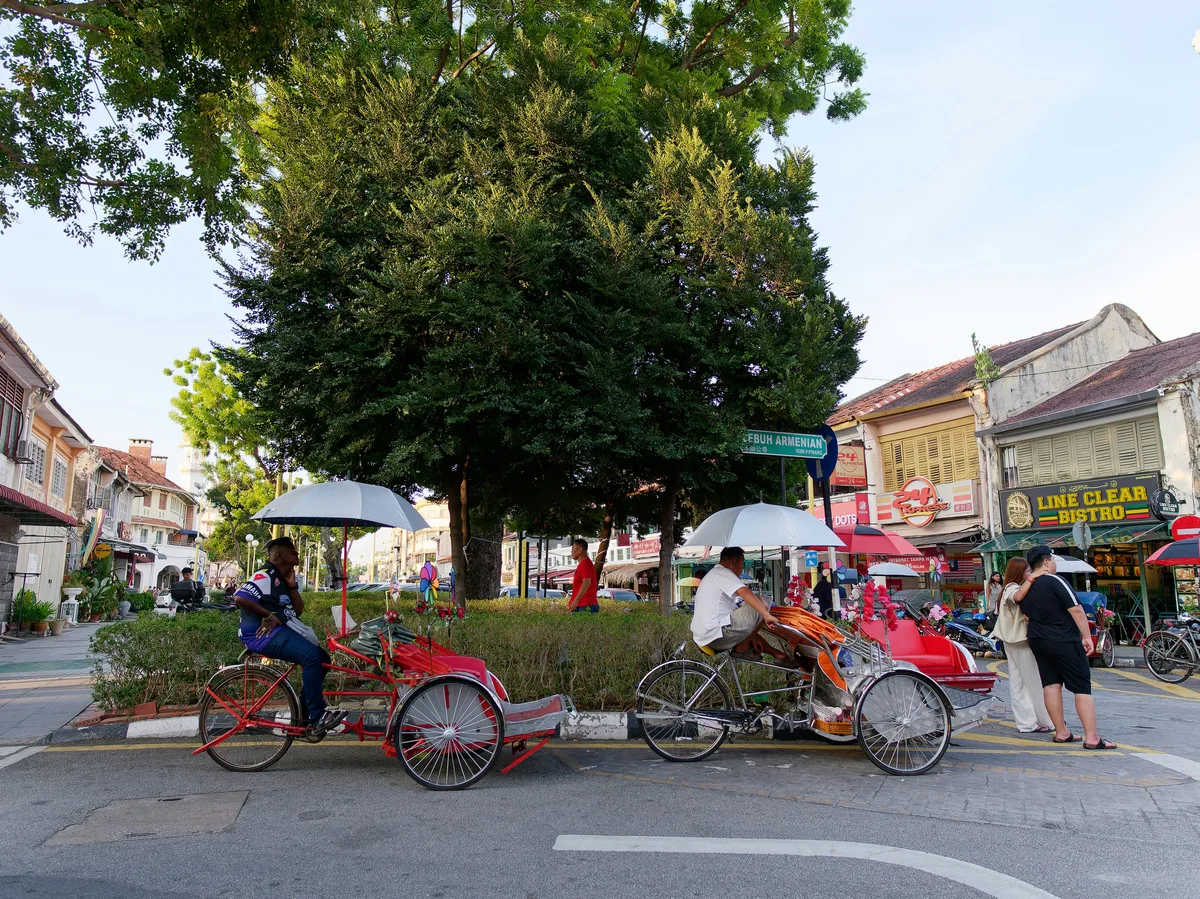
An 8-day family circuit through Peninsular Malaysia — the Petronas Twin Towers and Batu Caves in Kuala Lumpur, the tea plantations of the Cameron Highlands, and the heritage streets and temples of Penang's Georgetown.
 Multi-Day Tours
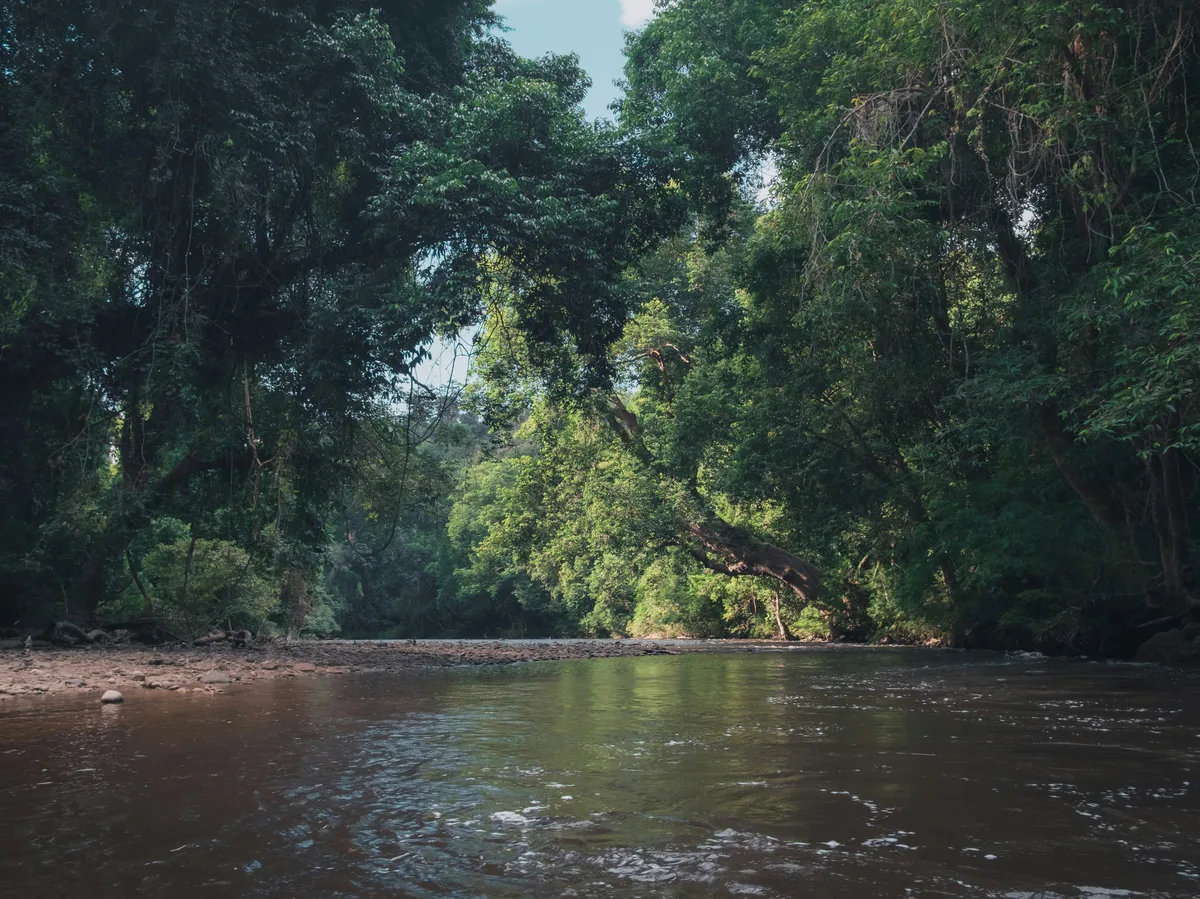
A 12-day classic route from historic Malacca and cosmopolitan Kuala Lumpur into Taman Negara, one of the world's oldest tropical rainforests, then up to the Cameron Highlands' tea country and Penang's heritage streets.
 Multi-Day Tours
An 8-day introduction to both sides of Malaysia — Kuala Lumpur's skyline, the tea plantations of the Cameron Highlands, Penang's heritage streets, and a stop in Kuching, the capital of Sarawak on Borneo.
 Multi-Day Tours
A 12-day deep dive along Malaysia's west coast — the trading-port heritage of Malacca, the skyline of Kuala Lumpur, jungle trekking in Taman Negara, tea country in the Cameron Highlands, Penang's heritage streets, and three nights unwinding in Langkawi.
 Multi-Day Tours
An 8-day cultural route up the length of Peninsular Malaysia — Malacca's UNESCO heritage streets, Kuala Lumpur's landmarks and food scene, the tea plantations of the Cameron Highlands, and Penang's heritage walking tours.
Visitor guide
The Cameron Highlands is a district in Pahang, Malaysia, set high in the Titiwangsa Mountains, and is known for its cool climate and its terraced tea estates. The best known of these is BOH, founded in 1929 and based in the district. Together the tea gardens, mossy forest and hill-station towns make it one of Malaysia's oldest and best-known highland retreats.
According to Wikipedia, the district is named after William Cameron, a Scottish explorer and government geologist who surveyed the area in 1885 while mapping the Pahang-Perak border. Decades later Sir George Maxwell visited, compared the plateau with Nuwara Eliya in Sri Lanka and Baguio in the Philippines, and recommended developing it as a hill station. An agricultural experiment station was established in 1925 to test whether tea, coffee, fruit and vegetables could grow there.
A road from Tapah was built from 1928 to 1930, and after it opened in 1931 settlers, tea planters and vegetable growers moved onto the slopes. By the mid-1930s the highlands had a golf course, cottages, inns, schools, nurseries, vegetable farms and tea plantations. The district sits between about 800 and 1,603 metres above sea level and is the highest point in Peninsular Malaysia accessible by road, according to the same source.
BOH Plantations is described by Wikipedia as the largest black tea manufacturer in Malaysia, and its plantation in the Cameron Highlands as the largest in the country. It was founded in 1929 by J. A. Russell, a British-born businessman, and was the first hill country estate established in Malaya. Russell was granted land with veteran tea planter A. B. Milne from Ceylon for the first garden at Habu, which was then undeveloped jungle on steep slopes, and the terraced estate was created using a steamroller and mule teams.
The name comes from the Bohea Hills in Fujian, China, where wuyi tea originates. As of 2016 BOH owned four tea gardens, in Habu, Fairlie, Sungai Palas and Bukit Cheeding, totalling about 1,200 hectares and producing around 4 million kilograms of tea a year, roughly 70 percent of Malaysian tea output. A packaging factory stands near the main garden and the company offers tours.
The Cameron Highlands has a subtropical highland climate with a mean annual temperature of about 18 degrees Celsius. Daytime temperatures seldom rise above 25 degrees, and nights can fall as low as 9 degrees at the higher reaches, which is part of why tea thrives and why visitors often bring a light jacket. Annual rainfall exceeds 2,700 millimetres.
Much of the district, an estimated 71 percent, is still forested. More than 700 plant species grow here, and the mossy or cloud forest near the top of Mount Brinchang can be reached by a trail that starts at the BOH Sungei Palas tea plantation. Wikipedia lists the Sumatran serow, mountain peacock-pheasant and Malayan whistling-thrush among the threatened species recorded. The district is also home to the Orang Asli, the indigenous people of Peninsular Malaysia.
The highlands have more than ten walking trails that mostly start at Tanah Rata, plus orchards, flower nurseries, farms and a cream tea culture. The area is reached by road via Tapah or Simpang Pulai in Perak, and no railway station serves it directly. A private driver is a natural fit, as the climb is long and winding, and a guided day can combine a tea estate, a strawberry or vegetable farm and the mossy forest.
See every tour and attraction we cover in Malaysia.