TorontoOntario · 36 tours
 Niagara FallsOntario · 25 tours
 New York CityNew York · 30 tours
 Las VegasNevada · 8 tours
 San FranciscoCalifornia · 16 tours
 VancouverBritish Columbia · 17 tours
 DubaiUAE · 54 tours
 Abu DhabiUAE · 5 tours
 Buenos AiresArgentina · 23 tours
 AthensGreece · 31 tours
 AucklandNew Zealand · 38 tours
 CancunMexico · 54 tours
No destinations match “”. Try searching all tours instead — that search understands full questions, not just place names.
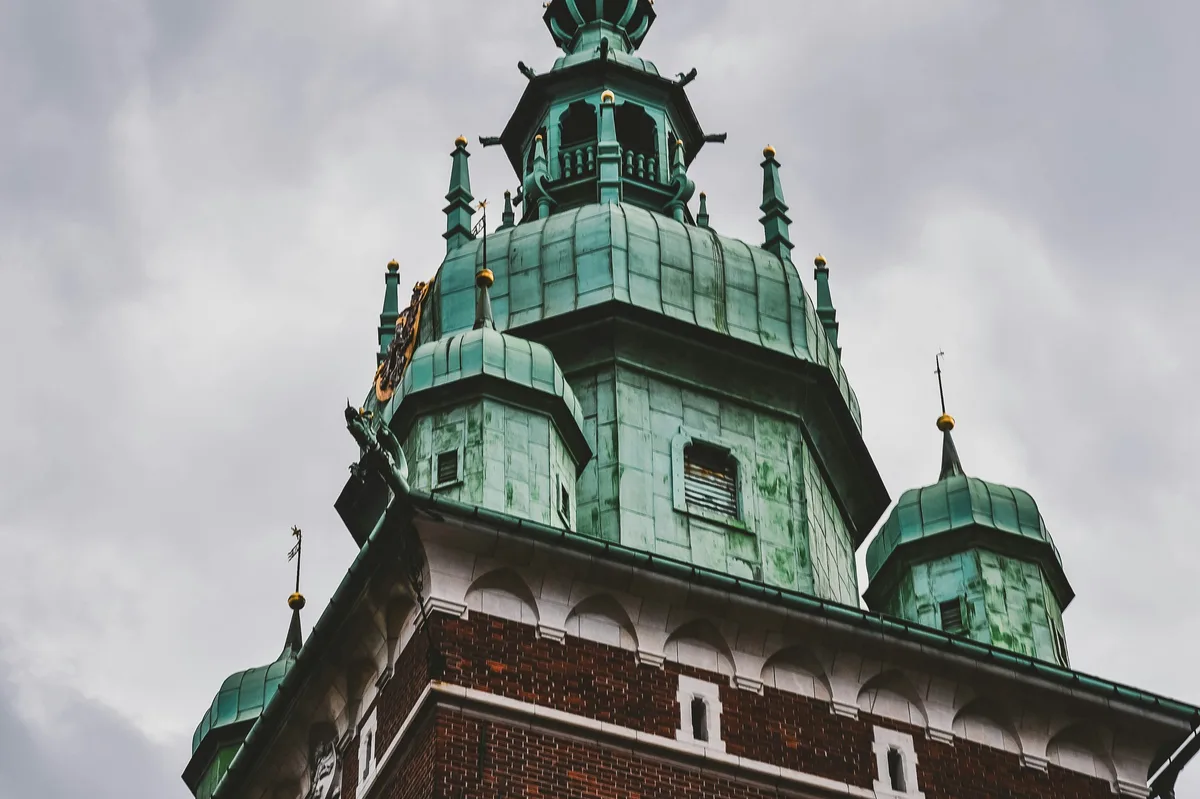
The former seat of Polish kings on Wawel Hill above the Vistula River in Krakow, combining a Renaissance royal castle with the cathedral where Polish monarchs were crowned and buried.
 Multi-Day Tours
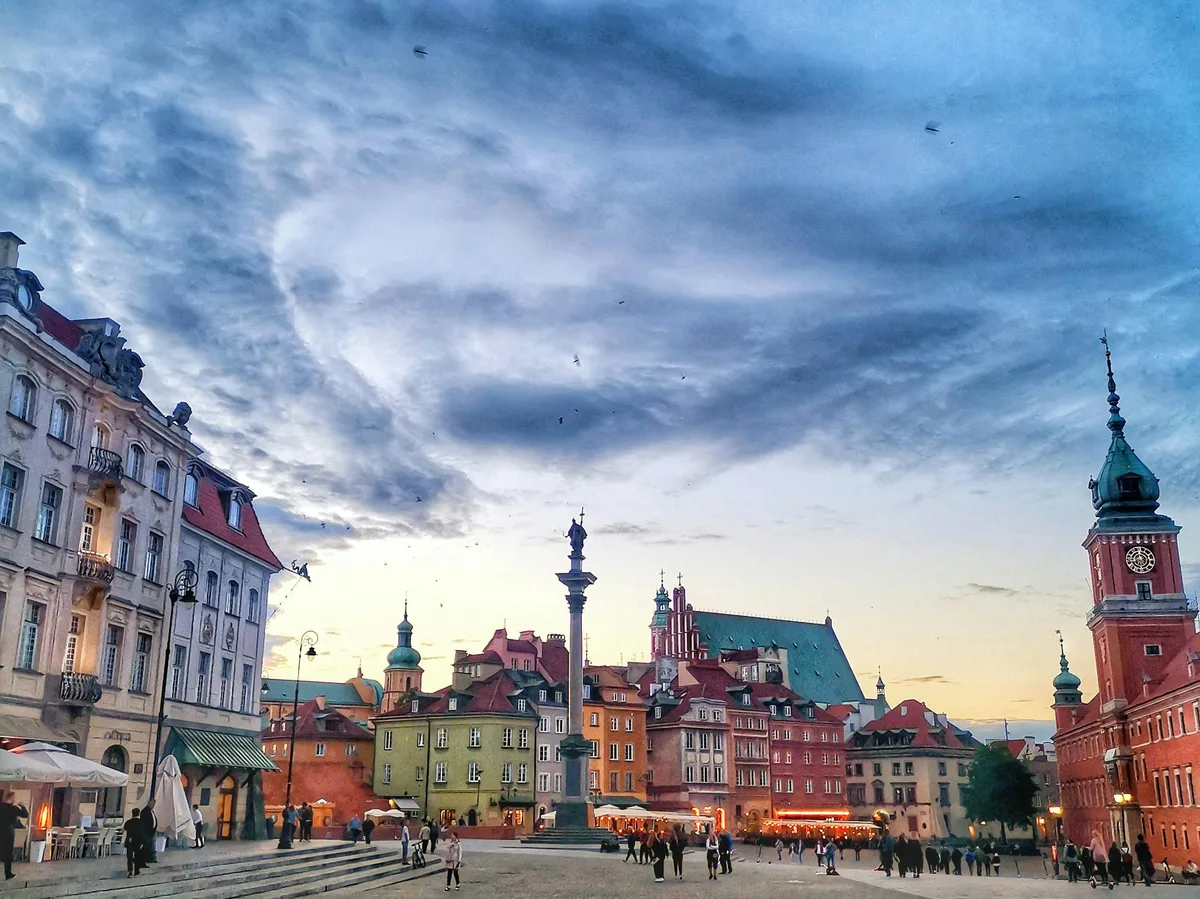
A 12-day route across Poland — Warsaw's Old Town and Wilanów Palace, the Baltic coast at Gdańsk and Sopot, Poznań and Wrocław, Krakow's Wawel Castle and Kazimierz, the Wieliczka Salt Mine, Auschwitz-Birkenau, and the Tatra Mountains at Zakopane.
 Multi-Day Tours
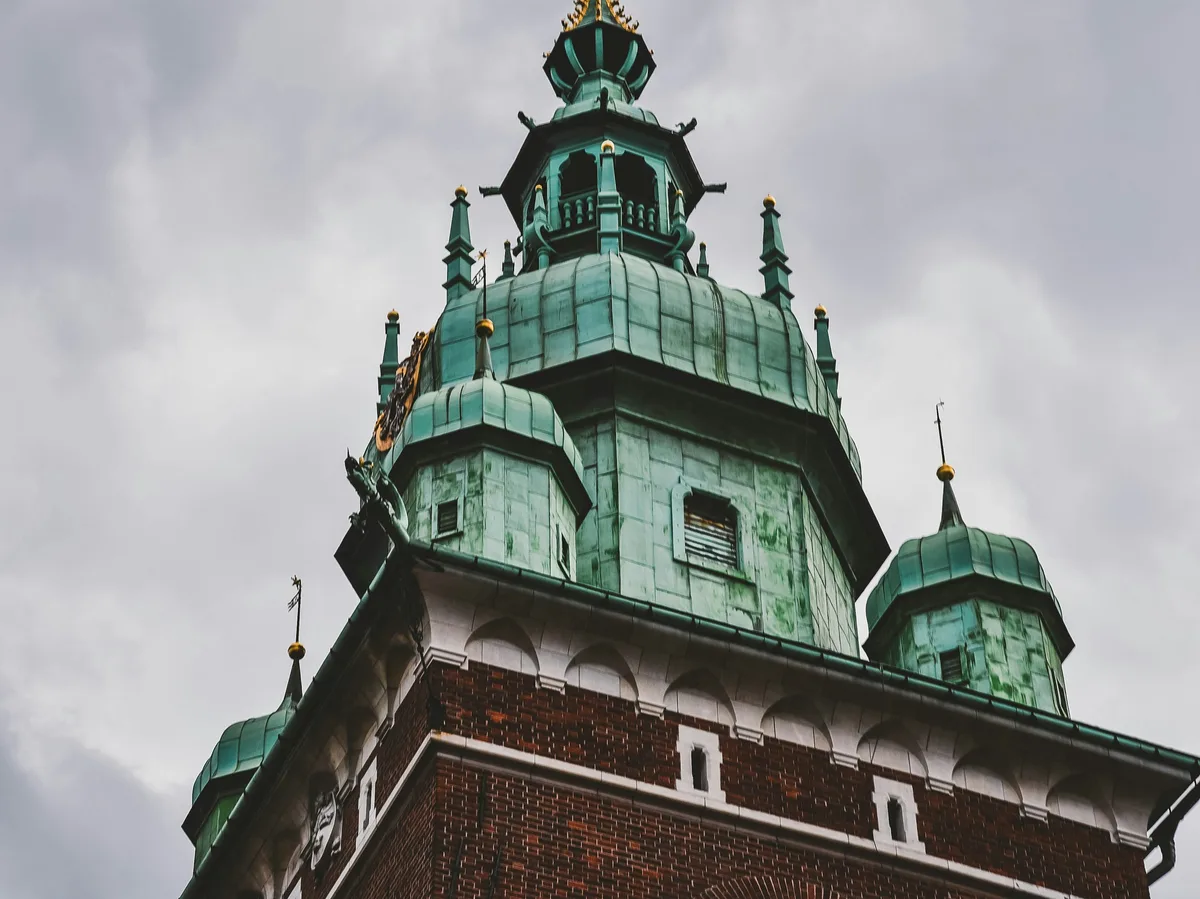
A 7-day route through Krakow and the Małopolska region — the Old Town and Kazimierz Jewish Quarter, Auschwitz-Birkenau, the Tatra Mountains at Zakopane, Ojców National Park, the Wieliczka Salt Mine, and the birthplace of Pope John Paul II in Wadowice.
Visitor guide
Wawel Royal Castle and Wawel Cathedral stand together on a limestone hill above the Vistula River in Krakow, Poland. For centuries the hill was the seat of Polish kings and a symbol of Polish statehood, and today it combines a Renaissance royal palace, now a museum, with the cathedral where monarchs were crowned and buried.
According to Wikipedia, archaeological studies point to settlement on Wawel Hill as early as the Middle Paleolithic, and wooden structures date from the 9th century, with the earliest stone buildings appearing in the 10th and 11th centuries. Among the oldest surviving remains is the Rotunda of the Virgin Mary, probably from the turn of the 10th and 11th centuries. The diocese of Krakow was established in the year 1000, and the hill became a royal residence in the 11th century, remaining the seat of national government for much of the Middle Ages and the Renaissance. The capital moved to Warsaw in 1596, though Wawel kept its symbolic role and the cathedral continued to host coronations.
The hill is also tied to folklore. The legend of the Wawel Dragon, first mentioned by the chronicler Wincenty Kadlubek in the 12th century, says a beast lived in a cave beneath the hill until the legendary prince Krakus defeated it. A modern fire-breathing dragon statue stands near the Dragon's Den, one of the limestone caves that honeycomb the hill.
The present castle grew from a Gothic residence built under Casimir III the Great, who reigned from 1333 to 1370. After a fire in 1499, King Sigismund I the Old rebuilt the palace between 1507 and 1536 in the Renaissance style, aided by Italian artisans and encouraged by his Italian-born wife, Bona Sforza. The result is the arcaded courtyard with tiered galleries, which Wikipedia describes as having a distinctly Polish character, including a steep roof and an upper arcade taller than those below it.
Inside, the castle is now one of Poland's leading art museums, with collections that include Italian Renaissance paintings, arms and armor, period furniture, and more than 350 Flemish tapestries commissioned by Sigismund and his son, known as the Jagiellonian tapestries. The museum also holds what Wikipedia calls the largest collection of Ottoman tents in Europe. The Hen's Foot Tower and Danish Tower date from the reign of Wladyslaw II Jagiello and Queen Jadwiga, and the coronation sword Szczerbiec is associated with the castle's Gothic-era rooms.
Formally the Archcathedral Basilica of Saint Stanislaus and Saint Wenceslaus, Wawel Cathedral is the third church on its site. The first was destroyed in the 11th century and the second burned in 1305; the present Gothic building was begun in the 14th century and consecrated in 1364. From 1320 until the final coronation there in 1734 it was the setting for the investiture of Polish monarchs.
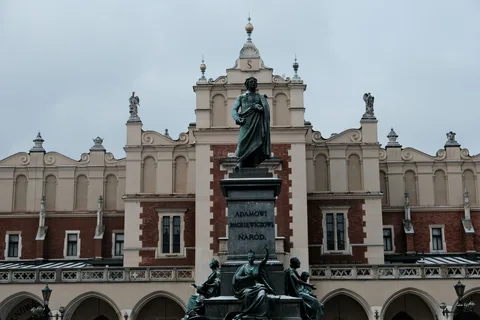
The cathedral is also a national pantheon. Kings including Wladyslaw I the Elbow-high, Casimir III the Great and Casimir IV Jagiellon are buried here, along with later national figures such as Tadeusz Kosciuszko, Prince Jozef Poniatowski and the poet Adam Mickiewicz. Its best-known chapel is Sigismund's Chapel, built in the early 16th century, between about 1519 and 1533 according to the cathedral's website (some sources give 1517), by the Florentine architect Bartolommeo Berrecci and topped with a gilded dome; Wikipedia quotes a view that it may be the purest example of Renaissance architecture outside Italy. Karol Wojtyla, the future Pope John Paul II, offered his first Mass in the Wawel crypt in 1946 and was ordained a bishop in the cathedral in 1958.
Wawel forms part of the Historic Centre of Krakow, which was among the first sites inscribed on the UNESCO World Heritage List in 1978. The complex is large and layered, with a castle museum, cathedral, crypts, towers and defensive walls, so a guided visit helps make sense of the many building phases. A private tour with a driver and local guide suits the site, letting your group focus on the royal apartments, the cathedral and the views over the Vistula at its own pace.
See every tour and attraction we cover in Poland.