TorontoOntario · 36 tours
 Niagara FallsOntario · 25 tours
 New York CityNew York · 30 tours
 Las VegasNevada · 8 tours
 San FranciscoCalifornia · 16 tours
 VancouverBritish Columbia · 17 tours
 DubaiUAE · 54 tours
 Abu DhabiUAE · 5 tours
 Buenos AiresArgentina · 23 tours
 AthensGreece · 31 tours
 AucklandNew Zealand · 38 tours
 CancunMexico · 54 tours
No destinations match “”. Try searching all tours instead — that search understands full questions, not just place names.
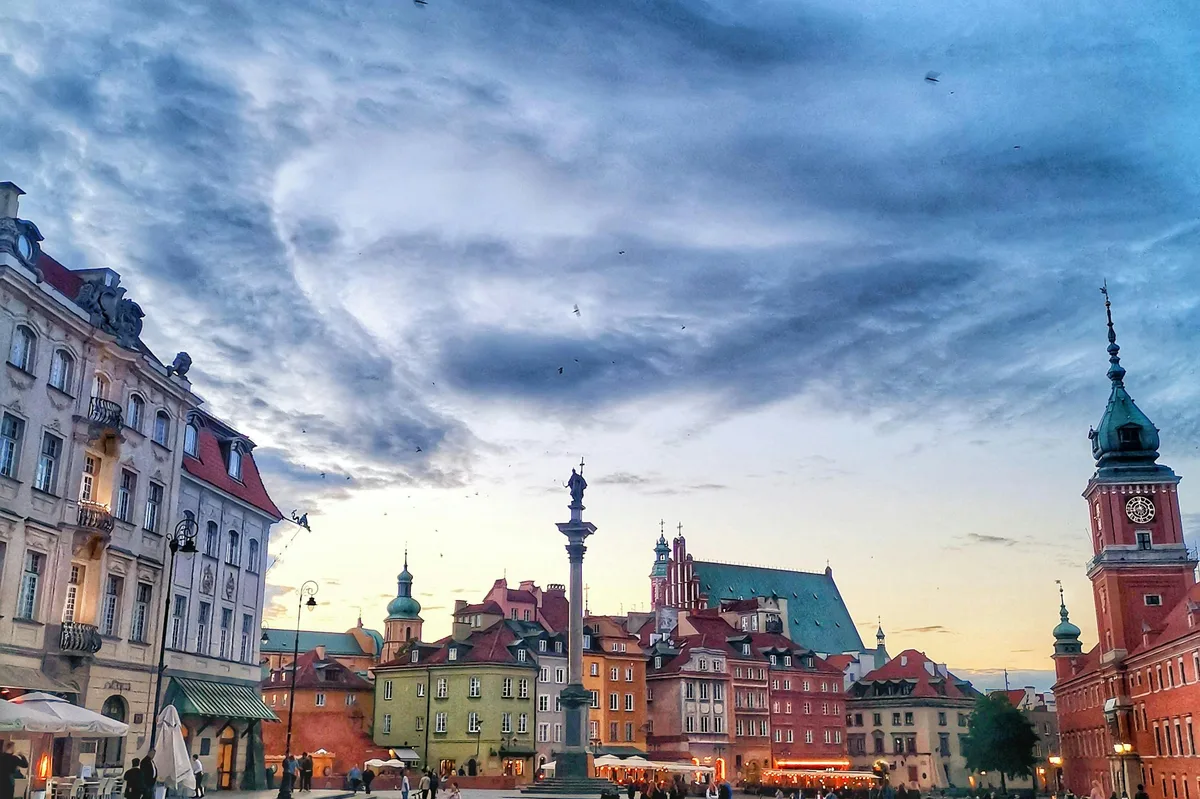
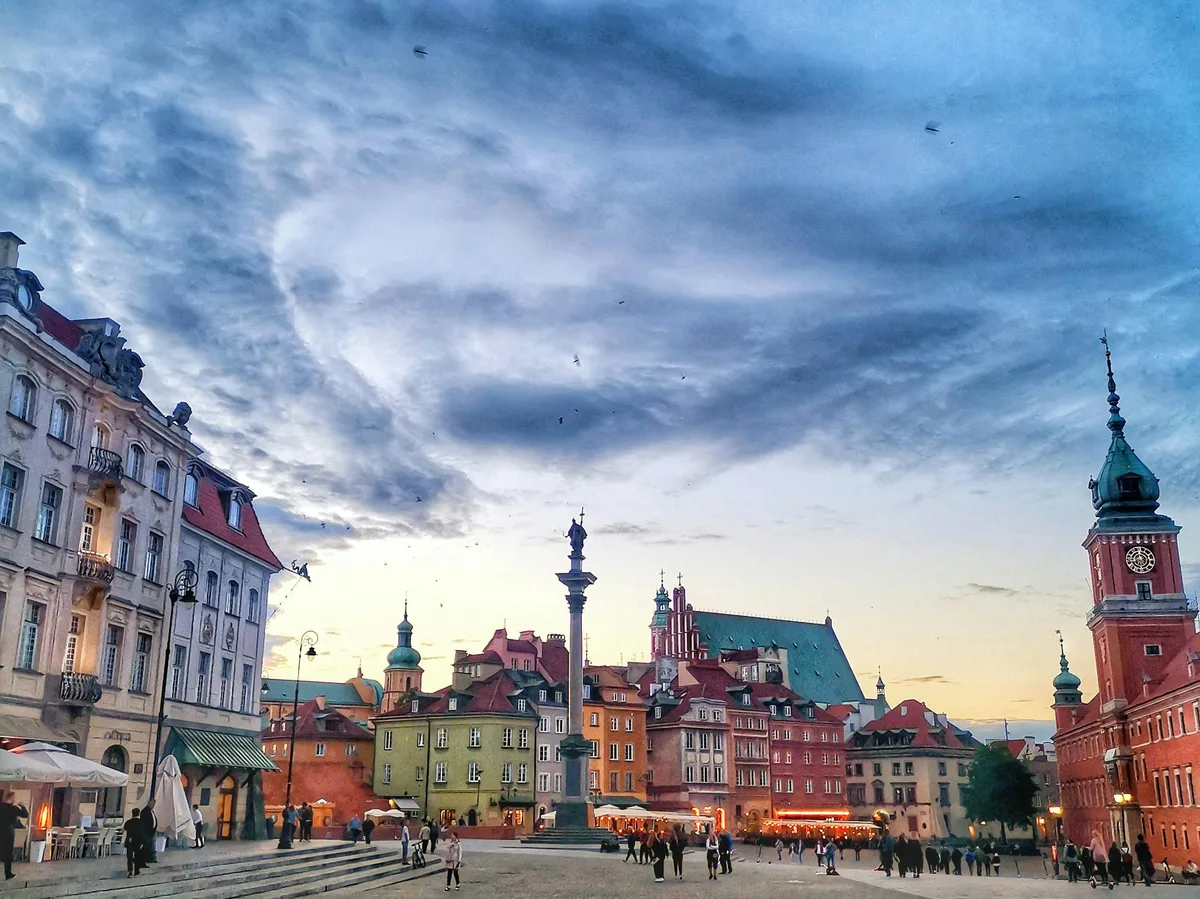
A UNESCO World Heritage Site rebuilt after WWII, with the colorful facades of its Market Square, the Royal Castle, and the Barbican gateway forming the historic heart of Poland's capital.
Visitor guide
Warsaw Old Town is the historic heart of Poland's capital, a district of colorful townhouses, squares, churches and fortifications on the Vistula escarpment. Nearly destroyed in the Second World War and then painstakingly rebuilt, it is a UNESCO World Heritage Site and one of Warsaw's best-known places to walk.
According to Wikipedia, the Old Town was established in the 13th century and received town privileges around 1300. It was first surrounded by an earthwork rampart and, before 1339, by brick city walls. The settlement grew up around the castle of the Dukes of Mazovia, which later became the Royal Castle. The Old Town Market Place was laid out in the late 13th or early 14th century along the road linking the castle with the New Town to the north, and until the end of the 18th century it was the heart of all of Warsaw. The Town Hall, built before 1429, stood in the middle of the square until it was demolished in 1817. Houses around the square were Gothic until a great fire in 1607, after which they were rebuilt in late Renaissance style.
Much of the district was badly damaged by German bombing in 1939. After the Warsaw Uprising of August to October 1944, what remained standing was systematically blown up by the German army. A statue known as the Little Insurgent now stands on the medieval city wall in memory of the uprising.
The rebuilding was carried out by the Warsaw Reconstruction Office. Preparatory work ran from 1945 to 1947, and most construction took place from 1947 to 1951; the rebuilt Old Town was officially inaugurated on 22 July 1953. Wikipedia notes that as many original bricks as possible were reused and rubble was sifted for decorative elements to put back in their places. The 18th-century views painted by Bernardo Bellotto and prewar architecture students' drawings were important sources, although the reconstruction was not always precisely faithful to the prewar buildings.
Castle Square is the first view of the Old Town for most visitors arriving from the modern city center. It is dominated by Sigismund's Column, erected in 1644 by King Wladyslaw IV to honor his father Sigismund III Vasa, who moved the capital from Krakow to Warsaw. The square lies between the Old Town and the Royal Castle, which became the seat of Poland's president and his chancellery in 1918. Canon Square, a small triangular space behind St. John's Cathedral, takes its name from 17th-century houses belonging to the cathedral canons; it contains a bell cast in 1646 by Daniel Tym, who also cast the statue on top of Sigismund's Column. Other landmarks listed by Wikipedia include the city walls, the Barbican gateway and the Warsaw Mermaid statue.
UNESCO inscribed the Old Town in 1980 as an outstanding example of a near-total reconstruction of a span of history covering the 13th to the 20th century. It is also an official Polish Historic Monument, designated in 1994. In 2011 the Archive of the Warsaw Reconstruction Office was added to UNESCO's Memory of the World register. A private guided walk with a local guide, with your driver handling transfers, is a good way to learn how the district was rebuilt and to see the details that tell the story.
See every tour and attraction we cover in Poland.