TorontoOntario · 36 tours
 Niagara FallsOntario · 25 tours
 New York CityNew York · 30 tours
 Las VegasNevada · 8 tours
 San FranciscoCalifornia · 16 tours
 VancouverBritish Columbia · 17 tours
 DubaiUAE · 54 tours
 Abu DhabiUAE · 5 tours
 Buenos AiresArgentina · 23 tours
 AthensGreece · 31 tours
 AucklandNew Zealand · 38 tours
 CancunMexico · 54 tours
No destinations match “”. Try searching all tours instead — that search understands full questions, not just place names.
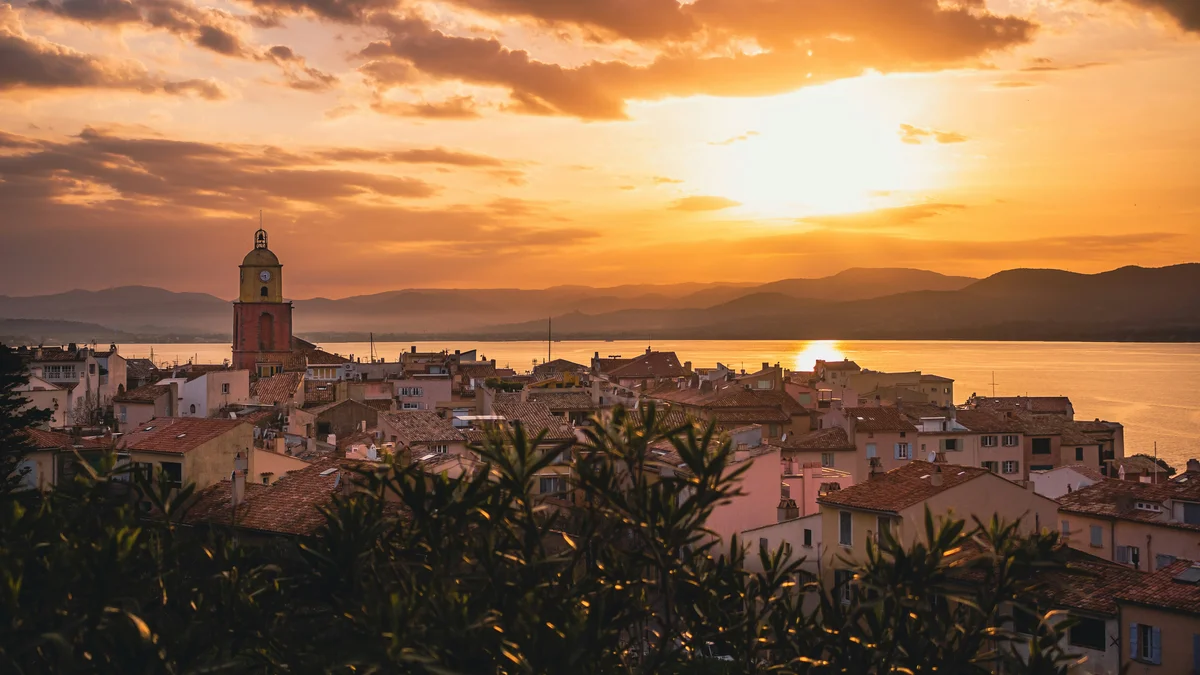
Voyzo runs 125 tours across 4 destinations in France, covering 22 attractions. A private tour means your own guide, driver, and vehicle and an itinerary built around your group rather than a fixed bus schedule.
 Multi-Day Tours Popular Pick
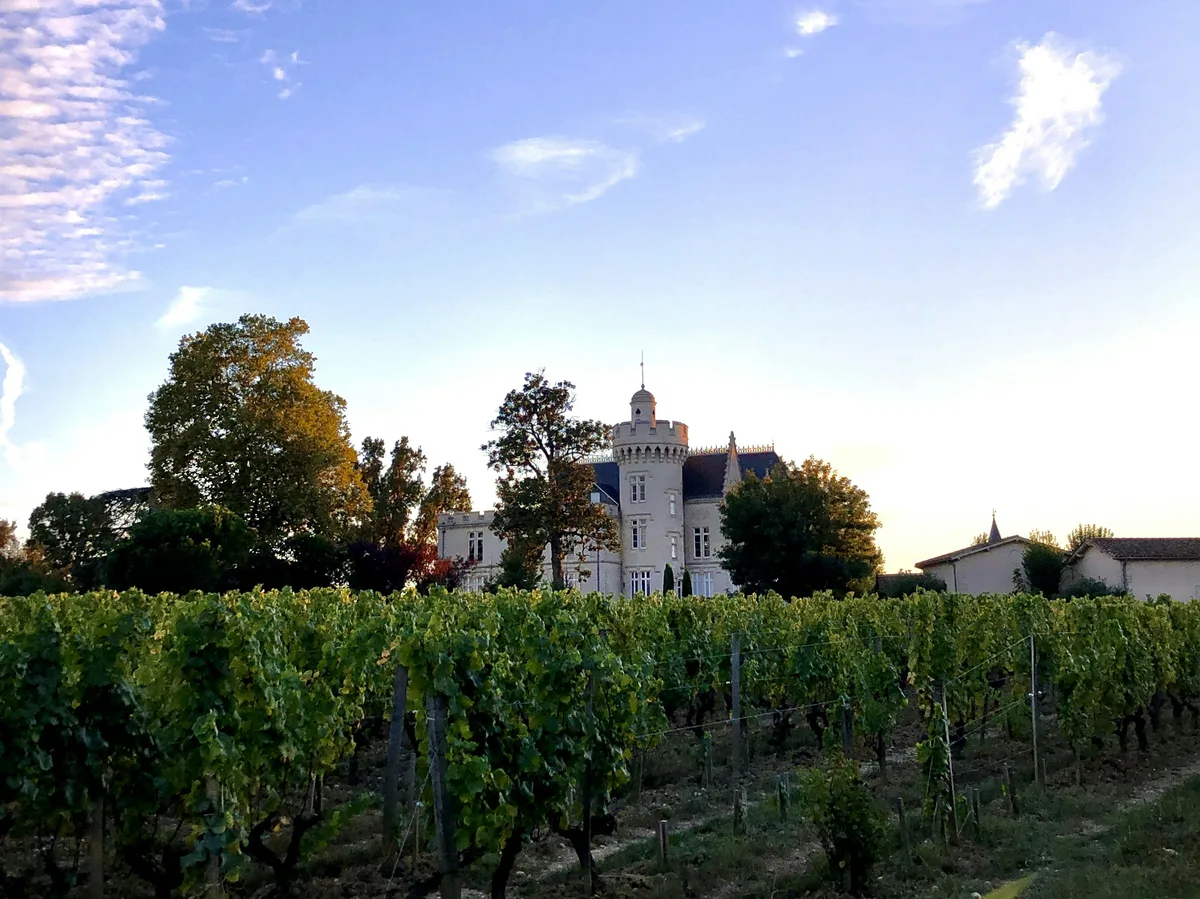
A 12-day food-and-wine circuit through France by train — Bordeaux and the Médoc, back to Paris for the Louvre and Notre-Dame, Burgundy's Beaune, gastronomic Lyon, and Provence's Avignon.
 Multi-Day Tours
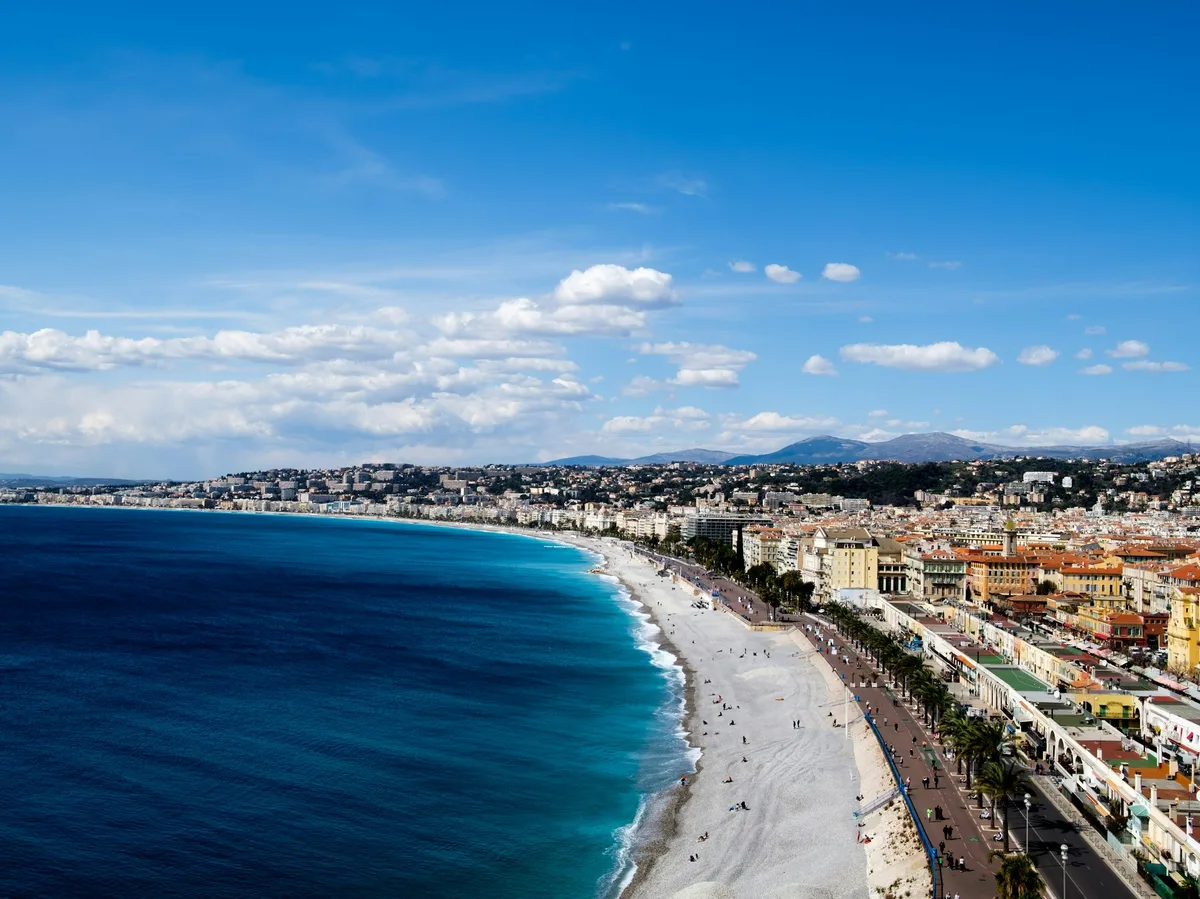
An 11-day train journey across France — Le Marais, the Louvre, and the Eiffel Tower in Paris, Beaujolais wine country from Lyon, the Palais des Papes in Avignon, the Calanques of Cassis, and the Promenade des Anglais in Nice.
 Multi-Day Tours
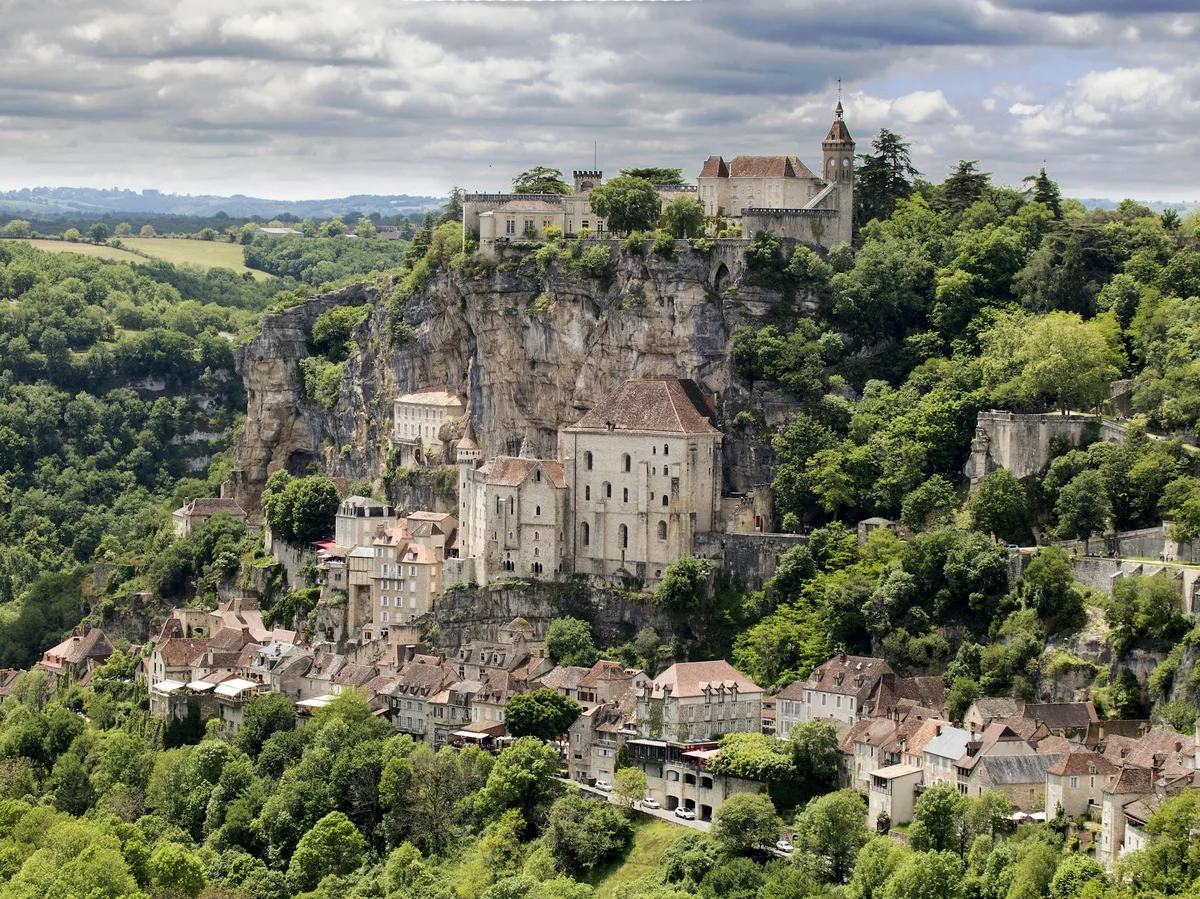
A 10-day private route through Southwest France — Bordeaux's wine scene, the UNESCO village of Saint-Émilion, medieval Sarlat and the Lascaux cave paintings, cliffside Rocamadour, Cahors, and Toulouse, the Pink City.
 Private Tours Popular Pick
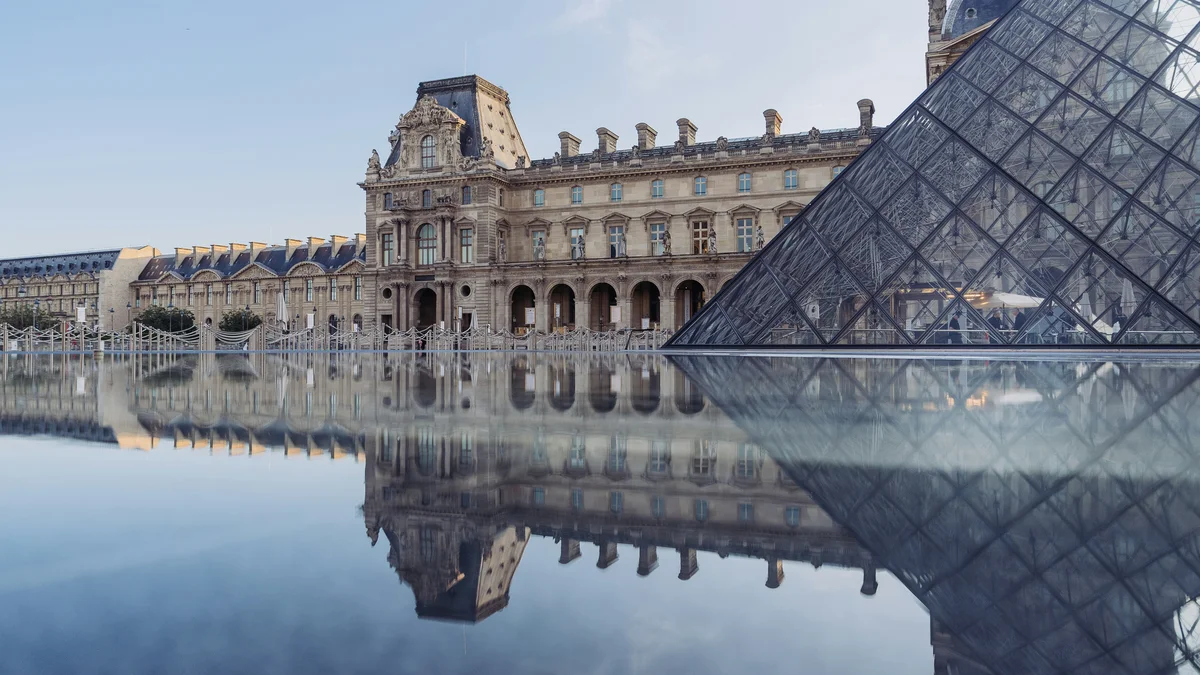
A private tour for your group only — the real Mona Lisa, Venus de Milo, and the Louvre's genuine essential collection, led by a private guide.
 Private Tours
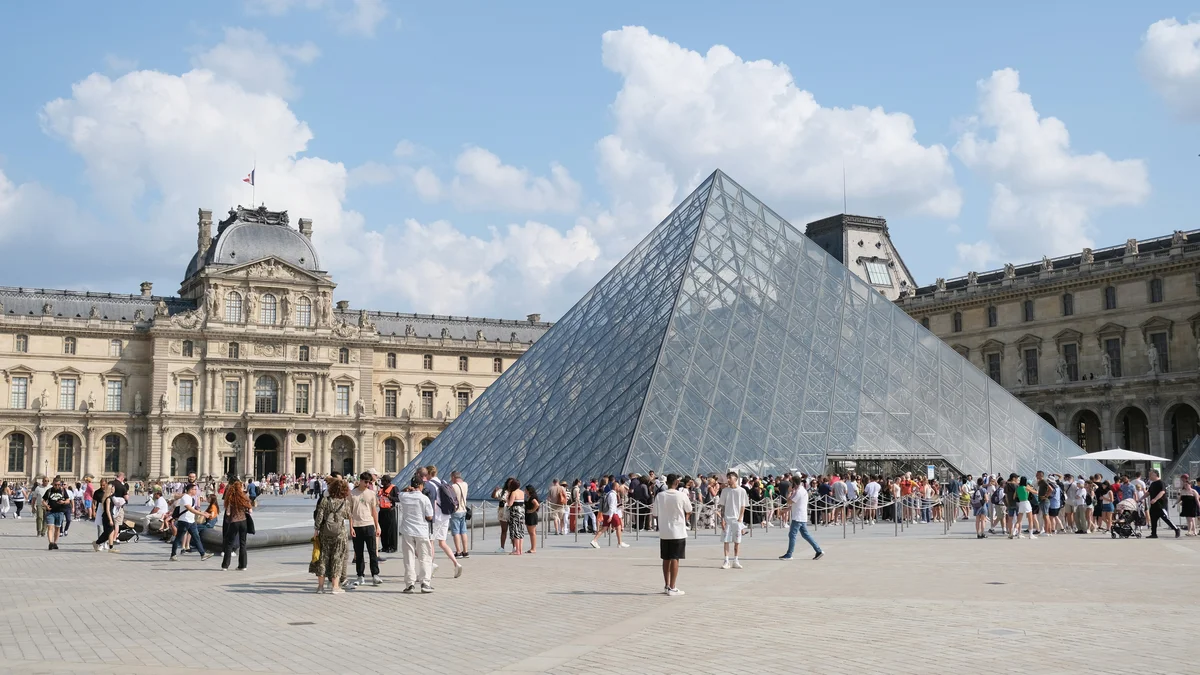
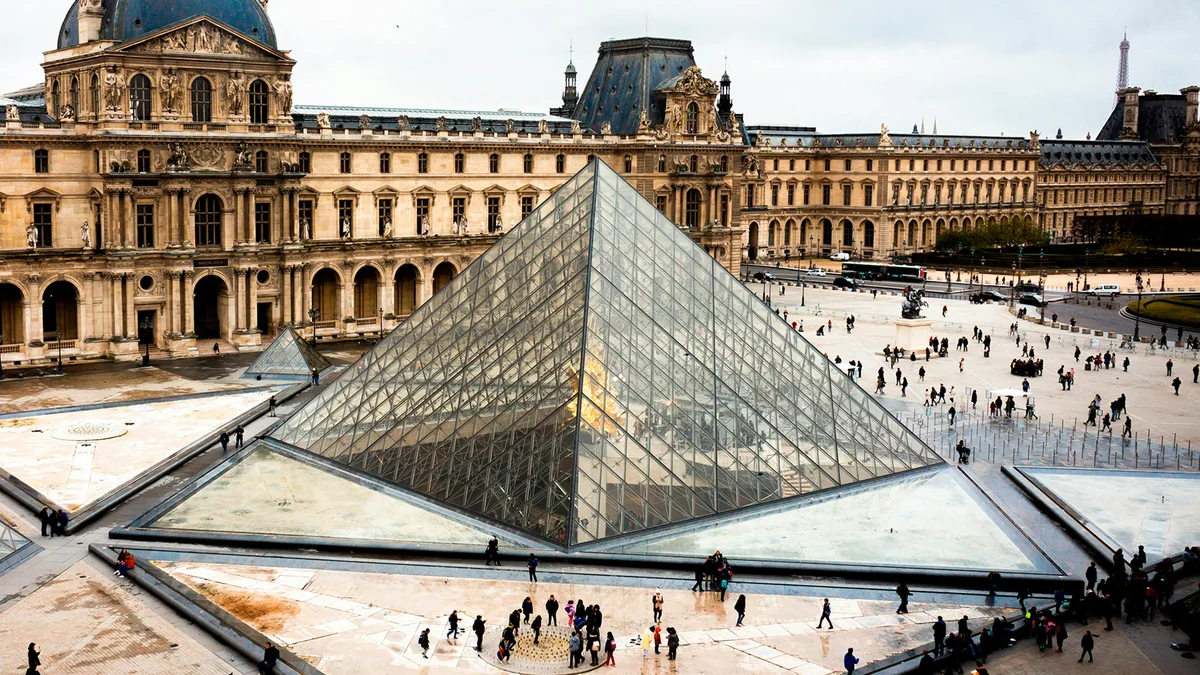
A private tour for your group only, in a real focused one-hour format — the genuine Mona Lisa and the Louvre's top highlights, for groups short on time.
 Private Tours
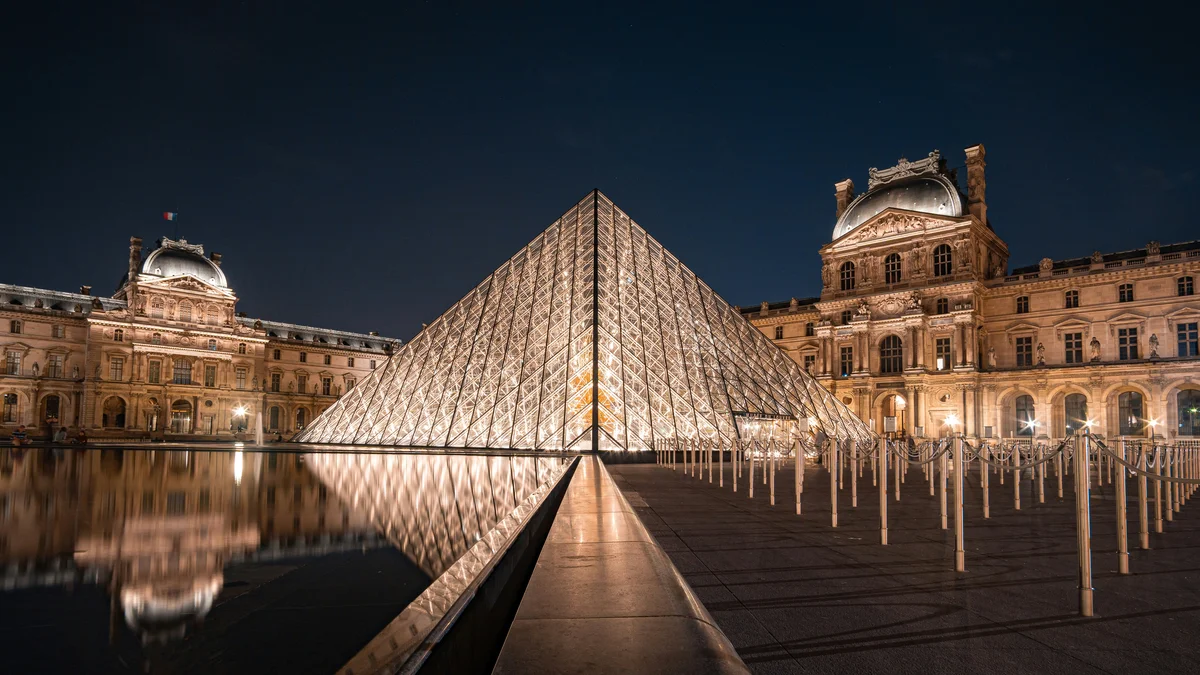
A private tour for your group only, specifically designed for accessibility — a genuine, dedicated accessible route through the Louvre's real collection.
 Private Tours
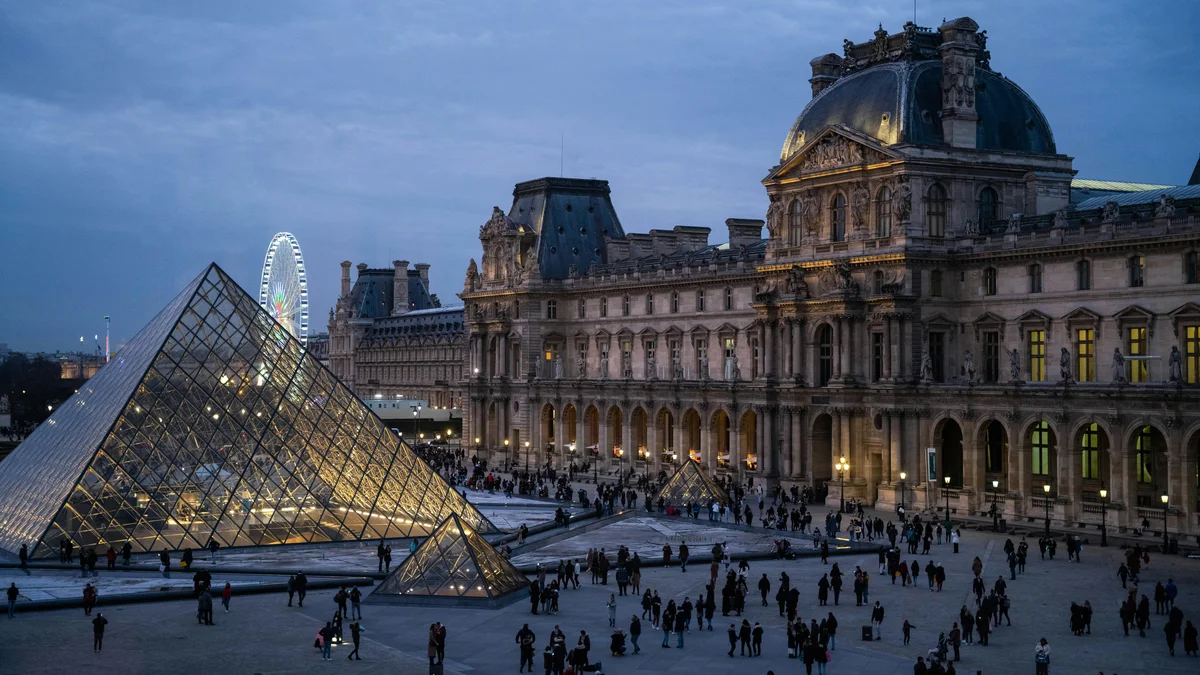
A private tour for your group only, timed for the Louvre's real evening hours — a genuinely quieter, less-crowded way to see the museum's masterpieces.
 Private Tours
A private tour for your group only — a real, interactive treasure-hunt format through the Louvre's masterpieces, genuinely designed for families.
The real stops Voyzo's own itineraries are built around — tap any attraction to learn more.
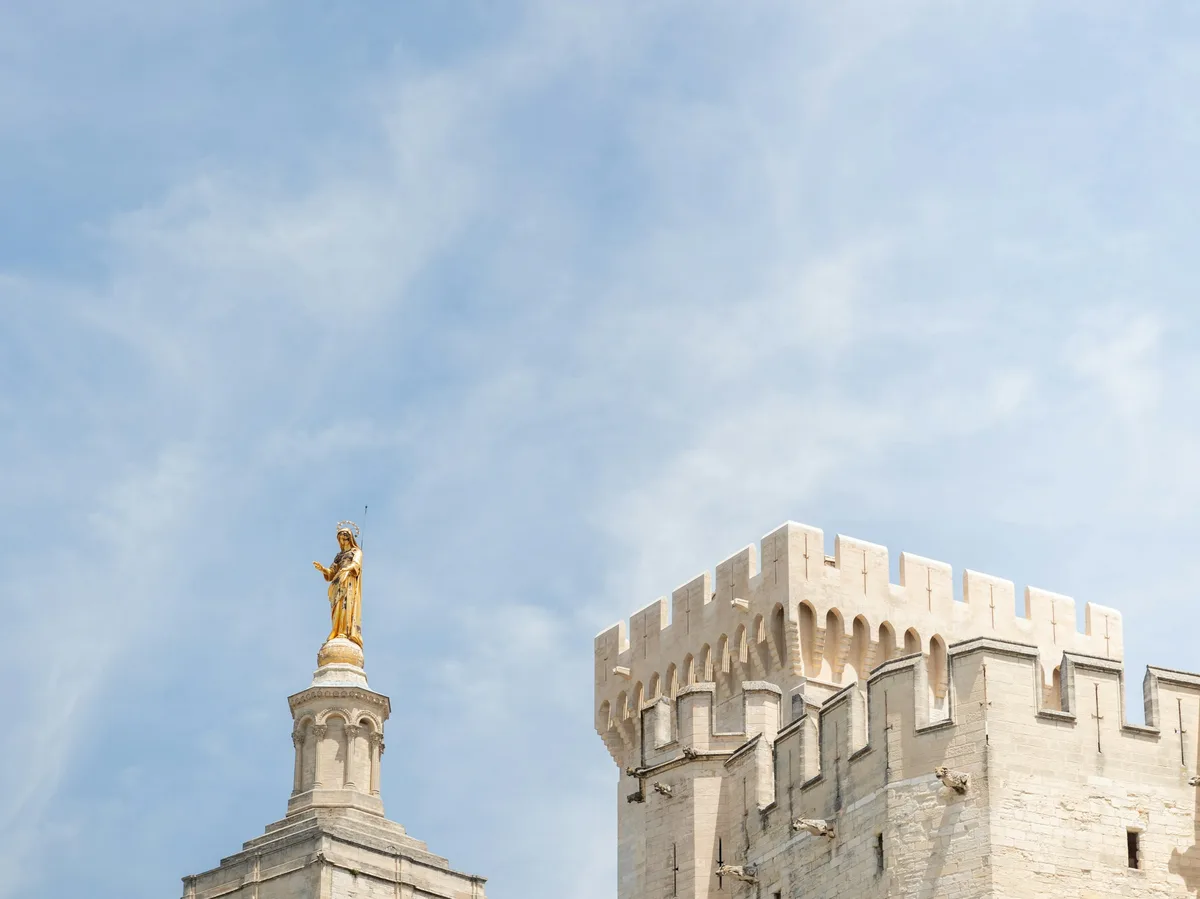 Palais des Papes, Avignon
France
The Palace of the Popes, one of the largest and most important medieval Gothic buildings in Europe, built in the 14th century when Avignon was the seat of the papacy.
2
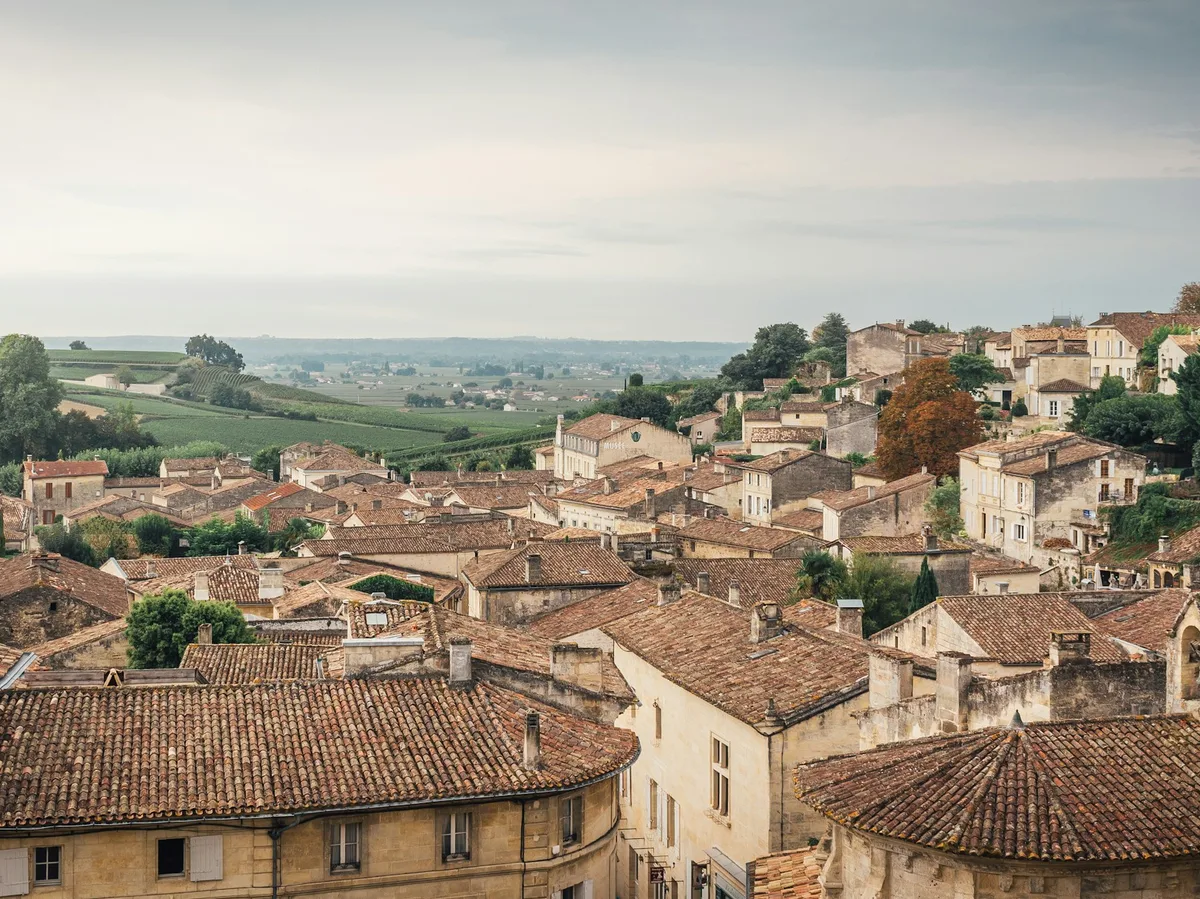 Saint-Émilion
France
A UNESCO World Heritage wine village near Bordeaux, famous for its medieval monolithic church, underground catacombs, and the vineyards that surround it.
3
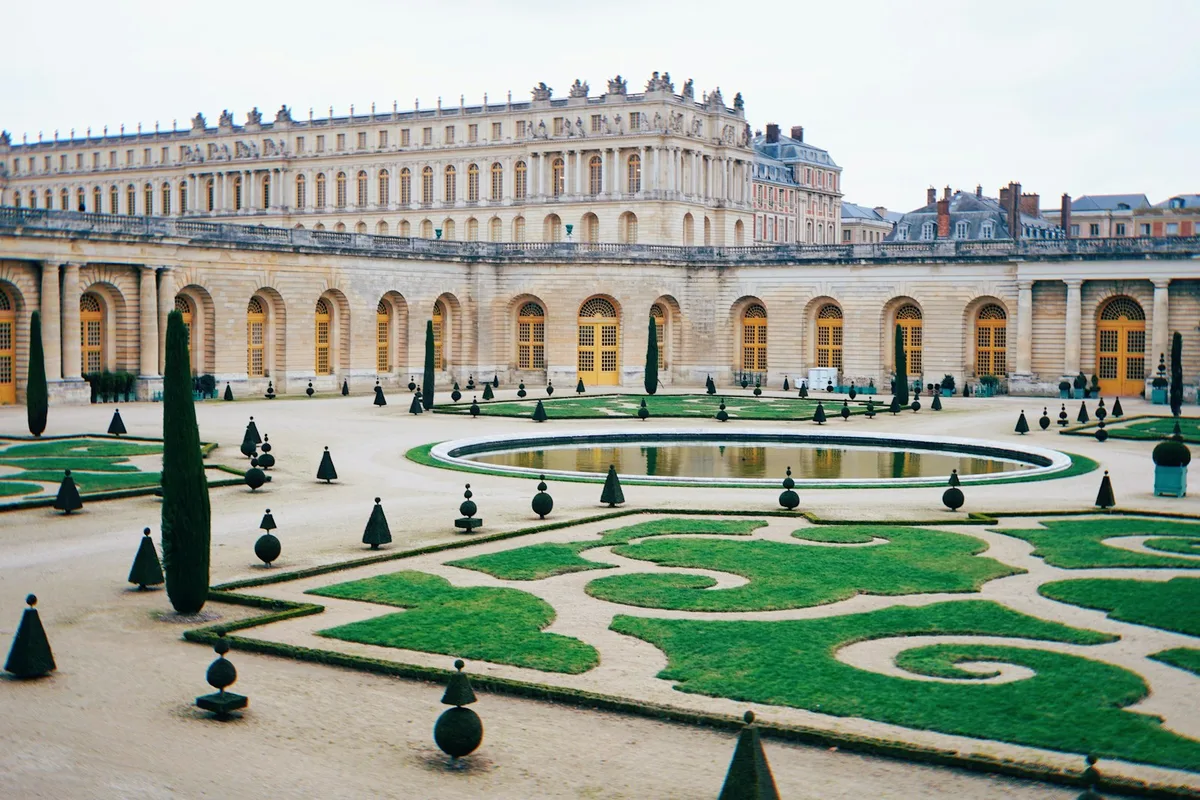 Palace of Versailles
France
The vast royal palace built for Louis XIV outside Paris, famous for the Hall of Mirrors and its formal gardens with fountains, a UNESCO World Heritage Site and one of France's most visited monuments.
4
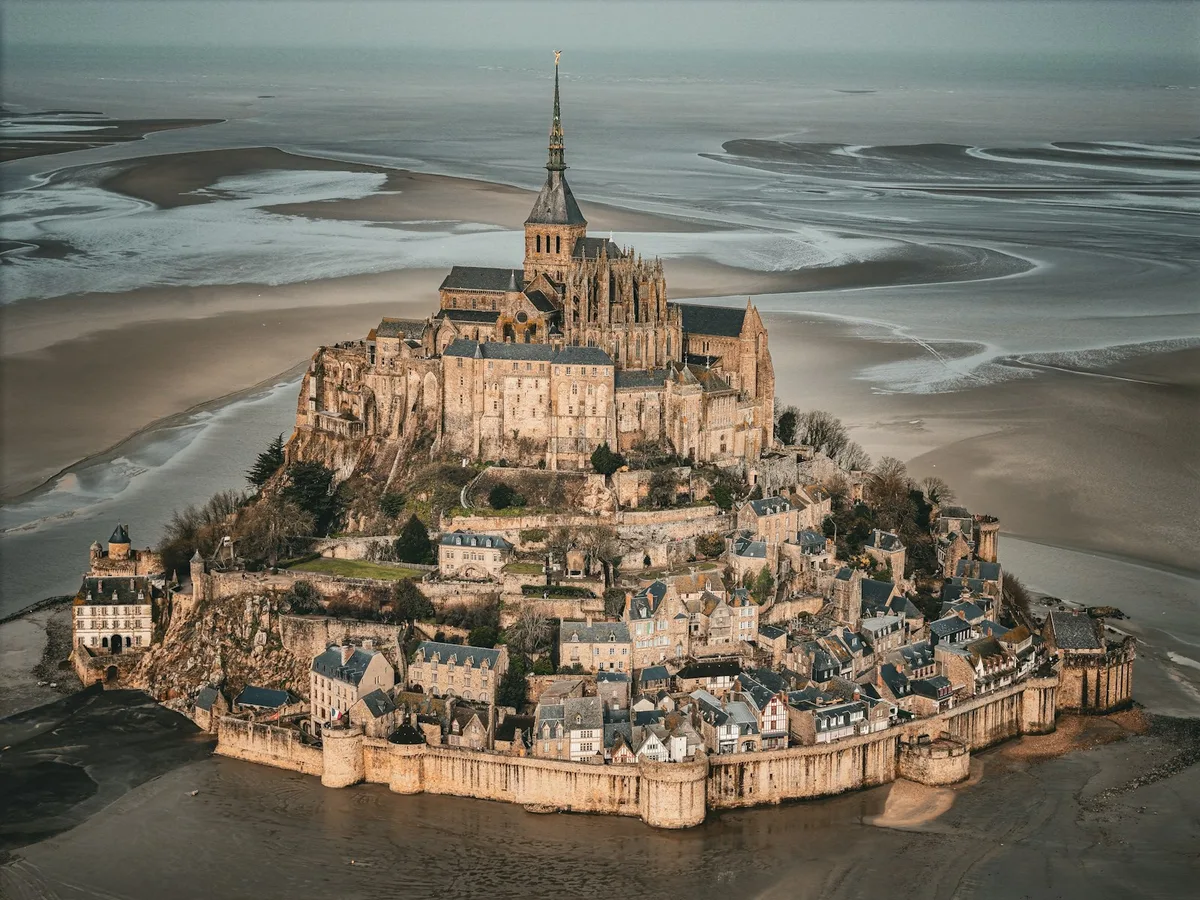 Mont Saint-Michel
France
A rocky tidal island in Normandy crowned by a medieval Benedictine abbey, connected to the mainland by a causeway and surrounded by some of Europe's most dramatic tidal shifts.
5
Lascaux IV, the International Centre for Cave Art
France
A full-scale facsimile of the original Lascaux cave in the Dordogne, built to protect the real 17,000-year-old Paleolithic paintings while letting visitors see faithful reproductions of the horse and bull galleries.
6
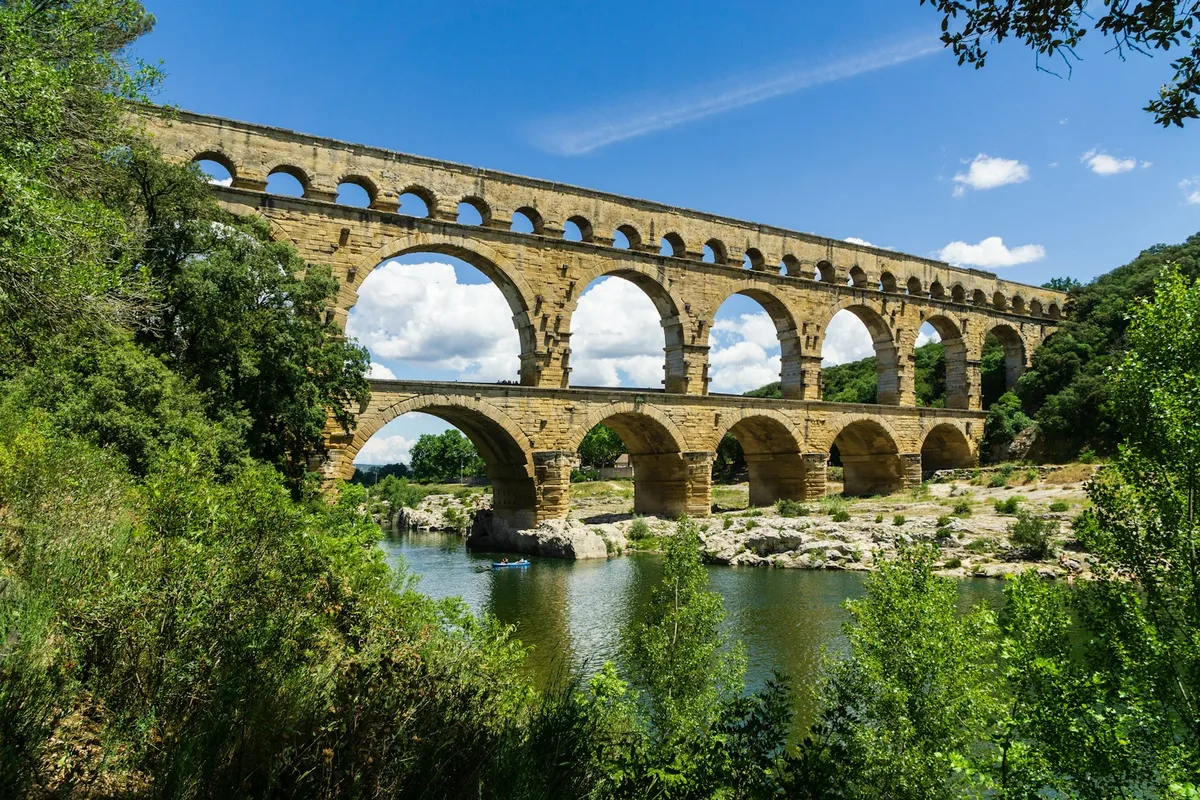 Pont du Gard
France
A Roman aqueduct bridge in Provence built in the 1st century AD to carry water nearly 50 kilometers to Nîmes, its three tiers of stone arches among the best-preserved Roman structures anywhere.
7
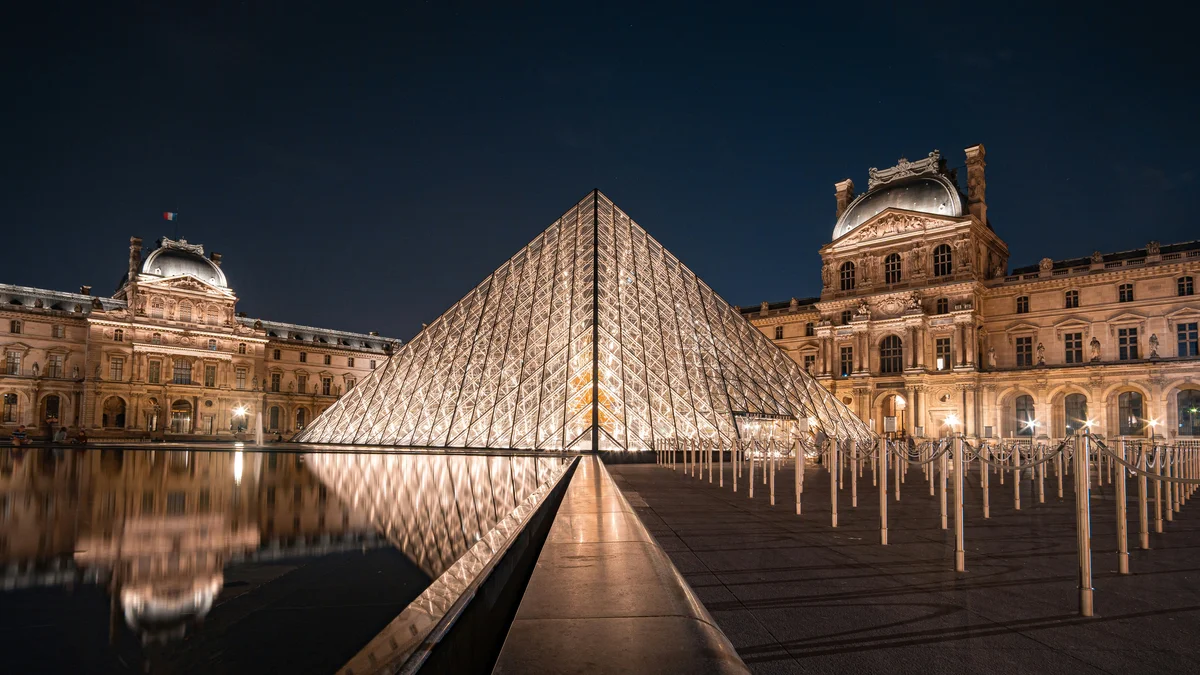 The Louvre
Paris
The world's largest art museum, housed in a former royal palace on the banks of the Seine, with I.M. Pei's glass Pyramid entrance added in 1989. Its collection spans thousands of years, including the Mona Lisa, the Venus de Milo, and the Winged Victory of Samothrace. Expect crowds around the most famous works, but the museum's sheer scale means quieter wings are never far away.
8
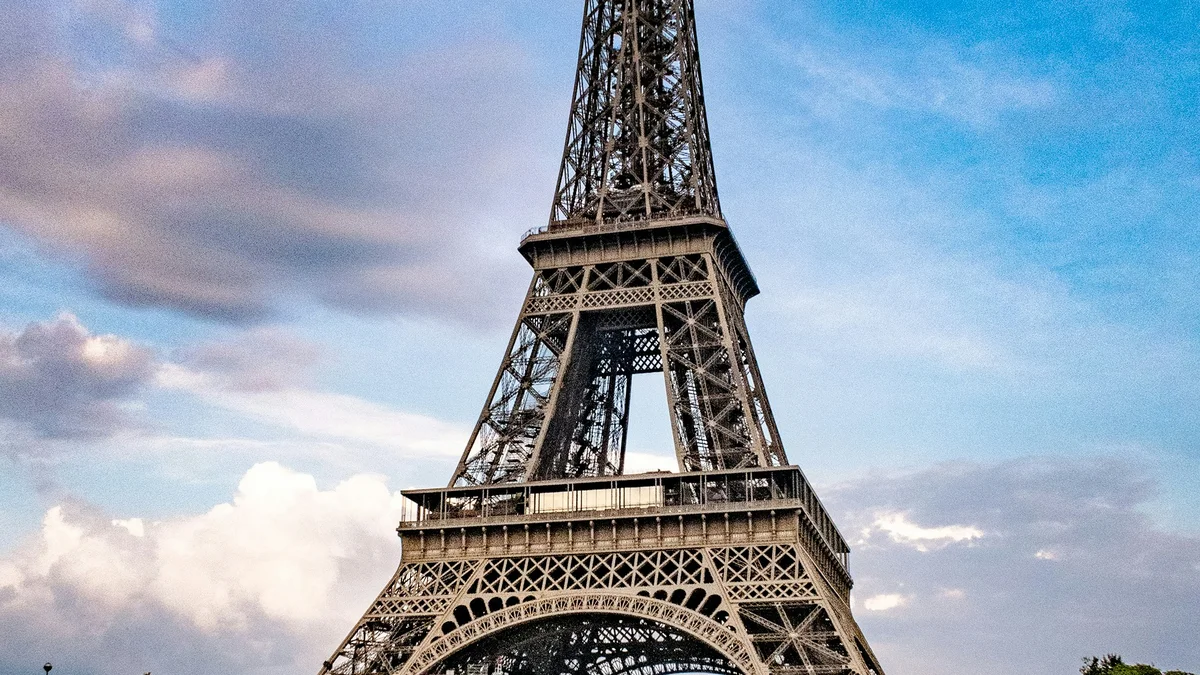 Eiffel Tower
Paris
Built by Gustave Eiffel's engineering firm for the 1889 World's Fair, the 330-metre iron lattice tower was originally meant to be temporary and dismantled after 20 years. It held the title of the world's tallest man-made structure for over four decades. Today it remains one of the most-visited paid monuments on Earth, with observation decks offering sweeping views across Paris.
9
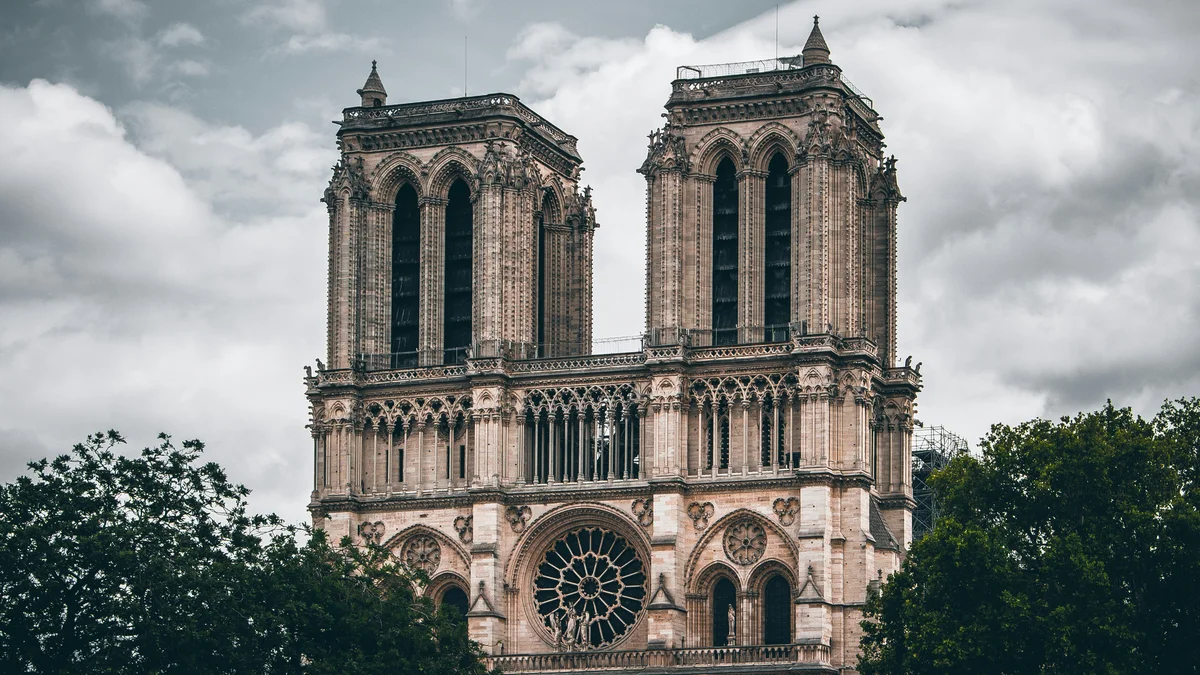 Notre-Dame Cathedral
Paris
Construction of this Gothic masterpiece on the Île de la Cité began in 1163 and took nearly two centuries to complete, giving Paris its famous flying buttresses and rose windows. A devastating fire in April 2019 destroyed the spire and much of the roof, triggering a years-long international restoration effort. The cathedral reopened to visitors and worshippers in December 2024.
10
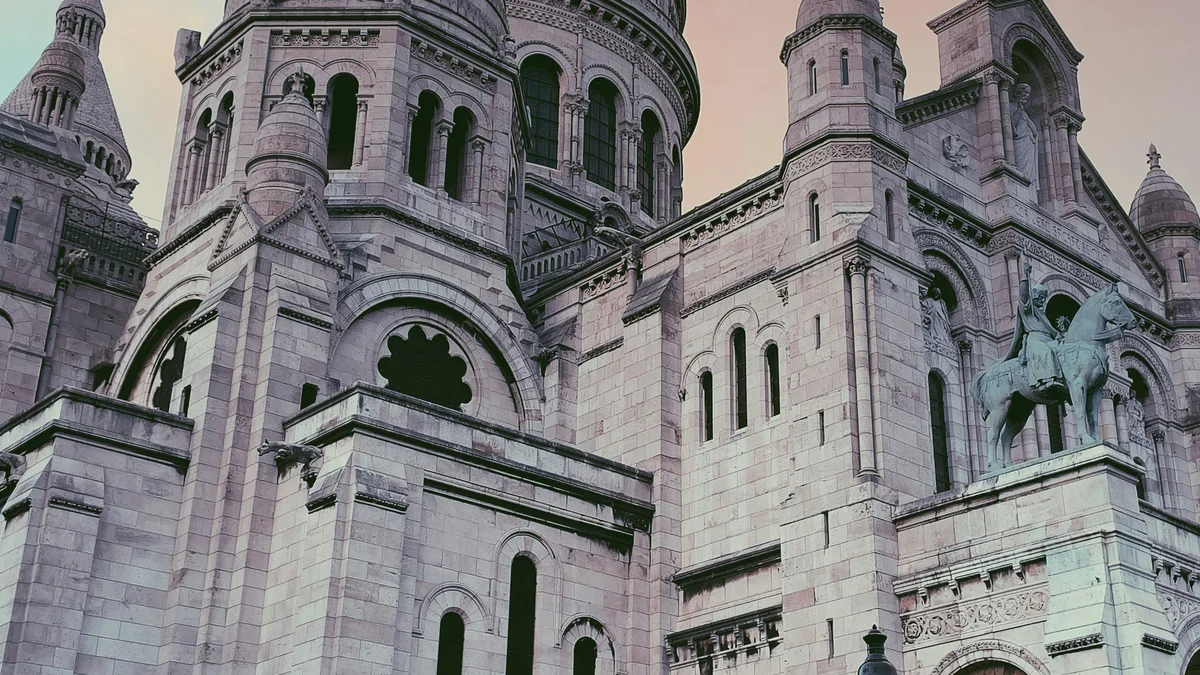 Montmartre & Sacré-Cœur
Paris
This hilltop neighborhood is crowned by the white-domed Sacré-Cœur Basilica, a Romano-Byzantine church built from self-cleaning travertine stone and consecrated in 1919. Its winding cobblestone streets and steep staircases were once home to artists like Picasso and Renoir, and the area still draws painters to Place du Tertre today. The basilica's steps offer one of the best panoramic views over Paris.
11
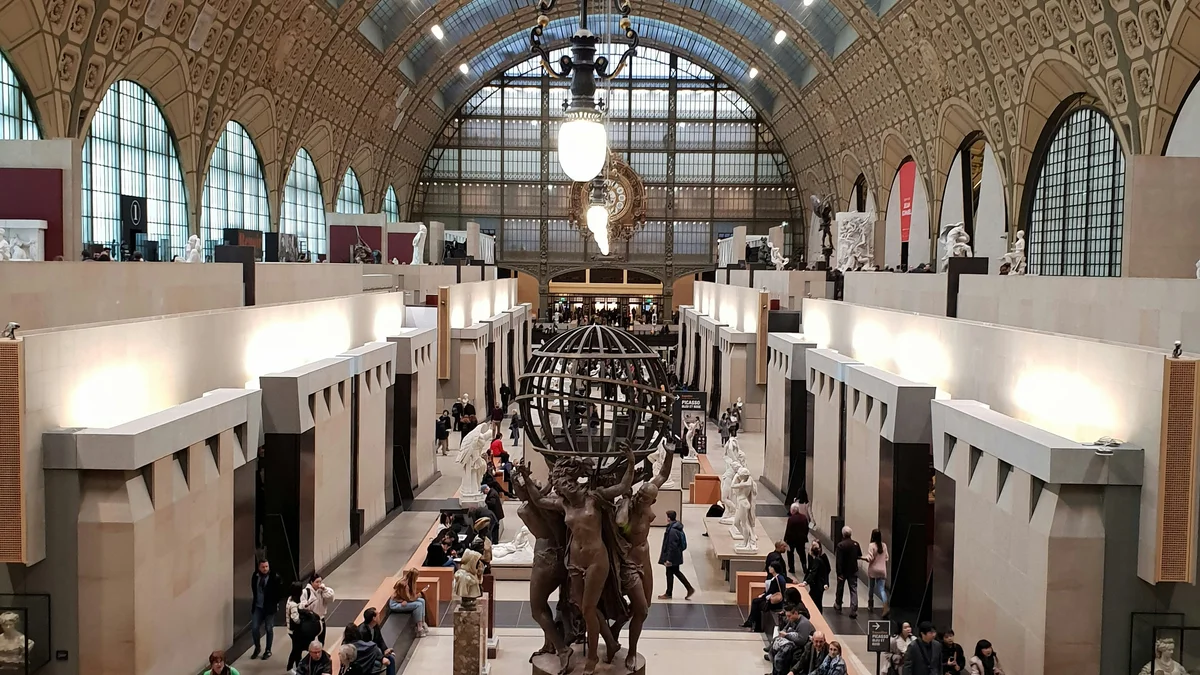 Musée d'Orsay
Paris
Once the Gare d'Orsay railway station, this Beaux-Arts building was converted into a museum and opened in 1986, keeping its grand glass-vaulted hall and ornate station clock. It now holds the world's largest collection of Impressionist and Post-Impressionist masterpieces, with major works by Monet, Van Gogh, Degas, and Renoir. The building's architecture is as much a draw as the art inside it.
12
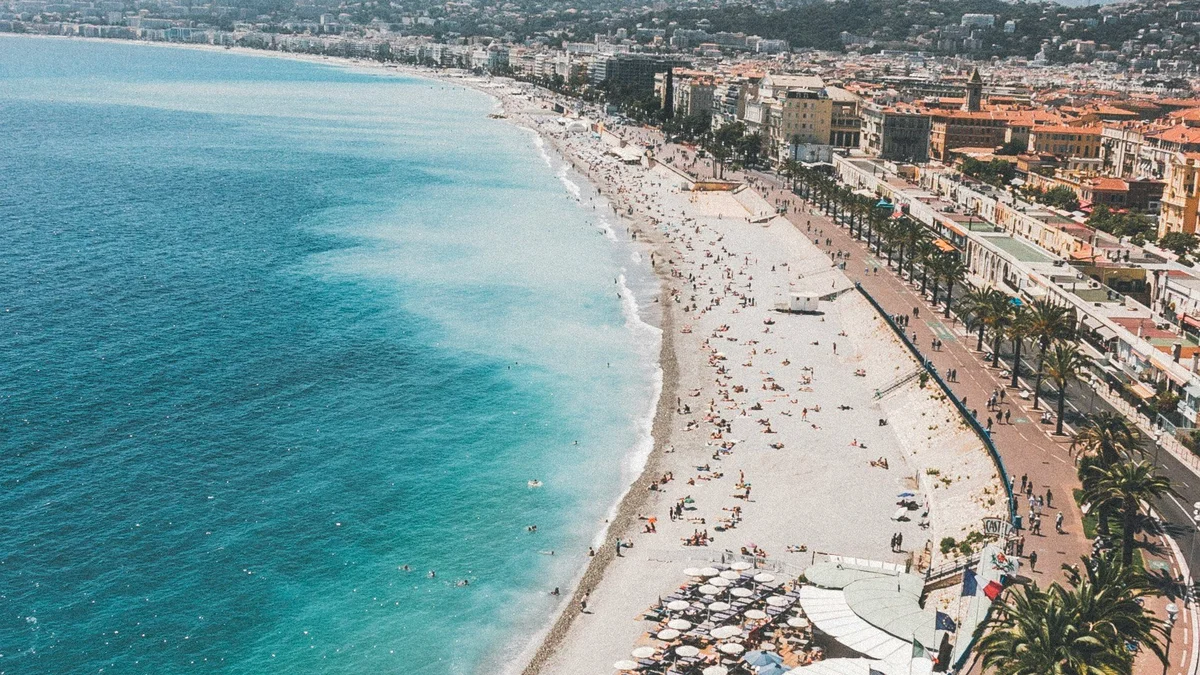 Promenade des Anglais
Nice
Nice's famous seafront walkway takes its name, meaning 'Promenade of the English,' from the wealthy British winter visitors who funded its earliest construction in the 1820s. It now stretches roughly four miles along the curve of the Baie des Anges, lined with Belle Époque hotels like the Negresco and rows of palm trees, backed by the pebble beaches that define Nice's coastline. The promenade remains the city's most iconic public space for walking, cycling, and simply taking in the Mediterranean.
France is part of the Schengen Area. Citizens of the US, Canada, UK, Australia, and many other countries can enter visa-free for up to 90 days within any 180-day period; check current Schengen requirements before traveling.
France's eight land borders and coastline on three different bodies of water mean the climate and landscape shift significantly by region — the Mediterranean south is dry and warm in summer, while the north stays temperate with rain year-round. Most trips focus on one or two regions rather than trying to cover the whole country.
France uses the euro. A service charge is included by law in restaurant bills, so tipping isn't obligatory, though rounding up or leaving a few extra euros for good service is common.
French is the official language nationwide. English is common in Paris and major tourist areas, but less so in smaller towns and the countryside, where some basic French phrases are genuinely useful.
France's high-speed TGV trains connect major cities like Paris, Lyon, and Nice quickly, while the countryside — Dordogne, Burgundy, Provence's hilltop villages — is easiest to see with a private driver.
Lunch and dinner run later than in the US — restaurants often don't open for dinner until 7:30pm or later. Many museums close on Mondays, and the Louvre specifically closes on Tuesdays, worth checking before planning a day around a particular site.
France is the largest country in Western Europe by area and shares land borders with eight countries — Belgium, Luxembourg, Germany, Switzerland, Italy, Monaco, Spain, and Andorra — giving it a geographic range from the Alps and Pyrenees to Atlantic, Mediterranean, and English Channel coastlines within a single set of borders. It has been a republic under its current constitution, the Fifth Republic, since 1958, and consistently ranks as the world's most-visited country by international tourist arrivals.
That range shows up in the regions themselves: the vineyards of Bordeaux and Burgundy, the hilltop villages of Provence and the Luberon, the cliffside sanctuaries of the Dordogne, and the beaches of the French Riviera all sit within a country where a high-speed TGV train can put you in a different climate and landscape within a few hours. Paris anchors the north with its icons — the Eiffel Tower, the Louvre, Notre-Dame — but a large share of what draws repeat visitors to France lies well outside the capital.
Voyzo's private routes in France are run for your group alone. Where the source itinerary was built around a self-drive rental car, Voyzo adapts it to run with your own private driver and vehicle instead, and each itinerary note discloses exactly how you move between cities, whether by TGV, a scenic countryside drive, or a mix of both.
Tell us your group size and dates — we'll take care of the rest.