TorontoOntario · 36 tours
 Niagara FallsOntario · 25 tours
 New York CityNew York · 30 tours
 Las VegasNevada · 8 tours
 San FranciscoCalifornia · 16 tours
 VancouverBritish Columbia · 17 tours
 DubaiUAE · 54 tours
 Abu DhabiUAE · 5 tours
 Buenos AiresArgentina · 23 tours
 AthensGreece · 31 tours
 AucklandNew Zealand · 38 tours
 CancunMexico · 54 tours
No destinations match “”. Try searching all tours instead — that search understands full questions, not just place names.
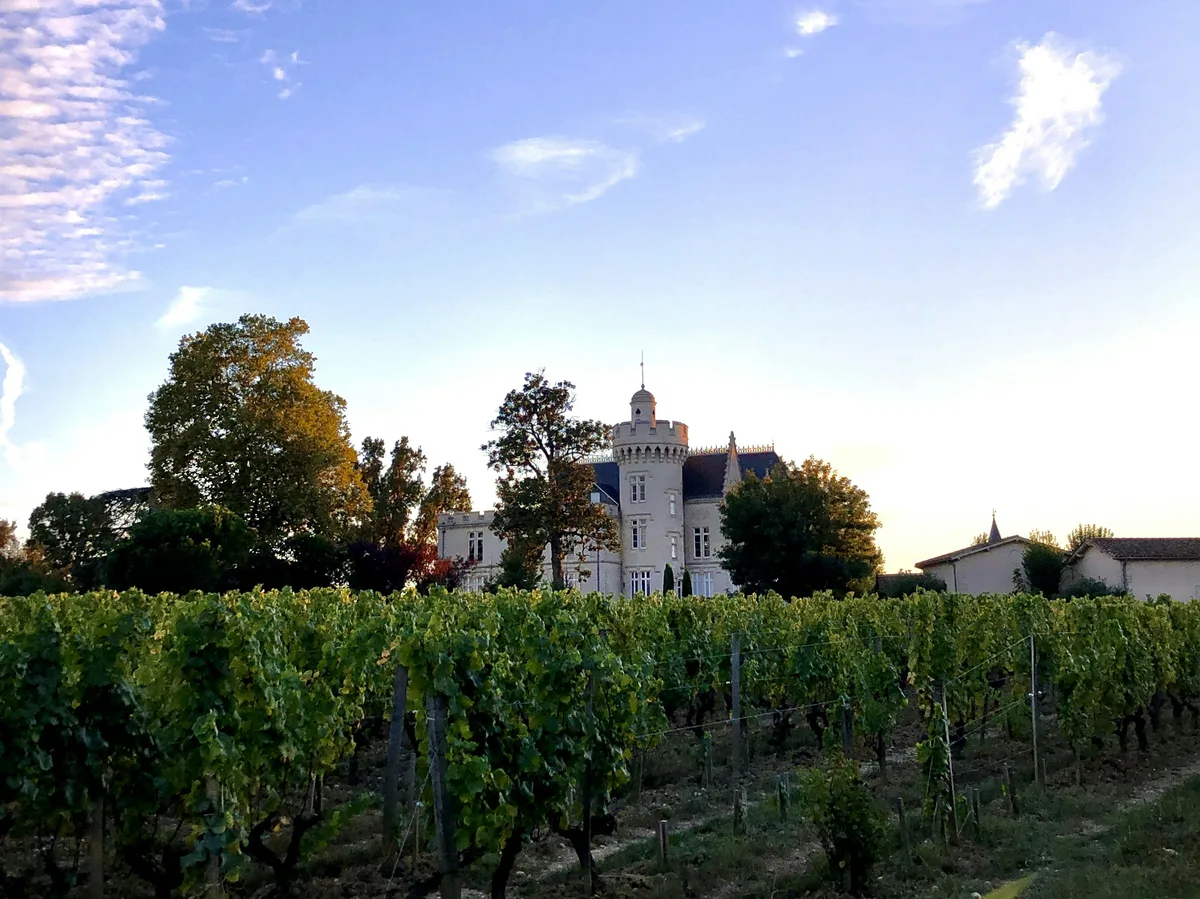
A full-scale facsimile of the original Lascaux cave in the Dordogne, built to protect the real 17,000-year-old Paleolithic paintings while letting visitors see faithful reproductions of the horse and bull galleries.
Visitor guide
Lascaux IV, the International Centre for Cave Art (Centre International de l'Art Parietal), is a museum and full-scale replica of the Lascaux cave near the village of Montignac in the Dordogne department of southwestern France. It stands about 500 metres from the original cave, which has been closed to the public since 1963 to protect its Paleolithic paintings.
Lascaux is a network of caves with more than 600 painted wall images, mostly large animals typical of the local Upper Paleolithic fauna. Their age is usually estimated at 17,000 to 22,000 years, though Wikipedia notes continued debate. The cave was discovered on 12 September 1940 by 18-year-old Marcel Ravidat after his dog investigated a hole left by an uprooted tree; he returned with three friends and they found the walls covered with animals. Galleries received names such as the Hall of the Bulls, the Passageway, the Shaft, the Nave, the Apse and the Chamber of Felines.
The cave opened to visitors on 14 July 1948. By 1955, carbon dioxide, heat and humidity from about 1,200 visitors a day had visibly damaged the paintings, and fungi and lichen began to infest the walls. The cave was closed to the public in 1963 and a daily monitoring system was introduced. Lascaux was inscribed on the UNESCO World Heritage List in 1979 as part of the Prehistoric Sites and Decorated Caves of the Vezere Valley.
Replicas have long been part of how the cave is shared. Lascaux II, a copy of the Great Hall of the Bulls and the Painted Gallery, has been shown near the original since 1983, using materials believed to resemble those used in prehistory. Lascaux III is a travelling exhibition of reproductions of the Nave and Shaft, shown in various countries since 2012.
Lascaux IV is described by Wikipedia as the latest replica, reproducing the entire cave at real scale. It was inaugurated in December 2016 as part of the International Centre for Parietal Art, designed by the architecture firm Snohetta. The museum integrates digital technology, workshops and films into adjacent display rooms.
Lascaux lies in the Vezere drainage basin, in the Black Perigord part of the Dordogne. The Vezere river winds between high limestone cliffs, though near Montignac the landscape softens and the valley widens. Wikipedia notes that the Lascaux valley sits some distance from the main concentration of decorated caves and habitation sites further downstream around Les Eyzies, where dozens of decorated caves and shelters are found.
Because the original cave cannot be entered, Lascaux IV is the way most visitors experience its imagery. It suits a private tour combining Montignac with other Vezere Valley sites; check current arrangements and any timed entry directly with the centre before planning.
See every tour and attraction we cover in France.