TorontoOntario · 36 tours
 Niagara FallsOntario · 25 tours
 New York CityNew York · 30 tours
 Las VegasNevada · 8 tours
 San FranciscoCalifornia · 16 tours
 VancouverBritish Columbia · 17 tours
 DubaiUAE · 54 tours
 Abu DhabiUAE · 5 tours
 Buenos AiresArgentina · 23 tours
 AthensGreece · 31 tours
 AucklandNew Zealand · 38 tours
 CancunMexico · 54 tours
No destinations match “”. Try searching all tours instead — that search understands full questions, not just place names.
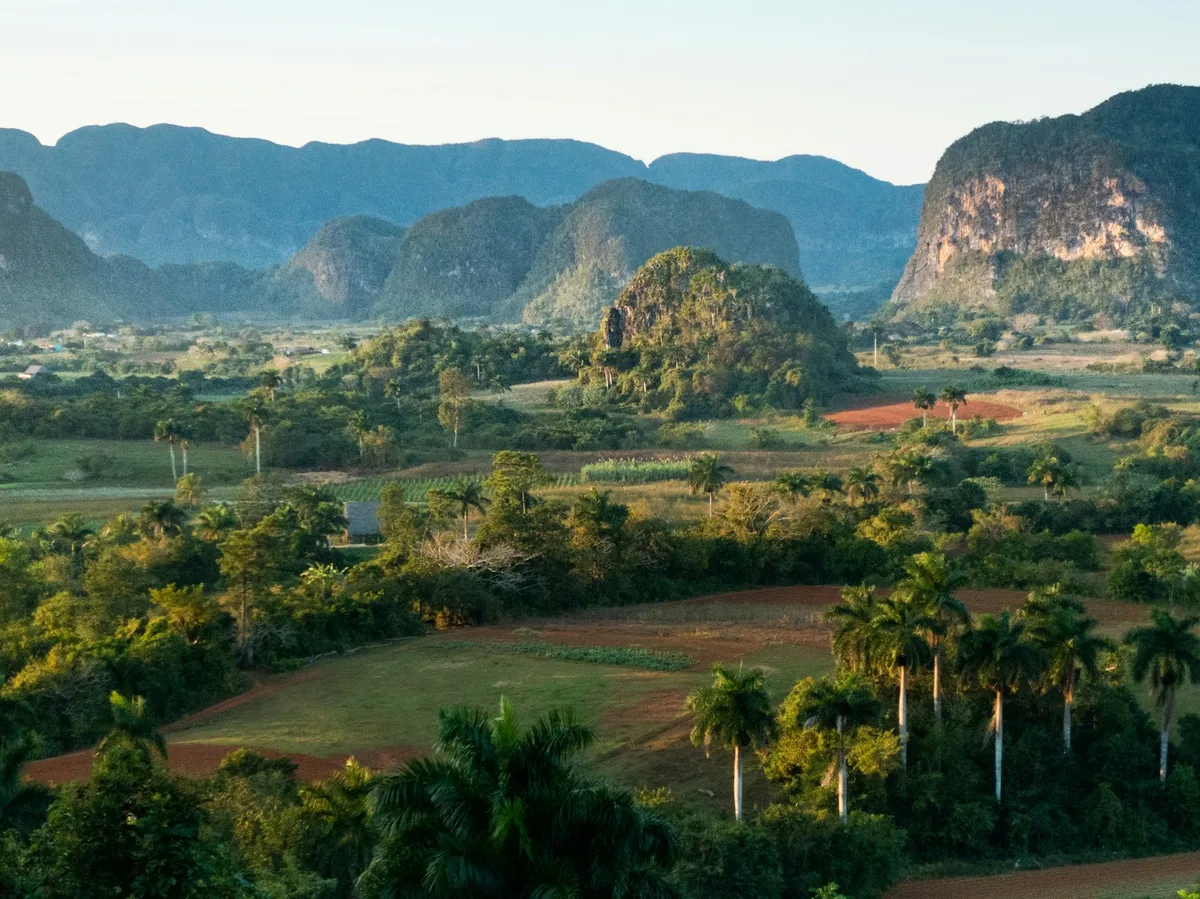
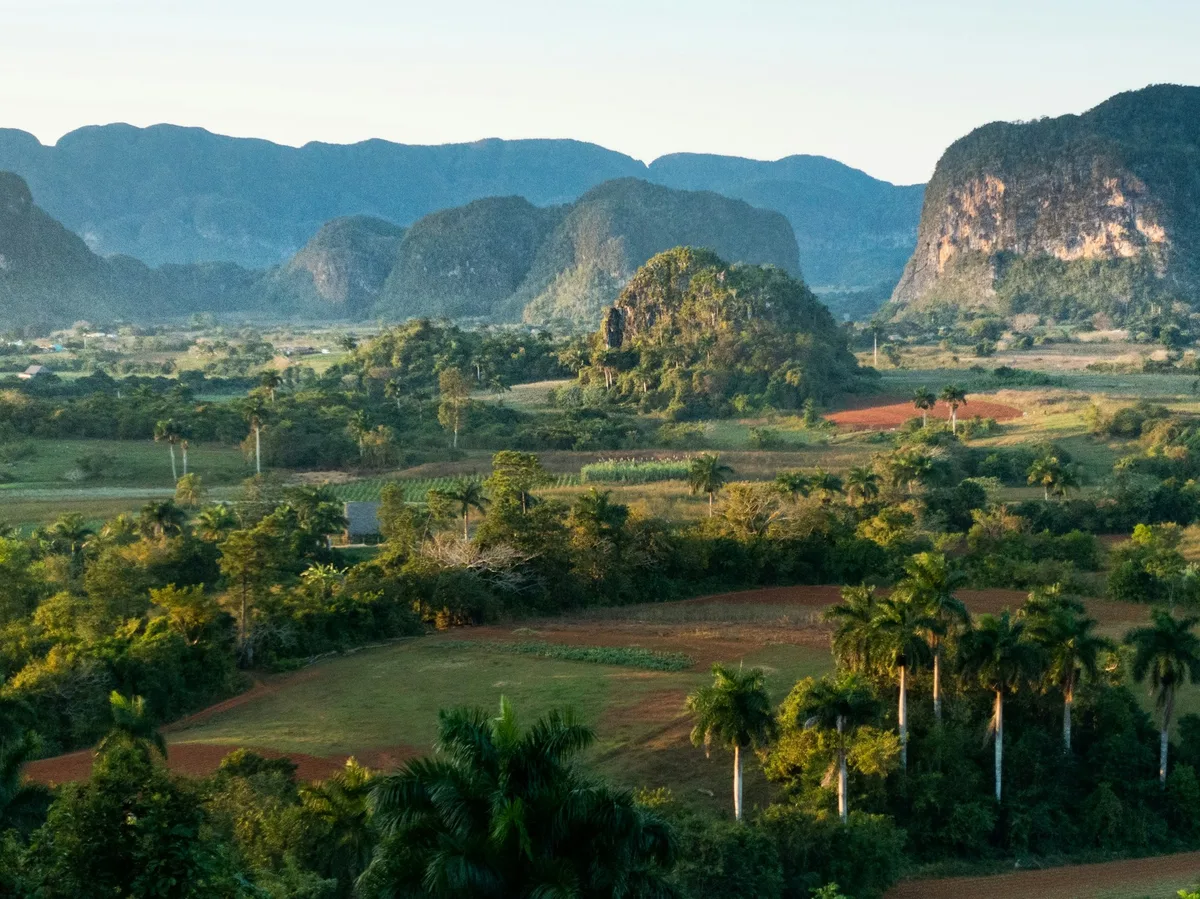
A UNESCO-listed valley in western Cuba's Pinar del Río province, famous for its dramatic limestone mogotes, red-earth tobacco farms, and the traditional cigar-rolling process still practiced by local growers.
 Multi-Day Tours Popular Pick
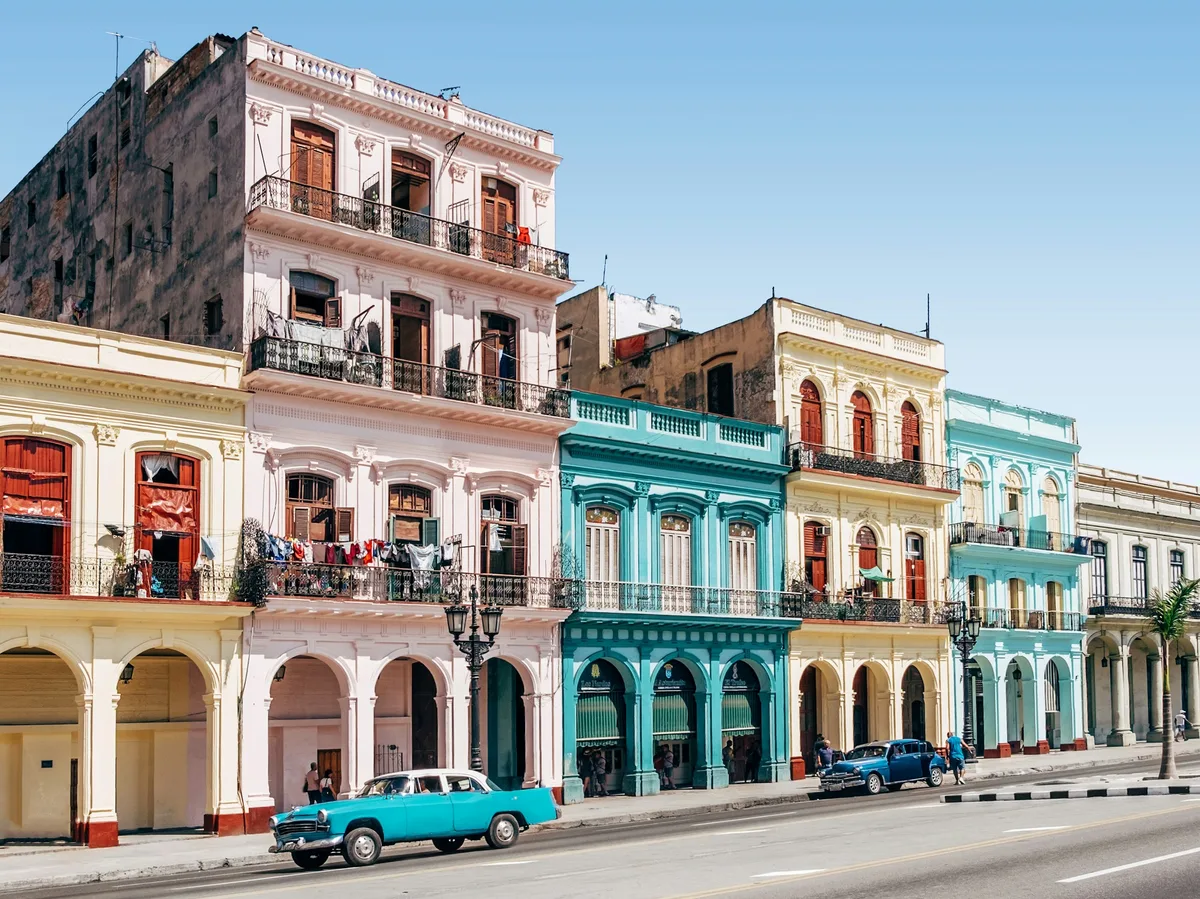
An 8-day circuit through Cuba's three most iconic stops — colonial Havana by vintage car, the tobacco valleys of Viñales, and the cobblestoned streets of Trinidad.
 Multi-Day Tours
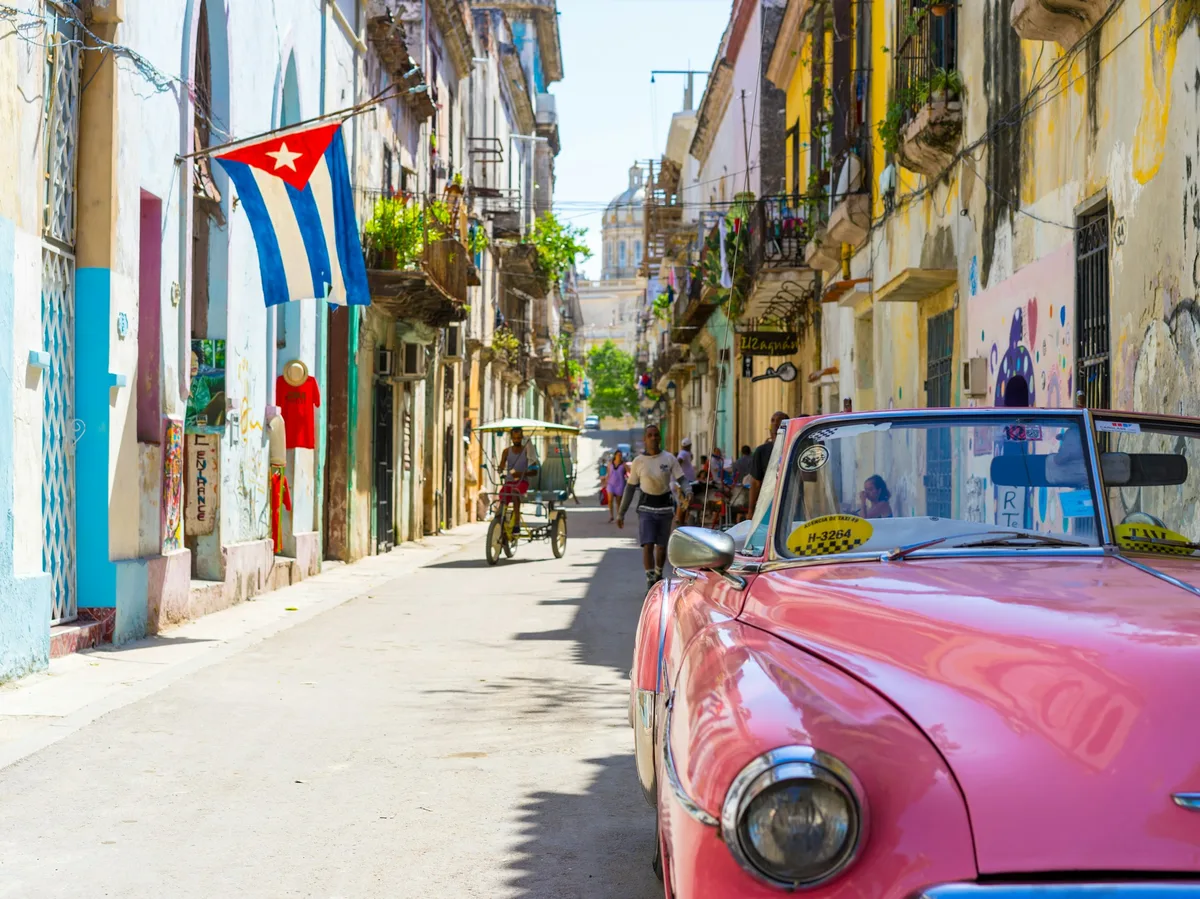
A compact 8-day loop through Cuba's west — Havana's classic-car streets, Viñales' tobacco country, and a beach finish in Varadero.
 Multi-Day Tours
A 15-day self-drive route across Western and Central Cuba — Havana, Viñales, Península de Zapata, Cienfuegos and Trinidad — before four nights relaxing in Varadero.
Visitor guide
The Vinales Valley is a karst valley in the Sierra de los Organos of Pinar del Rio Province in western Cuba, covering about 132 square kilometres. UNESCO inscribed it in 1999 as a cultural landscape, recognising both its dramatic limestone scenery and its traditional tobacco farming.
The valley floor is dotted with mogotes, steep limestone hills that rise like islands to heights of about 300 metres. Wikipedia says these formations are found nowhere else in Cuba, and comparable karst landscapes exist in Southeast Asia and the South China Karst. The Sierra de los Organos is part of the Guaniguanico range, and some of its rock is dated as the oldest in Cuba and the Caribbean.
Many caves open on the hillsides, including the Cueva del Indio and the Cueva de Jose Miguel, formed as water dissolved the limestone over long periods.
Tobacco and other crops are grown on the valley floor, mostly by traditional methods that have been used for centuries. Wikipedia says these labour-intensive methods are said to produce higher-quality tobacco than mechanised ones. Small farms and villages have existed since the conquistador era, and some colonial-era vernacular architecture survives.
The local culture blends Indigenous peoples, enslaved Africans and their free descendants, and Spanish and later European settlers. UNESCO's listing describes the valley as both a natural and cultural landscape, which is why farming traditions are central to the site's significance.
The adjoining town of Vinales was established in 1878 with a church, school, hospital and park, after Canary Islander tobacco growers colonised the area in the early 1800s. Wikipedia says the area was earlier home to a remnant Taino population that grew with runaway slaves, and caves such as the Cueva del Indio, Cueva de Jose Miguel and Cueva de Santo Tomas served as shelters for runaways. The valley and town were protected in 1976, declared a National Monument in 1978 and inscribed by UNESCO in November 1999 for the karst landscape, traditional agriculture, vernacular architecture, crafts and music.
The valley has many endemic species. Plants named by Wikipedia include Pachira emarginata, the mountain palm Gaussia princeps, Ekmanianthe actinophylla and the cycad Microcycas calocoma. Birds include the bee hummingbird, Cuban trogon, Cuban tody, Cuban solitaire and Cuban grassquit, making the valley appealing to birdwatchers.
A large contemporary mural is painted on the Pita mogote in the Dos Hermanas valley. Created by Leovigildo Gonzalez Morillo, a former director of cartography at Cuba's Academy of Sciences, it is about 120 metres high and 160 metres long, divided into twelve sections. It depicts the evolution of life in Cuba, including Guanahatabeye Indians, mammals, giant animals and mollusks.
Some visitors enjoy it as a landmark, while others regard it as an intrusion on the natural scenery, so opinions differ.
Hiking and rock climbing are the main activities, and the climbing scene grew significantly in the early twenty-first century as new routes were found. A private guided visit suits the valley because a local guide can link viewpoints, tobacco farms and caves, and a driver handles the roads from Havana or Vinales town. Weather affects visibility and trail conditions, so plans should stay flexible.
The climate is tropical monsoon, with a wet season from April to November that peaks between May and October, and annual rainfall of about 1,540 millimetres, so trails can be muddy in summer. Other local attractions named by Wikipedia include tobacco plantations such as Alejandro Robaina's, the Casa del Veguero, a municipal museum and botanical gardens.
See every tour and attraction we cover in Cuba.